
12.02.2026
730
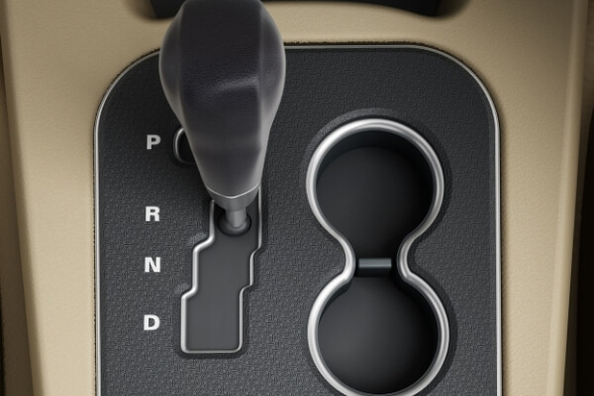

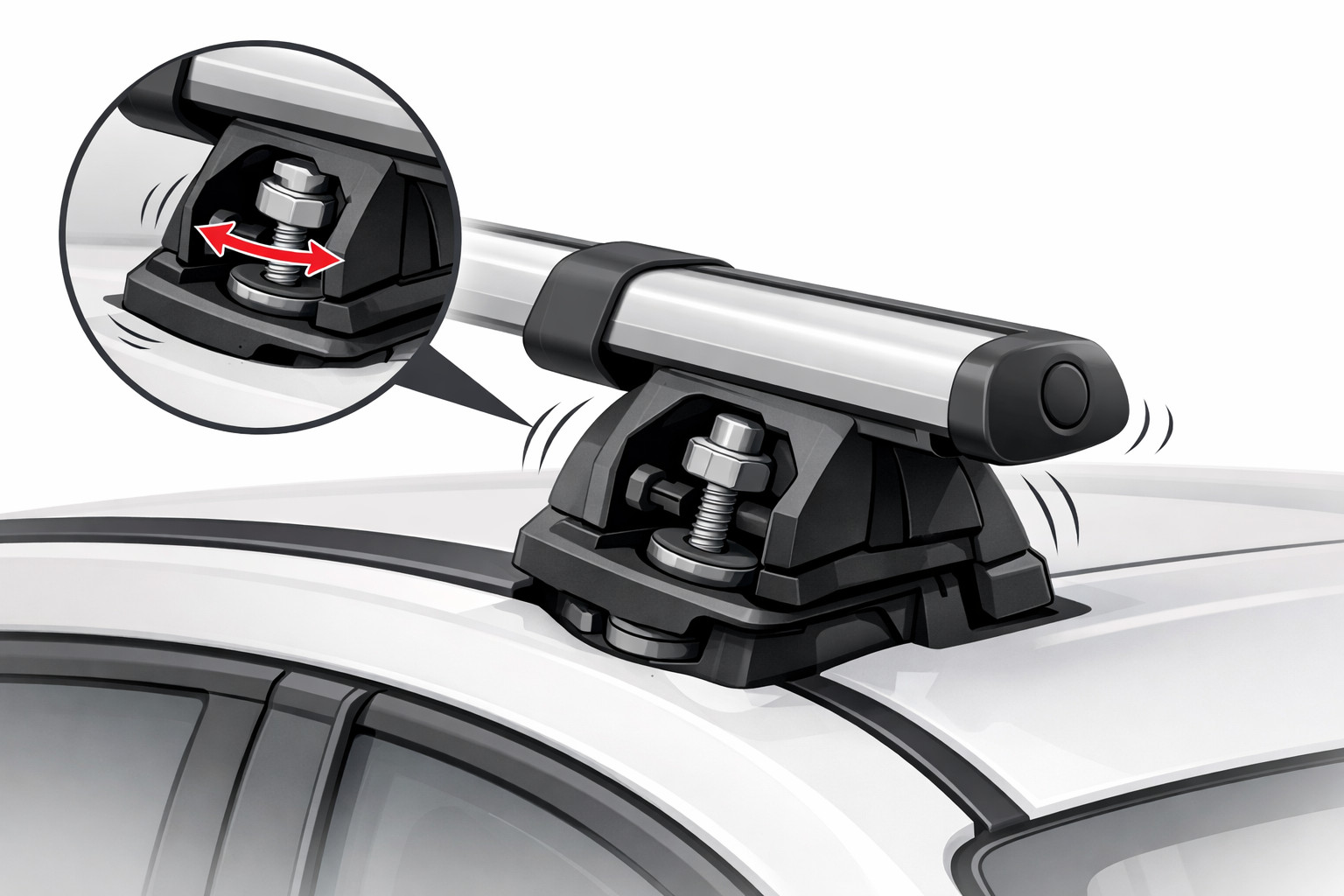
Many drivers who have switched from a manual to an automatic, or who are getting behind the wheel for the first time, feel uncomfortable именно when reversing. It can seem like the gearbox «doesn’t listen»: the car moves too slowly or suddenly jerks. In fact, on most modern automatic transmissions, reversing is very simple — the key is understanding the procedure and a few important нюances. By the way, various tuning elements can help make your car more stylish and practical, improving its look and everyday usability.
When maneuvering in reverse, your speed should generally not exceed 10–15 km/h.
You can get used to reversing in an automatic in 3–5 practice sessions on an empty площадка. The key is smoothness and patience. Then reverse parking will feel as natural as breathing.
Shipping to EU
Wholesale and retail
Own warehouse
Опис продукту
Подарунки не надаються при оформленні покупки у кредит під 0,01% або при покупці частинами.