22.08.2026
110
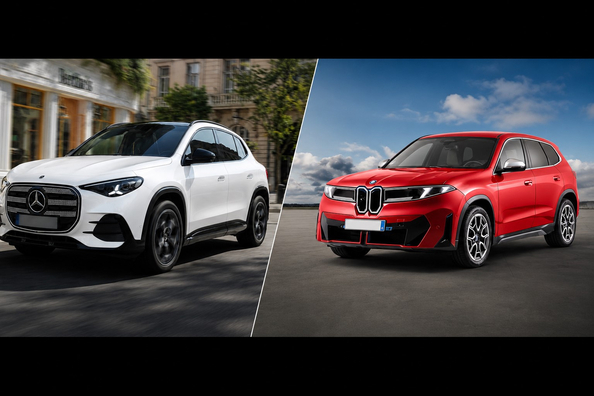
If your main priorities are range, fast-charging pace, and the latest EV tech, the Mercedes GLA Electric looks stronger. If what you need isn’t the loudest press release but a real-world car with predictable behavior, a slightly more practical trunk, and fewer unknowns, it makes more sense to look at the BMW iX1.
There’s no universal winner here. Mercedes wins on numbers and architecture; BMW wins on product maturity. So the choice shouldn’t be made by the badge, but by where and how the car will actually be driven: city, highway, home charging, family trips, noise requirements, and your willingness to buy a first-year model.
Mercedes GLA Electric is a bet on a new platform, an 800-volt architecture, very fast charging, and a large claimed range. On paper it’s the stronger EV for long trips: fewer stops, shorter charging breaks, higher highway potential.
BMW iX1 is a different approach. It’s already a mass-produced, proven car with real-world strengths and weaknesses that are well understood: the range you actually get, highway noise levels, trunk practicality, and whether AWD is worth it. In other words, the BMW is easier to buy with your head today, while the Mercedes is easier to want for its numbers.
| Option | Strengths | Weaknesses | Who it suits |
|---|---|---|---|
| Mercedes GLA Electric | Up to 657 km WLTP, very fast charging, new 800-volt architecture, front compartment for cables | No long-term owner statistics yet, not all practical specs published, first-year model risk | Those who often drive on the highway and will actually use the advantage of fast charging |
| BMW iX1 eDrive20 | More rational range within the iX1 lineup, simpler configuration, a clear format for city and suburbs | No AWD, slower fast charging, less driver-focused performance | Those who want a premium electric crossover without overpaying for unnecessary power |
| BMW iX1 xDrive30 | AWD, strong acceleration, proven model, large and convenient trunk, known weight and towing figures | Less range than eDrive20 and Mercedes, can be noisier on the highway, fast charging is noticeably weaker | Those who value traction, winter confidence, and the role of a single family car |
Mercedes’ strong point is simple: it promises what compact premium electric crossovers often lack today—a stress-free long trip. A large range and very high charging speed mean that on the highway it could be noticeably more convenient than the BMW, especially if your route includes high-power stations.
The second plus is the concept itself. A new EV platform, 800-volt architecture, a separate 107 L front compartment, modern electronics—all of this makes the GLA Electric more technologically interesting. For those buying a car several years ahead, that’s a strong argument.
But that’s also where the main risk lies. For the new GLA Electric, there’s still no large body of owner data, no independent winter testing, no dedicated crash test, and no complete data on weight, towing, and some performance figures. In other words, it’s a choice for those willing to buy on potential, not only on proven market experience.
This is the most sensible iX1 version for those who aren’t chasing AWD. It has the best range in the BMW iX1 family, and that matters more than peak power in everyday use. If your routine is city, suburbs, office commuting, and weekend trips, the eDrive20 looks very well balanced.
Another advantage of the eDrive20 is less temptation to overpay for capabilities you won’t use. Many people automatically choose the higher AWD version, even though in reality they drive alone, without a trailer, without frequent winter mountain roads, and without drag-race launches at traffic lights.
The limitations are clear too: there’s no AWD, charging isn’t record-breaking, and for some buyers a status purchase may lack the feeling of power in reserve. But as a cold, rational choice, it’s one of the strongest configurations in this comparison.
xDrive30 is the iX1 for those who want an electric crossover to be not only efficient on the move, but also versatile. AWD, noticeably better performance, and known figures for weight, payload, and towing make it more grown-up in everyday terms. As a family car, it looks very convincing.
BMW also has the advantage of maturity: it’s already clear that the car is well built, comfortable, and generally predictable. The X1 family has a strong independent safety rating, which matters for those buying for the long haul.
The main downsides are that real highway range turns out more modest than the attractive brochure numbers, and fast charging significantly lags behind Mercedes. If you often drive long distances, this difference will start to annoy you sooner than any lack of power.
For regular long trips, the Mercedes GLA Electric is stronger. What matters here isn’t only range, but also how quickly you can replenish the battery. If your route is highways and a tight schedule, it genuinely saves time.
For city and suburban driving, the most rational choice is the BMW iX1 eDrive20. It doesn’t force you to pay for AWD, offers a good claimed range, and is already a well-understood daily tool.
As the only car in the family, the calmer choice is the BMW iX1 xDrive30. Not because it’s better at everything, but because more is known about it: trunk, towing capability, behavior, safety, weak points.
If you’re very sensitive to noise, none of the options should be bought blind. With BMW there are already signals about tire and wind noise, while for Mercedes there’s simply too little real-world data so far. You’ll need a personal test on your typical road surface.
| Scenario | What to choose | Why |
|---|---|---|
| Frequent highway trips | Mercedes GLA Electric | Range and fast-charging pace deliver a real time advantage |
| City, suburbs, home charging | BMW iX1 eDrive20 | A more rational balance of range, cost of ownership, and sufficient performance |
| One car for the family | BMW iX1 xDrive30 | Clearer practicality, AWD, and already known everyday parameters |
| Need maximum technical headroom for the future | Mercedes GLA Electric | The new platform and more modern electric architecture look more forward-looking |
| Don’t want the risk of a launch-year model | BMW iX1 | The car is already on sale, with fewer unknowns in real-world use |
| Need AWD, but without a focus on long highway trips | BMW iX1 xDrive30 | Delivers traction and versatility without waiting for a new model |
Paying extra for the Mercedes GLA Electric makes sense when you’ll actually use its technical advantage: lots of highway driving, a tight schedule, reliance on fast charging stations, and a desire not to spend time charging. If your mileage is mostly urban and you’ll charge at home, Mercedes’ numbers may remain just numbers you paid extra for.
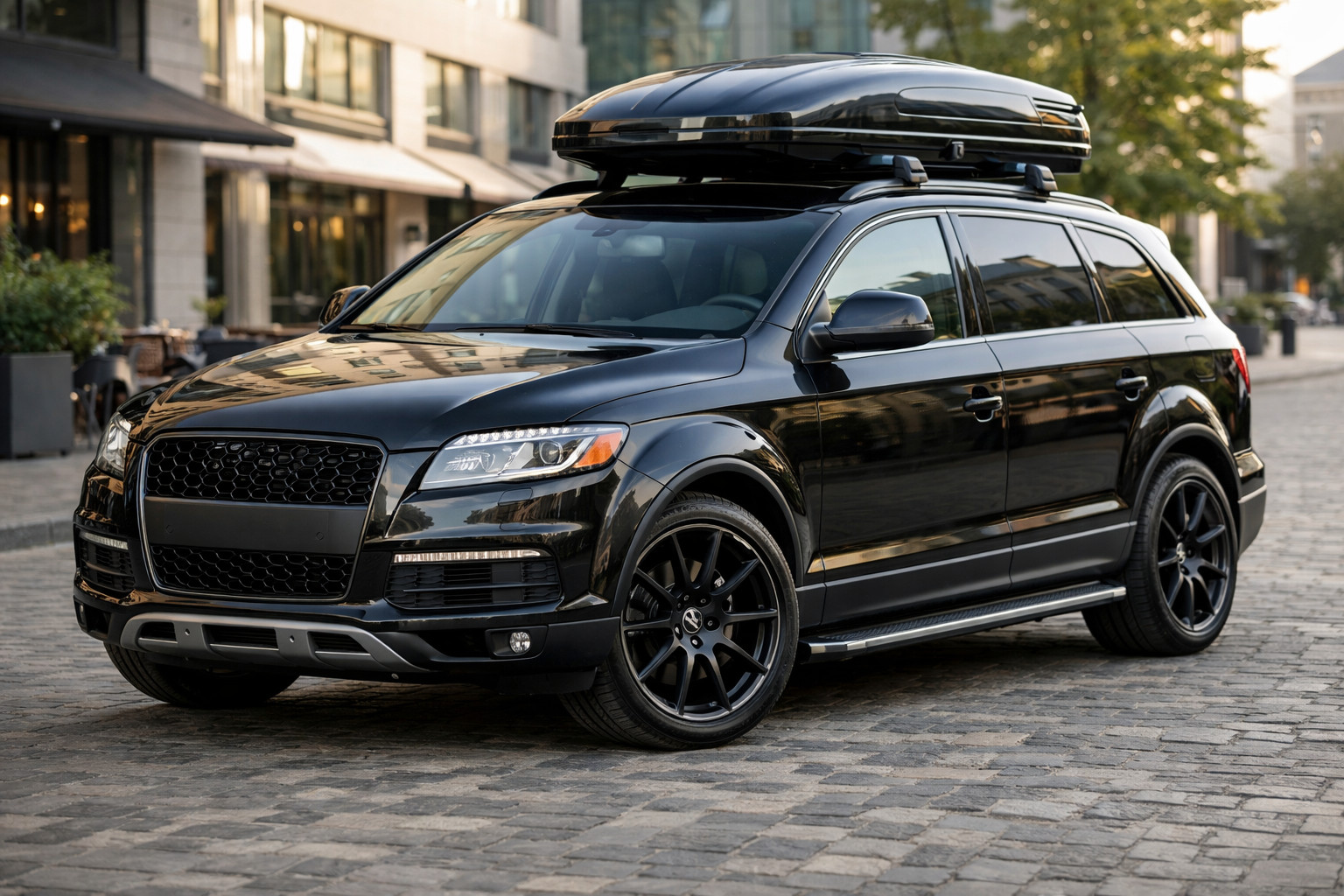
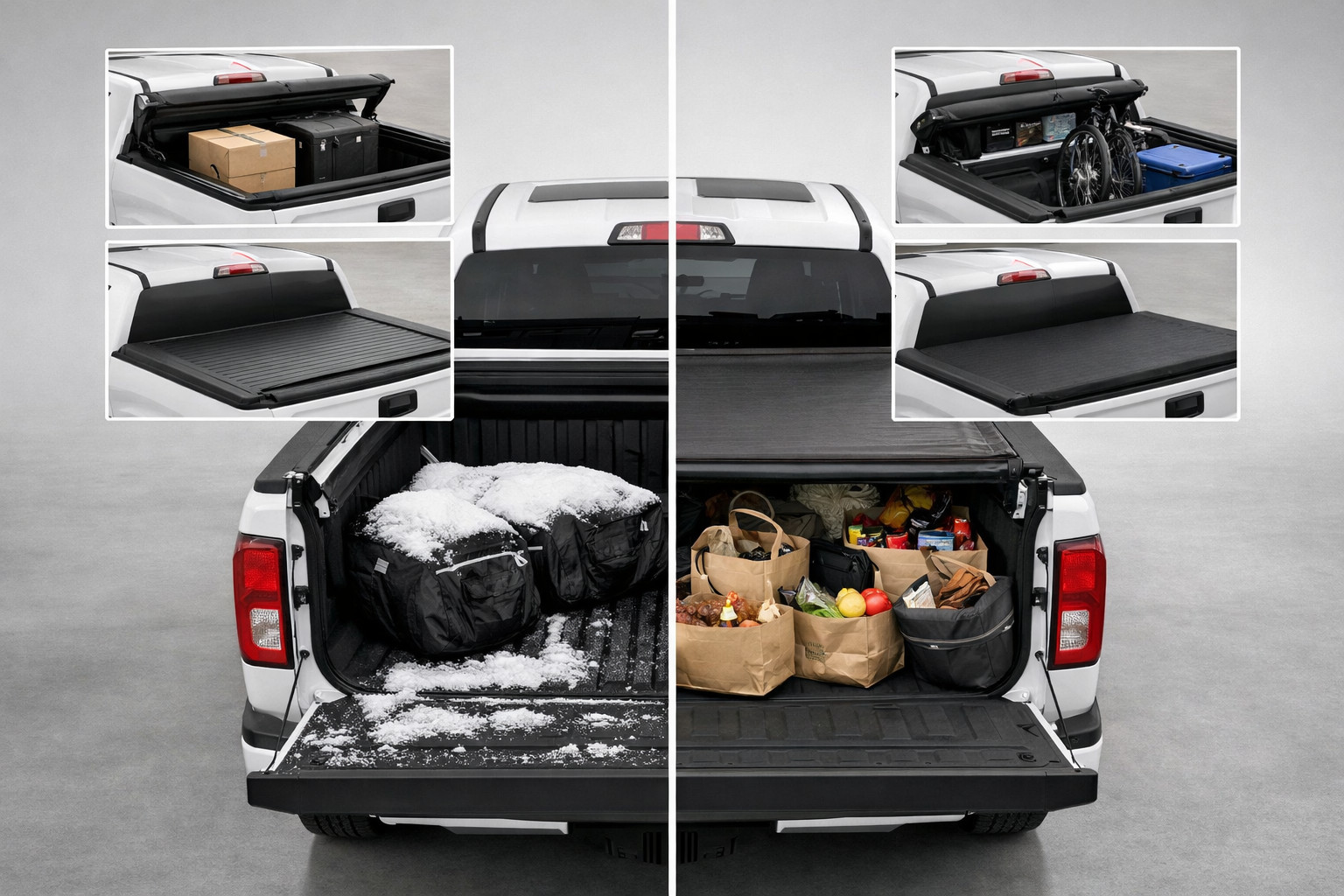
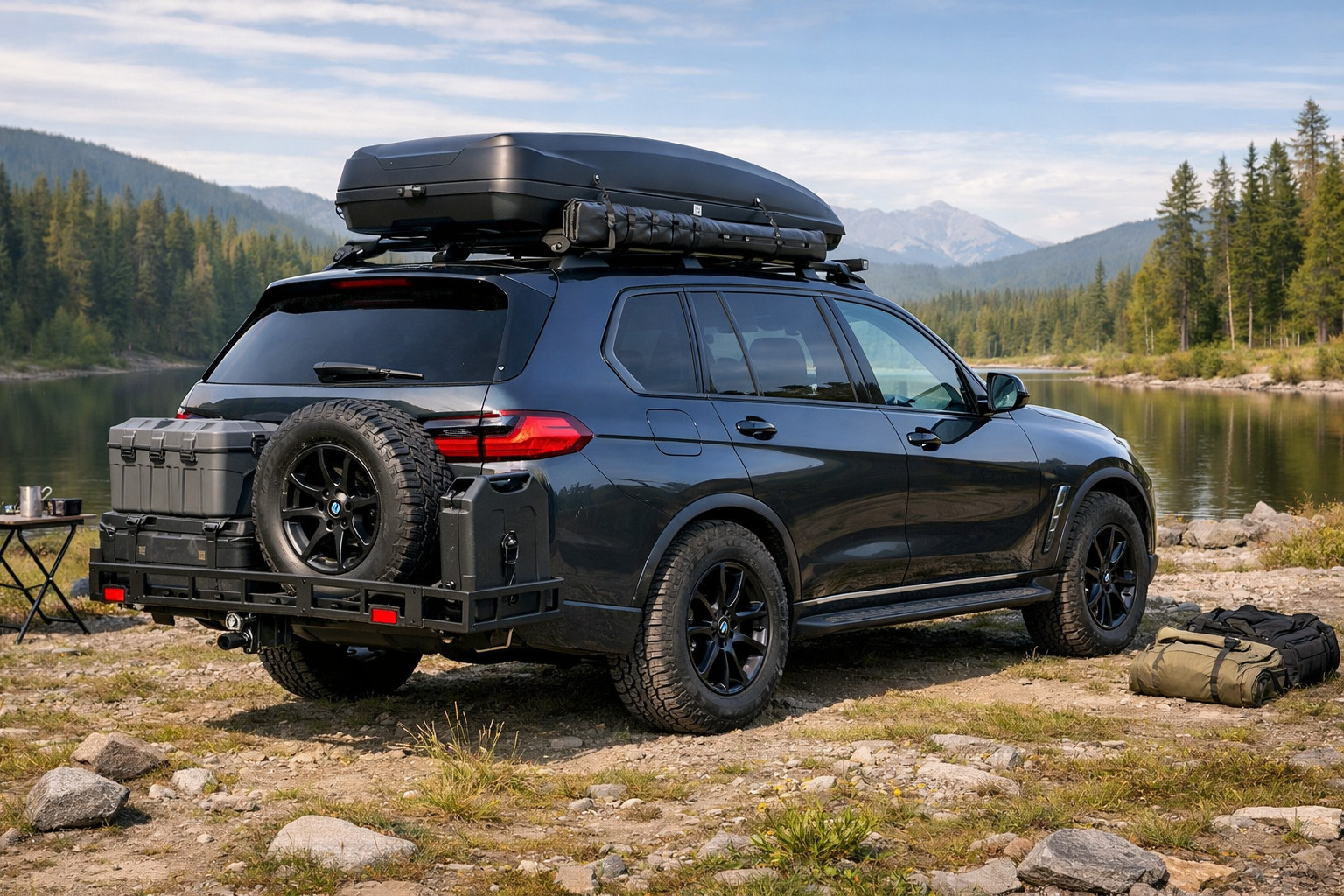
A more expensive choice also makes sense when you plan the car as a long-term family asset from day one and want to protect the cabin and trunk from daily wear. For the BMW iX1, model-specific trunk mats and roof racks are already available, and for Mercedes it’s convenient to follow current solutions in the brand catalog. For an expensive electric crossover, this is a practical, not decorative expense: less wear, a cleaner interior, and easier resale.
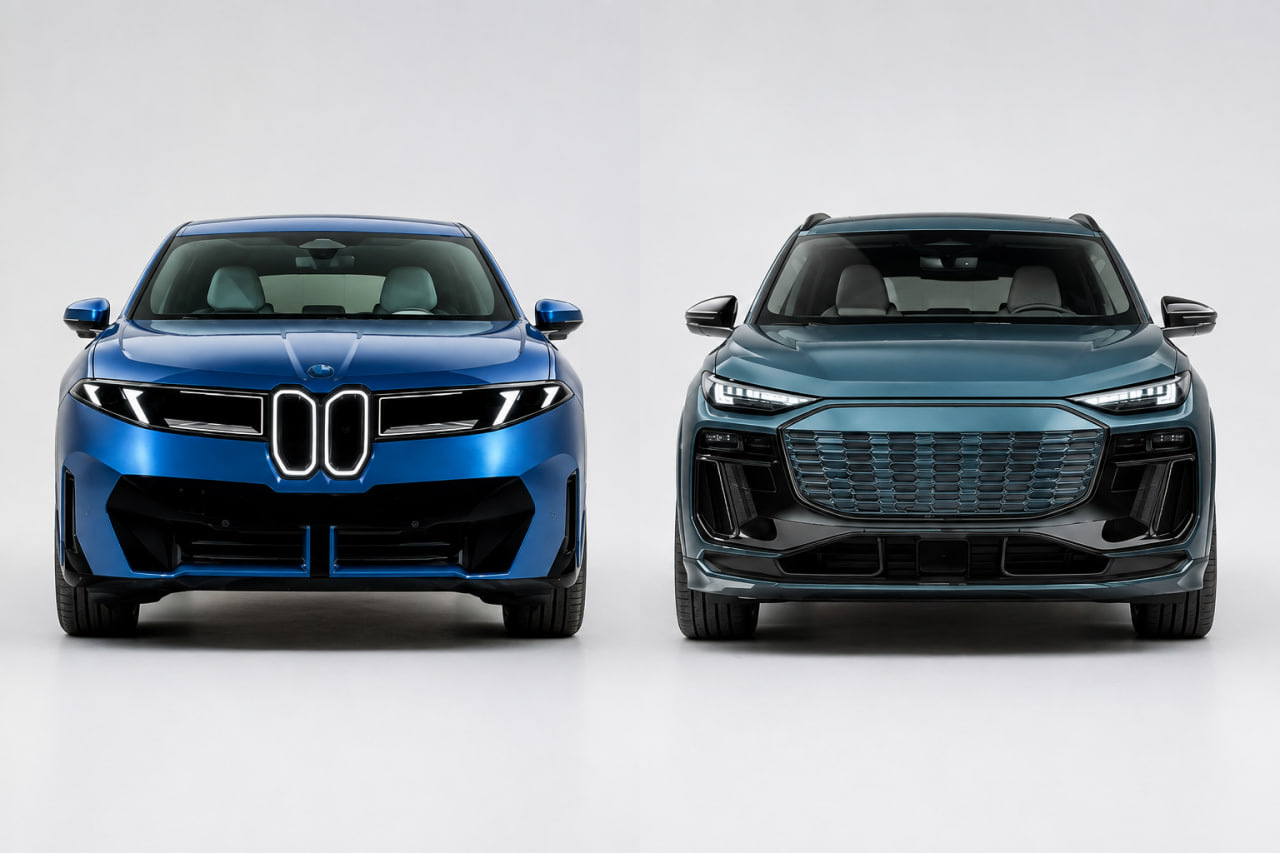
Mercedes GLA Electric currently looks stronger specifically as an EV: more modern architecture, longer range, faster charging. BMW iX1 looks stronger as an already understood product: proven tech, practicality, clear compromises, and fewer unknowns.
If you drive far and often, look toward Mercedes. If you want to buy a premium electric crossover without surprises and with a more transparent day-to-day experience, the BMW iX1 looks like the safer choice today. The most important thing to remember is this: the winner isn’t the brand—it’s your use case.
| ✔ | Mercedes GLA Electric’s large claimed range and 800-volt architecture make it a strong option for long trips. On the highway, that means fewer stops and shorter charging breaks. |
| ✔ | BMW iX1 already has a clear practical track record: we know how it behaves in real life, including noise, practicality, and range. This reduces the risk of unpleasant surprises after purchase. |
| ✔ | The BMW iX1 eDrive20 looks like a sensible choice for the city and suburbs, as it offers the best range in the family without paying extra for all-wheel drive. For everyday use, it’s the more balanced pick. |
| ✔ | BMW iX1 xDrive30 adds all-wheel drive, better dynamics, and more understandable everyday parameters, including boot space and towing. This makes it a strong family option. |
| ✔ | Mercedes GLA Electric has an additional practical advantage in the form of a front storage compartment for cables. For an EV, that’s convenient in everyday use because it doesn’t take up boot space. |
| ✘ | The Mercedes GLA Electric still lacks a lot of real-world owner data, so some of its strengths remain only on paper. For a model in its first year, that increases the risk of minor teething issues. |
| ✘ | Not all important practical figures for the new Mercedes have been published yet, including weight, towing data, and some performance characteristics. As a result, it is harder to assess as a purchase without blind spots. |
| ✘ | The BMW iX1 in eDrive20 form does not have all-wheel drive and does not offer record charging speed. For those who often travel long distances or drive in difficult winter conditions, that may not be enough. |
| ✘ | The BMW iX1 xDrive30 falls behind the Mercedes in range and is noticeably weaker in fast-charging speed. On long routes, that can start to get annoying. |
| ✘ | BMW iX1 already has mentions of tyre and wind noise on the motorway, so there may be some compromises in cabin quietness on long trips. This matters for those sensitive to acoustic comfort. |
Shipping to EU
Wholesale and retail
Own warehouse
Опис продукту
Подарунки не надаються при оформленні покупки у кредит під 0,01% або при покупці частинами.