19.07.2026
818
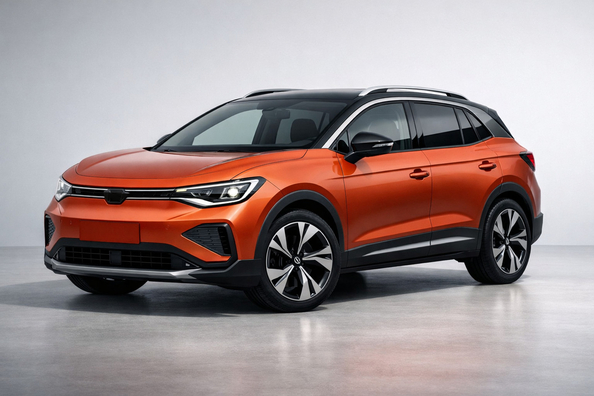
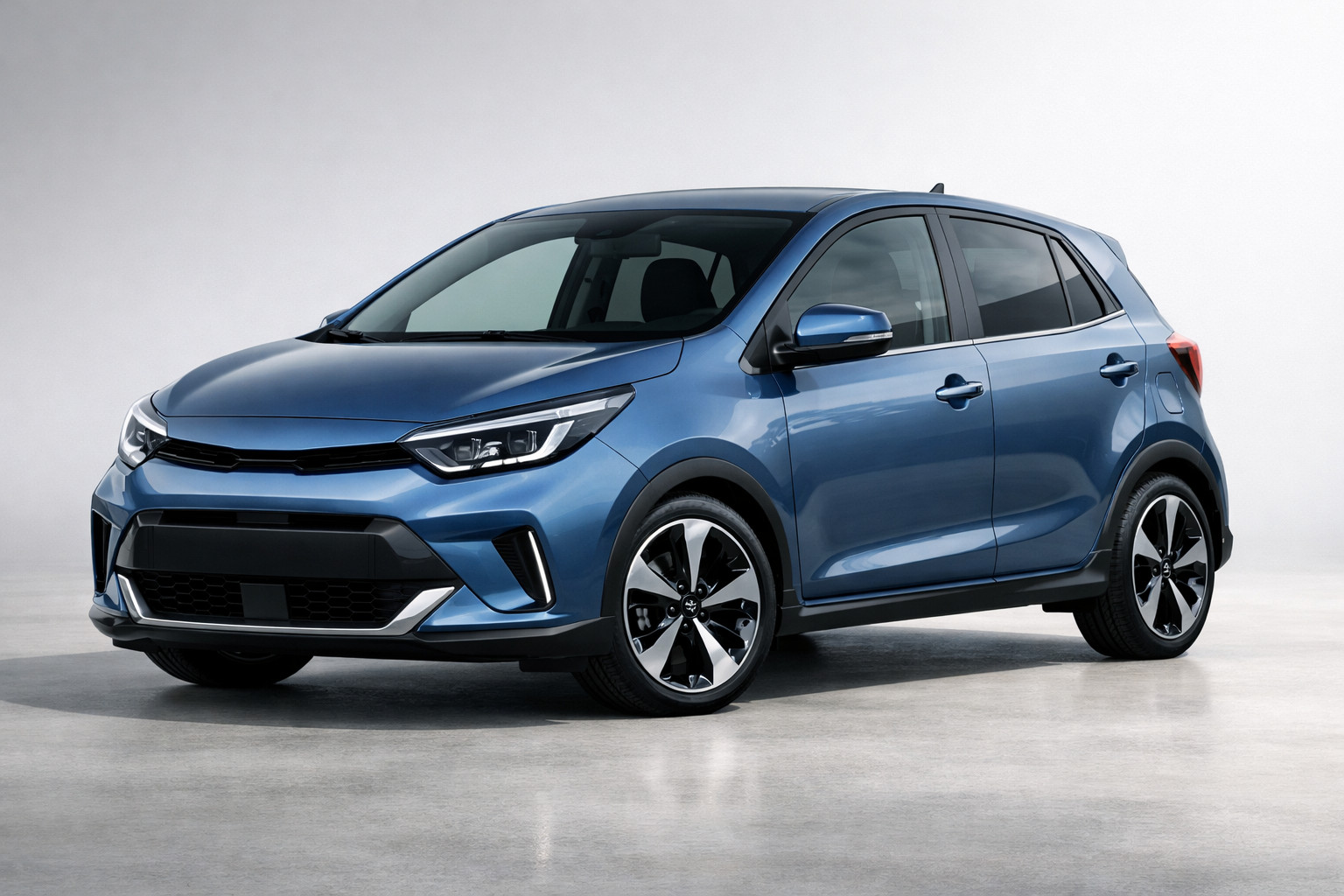
Volkswagen ID. Cross is a new electric compact crossover on the MEB+ platform, entering the size and price territory of the Volkswagen T-Cross, but with different hardware and a different usage logic. Essentially, it’s a city- and family-focused EV with front-wheel drive, a 475 L trunk, range up to 427 km on the WLTP cycle, and a starting price in Germany from €27,995.
An important nuance: the model has already been officially unveiled, but sales in Europe are planned only for autumn 2026. So it should be judged not as a long-known car with a huge pool of feedback, but as a very specific set of decisions: who it fits well, and where compromises are already visible.
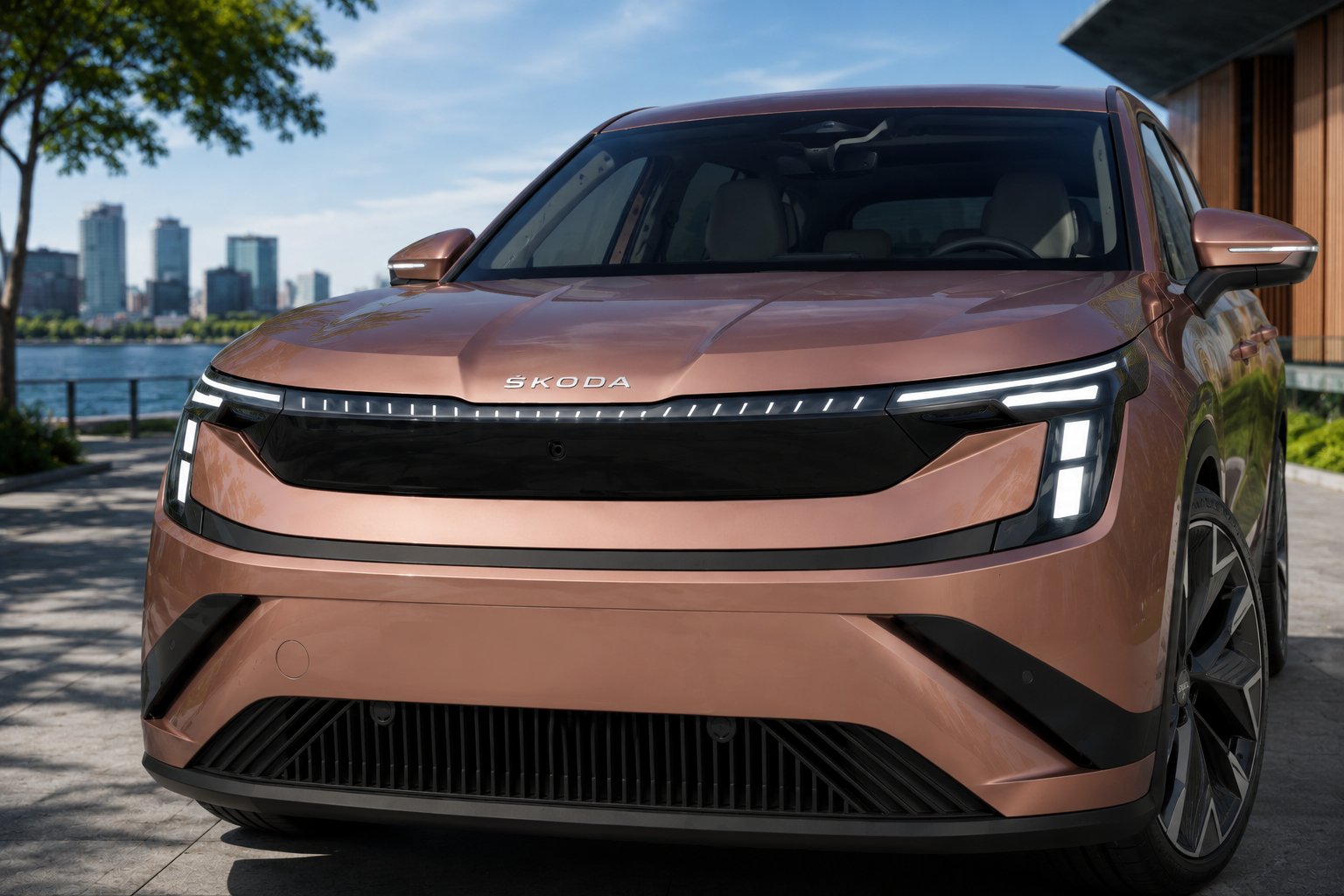
ID. Cross sits below the brand’s larger electric crossovers and is aimed at those who don’t need a big family EV, but a compact format for the city, suburbs, and occasional highway trips. By dimensions and positioning, it’s a direct electric competitor in the T-Cross class, alongside the Ford Puma Gen-E, Renault 4 E-Tech, Skoda Epiq, Kia EV2, and Citroen e-C3 Aircross.
Who it will suit: drivers who want a compact body without sacrificing practicality, a proper trunk, and straightforward handling without rear-wheel-drive quirks. Who it may not: those expecting sporty dynamics, lots of ground clearance, or long-distance capability without relying on charging infrastructure.
As of the official premiere, this is the first generation of the Volkswagen ID. Cross. There have been no previous generations under this name, and the car is not simply an electric version of the T-Cross: it’s a separate model on the MEB+ electric architecture.
In practice, the model’s story is only beginning. For the European market, the launch is scheduled for autumn 2026, so there is no broad base of owner experience yet, no long-term reliability statistics, and no established used market.
There are no gasoline or diesel engines here, so an engine displacement requirement does not apply to the ID. Cross: it’s a pure EV. All versions use the APP290 electric motor on the front axle, a single-speed transmission, and front-wheel drive.
Three power outputs are stated: 85, 99, and 155 kW, i.e., 116, 135, and 211 hp. It’s important that the smallest 37 kWh battery is more city-oriented, while the 52 kWh version looks like the smarter choice for mixed driving and regular trips out of town.
| Parameter | Data |
|---|---|
| Powertrain type | Fully electric, engine displacement not applicable |
| Motor | APP290, torque 290 N·m |
| Power output | 85, 99, or 155 kW |
| Drive and gearbox | Front-wheel drive, single-speed transmission |
| Battery | 37 kWh or 52 kWh |
| Range | Up to 316 km or up to 427 km on the WLTP cycle |
| Charging | AC up to 11 kW, DC up to 90 or 105 kW; 10–80% in about 23–24 minutes |
| Top speed | 150 km/h for 85 and 99 kW, 160 km/h for 155 kW |
The body is five-seat, in a typical compact-crossover format: 4153 mm long, 1794 mm wide, 1581 mm tall, with a 2601 mm wheelbase. The 140 mm ground clearance doesn’t make it an off-roader, but for the city, curbs, dirt roads to a cabin, and winter use, it’s usually sufficient.
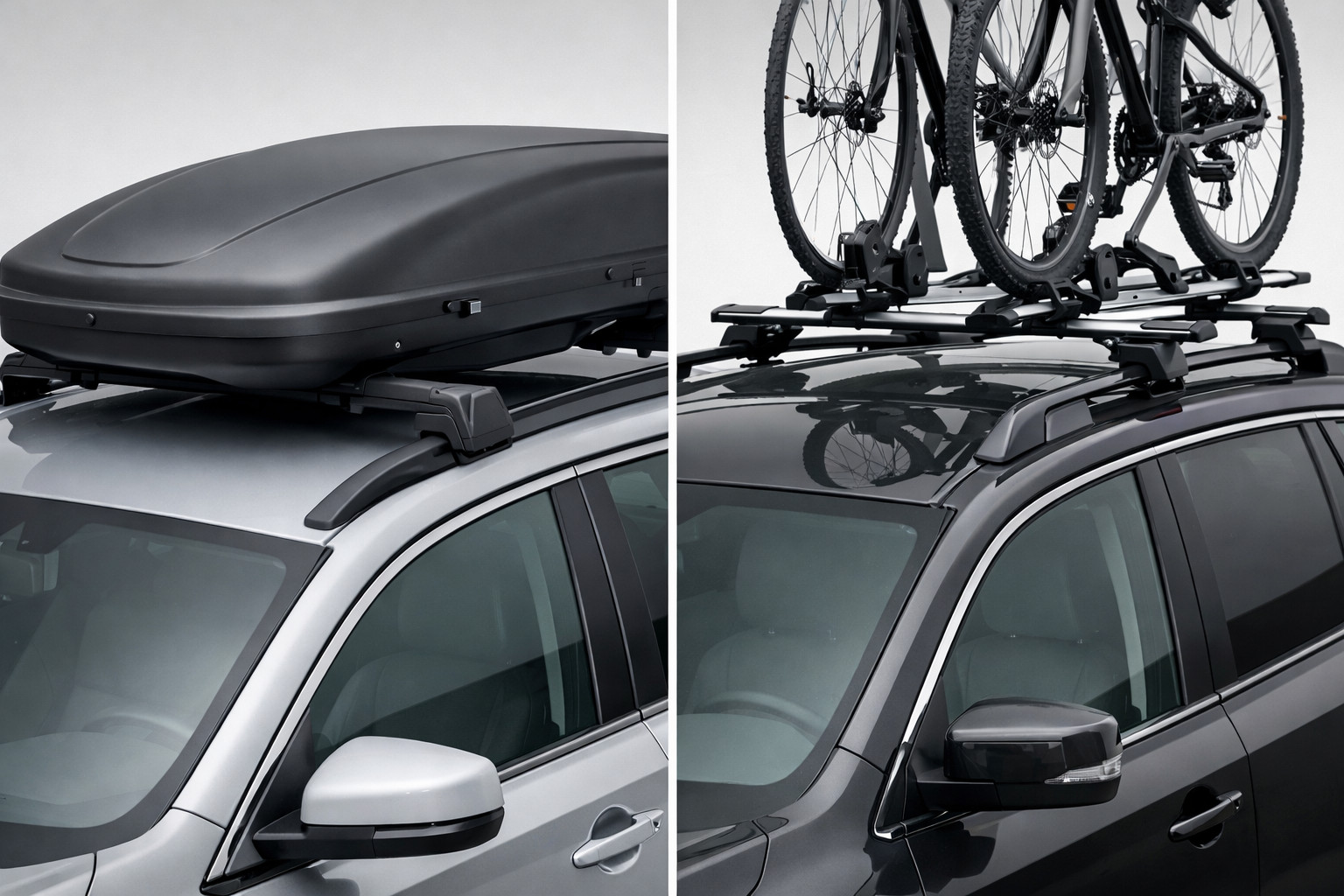
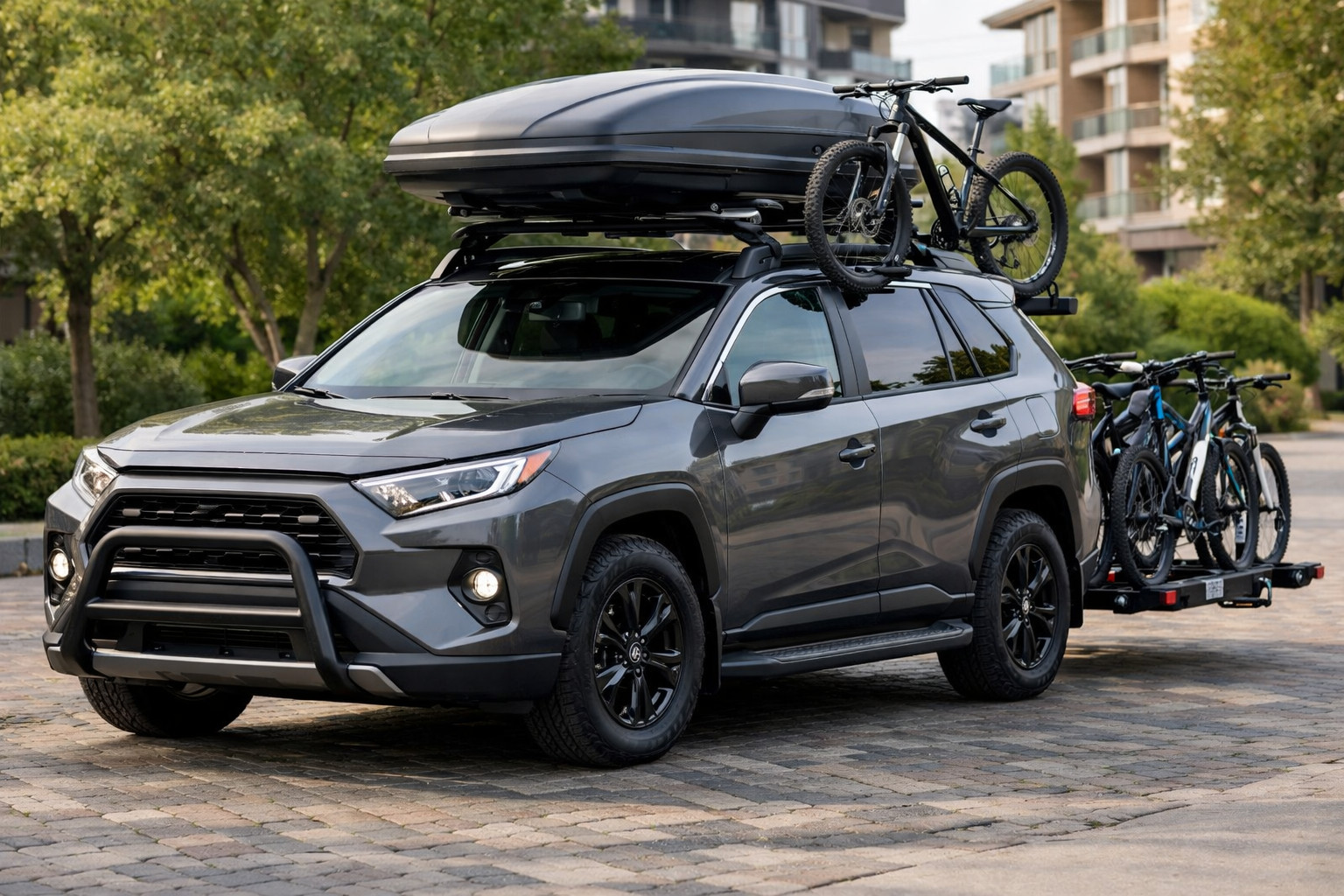
Practicality is a strong point: a 475 L trunk, up to 1340 L with the second row folded, plus another 25 L up front for cables or small items. There’s also useful carrying capability: up to 1200 kg braked trailer, 75 kg vertical load on the towbar, and 75 kg dynamic roof load. Adaptive suspension is available only for the 155 kW version, so the way the base trims drive may differ noticeably.
Inside, Volkswagen has focused not only on screens, but on real everyday usability. There’s a 26 cm digital cluster, a 32.8 cm central display, physical buttons, a separate rotary audio knob, and voice control. This matters, because ergonomics often decide whether an EV starts to annoy you two weeks after purchase.
In terms of electronic assistants, the set is strong for the class: adaptive cruise control, traffic sign recognition, traffic light recognition, one-pedal driving mode, Connected Travel Assist. Higher trims can get Park Assist Pro, a 360-degree camera system, and other features that until recently were the norm only in higher segments.
In the city cycle, the ID. Cross looks very well-judged: compact dimensions, front-wheel drive, a good trunk, and fast charging. For those who mostly drive in the city and charge at home or at work, the smaller battery can make sense. But if you have regular highway runs, family trips, or winter mileage, it’s better to look straight at the 52 kWh version.
There are practical caveats too. Ground clearance is moderate, so this isn’t a car for broken forest roads. In early driving impressions, some reviewers noted slightly sluggish steering response around center, and not everyone likes the charge port placement on the front fender. Also, there is not yet complete public data on service intervals, battery warranty, or real residual value after a few years of use.
The main strength of the ID. Cross is a very rational package: electric tech without unnecessary complexity, decent space, and a clear day-to-day use case. The main weakness is that it’s not a revolutionary product, but a sober, restrained tool that won’t give everyone an emotional spark.
| Item | Pros for the owner | What to keep in mind |
|---|---|---|
| Practicality | 475 L trunk, up to 1340 L with the row folded, plus an additional front compartment | The rear row is unlikely to be class-leading for tall passengers |
| Range | Up to 427 km with the larger battery—already a workable figure for trips outside the city | 37 kWh and 316 km are better suited to city use than frequent highway driving |
| Charging | Fast top-up from 10–80% in about half an hour | The advantage is noticeable only where there’s solid fast-charging infrastructure |
| Chassis | Comfortable, mature tuning; adaptive suspension available on 155 kW | Not a sporty character; early impressions point to calm rather than sharp steering |
| Everyday logic | Physical buttons, a clear interface, towing, roof load rating, V2L available | The design and overall feel may seem too restrained to those looking for a bold character |
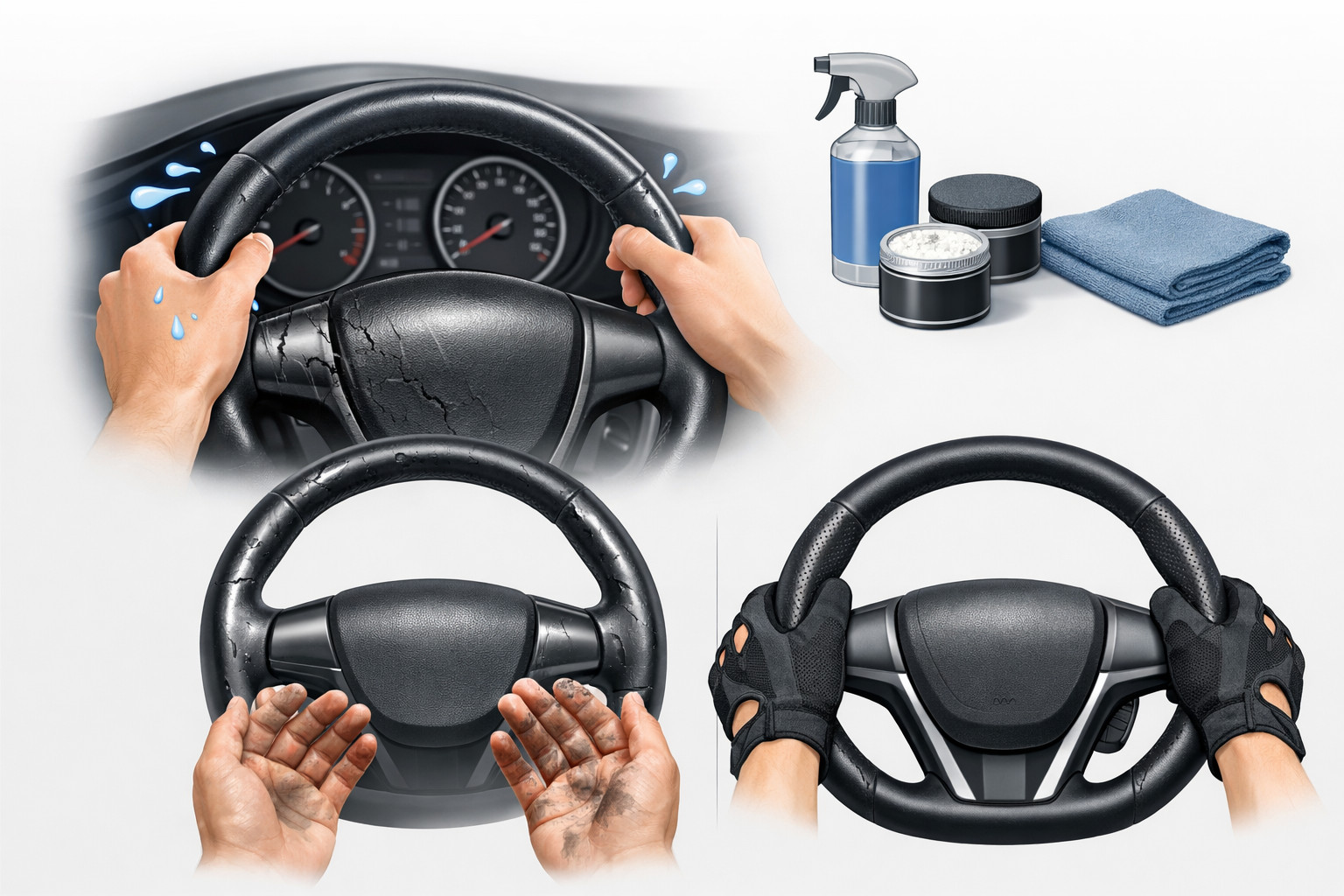
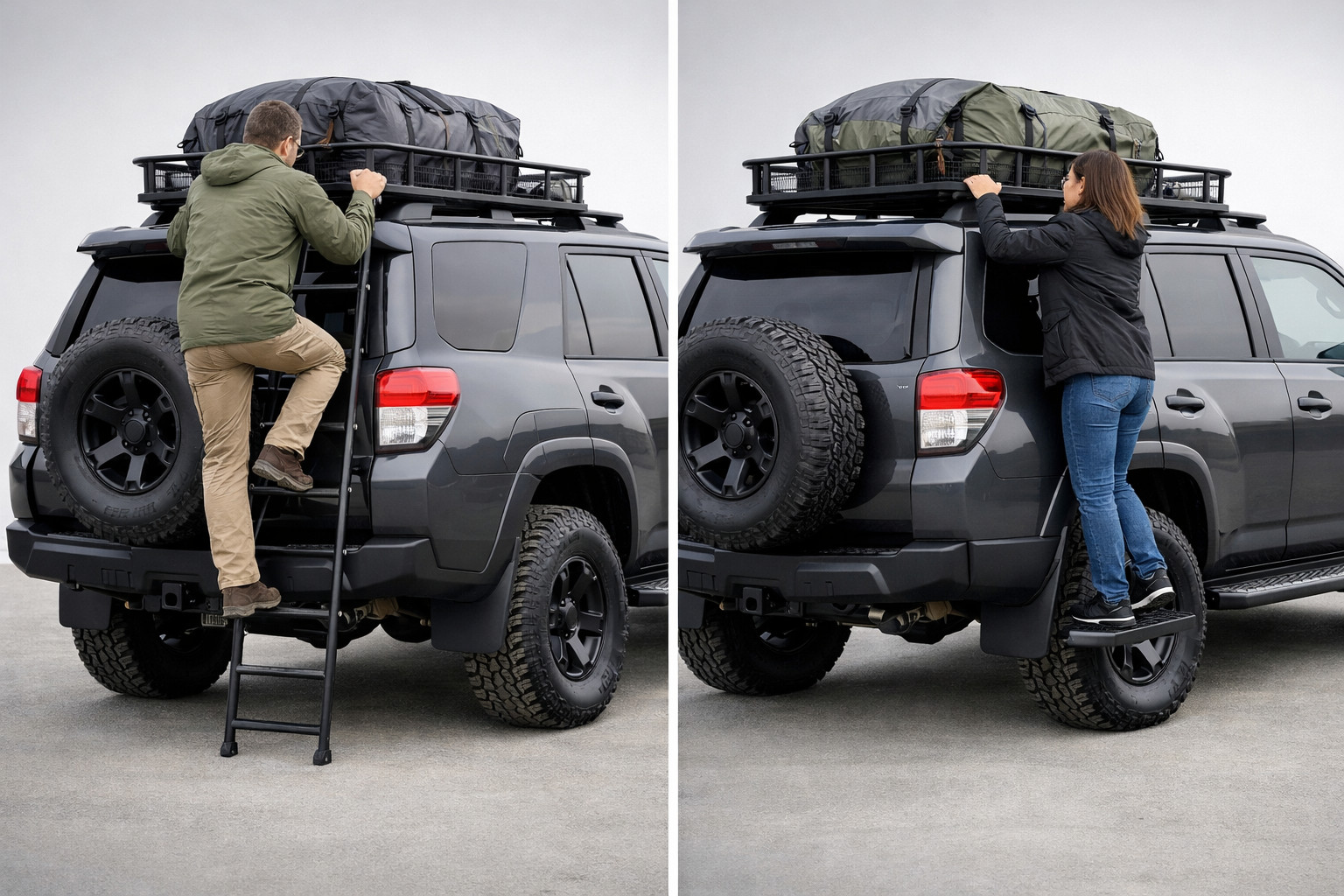
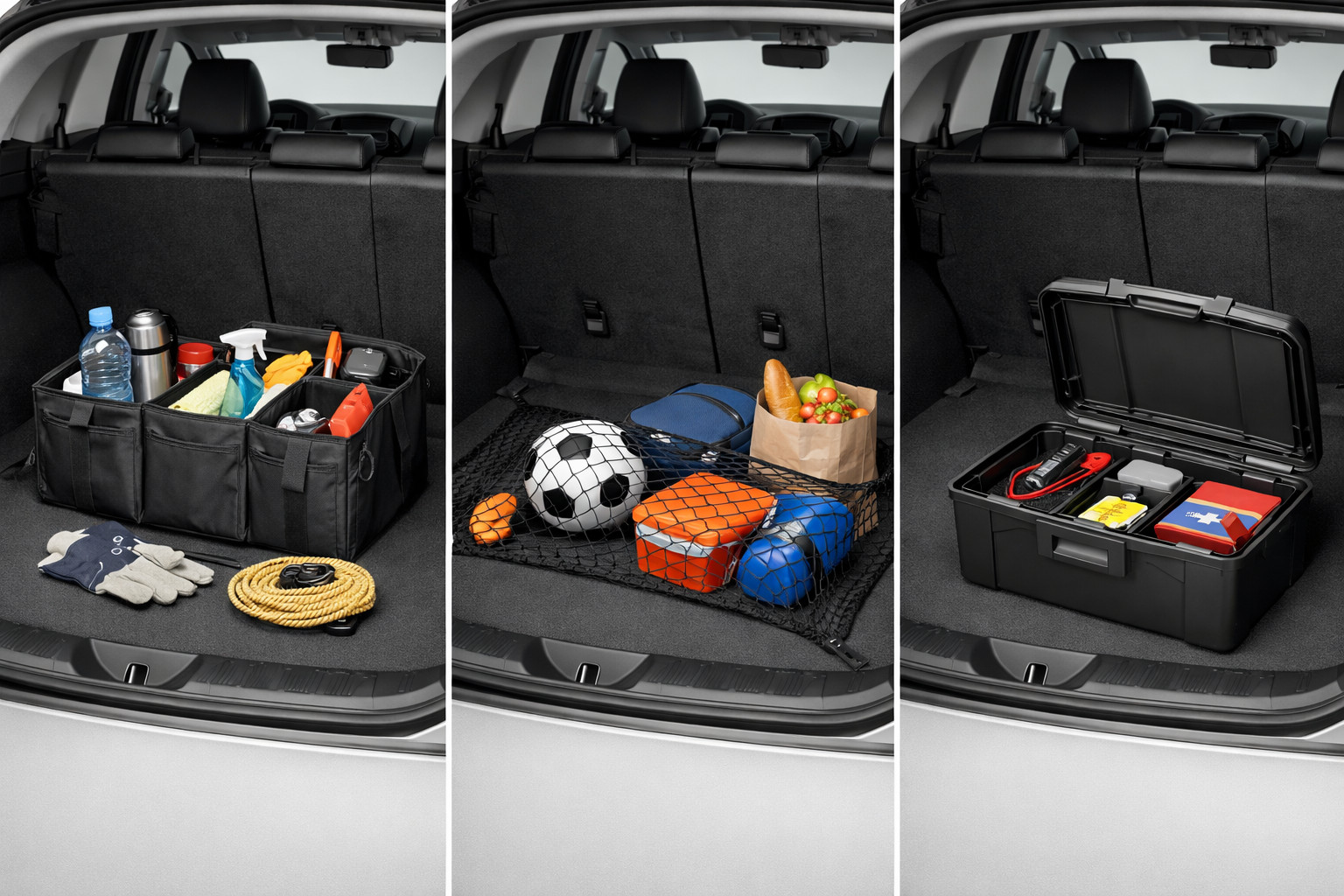
For a car like this, the smartest tuning is not decorative, but functional. First of all, that means protecting the interior and trunk, plus gear for carrying equipment. That’s where the ID. Cross shows its strengths best: as a compact electric crossover for the city, weekend trips, and family routines.
Since a dedicated page specifically for ID. Cross on the site may appear later, as a practical reference it already makes sense to look at related categories for a compact Volkswagen in this format.
The Volkswagen ID. Cross looks strongest where an EV is expected to deliver usefulness rather than wow factor: sensible size, a proper trunk, fast charging, a clear interior layout, and sufficient range in the 52 kWh version. If you need a compact electric crossover without unnecessary exotic features, it’s one of the most interesting launches in the class.
If your priority is maximum range, higher ground clearance, or a more engaging driving feel, it’s worth waiting for real tests of production cars and comparing the ID. Cross with rivals after sales begin. This piece is based on real-world accessory selection practice, working usage scenarios for compact Volkswagens, and the model’s officially confirmed specifications.
| ✔ | The compact format with a 475 l trunk makes the ID. Cross convenient for city use and family trips without sacrificing practicality. |
| ✔ | A range of up to 427 km in the version with a 52 kWh battery provides a decent buffer for mixed driving and regular trips out of town. |
| ✔ | Fast charging at up to 90 or 105 kW lets you top up the battery from 10 to 80% in about 23–24 minutes. |
| ✔ | The cabin has physical buttons, a separate audio controller, and a clear interface, which makes everyday use easier. |
| ✔ | For its class, the model offers a strong set of practical options: front-wheel drive, useful roof load capacity, towing up to 1200 kg, and V2L. |
| ✘ | Sales in Europe will only start in autumn 2026, so there is currently no real-world ownership experience or reliability statistics. |
| ✘ | A ground clearance of 140 mm limits its ability on poor roads and does not make the vehicle versatile for off-road use. |
| ✘ | The base 37 kWh battery and range of up to 316 km are more suited to city driving than frequent long trips. |
| ✘ | Early impressions mention a slightly sluggish steering response around center, so the car is unlikely to appeal to those expecting sharp handling. |
Shipping to EU
Wholesale and retail
Own warehouse
Опис продукту
Подарунки не надаються при оформленні покупки у кредит під 0,01% або при покупці частинами.