15.08.2026
178
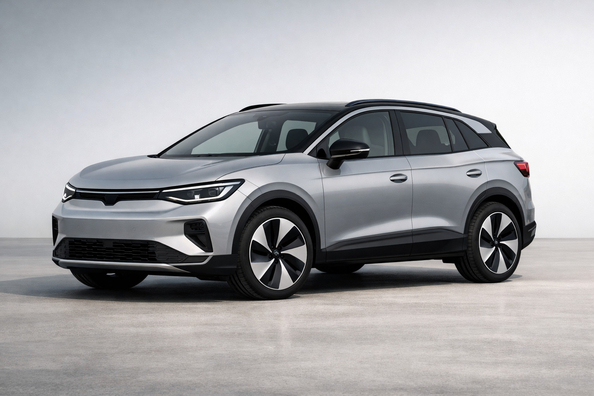
Volkswagen ID. Cross is a compact front-wheel-drive electric crossover on the MEB+ platform, set to enter the European market in autumn 2026. In Germany, the base benchmark has already been announced at €27 995, so the model steps into the affordable electric crossover segment not with loud promises, but with everyday practicality: a 475-liter trunk, five seats, 140 mm of ground clearance, and a range of up to 427 km on the WLTP cycle.
An important note: series deliveries are still ahead, so there are no mass owner reviews yet. You have to judge the ID. Cross by official specifications and road impressions from prototypes, which means some steering, suspension, and multimedia feel may still change slightly before sales start.
ID. Cross is an electric alternative in the Volkswagen T-Cross format: a small crossover for the city, a family with one or two kids, daily driving, and a proper cargo area without moving up into a larger and more expensive class. In size and concept, it sits between a compact hatchback and a full-size family SUV.
Who it suits: those who want an EV without extra bulk, but aren’t ready to live with a tight trunk. Who it doesn’t: those who often drive very far on highways without long stops, regularly carry tall adults in the second row, or expect genuine off-road capability from a crossover.
As of July 2026, we’re essentially talking about the first production generation of the ID. Cross. The pre-production reveal and concept phase came earlier, but the model is only due to go on sale in autumn 2026.
The history is short so far: there were no previous production generations under this name, so there’s no confusion between an “old” and a “new” version. For the buyer, that’s a plus for simple choices, but a minus because there’s not yet accumulated data on reliability and real-world residual value.
The ID. Cross has no gasoline or diesel engines: all versions are electric. It uses an APP290 electric motor on the front axle, front-wheel drive only, and a single-speed transmission. For an EV, the item about engine displacement does not apply.
| Component | Data | Practical meaning |
|---|---|---|
| Electric motor | APP290, front axle | A simple layout without all-wheel drive, focused on city use and everyday operation |
| Displacement | Not applicable | This is an EV, so there is no “engine displacement” here |
| Power | 85, 99 or 155 kW | From a calm base version to a genuinely lively top trim |
| Torque | Up to 290 N·m | Solid off-the-line pull without delays |
| Batteries | 37 or 52 kWh | You can choose between a lower price and longer driving range |
| WLTP range | Up to 316 km or up to 427 km | The smaller battery is more of a city setup; the larger one is closer to an all-round family scenario |
| Charging | 11 kW AC, 90/105 kW DC | Overnight charging is convenient; fast charging is decent, but not outstanding for the segment |
| Transmission | Single-speed | Smooth power delivery with no shifts |
In terms of size, the ID. Cross is compact, but not tiny. The 2601 mm wheelbase promises good space up front and an acceptable margin for family use, and the trunk is one of the model’s key arguments.
There’s nothing exotic in the chassis: MacPherson struts up front and a torsion beam at the rear. This setup usually means lower complexity and very predictable behavior, but it doesn’t hint at sportiness or serious off-roading.
| Parameter | Value |
|---|---|
| Length × width × height | 4153 × 1794 × 1581 mm |
| Wheelbase | 2601 mm |
| Ground clearance | 140 mm |
| Trunk | 475 l |
| Trunk with the second row folded | Up to 1340 l |
| Front trunk | 25 l |
| Weight | From 1539 to 1548 kg |
| Top speed | 150 or 160 km/h depending on version |
| Towing | Up to 1200 kg |
| Permitted roof load | 75 kg |
The interior looks much more logical than in early ID models. Physical buttons are back, there’s a dedicated controller, dual-zone climate control, a 10.25-inch digital instrument cluster, and a large 12.9-inch center display. For everyday use, that matters more than screen size: fewer annoying menu dives.
For comfort, the list is strong for the class: keyless entry, seat massage, panoramic roof, optional audio system, and light-based guidance cues. On safety and driver assistance, adaptive cruise control, traffic sign recognition, semi-automated lane guidance, traffic light recognition, and an almost one-pedal driving mode are stated.
The weak point of the cabin is the second row. Pre-production reviews noted a high floor and not class-leading legroom, so it’s not the best format for four tall adults.
In the city, the ID. Cross should feel right at home: compact body, instant torque, quiet operation, and enough ground clearance for curbs, ramps, and winter slush. For daily life, the large trunk, the front compartment for cables, and the ability to power external devices up to 3.6 kW look especially useful.
For highway driving, two things matter. First is the 52 kWh battery, because it’s the one that delivers the stated maximum of up to 427 km WLTP. Second is fast charging: 90 or 105 kW is a workable level, but not the kind of figure that will impress on long-distance runs. If your typical scenario is “home, work, kids, shopping, weekend trips,” the format looks spot on. If you do hundreds of kilometers on the autobahn every week, it’s worth planning routes more carefully.
| Plus | What it gives the owner | Minus | What it means in practice |
|---|---|---|---|
| 475 l trunk | The car doesn’t force you to sacrifice suitcases, kids’ items, or shopping | Second row isn’t class-leading | Rear passengers may miss easier access and extra legroom |
| Good cabin ergonomics | Less dependence on the touchscreen, easier to live with day to day | Some functions are still in menus | Quick setting changes aren’t always intuitive |
| Quiet, smooth ride | City driving and relaxed highway cruising should be comfortable | Steering may feel a bit vague | Those who like sharp responses may find the character too calm |
| Lower entry price than many competitors | Easier to enter the electric crossover segment without jumping into a more expensive class | Average fast-charging speed | On long trips, time savings won’t be maximized |
| Towing, roof load, external device power | Extra capacity for bikes, country gear, and family trips | Front-wheel drive and 140 mm clearance | Capabilities run out quickly on tougher off-road terrain |
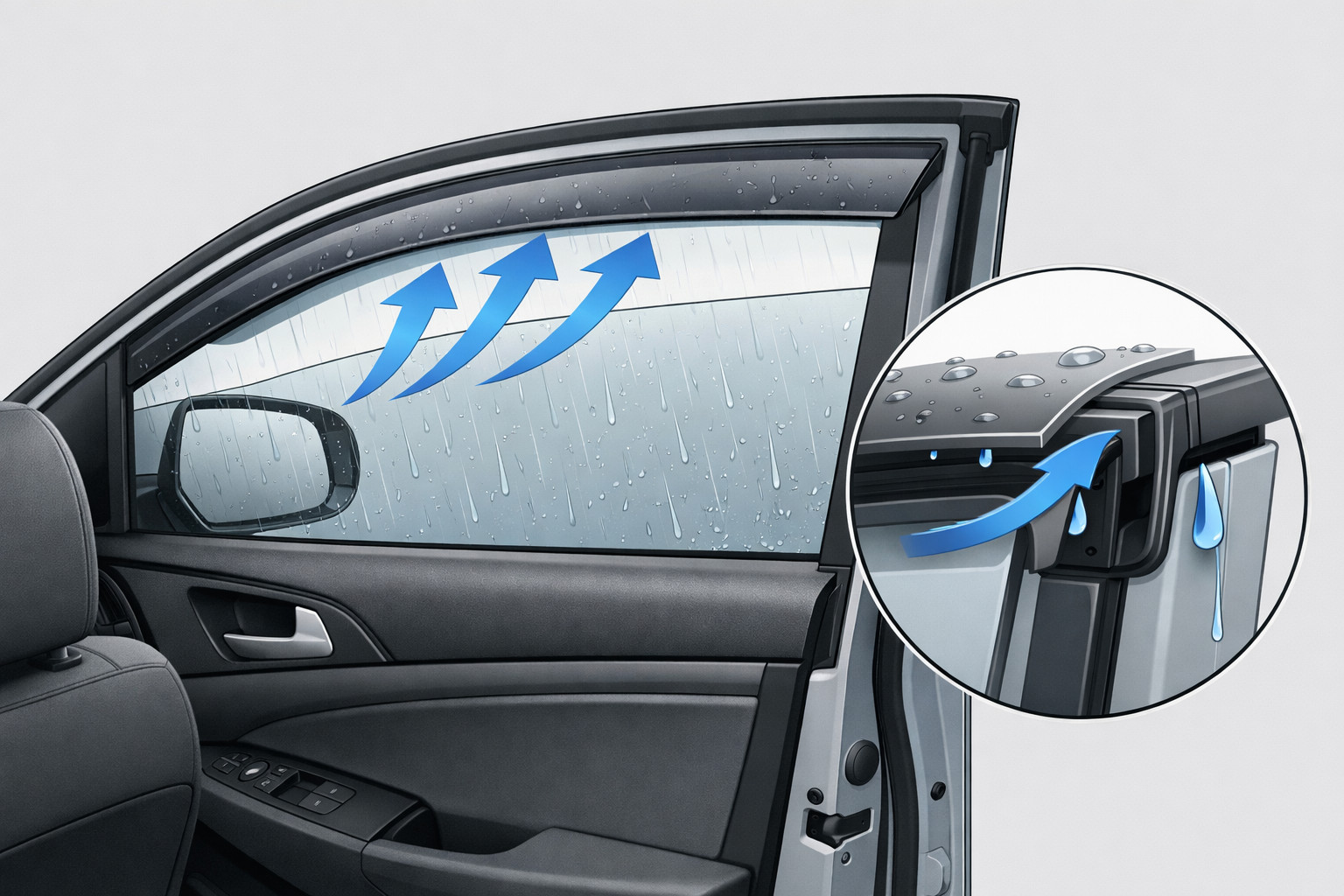
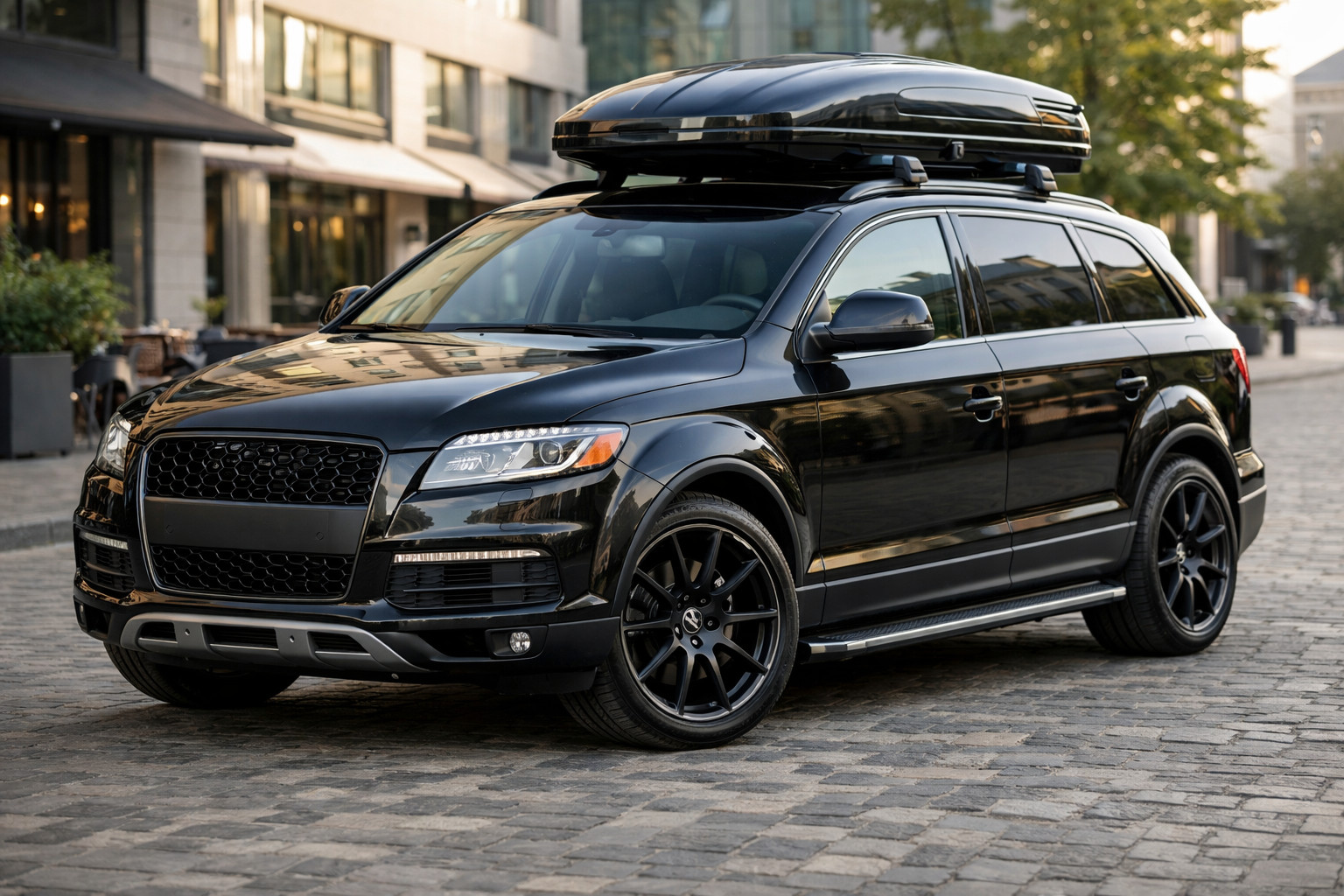
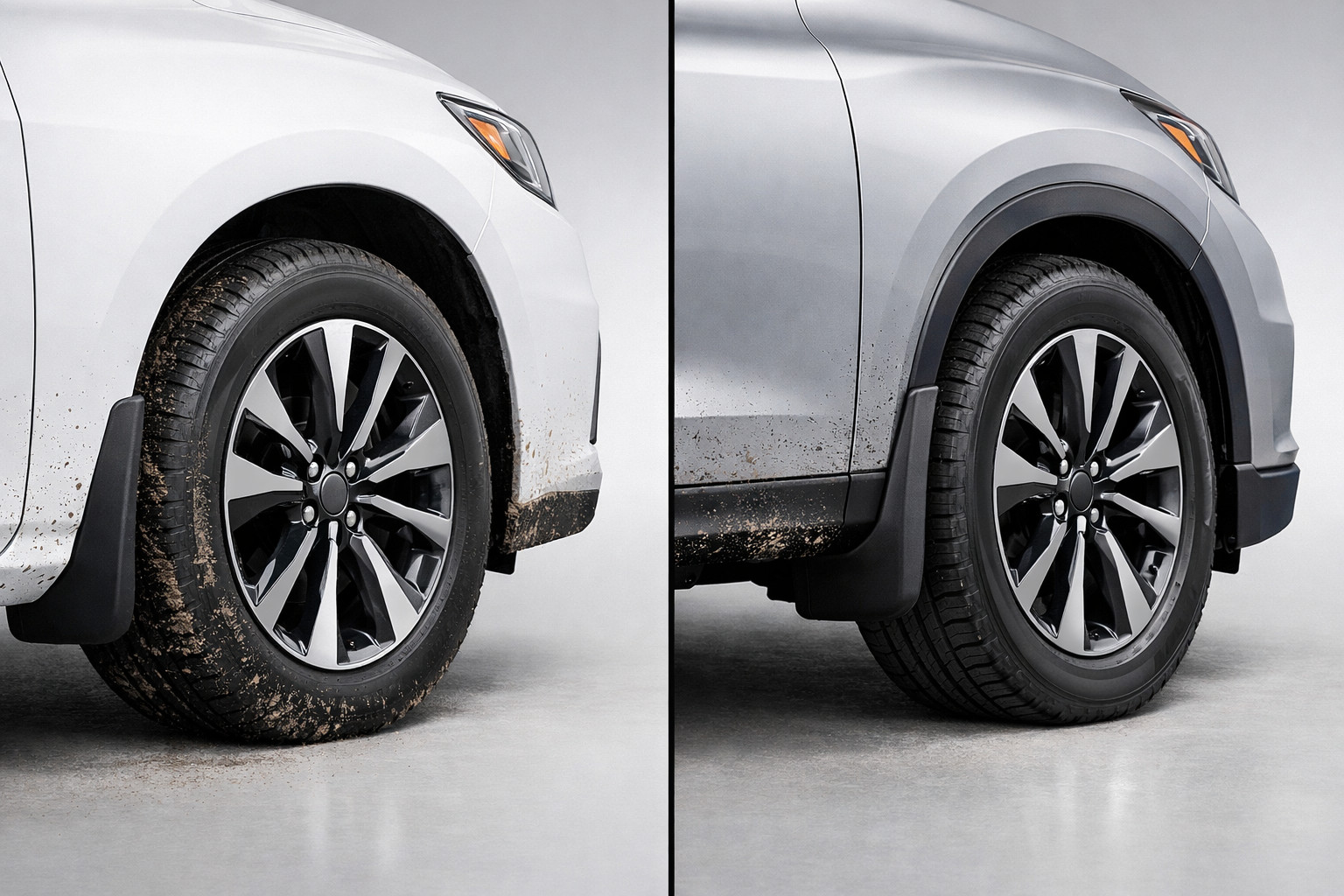
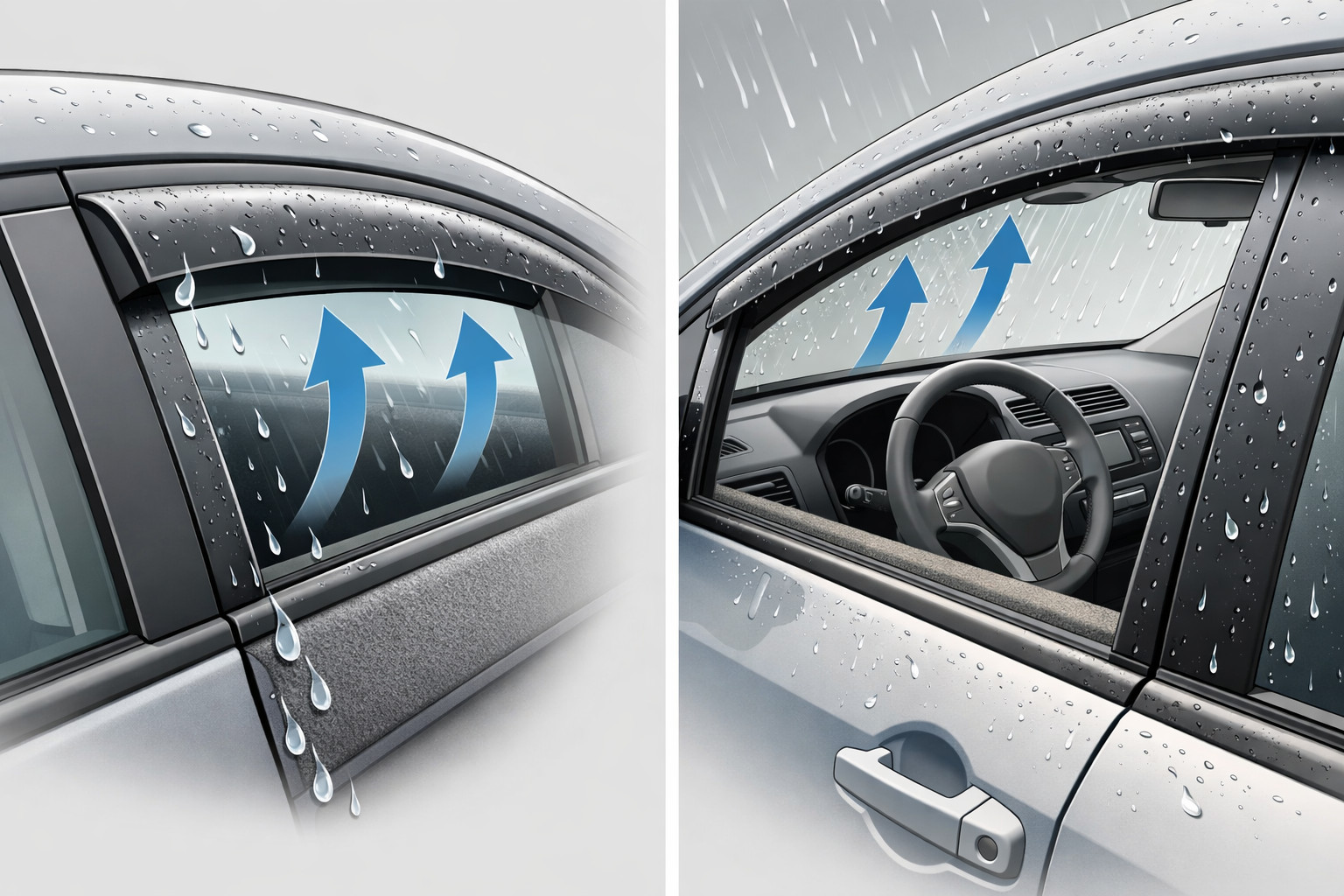
For the ID. Cross, tuning makes sense not as a decorative story, but as an add-on to everyday practicality. This model is clearly about a clean interior, trunk protection, carrying gear, and small things that simplify daily life. Because series deliveries haven’t started yet, accessories should be chosen only after checking fitment for the specific body.
I see the least sense in heavy exterior decor. For an electric crossover like this, it’s more useful to invest in protection and space organization than in things that add weight, noise, or hurt aerodynamics.
The Volkswagen ID. Cross looks like a sensibly put-together electric crossover for those who need not a showpiece, but a convenient daily tool. Its strengths are the entry price, the trunk, sensible cabin ergonomics, and enough versatility for city and family use; its weaknesses are a not class-leading second row, average charging speed, and modest off-road ability.
If you need a compact EV without a trunk compromise, the ID. Cross is definitely worth watching. If your priority is long highway runs, a more engaging driver’s character, or maximum rear space, it’s better to look at other formats right away. This material is based on real selection experience, practice, and real-world usage scenarios of similar crossovers, but the final assessment of the model is best made once series deliveries begin.
| ✔ | Low starting price for the segment: the base price of €27 995 makes the ID. Cross one of the more affordable electric crossovers, without moving into a higher-priced class. This matters for those who want an EV for everyday driving without a big budget. |
| ✔ | Practical 475-liter trunk. For a city family car, this makes it possible to carry shopping, kids' gear, and luggage without noticeable compromises. |
| ✔ | The cabin has been made more convenient for everyday use: there are physical buttons, a separate controller, and dual-zone climate control. This reduces reliance on the screen menus and makes driving easier on the move. |
| ✔ | It suits city use and daily routes well: compact dimensions, instant torque, quiet operation, and 140 mm ground clearance. This combination makes life easier in tight courtyards, over curbs, and in winter. |
| ✔ | There are useful everyday features such as the ability to power external devices up to 3.6 kW and towing up to 1200 kg. This broadens the use cases for a cottage, gear, or family trips. |
| ✘ | The second row does not seem to be the model's strong point: pre-production reviews mentioned a high floor and not too generous legroom. For four tall adults, it may already feel cramped. |
| ✘ | Fast charging at 90 or 105 kW is adequate, but not outstanding. On long trips, this means the car will not be especially quick during charging stops. |
| ✘ | Front-wheel drive and 140 mm ground clearance limit its off-road capabilities. For rougher terrain or slippery sections, the model does not look suitable. |
| ✘ | This is the first production generation without accumulated real-world usage statistics. Because of that, there is still no clear picture regarding reliability and residual value. |
Shipping to EU
Wholesale and retail
Own warehouse
Опис продукту
Подарунки не надаються при оформленні покупки у кредит під 0,01% або при покупці частинами.