06.09.2026
194
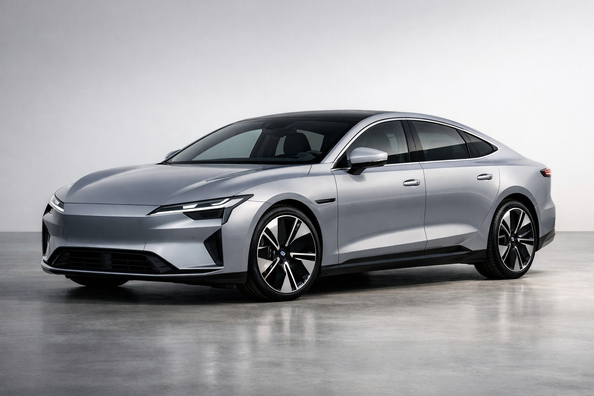
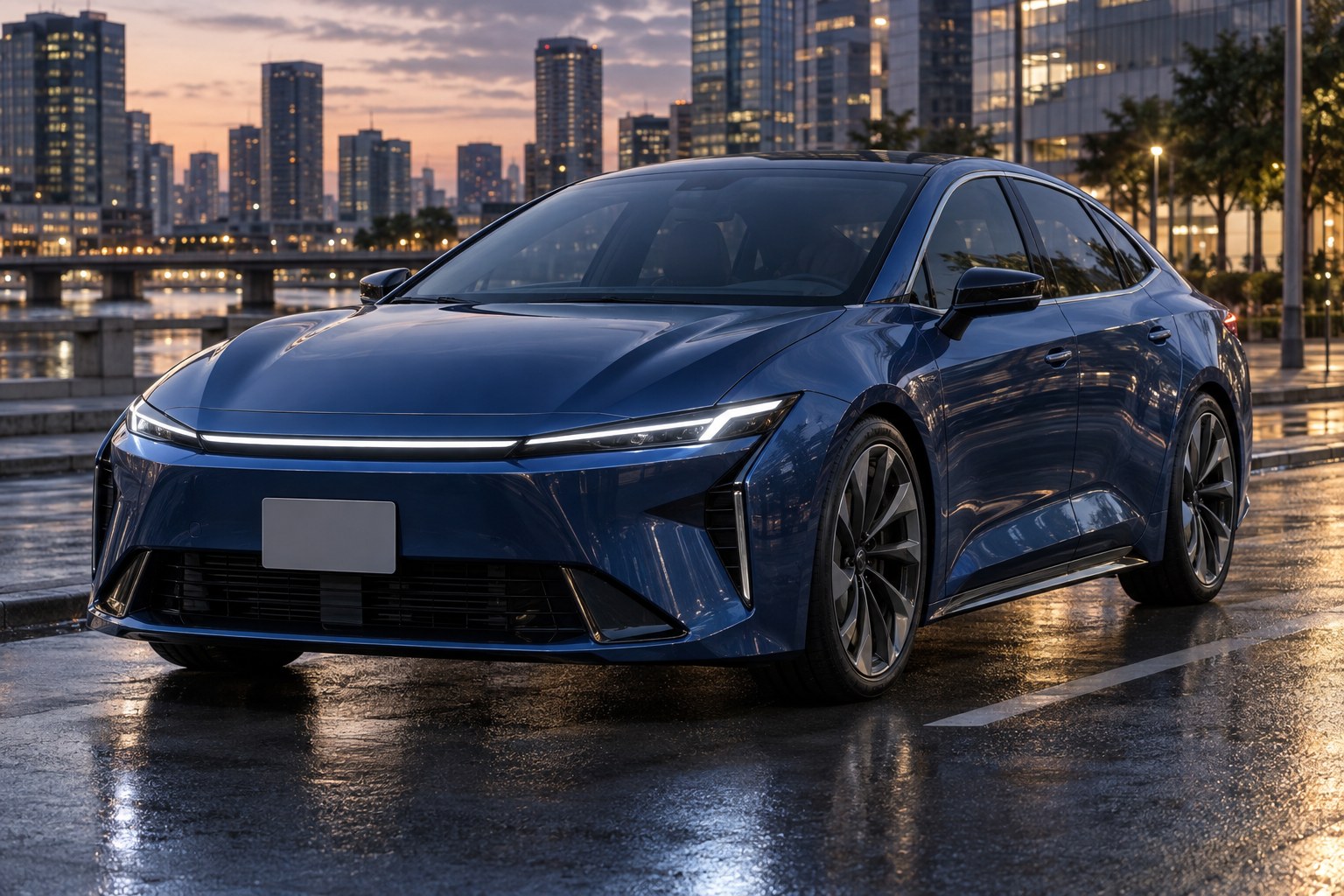
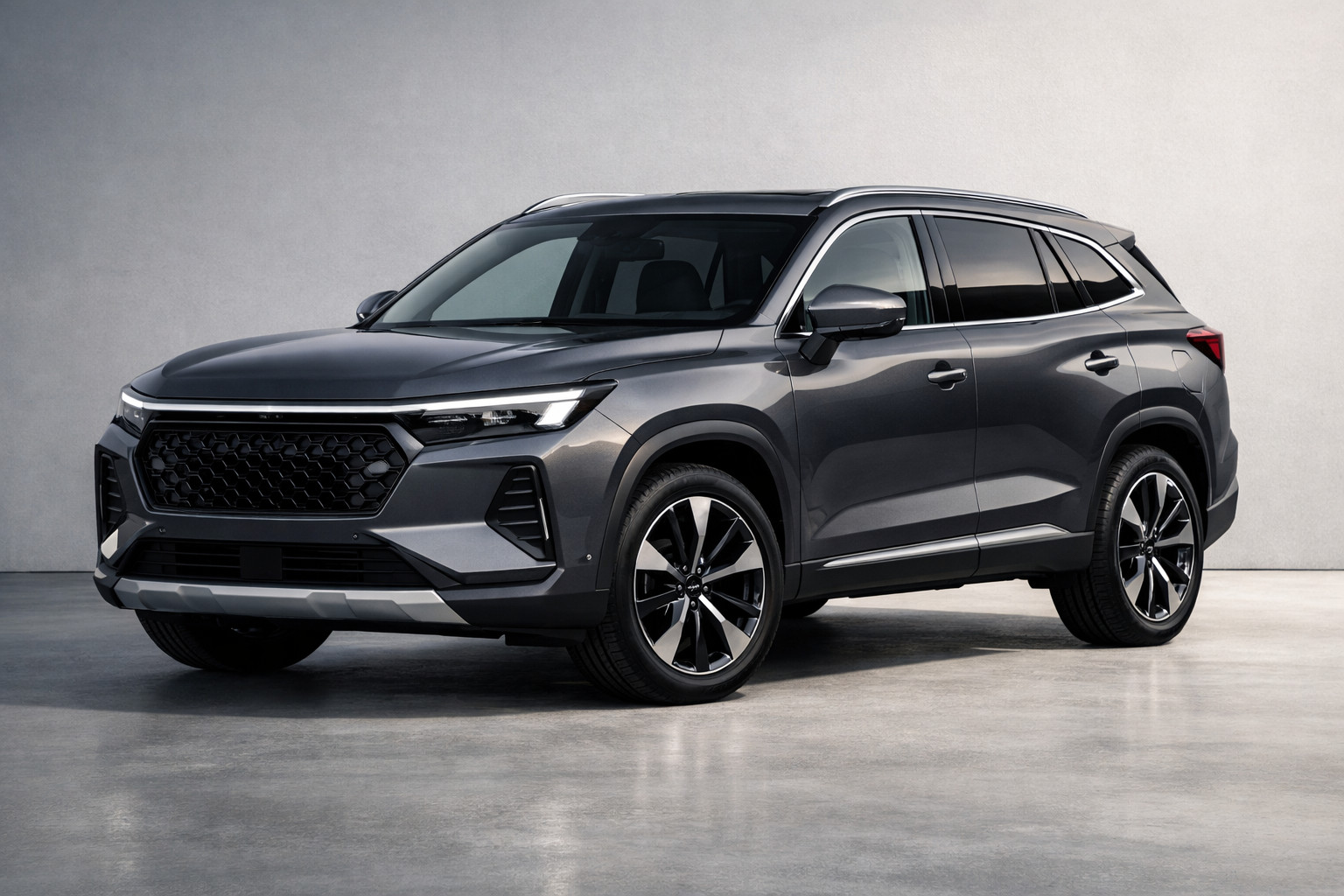
Volvo ES90 is not just an electric replacement for the S90, but a separate model in a new format: a large liftback with a sedan-like silhouette, a fifth door, a high roofline, and a fully electric architecture. Essentially, it’s an option for those who already feel cramped in a classic sedan but don’t need a large crossover.
For the buyer, one thing matters: the ES90 takes practicality from a liftback, space from a large executive-class car, and Volvo’s latest-generation electric tech. But because the model is new, there are nuances: for now it’s a first generation without a long track record of real-world ownership data, and some parameters still need to be verified for a specific market and trim.
In Volvo’s lineup, the ES90 sits as a large EV for those who want a lower seating position and better aerodynamics than a crossover, but aren’t willing to live with the narrow trunk opening of a classic sedan. Logically, the model is close to a blend of the S90 and EX90: from the former it takes class and status, from the latter—an electric base and digital architecture.
On the market, the ES90 lands among models like the BMW i5, Mercedes EQE, and Audi A6 e-tron. Volvo’s key difference isn’t a sporty focus, but an emphasis on calm long-distance capability, safety, a roomy second row, and everyday liftback convenience.
The ES90 story effectively begins with the model’s debut in 2025. At launch, it is the first generation, factory index V551. There were no previous generations, so the body of real-world conclusions is only now forming through actual use.
| Period | Generation | What matters |
|---|---|---|
| 2025 – present | First-generation ES90 (V551) | A new Volvo electric liftback-sedan, a standalone model rather than an S90 facelift. |
The ES90 has no gasoline or diesel engines, so the displacement field does not apply to this model. All versions are electric, with a single-speed transmission and no classic multi-gear gearbox.
| Version | Drive | Displacement | Power | Battery |
|---|---|---|---|---|
| Single electric motor | Rear | Not applicable | 245 kW / 333 hp | 92 kWh |
| Two electric motors | All-wheel | Not applicable | 330 kW / 449 hp | 106 kWh |
| Two electric motors, boosted version | All-wheel | Not applicable | 500 kW / 680 hp | 106 kWh |
For most use cases, the healthiest choice looks like the rear-wheel-drive or the regular dual-motor version: they provide a power reserve without obvious excess. The boosted option is less about necessity and more about the desire to have maximum thrust.
The ES90’s main practical advantage is the body style. It’s not a sedan with a small trunk lid, but a liftback with a large fifth door. In everyday life, that means fewer issues with suitcases, boxes, kids’ items, and long objects.
| Parameter | Value | Practical meaning |
|---|---|---|
| Body type | 5-door liftback-sedan | More convenient loading than a classic sedan. |
| Length | 5000 mm | Full-size class, plenty of cabin space. |
| Wheelbase | 3102 mm | Strong space reserve for the second row. |
| Width | 1942 mm | More shoulder room, but be more careful in tight parking garages. |
| Height | 1546 mm | A higher seating position than a typical large sedan. |
| Ground clearance | Needs confirmation by market and configuration | The model has a raised-for-the-class seating position, but it’s best to verify the exact figure before buying. |
| Trunk | 424 l | A normal volume for a large EV with a cabin-first emphasis. |
| Front trunk | 22 l | Handy for charging cables and small items. |
The chassis here is tuned not for thrills, but for stability, battery mass, and the calm pace of a large EV. In short, it makes more sense to view the ES90 as a fast and very modern road car rather than a vehicle for spirited driving on rough surfaces.
The interior is built in Volvo’s familiar restrained logic: minimal physical buttons, a large central screen, clean dashboard architecture, and a focus on space. For the ES90, this is especially fitting because the long wheelbase provides a good rear-seat reserve, and the high roofline makes seating less of a compromise than in low electric sedans.
On the technical side, it’s not only about screens but also safety assists. The ES90 is built around an expanded set of electronic helpers, cameras, radars, and other sensors; exact equipment may vary by trim and market. One practical nuance: the more functions are tied to the central menu, the more important it is to get used to the interface before buying.
In daily use, the ES90 has a strong set of arguments: a large cabin, a convenient cargo opening, electric driving with no local emissions, and a modern fast-charging system. The 800-volt architecture enables quicker sessions at high-power DC stations, and the stated peak intake of up to 350 kW makes highway trips more realistic than with older EVs.
But range figures should be taken soberly. Real-world results are strongly affected by highway speed, temperature, wheel size, load, and driving style. That’s why the ES90 is a good fit for those with home charging or regular office charging; if local charging infrastructure is weak, some of the model’s advantages simply won’t fully show.
From an owner’s perspective, the ES90 looks very logical where you need a large EV without moving into the high crossover format. But it won’t suit everyone equally: the simpler your requirements for a car, the harder it is to justify the price, mass, and digital complexity of such a model.
| Item | Plus | Minus |
|---|---|---|
| Body format | A liftback is more practical than a sedan in everyday life. | The large fifth door needs space behind the car to open. |
| Electric tech | High power, quietness, quick throttle response. | Strong dependence on charging infrastructure. |
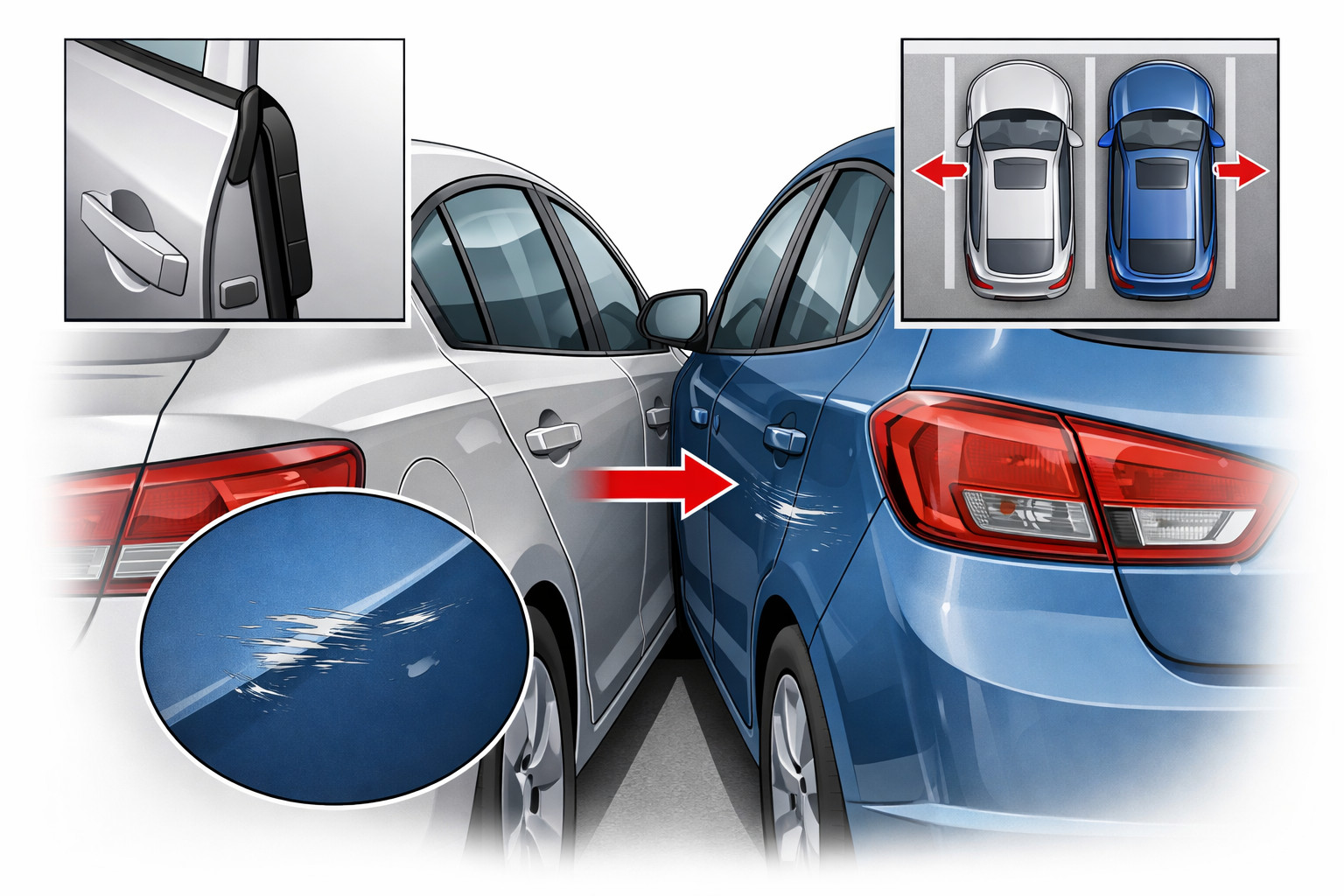
| Space reserve | The long wheelbase provides a comfortable second row. | Dimensions aren’t the most convenient for older parking garages and narrow courtyards. |
| 800-volt system | Potentially faster stops at high-power chargers. | To benefit, you need truly high-power stations. |
| Digital interior | Modern control logic and many electronic functions. | Not everyone likes that many actions are moved to the screen. |
Who the ES90 suits: those who want a large EV for city and highway use, carry family or cargo, and don’t want to move into a bulky crossover. Who it doesn’t suit as much: those looking for maximum simplicity without reliance on charging, or who expect a big Volvo to feel like a classic low sedan without digital compromises.
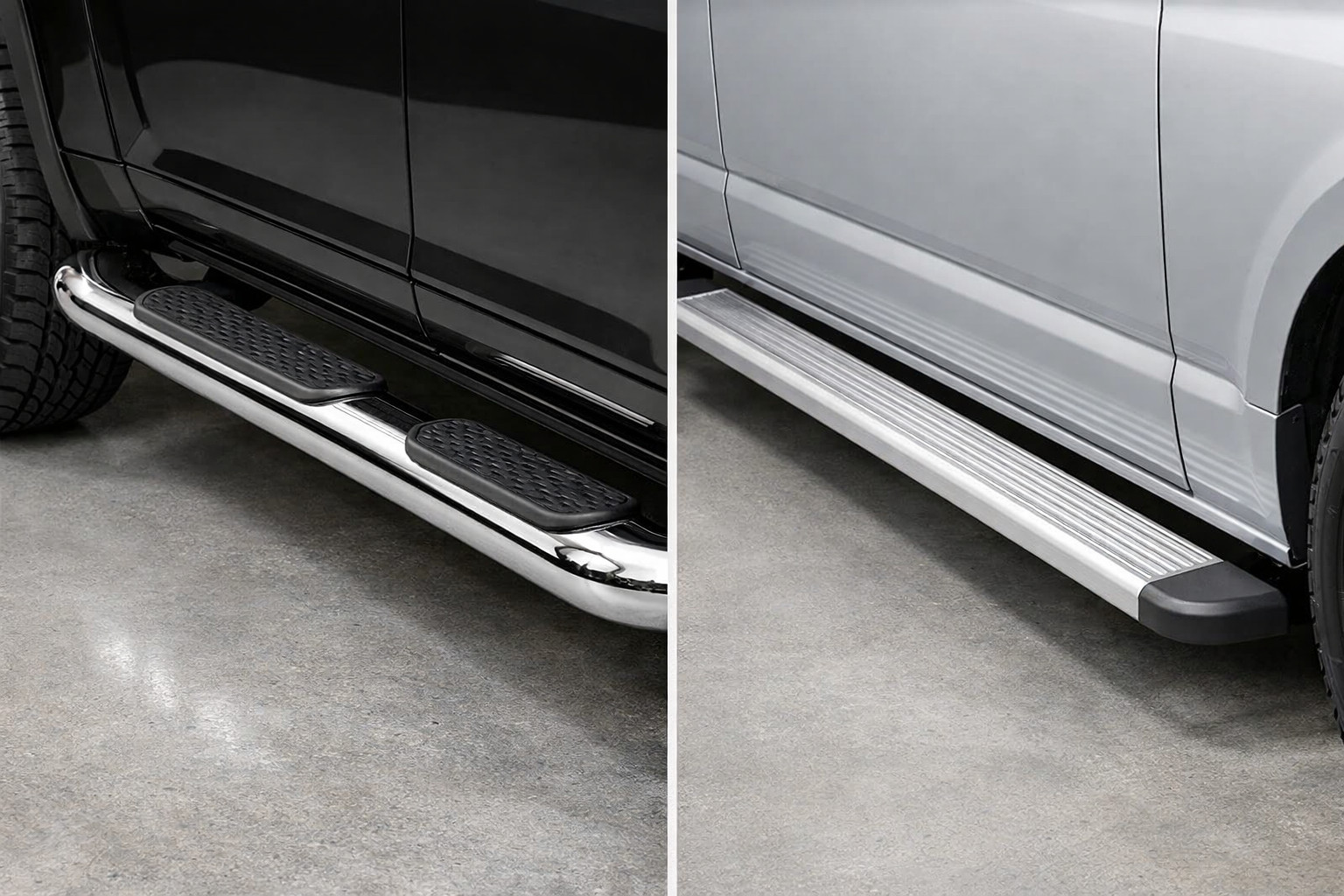
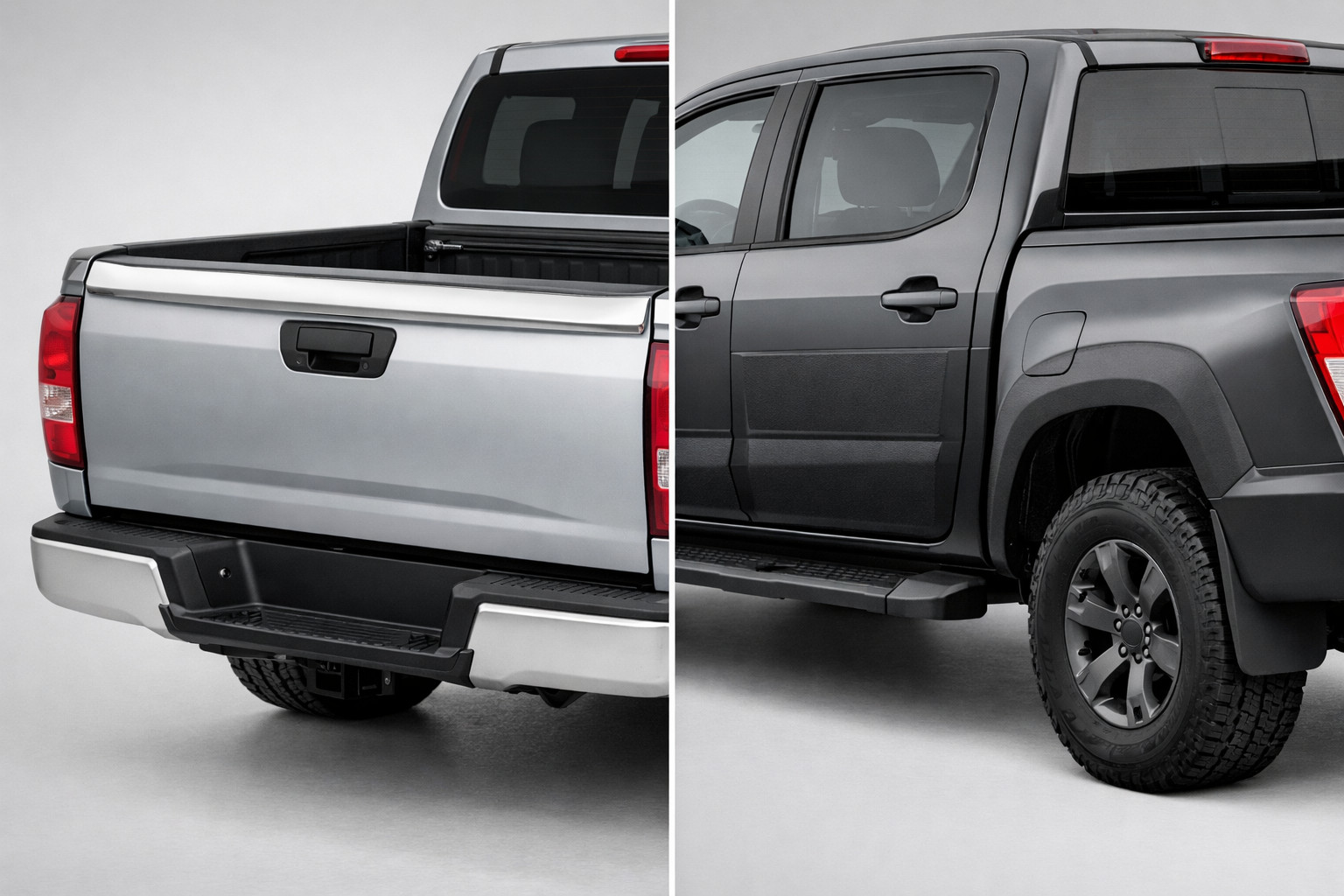
For such a new model, tuning starts first not with decorative parts, but with everyday protection for the cabin and trunk. If you want to separately go through the model’s design, range, and packaging, it’s worth checking out the detailed ES90 breakdown.
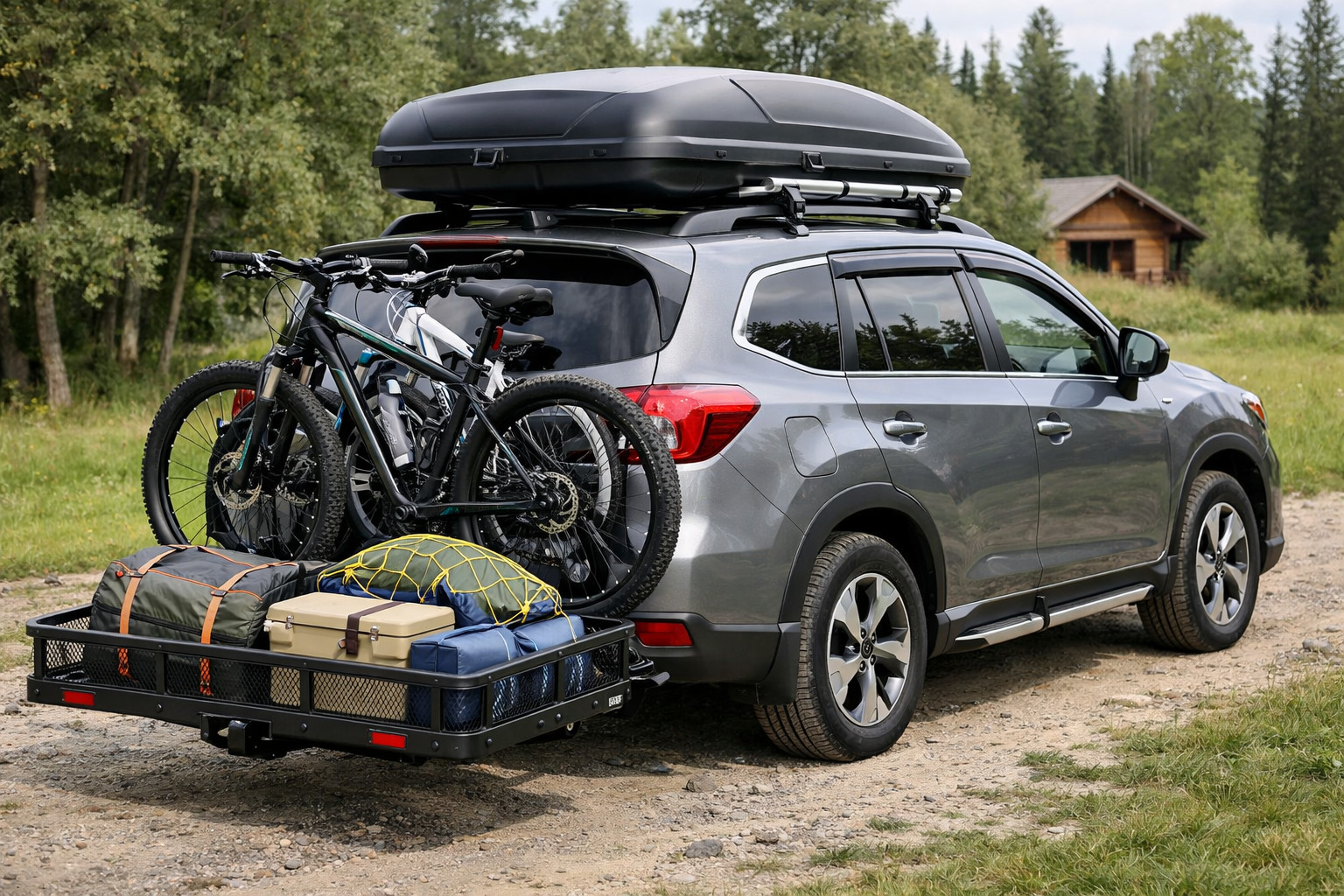
In the case of the ES90, the most practical accessories are those that preserve the factory surfaces and make day-to-day use of a large EV easier. This is especially relevant for a car with a large door opening, a flat floor, and a trunk where you regularly place cables, bags, wet items, or a stroller.
The Volvo ES90 looks strongest where you need a large EV with a long wheelbase, good aerodynamics, liftback practicality, and a modern fast-charging architecture. It’s not an option for everyone, but for its scenario it’s very well judged: less bulk than a large crossover, and more everyday usefulness than a classic sedan.
At the same time, it’s worth approaching the ES90 without illusions: you need to realistically assess access to chargers, your routes, parking dimensions, and your attitude toward a digital interface. The material is based on real selection experience, practical use, and real-life scenarios, so the main conclusion is simple: the ES90 makes sense when you specifically need a large electric liftback, not just any new Volvo.
| ✔ | The liftback body with a large tailgate makes loading suitcases, boxes, and kids’ items noticeably more convenient than in a classic sedan. |
| ✔ | The long 3102 mm wheelbase provides plenty of space for the second row, so the ES90 is well suited for family trips and long journeys. |
| ✔ | The 800-volt architecture and the claimed peak charging rate of up to 350 kW help it charge faster at high-power stations, which is useful on highway trips. |
| ✔ | There is a 22 L front trunk, which is convenient for charging cables and small items. |
| ✔ | The electric powertrain delivers quiet operation, quick throttle response, and no local emissions in everyday use. |
| ✘ | The model depends heavily on charging infrastructure: without home or regular charging, some of its advantages will not be available. |
| ✘ | The dimensions of a large electric car are not the most convenient for older parking lots, cramped courtyards, and narrow maneuvering spaces. |
| ✘ | Many functions have been moved to the central screen, so you will need time to get used to the interface, and it won’t suit everyone. |
| ✘ | The exact ground clearance and some equipment depend on the market and trim, so they should be checked separately before purchase. |
Shipping to EU
Wholesale and retail
Own warehouse
Опис продукту
Подарунки не надаються при оформленні покупки у кредит під 0,01% або при покупці частинами.