12.08.2026
284
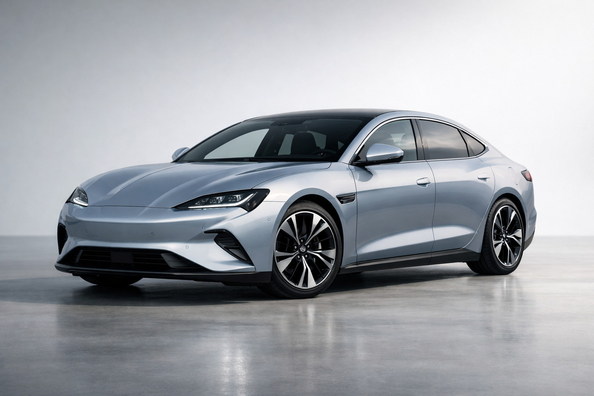
BYD Seal 2026 is an electric sedan for those who like the Tesla Model 3 format but want a larger body, very generous equipment, and a clearer emphasis on cabin comfort. Essentially, the Seal wins the market not with exotic features, but with a combination of dynamics, quiet cruising, a modern platform, and a strong base equipment set.
There’s an important nuance: the figures for range, charging, and warranty vary by market. So the BYD Seal 2026 should be read not as one universal car for every country, but as a family of technically close versions where local specification matters.
The Seal plays in the midsize electric sedan class and directly targets the Tesla Model 3 niche. Its strong argument is a 4.8 m-long body, a 2,920 mm wheelbase, and the feel of a more grown-up car inside. At the same time, Tesla still has an advantage in trunk practicality and peak charging speed.
For the buyer, this means a straightforward choice. If you need an electric sedan with a focus on equipment, quietness, and the interior experience, the Seal looks very convincing. If the top priority is maximum infrastructure convenience on long routes and greater total luggage volume, then some competitors are still stronger.
As of 2026, the BYD Seal remains a first-generation model on the e-Platform 3.0 with battery integration into the body structure. In available market materials, the model is usually listed as the current 2023– lineup, and 2026 for it means not a generation change, but updated specifications, trims, and local tuning for different countries.
This matters because the same Seal name can hide different figures for range, warranty, or charging power. In other words, the model’s history is still short: a new generation hasn’t been announced, but market versions have already diverged noticeably.
The BYD Seal has no gasoline or diesel engines, so engine displacement in liters doesn’t apply here. You should choose based on the number of electric motors, drivetrain type, battery capacity, and your real need for performance. There’s no classic multi-speed transmission either.
| Version | Drivetrain and motors | Power and torque | Traction battery | 0–100 km/h | Range | Fast charging |
|---|---|---|---|---|---|---|
| Dynamic | Rear-wheel drive, 1 electric motor | 150 kW, 310 N·m | 61,44 kWh | 7.5 s | 460 km | 110 kW |
| Premium | Rear-wheel drive, 1 electric motor | 230 kW, 360 N·m | 82,56 kWh | 5.9 s | 570 km | 150 kW |
| Performance | All-wheel drive, 2 electric motors | 390 kW, 670 N·m | 82,56 kWh | 3.8 s | 520 km | 150 kW |
In practice, the Premium version looks the most interesting: it’s already quick, but not as heavy in concept as the Performance. The all-wheel-drive option wins with acceleration and traction, and it features a front asynchronous and rear synchronous electric motor. Dynamic has the most modest numbers, but it makes sense for city use and a calmer budget.
| Parameter | Data | Practical takeaway |
|---|---|---|
| Platform | e-Platform 3.0, Cell-to-Body, 800 V | Modern EV architecture with good body rigidity |
| Battery | 61,44 or 82,56 kWh | A choice between a more affordable version and longer range |
| AC/DC charging | 7 kW AC; 110 or 150 kW DC | Convenient for home; on the road—mid-pack for the class |
| V2L | Standard | You can power external devices and small appliances |
| Transmission | Single-speed reduction gear | Simple and typical EV layout |
The Seal is a five-seat sedan with a low seating position and a clearly highway-oriented character. Ground clearance of 149 mm in Dynamic and Premium and 145 mm in Performance immediately shows it’s not a car for curb strikes or rough surfaces.
| Parameter | Data | Practical takeaway |
|---|---|---|
| Dimensions | 4 800 × 1 875 × 1 460 mm | The body is larger than you’d expect from a typical electric sedan in this class |
| Wheelbase | 2 920 mm | Provides a good amount of cabin space, especially for the second row |
| Ground clearance | 145–149 mm | Fine for city and highway, weaker on broken roads |
| Trunks | 400 L rear + 53 L front | Enough for everyday use, but not record-breaking for long-distance family practicality |
| Turning radius | 5.7 m | Handy in tight cities and parking lots |
| Wheels | 18 or 19 inches | Larger wheels look better but may transmit small bumps more harshly |
The chassis is interesting: double wishbone suspension up front, multi-link in the rear, plus variable damping shock absorbers. On good asphalt this is a plus—the car feels stable and well tied down. On small imperfections, some drivers may find the ride a bit firm.
The interior is one of the main reasons to look at the Seal. It has a large 15.6-inch rotating center display, a separate 10.25-inch digital instrument cluster, wireless Apple CarPlay and Android Auto, a 12-speaker Dynaudio audio system, two wireless phone chargers, a panoramic roof, an electric sunshade, and a heat pump as standard.
Safety equipment is strong as well: 360° view, front and rear parking sensors, adaptive cruise control, automatic emergency braking, lane keeping, blind-spot monitoring, and other electronic assistants. In passive safety, the model has five-star crash-test results. The main complaint here isn’t the feature set, but the fact that too many actions are tied to the touchscreen.
In the city, the Seal is convenient thanks to its small turning radius, 360° cameras, and smooth pedal response. Official combined energy consumption in European materials falls in the 15.4–18.2 kWh per 100 km range, which looks normal for this format. In a calm urban mode, the car can be quite efficient.
But on fast highways, consumption increases noticeably, so long trips should be planned realistically. AC charging is limited to 7 kW, fast charging depends on the version and is 110 or 150 kW, and the ability to power external devices from the car adds everyday utility. If you have home or office charging, the Seal fits nicely into a routine; if you have to charge only on the road, the compromises are felt more strongly.
Another everyday point is the body. The 400-liter rear trunk and 53 liters up front are enough for daily items, cables, a vacation trip for two, or a small family. But if you carry a lot of bulky items, kids’ gear, or often travel long distances with five people, the sedan format will quickly show its limits.
| Pros | What it gives the owner | Cons | What it means in practice |
|---|---|---|---|
| Strong dynamics even in mid trims | The car doesn’t feel heavy or sluggish in the city and when overtaking | Not the fastest charging in the class | On long routes, a competitor with higher peak power will be more convenient |
| Rich standard equipment | Less need to pay extra for comfort and electronics | Touchscreen-dependent controls | Some functions take getting used to and can be distracting while driving |
| Quiet cabin and good stability | More pleasant on the highway, especially on smooth pavement | The suspension may feel a bit firm on small bumps | Comfort depends on road quality and wheel size |
| Heat pump, 360° view, external power supply | A convenient everyday EV | Low ground clearance and average cargo practicality | This is a car for asphalt, not for bad roads or maximum hauling scenarios |
The BYD Seal 2026 suits those who want an electric sedan with a good balance of drive, comfort, and equipment. It’s not the best option for a driver who needs a crossover seating position, major cargo practicality, or minimal reliance on the multimedia menu.
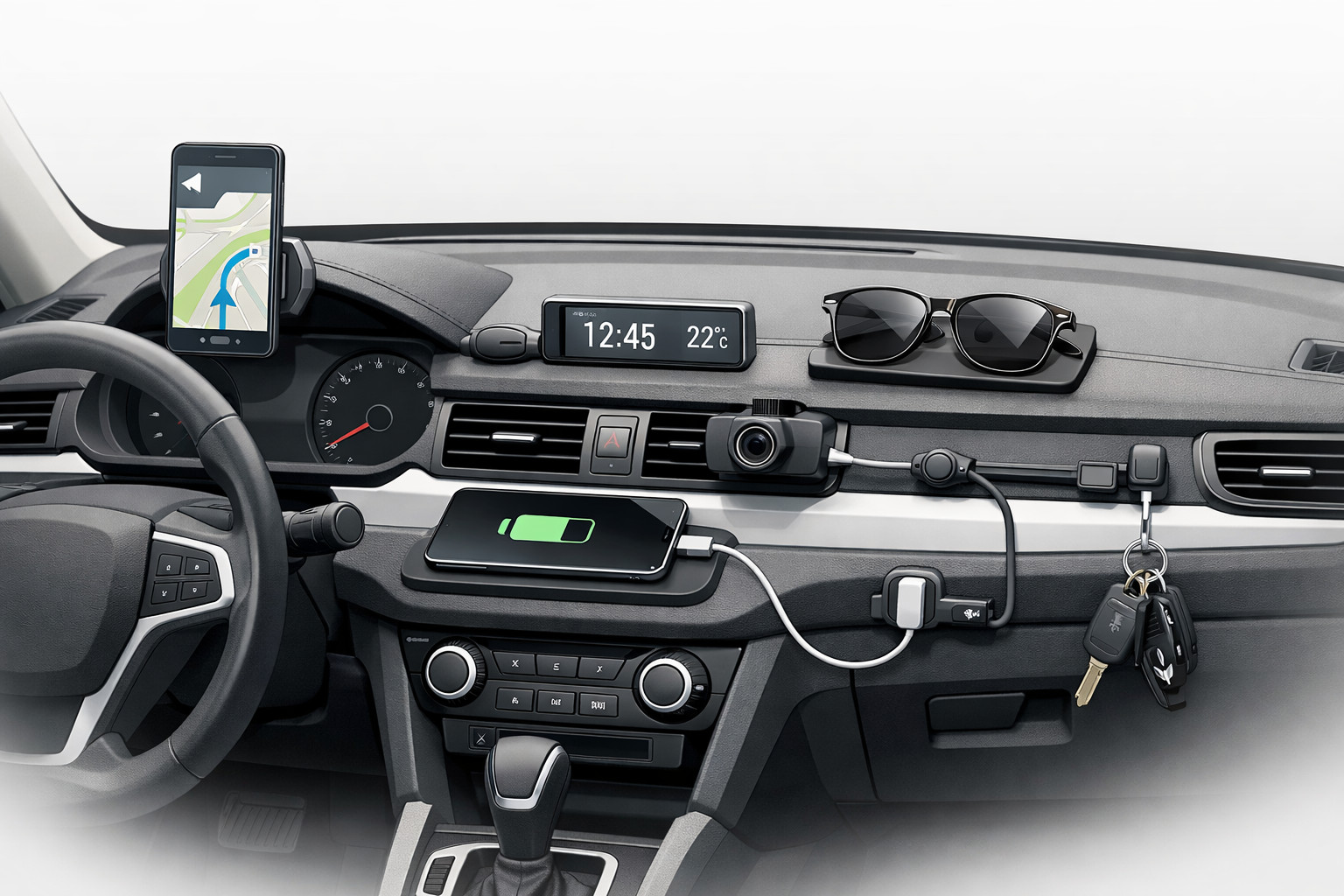
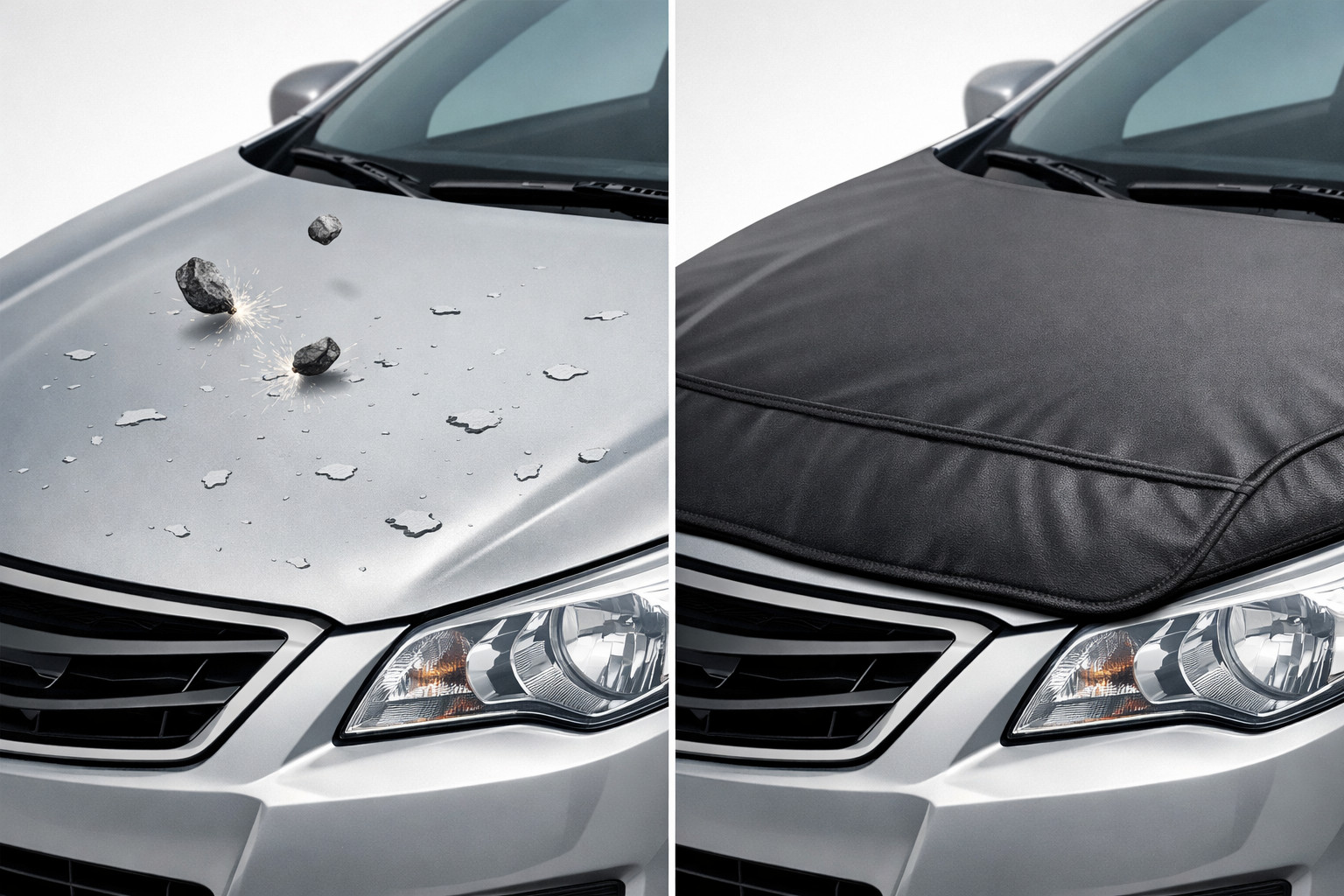
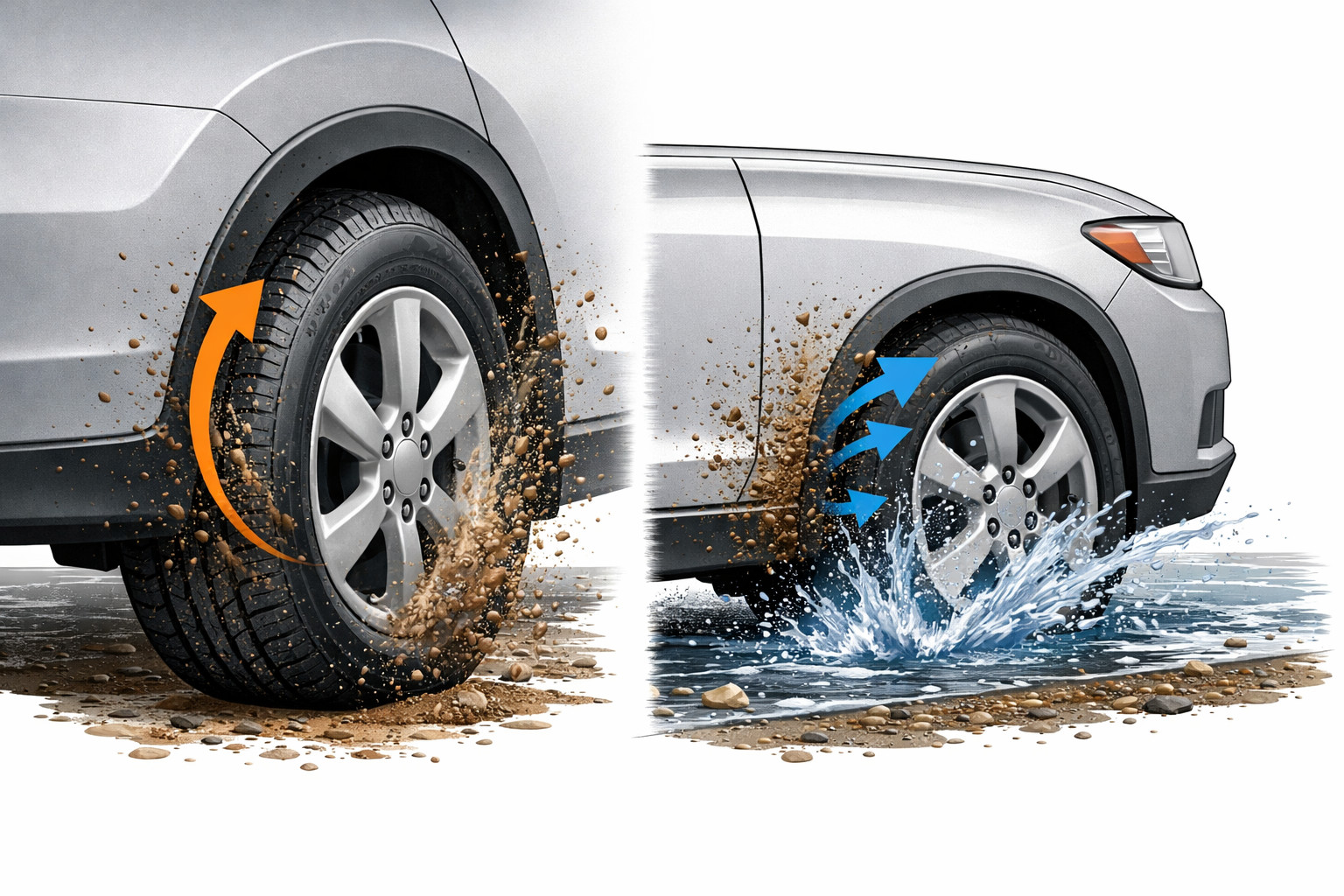
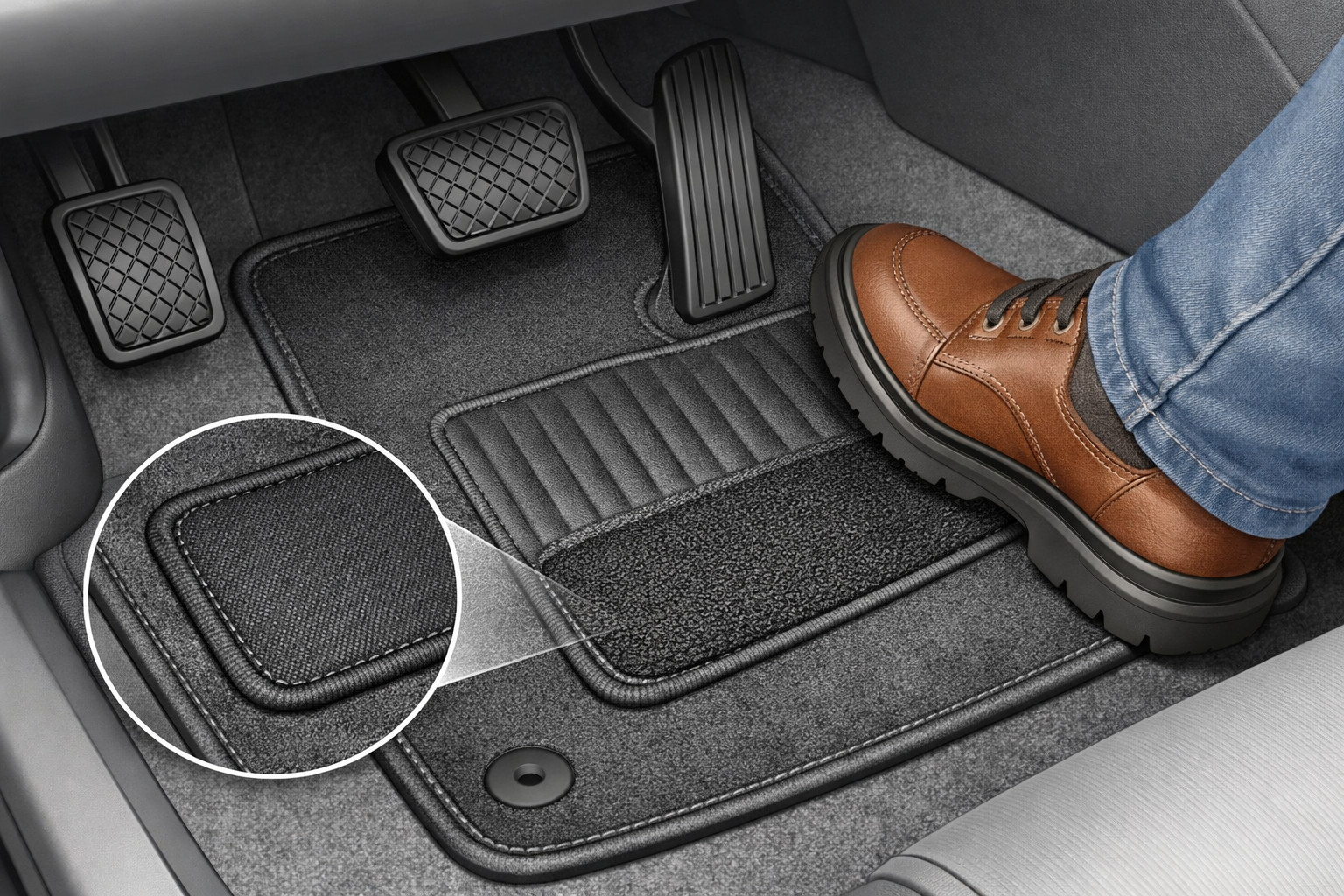
For the Seal, the logical upgrade direction is not power tuning, but protection and everyday convenience. This relates to the low body, the tidy interior, and the constant carrying of charging cables. That’s why the most sensible accessories are those that protect the floor and trunk from moisture, sand, and dirt.
Styling elements for the Seal exist too, but in real-world use it’s protective accessories that deliver the fastest and most noticeable effect. For an electric sedan that often serves as daily urban transport, that’s more rational than decorative small bits.
BYD Seal 2026 is a strong competitor to the Tesla Model 3 not thanks to loud promises, but thanks to a very clear formula: a large and quiet cabin, good dynamics, a modern electric platform, and rich equipment. Its weaknesses are just as clear: charging isn’t class-leading, ground clearance is low, and sedan practicality has limits.
Before buying, it’s worth checking the exact local specification, because range, charging, and warranty figures differ across markets. This material is based on real selection experience, practice, and real usage scenarios, so the takeaway is simple: the Seal is best viewed as a city-and-highway electric sedan for asphalt and everyday comfort, not as a universal replacement for a crossover.
| ✔ | Rich standard equipment: the standard package already includes a large rotating screen, a digital instrument cluster, wireless CarPlay/Android Auto, two wireless chargers, and a panoramic roof. This reduces the need to pay extra for comfort features. |
| ✔ | Strong performance in all versions, especially Premium and Performance. Even the mid-range trims do not feel sluggish in the city or during overtaking. |
| ✔ | Spacious for its class interior thanks to the 2,920 mm wheelbase and 4.8 m length. The second row should be more comfortable than in many typical electric sedans. |
| ✔ | A quiet and stable car on the road with a double-wishbone front suspension and multi-link rear suspension. On smooth asphalt, this gives composed behavior and more pleasant highway driving. |
| ✔ | It has useful everyday features such as a heat pump, surround view, adaptive cruise control, and V2L. This makes Seal a practical EV for the city and daily tasks. |
| ✘ | Fast charging is not record-breaking: 110 kW in the base version and 150 kW in the higher trims. On long trips, this falls behind competitors with higher peak power. |
| ✘ | Ground clearance of 145–149 mm is modest, so the car feels better on asphalt than on broken roads or near high curbs. |
| ✘ | Cargo practicality is average: 400 L at the rear and 53 L at the front is enough for daily use, but not for the most convenient family trips or a large load. |
| ✘ | Some functions are heavily tied to the touchscreen. This takes getting used to and can be distracting while driving. |
| ✘ | The suspension may feel a bit stiff over small bumps, especially with larger wheels. Comfort here depends on road quality. |
Shipping to EU
Wholesale and retail
Own warehouse
Опис продукту
Подарунки не надаються при оформленні покупки у кредит під 0,01% або при покупці частинами.