06.09.2026
111
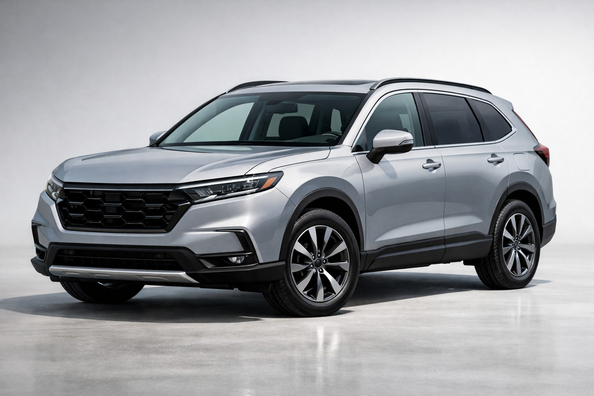

Honda CR-V 2026 is one of the strongest family crossovers in the compact class if you focus on everyday usefulness rather than эмоtion. There are two clear scenarios here: the 1.5-liter turbo gasoline engine for those who want a simpler setup, and the hybrid for those who value quieter operation, stronger low-end pull, and lower consumption.
The model’s strengths are obvious: a very spacious cabin, a large trunk, a comfortable suspension, solid ergonomics, and a good standard set of driver assists. The weaknesses are worth knowing in advance too: the gasoline version isn’t impressive in acceleration, road noise hasn’t disappeared completely, and some early 2026 vehicles received a software update for the SRS/EDR system.
The CR-V sits at the center of the most mainstream segment: it’s a direct rival to the Toyota RAV4, Kia Sportage, Hyundai Tucson, and Mazda CX-5. Against them, Honda wins not with record numbers on paper, but with a very even overall balance: family space, a compliant ride, logical controls, and a practical cargo area.
Who it suits: families, people who drive a lot in the city and on the highway, and drivers who want a crossover without odd interior decisions. Who it doesn’t suit as much: those who expect a lively character from the gasoline version, maximum quietness on rough asphalt, or truly off-road geometry.
The CR-V has been in production since 1995, and over that time the model has gone through six generations. Roughly the timeline is: first generation — 1995-2001, second — 2001-2006, third — 2006-2011, fourth — 2011-2016, fifth — 2016-2022, sixth — since 2022, but in some markets specifically as the 2023 model year.
Honda CR-V 2026 is not a new generation, but an updated stage of the sixth generation. For 2026, the model gained broader standard equipment, a 9-inch screen as standard, wireless smartphone connectivity, and a new TrailSport Hybrid version.
The CR-V 2026 offers two powertrain layouts. The gasoline version has a 1.5-liter turbo engine with 190 hp and 243 N·m paired with a CVT. The hybrid uses a 2.0-liter Atkinson-cycle engine and a dual-motor system with a combined output of 204 hp and 335 N·m.
| Parameter | Gasoline version | Hybrid version |
|---|---|---|
| Engine | 1.5 L turbo, 1 498 cm³ | 2.0 L, 1 993 cm³ + electric motors |
| Power | 190 hp | 204 hp combined |
| Torque | 243 N·m | 335 N·m |
| Transmission | CVT | Direct-drive electro-mechanical transmission |
| Combined fuel economy | 7.8 L/100 km FWD; 8.1 L/100 km AWD | 5.9 L/100 km FWD; 6.4 L/100 km AWD; 6.7 L/100 km TrailSport Hybrid AWD |
| Real-world highway consumption | about 7.6 L/100 km in a specific AWD test | about 6.7 L/100 km in a specific AWD test |
| Trunk | 1 113 / 2 166 L | 1 028 / 2 030 L |
| Ground clearance | 198 mm FWD; 208 mm AWD | depends on version; TrailSport doesn’t bring a breakthrough in geometry |
In everyday driving, the hybrid looks like the better choice for almost anyone who’s willing to pay more upfront. It pulls harder at low speeds and feels calmer in traffic. The gasoline version makes sense if you want a simpler configuration and don’t rack up high annual mileage.
The CR-V 2026 is 4 695 mm long, with a wheelbase of about 2 700 mm, a height of 1 680-1 690 mm depending on drivetrain, and a turning circle of 11.3 m. This explains the model’s character: it doesn’t feel overly bulky on the outside, but inside it feels large.
The suspension is straightforward—and that’s why it works well as a daily vehicle: MacPherson up front and a multi-link setup in the rear. The ride is comfortable, without nervousness over joints, and AWD adds confidence on slippery surfaces and dirt roads. But TrailSport shouldn’t be seen as a substitute for a real off-roader: it’s more of a practical package for bad roads than for serious off-road use.
The interior is one of the main reasons to consider the CR-V. The driving position is comfortable, the second row is roomy, the door openings are large, and the trunk genuinely works for family tasks: in the gasoline version up to 1 113 L behind the second row and up to 2 166 L with the seats folded. In the hybrid, volume is slightly smaller, but the difference isn’t critical.
For 2026, the 9-inch screen became standard, wireless Apple CarPlay and Android Auto are available on all versions, as is wireless charging. Higher trims offer built-in Google services and a 12-speaker Bose audio system. The only downside for some is that by the standards of certain competitors, the display no longer looks especially large.
On safety, the set is strong: adaptive cruise control, automatic braking, lane keeping, traffic sign recognition, blind-spot monitoring, and rear cross-traffic alert. At the same time, there’s a caveat: in the updated moderate-overlap frontal crash test the rating isn’t the best, so the CR-V shouldn’t be viewed as a model with zero compromises.
In daily life, the CR-V is convenient precisely because it’s predictable. In the city, the hybrid wins thanks to calmer pull and lower consumption, and on the highway both versions remain efficient for their format. If mileage is high, the hybrid is noticeably more pleasant; if the car mostly runs short routes without load, the gasoline version also makes sense.
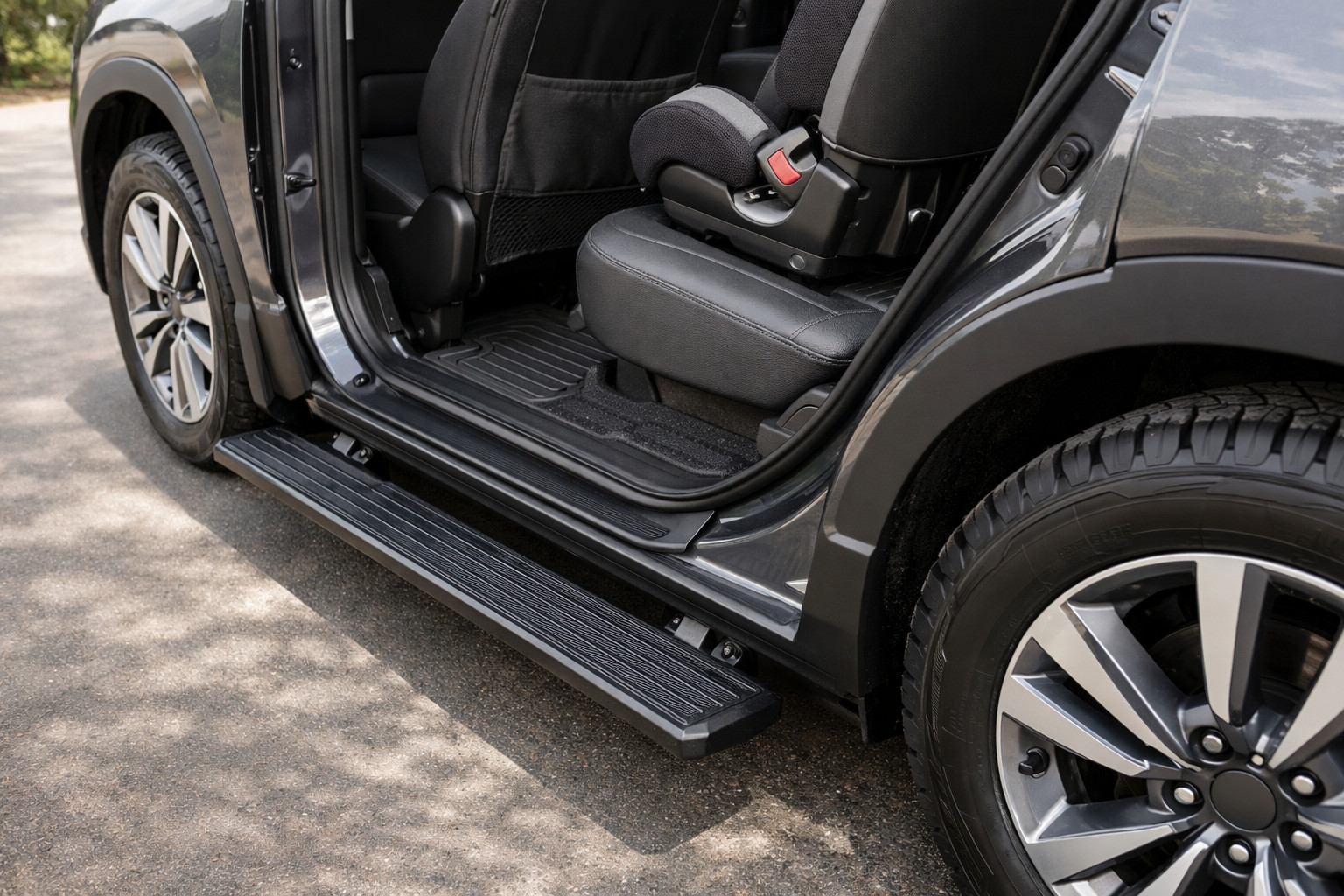
Practicality here isn’t just for show. The cabin has enough space for child seats and adult passengers, and the trunk easily takes a stroller, suitcases, or weekend gear. On the downside in day-to-day use, expect noticeable road-surface noise on coarse asphalt and a not-so-energetic character from the 1.5-liter turbo when overtaking with a full cabin.
As a package for everyday use, the CR-V is very cohesive. But it’s worth buying with the understanding that it’s not a driver’s crossover and not a vehicle for showy off-roading.
| Pros | Cons |
|---|---|
| Spacious cabin and large trunk | The gasoline version isn’t very lively under load |
| Comfortable suspension and predictable handling | Road noise is still noticeable |
| The hybrid is genuinely efficient and pleasant in the city | The screen and infotainment aren’t the flashiest in the class |
| Good standard safety and driver assists | There’s a caveat regarding one of the updated crash tests |
| Strong family practicality | TrailSport is more about the look and tires than serious geometry |
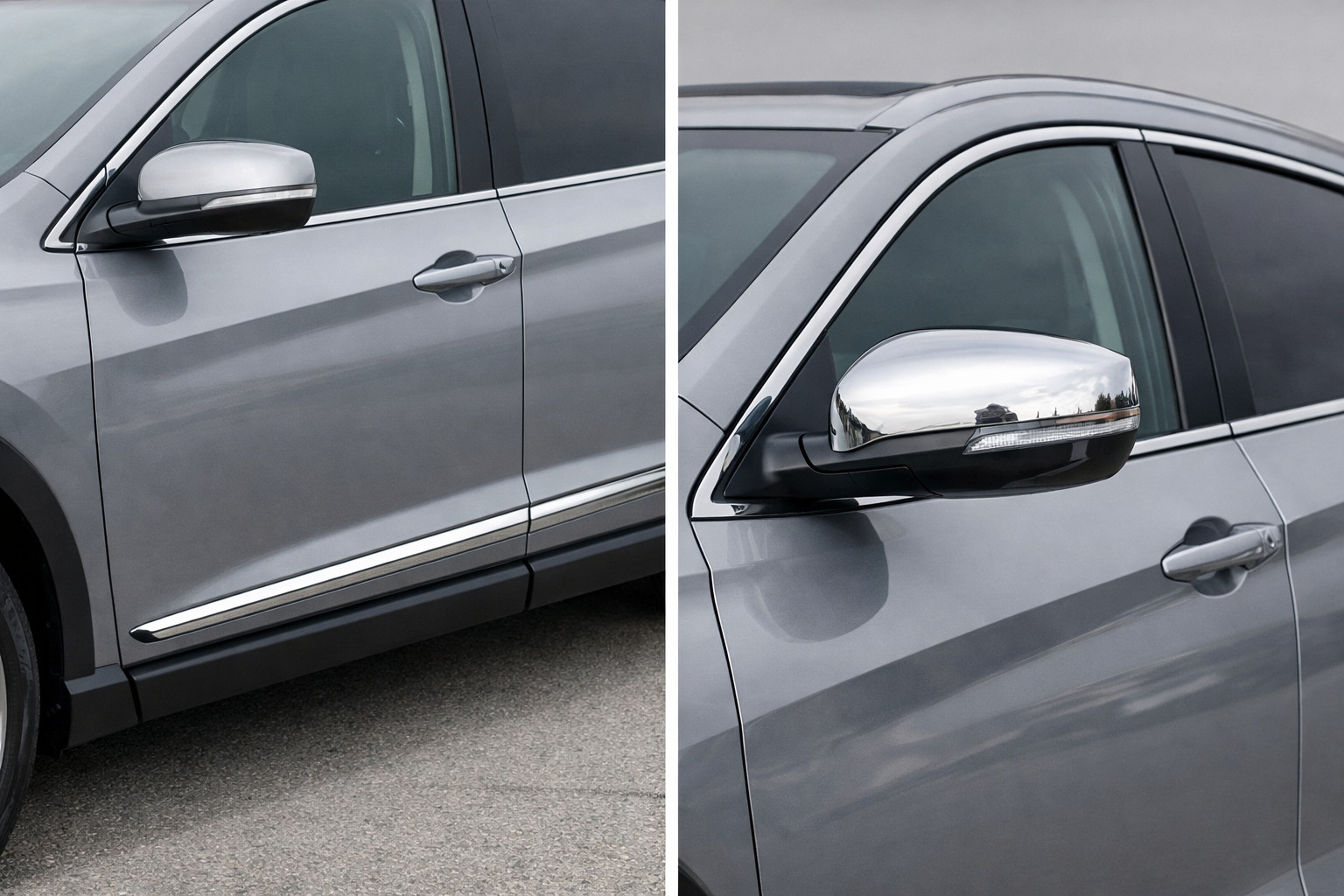
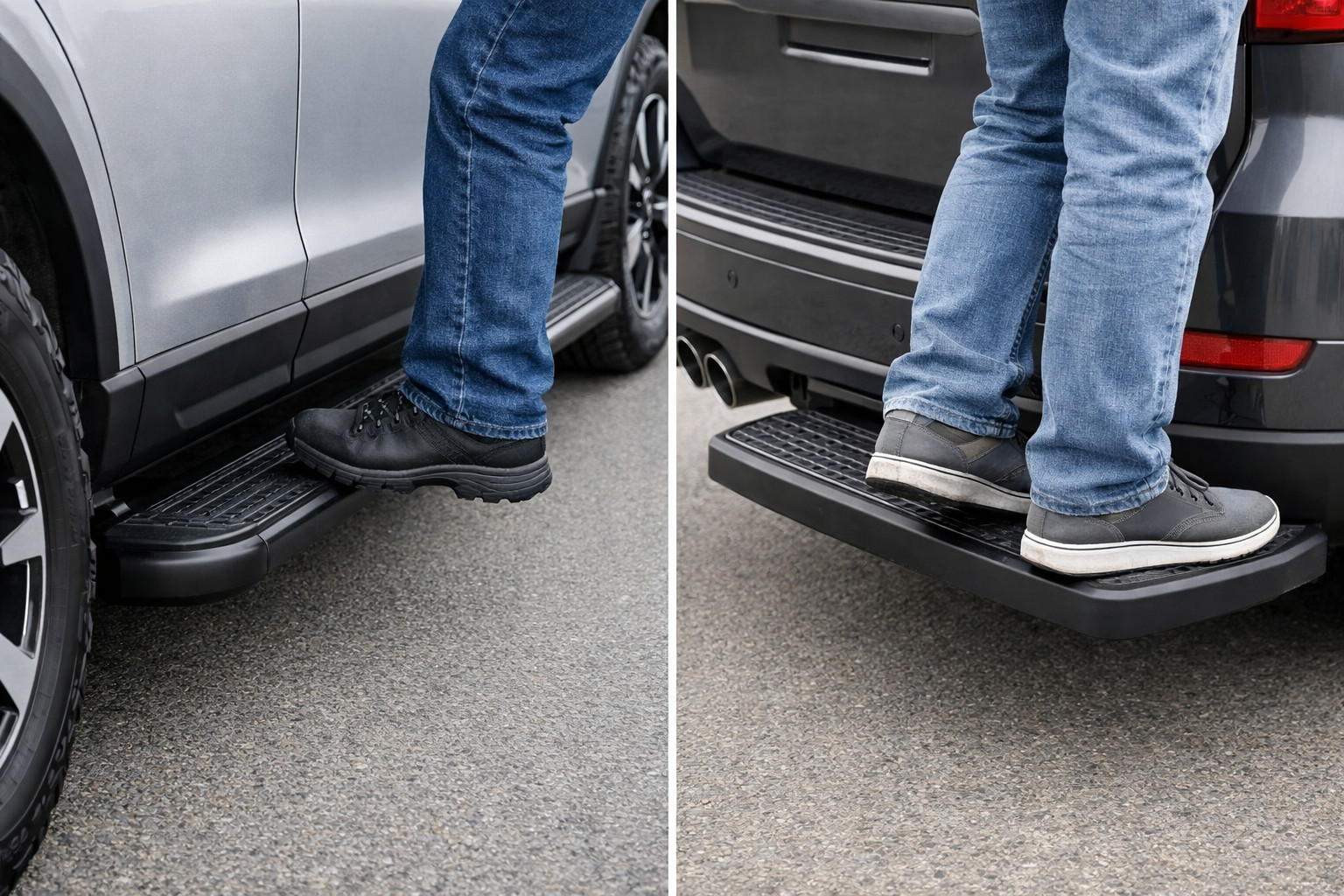
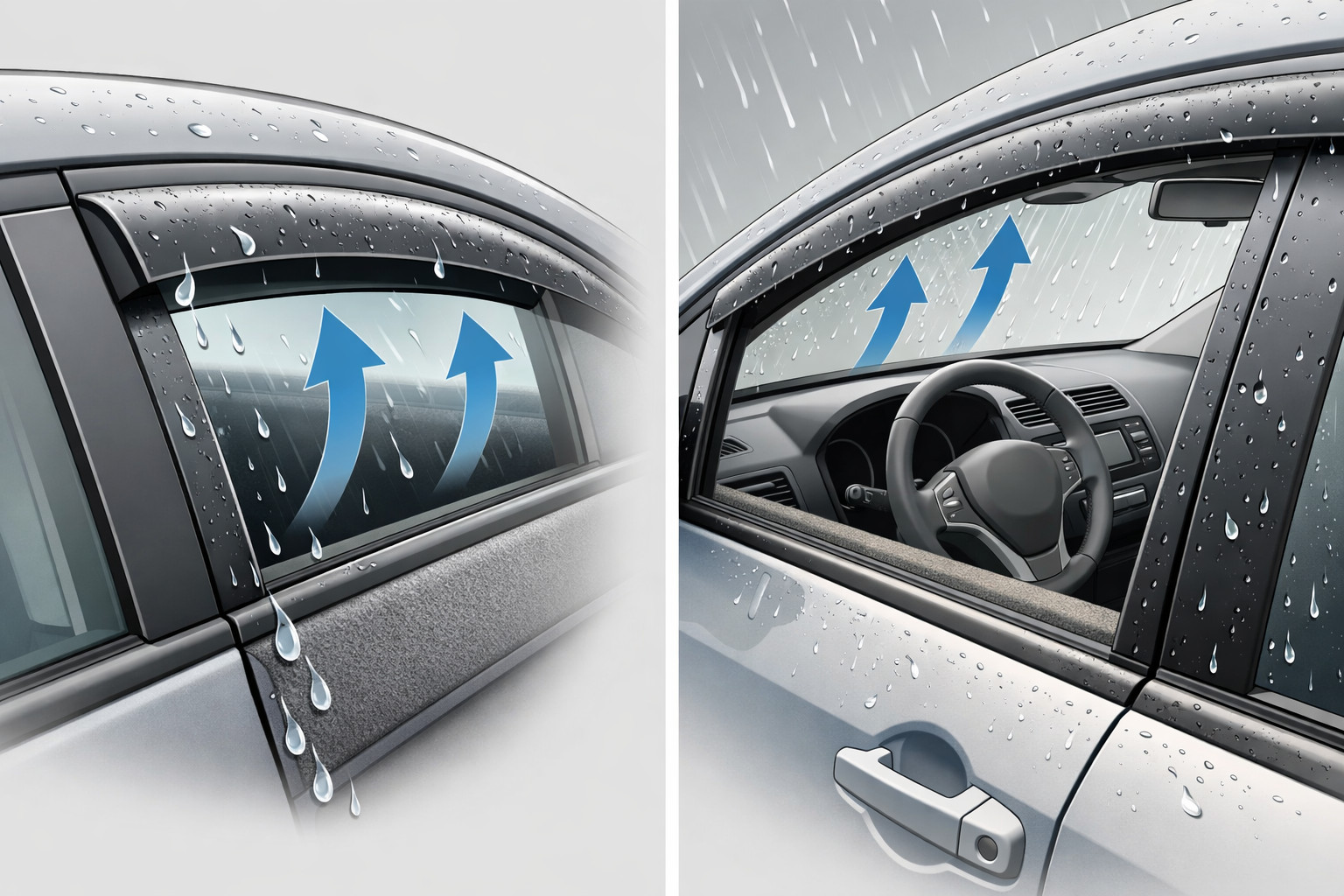
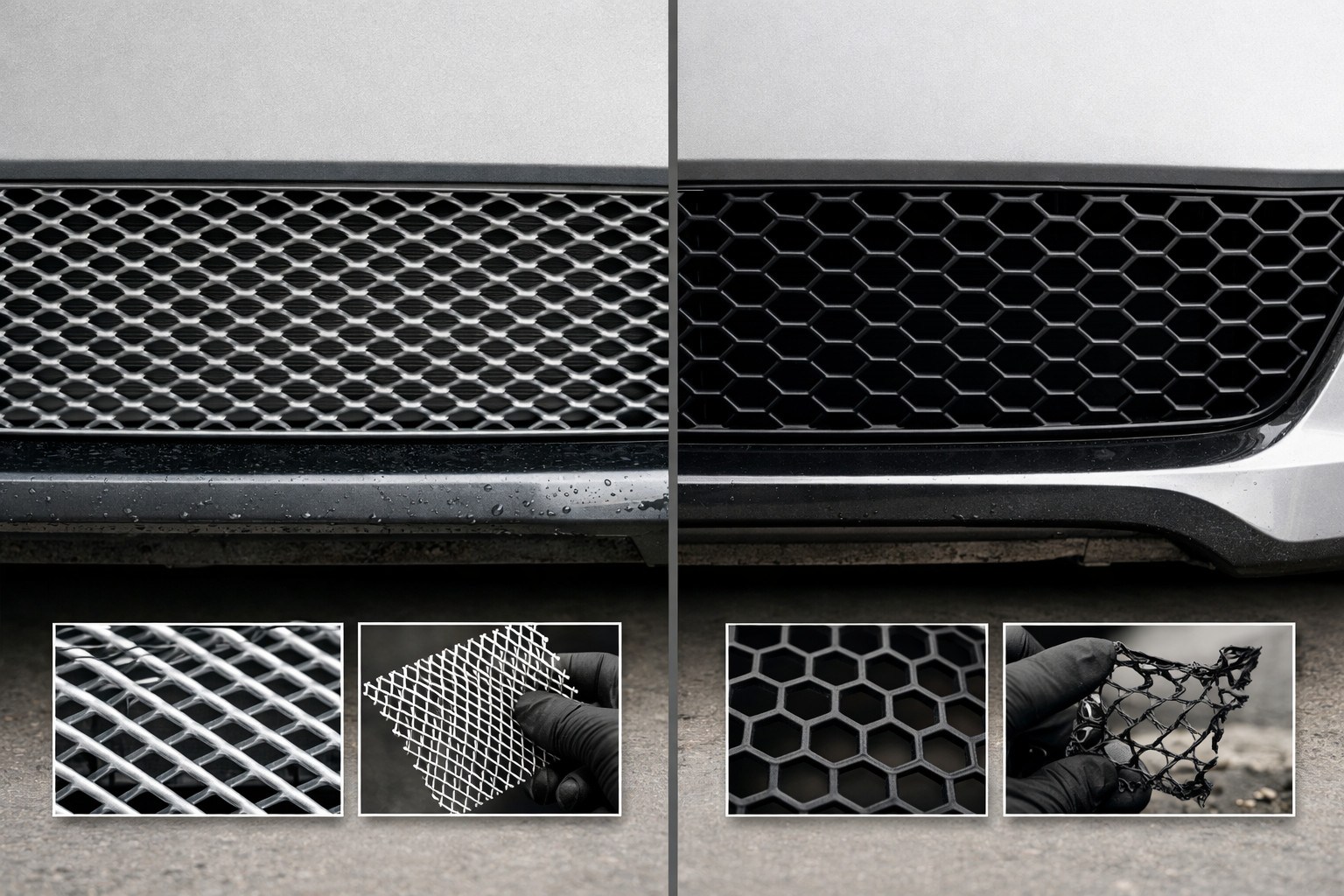
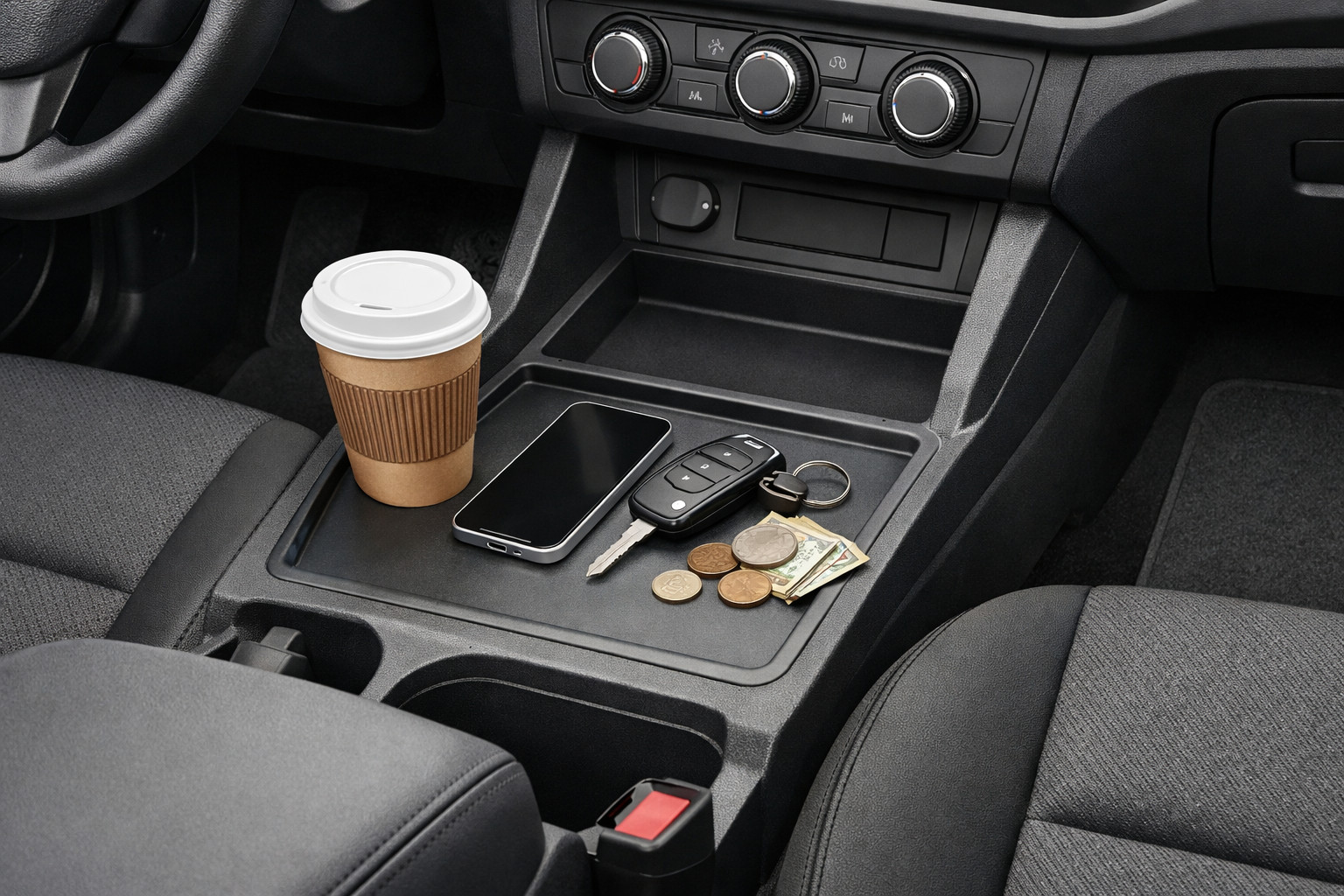
For the CR-V 2026, the biggest value isn’t in aggressive tuning, but in things that make life easier: interior protection, cargo organization, minor body protection, and travel solutions. This is exactly the case where well-chosen accessories bring more benefit than exterior décor.
In the catalog, it’s best to look first at the accessory type and separately verify compatibility for the specific year and body. For the CR-V, people most often start with these categories:
If you’re building a CR-V for yourself, the logic is simple: start with protection and practicality, then move on to decorative items. For this model, it works better than any “sporty” scenario.
Honda CR-V 2026 is a very successful family crossover for those who need not a pretty marketing number, but a balanced everyday vehicle. The gasoline version suits those who want a simpler entry into the model, while the hybrid looks like the stronger choice for quietness, torque, and consumption.
In short, the CR-V is worth buying for space, comfort, and everyday convenience—not for emotional acceleration or an off-road image. This conclusion is based on real selection practice, typical owner experience, and real-world use cases where the main thing is how the car behaves day to day, not just on paper.
| ✔ | The gasoline version isn’t very lively, especially under load or when overtaking with a full cabin. If you expect sharp acceleration from it, you’ll be disappointed. |
| ✔ | Road noise hasn’t been completely eliminated, and it’s noticeable in the cabin on rough asphalt. It’s not critical, but the CR-V doesn’t stand out for quietness. |
| ✔ | The multimedia system and screen don’t look the most impressive in the class, even after the update. Compared with some rivals, the interface feels more pragmatic than modern. |
| ✔ | The article includes reservations about one of the updated crash tests, so the model can’t be called uncompromising in safety. Buyers should keep this in mind if safety is a key priority. |
| ✔ | The spacious cabin and large trunk make the CR-V convenient for family use, child seats, luggage, and everyday trips. It’s one of those models where practicality is truly felt in daily use. |
| ✘ | The suspension is tuned for comfort: the car handles joints calmly and doesn’t get nervous over small bumps. For city and highway driving, this provides a predictable and smooth ride. |
| ✘ | The hybrid version looks better suited to everyday use thanks to stronger low-end pull and lower fuel consumption. In traffic jams and on short city routes, it is noticeably more pleasant than the gasoline version. |
| ✘ | In 2026, the CR-V got a 9-inch screen, wireless Apple CarPlay and Android Auto, and wireless charging as standard. This makes daily use easier without paying extra for basic conveniences. |
| ✘ | The set of safety systems and assistants here is strong: adaptive cruise control, automatic braking, lane keeping, and blind spot monitoring. For a family crossover, this is a practical package, not just a list of options. |
Shipping to EU
Wholesale and retail
Own warehouse
Опис продукту
Подарунки не надаються при оформленні покупки у кредит під 0,01% або при покупці частинами.