26.08.2026
160
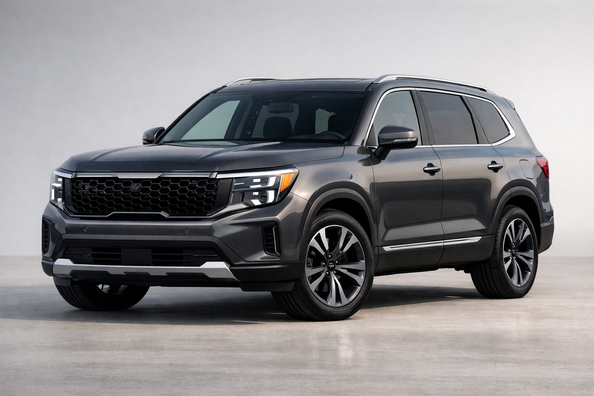

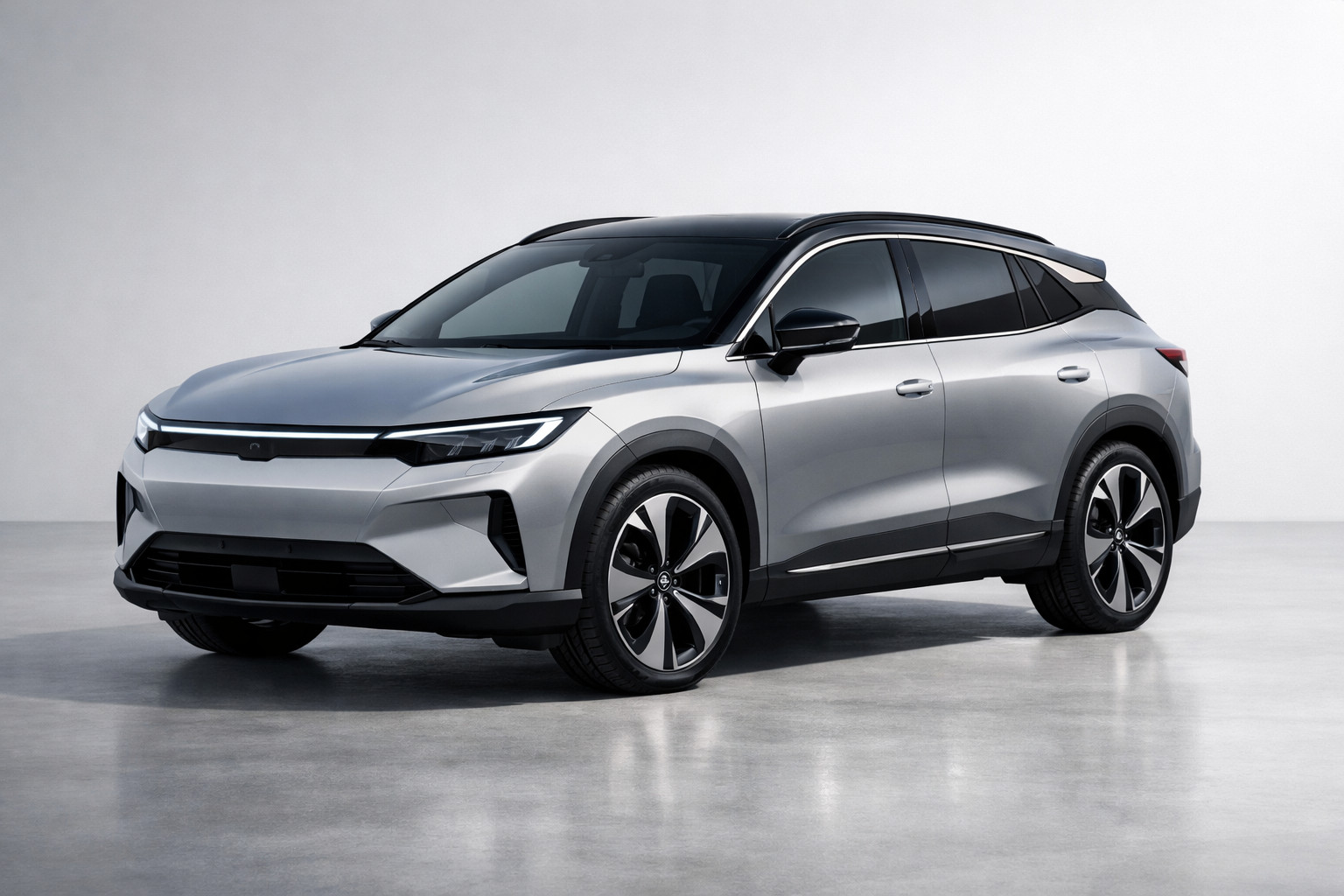
2027 Kia Telluride is no longer just another refresh, but an all-new second generation of the large three-row crossover built for family use, long trips, and towing. The main change isn’t only the design: the base 2.5-liter turbo engine makes 274 hp and 422 N·m, while the new turbo-hybrid delivers 329 hp and 460 N·m—meaning the vehicle is simultaneously more modern, roomier, and, in hybrid form, noticeably more cost-effective in everyday driving.
This Telluride is for those who truly need three rows, an adult-usable third row, a big cargo area, and a reserve of pull for a fully loaded family or a trailer. It’s not the best choice for tight city courtyards, for those who want new-generation reliability that’s already proven over years, or for anyone chasing the lowest possible fuel consumption specifically in the gasoline version.
Telluride competes in the large family crossover segment, where buyers typically choose not with emotions but with usable space, third-row comfort, fuel consumption, and the equipment list. Its direct rivals are the Hyundai Palisade, Toyota Grand Highlander, and Honda Pilot.
The model’s strength is the combination of big dimensions, a 7- or 8-seat cabin, a solid set of safety systems, and trims for different use cases. If you want an all-around family vehicle without stepping into the premium segment, the Telluride looks like a very logical option. If you need compact size and easy daily parking, that’s no longer its territory.
The first-generation Telluride has been around since 2019, and in model years for the main market it effectively covers the period through 2026. The 2027 model year launches the second generation, so this isn’t a facelift but a new vehicle with a different powertrain lineup, revised body geometry, and a hybrid version in the range.
For buyers, this matters for two reasons. First, accessories and body-fit compatibility need to be checked specifically for the new generation. Second, long-term reliability data for 2027 hasn’t formed yet, so you should judge the model more by its engineering, packaging, and early real-world feedback than by a years-long reputation.
With the 2027 Telluride there’s no major confusion over engines: it’s either a 2.5-liter turbo gasoline unit or a 2.5-liter turbo-hybrid. But the difference between them is noticeable in pulling power, fuel economy, and the logic of the choice.
| Version | Powertrain | Transmission and drive | Practical takeaway |
|---|---|---|---|
| Gasoline | 2.5 L turbo, 2 497 cm³, 274 hp, 422 N·m | 8-speed automatic, front-wheel drive or all-wheel drive | Decent pull, up to 2 268 kg towing, but 10.7–12.4 L/100 km depending on version |
| Hybrid | 2.5 L turbo-hybrid, 1.65 kWh battery, 329 hp, 460 N·m | 6-speed automatic, front-wheel drive or all-wheel drive depending on trim | Better balance for daily life: stronger pull and 6.7–7.6 L/100 km in typical official figures |
In short, the hybrid looks like the most interesting version for city driving, highway use, and family routes: it’s not only more efficient, but also more powerful. The gasoline version makes sense if you want a simpler setup without the hybrid add-on, a higher towing rating, or specifically the X-Pro trim, which is available only with the gasoline engine.
Telluride keeps the format of a large unibody crossover rather than a body-on-frame SUV. Up front it uses a MacPherson suspension with a stabilizer bar, and at the rear a multi-link setup. Some versions are claimed to have upgraded dampers, while X-Pro gets more than a decorative package—it brings real off-road additions: an electronically controlled differential, surface modes, tow hooks, and increased ground clearance.
| Parameter | Value |
|---|---|
| Wheelbase | 2 969 mm |
| Length | 5 060 mm |
| Width | 1 989 mm |
| Height | 1 765–1 816 mm depending on version |
| Ground clearance | 188 mm standard, 231 mm on X-Pro |
| Cargo volume (gasoline version) | 631.5 L behind the third row, 1 379.0 L behind the second, 2 528.7 L behind the first |
| Cargo volume (hybrid) | 603.1 L behind the third row, 1 350.7 L behind the second, 2 500.4 L behind the first |
| Seating capacity | 7 or 8 seats |
The numbers make the main point clear: this is a genuinely large family vehicle. The third row isn’t “just in case”—it’s useful in real life, but you pay for it with a larger turning radius, greater body width, and a higher demand for parking space.
The interior is one of the reasons to look specifically at the Telluride. The second row is very spacious, and the third row doesn’t feel like a kid-only afterthought. For a family, it also matters that 7- and 8-seat configurations are available: some want second-row captain’s chairs, while others care more about seating eight.
For infotainment, a 12.3-inch screen with navigation is listed, plus wireless Apple CarPlay and Android Auto. The safety suite is strong as well: there’s a large package of collision warning systems, a surround-view camera, and blind-spot monitoring. On the practical downside, there are already complaints about touch-based climate controls and not the best readability of some buttons in the dark.
In daily driving, the Telluride works best as a family highway-and-city crossover. The hybrid feels especially appropriate here: it uses less fuel, has better range, and doesn’t feel like a compromise in performance. The gasoline version isn’t weak either, but you can’t call it economical.
From real-world buying practice, it’s worth remembering a few things. First, X-Pro brings a real advantage on dirt roads, at campsites, and when towing, but its tires are noisier on pavement. Second, the model is very new, so before buying you should check the specific vehicle by VIN for any early recalls. Third, it’s still too early to draw conclusions about long-term hybrid durability: early feedback exists, but the dataset is small.
| Pros | Cons |
|---|---|
| Very spacious cabin and a large cargo area even for a three-row format | Large body isn’t convenient for everyone in the city and in tight parking spots |
| The hybrid combines strong pull with moderate fuel consumption | The gasoline version’s fuel use isn’t record-setting |
| Good safety suite and modern equipment even in base trims | There are early recalls, and long-term reliability of the new generation is still unclear |
| X-Pro has practical upgrades for off-road use and towing | On X-Pro there’s more tire noise on pavement |
| Choice between 7- and 8-seat cabins | Touch climate controls aren’t for everyone |
From an owner’s perspective, the Telluride’s strengths are very down to earth: it’s easy to seat kids and adults, there’s room for a stroller, suitcases, or gear, and with the hybrid the fuel-bill question hurts less. The weaknesses are just as clear: it’s a big vehicle, and the new generation hasn’t yet stood the test of time.
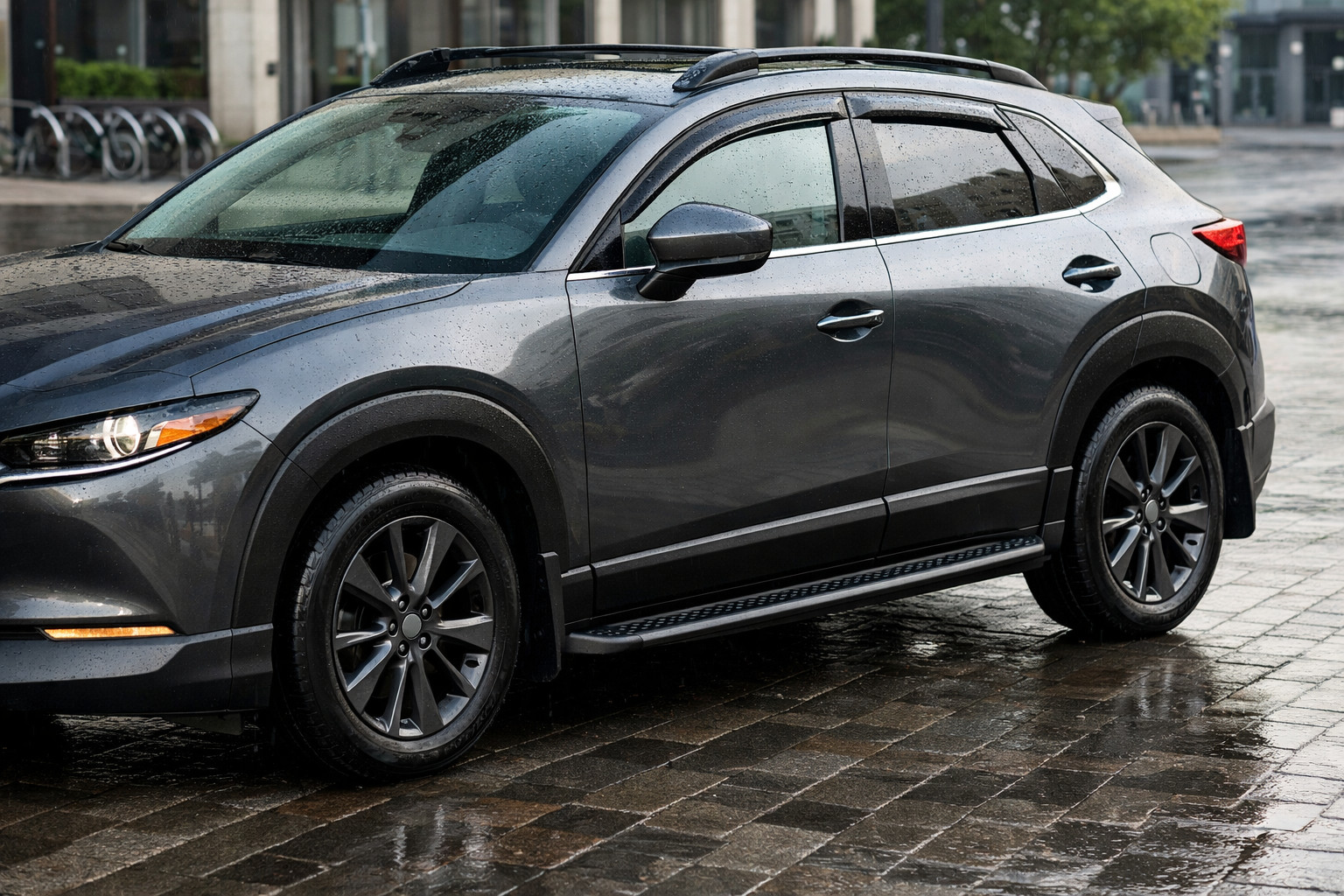
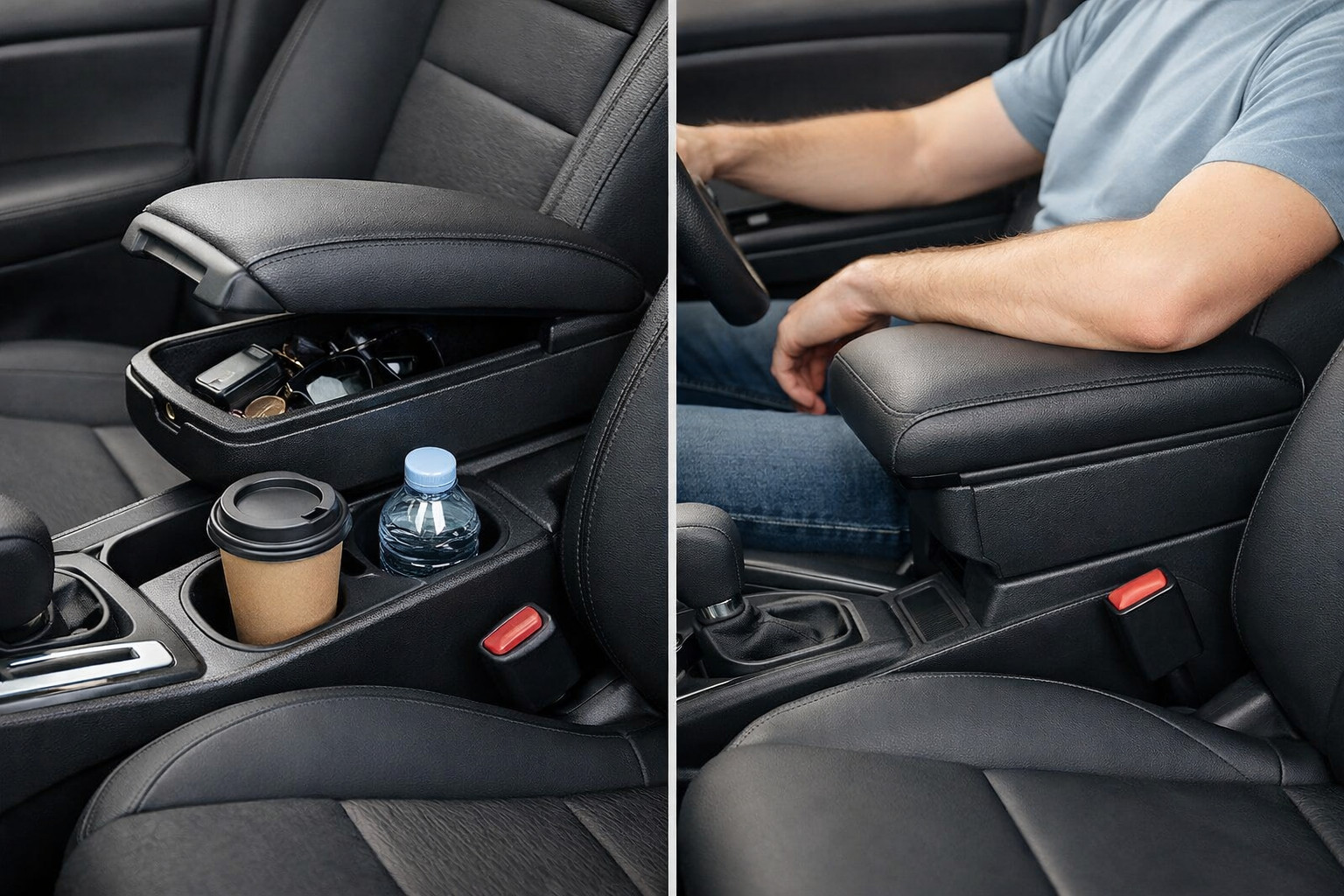
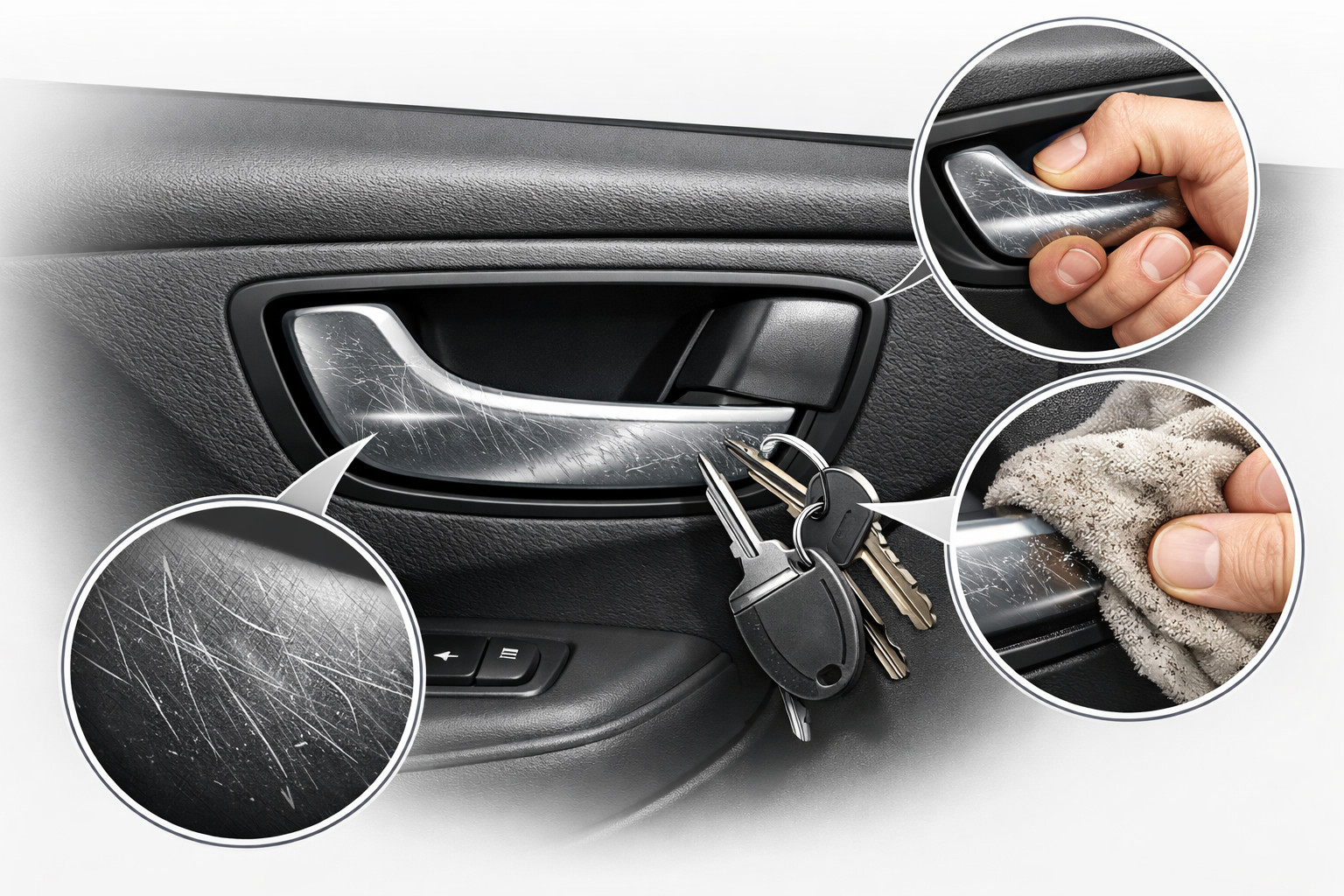
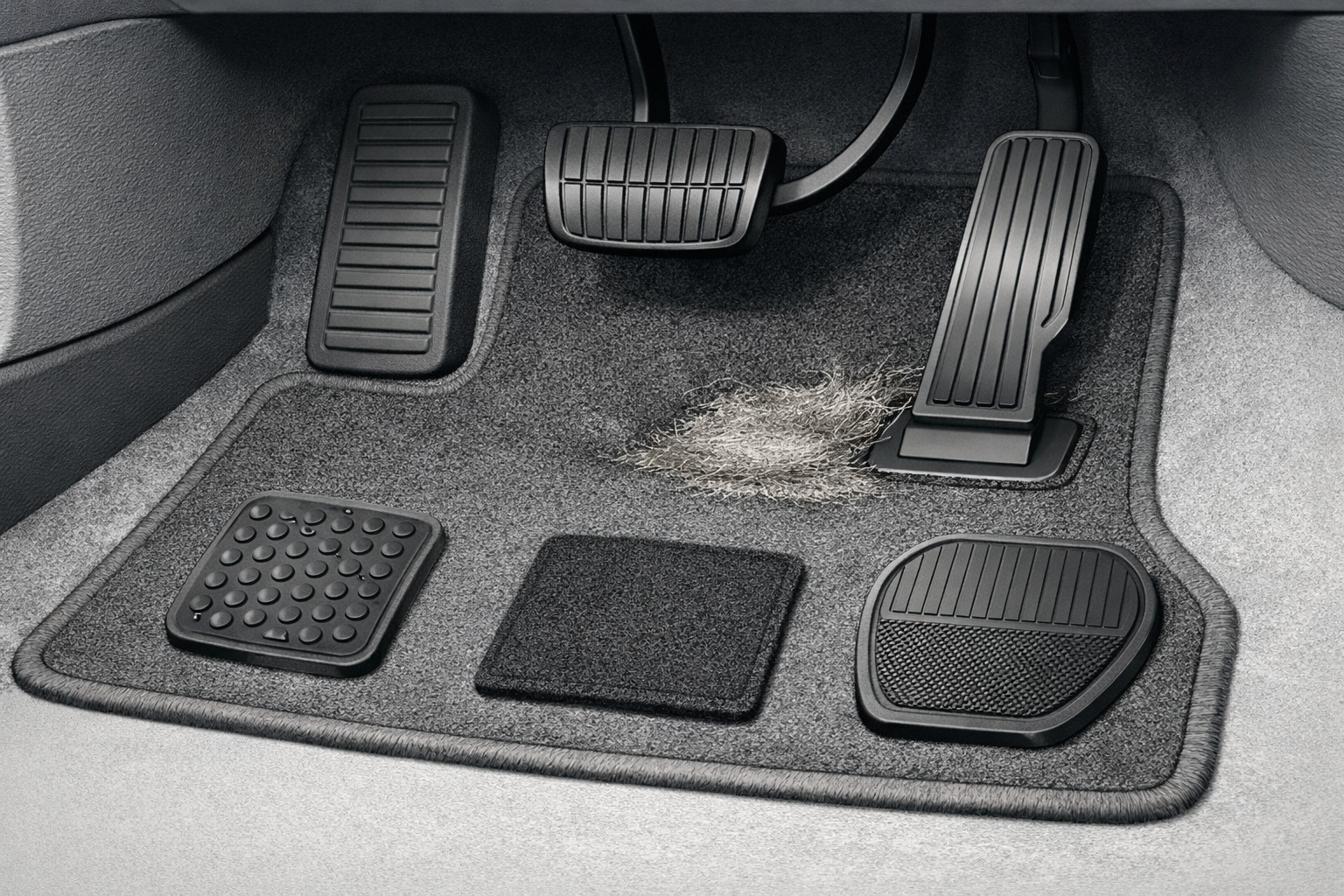
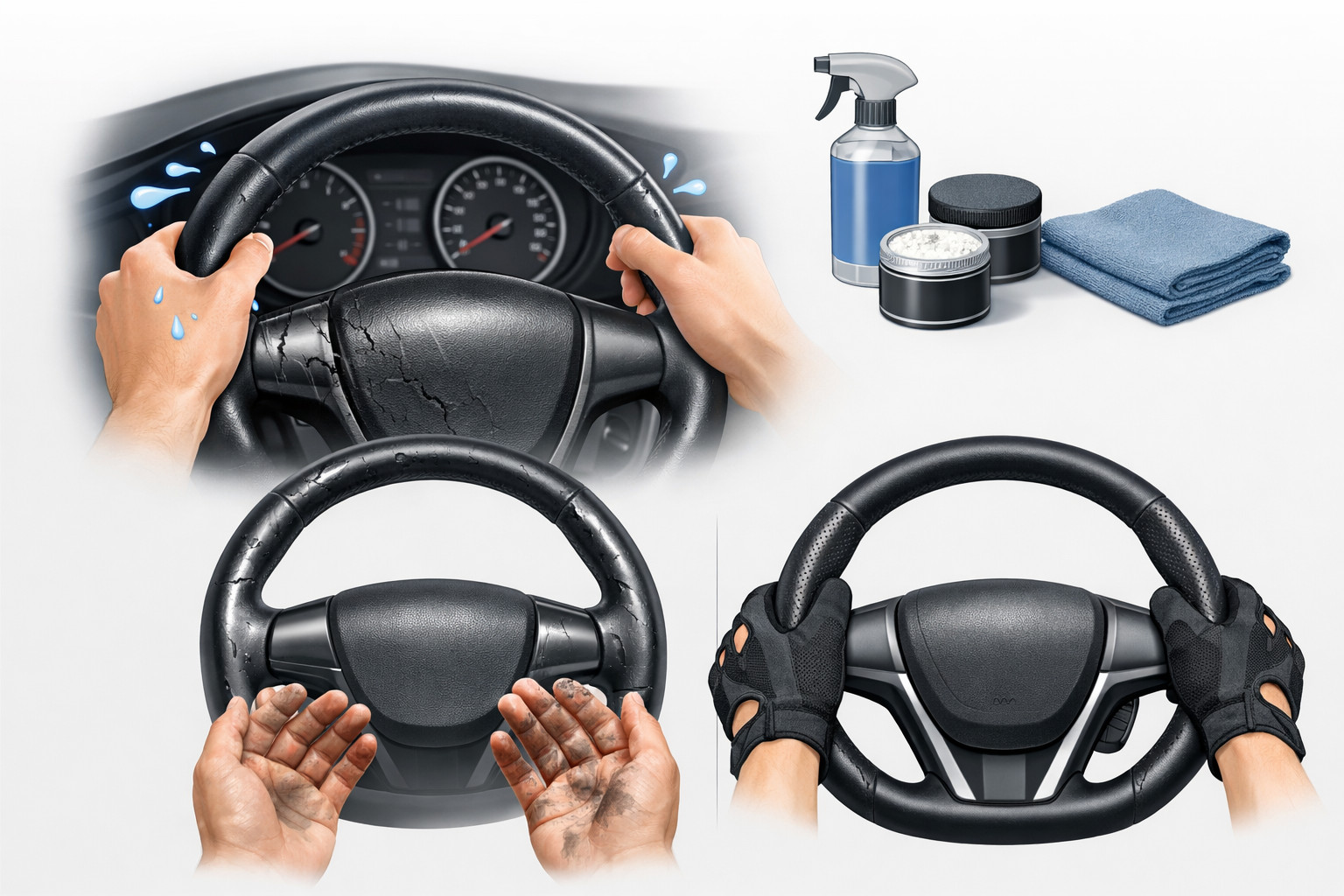
For the Telluride, tuning makes sense not as a show build but as refinement for real family use. First and foremost, think about interior protection, rainy-day travel convenience, and expanding cargo capability—because those are the scenarios where a big three-row crossover works every day.
It’s better not to overdo the modifications here. For a family Telluride, it matters more than looks that accessories don’t block cabin access, don’t increase noise, and don’t complicate everyday use.
The 2027 Kia Telluride looks very strong where a crossover is expected to deliver space, a proper third row, safety, pulling power, and travel readiness. The hybrid version seems like the best pick for most families, while the gasoline X-Pro makes sense for those who regularly drive on rough roads or tow a trailer.
The main caveat is simple: this is an all-new generation, so final conclusions about longevity are still ahead. This piece is based on real selection experience, practice, and real-world use cases, and from that perspective the 2027 Telluride looks like one of the strongest large family crossovers in its class—but not a universally correct choice for everyone.
| ✔ | A very spacious cabin with a truly useful third row: it can carry not only children, but adults as well. For a large family, it is more practical than many other three-row crossovers. |
| ✔ | A large trunk even in the three-row configuration lets you travel comfortably without constantly compromising on luggage space. This is especially convenient when the cabin is occupied by all passengers. |
| ✔ | The hybrid version combines higher power and better fuel economy than the gasoline one. In everyday use, this provides strong pull without a noticeable fuel penalty. |
| ✔ | There is a choice between 7- and 8-seat cabins, so the car can be adapted to different scenarios — either more comfort for passengers or maximum capacity. This is useful for families with different needs. |
| ✔ | The X-Pro version has practical, not just decorative, additions for bad roads and towing: increased ground clearance, an electronically controlled differential, and towing points. For trips outside the city, this is a noticeable advantage. |
| ✘ | The body is large, so in the city the Telluride is inconvenient in tight parking spaces and narrow courtyards. For everyday maneuvering, it is not the most comfortable format. |
| ✘ | The gasoline version does not seem economical: fuel consumption is listed at 10,7–12,4 l/100 km depending on the version. For a large family car, that is expected, but not cheap. |
| ✘ | The model is very new, so long-term reliability has not yet been confirmed by statistics. Before buying, you should separately check a specific vehicle for early recalls. |
| ✘ | X-Pro has a side drawback for daily driving: its tires are noisier on asphalt. This may annoy those who spend most of their time in the city or on the highway. |
| ✘ | Touch climate controls and some buttons can be inconvenient to use in the dark. It is a minor issue, but in everyday use it is noticeable. |
Shipping to EU
Wholesale and retail
Own warehouse
Опис продукту
Подарунки не надаються при оформленні покупки у кредит під 0,01% або при покупці частинами.