02.08.2026
234
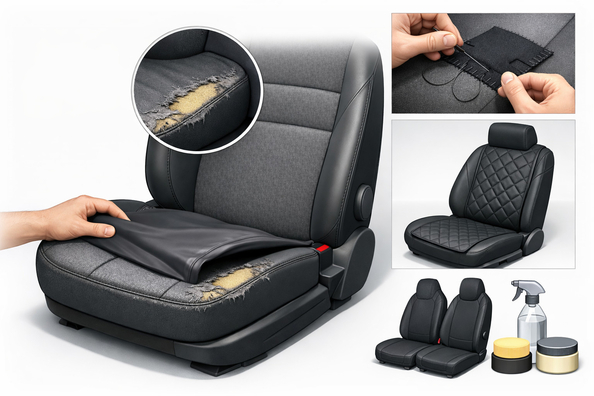
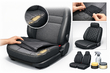
If the side bolster of the driver’s seat is getting rubbed every day, don’t wait: the top layer of upholstery wears faster than it seems, and then the issue turns into cracking, a split seam, or even collapsed foam. In most cases the cause isn’t one thing but a combination: sliding when getting in, sand and dirt on clothing, cabin overheating, and an already tired seat base.
The practical approach is simple: first distinguish surface wear from a filler problem, then remove the friction factor, and only after that add protection. If the upholstery is still intact, proper care and a seat-specific cover work best. If there’s a crack, a tear, or the seat is sagging on the side, protection alone won’t solve it.
Most often, the outer side bolster of the driver’s seat suffers. This is exactly the area you slide over every day when getting into the car and getting out. The higher the vehicle, the stiffer the clothing, and the sharper the movement, the stronger the localized friction.
The second wear accelerator is abrasive dirt. Sand, dust, crumbs, and grime work like sandpaper, especially on fabric, eco-leather, and leather with an overdried surface. If the seat is light-colored, denim marks are sometimes mistaken for abrasion, even though part of the issue is transferred dye.
The third factor is heat and sun. When the cabin constantly overheats, the top layer of leather or eco-leather dries out faster, loses elasticity, and starts cracking exactly where there’s already mechanical load.
DD Tuning expert comment: the most common mistake is buying the first universal cover you find when the problem is already on the outer bolster. It shifts, forms a fold, and rubs the same spot even harder. The second typical mistake is masking a crack without checking the foam under the upholstery: if the edge has already sagged, you need a base repair, not just a cover on top.
| Symptom | Likely cause | What to do |
|---|---|---|
| Dull shiny patch on the outer side of the seat | Daily friction when getting in and out | Change the way you get in, clean the surface regularly, install a cover made for that specific seat |
| Blue or dark mark on light upholstery | Dye transfer from clothing, dirt | First clean the material without aggressive chemicals, then apply fabric protection or leather care |
| Fine cracks or a dry, stiff surface | Cabin overheating, material drying out | Regular care, sun protection, don’t leave the cabin under direct sun for long periods |
| Tear along the seam or near the seam | Material tension, fatigued seam, constant side load | Local seam repair or panel insert—don’t wait for the tear to spread |
| The seat collapses on one side, crumbs fall from under the upholstery | Sagged or destroyed foam | Repair the filler or reupholster; a cover only masks the problem here |
| The cover slides around, bunches up in waves | Wrong cut or universal sizing | Remove it and switch to a model-specific option compatible with the seat and airbag |
Regular cleaning. Dust, sand, and oils shouldn’t be left on the seat for weeks. For fabric, a protective spray after cleaning is useful, and it’s best to refresh it about every six months or after a deep interior wash.
Proper protection against friction. When the upholstery isn’t torn yet, the best effect comes from a cover tailored to the shape of the specific seat. It shifts less, covers the bolsters better, and doesn’t create extra folds.
Adjusting a daily habit. If you sit down without sliding over the side bolster, the upholstery’s lifespan noticeably increases. It’s a small thing, but it’s what either finishes the seat off every day—or saves it.
Early-stage spot repair. If there’s already a small crack or cut, it’s worth stopping it immediately. It’s cheaper than waiting until the hole runs along the seam or moisture reaches the foam.
Universal covers are a typical temporary option. They can hide a defect, but with daily use they often shift and rub the worn area even more.
Cosmetic “restorers” without proper surface prep are also overrated. They may slightly refresh the look, but they don’t restore the material’s strength and don’t solve a foam or seam problem.
A patch or clear repair tape is useful as a quick local fix, but not as a full repair. If the seat edge has sagged, the crack will appear next to it again.
A one-time application of protection without ongoing care also won’t give a lasting effect. Any coating works only with regular renewal and a clean surface.
If the upholstery is still holding up but you see daily rubbing, it makes sense to start with car seat covers. They’re appropriate when you need to cover the bolsters, reduce direct clothing contact with the seat, and simplify maintenance.
Seat pads make sense as quick or seasonal protection: workwear, frequent trips with kids, dirty weather. But if the outer bolster is what’s wearing, a pad doesn’t always cover the problem area as well as a full cover.
Sun shades are useful where the upholstery not only rubs but also overheats while parked. They don’t remove mechanical wear, but they reduce drying and heating of the material.
Replacing elements is needed when the seam is already damaged, the seat edge is soft, or the filler is destroyed. In that situation, an accessory makes sense only after repair, not instead of it.
| Solution | When it works | When it’s not worth spending money |
|---|---|---|
| Model-specific cover | The upholstery is still intact or has light surface wear; the main issue is daily friction | When the seat has already sagged, the seam is splitting, or the foam is destroyed |
| Universal cover | As a very short-term temporary protection | For daily use on a problem side bolster |
| Seat pad | You need to quickly protect the seat from dirt, moisture, workwear | When you need to cover and consistently protect the seat bolsters specifically |
| Cleaning and protective care | There’s dirt, dye, or drying out, but the material hasn’t torn yet | When there’s already a through tear or the foam is crumbling |
| Spot repair of a crack or cut | The damage is small and needs to be stopped | When the seat edge is deformed and the problem comes from inside |
| Foam repair or reupholstery | The seat is collapsing, there are filler crumbs, the material is stretched and cracking | When the surface is only dirty or has early abrasion without structural defects |
| Sun protection | The car is often parked in direct sun; leather or eco-leather dries out | If the cause is purely mechanical sliding when getting in |
From a customer’s experience: someone was looking for a way to save the driver’s seat where a dull worn mark had already appeared on the outer side. After checking, it turned out the foam was still intact, and the main cause was daily sliding in jeans and dirt on the surface. In the end, a combination of cleaning, changing the seating habit, and a cover for that specific seat worked; after a few months, the wear did not progress.
If the seat is getting rubbed every day, the key is not to confuse surface wear with a base problem. When it’s only friction, dirt, and drying, regular cleaning, material protection, controlling cabin heat, and a properly selected cover help. When there’s a crack, a split seam, or sagged foam, you need spot repair or reupholstery.
The smartest use of money is to diagnose the cause first, and only then choose an accessory or repair. This approach is based not on theory but on real fitting experience, hands-on practice, and real usage scenarios—where the difference between “it’ll still do for now” and “it needs repair now” is best seen by the type of defect.
Shipping to EU
Wholesale and retail
Own warehouse
Опис продукту
Подарунки не надаються при оформленні покупки у кредит під 0,01% або при покупці частинами.