15.09.2026
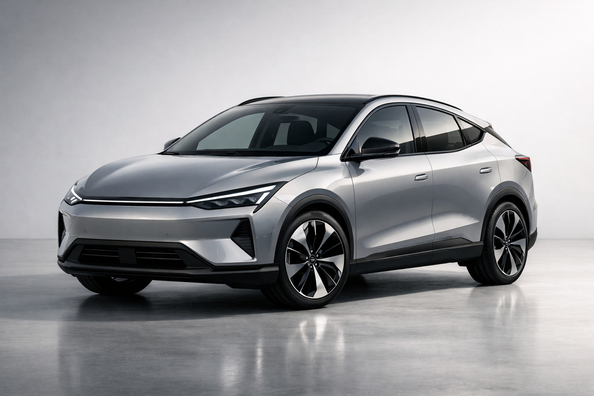
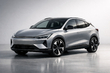
Xiaomi YU7 is a large electric crossover aiming at the Tesla Model Y niche, but it bets not on minimalism, rather on size, fast charging, and rich factory equipment. On paper, it’s one of the most interesting Chinese newcomers for the 2026 model year: an 800-volt architecture, air suspension, a spacious cabin, and very fast charging top-ups.
At the same time, it’s a very fresh model. Official sales started in 2025, and public materials directly pointed to a focus on Mainland China. That’s why the YU7 is better suited to buyers who want a new, high-tech vehicle and are ready for early-series risks, rather than those looking for a proven electric crossover with years of track record.
In essence, the YU7 is a family electric crossover in the nearly five-meter class. It’s larger than many mass-market electric SUVs and tries to win buyers not only with range, but also with the feel of a “bigger” car: it comes right away with air suspension, large brakes, LiDAR, a 4D radar, 11 cameras, and a broad suite of electronics.
The most logical use case for this car is city plus highway driving, family trips, regular fast charging, and the desire to get maximum tech in one body. Less logical are tight courtyards, narrow parking garages, and buying it without a clear understanding of how service will be handled outside China.
The YU7’s story is still short. Series production started on June 26, 2025, so we’re essentially talking about the first generation without a body change. At launch, Xiaomi announced Standard, Pro, and Max trims, while 2026 model-year materials already mention a rear-wheel-drive Standard and an all-wheel-drive GT. Because of this, version names in public sources partly overlap.
The takeaway for buyers is simple: you should look not only at the trim name, but at the exact battery, drivetrain, output, and production date. The lineup is still taking shape, so the difference between early and later YU7 specs really matters.
The Xiaomi YU7 has no internal-combustion engines, so displacement in liters doesn’t apply. You should focus on the number of electric motors, drivetrain, power, torque, and the battery. All versions use a single-speed fixed reduction gear.
| Version | Powertrain layout | Power and torque | Battery | Rated range |
|---|---|---|---|---|
| YU7 Standard with rear-wheel drive | 1 electric motor, rear-wheel drive | 235 kW, 320 hp, 528 N·m | 73 kWh | 643 km (CLTC) |
| YU7 GT with all-wheel drive | 2 electric motors, all-wheel drive | 738 kW, 1003 hp, 1068 N·m | 101,7 kWh | 705 km (CLTC) |
At the early launch, Standard, Pro, and Max were also announced with 96,3 or 101,7 kWh batteries and CLTC ranges of 835, 770, and 760 km. But due to discrepancies between the launch materials and later specs, it’s safer to verify the specific vehicle rather than rely only on the marketing version name.
In terms of size, the YU7 is genuinely large: in base form it measures 4999×1996×1608 mm with a 3000 mm wheelbase. In the GT version, the dimensions are slightly different—5015×2007×1597 mm. A 222 mm ground clearance is generous for an electric crossover, and the air suspension adds another 75 mm of height-adjustment range.
| Parameter | Data |
|---|---|
| Body | 5-door electric crossover, 5 seats, unibody |
| Dimensions | 4999×1996×1608 mm; GT — 5015×2007×1597 mm |
| Wheelbase | 3000 mm |
| Ground clearance | 222 mm |
| Maneuverability | Turning radius 5,7 m |
| Suspension | Front double wishbone, rear multi-link, adaptive dampers, dual-chamber air suspension |
| Trunks | Front 141 L; rear 687 L, up to 1758 L with seats folded |
| Wheels | 19, 20, or 21 inches |
In practice, this means a comfortable ride and good margin for rough asphalt, but not an off-road character. Nearly two meters of width and large wheels make it clear: the YU7 likes space and won’t be the most convenient car for tight urban parking.
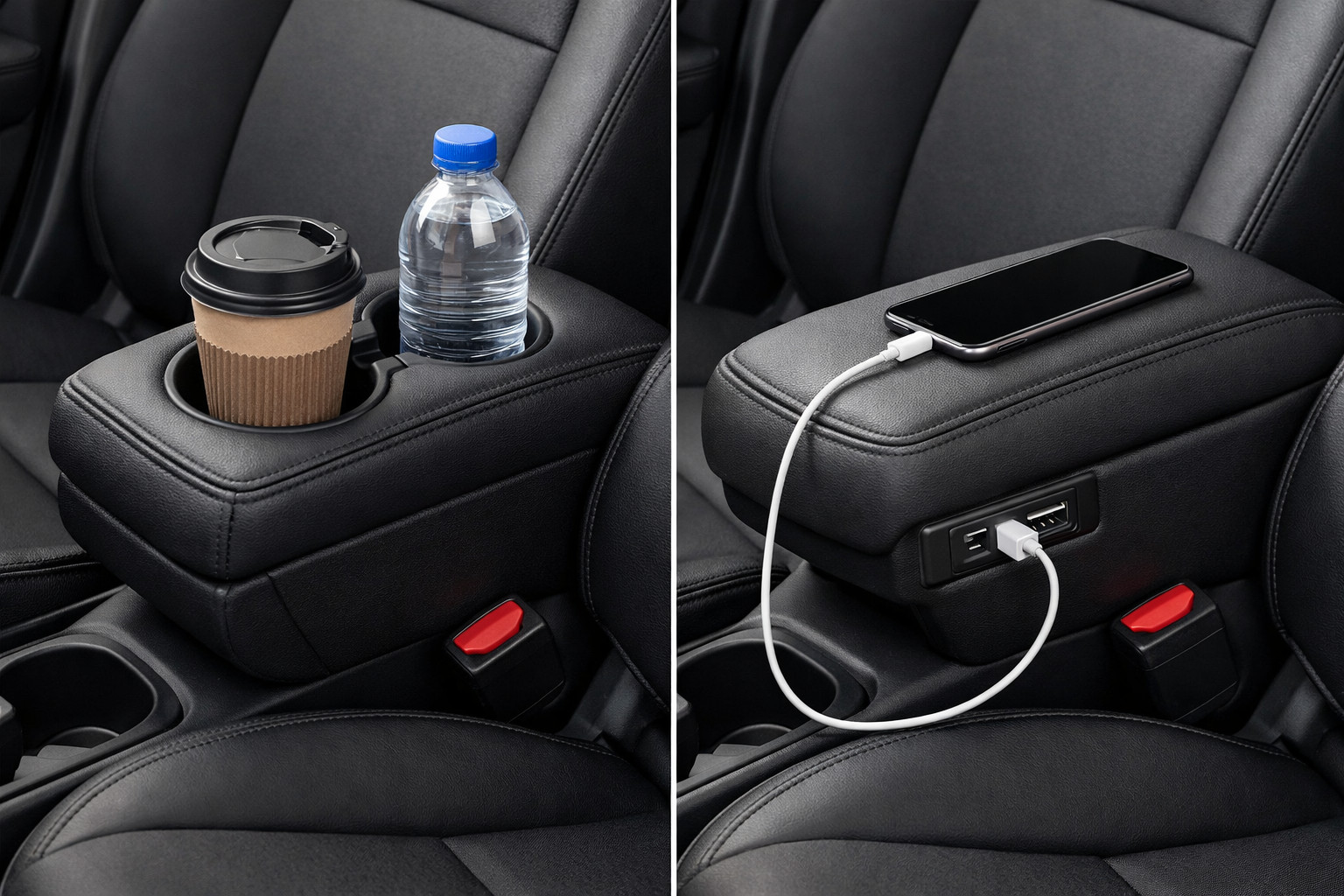
The cabin is built around the feeling of a large, quiet, well-equipped vehicle. There are 36 storage compartments for small items, a 141 L frunk, a large rear trunk, plenty of soft-touch materials, and magnetic mounting points for accessories. For family use, that’s a strong argument: there’s enough room not only for people, but also for everyday cargo.
On comfort, the YU7 looks convincing: laminated glass all around, an extensive noise-insulation package, air suspension, and adaptive dampers. Safety equipment is serious too—LiDAR, a 4D radar, 11 cameras, 12 ultrasonic sensors, and Level 2 driver assists. In Chinese crash tests, the model delivered a strong overall result, especially in active safety.
The compromise is typical of a coupe-like body: the silhouette helps aerodynamics and looks, but for very tall rear passengers, headroom won’t feel as generous as in more boxy SUVs.
In daily life, the YU7’s main highlight is the combination of a large battery with very fast charging. Officially, 10–80% in 12 minutes is claimed, and that’s a strong argument for long trips. In early reviews, city energy consumption often stays roughly around 15–18 kWh per 100 km; in a calmer mixed cycle it can be lower, but on high-speed highways the appetite grows noticeably.
So the YU7 is convenient where there’s powerful charging infrastructure and where cabin quietness, ride smoothness, and space are valued. But everyday early-series quirks are already visible: no rear wiper, not-ideal wireless charging, some questions around the A/C, as well as sensitivity to rattles and squeaks on some cars.
| Strengths | Weaknesses |
|---|---|
| Very fast charging and 800-volt architecture | Real-world consumption at speed can be significantly higher than rated |
| Air suspension, quiet cabin, smooth ride | Early cars already show squeaks, suspension noises, and wind noise |
| Spacious cabin, frunk and large rear trunk | Wide body makes parking harder; the coupe-like roof has compromises for rear passengers |
| Strong set of sensors and driver assists, and a good safety level | There are early complaints about keyless entry, driver assists, and other electronics |
From an owner’s perspective, the YU7’s main strength is the mix of space, quietness, and charging speed. The main risk is the model’s short history: long-term reliability of the battery, minor electronics, and build quality still lacks mature statistics.
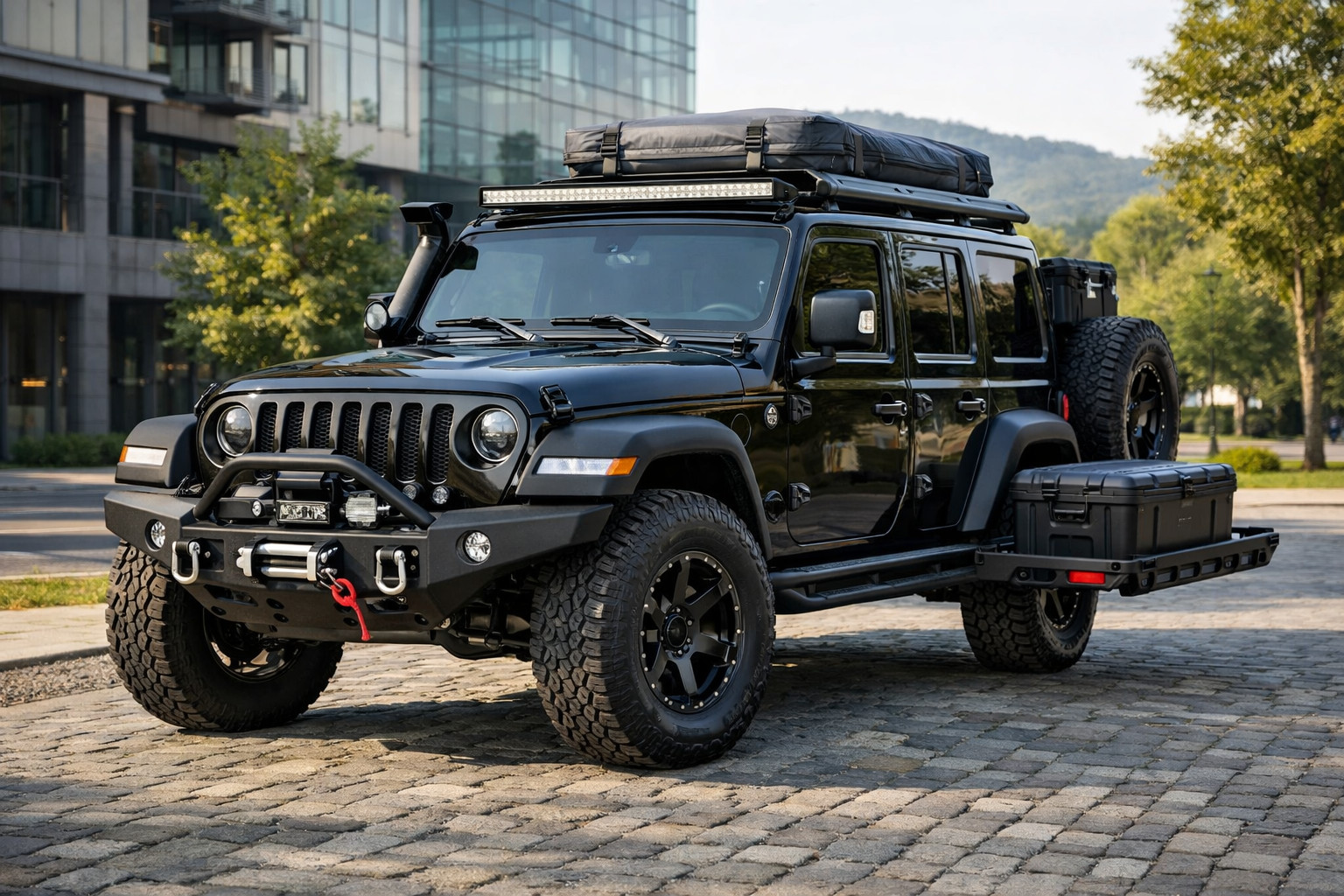
For the YU7, it’s best to start tuning not with radical changes, but with things that genuinely affect day-to-day use. The model is new and complex in terms of electronics and suspension, so the smartest path is to equip it for your needs: wheels, a seasonal set, and tasteful personalization without вмешання in factory systems.
Given the model’s early status, I’d postpone deep changes to the electronics or suspension. First, it’s better to understand how a specific car behaves in stock form, and only then decide whether serious upgrades are necessary.
The Xiaomi YU7 looks strong where it truly matters for an electric crossover: space, chassis comfort, charging pace, and generous equipment. As a Tesla Model Y competitor, it’s interesting not for loud promises, but for a genuinely strong hardware package right from the start.
But it’s still a new model with a short history, early complaints about minor issues, and no full multi-year statistics yet. That’s why the YU7 makes sense for those who consciously accept the risk of a new release and carefully verify the exact configuration. This material is based on real selection experience, practical know-how, and real usage scenarios—not presentation promises.
| ✔ | Very fast charging thanks to the 800-volt architecture: according to the article, charging from 10 to 80% takes 12 minutes. This makes the YU7 convenient for long trips and frequent fast-charging stops. |
| ✔ | A spacious cabin and practical cargo space. There is a 141-liter front trunk, up to 687 l in the rear, and up to 1758 l with the seats folded, which is useful for family trips and everyday luggage. |
| ✔ | A comfortable suspension setup for rough roads: air suspension, adaptive dampers, and 222 mm of ground clearance. The article explicitly presents this as a plus for city and highway driving on less-than-perfect surfaces. |
| ✔ | A strong set of safety and driver-assistance systems: lidar, 4D radar, 11 cameras, 12 ultrasonic sensors, and Level 2 assistance. For a new model, this looks like a well-equipped base right from the factory. |
| ✔ | It feels like a more “grown-up” car thanks to its size, sound insulation, and extensive equipment list. This makes the YU7 appealing to those who want not a minimalist electric crossover, but a more premium and tech-rich vehicle. |
| ✘ | The model is very new, so the long-term reliability of the battery, electronics, and build quality still lacks mature statistics. The article explicitly points out that this is an early-production risk. |
| ✘ | Some cars already mention minor issues: the lack of a rear wiper, less-than-perfect wireless charging, questions about the air conditioning, and rattles/squeaks. This is not criticism for the sake of criticism, but real-life remarks. |
| ✘ | The body is wide and large, so YU7 will be inconvenient in cramped courtyards and narrow parking lots. A 5.7 m turning radius does not eliminate the issue of the dimensions of a nearly five-meter SUV. |
| ✘ | The coupe-like silhouette comes with a compromise for rear passengers: headroom is not as generous as in more boxy crossovers. This matters if the car will often carry tall people in the second row. |
Shipping to EU
Wholesale and retail
Own warehouse
Опис продукту
Подарунки не надаються при оформленні покупки у кредит під 0,01% або при покупці частинами.