14.09.2026
57
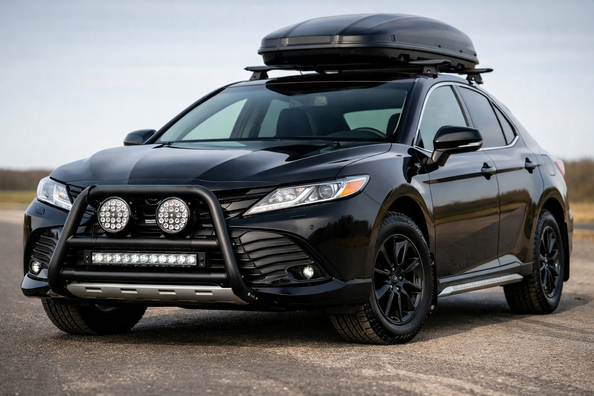

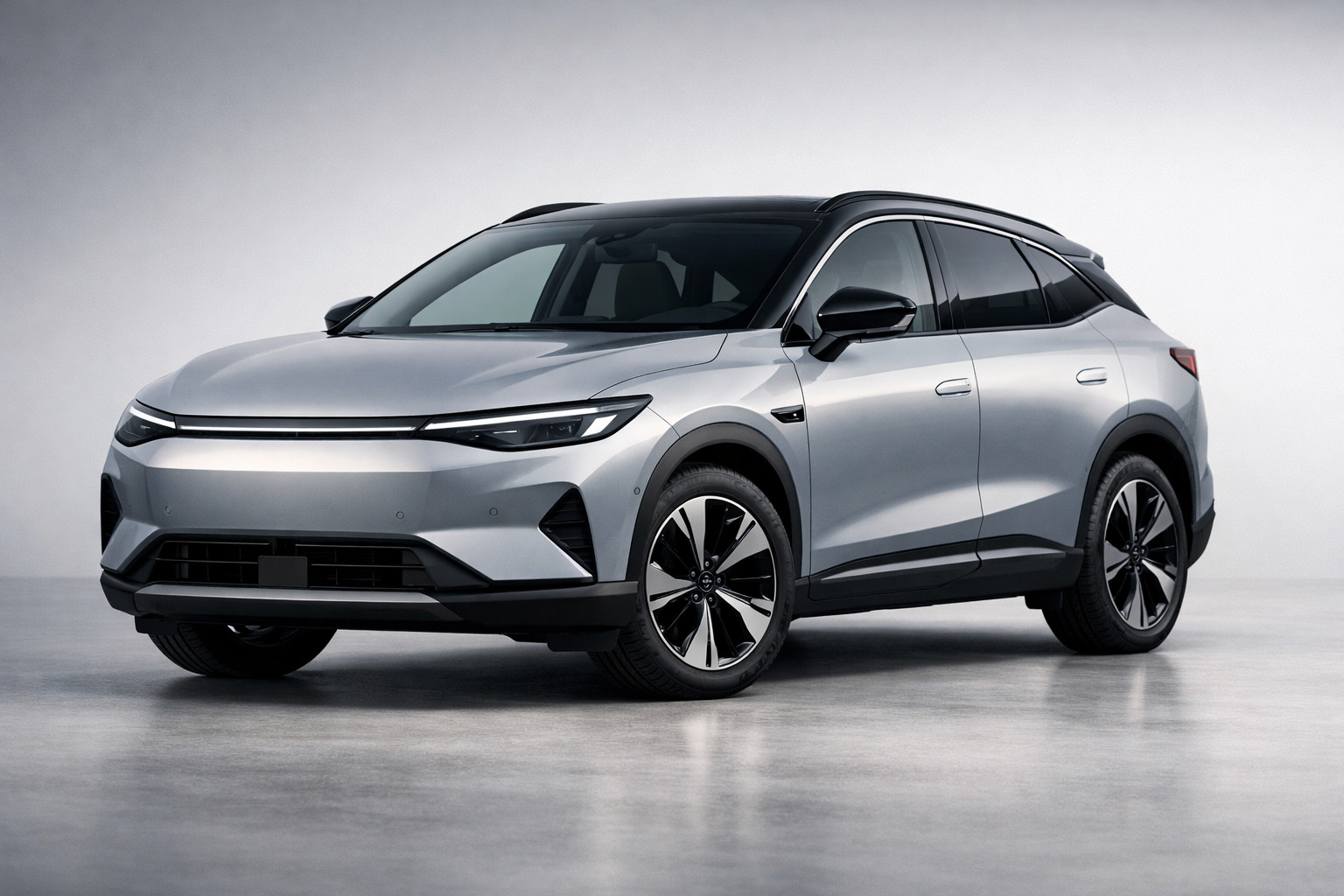
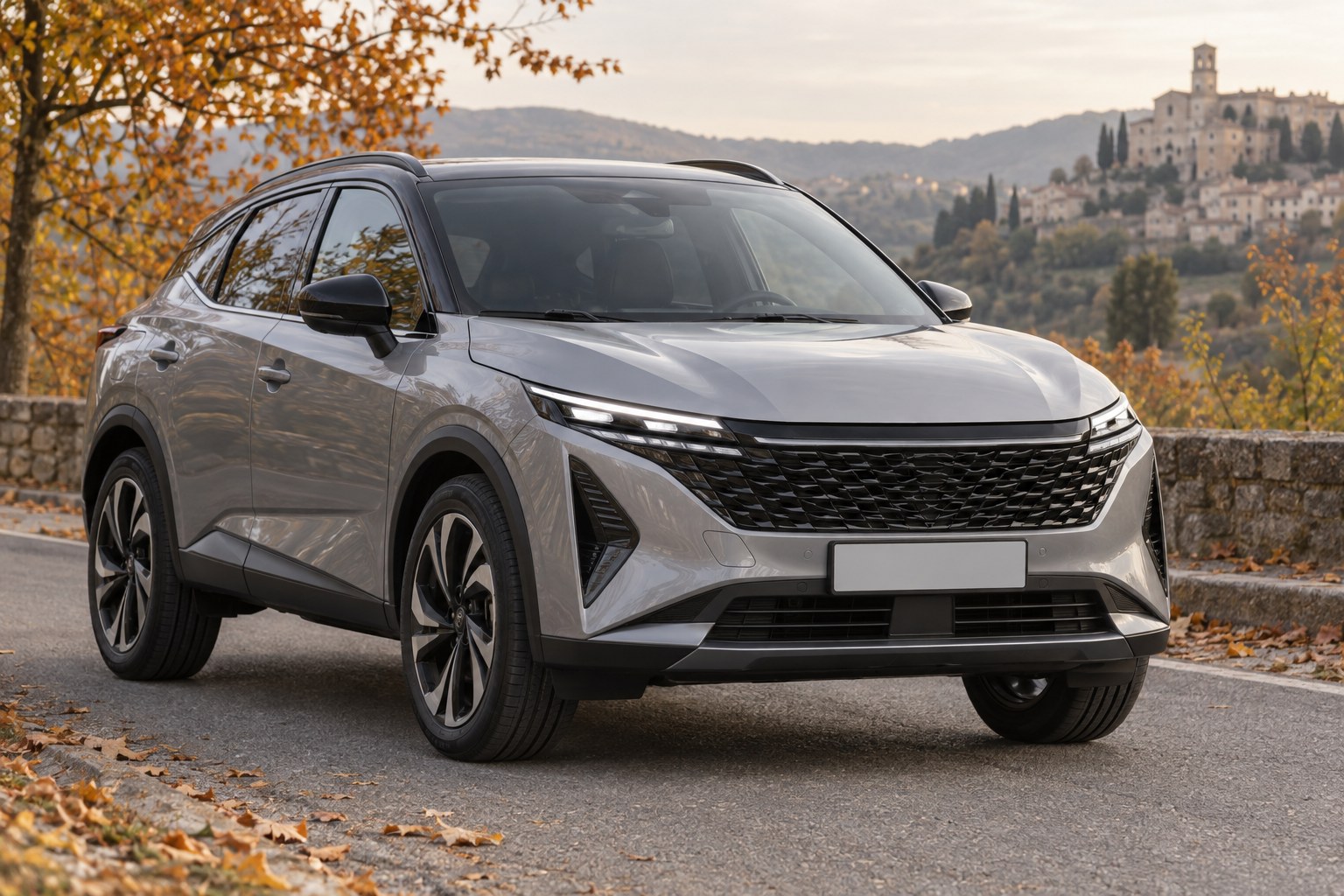
This upgrade plan is for a Toyota Camry owner who regularly drives on the highway and wants two specific things: less noise and fewer chips on the front end. In short, the right order here is: tires and alignment first, then polyurethane paint protection film for the front of the body, then mud flaps, and the hood deflector only as an add-on—not as the main protection.
An important year-specific nuance: the 2017 Camry is a different generation than 2018–2023, so the upgrade logic can stay the same, but parts compatibility must be checked separately. For 2018–2023, the car already has a decent highway-ready baseline, so the goal isn’t to “over-tune” it, but to eliminate weak points without unnecessary expense.
On the highway, Camry’s main enemies aren’t lack of power or body kits, but tire noise, slight steering wander from poor alignment, and sandblasting of the front end. So the upgrade must cover three tasks: make high-speed driving calmer, reduce fatigue on long trips, and preserve the paint on the bumper, hood, mirrors, and edges.
It’s also worth looking at the trim level. LE and XLE are usually easier to make quiet, while SE and XSE—with stiffer suspension and larger wheels—react more strongly to a poor tire choice. For later cars, there’s no need to invent duplicate electronic solutions: the basic highway assists are already there, so the real gains come from tires, suspension condition, and body protection.
Top priority is quality, quiet tires in the correct size, proper balancing, and a wheel alignment. This changes Camry’s highway behavior the most: excess hum disappears, the car tracks straighter in the lane, and it feels less nervous in ruts and over small imperfections. If the tires are worn or too stiff, no accessory will compensate for it.
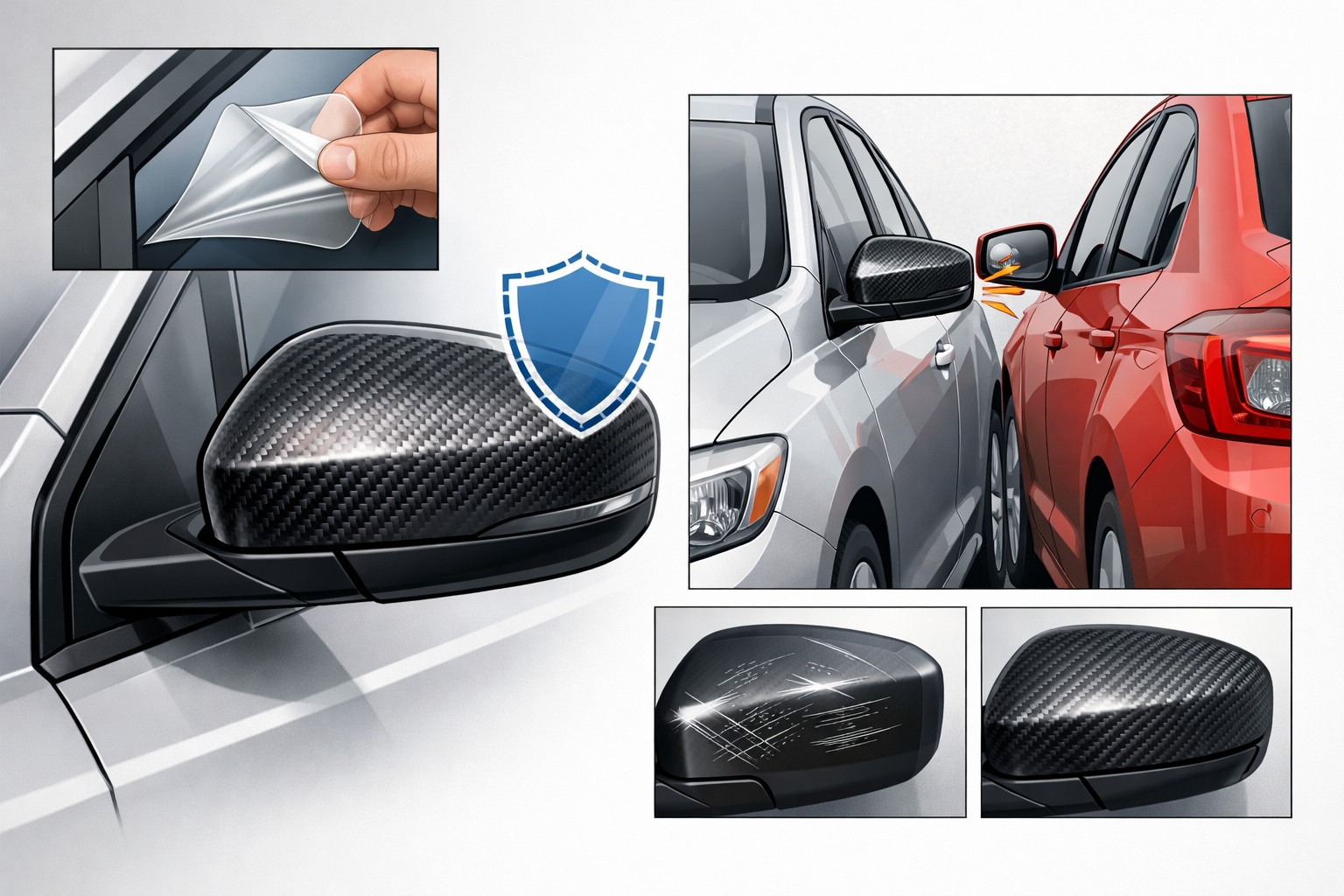
Second priority is protecting the front end with polyurethane film. For highway use, the point isn’t a decorative strip on the edge, but covering the most vulnerable areas: the front bumper, the front part of the hood, the fenders, and the mirrors. If the budget is limited, it’s better to protect fewer areas but do it properly than to install nice small items and leave the front end without a real barrier against stones.
| Upgrade | Why it’s needed | Who truly benefits |
|---|---|---|
| Quiet road or all-season tires | Reduce hum, soften reactions over joints, and make the car calmer at speed | Anyone who drives highways often, especially SE and XSE owners |
| Wheel alignment and balancing | Eliminate pull, uneven wear, and some vibrations | Cars after pothole impacts, seasonal tire changes, or with a “pulls to one side” feel |
| Polyurethane front-end protection | Takes the hit from chips, light scratches, and road sand | Those who often drive between cities, on high-speed roads, and behind trucks |
| Mud flaps | Reduce the amount of dirt and debris the wheels throw onto the body | Those who drive in rain, on dirty shoulders, or on highways with roadworks |
| Hood deflector | Adds protection to the front edge of the hood and partly takes bugs | Those who want extra localized protection and accept that look |
| Window deflectors | More about everyday comfort with the window slightly open than highway protection | Those who often drive in rain or like ventilating the cabin without strong buffeting |
| Body kits, lips, decorative trim | Barely address noise and don’t protect the front end as a primary package | Only those who consciously prioritize looks over a practical use case |
DD Tuning expert comment: The most common mistake is starting with a deflector, chrome, or lips when the car has noisy tires and the alignment is off. The second typical mistake is buying short or cheap front-end protection and expecting full-coverage results. If the car truly lives on the highway, the priority is always the same: tires, alignment, then paint protection.
After tires and front-end protection, it’s logical to add mud flaps. It’s an inexpensive upgrade that works every day: less sand hits the lower doors, sills, and the rear of the body. For a car that drives highways in any weather, this is more practical than most decorative elements.
A hood deflector makes sense specifically as a second-stage item. It can help with the hood edge and some road grime, but it doesn’t cover the bumper, mirrors, or the wide frontal area. If the front end already has chips, it’s important to first assess the paint condition: film doesn’t hide defects, and a poor base condition will only make flaws more noticeable.
In this group I’d put window deflectors, seat covers, decorative trim, spoilers, and small styling elements. They can be nice to use or simply look good, but they’re secondary to the core scenario of “quiet highway plus front-end protection.”
This also includes going to larger wheels, if you consider it an upgrade. For Camry, the highway usually doesn’t benefit from switching to a stiffer setup: noise increases, comfort decreases, and it adds no body protection. If the car is already a sporty version, it’s better to work with tire choice and pressure rather than making life harder with even stiffer solutions.
First: any engine “chips,” intakes, and exhausts when the goal is long trips and front-end protection. They don’t reduce hum, they don’t save the paint, and they barely change highway ride quality compared to what tires and proper alignment do.
Second: a hood deflector as a replacement for full front-end protection. These are not equivalent. Third: buying accessories based only on photos, without tying them to the generation—2017 and 2018–2023 shouldn’t be mixed automatically. And one more common overpay: choosing parts “for a more aggressive look” when the real issue is noisy tires or outdated balancing.
| Scenario | Install first | Can be postponed | Not required |
|---|---|---|---|
| Basic highway package | Tires, balancing, wheel alignment | Polyurethane protection for selected areas, mud flaps | Hood deflector, decorative trim |
| SE or XSE on large wheels | Choosing quieter tires and monitoring pressure | Mud flaps and localized edge protection | Even larger wheels, sporty cosmetic elements |
| The car is already getting chips on the front end | Assess paint condition, then full front-end protection | Hood deflector as an add-on | Small exterior tuning without protection |
| Limited budget | Tires and alignment | Protecting the most vulnerable front-end areas, mud flaps | Chrome, body kits, engine mods |
More expensive solutions are justified when the car truly spends a lot of time on the highway, has high annual mileage, and you want not just “something installed,” but precise fitment and fewer compromises. In that case, it makes sense to look at original mud flaps, and choose a deflector that’s not universal but made specifically for the body, for example a hood deflector. If the front end already has serious sandblasting marks or an old repair, sometimes it’s smarter to first assess the condition of the front bumper, and only then invest in protection.
From a customer’s experience: a Camry owner doing weekly intercity trips initially wanted to start with a deflector and decorative trim. After диагностика it turned out the main discomfort came from noisy tires and slight steering wander, so first he updated the tires and did the alignment, and only then protected the front end and added mud flaps. In the end, the difference he felt was in quietness and stability—not in looks.
For a Toyota Camry in the “highway plus front-end protection” scenario, the smartest sequence is simple: tires and alignment, then protection for the front of the body, then mud flaps, and only after that a hood deflector or other visual items. This way you don’t confuse useful upgrades with marketing clutter and don’t overpay for looks where the problem is solved technically. This material is based on real selection experience, practical work, and real use cases—not on a list of accessories just for the sake of the list.
| ✔ | Quiet tires with proper balancing and wheel alignment really reduce highway hum, eliminate steering pull, and make the car more stable in its lane. For the Camry, this gives the biggest noticeable effect even before any tuning. |
| ✔ | A polyurethane film on the front end covers the most vulnerable areas — the bumper, part of the hood, fenders, and mirrors. It is a practical way to reduce chips and sandblasting during frequent intercity trips. |
| ✔ | Mud flaps reduce the amount of dirt and sand the wheels throw onto the sills, doors, and rear of the body. They are especially useful for driving in rain, through roadworks, or along dirty shoulders. |
| ✔ | The upgrade plan is built step by step: first the causes of noise and instability are addressed, and only then are protection and secondary elements added. This helps avoid spending money on things that do not solve the main problem. |
| ✔ | The author separately accounts for the difference between the 2017 Camry and the 2018–2023 models, as well as between the LE\/XLE and SE\/XSE trims. This is useful because compatibility and the effect of the upgrades depend not only on the model, but also on the specific version of the car. |
| ✘ | The hood deflector here is not the main form of protection and does not cover the bumper, mirrors, or the wide front area. If you rely on it alone, the front end will still remain vulnerable to stones and sandblasting. |
| ✘ | Some cosmetic upgrades — window deflectors, trim pieces, body kits, spoilers — have almost no effect on either noise or paint protection. In this scenario, they may only take budget away from things that are truly useful. |
| ✘ | Fitting the wrong or noisy tires means losing the main effect of the whole upgrade package. The author explicitly notes that no accessory can make up for worn or stiff rubber. |
| ✘ | Compatibility for the 2017 model needs to be checked separately, because it is a different generation from 2018–2023. Because of this, there is a risk of buying accessories based on photos and getting the fit or expected effect wrong. |
Shipping to EU
Wholesale and retail
Own warehouse
Опис продукту
Подарунки не надаються при оформленні покупки у кредит під 0,01% або при покупці частинами.