04.09.2026
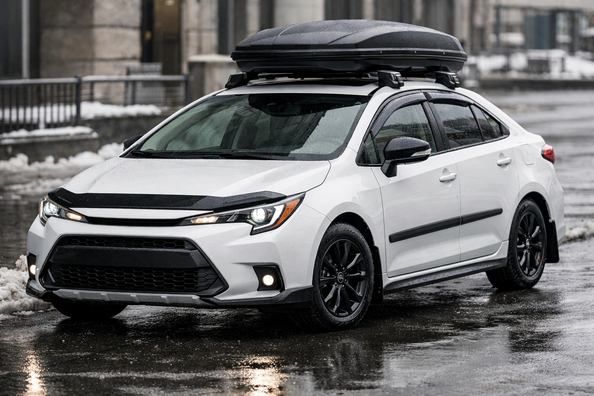

This upgrade plan is for a Toyota Corolla 2019+ owner who drives around the city every day in rain, slushy snow, and wet grime—and wants not to “decorate” the car, but to make it more practical. The point here isn’t styling; it’s grip on wet roads, proper visibility, less dirt in the cabin, and less salt residue on the body.
With the Corolla 2019+, it’s important not to buy at random: selection differs for the sedan vs. hatchback, different trims, and drivetrains. So any floor mats, mud flaps, or deflectors should be checked against the body type and ideally by VIN, and the budget should be prioritized: safety and dirt protection first, then paint protection, and only after that—items for looks.
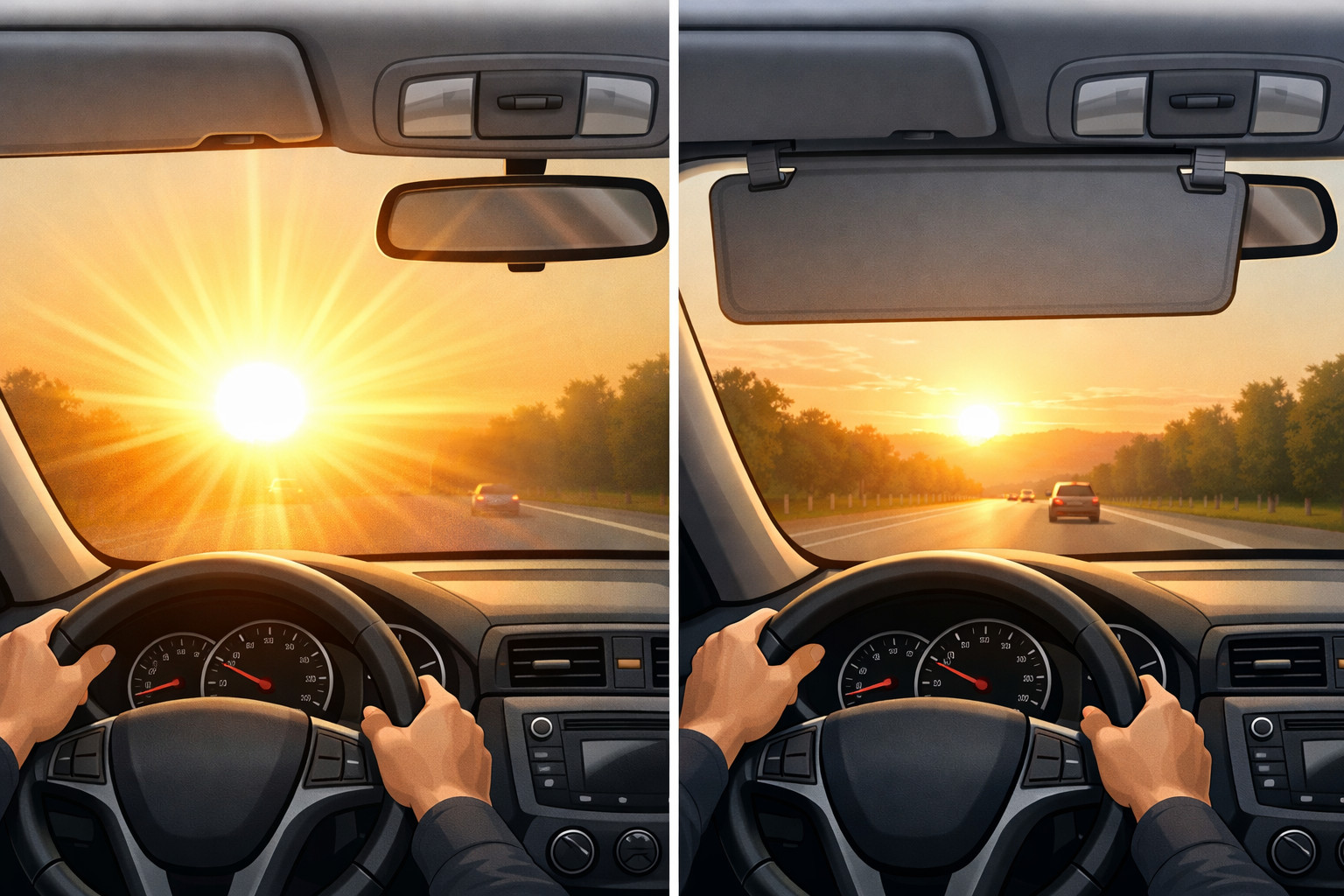
For city driving in rain and slush, an upgrade needs to cover four tasks. First—keep the car planted on wet and cold roads without unnecessary compromises. Second—maintain visibility, because in the city your wipers and washer fluid work almost nonstop. Third—stop water, sand, and salt from being tracked through the cabin and trunk. Fourth—reduce buildup on the lower body and avoid extra scratches in the areas that meet dirt and cargo every day.
That’s why a good set for this scenario almost always looks ordinary: the right tires, model-specific all-weather floor mats, a trunk liner tray, mud flaps, fresh wiper blades, and winter washer fluid. These are the things that make a real difference in daily use, not just change the car’s appearance.
Top priority is tires. If your city has a real winter with snow, ice, and dirty slush, a dedicated winter set makes more sense than any accessory. If you need one set for the whole year and the climate is milder, look at all-weather rather than typical all-season. If the tread is already near the minimum, start here—not with plastic add-ons on the body.
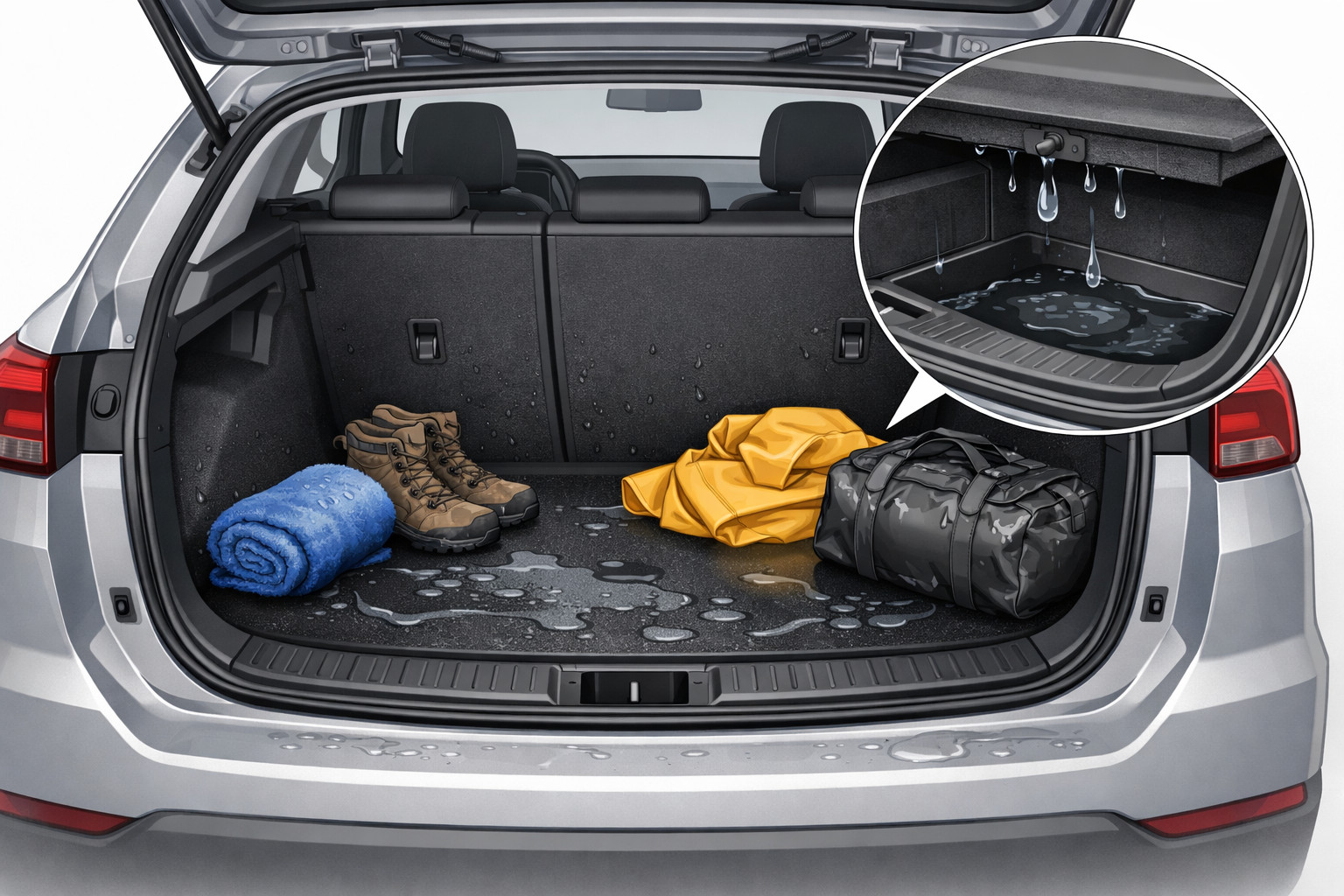
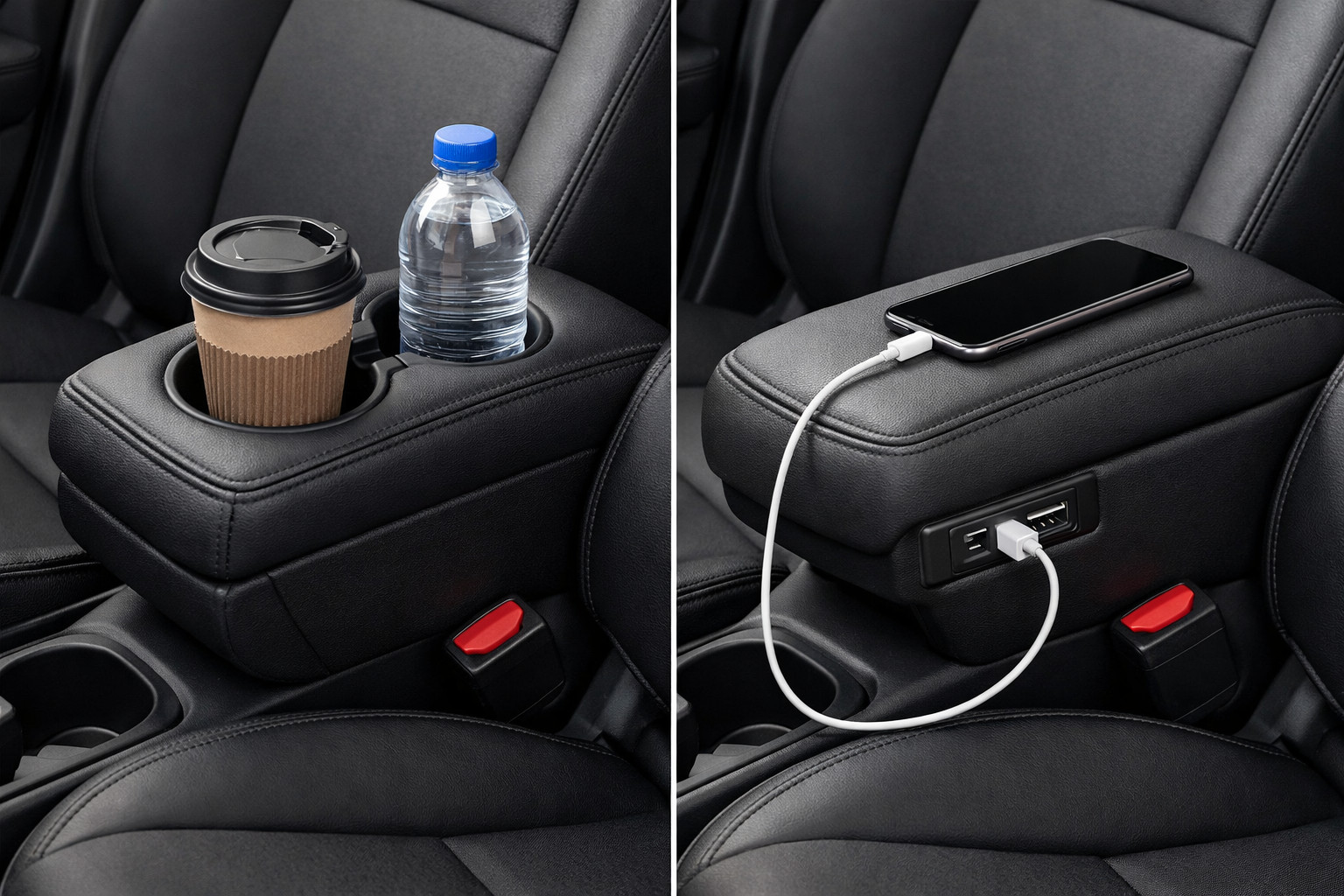
Step two is model-specific all-weather floor mats for the cabin and a trunk tray. In the city, this is one of the most noticeable upgrades: water, sand, and salt stay in the mat instead of soaking into the factory carpet. The trunk tray is especially useful if you carry wet bags, a stroller, jerry cans, or sports gear.
Third are mud flaps. They won’t make the body spotless, but they do reduce spray and buildup on the sills and lower panels. After that, replace the wipers, check the washer nozzles, and use winter washer fluid—for city driving it’s a small budget item, but a big improvement in visibility.
Separately, make it a habit to wash the car with an underbody rinse, especially during the salt season. It’s not an accessory, but it’s practically more useful than half of decorative purchases.
| Upgrade | Why it’s needed | Who actually benefits |
|---|---|---|
| Winter tires or all-weather | Improve grip, braking, and handling on wet, cold, and slippery roads | Anyone who drives in the city every day in rain and slush |
| Model-specific rubber floor mats | Hold water, salt, and sand in the raised edges, making cleanup easier | Those who often get in with wet shoes |
| Trunk tray | Prevents wet items and dirt from soaking into the trunk lining | Those who carry bags, tools, a stroller, sports gear |
| Mud flaps | Reduce road spray and dirt on the lower part of the body | Those who drive a lot on dirty city roads and through puddles |
| Wiper blades and winter washer fluid | Restore proper visibility in rain and slushy chemical spray | Everyone, especially with daily short trips |
| Rear bumper edge protector | Takes the scratches during loading/unloading | Those who use the trunk often |
| Local paint protection on the front end and contact zones | Reduces the risk of chips and minor scuffs | Those who want to keep the paint longer or have a newer car |
| Window deflectors | Let you crack the window slightly in the rain | Those who often ventilate the cabin in bad weather |
| Hood deflector | Works more as an extra barrier against fine sand, small stones, and insects | Those who drive not only in the city, but also on the highway |
DD Tuning expert comment: The most common mistake with the Corolla 2019+ is buying what looks good on the outside when the real issue is tires, wipers, or a wet cabin. The second typical story is ordering without checking the body type and trim, so the mats or mud flaps don’t fit as they should. If your budget is limited, cover grip, visibility, and dirt first—then move on to exterior accessories.
The second stage starts when the basics are already covered. The smartest move here is local paint protection: front bumper, hood edge, mirrors, areas under the door handles. In city use it’s useful not so much for slush itself, but for protecting paint from sand, small chips, and constant contact from hands.
If you use the trunk often, a rear bumper edge protector brings more practical value than many exterior trims. If you park in tight spaces, side moldings can also make sense, but that’s more about protection from door dings and shopping carts than weather.
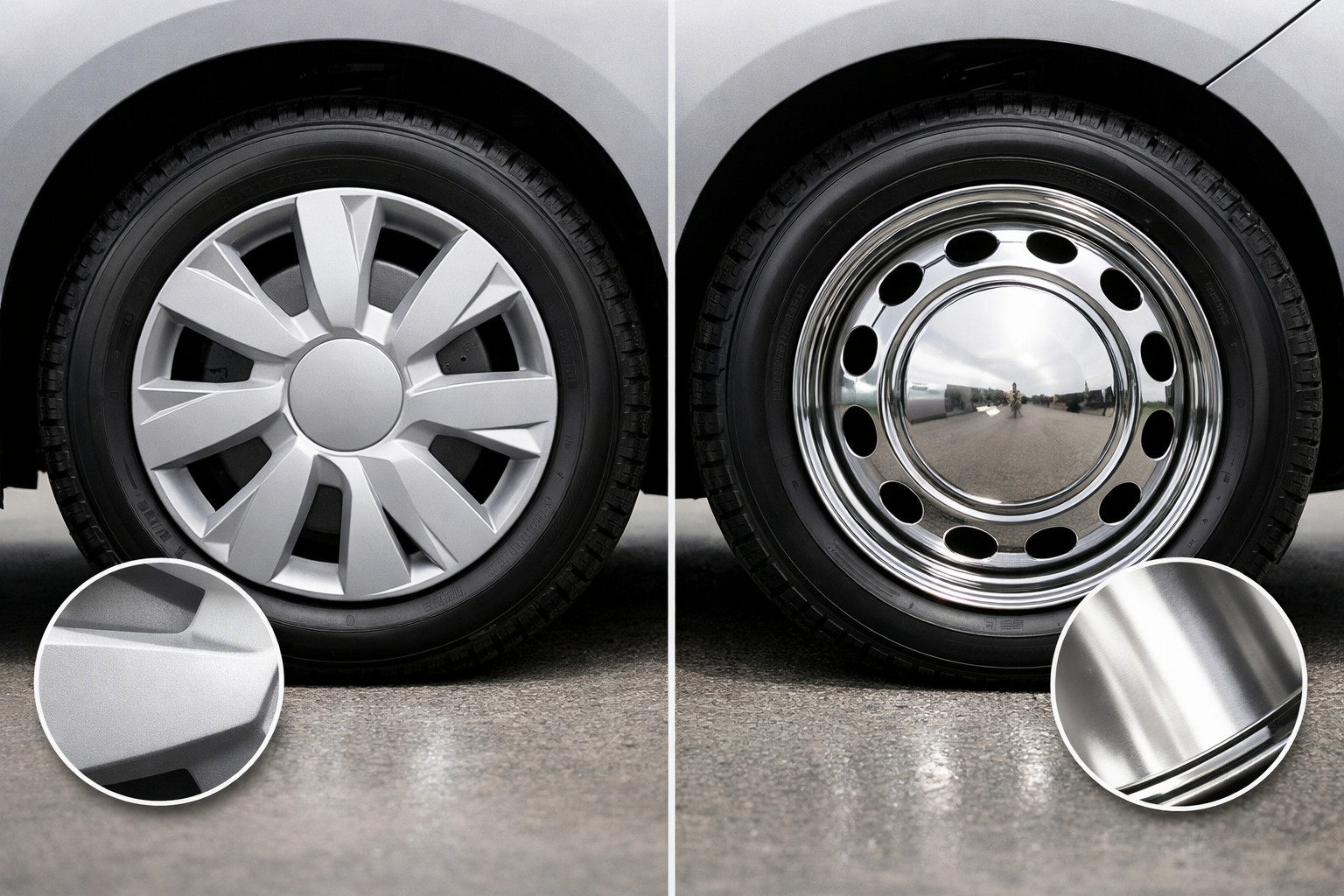
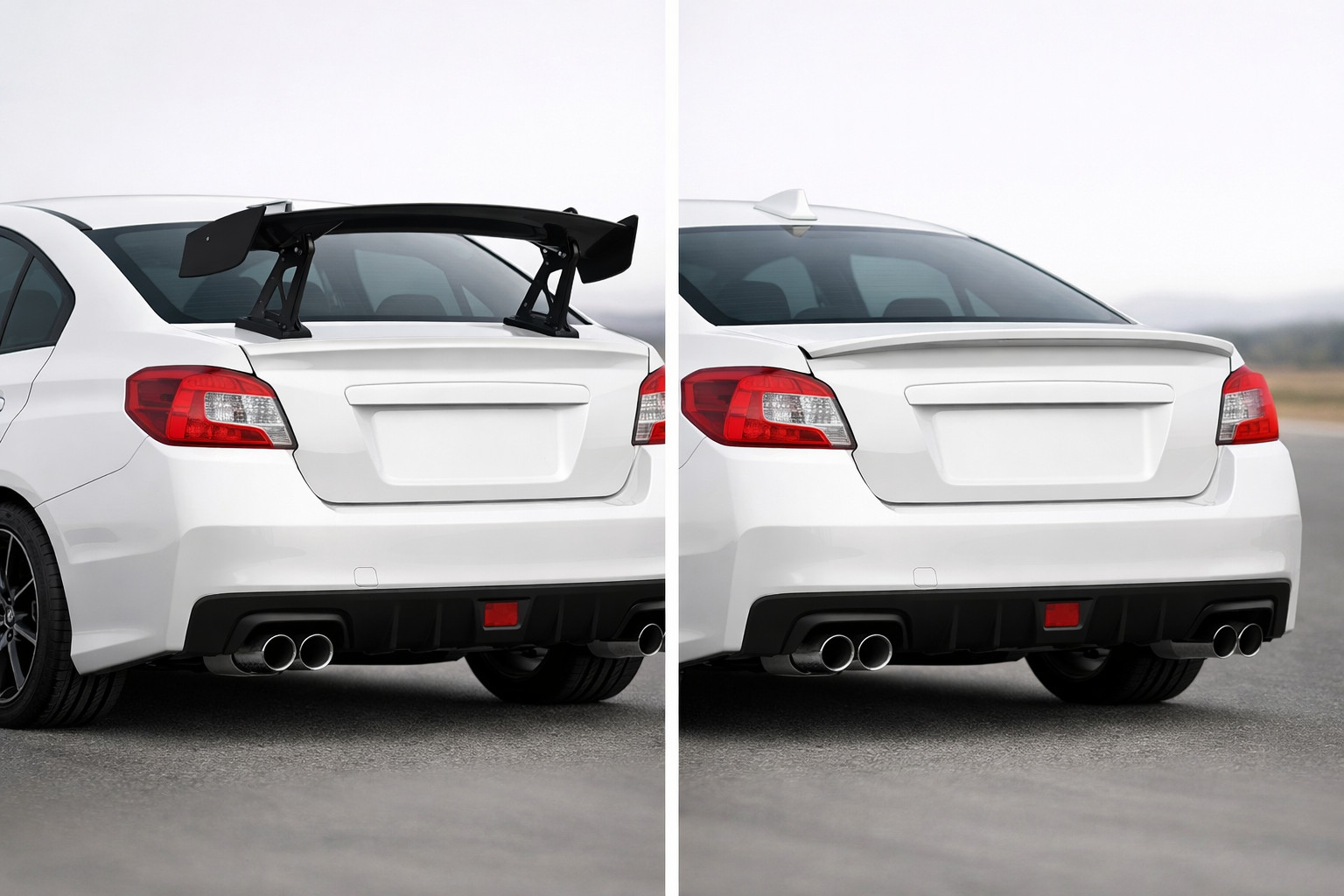
In this group I’d put window deflectors, a hood deflector, most chrome trims, and some decorative body elements. You may like them, but don’t expect the kind of effect you get from tires, mats, or good wiper blades.
Window deflectors are justified if you truly like to crack the window open a bit in the rain. A hood deflector in the “city, rain, slush” scenario is not a first purchase: it doesn’t solve traction, visibility, or cabin cleanliness. If you have one budget, that money is almost always better spent on tires, liners, or protection for areas that get scratched every day.
| Scenario | What to install first | What you can postpone | What isn’t required |
|---|---|---|---|
| Minimal budget | Tires, wipers, winter washer fluid, cabin floor mats | Trunk tray, mud flaps | Hood deflector, chrome, decorative trims |
| Daily city driving in slush | Tires, cabin floor mats, trunk tray, mud flaps | Rear bumper edge protector, local paint protection | Moldings, window deflectors if you don’t use them |
| Want to preserve the body longer | All the basics plus mud flaps | Film on the front end and contact zones | Hood deflector if driving is almost entirely city |
More expensive solutions make sense when you’ve already covered the basics and want not just to “add something,” but to reduce a specific type of wear. If you plan to keep the car for a long time and don’t want to constantly deal with a wet cabin, it’s better to buy model-specific rubber floor mats right away rather than a universal compromise.
If what annoys you most is dirt on the sills and lower panels, it’s logical to look at mud flaps. The effect isn’t magical, but in city rain and slush the difference in buildup is usually noticeable.
A hood deflector makes sense after the basic upgrades and mainly for those who also drive on the highway or want an extra physical barrier along the front edge. If your use is almost entirely city, it’s better to direct the higher budget not here, but toward local paint protection or items that work every day.
From a customer’s experience: a Corolla 2020 owner for daily city trips initially wanted to start with a hood deflector and exterior trims, but after selection he settled on winter tires, model-specific mats, a trunk tray, and mud flaps. The biggest effect he noticed wasn’t the looks, but a cleaner cabin, better visibility, and less buildup on the sills. He added trunk edge protection later, once he realized he often loads wet items.
For a Toyota Corolla 2019+ in a city with rain and slush, the right order is simple: tires first, then all-weather mats and a trunk tray, then mud flaps, wipers, and winter washer fluid—and only after that paint protection or secondary accessories. A hood deflector in this scenario isn’t useless, but it’s definitely not the first purchase.
If you stick to this order, you won’t overpay for looks where you need practicality. This material is based on real selection experience, practical know-how, and real-use scenarios, so the logic is straightforward: first what works every day in slush, then everything else.
| ✔ | First, they recommend installing items that really affect everyday driving in slush: tires, floor mats, mud flaps, wipers, and winter washer fluid. This gives an immediate practical effect — better handling, visibility, and a cleaner cabin. |
| ✔ | Custom all-weather floor mats and a cargo tray in the trunk do a good job of holding back water, sand, and salt, preventing them from soaking into the factory trim. For city use, this is especially useful if you often get in with wet shoes or carry damp items in the trunk. |
| ✔ | Mud flaps reduce spray and deposits on the sills and lower body panels. In urban use, this helps keep the car’s sides cleaner for longer without complicated care. |
| ✔ | Replacing the wipers and switching to winter washer fluid directly improves visibility in rain and slush with road chemicals. This is one of the cheapest yet most noticeable changes for daily driving. |
| ✔ | The plan gives a clear order of priorities and separately advises checking the body style, year, and trim before buying. This reduces the risk of purchasing accessories that won’t fit a specific Corolla 2019+. |
| ✘ | The material explicitly warns that a hood deflector is often bought first, even though it does not solve traction, visibility, or dirt in the cabin. For city driving in rain and slush, this is not the most rational expense. |
| ✘ | Many decorative solutions — chrome, trim pieces, part of the exterior styling — are described as secondary and not as useful as basic items. If the budget is limited, it is easy to spend money on them without any noticeable practical benefit. |
| ✘ | For the Corolla 2019+, accessory selection needs to be checked by body style and preferably by VIN, because the sedan, hatchback, and different trims have differences. Without this, there is a risk of choosing the wrong floor mats or mud flaps. |
| ✘ | Some useful items are suggested not to be installed right away, but postponed to a second stage — for example, localized paint protection or bumper edge protection. In other words, to get the full set, additional expenses will still be needed later. |
Shipping to EU
Wholesale and retail
Own warehouse
Опис продукту
Подарунки не надаються при оформленні покупки у кредит під 0,01% або при покупці частинами.