28.09.2026
113
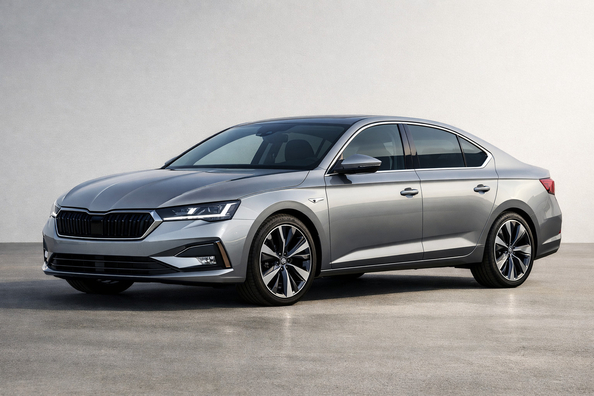
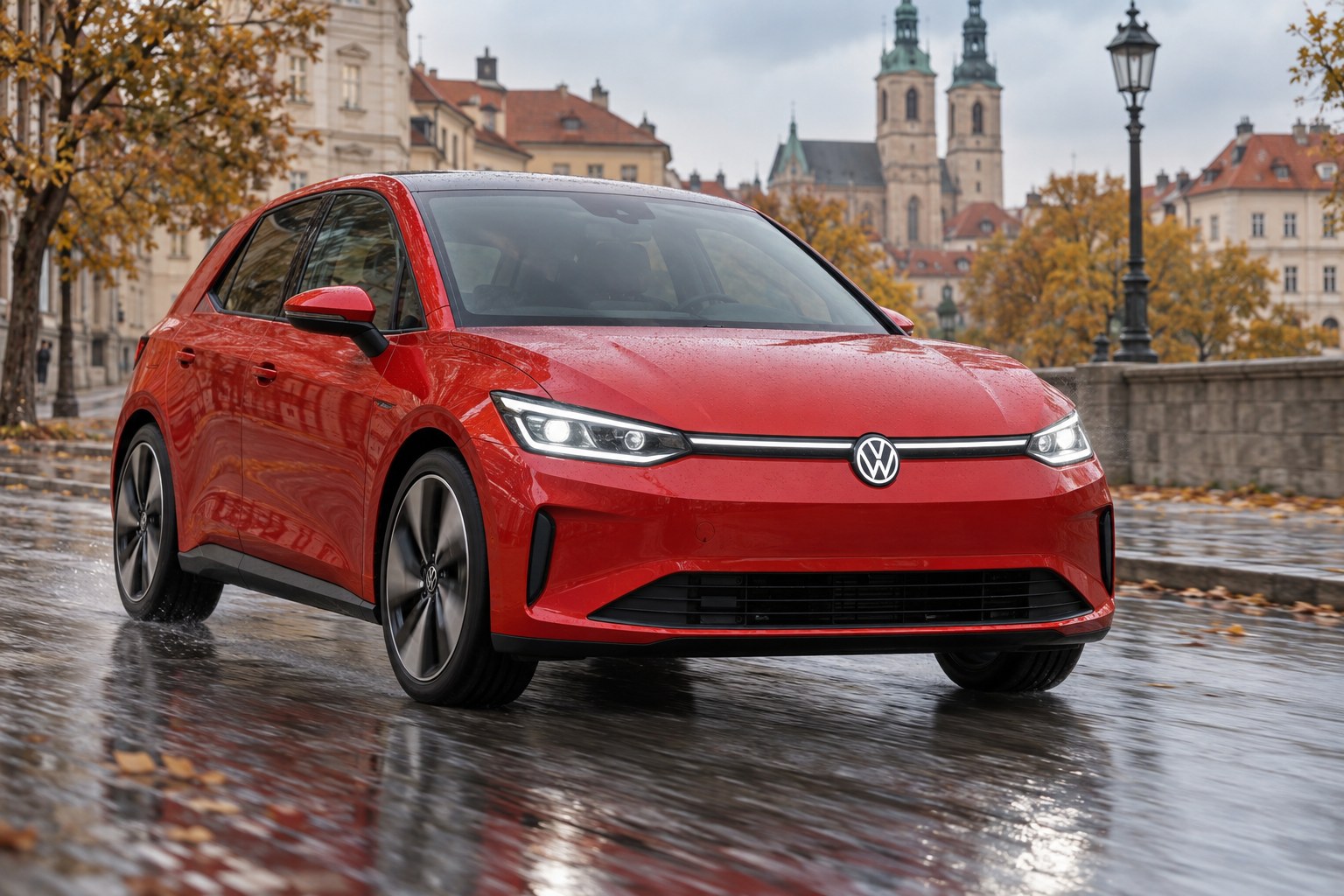
The Skoda Superb iV for 2026 is a large D-segment liftback where the core idea isn’t showy performance, but the mix of space, quiet city driving, and decent long-distance capability. If you need one car for family, work, and highway trips—and charging at home or near the office is realistic—the iV version makes sense. If you have nowhere to charge, the point of choosing the hybrid becomes noticeably smaller.
In its fourth generation, the Superb has become more modern in terms of electronics and comfort, and the plug-in hybrid has received a different gasoline base and a larger battery than the previous iV. You should choose it not because it says “hybrid,” but to match your route: it handles short daily trips very well, while constant highway driving highlights its weak spots.
The Superb remains Skoda’s flagship in the classic passenger-car format: without a premium price tag, but with space and equipment that often already step into the territory of more expensive brands. The iV version is aimed at those who want a large company or family car but aren’t ready to switch to a pure EV.
The model’s strong side is rationality. The Superb iV suits a driver who needs a roomy second row, a large trunk, a comfortable highway driving position, and the ability to spend part of the week driving on electric power. It’s not the right fit if you want a high seating position, crossover-like ground clearance, or the simplest possible hardware without a battery.
The first generation Skoda Superb was produced in 2001–2008. The second generation arrived in 2008–2015 and noticeably improved practicality, thanks in part to liftback and wagon body styles. The third generation appeared in 2015, and after the 2019 refresh it was the first to get the plug-in hybrid Superb iV.
The current fourth generation debuted in late 2023 and reached the market as a 2024 model. It’s the one that defines the 2026 version: a different interior, newer electronics, and a hybrid setup based on a 1.5-liter turbo engine. It’s important that the body and powertrain lineup can differ by country, so the specific liftback + iV combination should always be verified for your market.
If we’re talking specifically about the Superb iV, the key combination is just one: a 1.5 TSI gasoline engine, an electric motor, and a 6-speed DSG. Total output is 204 hp, with front-wheel drive. This isn’t a sporty version, but a calm, torquey option for everyday driving, where the main advantage is being able to avoid starting the gasoline engine in the city much of the time.
| Version | Engine | Power | Transmission | Note |
|---|---|---|---|---|
| Superb iV | 1,5 TSI + electric motor | 204 hp | 6-speed DSG | plug-in hybrid, front-wheel drive |
| Gasoline | 1,5 TSI | 150 hp | 7-speed DSG | mild hybrid in some markets |
| Gasoline | 2,0 TSI | 204 or 265 hp | 7-speed DSG | top versions, 265 hp usually with all-wheel drive |
| Diesel | 2,0 TDI | 150 or 193 hp | 7-speed DSG | depending on market, 193 hp often with all-wheel drive |
Compared to the previous third-generation Superb iV, which used a 1.4 TSI and a total of 218 hp, the new hybrid plays less to the brochure performance numbers and more to electric range. For an owner, that matters more: the savings are noticeable only when the battery is actually being used, not carried around as dead weight.
The Superb iV is a large liftback with a long wheelbase and an extremely strong second row. That’s the point of the model: it feels larger than most mainstream passenger cars, but doesn’t require moving up to a crossover. Up front it uses MacPherson struts, with a multi-link setup at the rear, and adaptive damper tuning is available on some versions.
| Technical specification | Reference for Superb iV liftback |
|---|---|
| Powertrain | 1,5 TSI + electric motor, total 204 hp |
| Transmission | 6-speed DSG |
| Drive | front-wheel drive |
| Battery | 25,7 kWh gross, about 19,7 kWh usable |
| Rated electric range | over 100 km, depending on market and wheels |
| Length | 4912 mm |
| Width | 1849 mm |
| Height | 1481 mm |
| Wheelbase | 2841 mm |
| Ground clearance | about 149 mm, depending on version |
| Trunk | up to 645 L for the liftback body; for iV the figure should be checked for the specific market |
On the move, the car is tuned more for stability and comfort than sharpness. Because of the battery, the iV is heavier than the regular gasoline versions, so the weight is felt over sharp joints and a series of potholes. Ground clearance is passenger-car level, so curbs, ruts, and rough access roads to a country house aren’t its favorite scenario.
The Superb’s cabin is strong because it’s easy to live with day to day. The seating position is low but not cramped, the front seats are usually good for long trips, and the rear row works even for tall passengers. The liftback has a wide trunk opening, so loading suitcases, boxes, a stroller, or office gear is easier than in a classic sedan.
Comfort comes from good noise insulation on smooth highways, intuitive ergonomics, and plenty of small practical solutions. Safety depends on trim level, but overall the model targets a full set of modern driver assists: adaptive cruise control, lane keeping, blind-spot monitoring, automatic braking, and advanced lighting on higher versions.
In the city, the Superb iV works exactly as expected: it starts quietly, moves smoothly in traffic jams, and—if charging is available—noticeably reduces fuel costs. On short daily routes it’s a very convenient format for a large car. On the highway it’s comfortable too, but with an empty battery it turns into just a heavier gasoline liftback.
The best scenario for it is 30–80 km a day with regular charging at home or at work. A worse scenario is constant long-distance driving without access to a socket, rough roads, and the habit of ignoring charging. You also have to remember winter range drop, space for the cable in the trunk, and more expensive hardware compared to regular gasoline versions.
From an owner’s perspective the main question is simple: will this Superb often drive on electric power. If yes, the iV looks very smart. If not, some of the advantages fade while the complexity remains.
| Pros | Cons |
|---|---|
| Very spacious cabin and an excellent second row | Higher price and more complex hardware than regular versions |
| Quiet city driving and the ability to often drive without gasoline | Savings directly depend on regular charging |
| Large trunk and a practical liftback body | The hybrid’s weight is felt over bumps and with an empty battery |
| Comfortable highway ride, good stability, and clear ergonomics | Passenger-car ground clearance; not the best choice for bad roads |
For a family, business trips, and daily city driving, it’s genuinely a strong format. For a driver who lives without charging, drives a lot on the highway, and doesn’t want a more complicated hybrid setup, it makes more sense to look at other Superb variants.
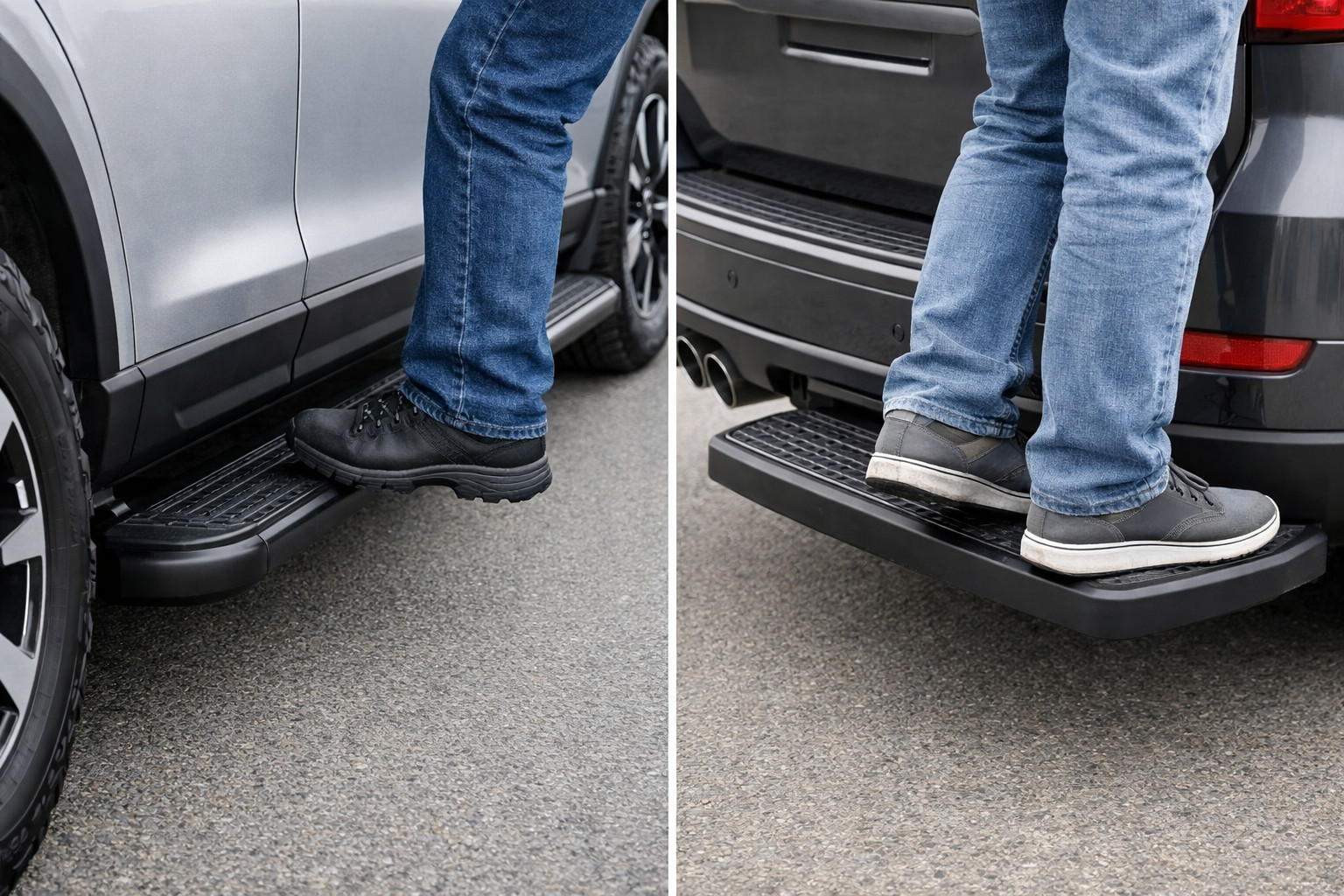
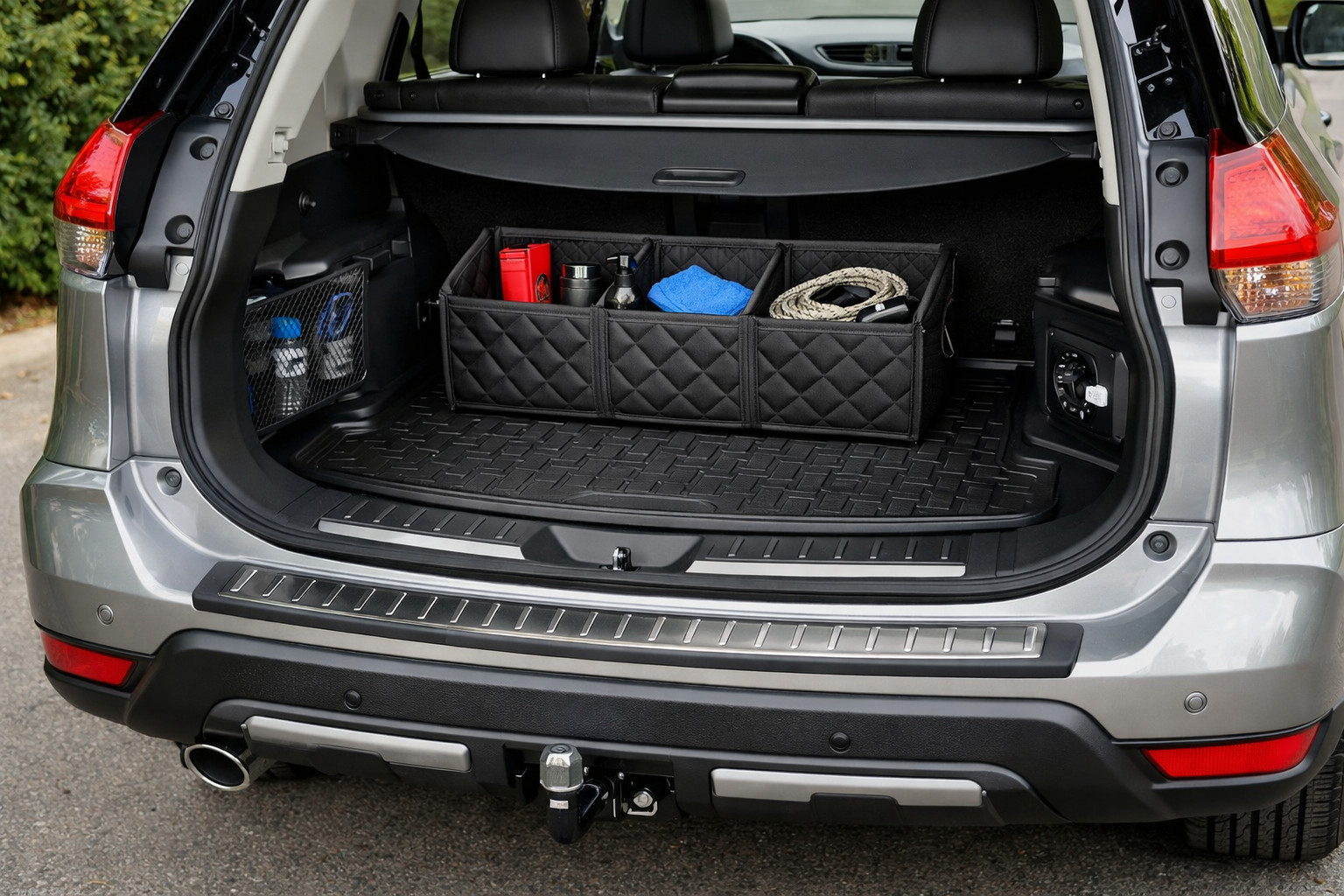
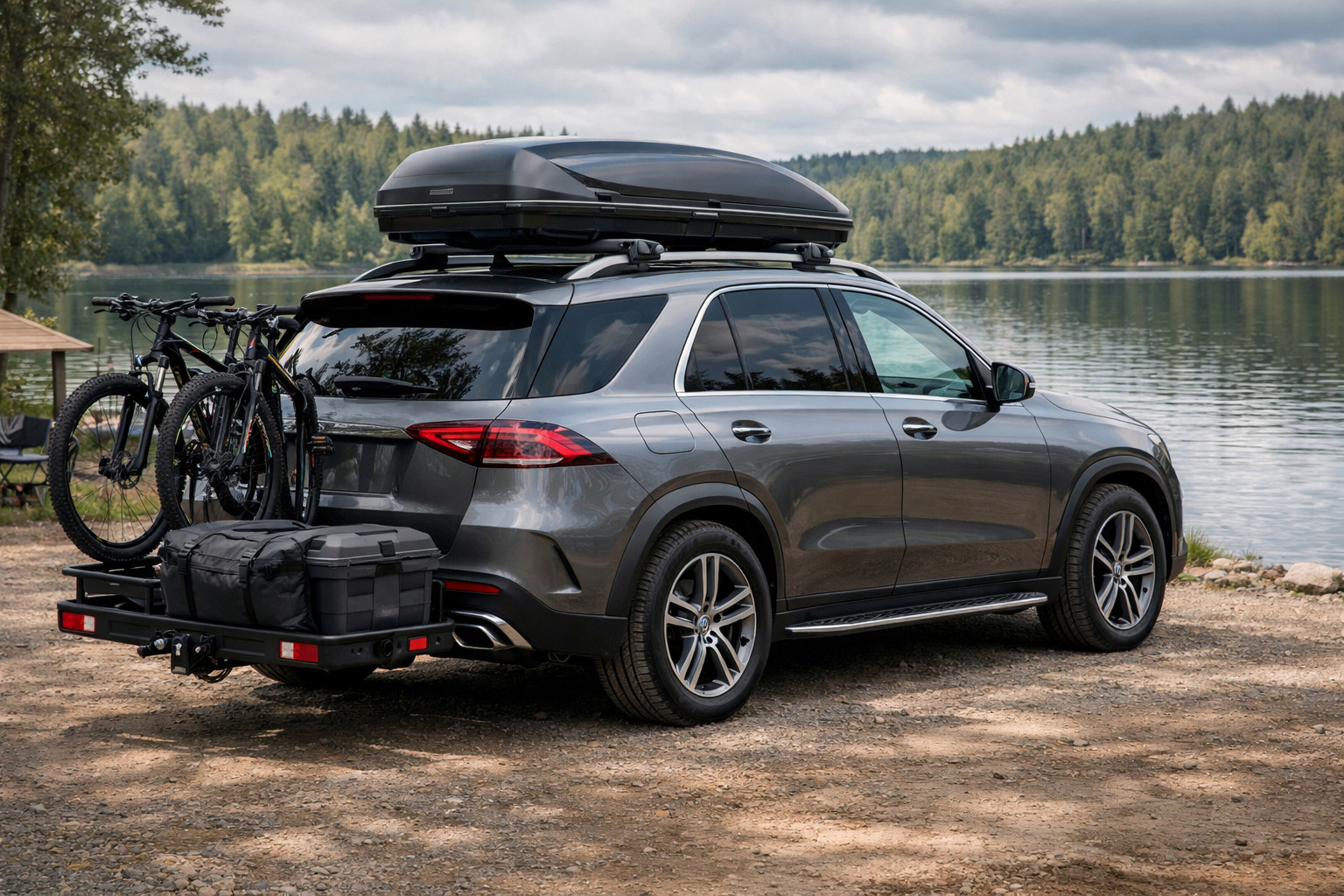
For the Superb iV, the most sensible additions aren’t decorative elements but practical protection for the cabin and trunk. In a large hybrid liftback, people often carry a charging cable, bags, kids’ items, laptops, and other everyday cargo—so basic accessories work better here than any exterior effect.
I’d start with exactly this basic set. For this model, the small things matter: a dry floor in winter, a clean trunk, and less wear on the interior in a car that’s actually used every day.
The 2026 Skoda Superb iV is a successful large liftback for those who need space, quiet city driving, and capable long-distance travel without giving up a gasoline engine. Its main value isn’t emotion, but the fact it covers many scenarios with one body style.
This version suits best a driver with regular charging, predictable daily routes, and a real need for a proper second row and trunk. If there’s nowhere to charge, the iV’s advantages narrow and the rationality of the choice becomes less obvious. The material is based on real selection experience, practice, and real-world usage scenarios, so the conclusion is simple: you should buy the Superb iV for your usage pattern, not just because it’s a “hybrid.”
| ✔ | A spacious cabin and a very strong second row make the Superb iV convenient for family use or business trips. There is enough room even for tall passengers, so the rear seat is truly practical here. |
| ✔ | The plug-in hybrid lets you drive in the city often without starting the petrol engine. This means quiet starts, smooth movement in traffic jams, and noticeably lower running costs if you charge regularly. |
| ✔ | The liftback with a large trunk and wide opening is convenient for everyday use. It is easier to load suitcases, boxes, or a child seat than in a classic sedan. |
| ✔ | On the highway, the model is tuned for stability and comfort rather than extra stiffness. Good sound insulation and clear ergonomics make long trips less tiring. |
| ✘ | The economic case for the iV depends heavily on access to charging. If you cannot charge anywhere, most of the hybrid advantages almost disappear. |
| ✘ | Because of the battery, the car is heavier than the regular petrol versions, and this is noticeable over potholes and joints. On bad roads, it is not as comfortable as you would expect from a large liftback. |
| ✘ | The ground clearance here is car-like, so curbs, ruts, and broken access roads are not its scenario. For rough roads or frequent trips out of town, this is not the most convenient option. |
| ✘ | Compared with the regular versions, the technology is more complex and the price is higher. For the owner, this means greater dependence on charging and less simplicity in everyday use. |
Shipping to EU
Wholesale and retail
Own warehouse
Опис продукту
Подарунки не надаються при оформленні покупки у кредит під 0,01% або при покупці частинами.