27.05.2026
808
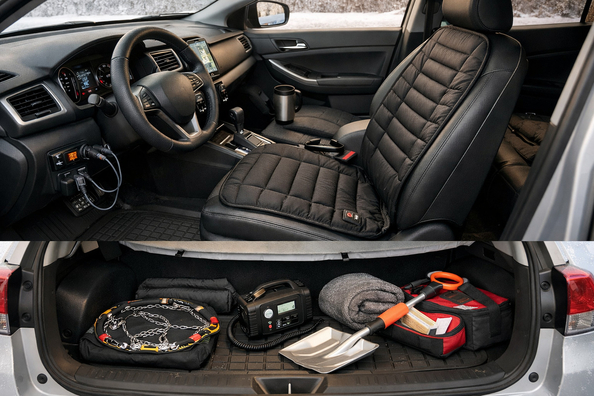
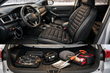
This upgrade plan is for a driver who drives every day in winter or regularly heads out of town, but doesn’t want to waste money on random accessories. The scenario is simple: the car should pull away and stop properly on cold asphalt, keep visibility in slush, start in freezing temperatures, and give you a chance to calmly wait out a delay on the highway.
If the budget is limited, the logic is: first everything that affects traction, visibility, and starting; then items that make life easier in freezing weather; and only after that body or interior protection. The most common winter mistake is buying something noticeable while postponing what actually works every day.
A winter upgrade isn’t about looks and isn’t about a “full package.” Its job is to cover four risks: weak grip, poor visibility, difficult starting, and an inconvenient or unsafe stop in the cold. That’s how you should allocate the budget.
For a city with cleared roads, the list will be shorter: good tires, correct pressure, winter washer fluid, wiper blades, a battery check, and a basic emergency kit. For snowy highways, mountain routes, or frequent night drives, you also need tread suited to the conditions, extra traction reserve, and preparation in case of a longer delay.
All-wheel drive doesn’t cancel the basics. It helps you get moving, but it doesn’t replace proper tires and it doesn’t make braking distances shorter on a slippery road.
The first investment is tires. If the average daily temperature is already consistently below about 7 °C, summer rubber starts losing even on dry cold asphalt. In a mild winter, quality all-season or all-weather tires can sometimes be enough, but for regular snow and ice, this is not where you should save.
Second: check the pressure on cold tires. In winter it easily “drifts,” and an underinflated tire responds worse, stops longer, and wears faster. It’s a small step, but the effect is often more useful than buying yet another accessory.
Third: get visibility sorted—winter washer fluid, fresh wiper blades, a proper ice scraper, and a snow brush. In real slush driving, visibility is often the first problem, not the lack of another “winter” gadget.
Fourth: the battery, basic fluids, and fuel. In the cold, a weak battery shows itself very quickly, and driving around in winter with an almost empty tank is a bad habit. For an EV or hybrid, add a charging plan and real winter range.
| Upgrade | Why it’s needed | Who it really benefits |
|---|---|---|
| Winter tires or quality all-weather tires for the cold season | Improve grip, handling, and braking in cold weather, snow, and slush | Everyone who drives regularly in winter, especially outside the city |
| Tire pressure monitoring | Lets the tire work as intended without losing contact with the road | Everyone without exception, even in the city |
| Winter washer fluid, wiper blades, scraper | Restore normal visibility in snow and grime | Those who drive highways, after dark, or in slush every day |
| Battery and fluid check | Reduces the risk of a no-start morning and small winter failures | Cars with an older battery, short trips, infrequent servicing |
| Basic emergency kit | Helps you wait out a delay, dig out, or hold on until help arrives | Those who travel out of town, drive highways, or park away from home |
| Chains or other traction aids | Needed for very snowy routes, climbs, and specific mountain requirements | Not everyone; mostly those who actually go into the mountains or onto unplowed roads |
DD Tuning expert comment: most often people start with the wrong thing—they buy mud flaps, mats, or an expensive trunk kit, but keep driving on tired tires and old wipers. The second typical mistake is focusing on drivetrain instead of tires: all-wheel drive helps you start, but it doesn’t solve stopping. If the budget is one, it should first go to what keeps the car on the road and gives you visibility.
Once the basics are done, you can add things that save nerves during the season. One sensible option is a separate set of simpler wheels for winter tires. It’s not mandatory, but for those who keep a car for many years, it’s often more convenient and sometimes cheaper in the long run.
The second stage is a jump starter or quality jumper cables if the battery is no longer new or the car often sits in the cold. For EVs and hybrids, it’s useful to separately plan overnight charging, preconditioning, and real winter range instead of relying on summer numbers.
This is also where a small but adequate emergency kit belongs: a shovel, gloves, a blanket, a flashlight, a warning triangle, a first-aid kit, water, a snack, and filler or sand to sprinkle under a wheel. It’s not expensive, but it’s exactly what helps when winter doesn’t go to plan.
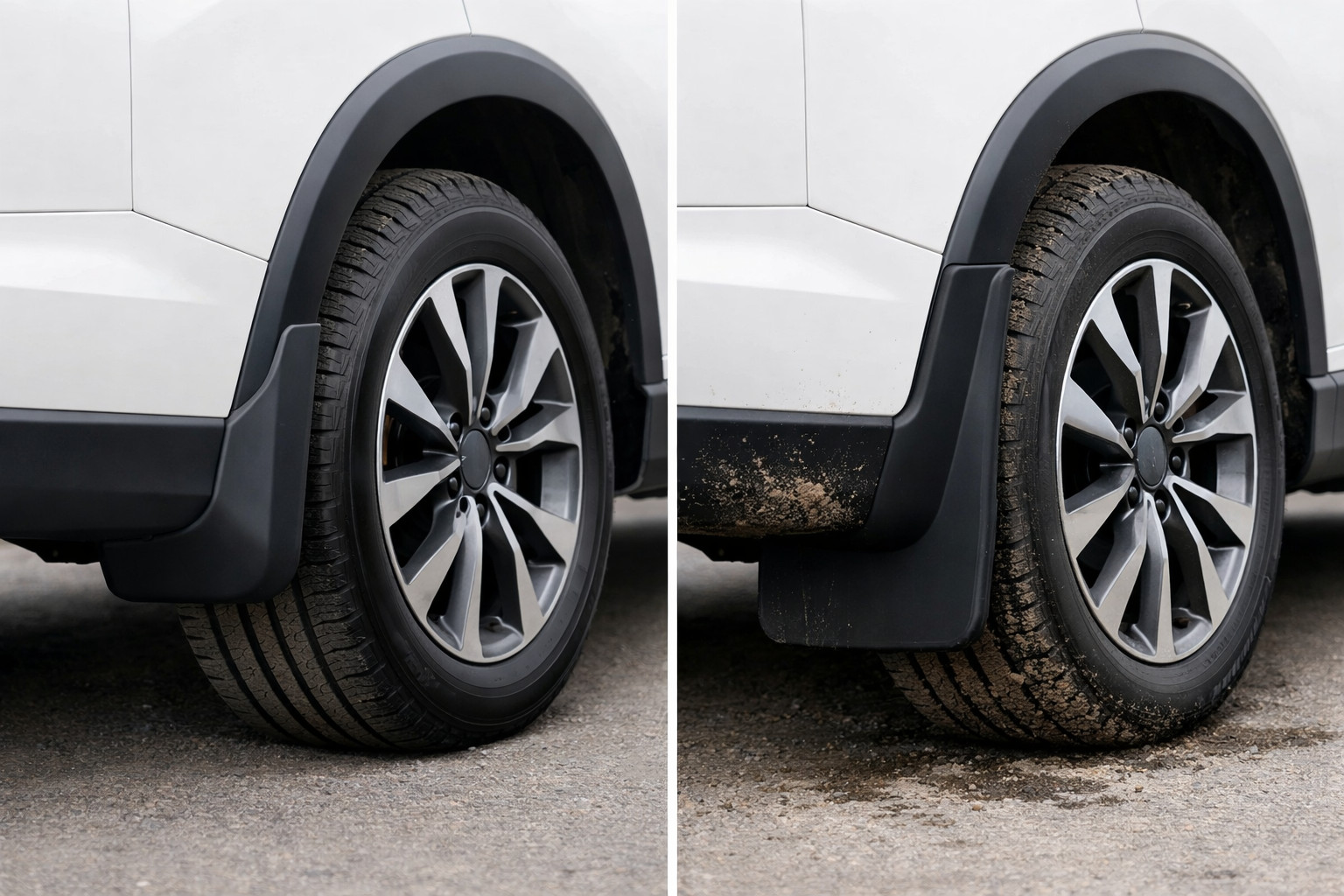
At this stage you can think about the interior and body. Rubber or water-resistant floor mats reduce the mess inside, mud flaps slightly cut down dirt on sills and doors, and small trunk items help keep things organized in the wet season.
But it’s important to understand the limit: these items are useful, yet they don’t replace tires, pressure, washer fluid, and the battery. If you only have money for one thing, a comfort accessory should almost always give way to basic winter prep.
First: chains or other rigid traction aids for a typical city winter. If you’re not going to the mountains, don’t live on an unplowed climb, and don’t have a local requirement, they can sit unused for years.
Second: studded tires for a route where most of the time is clean or wet asphalt. They have their place, but for the city they’re often bought “just in case,” bringing noise, extra wear, and not the benefit people expected.
Third: expensive ready-made winter kits with a dozen small items that never get used. It’s better to build your own compact kit for your route than overpay for a box of random stuff.
Another common mistake is overpaying for looks. In winter, a decorative accessory almost never delivers the same effect as fresh tires, working wipers, or proper cold-start preparation.
| What to install first | What you can postpone | What is not mandatory |
|---|---|---|
| Tires for winter conditions | A separate set of winter wheels | Chains for a purely city route |
| Check and adjust pressure | A jump starter if the battery is new and the car starts without issues | Studs for a region without постоян ice |
| Winter washer fluid and wiper blades | Extra organizers and small trunk accessories | Expensive ready-made “winter kits” not matched to your scenario |
| Monitor the battery, fluids, and fuel reserve | Body protection from grime if roads are fine and mileage is low | Decorative accessories that don’t affect driving and visibility |
| Basic emergency kit | Extra items for long trips if you mostly drive in the city | Relying only on all-wheel drive without addressing tires |
More expensive solutions only make sense after tires, pressure, visibility, and starting are already covered. If you often drive on broken winter roads, through icy ruts, or over snow berms, then skid plate protection becomes justified. If the body constantly gets packed with slush and sand, look toward mud flaps. If you bring snow, water, and road chemicals into the cabin every day, more practical than decorative solutions are rubber floor mats.
The point is simple: an expensive upgrade should solve a specific route problem, not just add the feeling that “the car is prepared.” If the problem doesn’t repeat weekly, it’s better to keep the money for tires, service, and seasonal consumables.
From a customer’s experience: a driver was looking for an inexpensive way to prepare a car for daily city driving and an out-of-town trip every two weeks. First, he changed the tires, checked pressure, refreshed the wipers, and assembled a simple trunk kit, and he skipped chains because the route didn’t require them. After just a few trips it became clear that this order delivered the biggest effect for the money, and he left additional protection for the next season.
For winter driving without unnecessary spending, what works best isn’t the longest shopping list but the right order of decisions: tires and pressure first, then visibility, battery and fluids, then the emergency minimum, and only after that everything related to comfort or body protection. That’s the simplest way to separate what’s useful from marketing clutter.
In short, in winter you should spend money on what keeps the car on the road and doesn’t leave you blind or unable to start. This material is based on real selection experience, practice, and real use scenarios—not on a list of random “just in case” accessories.
| ✔ | Winter tires or quality all-season tires are the first to deliver a real benefit: better grip, handling, and braking on cold pavement, snow, and slush. For daily winter driving, this matters more than any decorative purchase. |
| ✔ | Checking and adjusting tire pressure is a simple step that improves the car’s response and reduces the risk of a longer stopping distance. It is especially useful because tire pressure can easily change in the cold in winter. |
| ✔ | Winter washer fluid, fresh wiper blades, an ice scraper, and a snow brush directly solve visibility problems in slush, snow, and dirt. This is a practical set for those who drive on the highway or in the dark. |
| ✔ | Checking the battery, fluids, and fuel level reduces the risk of a morning no-start and minor winter breakdowns. For cars with an old battery or short trips, this is especially relevant. |
| ✔ | A basic emergency kit helps you calmly wait out a delay, dig out of the snow, or wait for help. It is inexpensive, but useful exactly where winter trips take place outside the city or on the highway. |
| ✘ | Chains and other traction aids for a typical city winter are often unnecessary. If the route does not include mountains or unplowed climbs, they may sit unused for years. |
| ✘ | Studded tires for a route with mostly clean or wet asphalt can bring more drawbacks than benefits. The article explicitly mentions noise, extra wear, and unsuitability for such a scenario. |
| ✘ | Expensive ready-made winter kits with many small items do not always justify the cost. Without tying them to a specific route, it is easy to overpay for things that will not be needed. |
| ✘ | Decorative accessories and buying based on looks do not solve the main winter risks. If the budget is limited, such expenses should be left until after tires, pressure, visibility, and the battery. |
Shipping to EU
Wholesale and retail
Own warehouse
Опис продукту
Подарунки не надаються при оформленні покупки у кредит під 0,01% або при покупці частинами.