11.07.2026
182
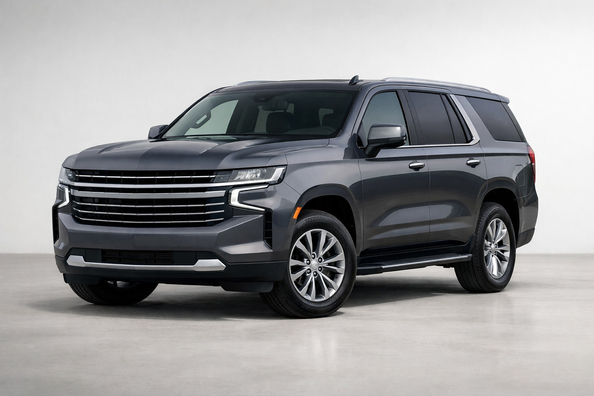
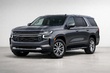
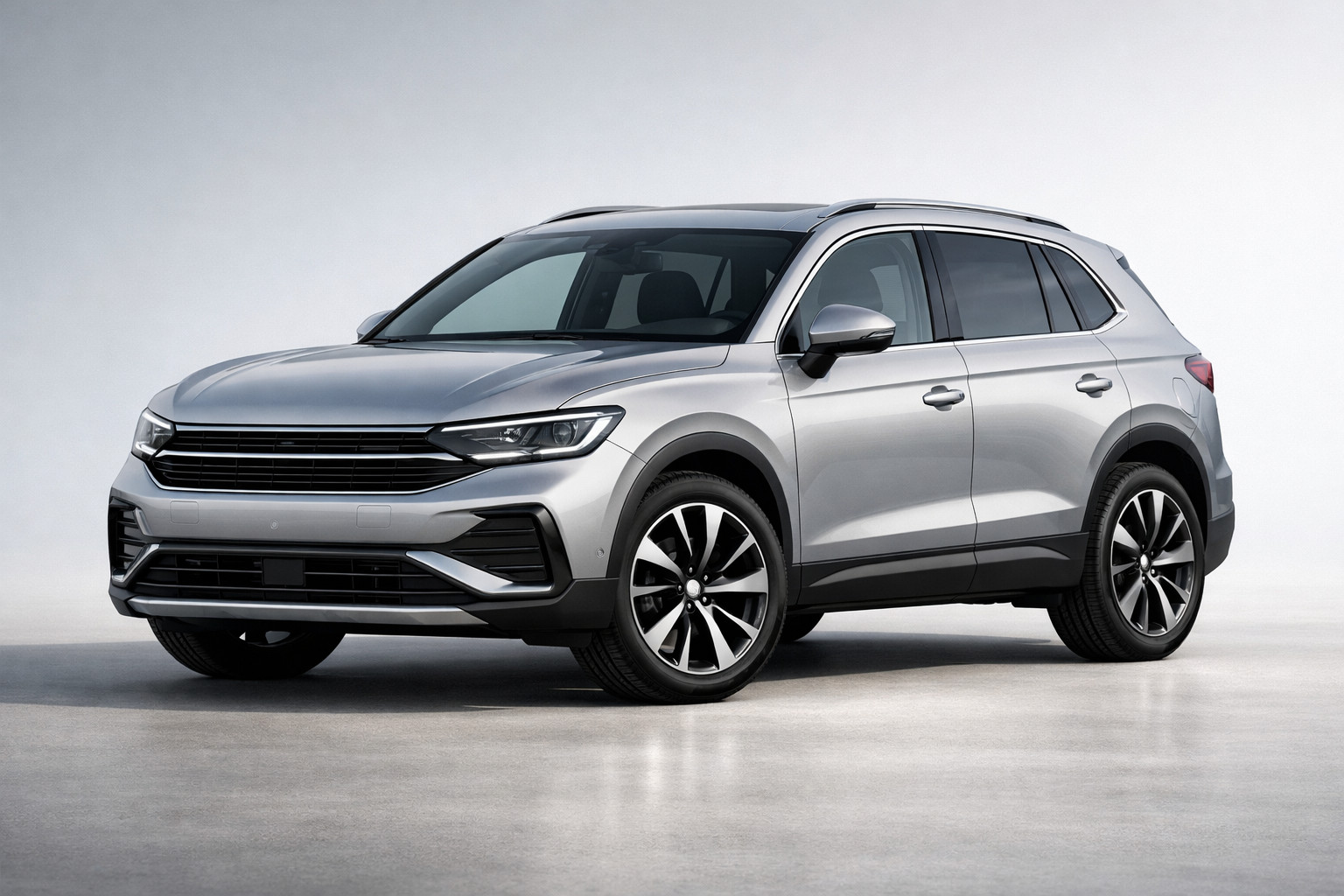
Chevrolet Tahoe V generation is a body-on-frame full-size SUV that wins with space, pulling power, and payload reserve. For a large family, frequent long trips, carrying gear, and towing a trailer, it’s one of the few models where the third row isn’t just for show and the cargo area doesn’t disappear once passengers are seated.
But Tahoe isn’t for everyone. If the vehicle spends most of its time in dense city traffic, runs short routes, and has to park daily in tight courtyards or low-ceiling garages, the size and running costs will quickly become annoying. This is a vehicle for those who truly use its scale, not just want a big body.
Tahoe V sits in the class of large body-on-frame family SUVs and competes not with compactness, but with functionality. Its strengths are the combination of three rows, a spacious cabin, high towing capability, and a chassis that handles loads, towing, and rough roads better than a typical large crossover.
In essence, it’s a vehicle for two scenarios. The first is a large family that often travels on the highway, takes a lot of luggage, and doesn’t want compromises in third-row seating. The second is an owner who needs a versatile heavy-duty vehicle for trips, a trailer, a boat, or active recreation. If the main priority is fuel economy and easy city driving, Tahoe is unlikely to be a rational choice in this class.
Tahoe has been produced since the mid-1990s and has long been one of the core American models in the large family SUV segment. The fifth generation was an important step forward: the model kept its body-on-frame construction but gained an independent rear suspension, which made the cabin and third row noticeably more comfortable.
| Generation | Years | Briefly about the model |
|---|---|---|
| I | 1995–1999 | Model launch as a separate family of large Chevrolet SUVs |
| II | 2000–2006 | More comfort and electronics while retaining the body-on-frame architecture |
| III | 2007–2014 | Strong focus on road comfort and large gasoline engines |
| IV | 2015–2020 | More modern interior, improved safety, but still with the older rear suspension |
| V | since 2020 | New generation with independent rear suspension, a roomier cabin, and a 10-speed automatic |
For the fifth Tahoe, the key powertrain options are well known, but the lineup depends on the market and model year. The main engine is a naturally aspirated 5.3L gasoline V8. Above it sits the 6.2L V8 for those who want maximum pulling reserve and performance. Separately, there’s a 3.0L turbodiesel, which is attractive for high mileage and highway driving.
| Engine | Power | Torque | Notes |
|---|---|---|---|
| 5.3L V8 gasoline | 355 hp | 519 Nm | The most versatile option in the lineup |
| 6.2L V8 gasoline | 420 hp | 623 Nm | Better pull and acceleration, but higher consumption |
| 3.0L turbodiesel | 277 or 305 hp | 623 or 671 Nm | Figures depend on the model year |
The transmission in the fifth generation is a 10-speed automatic. Depending on the version, drive can be rear-wheel or four-wheel. From a practical standpoint, the 5.3L is the most straightforward choice for a family vehicle; the 6.2L is for those who don’t want to look for compromises in pulling power; the diesel makes sense with high annual mileage but requires careful attention to service and fuel quality.
The main technical difference of Tahoe V versus its predecessor is the independent rear suspension. It’s what provided more cabin space, a lower cargo floor, and better high-speed behavior. At the same time, the model remained body-on-frame, so it didn’t lose its utilitarian strength reserve.
| Parameter | Value |
|---|---|
| Body type | Body-on-frame full-size SUV |
| Length | 5351 mm |
| Width | 2058 mm |
| Height | about 1927 mm, depending on version |
| Wheelbase | 3071 mm |
| Ground clearance | about 200 mm, depending on wheels and suspension |
| Trunk volume | about 722 L behind the third row; up to 2058 L behind the second; up to 3480 L with rows folded |
In practice, it’s a very large vehicle. It brings calm highway manners and a strong comfort margin over rough surfaces, but it takes getting used to in the city. It’s also important to remember that the height and length already affect the choice of parking, tires, garage space, and even routes through older neighborhoods.
It’s in the cabin that the fifth generation shows the difference versus the previous one most clearly. The third row became suitable for real use, not just short trips. For a family, that means easier seating for kids, more legroom, and a proper cargo area even when all seats are occupied.
Comfort in Tahoe isn’t built around sportiness, but around relaxed long-distance capability: a high seating position, soft ride, good sound insulation, large seats. The set of safety systems depends on trim and year, but in modern versions you can find automatic braking, lane keeping, blind-spot monitoring, surround-view cameras, and adaptive highway assist systems.
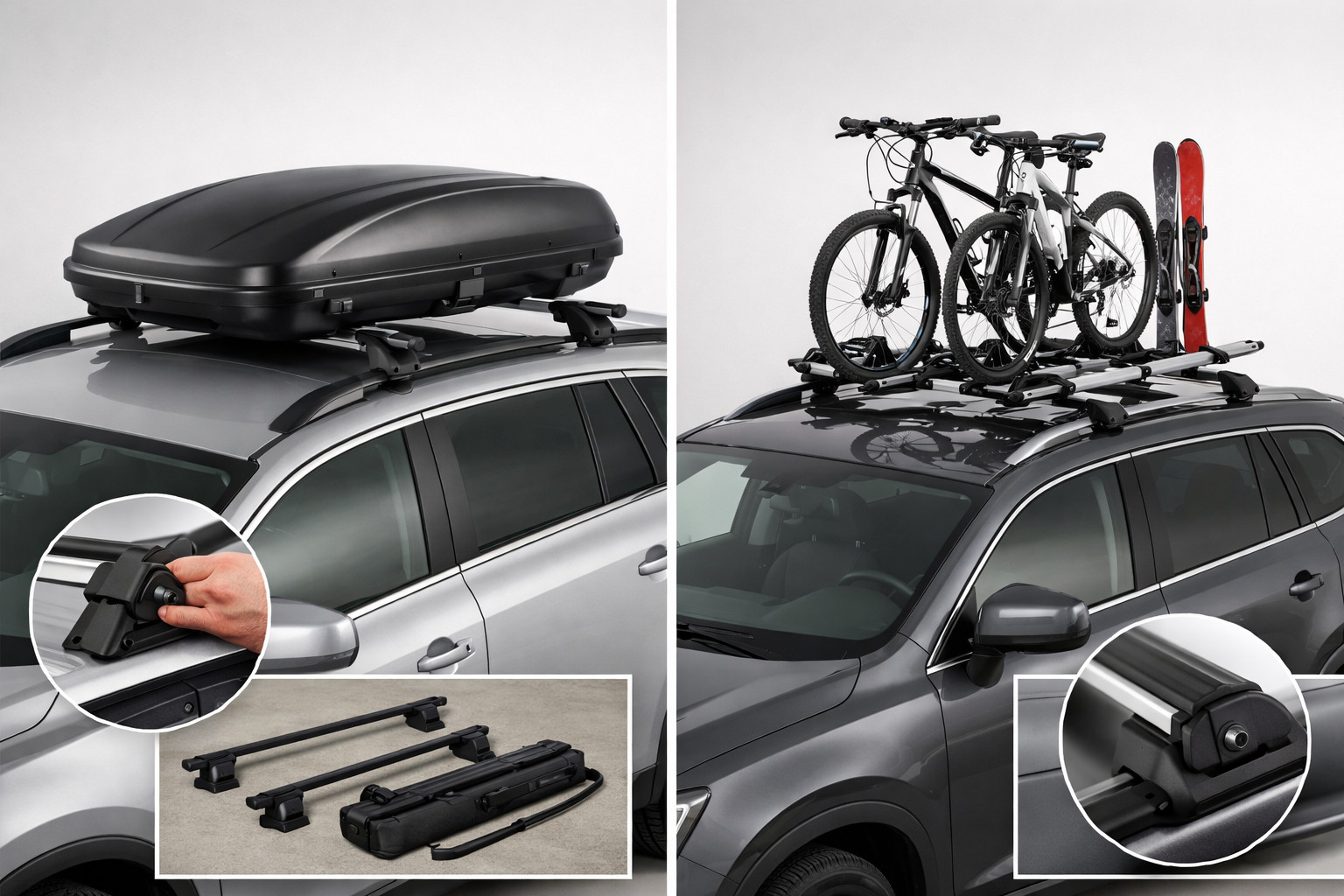
In daily life, Tahoe V is convenient when its format matches the owner’s tasks. The seating position is high, visibility is good, the cabin doesn’t feel cramped even on long trips, and the cargo area genuinely works for suitcases, a stroller, sports gear, or roof boxes. For traveling with a large family, it’s a very strong tool.
The weaker points are obvious: large wheels cost more, fuel consumption in the gasoline versions is substantial, maneuvering in tight city spaces requires calm rather than haste. If the vehicle is used as intended, these compromises look logical. If not, they quickly become a constant irritant.
| Pros | Cons |
|---|---|
| Truly spacious third row | Very large dimensions for the city |
| Large trunk even in a seven-seat configuration | High fuel consumption in gasoline versions |
| Body-on-frame construction and solid payload reserve | More expensive tires, brakes, and overall maintenance than an average crossover |
| Strong V8s and a torquey diesel | Not every trim is equally rich in safety and options |
| Comfortable highway ride | Parking garages, narrow courtyards, and dense traffic aren’t its environment |
From an owner’s perspective, Tahoe’s main advantage is that it doesn’t force you to choose between people, luggage, and trip range. You can travel as a family, bring cargo, and not worry about where to put everything. The main drawback is just as honest: the bigger the vehicle, the more every little thing costs—from tires to fuel and storage space.
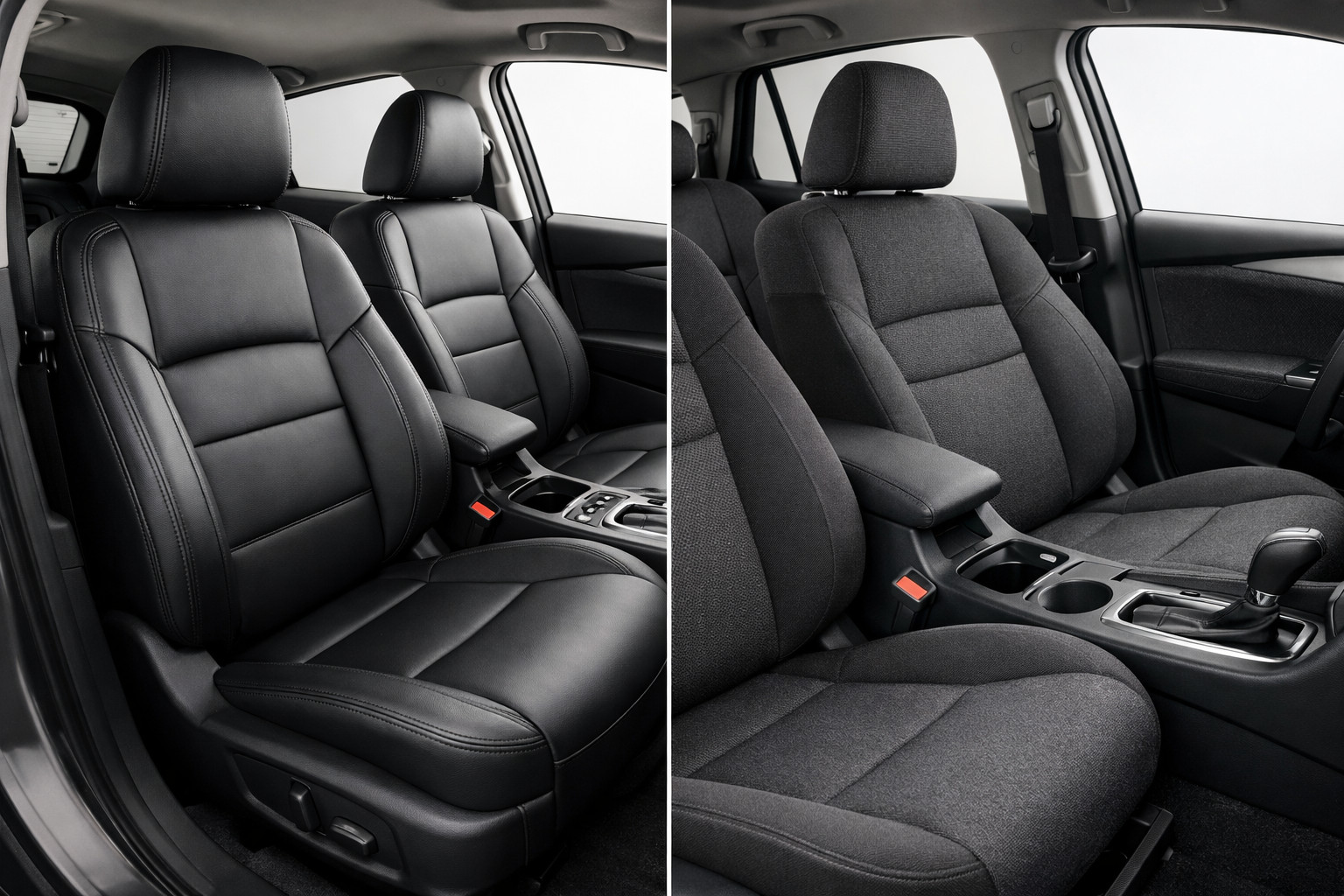
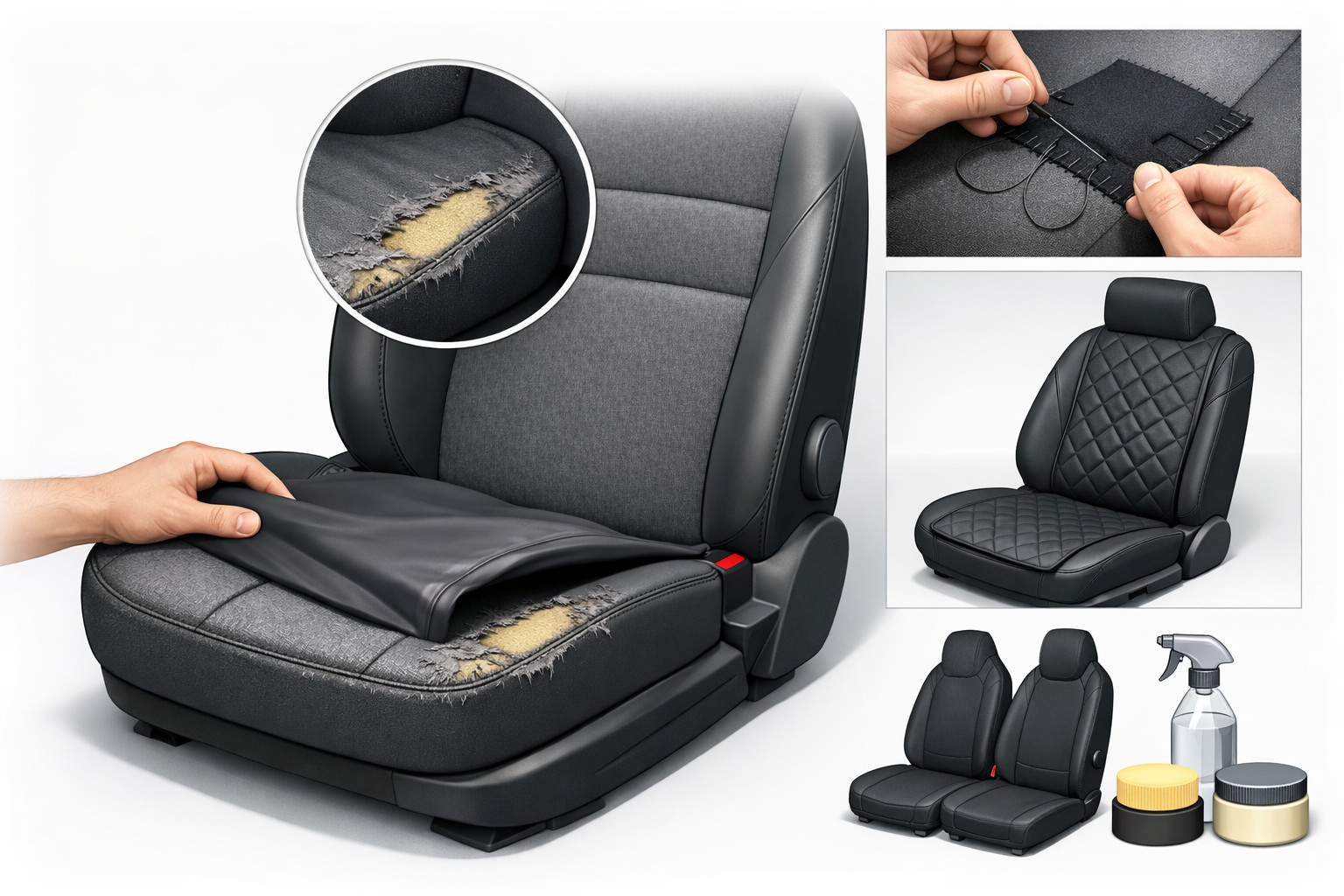
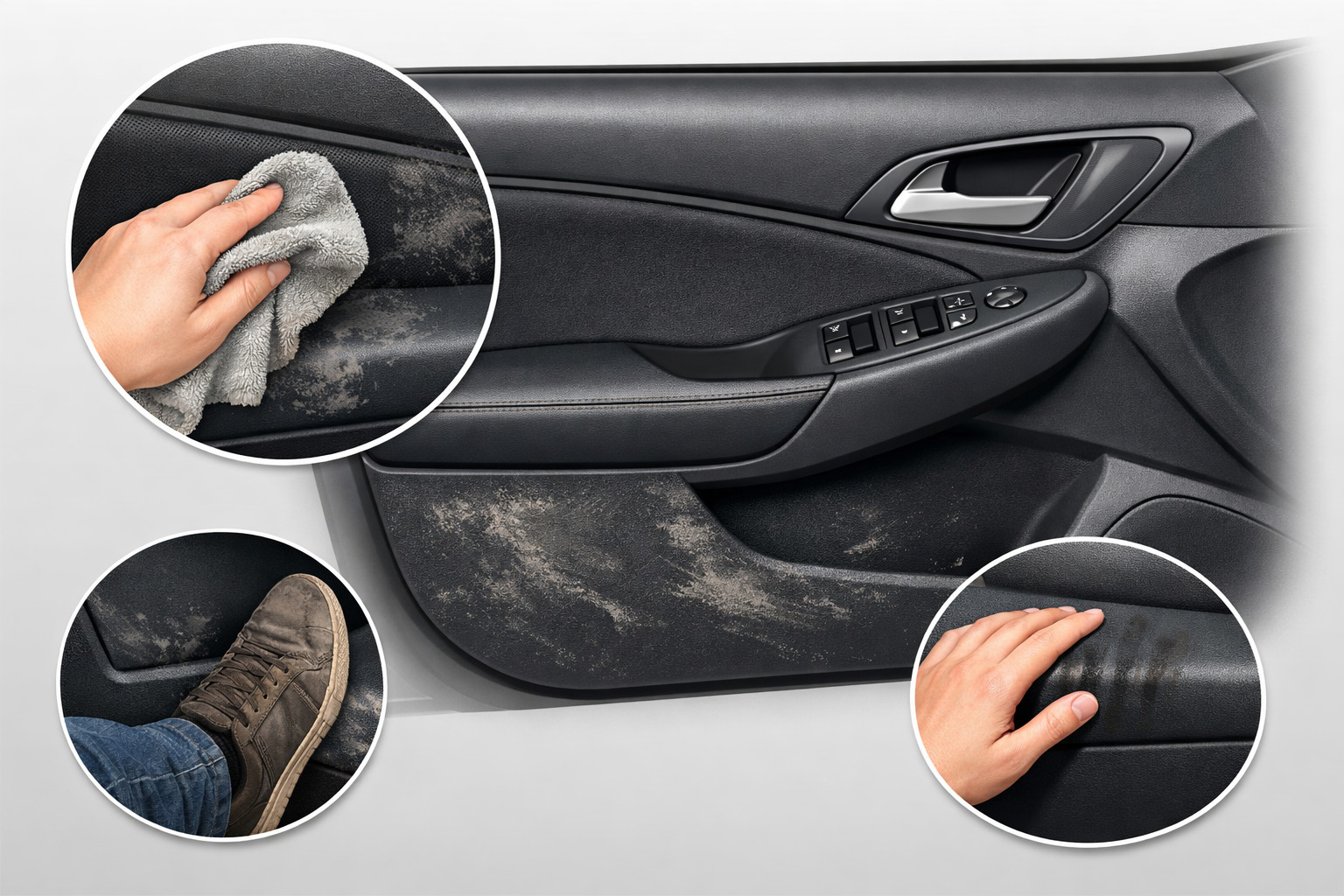
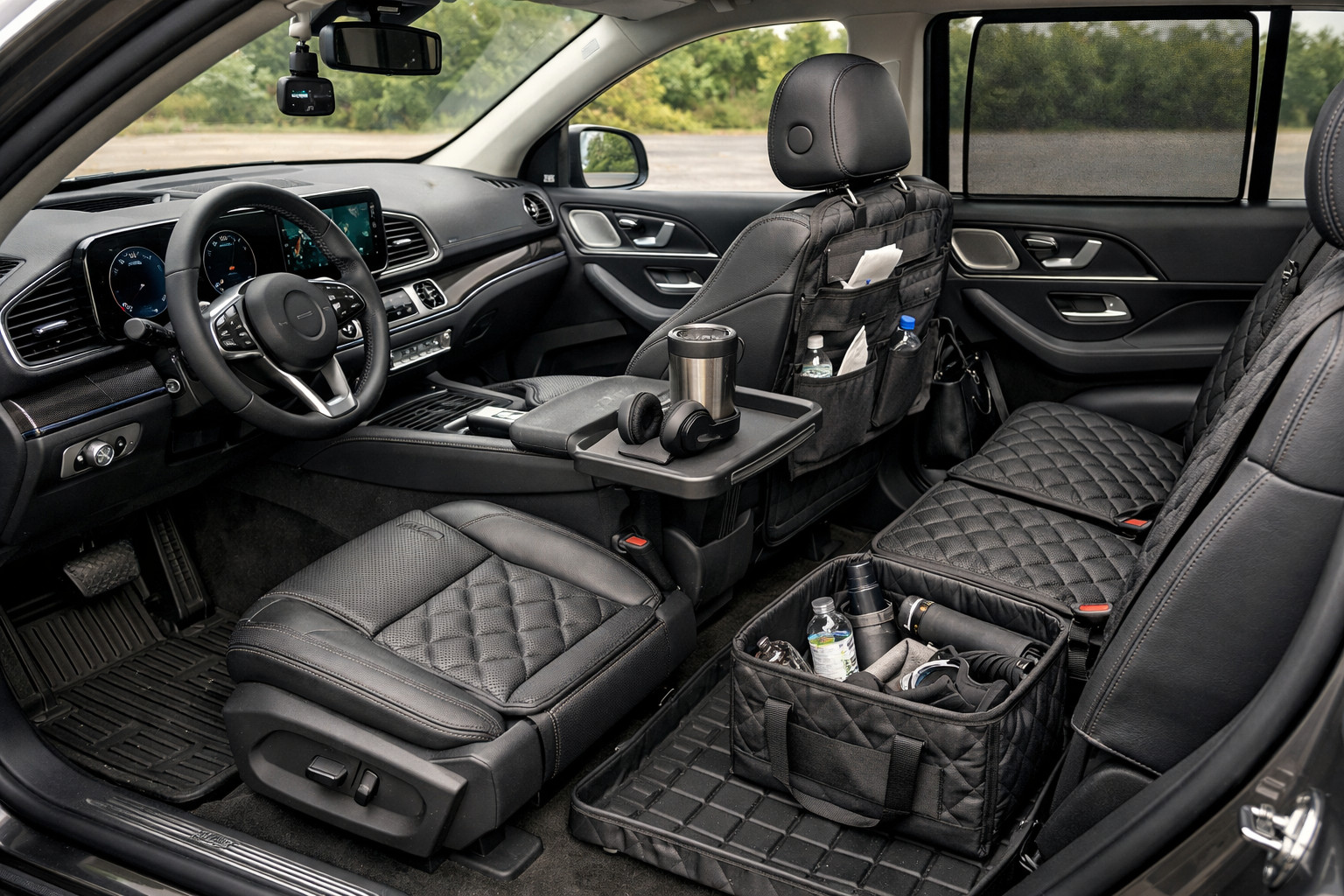
For Tahoe V, the best approach isn’t decorative, but practical upgrades. In a large family SUV, the first things that usually make sense are items that protect the interior, simplify travel, and add cargo capability, rather than simply changing the look.
Wind deflectors and dedicated protection for the cargo area are also often logical for this model, but it’s better to choose them for a specific use case: highway driving, kids, pets, fishing, or long trips with a full load.
Chevrolet Tahoe V generation is not a universal vehicle for every situation, but a very specific tool for those who truly need space, pulling power, a body-on-frame base, and a proper third row. For a large family, frequent highway trips, and lots of luggage, it’s convincing; for a tight urban routine and economical ownership, it’s much less logical.
This model makes sense when its size works for the owner every day. And this conclusion is based not on a dry catalog, but on real selection experience, practice, and real use cases where it’s clear: Tahoe is strong where a truly large family SUV is needed without compromising on capacity.
| ✔ | A truly spacious third row: it can be used here not only for short trips, but as a full-fledged passenger seat. This is important for a large family or when you often need to carry seven people. |
| ✔ | A large trunk remains even in the seven-seat configuration, so you don’t have to choose between passengers and luggage. The vehicle is suitable for suitcases, a stroller, gear, and long-distance trips. |
| ✔ | The body-on-frame construction and load capacity make Tahoe suitable not only for family trips, but also for towing a trailer or active recreation. Under load and on rough roads, it feels more practical than a typical large crossover. |
| ✔ | Powerful engines, especially the V8, provide a good reserve of torque, and the diesel version is interesting for high-mileage use. This is useful when the vehicle often drives on the highway or has to tow a heavy load. |
| ✔ | After switching to an independent rear suspension, the cabin became more comfortable, and the ride on the highway — calmer. For long trips, this is a noticeable comfort advantage. |
| ✘ | Tahoe is very large in size, so it is inconvenient to maneuver, park, and drive into tight courtyards in the city. In dense traffic, its size quickly starts to get in the way. |
| ✘ | The gasoline versions have high fuel consumption, so daily use will be quite expensive. This is especially noticeable on short city routes. |
| ✘ | Maintenance is more expensive than on an average crossover: pricier tires, brakes, and other consumables. On top of that, there is also the need for more space to store the vehicle. |
| ✘ | Not all trim levels are equally well equipped with safety features and options, so before buying you need to carefully look at the specific version. Formally, the same model can differ greatly in its equipment. |
Shipping to EU
Wholesale and retail
Own warehouse
Опис продукту
Подарунки не надаються при оформленні покупки у кредит під 0,01% або при покупці частинами.