05.08.2026
155
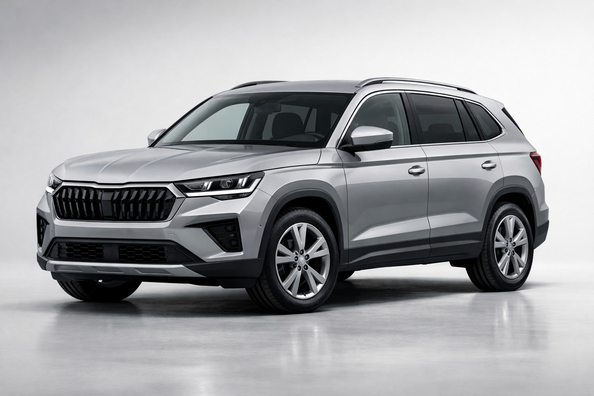
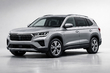
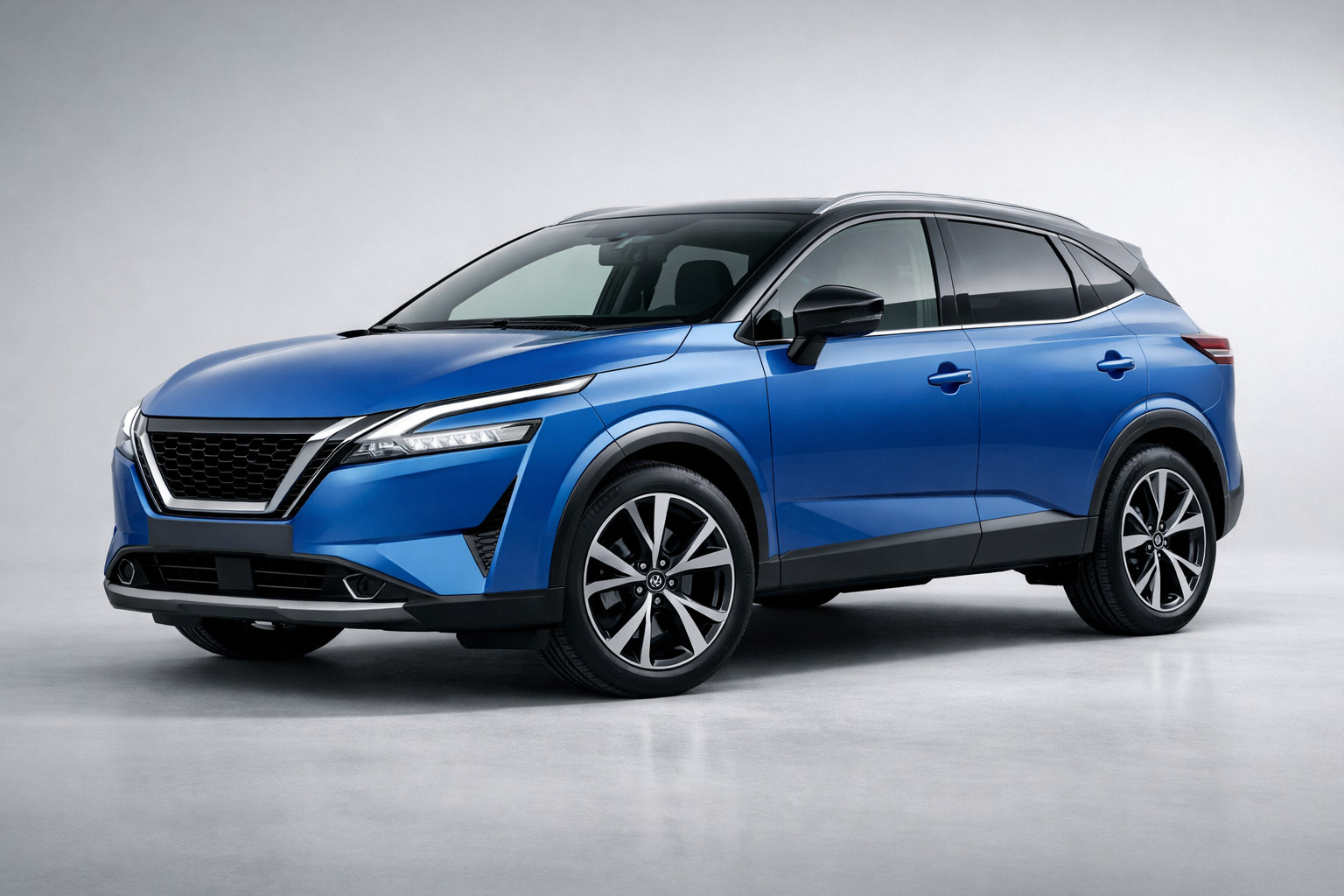
Skoda Kodiaq II from 2023 is a large family crossover for those who genuinely need space, a big trunk, and the option of 7 seats—not just a higher seating position. The second generation has matured inside, gained broader electrification, and kept the key Kodiaq trait: practicality without unnecessary exotic touches.
This model suits families who do a lot of highway driving, often carry child seats, a stroller, suitcases, or sports gear. If your main use case is a tight city, short trips, and parking in courtyards, the Kodiaq II may simply feel too big.
Kodiaq II plays in the midsize family crossover segment. Its strong point isn’t an “off-road” image, but the way it combines a roomy cabin, tall roof, large trunk, and grown-up highway manners. It’s one of those models people choose not for flashiness but for logic: lots of space, a comfortable seating position, and diesel plus all-wheel-drive versions that make sense for long trips.
Who it fits: families with 2–3 kids, those who often travel between cities, and drivers who need one car “for everything.” Who it doesn’t: those who want compact size, low running costs, and a car-like feel in the city.
The first-generation Kodiaq launched in 2016 and received an update in 2021. The second generation debuted in 2023 and kept the same role, but became slightly larger, more tech-focused, and more electrified.
| Generation | Years | What matters |
|---|---|---|
| I | 2016-2023 | Launched the model, offered 5 or 7 seats; after the 2021 facelift it became more modern in terms of equipment. |
| II | from 2023 | New body, redesigned interior, mild hybrid and plug-in hybrid, updated lineup of petrol and diesel versions. |
For the European Kodiaq II there are several real powertrain options, but availability depends on the market. At the launch of the second generation there is no manual gearbox anymore: the core is DSG dual-clutch transmissions, and the choice is between petrol, diesel, mild hybrid, and plug-in hybrid.
| Version | Displacement | Power | Drivetrain and gearbox |
|---|---|---|---|
| 1.5 TSI mild hybrid | 1498 cm³ | 150 hp | Front-wheel drive, 7-speed DSG |
| 2.0 TDI | 1968 cm³ | 150 hp | Front-wheel drive, 7-speed DSG |
| 2.0 TDI | 1968 cm³ | 193 hp | All-wheel drive, 7-speed DSG |
| 2.0 TSI | 1984 cm³ | 204 hp | All-wheel drive, 7-speed DSG |
| 1.5 TSI plug-in hybrid | 1498 cm³ | 204 hp system | Front-wheel drive, 6-speed DSG |
In practice it’s simple: the 1.5 TSI is for those who drive calmly and without constant full loads; the 2.0 TDI is the most logical for highway use; the 193 hp diesel and the 2.0 TSI are for those who often travel with a full cabin, tow, or want all-wheel drive. The plug-in hybrid only makes sense where you have regular charging and city driving outweighs highway miles.
The second generation became longer, but didn’t lose the main thing: the boxy proportions work in favor of the cabin and trunk. This isn’t a “coupe-like” crossover, but an honest family car with sensible body geometry.
| Parameter | Data |
|---|---|
| Length | 4758 mm |
| Width | 1864 mm |
| Wheelbase | 2791 mm |
| Height | about 1657-1659 mm depending on version |
| Ground clearance | around 18-19 cm, depending on configuration |
| Trunk | up to 910 L in the 5-seat version; in the 7-seat version it’s smaller and depends on the third-row position |
| Number of seats | 5 or 7 depending on configuration |
The suspension is tuned for everyday family driving, not for sharp maneuvers. On rough roads the Kodiaq doesn’t force you to slow to a crawl, but it also doesn’t become a true off-roader even with all-wheel drive. For a cottage road, snow, gravel, and winter highways, it’s enough.
Inside, the biggest difference is felt in the interface: more digital elements, a different center-console layout, and the gear selector moved to the steering column. At the same time, the Kodiaq hasn’t lost its practicality: plenty of room in the second row, a good seating position, decent visibility, and a trunk that truly works in a family use case.
The third row, if fitted, remains a compromise: for kids or short trips—yes; for adults on a long highway run—not really. Comfort depends a lot on wheels and trim level: with larger rims the ride is harsher. On safety, the suite of driver assists is broad, but the exact equipment should be checked by version.
In daily life, the Kodiaq II is strong where compact crossovers already feel cramped. Child seats, tall passengers, vacation luggage, big grocery runs—this is its normal mode. The weak spot is different: the size. In older courtyards and narrow parking garages it won’t panic, but it also won’t hide its dimensions.
In terms of ownership, this is no longer a simple “big wagon on stilts”: more electronics, more expensive tires in higher trims, and all-wheel drive plus DSG require proper servicing—not a random approach.
| Pros | Cons |
|---|---|
| Very smart use of space in the cabin and trunk | Large dimensions aren’t convenient for everyone in the city |
| Diesel versions available for long trips | Well-equipped trims get noticeably more expensive |
| You can choose 5 or 7 seats | The third row isn’t for regular adult transport |
| Comfortable ride at a family pace | Ride comfort is worse on larger wheels |
| All-wheel drive and electrified versions are available | More complex versions cost more to maintain after the warranty |
From an owner’s perspective, the main advantage of the Kodiaq II is simple: it rarely forces you to compromise between space, comfort, and highway capability. The main drawback is just as simple: you pay for size, equipment, and more complex tech—both at the checkout and later in service.
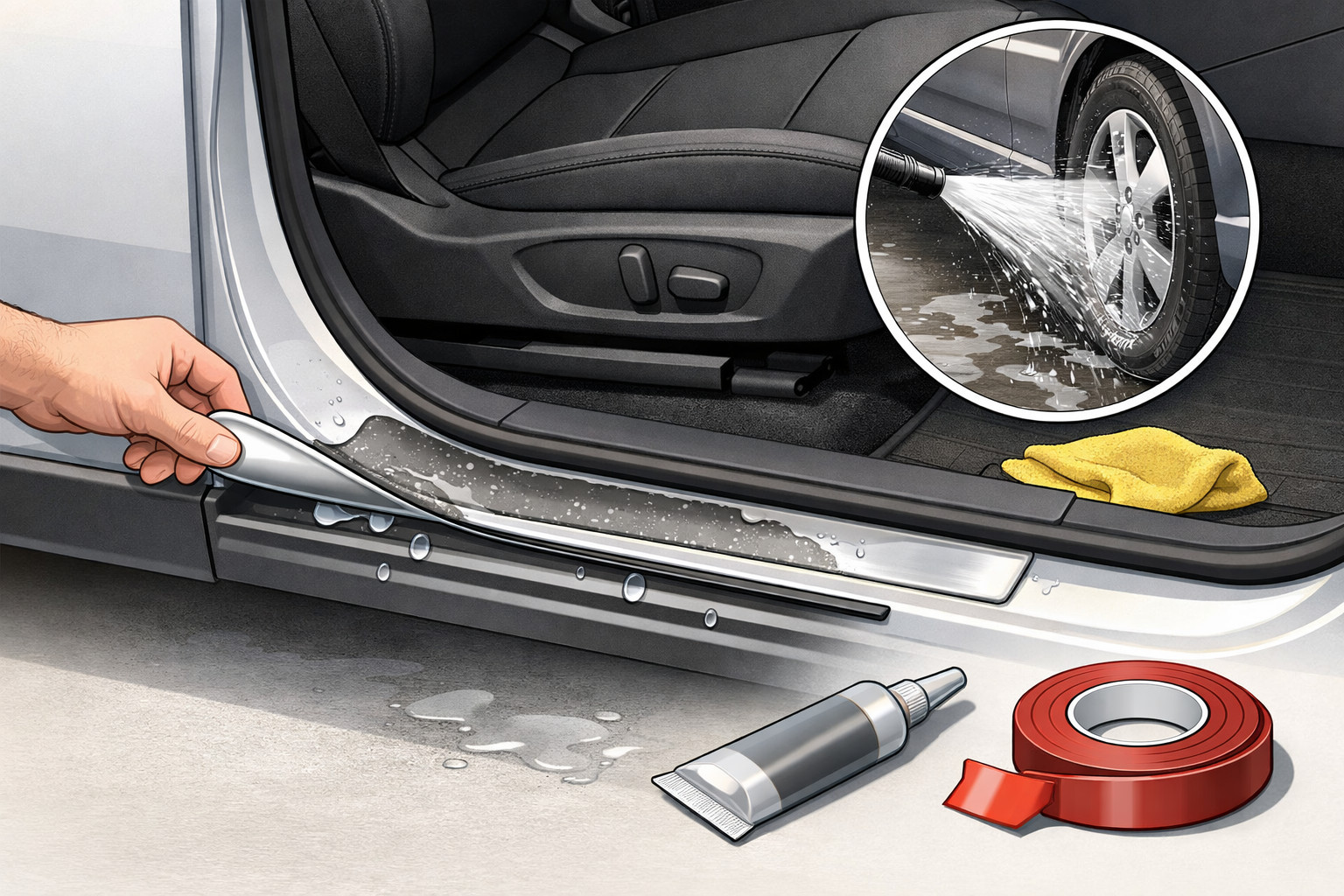
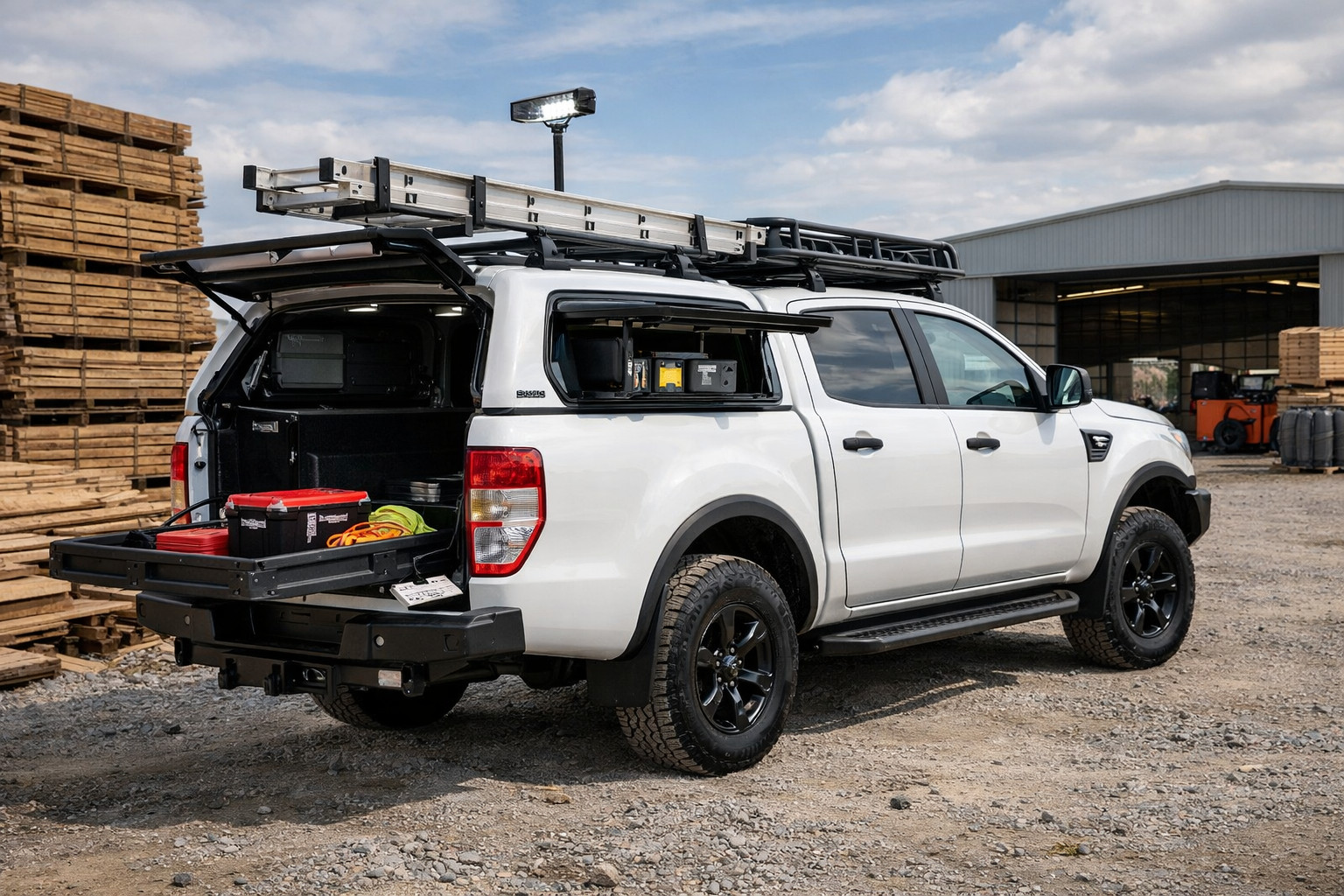
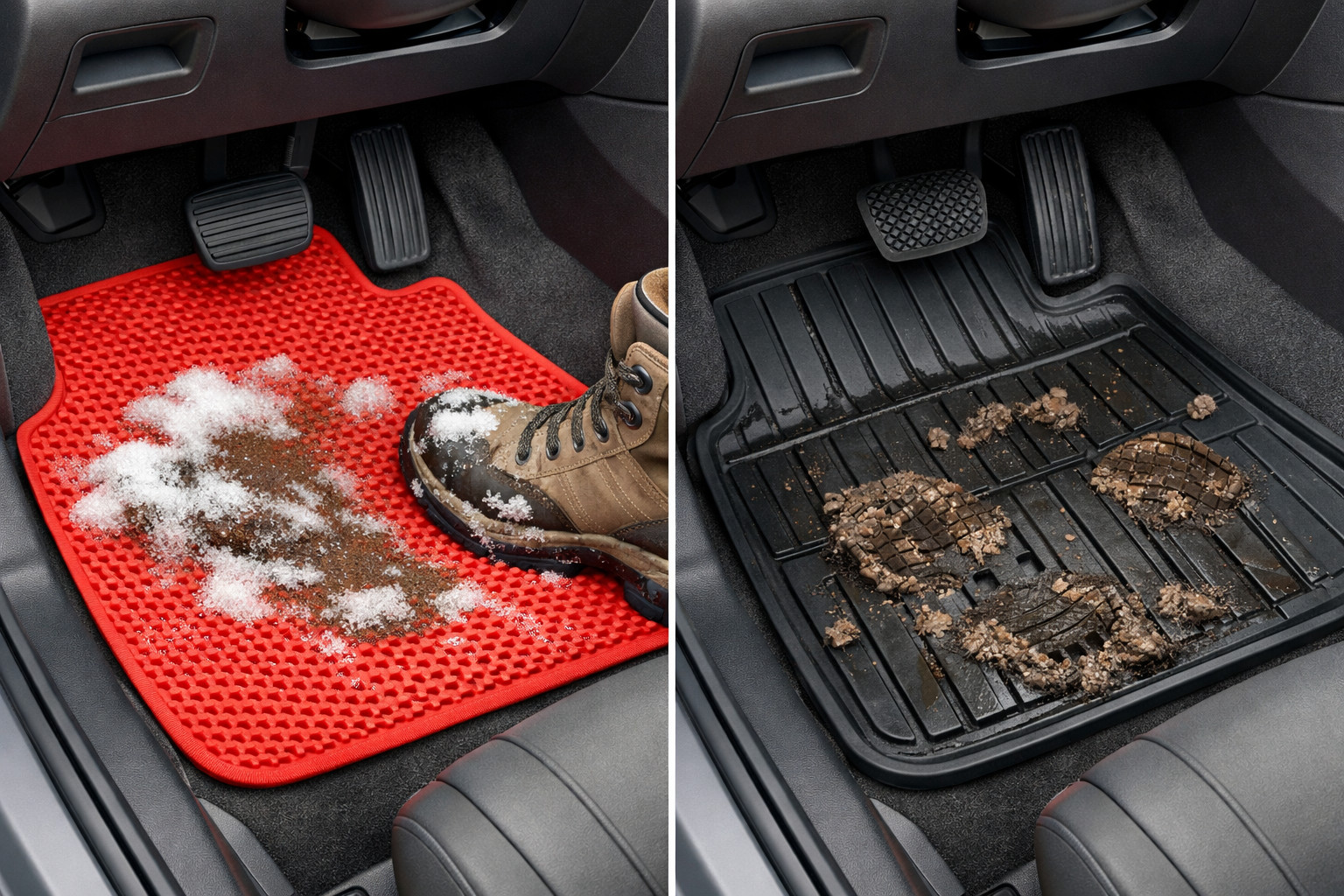
For the Kodiaq II, the smartest scenario isn’t decorative tuning, but protecting the interior, trunk, and the body areas that quickly get scratched in family use. If you’re double-checking the generation before buying accessories, keep the review of the second generation Kodiaq handy so you don’t mix products for different bodies.
Another practical accessory for this model is protection for the upper edge of the rear bumper: the Kodiaq has a large trunk, so this area often suffers from suitcases and boxes. Random decorative trim pieces without a clear benefit usually add nothing here except extra cost.
Skoda Kodiaq II is a strong family crossover for those who need space, a trunk, calm highway behavior, and a clear choice between petrol, diesel, and electrified versions. It’s not for everyone: in the city it can feel too big, and higher trims can’t be called cheap to run.
If you need one versatile car for daily life, family trips, and long routes, the second Kodiaq looks very convincing. This piece is based on real selection experience, practical use, and real-world scenarios—not abstract impressions.
| ✔ | The Kodiaq II makes excellent use of space: there is plenty of room for passengers in the cabin, and the boot in the 5-seat version is very roomy. This is practical for family trips, child seats, strollers, and lots of luggage. |
| ✔ | The model offers a choice of 5 or 7 seats, so it can be adapted to different family scenarios. The third row is not just there for show — it can come in handy for children or short trips. |
| ✔ | For long journeys, there are sensible powertrain options, including diesel and all-wheel drive. This makes the car convenient for highways, high mileage, and trips with a full load. |
| ✔ | The suspension is tuned for calm everyday driving, so the crossover handles rough roads well. For family use, that matters more than sporty handling. |
| ✔ | In the second generation, practicality has been preserved and more digital solutions and electrified versions have been added. This expands the choice for those who drive in different conditions, from the city to the highway. |
| ✘ | In the city, the car feels noticeably large, so it is inconvenient in tight courtyards and narrow parking lots. For everyday urban use, this can be a significant limitation. |
| ✘ | The third row of seats is not suitable for regularly carrying adults over long distances. In practice, this is a compromise solution rather than a fully comfortable seven-seat setup. |
| ✘ | Well-equipped trims become noticeably more expensive, which increases the purchase price. Maintenance is also not the easiest because of the electronics, DSG, and all-wheel drive. |
| ✘ | On large wheels, ride comfort gets worse, and this is noticeable in everyday driving. In other words, choosing a more attractive or better-equipped version can spoil the smoothness of the ride. |
Shipping to EU
Wholesale and retail
Own warehouse
Опис продукту
Подарунки не надаються при оформленні покупки у кредит під 0,01% або при покупці частинами.