05.08.2026
189
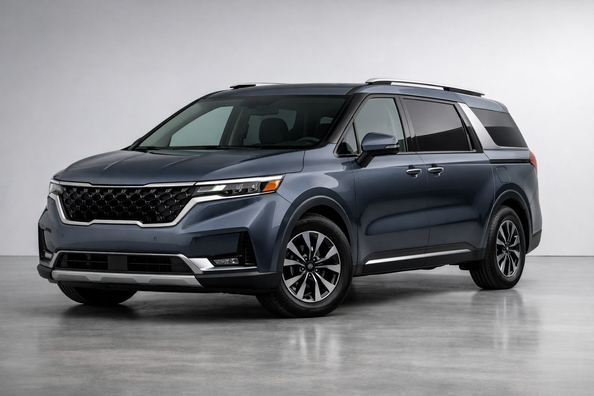

Kia Carnival 2024 is a large family minivan for those who truly need three rows, a wide cabin, and a proper trunk—not a crossover with token extra seats. Its main strength isn’t image but real-world practicality: sliding doors, easy child seating, plenty of space for long trips, and cabin layouts for a family or shuttle use.
But its format is honest and without embellishment. A length of over five meters means it’s not as easy in a tight city as a mid-size crossover, and moderate ground clearance plus a long wheelbase don’t make it a vehicle for broken roads. So it’s best viewed as a versatile road-going minivan, not a one-car replacement for every use case.
Carnival sits in a niche between a large family vehicle and a corporate shuttle. It suits families with two or three kids, those who often drive highways fully loaded, and anyone who values easy access to the third row and sensible interior packaging. For these scenarios, a minivan is often more practical than a large crossover.
It’s not the best option for a driver who navigates old courtyards daily, parks in very tight underground garages, or frequently drives on unpaved roads. Carnival wins on volume and convenience, but it does require getting used to its size.
Carnival 2024 belongs to the fourth generation. In some markets for the 2024 model year you can already find an updated front-end design, different lighting, and fresher infotainment logic, but the core concept hasn’t changed: it’s still the same large front-wheel-drive minivan with an emphasis on space and on-road comfort.
For Carnival 2024, buyers most often focus on two main engines: the 2.2 diesel and the 3.5 V6 gasoline. The lineup depends on the market, so before buying it’s important to verify the exact version rather than rely on universal lists. The gearbox for these engines is usually an 8-speed automatic, with drive mostly to the front wheels.
| Engine | Power | Transmission | Practical meaning |
|---|---|---|---|
| 2.2 diesel | 199–202 hp | 8-speed automatic | A rational choice for highways, full loads, and high mileage |
| 3.5 V6 gasoline | 272–294 hp, in many markets around 290 hp | 8-speed automatic | Quieter, smoother operation; better response in the city and when overtaking |
In short, the diesel makes sense for those who drive a lot and don’t want to carry unnecessary fuel consumption, while the gasoline V6 tends to appeal to those who want the smoothest pull and less diesel-specific behavior in daily use. For short city trips, a diesel isn’t always the best scenario.
The fourth-generation Carnival has a very long wheelbase, so it’s stable and calm on the highway, and there’s genuinely space for people in the second and third rows—not just for kids. The suspension is tuned for comfort rather than excitement; you can feel it in ride smoothness and in how it reacts to big road undulations. At the same time, long overhangs and moderate ground clearance require care around curbs and steep driveways.
| Parameter | Value |
|---|---|
| Generation | 4th, KA4 |
| Length | 5155 mm |
| Width | 1995 mm |
| Height | approximately 1740–1775 mm depending on version |
| Wheelbase | 3090 mm |
| Ground clearance | about 172 mm |
| Trunk behind the third row | approximately 627 L by one measurement method or over 1100 L by another |
| Drive | mostly front-wheel drive |
There’s an important nuance with Carnival’s trunk: the figures vary noticeably depending on the market and the measurement method. In practice, what matters more is this— even with three rows in use, the vehicle remains useful for suitcases, a stroller, or several large bags, which is critical for a family minivan.
The model’s strong point is easy cabin access. Sliding doors are more convenient than conventional ones in tight spaces, and getting into the second row is much easier when the family uses child seats. Configurations can vary: there are practical 8-seat versions, and there are variants focused on second-row comfort where there’s more luxury but less flexibility.
The third row isn’t just for show: on short and medium trips, adults can sit there. Safety depends on the trim level, but typical features on current versions include automatic emergency braking, lane keeping assist, adaptive cruise control, blind-spot monitoring, and surround-view cameras. If choosing between a “pretty” and a functional configuration, families usually benefit from the latter.
In daily use, Carnival quickly shows what you’re paying for. Seating the kids, loading things, placing grandma in the third row, not banging doors into the neighboring car— it does all of this better than most large crossovers. On the highway, the advantage of the long wheelbase is also clear: the vehicle is calm, doesn’t jolt passengers, and is well suited for long trips.
The downsides are just as down-to-earth. In the city you have to get used to the length, turning circle, and rear overhang. Low garages, narrow courtyards, and broken driveways aren’t its favorite environment. And if you choose the diesel, it’s important to honestly assess your route: constant short trips without proper warm-up and highway runs are not the best operating mode for this kind of engine.
| Strengths | Weaknesses |
|---|---|
| Full-size space across three rows | Large dimensions make city parking harder |
| Sliding doors genuinely make family use easier | Ground clearance and long overhangs don’t like rough driveways |
| Comfortable ride on the highway and under load | Not as maneuverable as a mid-size crossover |
| Practical trunk even with three rows in use | Interior configurations vary a lot; you need to check the exact version |
| A solid choice of engines for different scenarios | Diesel doesn’t suit everyone for short urban routes |
From an owner’s perspective, Carnival’s main advantage is that it removes everyday headaches that irritate you in most large vehicles: getting kids in, accessing the third row, carrying things, and going away for the weekend. The main drawback is just as obvious: all that space comes at the cost of road footprint and higher parking demands.
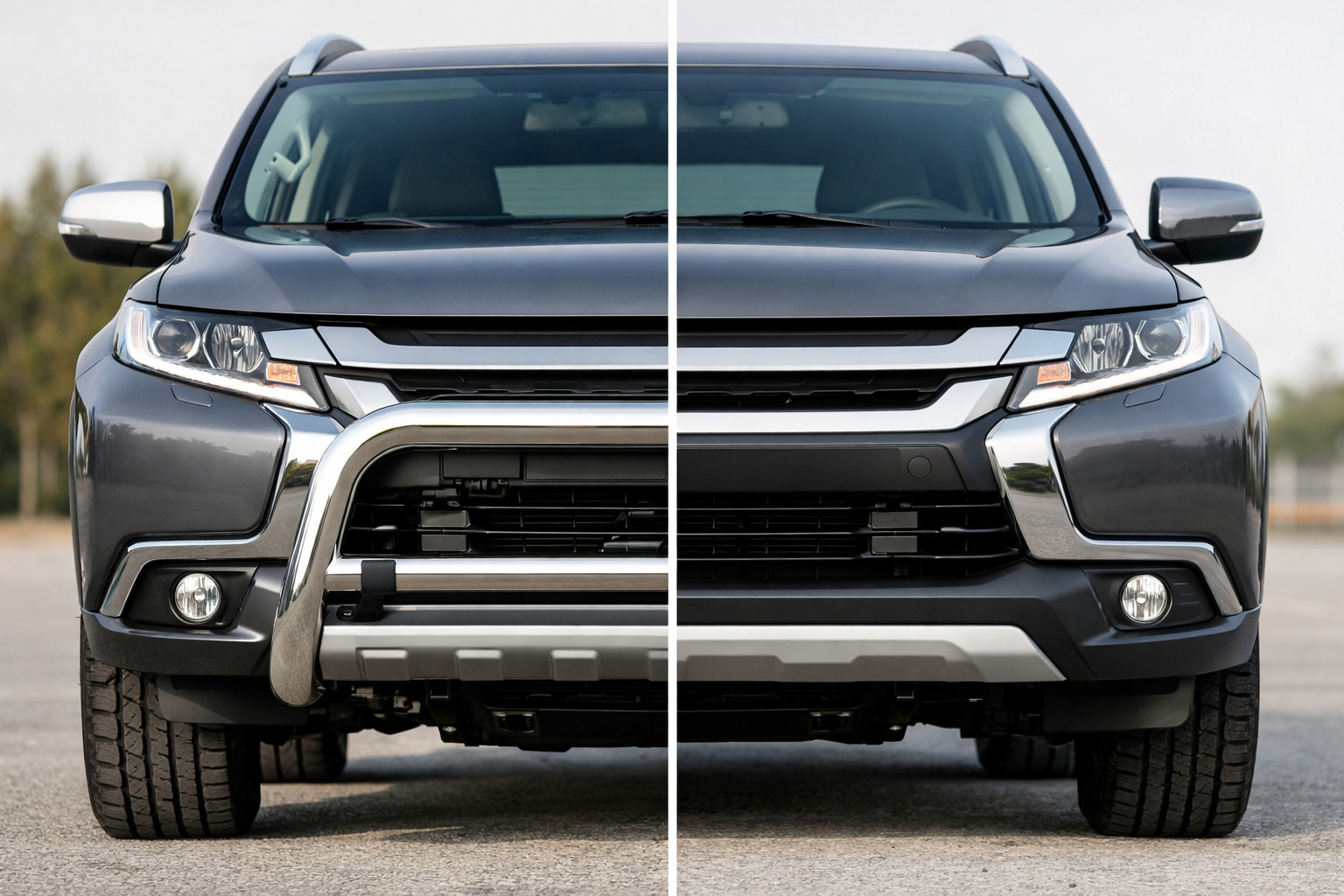
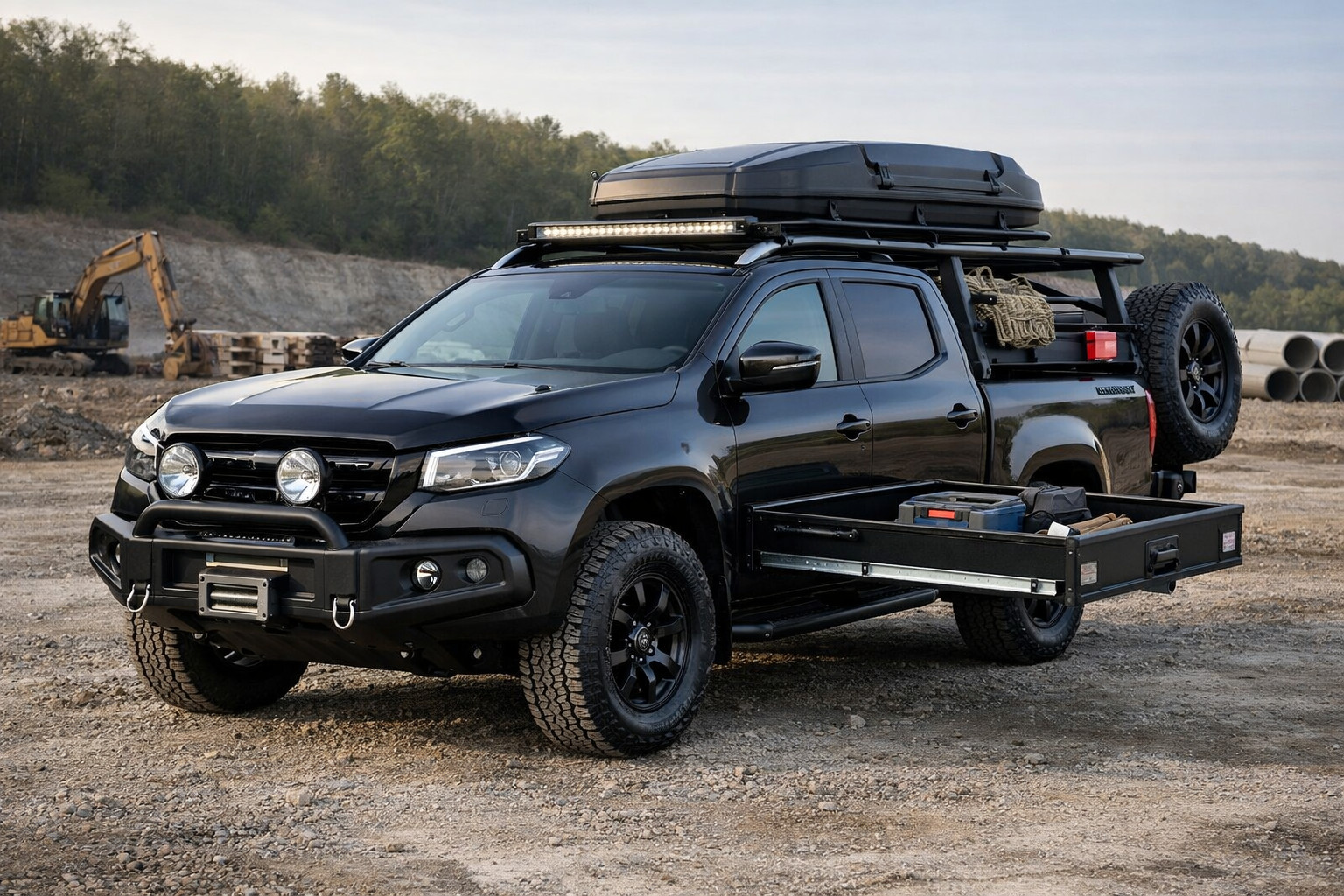
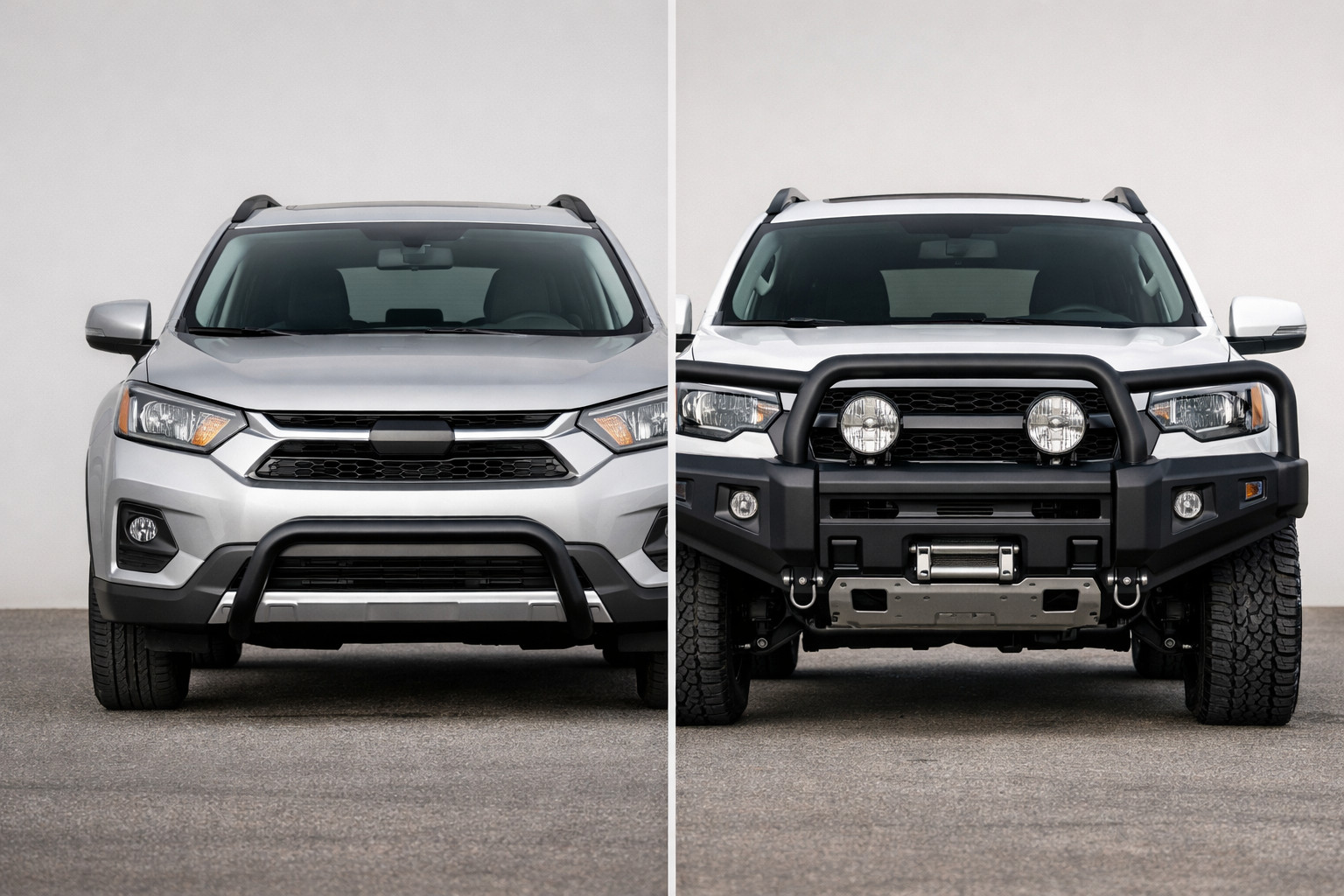
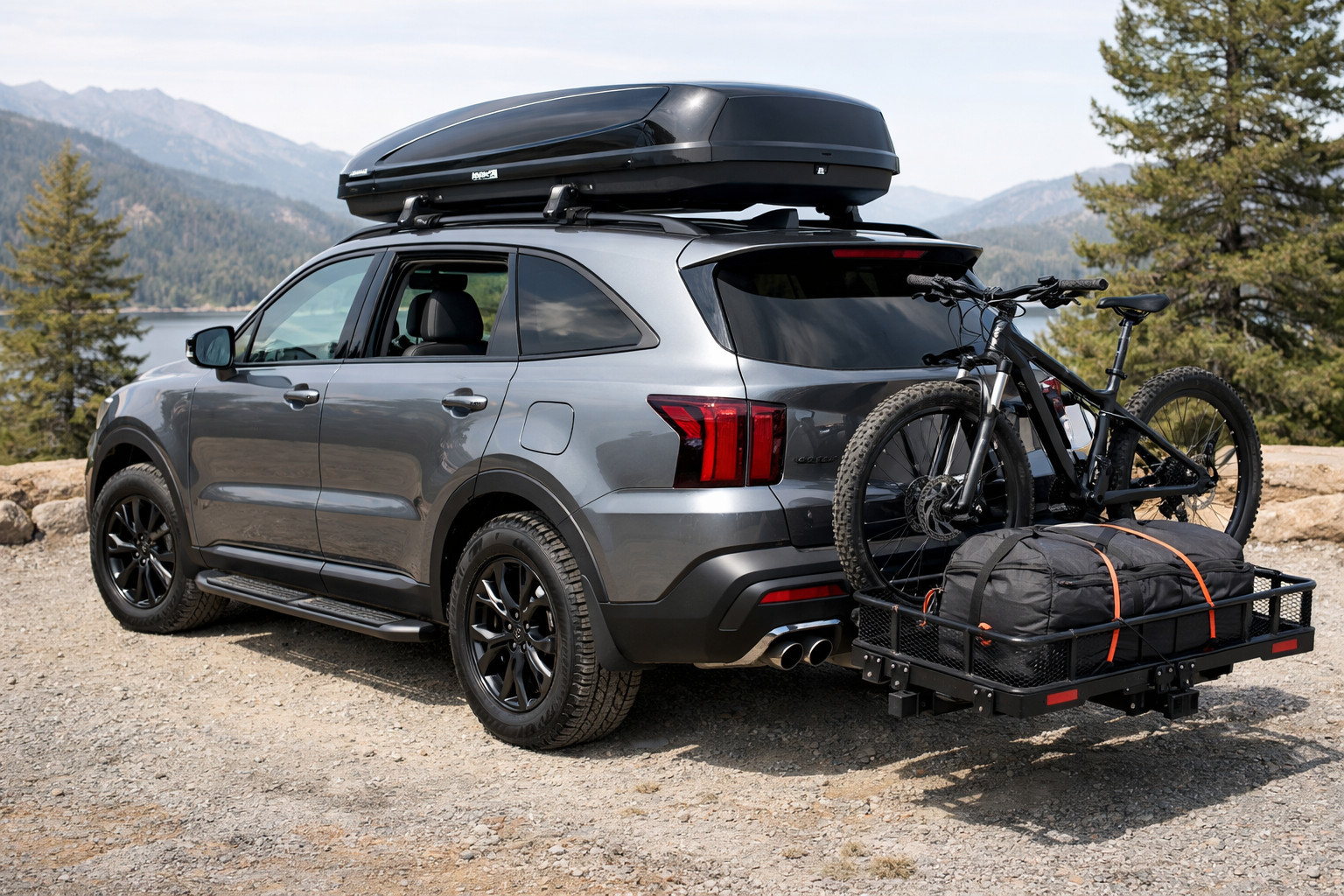
For Carnival, the most useful upgrades aren’t decorative but protective and practical. The first things that usually make sense are floor mats, trunk-area protection, window deflectors, and solutions for carrying extra cargo on the roof. As for bulky exterior add-ons, install them carefully: the minivan is already large, so extra centimeters sometimes get in the way more than they help.
In short, accessories for Carnival make sense when they protect the interior and add functionality. This is exactly the case where practical selection works better than a flashy look.
Kia Carnival 2024 is a strong choice for those who need a true family or road-trip minivan with a full third row, a large cabin, and easy access. It’s not ideal for those who want a more compact car for a tight city or who often drive on poor roads. The conclusion is simple: if your priority is space and everyday convenience, Carnival is very strong; if your priority is maneuverability and all-surface versatility beyond asphalt, you should look elsewhere. This material is based on real selection experience, practical use, and real-world scenarios—not formal marketing descriptions.
| ✔ | Full three-row space: the third row here is not just nominal, and adults can travel there on short or medium trips. This makes Carnival more practical than many large crossovers for family use. |
| ✔ | Sliding doors really make getting children in and out easier and make the car more convenient in tight spaces. In narrow courtyards or parking lots, there is less risk of hitting a neighboring car with the door. |
| ✔ | The trunk remains useful even with all three rows of seats in place. It easily fits suitcases, a stroller, or several large bags. |
| ✔ | On the highway, Carnival behaves calmly thanks to its long wheelbase and comfortable suspension. For long trips with a full load, it is more convenient than most regular crossovers. |
| ✔ | There are two engines with different characters for different tasks: the diesel is suitable for high mileage and highway driving, while the gasoline V6 is for quieter and smoother driving. This allows you to choose the version for your own use case. |
| ✘ | The car is very large, so it is harder to drive in the city than a midsize crossover. Parking, U-turns, and maneuvers in narrow courtyards require getting used to the dimensions. |
| ✘ | Moderate ground clearance and long overhangs do not make Carnival a good choice for bad access roads or rough roads. You need to be careful on curbs and steep exits. |
| ✘ | The diesel version is not the best fit for constant short city trips without proper warm-up. For this kind of use, the article explicitly recommends carefully evaluating your route. |
| ✘ | Interior configurations depend heavily on the version, so you need to check the specific trim before buying. Otherwise, you may end up with the wrong balance between seating capacity and second-row comfort. |
Shipping to EU
Wholesale and retail
Own warehouse
Опис продукту
Подарунки не надаються при оформленні покупки у кредит під 0,01% або при покупці частинами.