05.08.2026
113
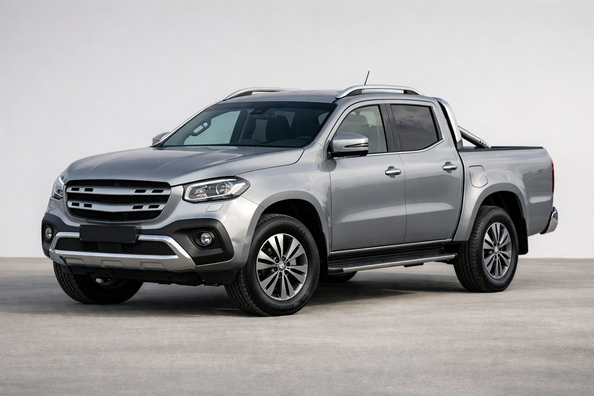
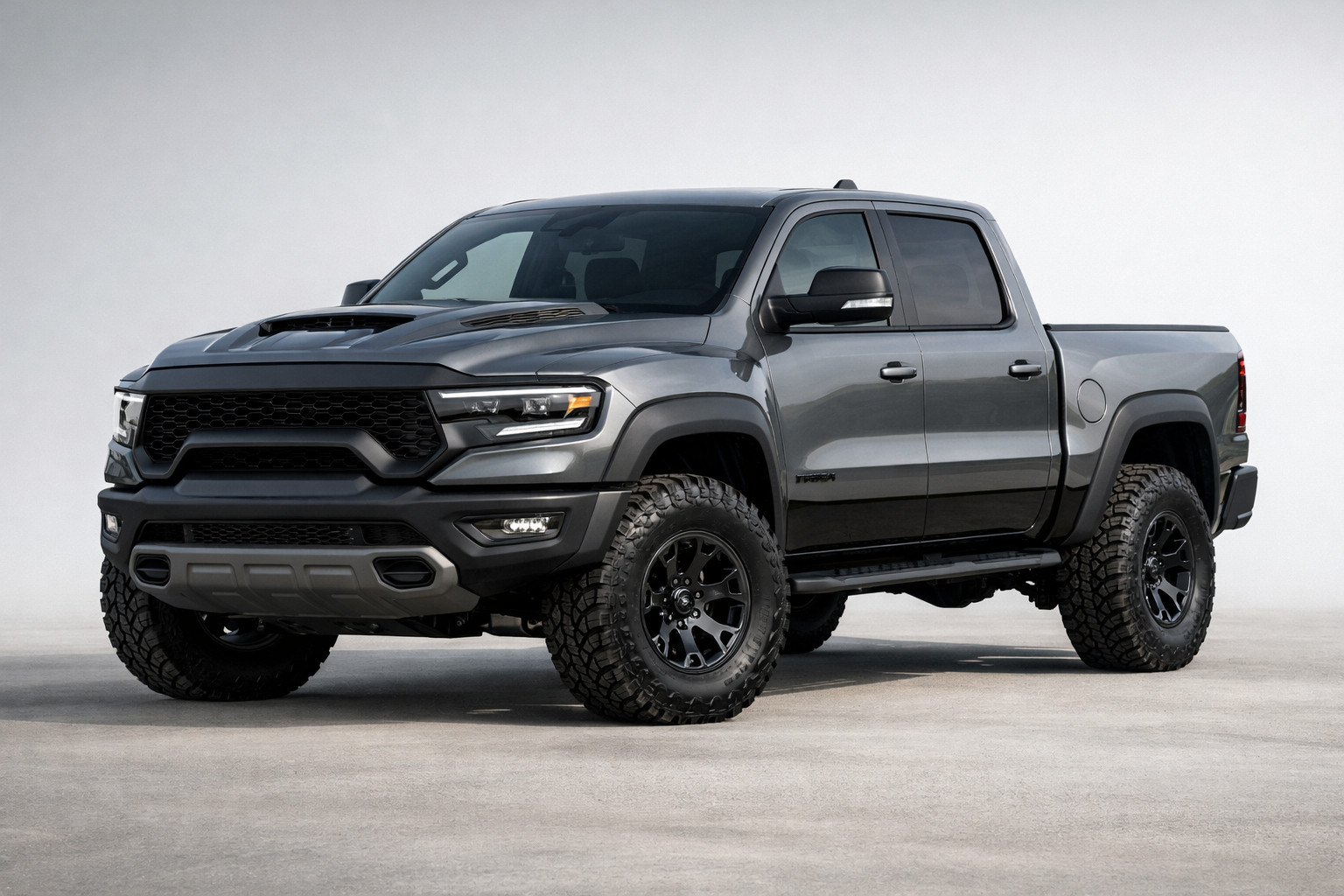
Mercedes-Benz X-Class (W470) is a mid-size body-on-frame pickup in which the brand tried to combine a working bed, torquey diesels, and a more upscale finish than you usually get in this segment. It’s an option for those who need a trailer, a cargo bed, and a high seating position, but don’t want a purely utilitarian cabin.
An important nuance: the X-Class is not a dedicated Mercedes-Benz platform developed from scratch. Architecturally it’s close to the Nissan Navara NP300, so it’s worth buying not as a replacement for the brand’s crossover, but as a pickup with better sound insulation, richer equipment, and, in the X 350 d version, a genuinely strong powertrain.
The X-Class entered a segment where buyers typically look at the Toyota Hilux, Ford Ranger, Volkswagen Amarok, Mitsubishi L200, or Nissan Navara. Its difference is simple: it doesn’t try to be the cheapest or the easiest to maintain, but it delivers a more passenger-car feel in the cabin, better interior acoustics, and nicer equipment.
This model makes the most sense for an owner who actually uses the bed and towing capability, but spends a lot of time driving in the city and on the highway. If you need a purely workhorse pickup for mud, overloads, and максимально rough use, there’s less logic in the X-Class: trim pieces, interior parts, and body repairs are more expensive here.
The X-Class effectively had one generation — W470. The model appeared in 2017, and production ended as early as 2020, so there isn’t much evolution with facelifts. The main changes during the short life of the model concerned the engine lineup and trim levels.
| Period | What matters |
|---|---|
| 2017 | Launch of the Mercedes-Benz X-Class W470, shared base with Navara, focus on the cabin and equipment. |
| 2018 | Introduction of the X 350 d with a дизель V6, 7-speed automatic, and permanent all-wheel drive. |
| 2020 | End of production due to weak demand in the segment. |
So on the used market, the key is not to look for an “updated” or “pre-facelift” version, but to focus on the specific engine, drivetrain type, transmission condition, and the history of towing or hauling.
For Ukraine and Europe, three diesel versions are the most typical. It’s between these that the character of the vehicle differs the most: the 2.3-liter options are the workhorse logic, while the X 350 d is already a faster pickup that’s more expensive to own.
| Version | Engine | Power | Torque | Gearbox | Drivetrain |
|---|---|---|---|---|---|
| X 220 d | 2.3 L turbo diesel | 163 hp | 403 Nm | 6-speed manual, in some markets also an automatic | depending on version: rear-wheel drive or part-time 4WD |
| X 250 d | 2.3 L bi-turbo diesel | 190 hp | 450 Nm | 6-speed manual or 7-speed automatic | part-time 4WD |
| X 350 d | 3.0 L diesel V6 | 258 hp | 550 Nm | 7-speed automatic 7G-Tronic Plus | permanent all-wheel 4MATIC |
If you need a balance, most often people look at the X 250 d: there’s enough pull, the selection on the used market is better, and upkeep is usually simpler than with the V6. The X 350 d suits those who often drive on the highway, tow a trailer, or simply don’t want the pickup to feel slow. The X 220 d makes sense as a calmer, more practical option without a demand for dynamics.
The X-Class is a four-door body-on-frame pickup with a cargo bed, not an SUV pretending to be a pickup. Its strong side is the ability to tow, carry, and endure bad roads, but the dimensions and geometry immediately remind you that this is a big working vehicle.
| Parameter | Reference |
|---|---|
| Years of production | 2017-2020 |
| Body | body-on-frame pickup, double cab |
| Length | 5340 mm |
| Width | 1920 mm |
| Height | about 1820 mm, depending on version |
| Wheelbase | 3150 mm |
| Ground clearance | about 202 mm |
| Cargo bed size | approximately 1587 × 1560 × 474 mm |
| Load compartment volume | about 1.04 m³ |
| Payload | approximately up to 1.0-1.1 t depending on version |
| Towing capacity with braked trailer | up to 3500 kg |
| Wading depth | up to 600 mm |
The chassis matters here no less than the engines. Up front there’s independent suspension; at the rear there’s a solid axle with a spring multi-link setup, so when empty the X-Class typically rides softer than many body-on-frame competitors. But you can’t отменить physics: without a load, the rear end can still hop over transverse bumps, and on narrow streets the 5.34 m length is felt all the time.
It’s in the interior that the X-Class differs the most from related pickups. The dashboard, ergonomics, multimedia, seats, and overall perception are closer to passenger Mercedes-Benz models than to bare work equipment. At the same time, the second-row seating position and the upright cabin geometry still remain pickup-like rather than crossover-like.
In terms of comfort, it’s nicer in everyday driving, especially on the highway, if the vehicle is in good condition and on the right tires. For safety, equipment depends heavily on the trim level: on the market you can find versions with a 360-degree camera, lane-keeping systems, a braking assistant, and a full set of airbags, but there are also much simpler specifications. So you should look not only at the badge and the engine, but also at the exact equipment list.
In daily life, the X-Class is as convenient as the owner genuinely understands they are driving a pickup. You sit high, forward visibility is good, the vehicle is stable on the highway, and the bed and trailer open up scenarios a crossover simply doesn’t have. But underground parking garages, tight courtyards, U-turns, and rear visibility without a camera are not its strong side.
In running costs, the main difference between versions is felt in fuel, tires, brakes, and transmission servicing. The V6 is more pleasant to drive, but more expensive to own. When choosing a used vehicle, it’s worth separately checking the condition of the automatic gearbox, 4WD system, driveshafts, suspension, and the cargo bed bodywork: for a pickup, not only mileage and interior matter, but also whether it worked with a heavy trailer, tools, or off-road.
| Pros | Cons | What it means in practice |
|---|---|---|
| More comfortable cabin than many competitors | More expensive trim and body parts | Nicer day to day, but restoring after minor damage costs more |
| Good towing capability and towing up to 3.5 t | Large dimensions in the city | A strong choice for trailer and cargo, weaker for tight yards and parking |
| X 350 d delivers genuinely strong dynamics for a pickup | V6 is more expensive to service and run daily | More reserve on the highway and with a load, but less sense for a budget-minded owner |
| Rear spring suspension adds comfort | When empty, the rear axle can still be harsh over small hits | Don’t expect body-on-frame behavior like a passenger wagon |
| Practical body and large cargo bed | An open bed without accessories isn’t always convenient in everyday life | For daily use you often need a canopy, liner, or protective covers |
| Some of the hardware is familiar from related pickups | Not everyone воспринимает it as a “true” standalone Mercedes-Benz | A rational decision if you need a tool, not just a brand image |
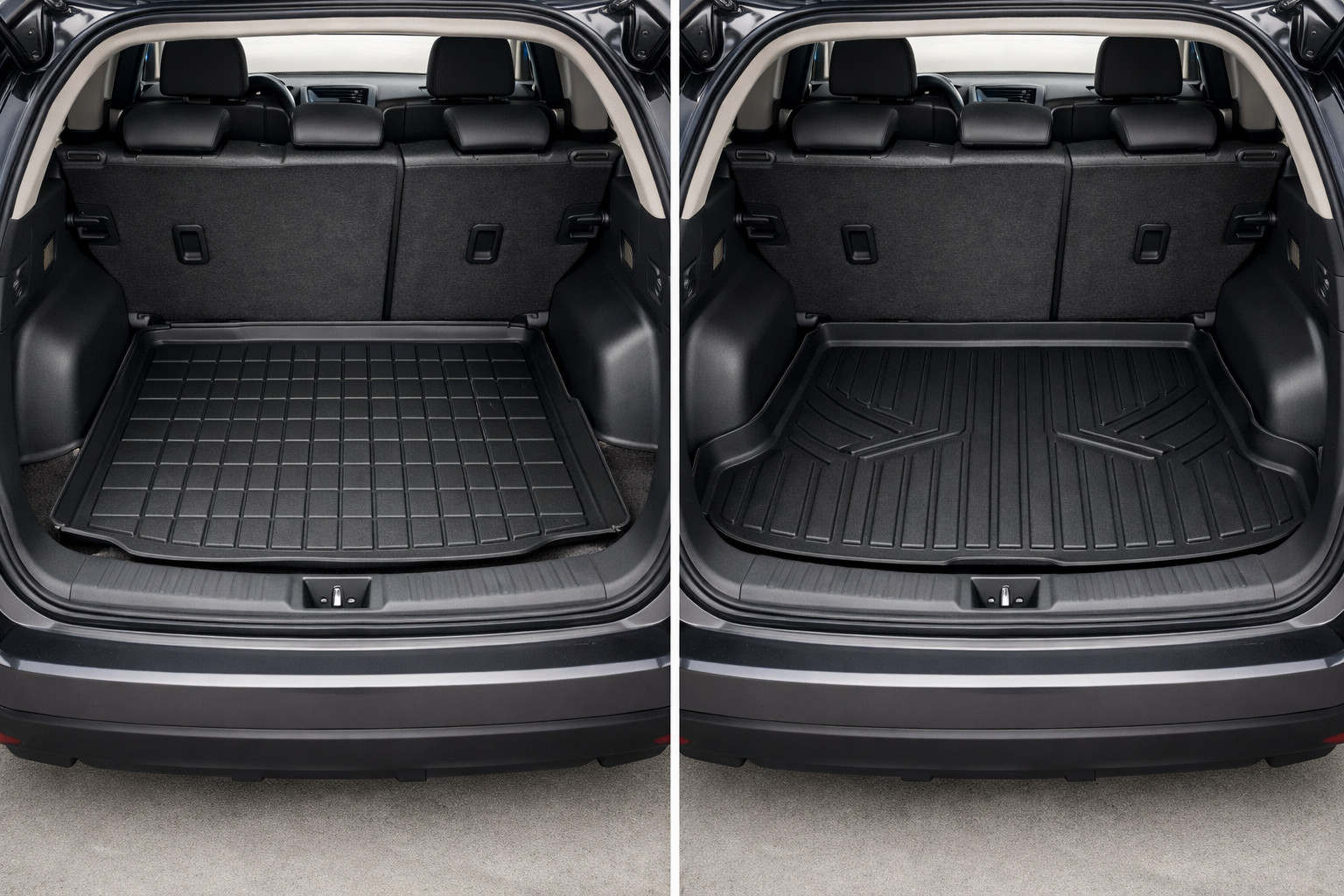
For the Mercedes-Benz X-Class, the smartest tuning doesn’t start with shiny add-ons, but with what actually strengthens your use case. If the bed works as a luggage compartment, most often people choose a canopy for a dry enclosed volume and bed liner plastic so you don’t scuff the floor and sides with boxes, tools, or gear.
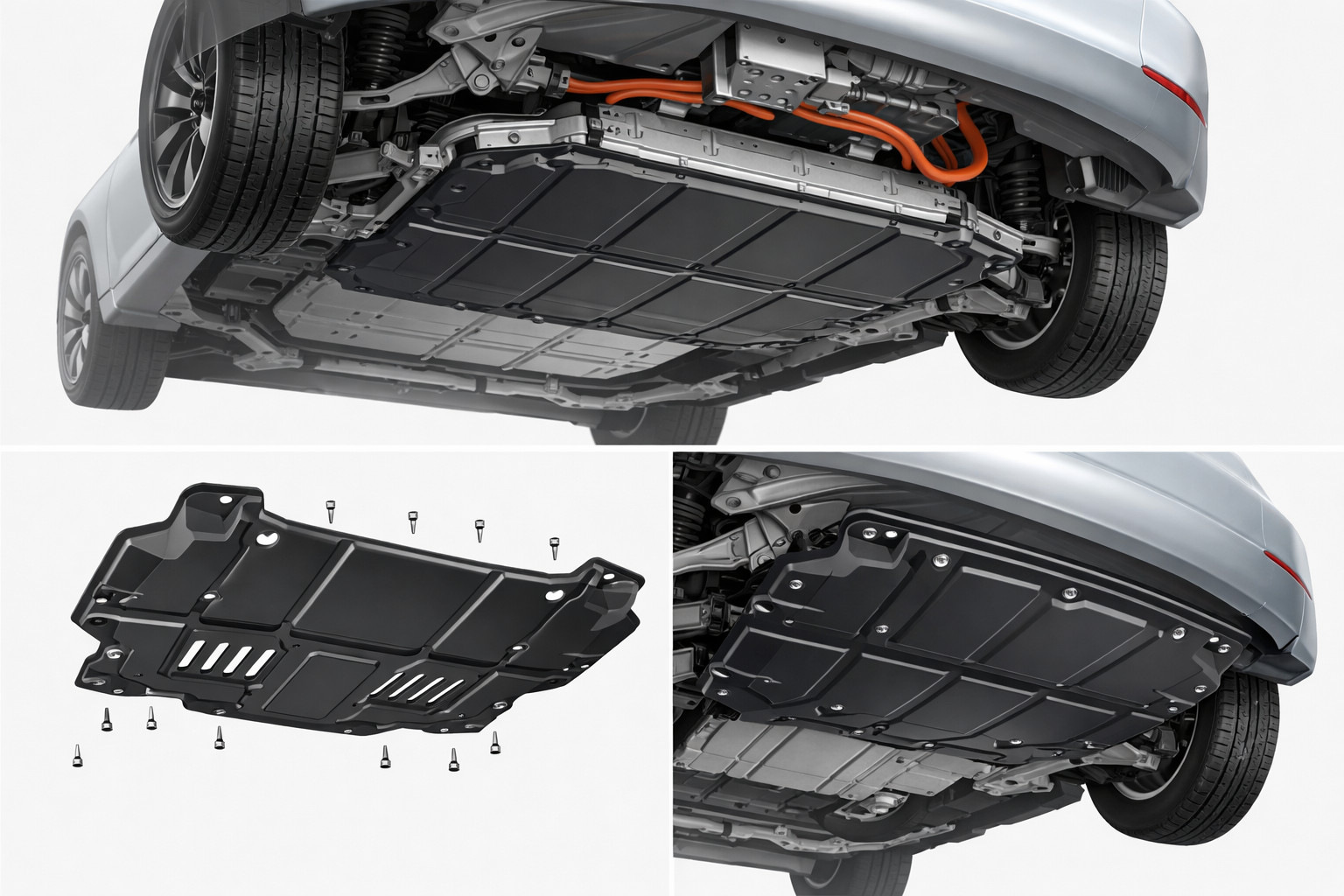
The second logical step is side steps, a front защитa, a sports bar, or deflectors, but these should be selected based on tire height, how you get in and out, and whether the vehicle is used more in the city, on the highway, or on job sites. For the X-Class it’s especially important not to overload the vehicle with heavy decorative metal: the pickup is already big, and extra mass worsens handling, braking, and payload.
The Mercedes-Benz X-Class is not the cheapest or the simplest pickup in its class, but it’s one of the few that truly combines body-on-frame practicality with a more passenger-car feel inside. It’s best suited to those who need a bed, towing, and a high seating position, but don’t want to put up with very rough utilitarianism. If the vehicle is needed mainly for the city or as an image-driven replacement for a crossover, the logic of the purchase is weaker.
This material is based on real подбор experience, practice, and recurring usage scenarios, so the main conclusion is simple: the X-Class is worth buying when you truly need a pickup, not just a big vehicle with a Mercedes-Benz badge.
| ✔ | A more comfortable cabin and better sound insulation than many other pickups. In everyday driving, this noticeably reduces fatigue, especially on the highway. |
| ✔ | It has real towing capability: the vehicle can tow a trailer up to 3.5 t. This makes the X-Class useful for work, transporting equipment, or a boat. |
| ✔ | The rear spring suspension adds smoothness compared with many ladder-frame rivals. Unladen, the vehicle rides more softly than typical 'workhorse' pickups. |
| ✔ | The X 350 d version has a strong V6 and permanent all-wheel drive. It is better suited to highway driving and carrying loads when extra pulling power is needed. |
| ✔ | The large cargo bed and high seating position expand the practical use cases. The vehicle is suitable both for work and for active everyday use. |
| ✘ | Its large dimensions make the pickup inconvenient in the city, in tight yards, parking lots, and when turning around. The 5.34 m length is constantly noticeable. |
| ✘ | Decorative and body parts are more expensive than on more utilitarian pickups. After minor damage, repairs can end up noticeably more costly. |
| ✘ | The V6 version is more expensive to service and maintain in everyday use. It is not the best choice for someone who wants to minimize costs. |
| ✘ | When empty, the rear axle can feel stiff over small bumps. Without a load, the X-Class does not always feel comfortable on bad roads. |
Shipping to EU
Wholesale and retail
Own warehouse
Опис продукту
Подарунки не надаються при оформленні покупки у кредит під 0,01% або при покупці частинами.