12.06.2026
164
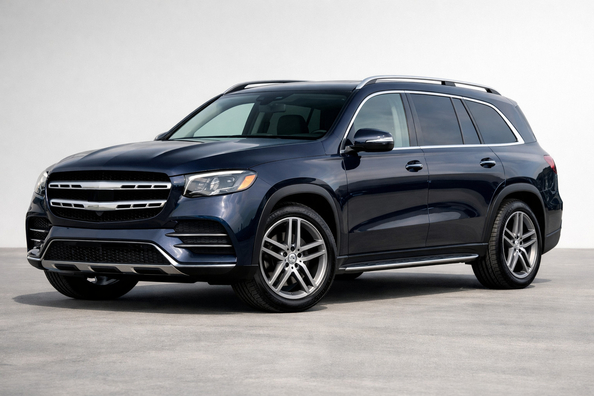

The Mercedes GLS X167 from 2019 is a large three-row premium SUV for those who genuinely need space, highway quietness, and a solid comfort reserve for family use or long trips. Its main strength isn’t showy aggression, but the fact that it carries seven people without a sense of compromise, offers strong engines, and delivers a very grown-up level of ride smoothness.
But no illusions: the GLS is expensive to maintain, bulky in the city, doesn’t tolerate careless service, and isn’t as straightforward to live with as it looks in pictures. If you need a big “do-it-all” vehicle with a truly usable third row, it’s a strong option. If you mostly drive in the city and aren’t ready for fuel consumption, complex electronics, and 5.2 m of size, it makes sense to look at something smaller.
The GLS X167 sits at the top of Mercedes-Benz’s large SUV lineup and plays in a segment where buyers compare not only trim quality but real practicality. Its direct purpose is long-distance family travel, carrying adult passengers across three rows, towing, and high everyday comfort.
In the market, this model is interesting because it combines a very soft ride with huge capacity. Many large premium SUVs technically have a third row, but it’s awkward to use. In the GLS, that’s one of the main reasons to buy. At the same time, it’s not a car for those who want a “car-like” feel in a tight city: the dimensions, mass, and the amount of electronics constantly remind you that this is a full-size vehicle.
X167 is the current generation of the Mercedes GLS, launched in 2019 and, in some markets, effectively introduced as model year 2020. This generation brought a new MBUX cabin, a stronger focus on digital systems, a broader set of driver aids, and even better day-to-day usability of the third row.
For buyers, it’s important not to confuse the X167 with the previous big GLS. Conceptually it’s the same class of vehicle, but in terms of electronics, interface logic, air-suspension behavior, and the potential cost of servicing, the X167 feels noticeably more modern—and more complex. That’s a plus for comfort and equipment, but not always a plus for long-term simplicity of ownership.
With the X167, the key is not mixing up engines across markets and model years. The same GLS 450 badge can come with different power figures depending on specification, so when buying it’s better to look not at the name but at the VIN, year, and specific market of origin.
| Version | Engine | Power | Torque | Transmission |
|---|---|---|---|---|
| GLS 450 MY2020 USA | 3.0 L inline 6-cylinder turbo, mild hybrid | 362 hp | 500 N·m | 9-speed automatic, all-wheel drive |
| GLS 450 current European specification | 3.0 L inline 6-cylinder turbo, mild hybrid | 381 hp plus 20 hp from the starter-generator | 500 N·m | 9-speed automatic, all-wheel drive |
| GLS 580 | 4.0 L twin-turbo V8, mild hybrid | 483–510 hp depending on year and market | 700–729 N·m | 9-speed automatic, all-wheel drive |
| AMG GLS 63 | 4.0 L twin-turbo V8, mild hybrid | 612 hp in the current European specification | 850 N·m | AMG 9-speed automatic, all-wheel drive |
The baseline, from a selection standpoint, is the GLS 450. The inline “six” provides enough pull for the vehicle’s mass, makes more sense as a daily option, and doesn’t hit fuel consumption as hard as the V8. The GLS 580 is for those who often drive fully loaded, tow a trailer, or simply don’t want their performance reserve to be “just enough.” The AMG GLS 63 is no longer a rational family GLS, but a separate very fast version with correspondingly higher running costs.
In terms of body size, it’s a very large vehicle: length over 5.2 m, a 3135 mm wheelbase, and width over 2.15 m with mirrors. That’s why it’s so comfortable in the second and third rows, but that’s also why it takes getting used to in parking lots, narrow courtyards, and underground ramps.
| Parameter | Value |
|---|---|
| Length | 5209 mm |
| Width without mirrors | 1956 mm |
| Width with mirrors | 2157 mm |
| Height | 1823 mm |
| Wheelbase | 3135 mm |
| Turning radius | 12.54 m |
| Trunk | 355 L or 493–2399 L depending on version and measurement method |
| Towing | up to 3500 kg |
| Roof load | 100 kg |
| Fuel tank | 90 L |
| Ground clearance | depends on version; the AMG GLS 63 is listed at 250 mm, while on regular versions the height is adjustable via air suspension |
The chassis uses an independent double-wishbone front suspension and a multi-link rear setup, with the key character element being the AIRMATIC air suspension with self-leveling. In real driving, that means very calm absorption of bumps, good comfort under load, and less fatigue on the highway. But it also means more expensive maintenance than on simpler large crossovers.
The interior is one of the main reasons to consider the GLS. There’s genuinely a lot of space, and the third row isn’t only for kids. For a large family or trips with friends, it’s not a decorative option but a working part of the vehicle. Seating configuration depends on the market: both 6- and 7-seat versions exist.
In terms of comfort, the X167 is very strong: quiet at speed, a soft suspension, plenty of seat comfort, and a good level of audio. The infotainment has two large displays, but that’s also a weak point: not everyone clicks with MBUX logic from day one, and touch controls distract more than classic buttons. Safety equipment is also at a high level: adaptive cruise control, active lane keeping, blind-spot monitoring, 360-degree view, parking assistance, and off-road camera views on certain versions.
In daily life, the GLS is at its best where there’s room for its format: highways, intercity driving, family trips, airport runs, travel with luggage, or towing. Here it’s logical and very convenient. In the city, the picture changes: the width, large turning radius, and high body line make you rely more often on cameras and parking sensors.
Fuel consumption won’t be low in any version. For the GLS 450, official figures may still look tolerable, but the V8 versions already require a relaxed attitude toward fuel stops. Another topic is long-term electronics: before buying, it’s worth checking the service history, the condition of the air suspension, the operation of the driver aids, and whether campaigns related to the 48-volt system have been completed on certain vehicles.
| Strengths | Weaknesses |
|---|---|
| One of the most comfortable third rows in the class | Large dimensions in the city and in parking lots |
| Very quiet and smooth ride | High fuel consumption, especially with the V8 |
| Strong engines and a well-matched 9-speed gearbox | Complex MBUX logic and touch-heavy controls |
| Towing up to 3500 kg and strong family practicality | Expensive suspension and electronics maintenance |
| Powerful set of driver aids and cameras | Requires careful checking of history and the 48-volt system |
From an owner’s perspective, the main plus of the GLS is simple: it truly covers many scenarios with one vehicle. The main minus is just as simple: any mistake in choosing a good example is expensive here, so saving on a pre-purchase inspection quickly turns into costs afterward.
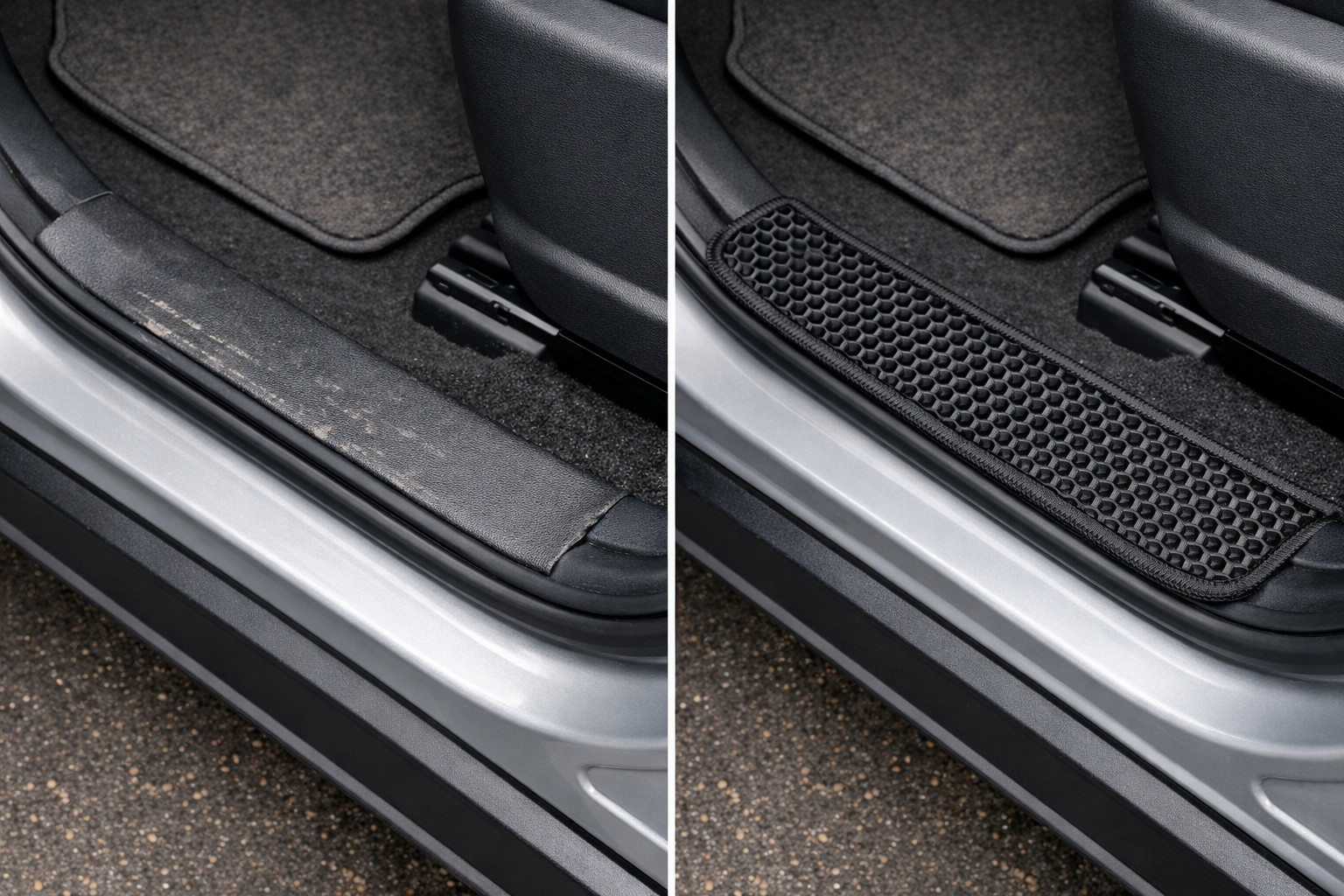
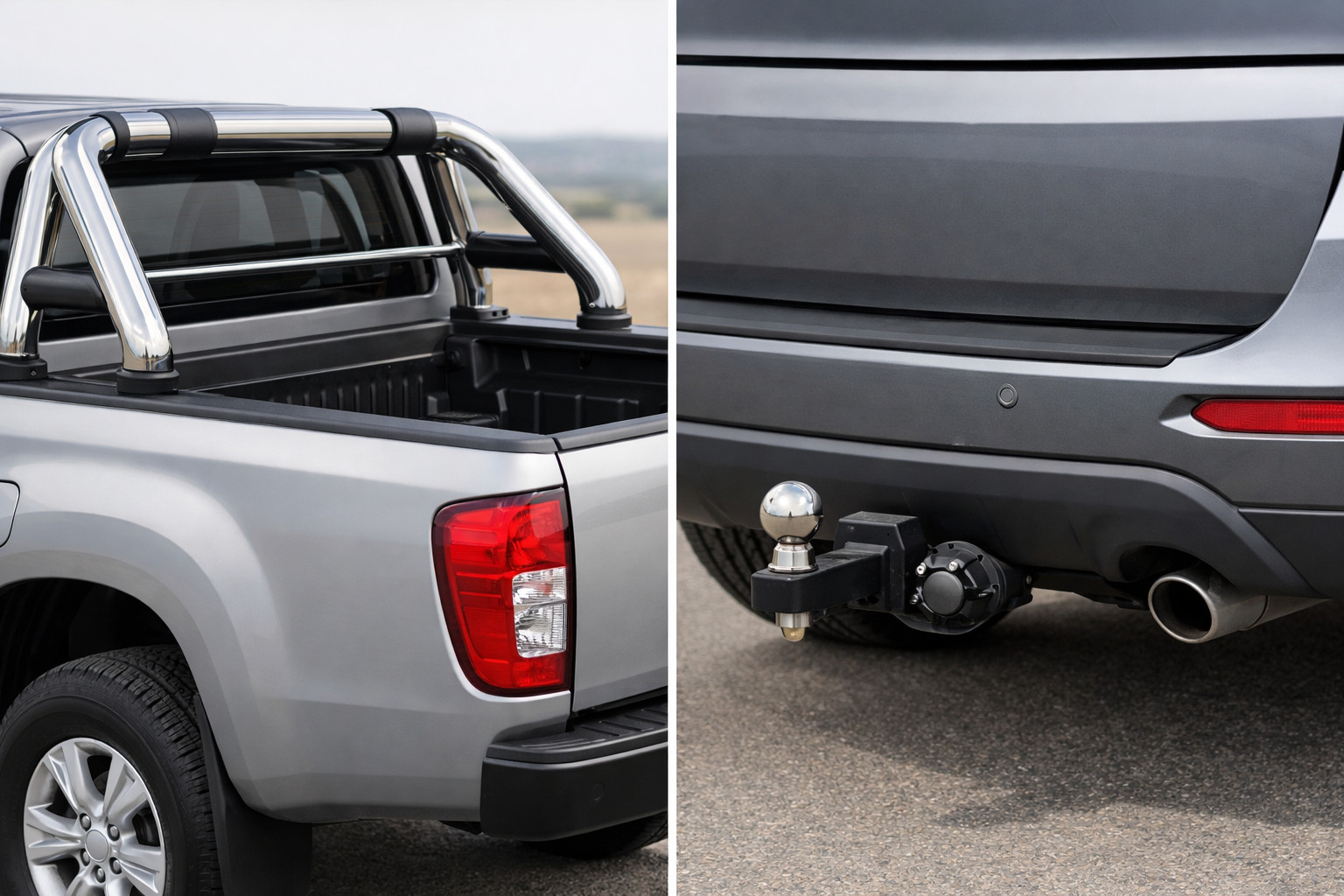
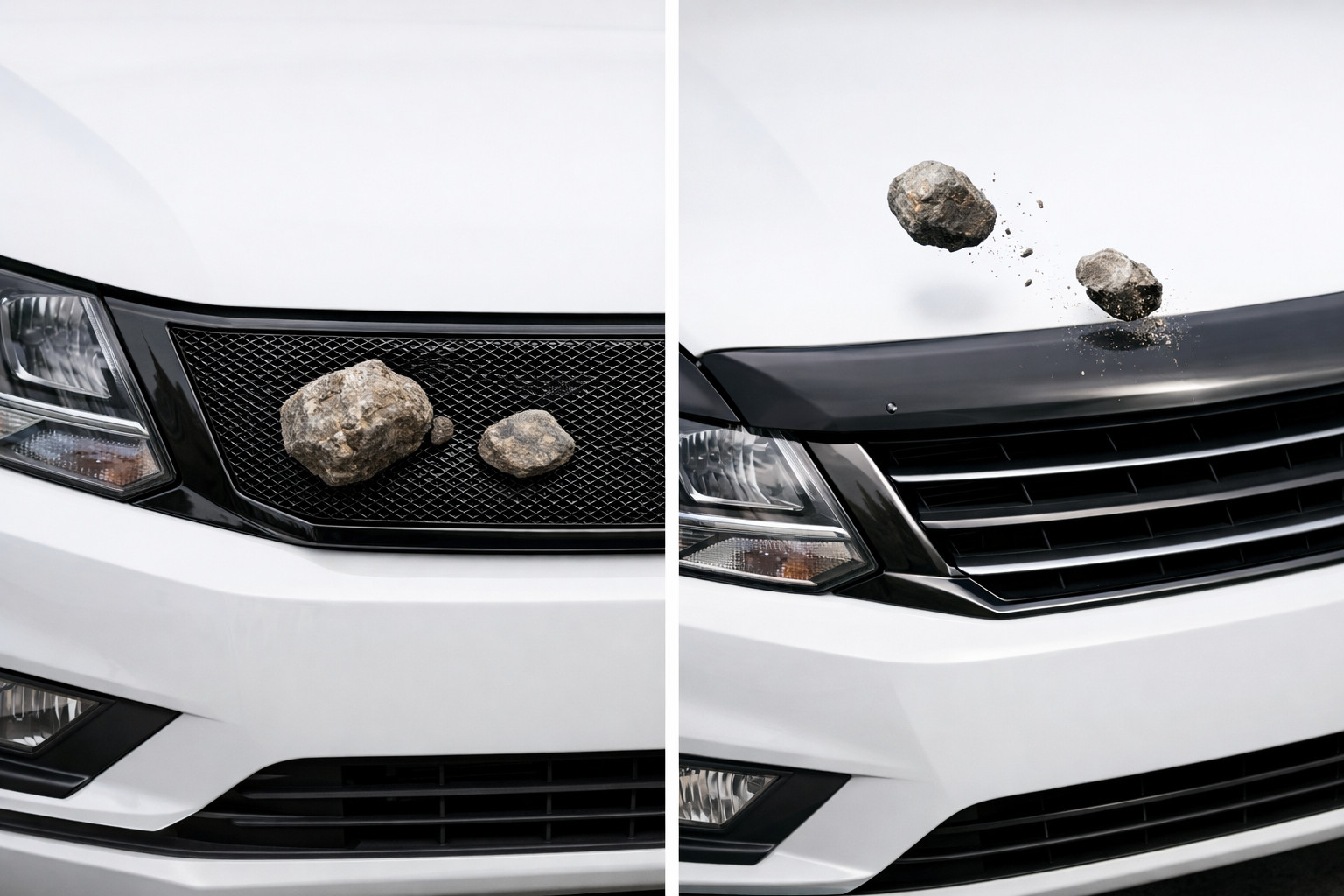
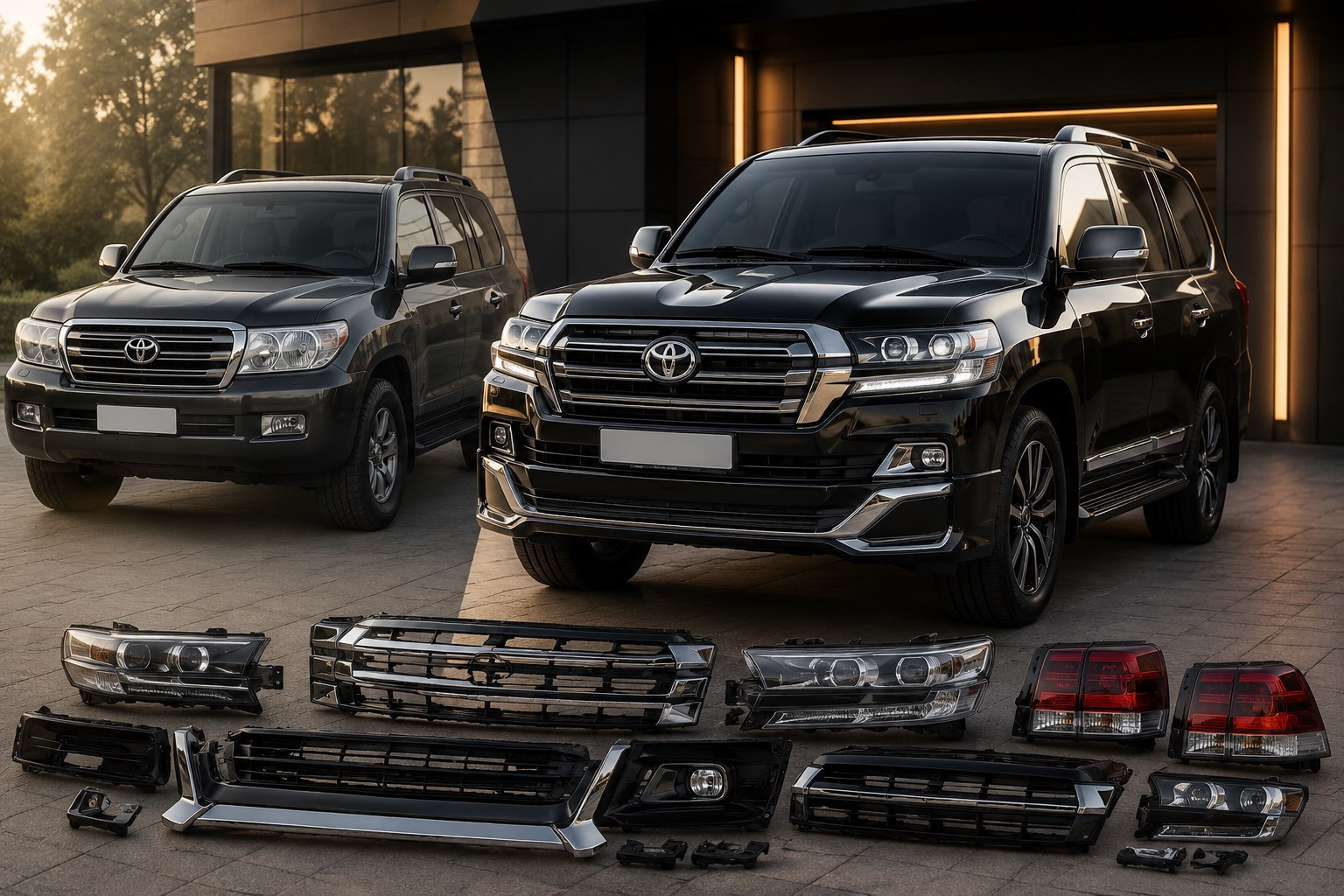
For the GLS X167, the smartest direction for upgrades is practical rather than decorative. This body is large, family-oriented, and often used with luggage, kids, and long-distance trips, so useful accessories bring more day-to-day value than aggressive add-on trims.
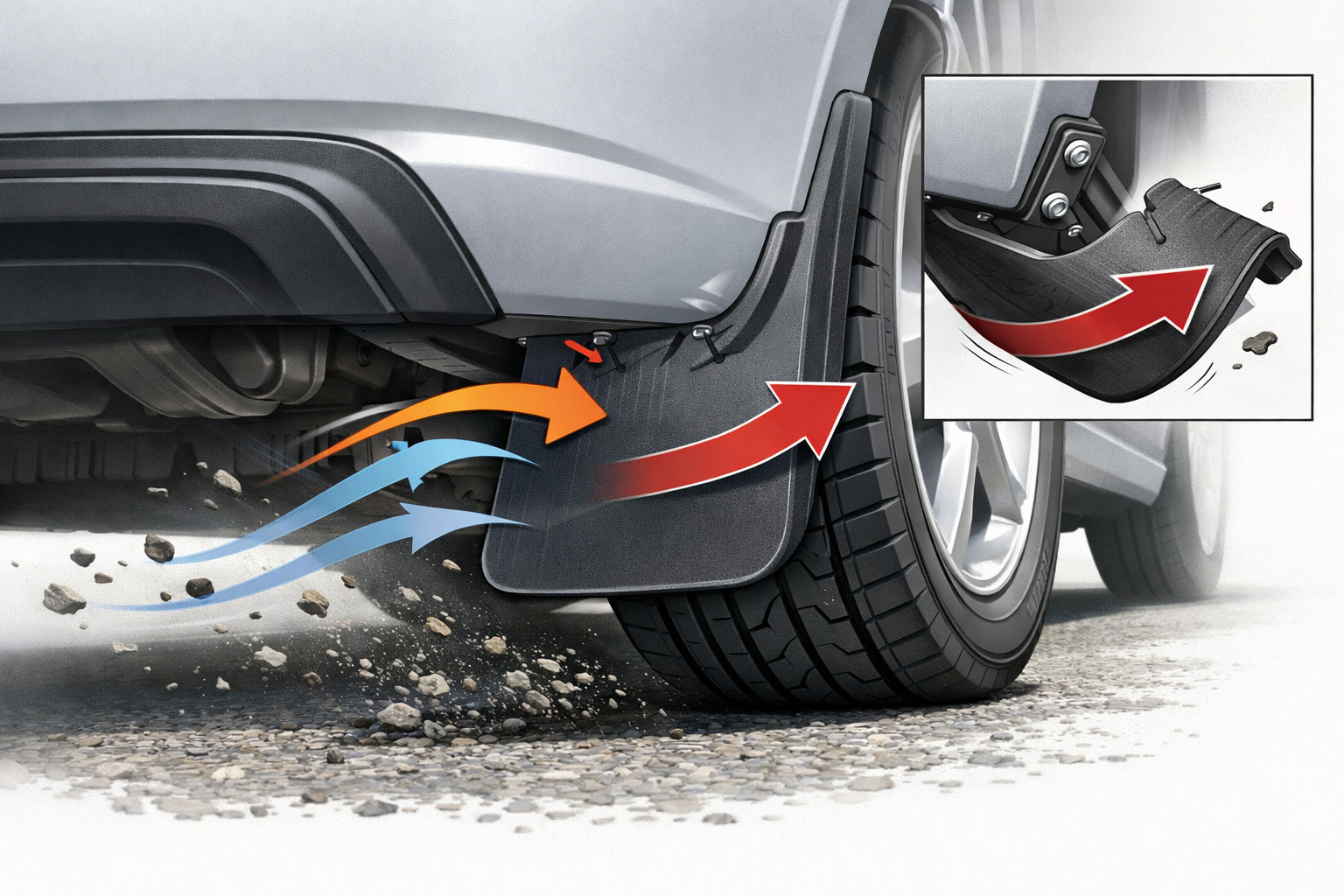
Other upgrades that make sense without extra show: seasonal interior floor mats, mud flaps for daily driving, and roof cargo solutions if the vehicle is used for vacations. In this class, tuning should improve convenience, not just change the look.
The Mercedes GLS X167 is a strong large premium SUV for those who truly need space, highway comfort, a full-size third row, and the ability to tow a trailer or cover long distances without fatigue. It works best as a family vehicle for long routes or as an all-purpose large daily driver if you’re ready for its scale and running costs. But for strictly urban use, tight parking, and a desire for maximum simplicity, it’s not the most convenient scenario. This material is based on real selection experience, practice, and real-world use cases, so the main advice is simple: buy the GLS X167 not with your eyes, but after a sober check of the exact version, service history, and whether you truly need this particular vehicle format.
| ✔ | A full third row: in the GLS X167, it is genuinely usable not only for children, which makes the car practical for a large family or trips with passengers. |
| ✔ | Very quiet and smooth ride on the highway: the AIRMATIC air suspension handles bumps well and reduces fatigue on long trips. |
| ✔ | Strong engines and a well-matched 9-speed gearbox: even the base GLS 450 has enough pull for the heavy body, while the higher versions offer a large reserve of power. |
| ✔ | Good towing capacity of up to 3500 kg: the car is suitable not only for family trips, but also for a trailer or active leisure with cargo. |
| ✔ | Many assistants and cameras: adaptive cruise control, lane keeping, blind spot monitoring, and surround view really help in a large car. |
| ✘ | Large dimensions in the city: due to its length of over 5.2 m, width, and large turning radius, the car is inconvenient in parking lots, courtyards, and narrow streets. |
| ✘ | High fuel consumption, especially in V8 versions: for daily city driving, this will be a noticeable expense item. |
| ✘ | Complex MBUX multimedia logic and touch controls: not everyone finds the system convenient to use without being distracted from the road. |
| ✘ | Expensive maintenance of the air suspension and electronics: even minor issues can make ownership costly. |
| ✘ | Careful checking of the history and 48-volt system is needed before purchase: saving on diagnostics here can result in expensive costs after buying. |
Shipping to EU
Wholesale and retail
Own warehouse
Опис продукту
Подарунки не надаються при оформленні покупки у кредит під 0,01% або при покупці частинами.