09.07.2026
397
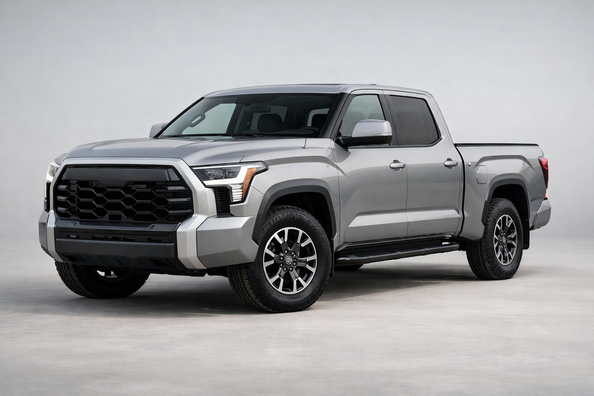
Toyota Tundra is a full-size pickup for the US market, chosen for capacity, towing and durability—not for flashy looks. In how it’s used, it’s closer to a big work tool with passenger-car comfort than to the mid-size pickups we’re used to.
The key before buying is not to judge the Tundra in the abstract. The differences between generations are huge: older trucks rely on naturally aspirated engines and simple construction, while newer ones switched to a twin-turbo V6, a hybrid, and a much more modern cabin. So you need to look at a specific year, cab, bed length, and drivetrain.
Tundra plays in the same class as the Ford F-150, Ram 1500, and Chevrolet Silverado. It isn’t always the flashiest in terms of trims, but it has a strong reputation for longevity, simpler engineering solutions, and predictable long-term ownership.
In Ukraine, it’s almost always an import from the US. That’s why the model suits those who genuinely use the bed and towing capability: trailer, boat, building materials, ATV, long highway trips. If you need a single vehicle for a tight city, parking garages, and short daily routes, the Tundra often turns out too large and too costly.
Tundra has three main generations, and each differs noticeably in character. The first was simpler and more compact, the second made the model a true rival to American full-size pickups, and the third shifted the focus from rugged simplicity to technology and comfort.
| Generation | Production years | What matters to know |
|---|---|---|
| First | 1999-2006 | Simpler design, naturally aspirated engines, smaller dimensions; some versions had a manual transmission. |
| Second | 2007-2021 | The model grew sharply in size, got strong V8s, and became the most common Tundra on the used market. |
| Third | from 2021 | New platform, V8 dropped, twin-turbo V6 and hybrid, better comfort and modern safety systems. |
For a buyer this means one simple thing: the first Tundra is interesting as older, utilitarian hardware; the second as a proven big pickup with naturally aspirated V8s; the third as a modern truck that’s much better for daily driving, but with more complex engineering.
There was no factory diesel for the Tundra. The engine lineup has always been gasoline, and this is where the model’s evolution is most visible: from big naturally aspirated engines to boosted V6s and a hybrid setup.
| Generation | Real-world engines | Power | Transmissions |
|---|---|---|---|
| First | 3,4 V6; 4,0 V6; 4,7 V8 | 190; 236; 240-282 hp | 5-speed manual, 4- or 5-speed automatic |
| Second | 4,0 V6; 4,7 V8; 4,6 V8; 5,7 V8 | 236; 271-276; 310; 381 hp | 5- or 6-speed automatic |
| Third | 3,4 twin-turbo V6; 3,4 hybrid | 348-389; 437 hp | 10-speed automatic |
If you want the most straightforward powertrain, most people look toward the second generation—especially versions with the 5,7-liter V8. The third generation drives noticeably more modern: it’s quieter, more flexible, and handles better, and the hybrid here is designed less for economy and more for pulling power and response under load.
Tundra comes with different cabs and bed lengths, and that’s what affects practicality the most. For the city, the shorter version is at least somewhat tolerable, while long beds are more convenient for work but demand more space literally everywhere.
Up front the model has independent suspension, but at the rear there’s an important difference: the first and second generations use leaf springs, so they handle weight better, but ride harsher when empty. The third generation switched to rear coil springs, and you feel that in everyday driving right away.
| Parameter | Reference | What it means in practice |
|---|---|---|
| Length | about 5545-6415 mm | The difference between short and long versions is very noticeable when parking and making U-turns. |
| Width | about 1910-2040 mm | In narrow courtyards and underground garages, this becomes a major factor. |
| Ground clearance | usually around 205-280 mm | There’s good margin for curbs, snow, and dirt roads, but it depends on the version and tires. |
| Wheelbase | about 3260-4180 mm | The longer the wheelbase, the better the highway stability—and the harder the city maneuvers. |
| Bed volume | roughly 1,9-2,8 m³ | With the Tundra, it’s more accurate to look at the bed rather than a conventional trunk. |
Tundra’s strong point is cabin space, especially in the large four-door versions. Even in the second generation, the rear row can be genuinely family-friendly rather than just symbolic. The seating position is high, forward visibility is good, but you feel the size all the time.
Interior quality depends on the generation. Older trucks are simpler and rougher to the touch, but they hold up well over years of use. The third generation already feels like a modern large vehicle: better sound insulation, softer materials, proper infotainment, and a stronger set of electronic driver aids. In terms of safety, older Tundras are noticeably simpler; newer ones are much closer to current standards.
Day to day, the Tundra requires getting used to its size. The wide body, long hood, and large turning radius are hardly annoying on the highway, but become the main issue in courtyards, tight gas stations, and supermarket parking lots.
The second point is costs. Fuel, large tires, brakes, suspension components, and body parts cost more than on a mid-size pickup. For US imports, you also check the frame condition, underbody corrosion, damage history, and what kind of duty cycle the truck had before. If you need the bed regularly and have room for a large vehicle, the Tundra makes a lot of sense. If not, the size and thirst start to annoy faster than they please.
| Strength | Weakness | Practical takeaway for the owner |
|---|---|---|
| Long-lasting naturally aspirated V8s in older generations | High fuel consumption | Great for pulling, towing, and straightforward service logic, but expensive for daily city driving. |
| Large cabin and roomy bed | Hard to park and maneuver | On the highway and at work it’s a plus; in dense city traffic it’s a constant compromise. |
| Strong reputation on the used market | On imported vehicles, frame condition and repair history are critical | Without an underbody inspection and history check, it’s risky to buy even a well-presented example. |
| Sturdy suspension under load | An empty pickup can ride harshly, especially 1st-2nd generation | If you rarely carry cargo, the third generation will be more comfortable in everyday life. |
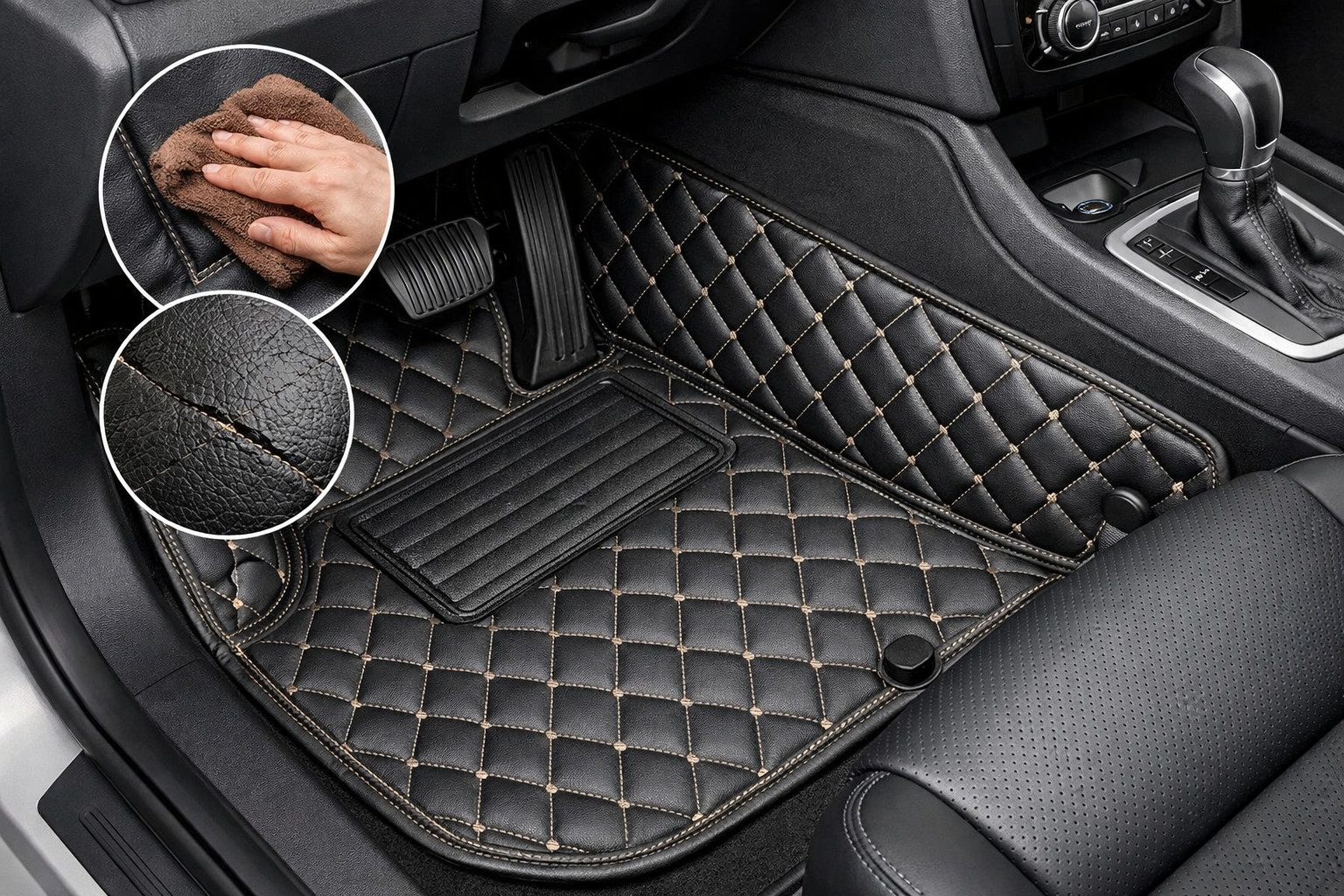
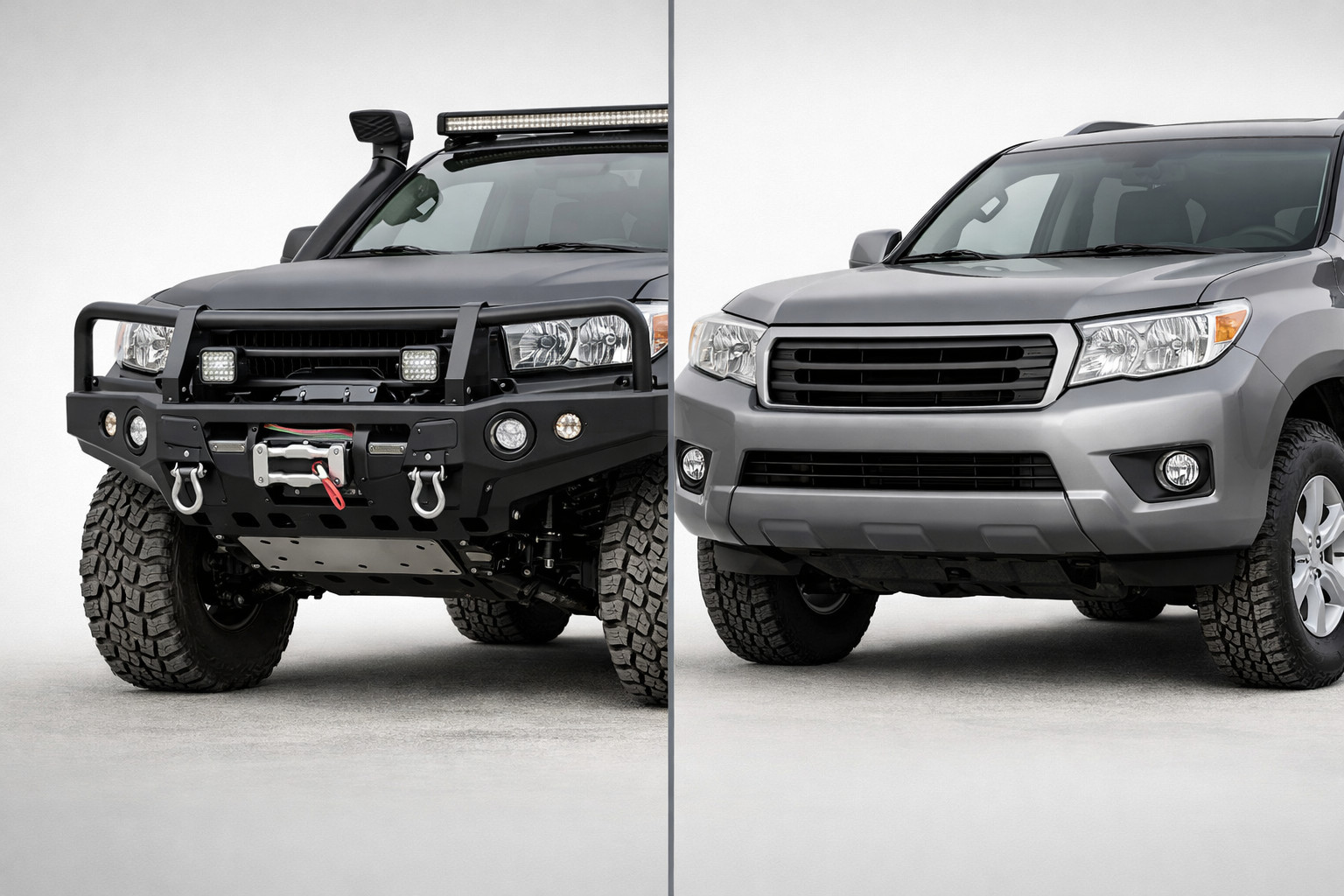
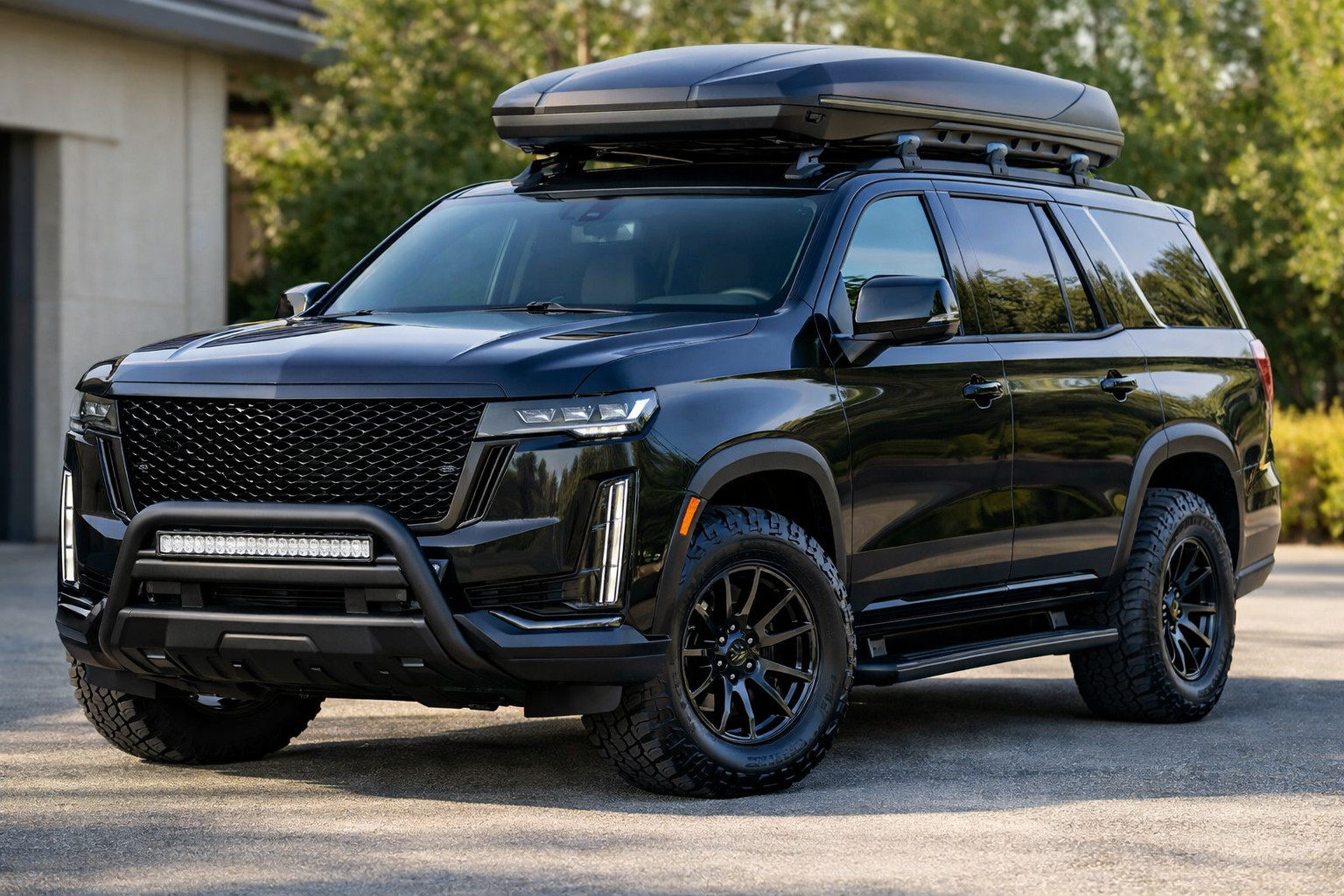
For the Tundra, tuning makes sense when it solves a specific task: protects the interior from dirt, makes entry easier, shields the body from sandblasting, or helps you live with a big pickup every day. Decorative trim without practical benefit usually takes a back seat for this model.
After this Toyota Tundra review, it’s worth matching your generation and configuration. The site has a good selection of accessories for the second generation, and for the newer Tundra there are already basic protective items that are the logical place to start.
Toyota Tundra isn’t a universal choice for every situation; it’s a big tool for specific tasks: trailers, long trips, active leisure, cargo work, and the need for a truly spacious cabin. For many, the most straightforward choice remains the second generation with a naturally aspirated V8, but the third is stronger in comfort, handling, and safety.
Before buying, what matters most isn’t the badge on the grille, but the frame condition, the vehicle’s history, the body configuration, and real use cases. This material is based on real selection experience, practice, and real-world usage scenarios, so the main advice is simple: first define what exactly you’ll do with the Tundra every day, and only then choose the generation and accessories.
| ✔ | The large cab and roomy bed make the Tundra convenient for carrying passengers, cargo, a trailer, or equipment. In four-door versions, the rear seat can already be used as a full family space. |
| ✔ | Older generations have a simpler design and durable naturally aspirated V8 engines that are well suited for towing and hauling. For the owner, this means straightforward mechanics without unnecessary maintenance complexity. |
| ✔ | On the highway, the Tundra is stable and comfortable thanks to its long wheelbase and high seating position. For long trips, trailer work, and active recreation, this is a practical advantage. |
| ✔ | The third generation is noticeably better suited for daily use: it is quieter, more comfortable, and has modern safety systems. The rear coil spring suspension also makes the unloaded vehicle less harsh. |
| ✔ | The model has a good reputation on the used market, especially among buyers who need a large pickup with predictable behavior over long-term use. This helps when choosing a vehicle with a more understandable logic of resale and ownership. |
| ✘ | In the city, the Tundra is inconvenient because of its large dimensions, wide body, and large turning radius. Parking, narrow yards, and underground parking lots become a constant challenge for it. |
| ✘ | Operating costs are high: fuel, large tires, brakes, and suspension components cost more than on a mid-size pickup. For daily short trips, this is quickly felt in the budget. |
| ✘ | Unladen versions, especially first- and second-generation models with rear leaf spring suspension, can be harsh. If cargo is carried rarely, comfort in normal driving is noticeably worse than in newer versions. |
| ✘ | For imported vehicles, it is critical to check the frame condition, underbody corrosion, and accident history. Even a well-kept-looking example may have hidden issues after use in the US. |
Shipping to EU
Wholesale and retail
Own warehouse
Опис продукту
Подарунки не надаються при оформленні покупки у кредит під 0,01% або при покупці частинами.