08.05.2026
378
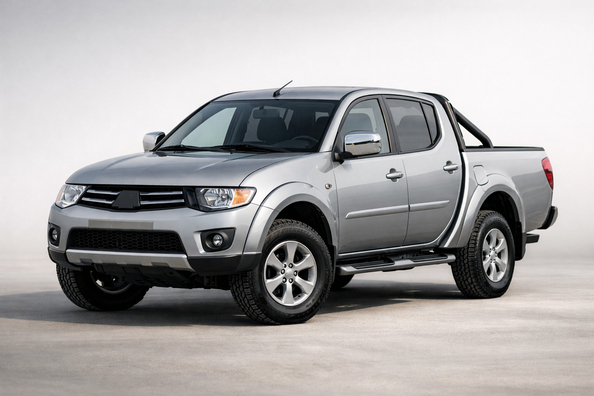
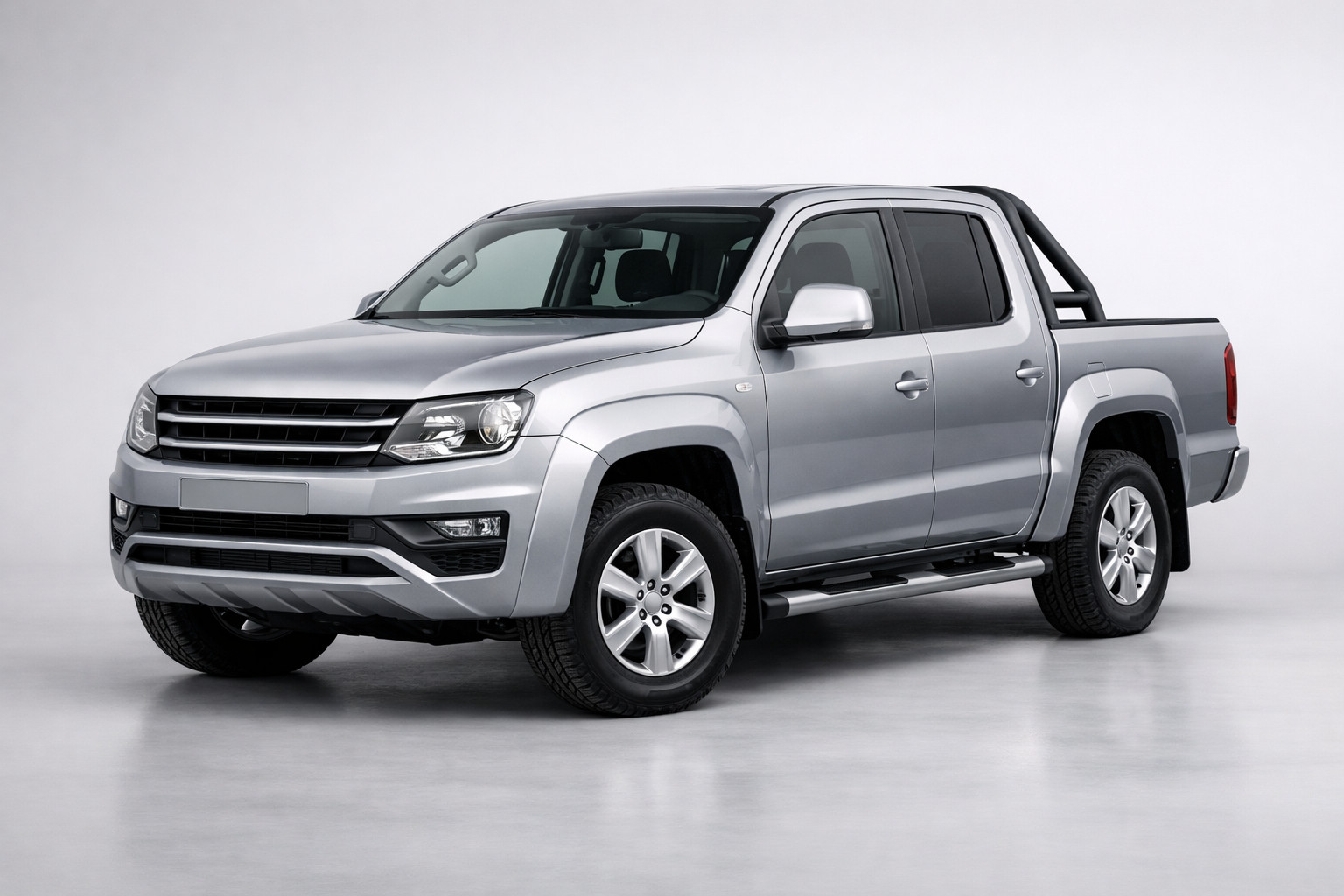
Mitsubishi L200 2006-2015 still makes sense if you need not a fashionable pickup, but a working tool: a frame, true four-wheel drive, around a ton of payload, and towing from 2.7 to 3.1 t depending on the version. But as a daily asphalt car it already feels old: without a load the suspension is harsh, cabin noise is noticeable, and on the highway it feels less composed than newer rivals.
In this year range it’s important not to lump everything into one car: 2006-2014 is mostly the fourth generation, while 2015 is already the start of the fifth generation with a different 2.4-liter diesel, a fresher interior, and a wider range of versions. So when choosing, you need to look not only at the year, but also at the body, engine, 4WD type, and gearbox.
The L200 has always been closer to work equipment than to a passenger pickup for the city. Its strong point isn’t silence or ride softness, but the fact that it can pull a trailer, drive on dirt, carry tools, and handle hard use normally.
Who it suits: those who actually use the bed, four-wheel drive, and pulling power. Who it doesn’t: those who only want a high seating position and the pickup image, but drive around the city empty every day. In that scenario, the L200 quickly starts to annoy with its stiffness and noise.
The fourth generation came out in 2006 and became the basis of the entire L200 lineup until the generation change in 2015. These are the vehicles most often found on the used market as simple work pickups in Single Cab, Club Cab, and Double Cab configurations.
Within the generation there were updates in equipment and 2.5-liter diesel power versions. In 2015 the fifth generation appeared, which is often also pulled into this time window: it received a 2.4-liter diesel, different gearboxes, and a noticeably more car-like interior. Because of this, listings with the same L200 name can differ greatly in character.
The base for most vehicles was the 2.5 DI-D diesel with a displacement of 2477 cm³. In the simpler version it had 136 hp and 314 N·m, and in the more powerful 2.5 HP DI-D - 178 hp; torque depended on the version and gearbox: for the automatic they often listed 350 N·m, for the manual in some markets - up to 400 N·m. In 2015 a new 2.4 DI-D with a displacement of 2442 cm³ arrived with 151 or 178 hp and 380 or 430 N·m.
The spread in transmissions is also large. Early vehicles came with a 5-speed manual and a 4-speed automatic; later and more powerful versions had other combinations; and the Series 5 already had a 6-speed manual and a 5-speed automatic. If you need an all-round option, the most valuable thing here isn’t even the engine, but the Super Select 4WD system, because it allows you to drive in four-wheel drive even on dry asphalt.
| Version | Engine | Power | Torque | Gearboxes | Practical takeaway |
|---|---|---|---|---|---|
| 2006-2010 | 2.5 DI-D, 2477 cm³ | 136 hp | 314 N·m | 5-speed manual, automatic on some versions | a simple work diesel without a reserve of easy performance |
| 2009-2015 | 2.5 HP DI-D, 2477 cm³ | 178 hp | 350-400 N·m depending on version | manual or automatic depending on year and market | better for trailers, highway driving, and heavy loads |
| 2015 Series 5 | 2.4 DI-D, 2442 cm³ | 151 hp | 380 N·m | 6-speed manual or 5-speed automatic | more modern and nicer in everyday driving |
| 2015 Series 5 | 2.4 DI-D, 2442 cm³ | 178 hp | 430 N·m | 6-speed manual or 5-speed automatic | the strongest factory option within this topic |
The L200 doesn’t have a separate trunk like a crossover: all practicality is tied to the open bed. That’s why it’s not conditional liters that matter, but bed length, width between wheel arches, loading height, and cab type. If you need it for work, a short Double Cab is not always the best; if you need family use, it’s the most convenient.
The chassis is honestly pickup-like: independent double-wishbone front suspension, and a rear axle on leaf springs. This is good for load carrying and durability, but for the same reason an empty vehicle bounces over bumps. Ground clearance of 200-205 mm and the geometry allow it to work calmly on bad roads.
| Parameter | Data |
|---|---|
| Length | in Series 5 - 5040-5285 mm depending on body |
| Width | 1750-1815 mm |
| Height | 1775-1780 mm |
| Wheelbase | 3000 mm |
| Ground clearance | 200-205 mm |
| Payload | approximately 1000-1060 kg |
| Towing | 2700 kg in Series 4, up to 3100 kg in Series 5 |
| Series 4 bed | Single Cab 2220 mm, Club Cab 1805 mm, Double Cab 1325 mm; width 1130 mm |
| Series 5 bed | Single 2265x1470x475 mm, Crew 1850x1470x475 mm, Double 1520x1470x475 mm |
Older L200s are frankly utilitarian, but later vehicles—especially the Series 5—no longer feel like a purely cargo tool. In Double Cab form the interior is suitable for family use, and the fifth generation brought better rear space, a more comfortable seating position, and proper steering wheel adjustment for height and reach.
Comfort depends heavily on trim level: air conditioning or climate control, power windows, a rear-view camera, and hill-start assist truly change the day-to-day impression. For safety, the guideline is this: the generation had 4 Euro NCAP stars, and later versions already come with a better set of airbags. But the level of sound insulation is still pickup-like, not passenger-car-like.
In the city the L200 isn’t hopeless: a length of about 5 meters still allows you to park it in a normal spot, but maneuvering is harder than with an SUV. Turning circle, dimensions, and the tall rear end take getting used to, especially on a version without a camera.
Don’t be enchanted by the official fuel figures. In real driving, consumption is often closer to 8.2-9.3 l per 100 km in a calmer highway mode, and with short trips, load, or a trailer it will be higher. On the used market it’s important to check the condition of the leaf springs, fuel system, turbo actuator, intake, vacuum hoses, and ABS sensors after active off-road use.
The L200’s main virtue is that it doesn’t pretend to be a crossover. It’s a vehicle for those who actually use the body, drivetrain, and towing capability. The main downside is that you pay for it with comfort and rougher road manners.
| Pros | Cons |
|---|---|
| around a ton of payload and serious towing | harsh ride without a load |
| proper four-wheel drive, especially the valuable Super Select | tire, wind, and diesel noise at speed |
| good geometry and 200-205 mm ground clearance | Double Cab sacrifices bed length |
| a wide choice of bodies and work scenarios | real fuel consumption noticeably depends on conditions |
| a large selection of work-focused accessories | on used vehicles you need to carefully check the chassis and fuel-related components |
In short, the L200 is good where a tool is needed. If you need a calm family car for asphalt, then its honesty turns into downsides within the first week of ownership.
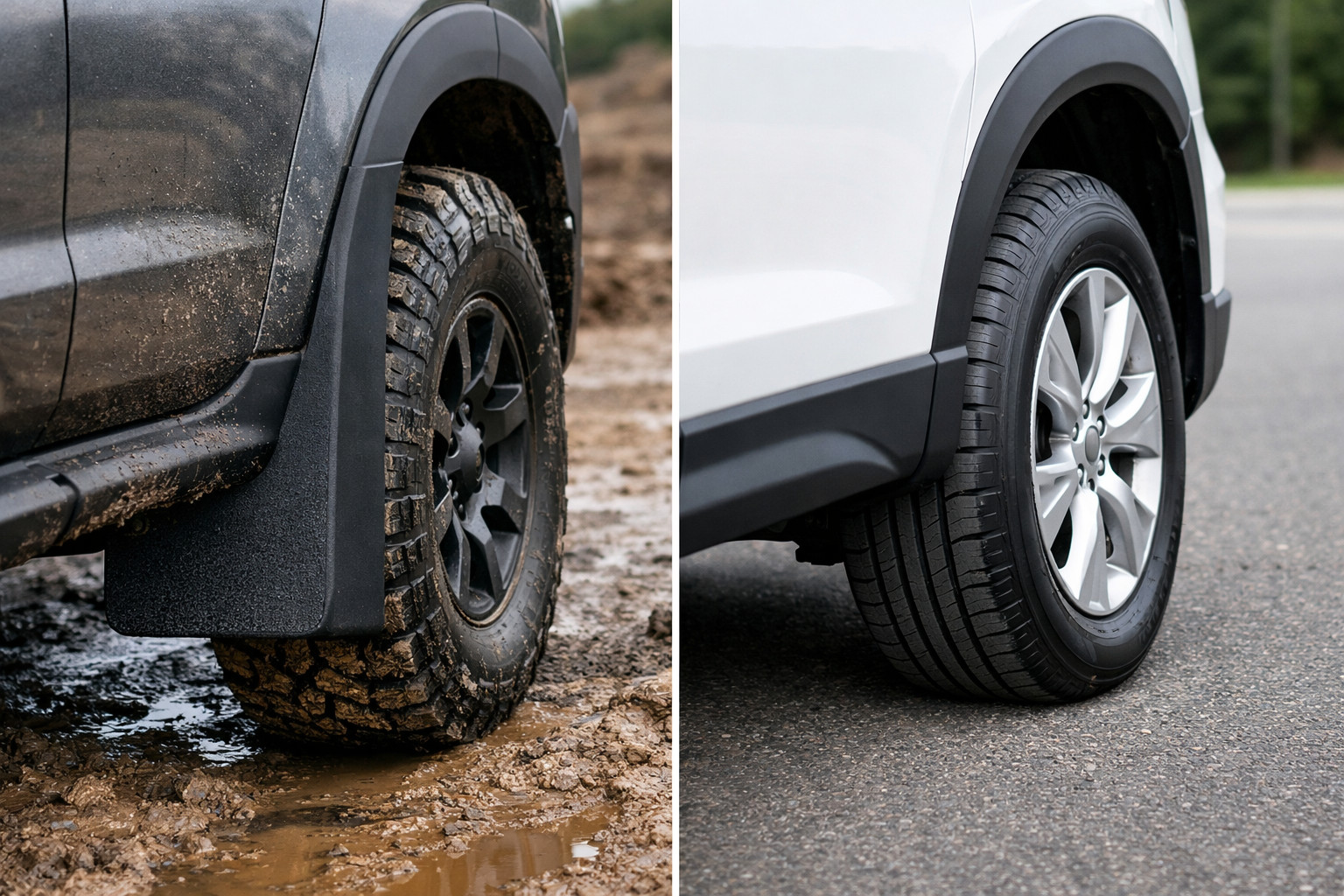
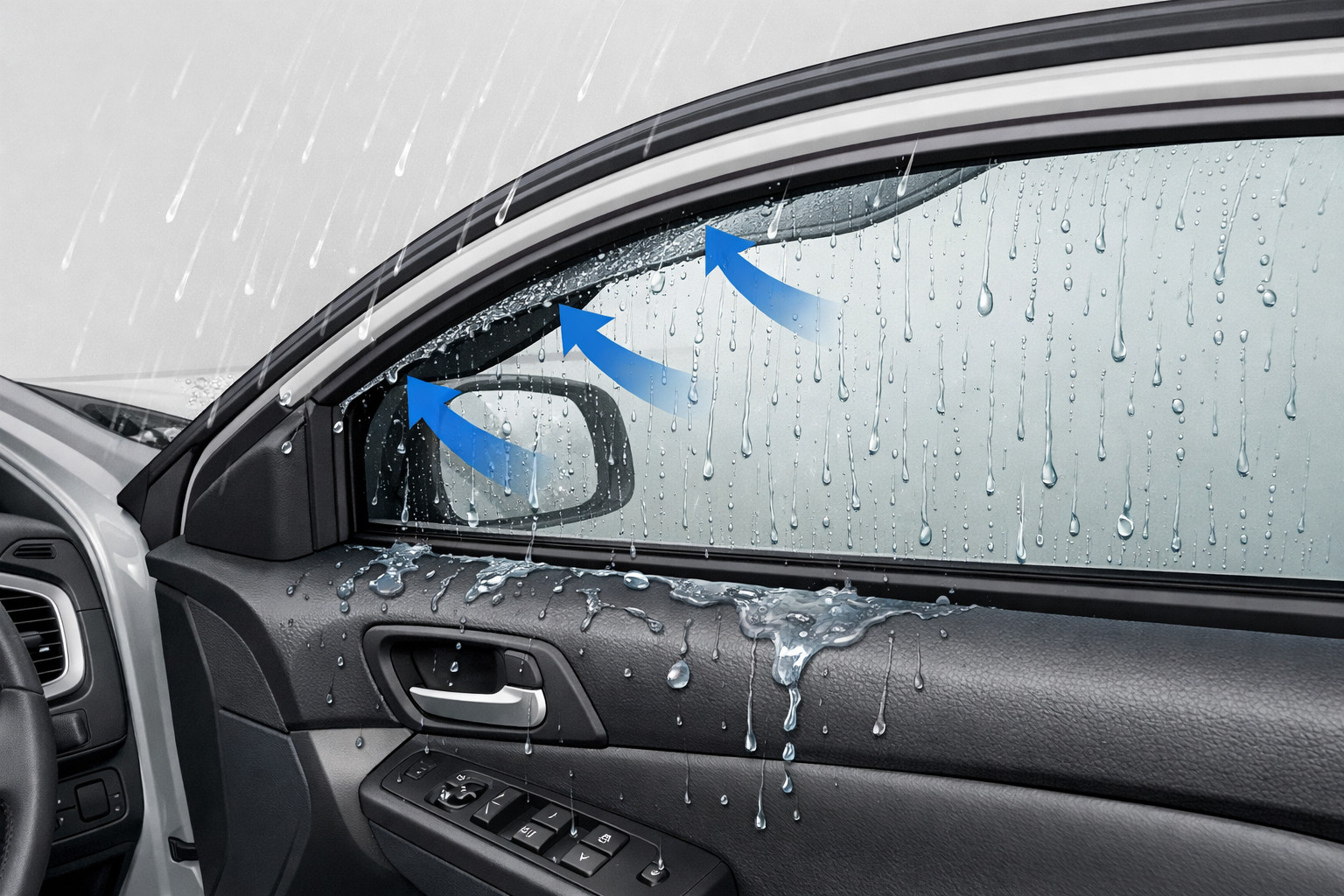
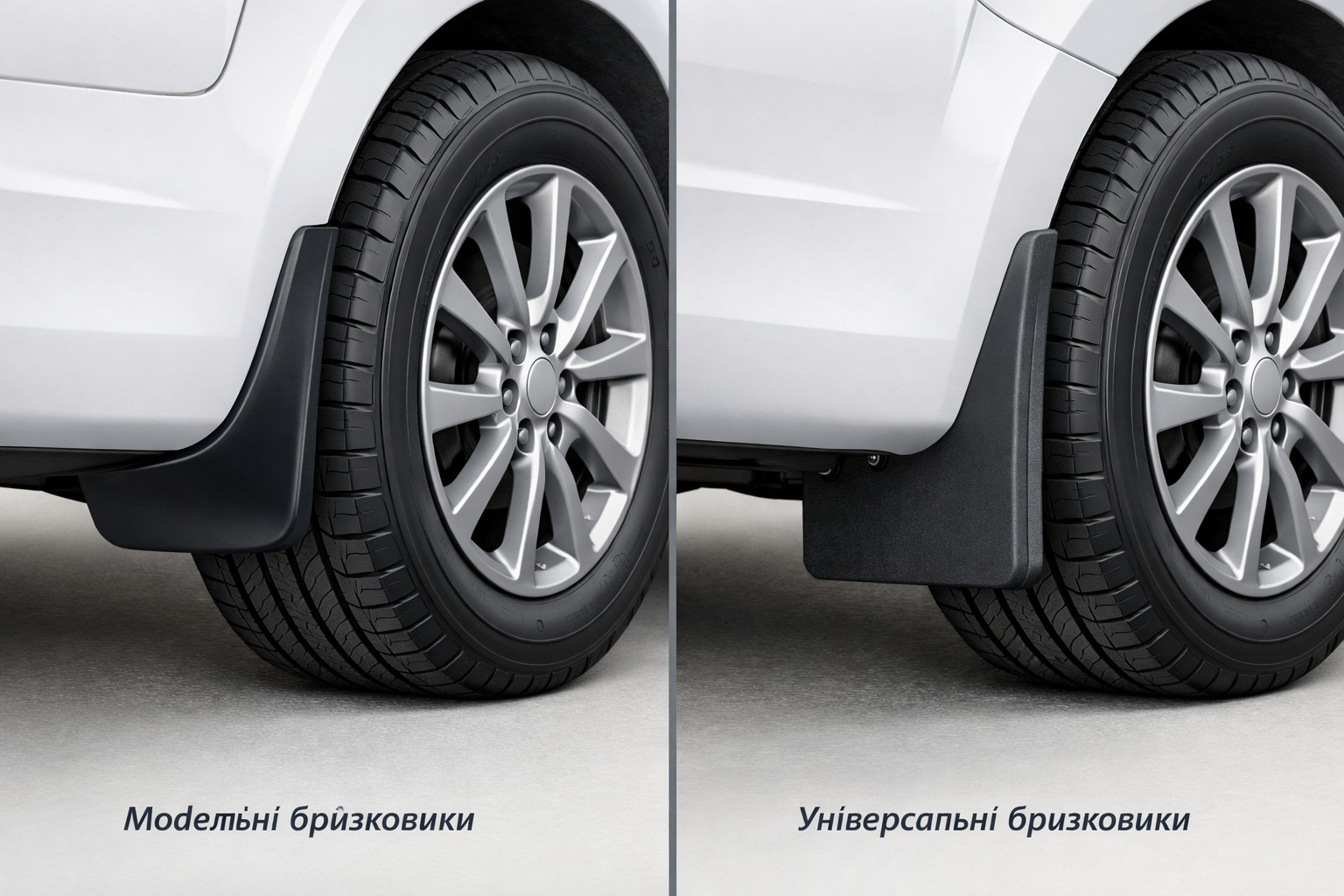
For the L200, tuning makes sense not as decoration, but as adapting it to a use case. On a work vehicle, the most useful things are bed protection, cargo covers, interior protection from dirt, and small exterior elements that make daily use of a tall pickup easier.
If the vehicle carries tools, hunting gear, or touring equipment, the first thing to look at is bed solutions. If it’s a mixed mode of city plus work, then interior accessories and practical small items pay off quickly by reducing wear on the vehicle.
Mitsubishi L200 2006-2015 is still a strong work pickup if you judge it by what truly matters for this class: load capacity, pulling power, four-wheel drive, a durable design, and the ability to work every day. But it’s not a universal answer to every task: as the only family vehicle it already feels noticeably rougher and older than modern alternatives.
The smartest buying scenario is to choose an L200 for a specific job or mixed use where its cargo capabilities are genuinely needed. This material is based on real selection experience, practice, and real use cases, so the conclusion is simple: for getting the job done the L200 is still strong; for comfort at any cost it’s no longer the best option.
| ✔ | A full-fledged pickup with a frame, true four-wheel drive, and a payload of around one ton. For towing a trailer or hauling cargo, it is much more practical than crossovers. |
| ✔ | Good pulling power and towing capability: depending on the version, the vehicle can tow from 2.7 to 3.1 t. This makes the L200 useful not only for carrying cargo in the bed, but also for working with a heavy trailer. |
| ✔ | There are successful transmission options, including Super Select 4WD, which lets you drive in full-time four-wheel drive even on dry asphalt. For mixed use, this is more convenient than typical rigid 4WD setups. |
| ✔ | A wide range of body styles and versions makes it possible to choose a vehicle for different tasks: from the short work-focused Single Cab to the more versatile Double Cab. This makes it easier to find an option for a specific use case. |
| ✔ | The chassis design is simple and durable: an independent front suspension, a rear axle on leaf springs, and 200-205 mm of ground clearance. This layout handles heavy use and bad roads well. |
| ✘ | Without a load, the L200 feels stiff and rough, especially over bumps. For everyday empty-city driving, it quickly becomes annoying. |
| ✘ | Sound insulation is weak by passenger-car standards: at speed, tire, wind, and diesel noise are clearly audible. On the highway, the vehicle feels less composed than newer rivals. |
| ✘ | The Double Cab is more convenient for passengers, but that comes at the cost of a shorter cargo bed. If the vehicle is needed specifically for work, this can be a noticeable compromise. |
| ✘ | On the used market, the condition of a specific example is very important: the suspension, fuel system, turbo actuator, vacuum hoses, and ABS sensors need to be inspected carefully. After active use, problematic components here are not uncommon. |
Shipping to EU
Wholesale and retail
Own warehouse
Опис продукту
Подарунки не надаються при оформленні покупки у кредит під 0,01% або при покупці частинами.