02.04.2026
419
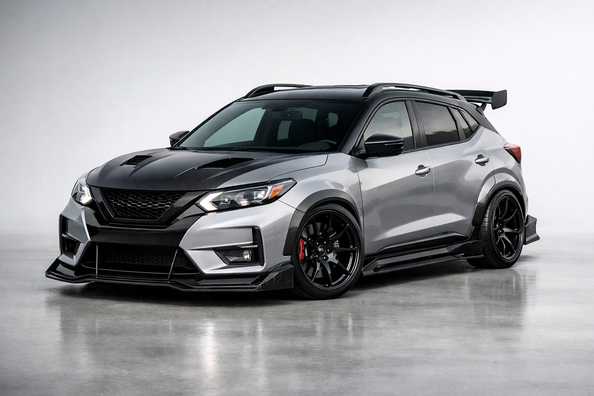
If you look specifically at tuning potential, Nissan has four particularly interesting and very different directions: the GT-R R35 for the ultimate power-capable base, the new Z as a fresh rear-wheel-drive platform, the 370Z as a simpler and cheaper used-market base, and the Armada for big wheels, travel, and towing. These cars aren’t interchangeable: one is about power, another about balance, the third about an affordable entry into a sports coupe, and the fourth about practicality.
That’s why the choice here depends not on the badge, but on the use case. If you need a high-speed or track project, look at the GT-R and Z. If you want a lively coupe without an excessive budget, the 370Z. If the priority is trailer pull, a big trunk, and durability under heavy daily use, the Armada makes more sense than any coupe.
In Nissan’s lineup, not every model is equally interesting for upgrades—only those with a clear, proven foundation. The GT-R stands apart: it’s a heavy, very fast all-wheel-drive coupe that competes not with mainstream sports cars, but with more expensive German machines. The Z is more modern and simpler in concept: rear-wheel drive, manual or automatic, a limited-slip differential, and solid tuning headroom without stepping into GT-R-level budgets.
The 370Z fills the niche of an older, rougher, but honest sports coupe. It’s appealing because it isn’t overloaded with electronics and delivers direct mechanical feedback. The Armada is a completely different story: a large SUV for family use, trips, and towing, where the focus is less on power tuning and more on tires, protection, cargo solutions, and long-distance travel upgrades.
For upgrades, it’s important not to confuse generations. The Nissan GT-R in the R35 body has been produced since 2008 and has essentially lived through a long evolution of one platform, so the parts market and accumulated know-how for this car are huge. The Nissan 370Z in the Z34 body ran from 2008 to 2021 and became the last “old” Z before the shift to a more digital format.
The Nissan Z in the RZ34 body started in 2022 as the conceptual successor to the 370Z, but with a new engine and more modern electronics. The Armada in the context of this article is the new generation from 2025: it’s currently the most interesting as a base for touring and towing tasks, though its upgrade approach is completely different from sports coupes.
In terms of powertrains, these models are clearly separated. The GT-R is about power and traction reserves, the Z about balance between pull and handling, the 370Z about a simpler naturally aspirated format, and the Armada about torque and load-focused tasks. In the Z and 370Z, the transmission choice between manual and automatic strongly shapes the car’s character, while with the GT-R and Armada the main question is whether the owner is ready for the cost of running this kind of hardware.
| Model | Years and generation | Engine and output | Transmission and drivetrain | Dimensions, trunk, clearance |
|---|---|---|---|---|
| Nissan GT-R R35 | 2008-2025 | 3,8 l V6 with twin turbochargers, 565 hp; NISMO — 600 hp | 6-speed dual-clutch automated transmission, all-wheel drive | 4710×1895×1370 mm, wheelbase 2780 mm, trunk 249 l, clearance very low |
| Nissan Z RZ34 | 2022- | 3,0 l V6 with twin turbochargers, 400 hp; NISMO — 420 hp | 6-speed manual or 9-speed automatic, rear-wheel drive | 4380×1845×1315 mm, wheelbase 2550 mm, trunk 195 l, clearance low |
| Nissan 370Z Z34 | 2008-2021 | 3,7 l V6, 332 hp; NISMO — 350 hp | 6-speed manual or 7-speed automatic, rear-wheel drive | 4255-4330×1845-1870×1315 mm, wheelbase 2550 mm, trunk 195 l, clearance low |
| Nissan Armada | 2025- | 3,5 l V6 with twin turbochargers, 425 hp | 9-speed automatic, all-wheel drive available | 5325-5359×2350×1945-1980 mm, trunk 577/1594/2749 l, clearance higher but depends on version |
In short, the GT-R has the best headroom for power-focused upgrades. The most convenient new base for less radical modifications is the Z. The cheapest way into a rear-wheel-drive Nissan coupe is the 370Z. The most utilitarian—but genuinely useful for real life—project is the Armada.
The GT-R is large for a coupe, but its longer wheelbase and all-wheel drive give it stability under power. The Z and 370Z are more compact: they share the same 2550 mm wheelbase, short bodies, and low roofs, so they feel tighter and more agile, but there isn’t much space inside or in the trunk. The Armada, by contrast, is so big that parking and city maneuvering become part of everyday ownership.
Chassis-wise, the logic is simple. On the GT-R and Z, suspension, tire, and brake upgrades quickly change the behavior, but at the same time reduce the already modest underbody clearance. On the 370Z this is especially noticeable: the car is low, loud, and sensitive to road surface quality. On the Armada, ground clearance and the overall architecture are more about real-world roads, but you need to check the exact figure for the specific trim—especially if you’re planning big wheels, body add-ons, or suspension changes.
The GT-R isn’t about relaxed everyday comfort: people value the driving position and focus it demands, but often complain about noise and stiffness. In the Nissan Z, the interior is more modern and nicer than in the 370Z, although not everyone loves the ergonomics, and the car hasn’t turned into a quiet grand tourer. In the 370Z, the cabin architecture already feels dated, but it’s simple and straightforward.
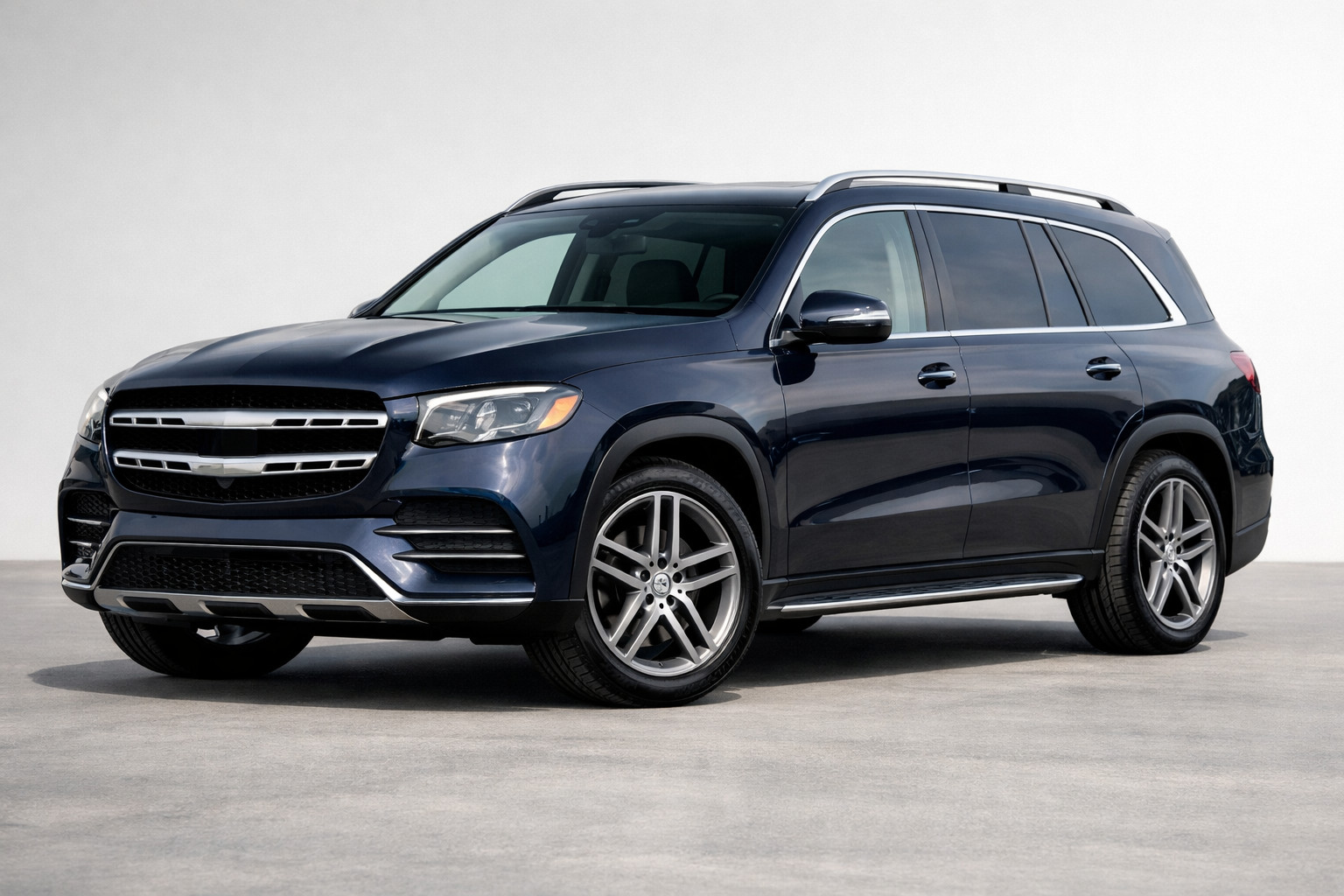
The Armada offers a different quality of life: lots of space, up to eight seats, and a large cargo area in various configurations. But there’s a nuance here too—the third row can’t really be called truly spacious for adults, and the space behind it is limited unless you fold the seats. On safety, it’s worth remembering that Nissan Z model years 2023-2024 had service issues related to pedestrian protection system sensors, so when buying one it’s important to confirm that all campaigns have been completed.
In daily life, the difference between these models is even bigger than on paper. The GT-R delivers an extremely high pace, but pays for it with stiffness, noise, expensive tires, and costly servicing. The Z is more tolerable for daily driving: with the automatic it’s more convenient in the city, with the manual it’s more engaging, but it demands more attention from the driver. The 370Z works as a daily car for those who aren’t bothered by tire and wind noise and who can live with an older interior.
The Armada is the choice for those who genuinely need seats, cargo space, and towing up to 3856 kg—not just a big hood. Fuel consumption is, as expected, tougher on the budget: about 14,7-12,4 l/100 km in regular versions and more in off-road-oriented ones. The sports coupes aren’t exactly frugal either: the GT-R needs a lot, the Z and 370Z are more moderate, but you still wouldn’t call them economical.
| Model | Pros | Cons |
|---|---|---|
| GT-R | Huge torque and traction headroom, all-wheel drive, strong base for serious upgrades | Expensive to run, stiff ride, noise, pricey tires |
| Z | Fresh platform, manual or automatic, limited-slip differential, strong engine | Not the sharpest in the class, small trunk, sensitive to fuel quality |
| 370Z | Simpler design, lively handling, easy entry into a rear-wheel-drive coupe | Dated interior, noise, less everyday comfort |
| Armada | Large capacity, power, towing, practical for trips | High fuel consumption, large dimensions, tight third row for adults |
From an owner’s perspective, it means one simple thing: don’t buy a GT-R if a soft daily ride matters to you, and don’t choose an Armada if you want the feel of a light, driver-focused coupe. The Z is the most universal compromise, while the 370Z is the most honest in feel—but also the least refined in the details.
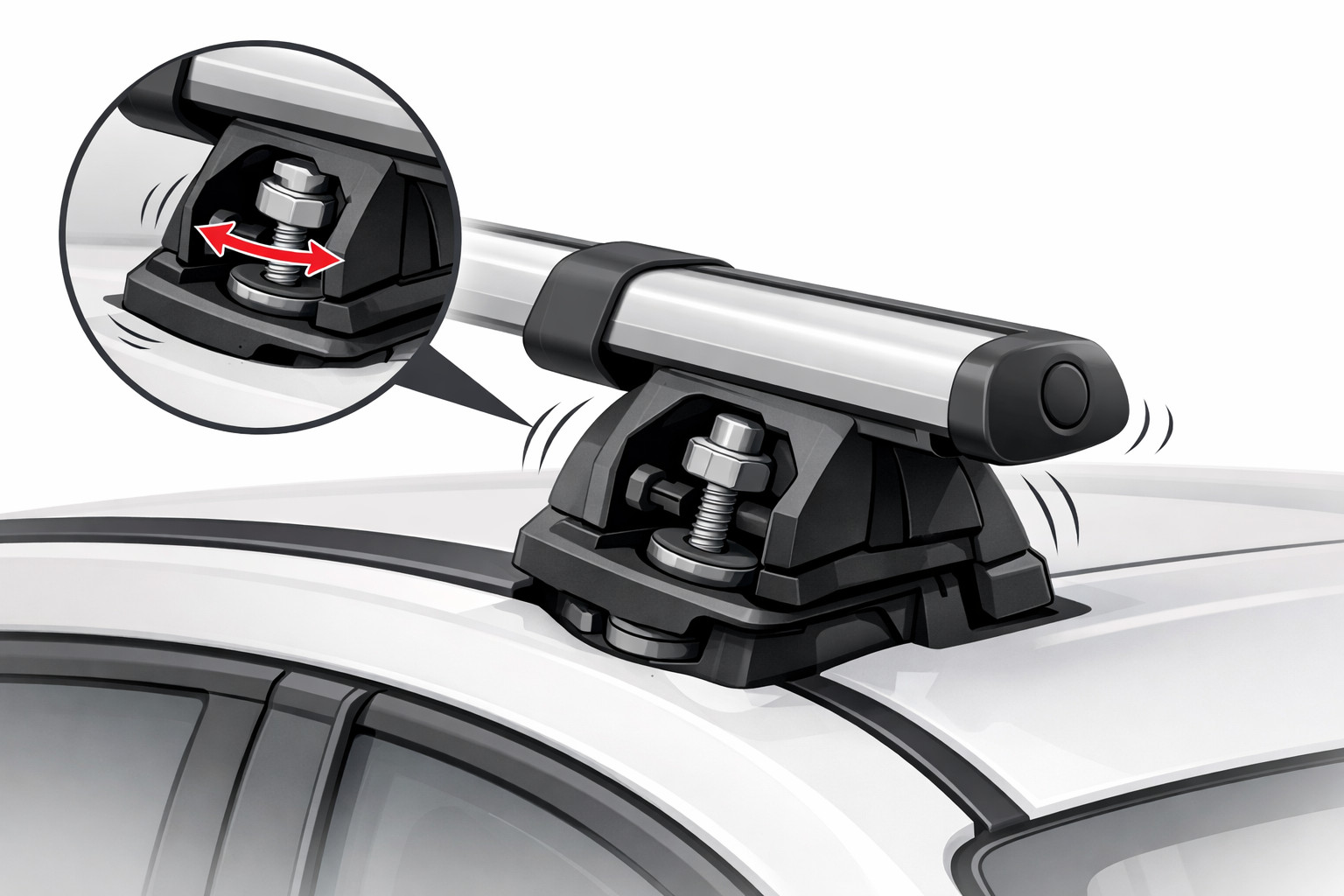
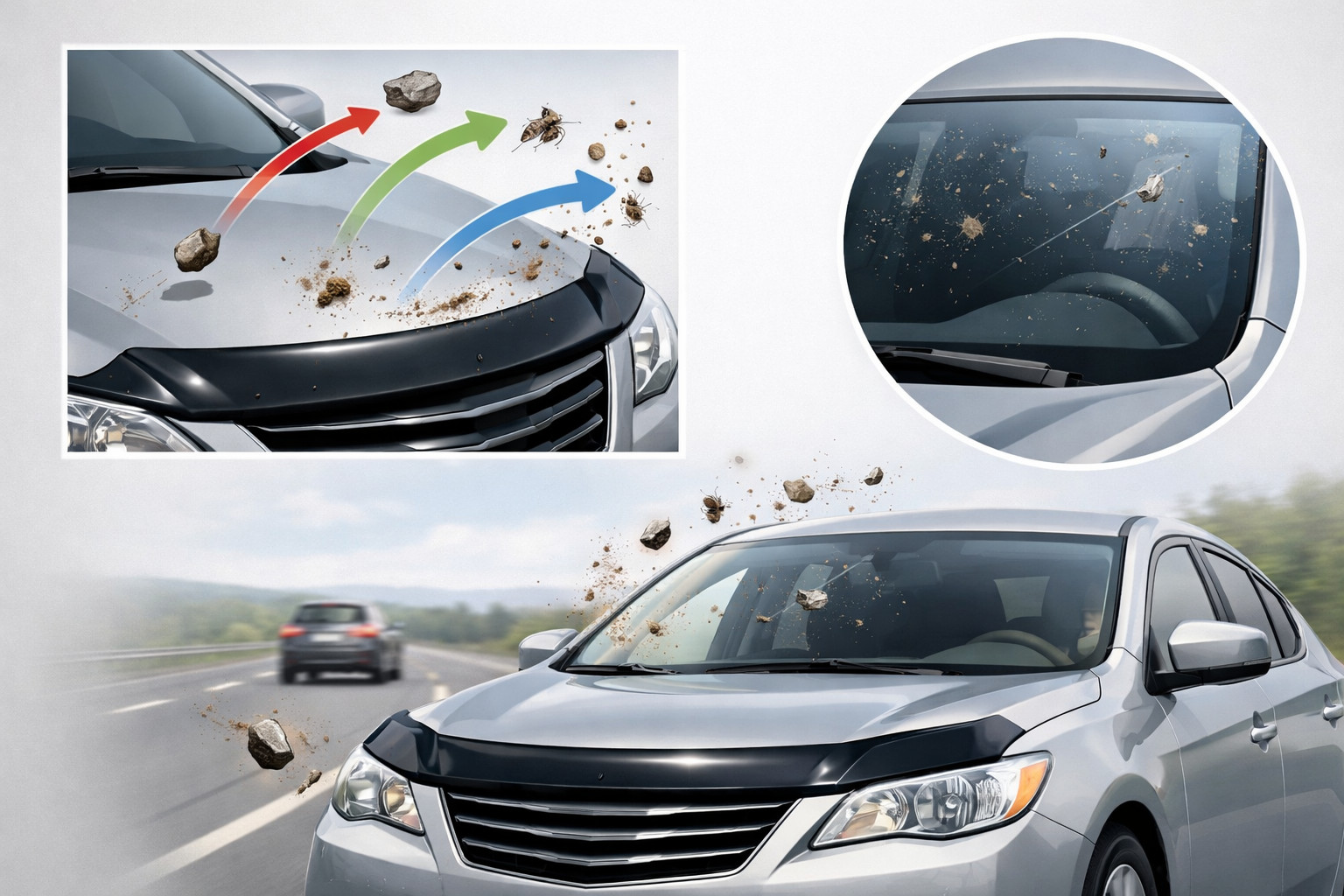
Nissan upgrades make the most sense when they’re aligned with a use case. For the GT-R and Z, it’s smart to start not with decorative plastic, but with tires, brakes, cooling, and only then move on to aerodynamics. For the 370Z, simpler steps often deliver more: cabin protection, floor mats, proper tires, and tidy suspension tweaks. For the Armada, the priority isn’t “looks for the sake of looks,” but things that make trips, loading, towing, and bad-weather use easier.
A typical mistake is buying an aggressive body kit and not accounting for real-world clearance, routes, and seasonality. For low Nissan models, this is critical: one poorly chosen lip or an overly stiff suspension setup can quickly make the car look great in photos but become uncomfortable in the city. On the big Armada, the opposite extreme applies: it’s important not to overload the vehicle with random accessories, but to select items for the task.
If you need the strongest base for serious upgrades, Nissan’s most convincing choice is the GT-R R35. If you want a newer rear-wheel-drive coupe with real potential without a GT-R budget, the smartest choice is the Z. If a more affordable used base matters, look at the 370Z. And if your upgrades are for travel, hauling, and towing rather than a stopwatch, the Armada looks the most practical.
This material is based not on abstract descriptions, but on real selection experience, hands-on practice, and real usage scenarios: who needs speed, who needs daily drivability, and who needs space and pull. That’s why the best Nissan for upgrades isn’t the “coolest” in a vacuum, but the one that precisely matches your operating routine.
| ✔ | GT-R R35 has the biggest torque reserve and all-wheel drive, so it’s the strongest base for serious power upgrades and fast builds. |
| ✔ | Nissan Z offers a fresh rear-wheel-drive platform, manual or automatic transmission, and a limited-slip differential, so it’s a convenient modern base without GT-R-level budget. |
| ✔ | 370Z is a simpler and cheaper rear-wheel-drive coupe on the used market, with lively manual feedback and less electronics overload. |
| ✔ | Armada is useful for real everyday tasks: a large trunk, seating for up to eight, and towing capacity of up to 3856 kg make it practical for trips and towing. |
| ✔ | For each model, the article clearly outlines typical upgrade directions, so it’s easier to choose a car for a specific scenario rather than blindly. |
| ✘ | The GT-R is expensive to maintain: the author directly points out the stiff ride, noise, and expensive tires, so it’s not a comfortable option for calm everyday use. |
| ✘ | The Z has a small trunk and requires quality fuel, so as a versatile car it’s not as convenient as the name of the new platform might suggest. |
| ✘ | The 370Z is noticeably older in cabin architecture and noisier, so it offers less everyday comfort than the newer Z. |
| ✘ | The Armada is very large and uses a lot of fuel, and the third row is not described as truly spacious for adults, which limits its versatility in the city and for daily use. |
Shipping to EU
Wholesale and retail
Own warehouse
Опис продукту
Подарунки не надаються при оформленні покупки у кредит під 0,01% або при покупці частинами.