04.04.2026
402
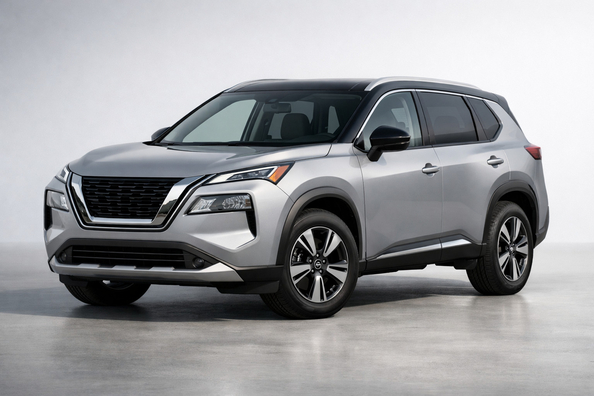
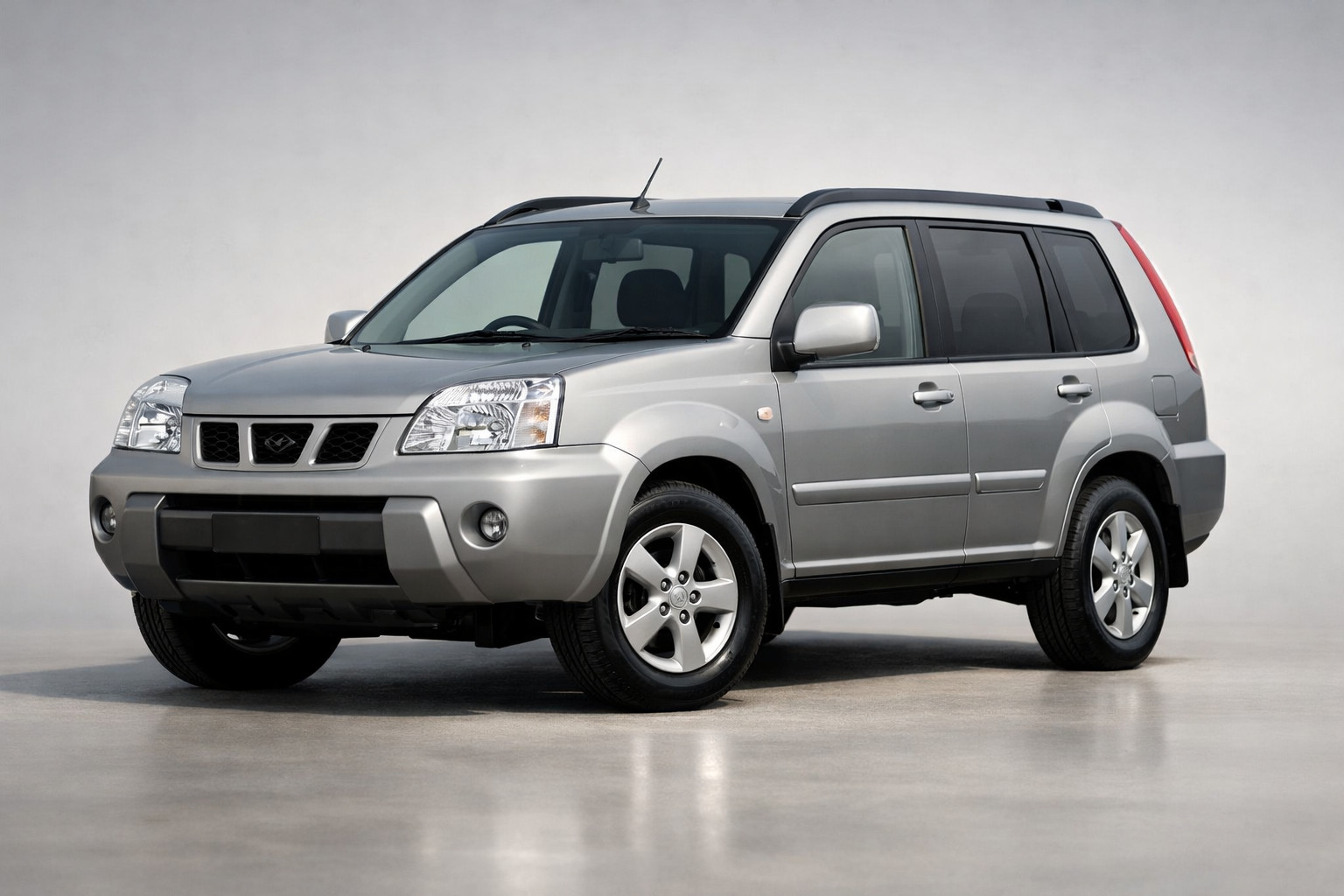
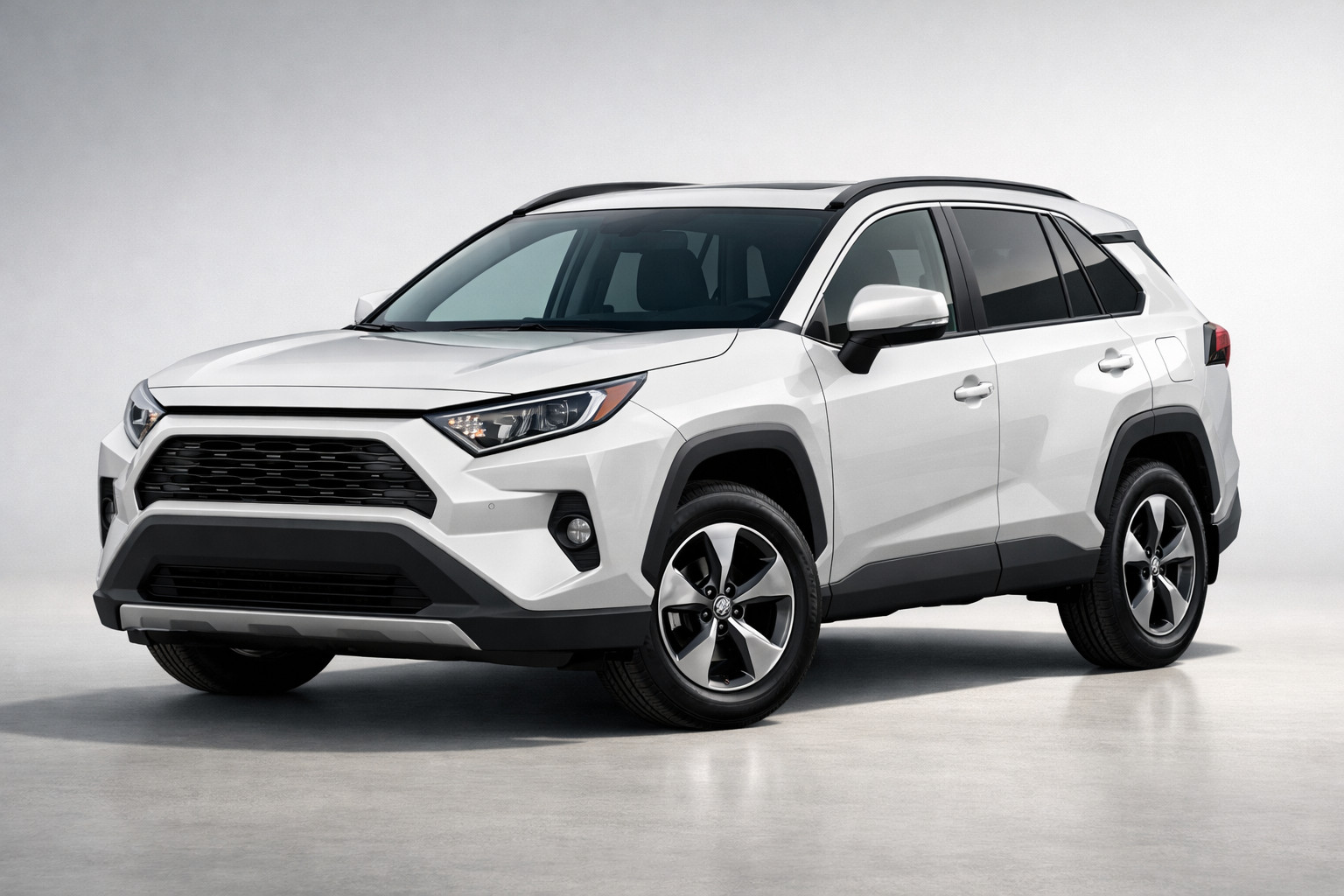
The Nissan X-Trail T33/Rogue from 2022 has genuinely matured: it has clearly moved away from the image of a simple family crossover and shifted toward better sound insulation, richer equipment, and a calmer, more composed character. But under one name there are versions that feel very different: the US-market Rogue with a gasoline turbo engine and CVT, and the X-Trail in some other markets with the e-POWER system, where the wheels are driven by electric motors.
So the answer to whether the T33 has matured is: yes, but primarily in comfort, electronics, and everyday convenience. If you expect tough off-road endurance, sporty handling, or benchmark reliability with no caveats, you’ll need to lower those expectations.
The X-Trail T33/Rogue is a mid-size family crossover for the city, highway, travel, and rough roads—but not for serious off-roading. In some markets it’s available in 5- or 7-seat configurations, with the main focus on easy ingress/egress, driver assists, a practical cargo area, and relaxed daily driving.
This model makes the most sense for families with kids, people who drive in the city often and take vacations, and drivers who want a higher-riding body without stepping up to a big, heavy SUV. It makes less sense for those who critically need a spacious third row, a large towing reserve, or true capability off the pavement.
The X-Trail lineup has long been moving from a simpler, more utilitarian format toward a comfortable family crossover. For older generations across different markets and facelifts, it’s more useful to look at the body index than at minor updates.
| Generation | Approx. period | What changed |
|---|---|---|
| T30 | early 2000s | simple, more utilitarian crossover with an emphasis on practicality |
| T31 | late 2000s — early 2010s | kept its practical character but became more comfortable in daily driving |
| T32 | 2010s — early 2020s | a clear shift into the mainstream family format, less “off-road” vibe |
| T33 | from 2022 | more electronics, a better interior, electrified versions, and a more mature overall feel |
It’s the T33 that became the version where the X-Trail/Rogue finally moved into the category of crossovers bought not for ruggedness, but for comfort, safety, and everyday convenience.
The key here is not to mix up markets. The Rogue for the US and the X-Trail for Japan or the UK aren’t just different calibrations—they’re effectively different powertrain concepts.
| Market and version | Powertrain layout | Power and torque | Transmission and drivetrain | Practical takeaway |
|---|---|---|---|---|
| Rogue 2022, USA | 1.5 L gasoline turbo engine, 3 cylinders | 201 hp, 305 N·m | CVT, front-wheel drive or all-wheel drive | good low-end pull for city and highway, but under load the engine is noticeably loud |
| X-Trail T33 e-POWER, Japan | 1,497 L gasoline engine as a generator + front electric motor | engine 144 hp and 250 N·m; front electric motor 204 hp and 330 N·m | electric drive to the wheels, 2WD | feels lively in the city, closer to an EV feel than a conventional gasoline crossover |
| X-Trail T33 e-4ORCE, Japan | e-POWER + rear electric motor | rear electric motor 136 hp and 195 N·m | electric all-wheel drive | better traction on slippery surfaces and smoother AWD operation, but it’s still a road-focused crossover |
If you want a predictable, straightforward setup, the US Rogue is easier to understand: gasoline engine, CVT, familiar feel. If you want a quieter urban character and smoother takeoffs, e-POWER looks more interesting—but you need to check the exact market and trim carefully.
In terms of size, the T33 stayed in a sweet spot for a family crossover: not too big for the city, yet it already feels like a full-size cabin. In the US, the Rogue has independent suspension front and rear, 208 mm of ground clearance, and it isolates small bumps quite well.
| Version | Length | Width | Height | Wheelbase | Ground clearance | Cargo area |
|---|---|---|---|---|---|---|
| Rogue 2022, USA | 4651 mm | 1839 mm | 1689 mm | 2705 mm | 208 mm | 1027–1033 L, 5 seats |
| X-Trail T33, Japan | 4660–4665 mm | 1840 mm | 1720 mm | 2705 mm | 185–200 mm | 575 L in the 2-row version, 140 L in the 3-row |
| X-Trail e-POWER, UK | 4680 mm | 1840 mm | 1725 mm | 2705 mm | — | up to 585 L, up to 1396 L with seats folded |
In terms of geometry, it’s a solid compromise: the body is tall enough for curbs and broken roads, but not so bulky that it becomes tiring in the city. The weak point is typical for the class: the third row, if present, should be viewed as occasional rather than a полноценный family space for adults.
This is where the T33 differs most from older X-Trails. The cabin has become cleaner in its architecture, better in ergonomics, and visually more upscale. Practical details are there too: the rear doors open almost 90 degrees, so a child seat or a large bag goes in without a fight.
In higher trims, the model offers a 360-degree camera, a strong suite of assists, lane support, and a solid set of active safety systems. For family use, this is one of the arguments in favor of the T33. But there’s a flip side: according to owner feedback, the infotainment and some electronic modules aren’t always flawless, and the second row and cargo area aren’t the best in the class in every version.
In the city, the X-Trail T33/Rogue is convenient thanks to the high seating position, easy maneuvering, and calm responses. In the mixed cycle, the US Rogue—depending on drivetrain and trim—targets roughly 7.1–7.6 L per 100 km according to the manufacturer’s official estimates, and e-POWER in some markets can look even more economical at an urban pace. But these figures shouldn’t be mixed across markets: measurement cycles differ.
On the highway, the model is pleasant because it doesn’t make the driver tense: the suspension softly smooths small joints, and the cabin overall is tuned for relaxed long-distance travel. At the same time, under hard acceleration the three-cylinder engine in the gasoline version can sound loud. If you’re looking at a used car, it’s also worth checking the service history, infotainment updates, and the current status of campaigns for the specific VIN.
| Strengths | Weaknesses |
|---|---|
| comfortable ride and more mature suspension tuning | the three-cylinder engine in the gasoline version isn’t everyone’s favorite in terms of sound |
| rich suite of driver assists and useful cameras for the city | there are complaints about infotainment and electronics |
| easy ingress/egress, wide rear door opening, family practicality | the second row and cargo area aren’t always class-leading versus competitors |
| e-POWER delivers a pleasant city response without the feel of a heavy crossover | this isn’t a vehicle for real off-roading or heavy towing |
| ground clearance and AWD help on snow, dirt roads, and broken pavement | some market versions are very different, so it’s easy to buy something other than what you expected |
From an owner’s perspective, the T33 is a good fit for someone who wants one versatile daily vehicle: school, work, supermarket, highway, vacation. It’s not the best choice for a driver who likes a brisk pace, often travels fully loaded with seven seats in use, or expects a crossover to behave like a body-on-frame SUV.
For this model, performance tuning makes the least sense; what matters most are the things that genuinely make an owner’s life easier. The X-Trail T33/Rogue is best upgraded to match your use case: city, family, travel, country house, sports gear. This is where accessories bring more value than any decorative add-ons.
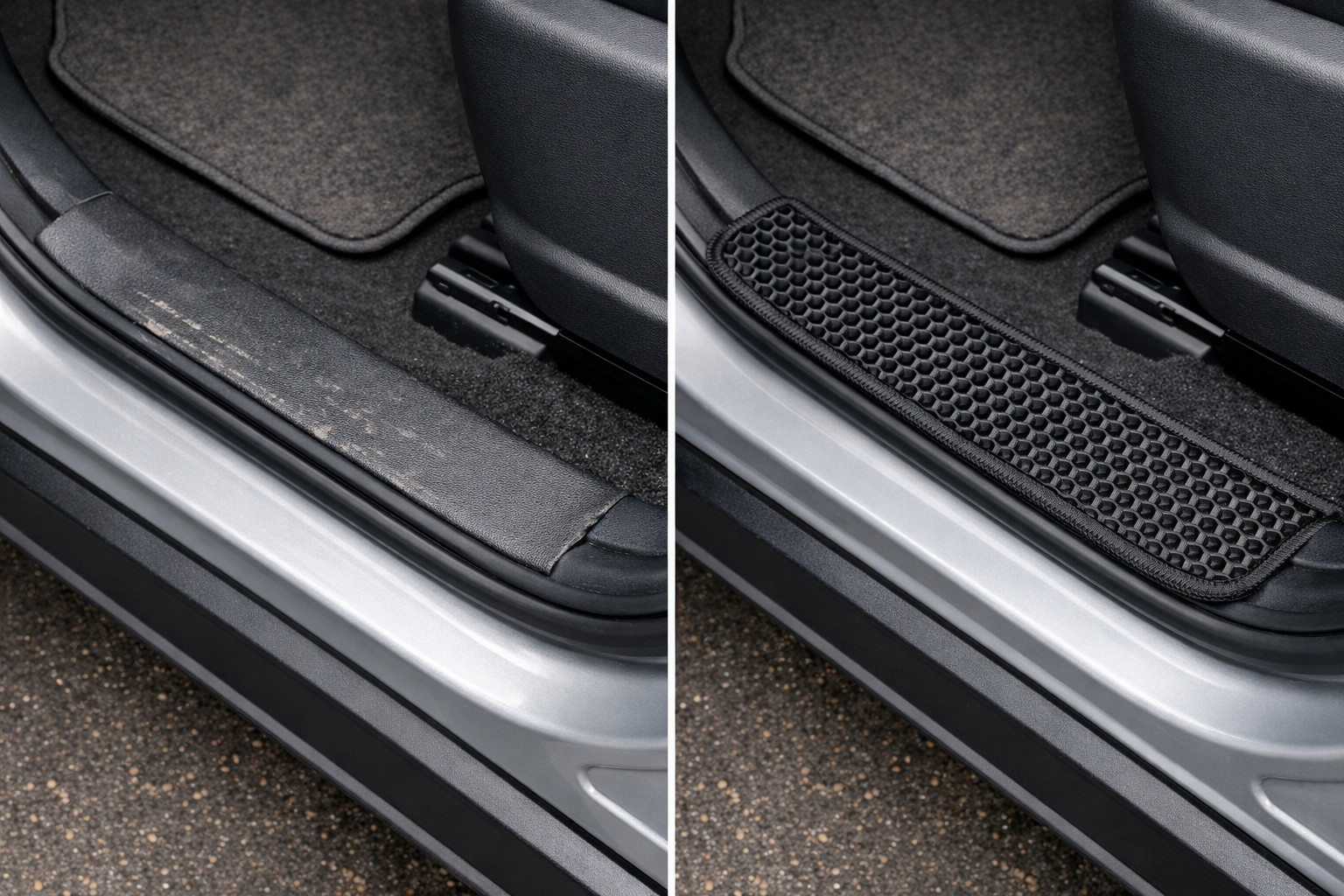
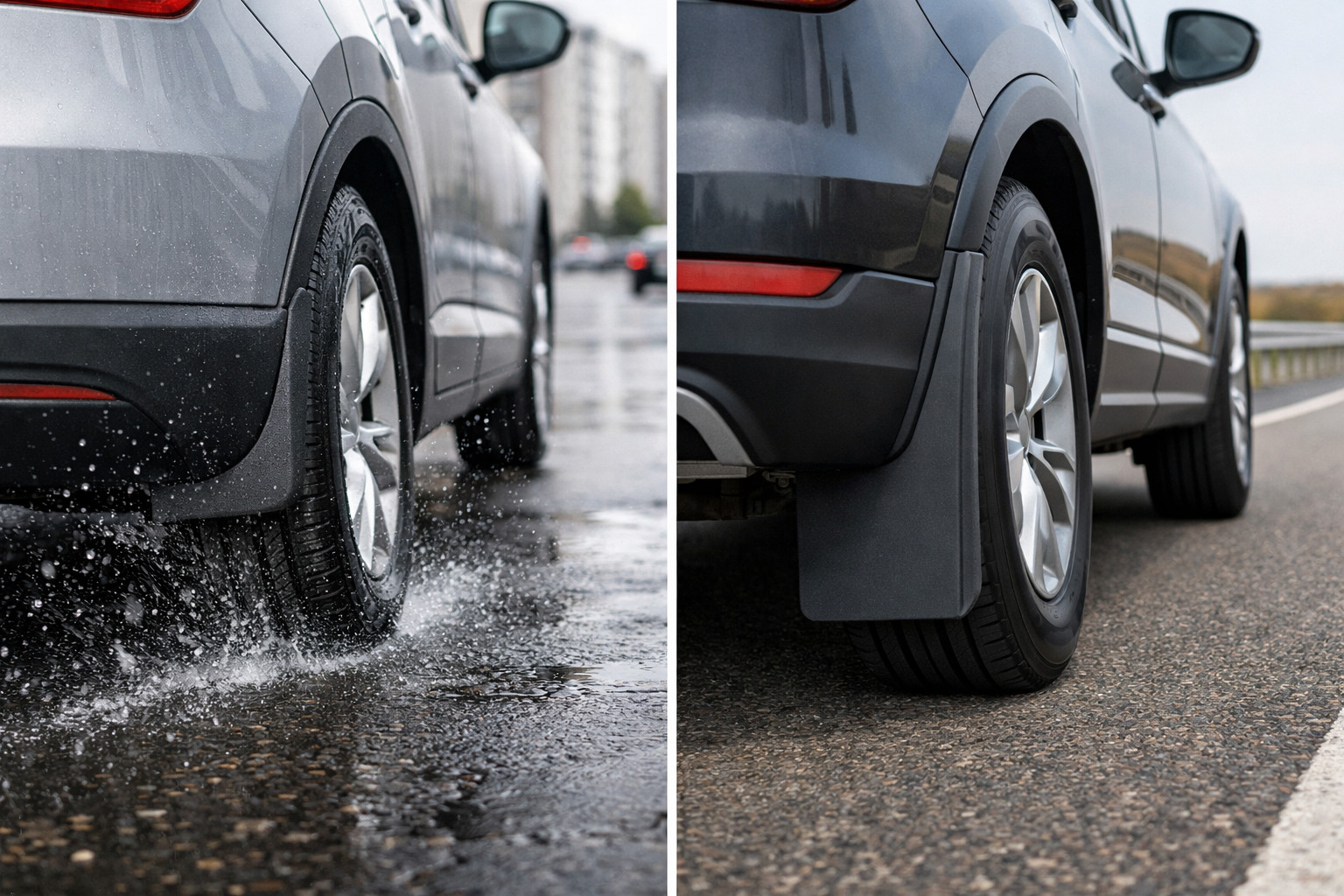
Separately, for a family-oriented setup it’s worth looking at cargo-area protection and trim covers in places where you often load a stroller, suitcases, or sports bags. These are the items that best unlock the T33’s practical potential.
The Nissan X-Trail T33/Rogue from 2022 has genuinely matured: it’s more comfortable, more tech-focused, and better thought out for family use than previous generations. But maturity here doesn’t mean all-round versatility without compromises: you need to look closely at the market, powertrain layout, and the exact version, because a gasoline Rogue and an e-POWER X-Trail can deliver very different impressions.
If you need a calm, modern crossover for everyday use, the T33 has strong arguments. If maximum off-road ability, a driver-focused character, or unconditional mechanical simplicity is the priority, it’s worth looking wider. This material is based on real-world accessory selection practice, everyday usage scenarios, and typical owner requests—not on abstract marketing promises.
| ✔ | A more comfortable ride and calmer suspension settings make the T33 convenient for daily driving and long trips. On rough roads, it isolates small bumps better than previous, simpler generations. |
| ✔ | The cabin has become more practical in everyday use: the rear doors open almost 90 degrees, so fitting a child seat or large bags is easier. This is a noticeable plus for family use. |
| ✔ | In richer trims, there are surround-view cameras, lane-keeping assistants, and a good set of active safety systems. For the city and family trips, this really makes life easier for the driver. |
| ✔ | The e-POWER versions deliver brisk response in the city without the feel of a heavy crossover. For everyday traffic, this setup feels more natural than the regular gasoline version. |
| ✔ | Ground clearance and all-wheel drive help on snow, gravel roads, and damaged asphalt. It is not an off-roader, but it does have some extra capability for everyday conditions. |
| ✘ | The three-cylinder gasoline engine in the Rogue version is not to everyone’s taste because of the sound, especially under hard acceleration. In terms of output, it is fine, but acoustic comfort is not ideal. |
| ✘ | There are complaints about the multimedia system and some individual electronic components. For a car positioned as a modern family vehicle, this is an unpleasant and practical drawback. |
| ✘ | The second row and trunk are not the best in the class in all versions. If you regularly carry a lot of items or often use full load capacity, this may not be enough. |
| ✘ | This is not an option for real off-road use or heavy towing. While it does offer decent capability on bad roads, the limits of its abilities are reached fairly quickly for this class. |
Shipping to EU
Wholesale and retail
Own warehouse
Опис продукту
Подарунки не надаються при оформленні покупки у кредит під 0,01% або при покупці частинами.