01.09.2026
46
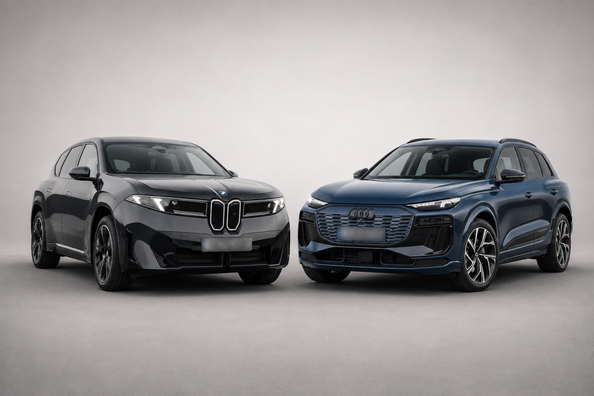
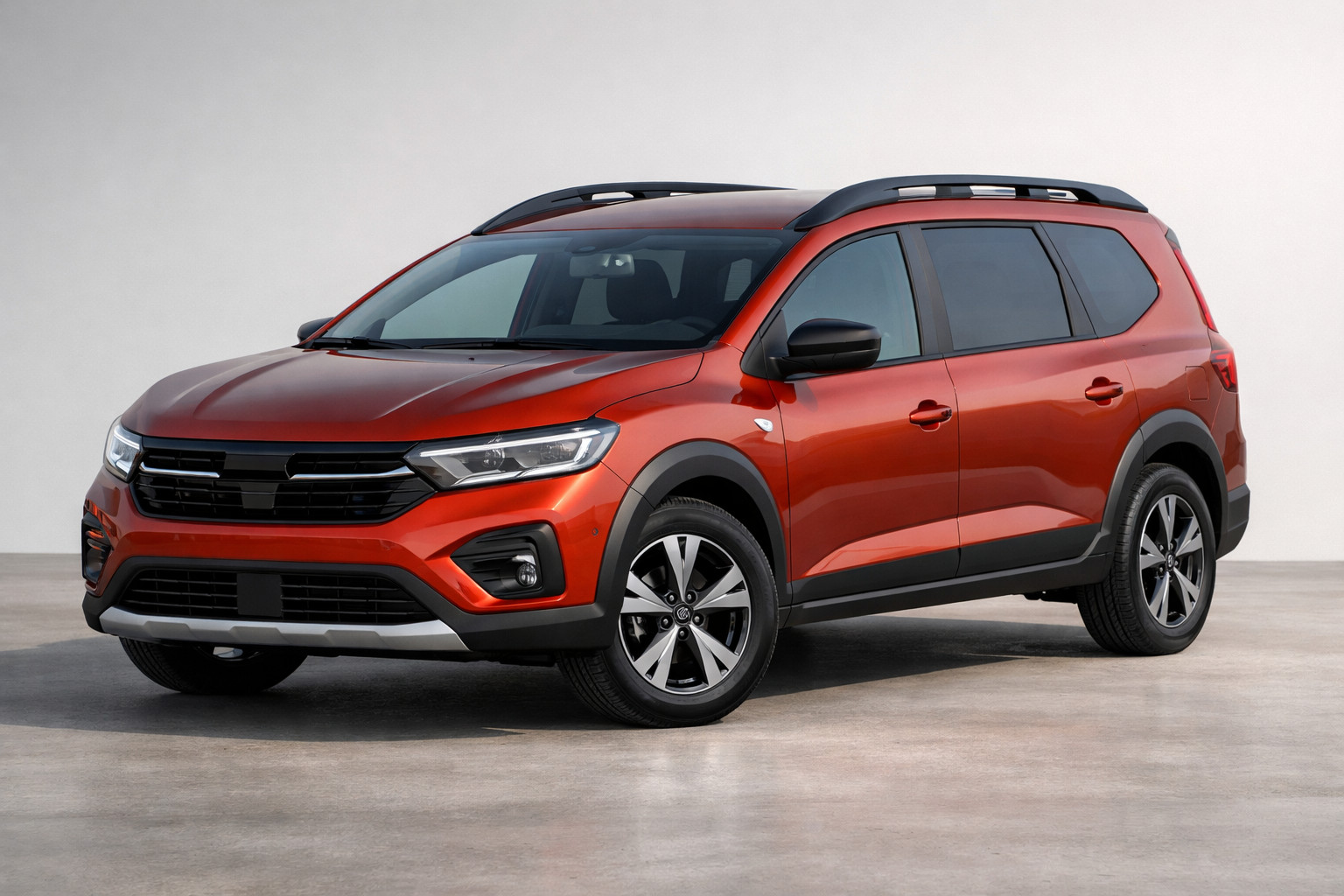
If you want maximum range, fast DC charging and the best value for money, the BMW iX3 50 xDrive looks like the more rational choice. If your top priorities are highway quietness, towing, and an already confirmed independent safety rating, the stronger argument goes to the Audi Q6 e-tron quattro.
It’s easy to get this wrong if you look only at the catalog range. In this class, real-world things matter more: how the car rides on broken surfaces, whether the noise and software become annoying, how practical the trunk is day to day, what charging looks like in winter, and whether you’re overpaying for a scenario you’ll rarely use.
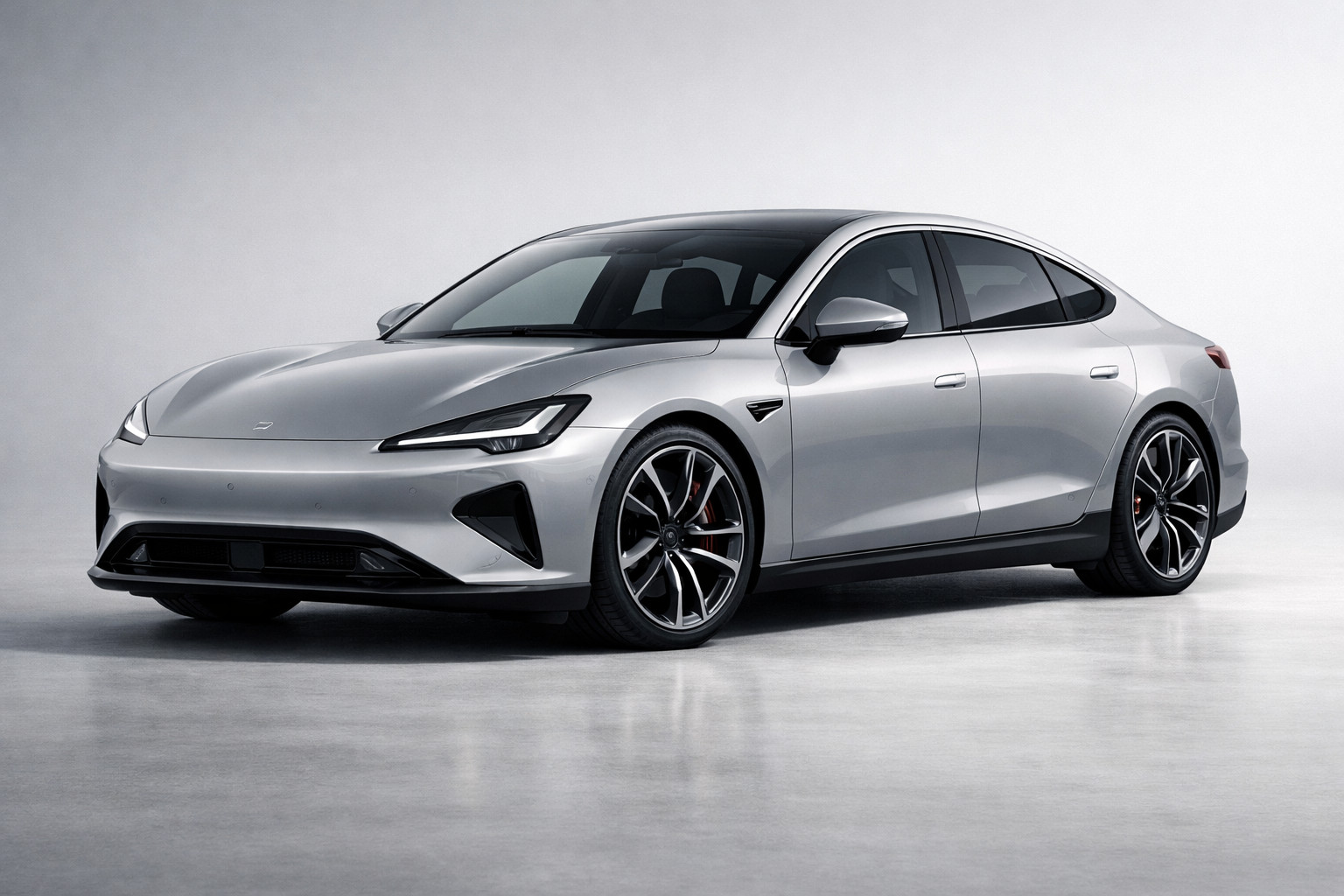
BMW enters this comparison as the stronger option on the “hardware”: it’s more powerful, quicker, has a longer claimed range, higher peak DC power, and a lower starting price in a market where these cars have already been compared head-to-head. On top of that, it delivers well on poor roads: not sluggish, but without unnecessary harshness.
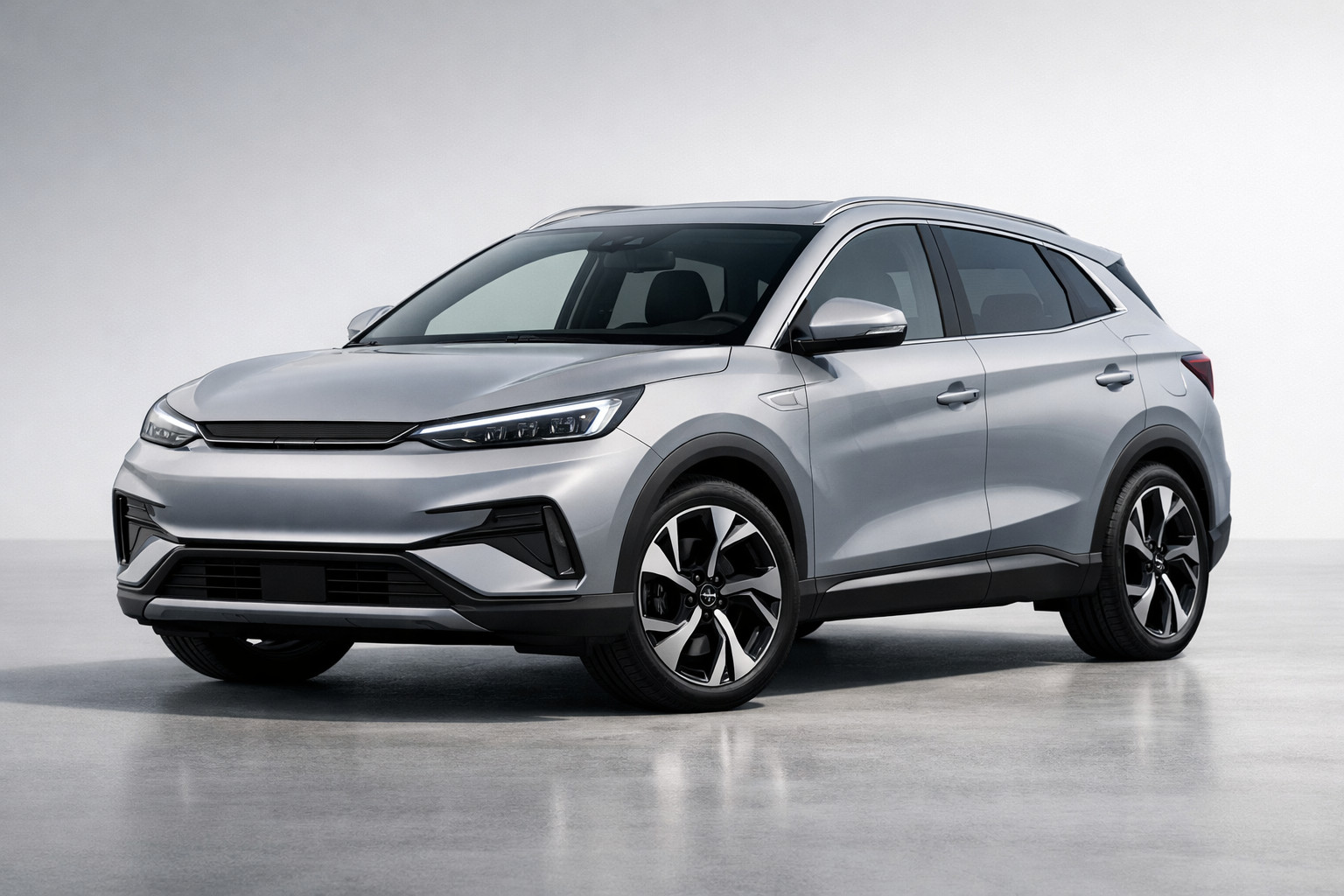
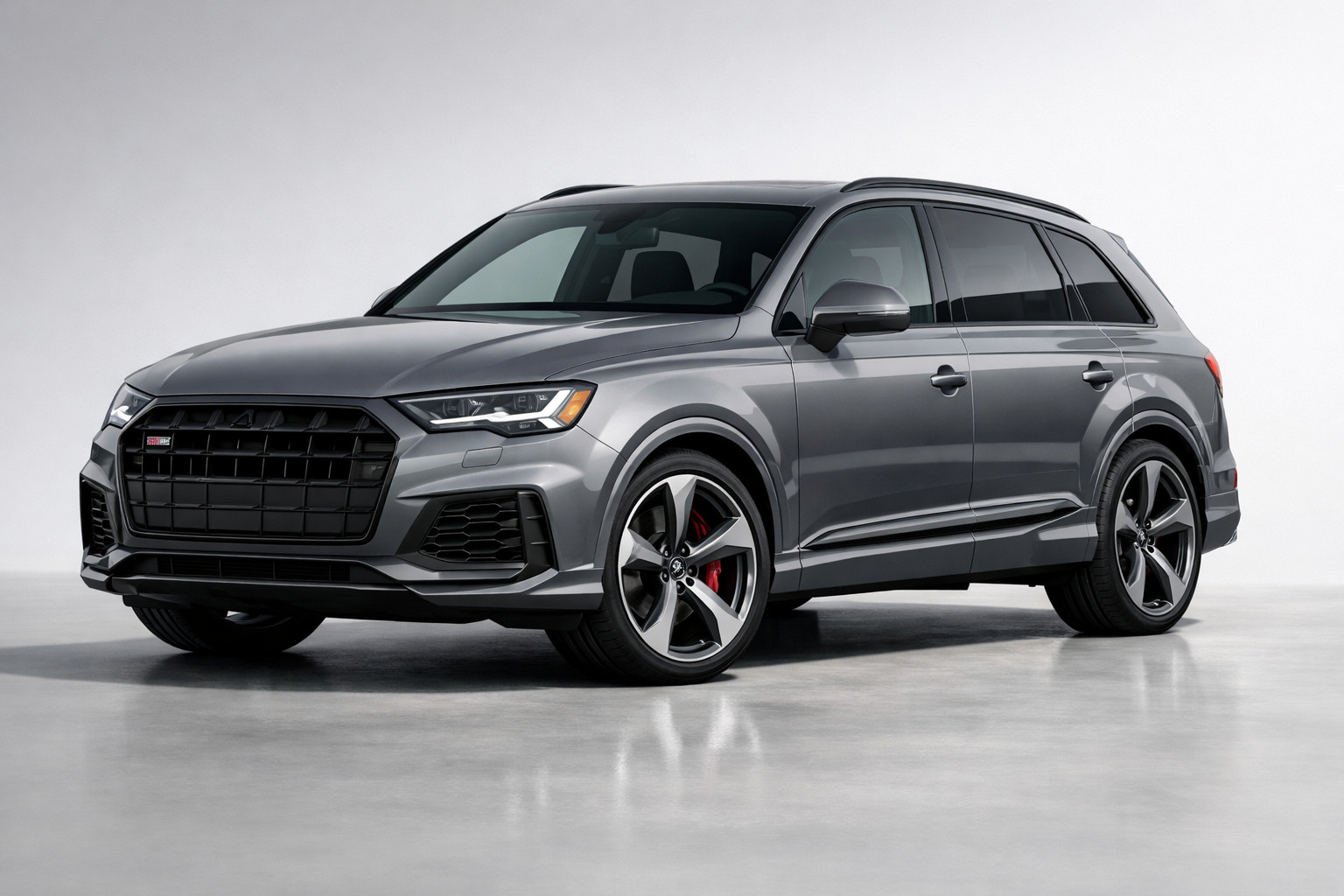
Audi responds not with numbers, but with character. The Q6 e-tron is calmer on high-speed highways, isolates noise better, is wider, and can tow more weight. But it’s more often criticized for software and small electronic quirks—and for a premium electric crossover, that hurts more than a small difference in acceleration.
In terms of long-term durability, the honest picture is this: BMW is still too new for deep long-run statistics, so the risk here is the unknown. Audi is better known to the market already, but that doesn’t mean trouble-free—questions about the software side have been piling up.
| Option | Strengths | Weaknesses | Who it suits |
|---|---|---|---|
| BMW iX3 50 xDrive | Lower price, longer claimed range, higher DC power, quicker acceleration, a very strong balance of comfort and handling | The model is fresh with limited long-term data; on large wheels road and wind noise can be more noticeable; weaker towing | Those who drive long distances often, count value, and want fewer compromises on charging |
| Audi Q6 e-tron quattro | Quieter on the highway, calmer high-speed demeanor, 2400 kg towing, wider body, confirmed independent safety rating | More expensive, shorter range, frequent complaints about software, feels heavier and bigger in the city | Those who value highway comfort, tow a trailer, or put safety above raw numbers |
BMW looks convincing already at the level of base numbers: 345 kW, 645 N·m, 0–100 km/h in 4.9 s, a 108.7 kWh battery, and noticeably better claimed range. For the buyer, this means not only “more kilometers on paper,” but also more freedom buffer when traveling between fast chargers.
Another clear strength is the charging side. BMW’s peak DC power is significantly higher, even though the official 10–80% time is the same for both cars. This is an important nuance: you shouldn’t focus on a pretty maximum, but on how consistently the car holds power in a real session and in the cold. Still, BMW has more potential here.
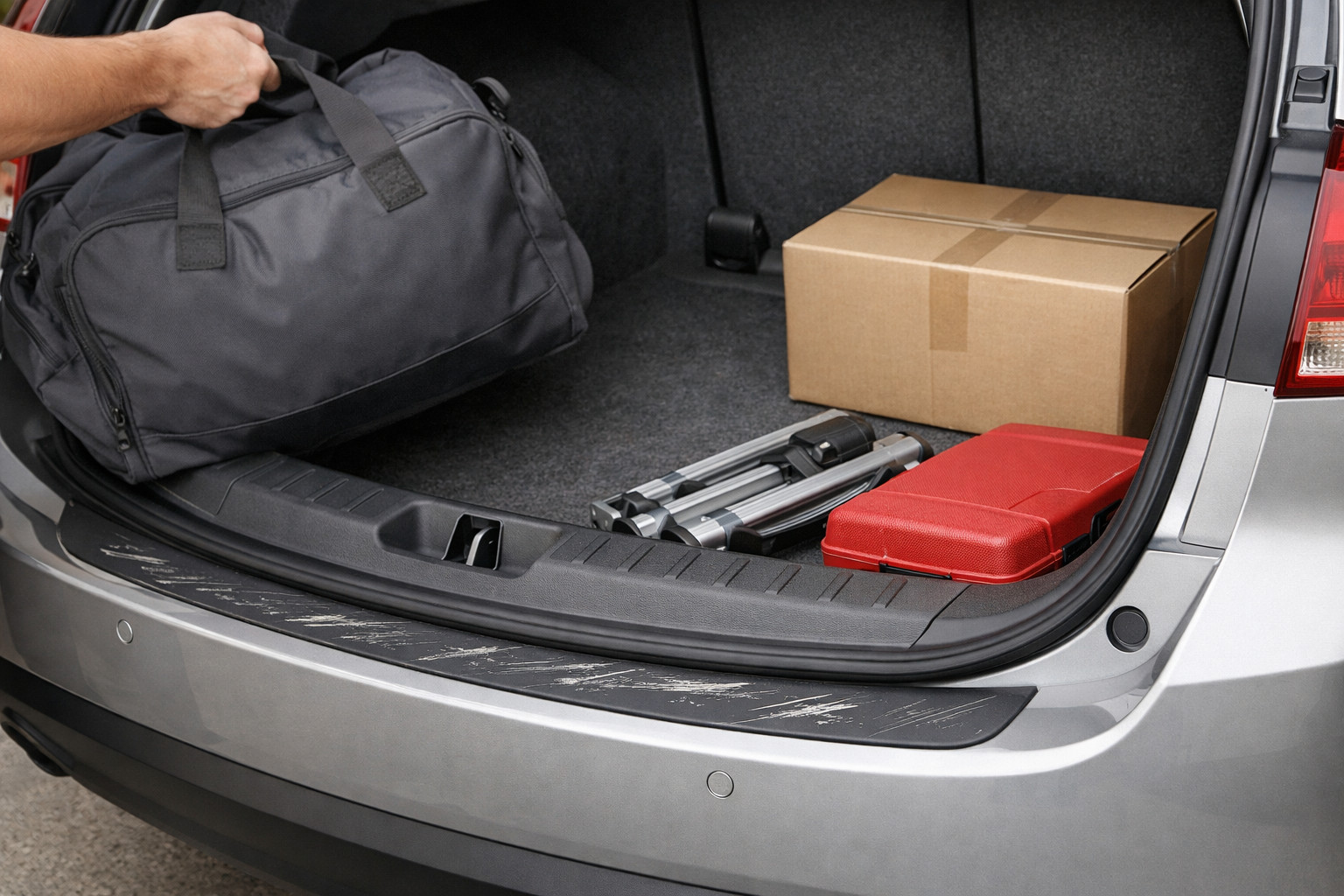
In terms of comfort, the iX3 isn’t just a stiff “athlete.” Its advantage is that it stays composed on bad roads and doesn’t fall apart over small imperfections. Practicality is good too: the everyday trunk is slightly smaller than Audi’s, but the maximum volume with the seats folded is larger. The weak spot is straightforward: the model is new, so there isn’t yet the depth of statistics on battery longevity, minor glitches, and winter use that many people want to see before buying.
Audi isn’t trying to beat BMW in every number. Its bet is on calmness and a mature highway character. The Q6 e-tron is a bit slower, has a shorter claimed range and weaker peak DC charging, but at speed it feels more relaxed and does an excellent job of cutting out noise.
Practicality in the Audi isn’t an empty claim either: the body is wider, the everyday trunk is slightly larger, the front compartment is more useful, and the 2400 kg towing capacity is a serious argument for those who actually haul a trailer, caravan, or equipment. Plus, there’s an independently confirmed strong safety result, and for a family buyer that’s often more important than acceleration.
The main caveat isn’t dynamics, but electronics. This is where stories most often appear about interface glitches, login issues, freezes, and odd behavior of certain functions. The second complaint is winter efficiency and charging in the cold. So you should choose the Q6 not for the pretty screens, but if you truly need its highway calm, quietness, and towing capability.
For mixed driving, regular intercity trips, and the desire to get the most tech for your money, BMW looks like the better choice. It requires fewer excuses for its price: in range, power, charging, and performance.
For long highway runs, family use with an emphasis on quietness, and for towing, it’s more logical to look at Audi. It may not look like the best deal on a calculator, but it delivers the kind of comfort many consider true premium.
If your biggest concern is risk, the choice isn’t so straightforward. With BMW, the risk is platform newness and the lack of long-term statistics. With Audi, the risk is more specific: software and minor electronic issues. The question isn’t who is “absolutely reliable,” but which type of compromise you’re willing to accept.
| Scenario | What to choose | Why |
|---|---|---|
| Frequent long trips with fast charging | BMW iX3 | Longer claimed range, lower entry price, and a stronger DC-charging buffer |
| Quiet high-speed highway driving | Audi Q6 e-tron | Better sound insulation and a calmer highway character |
| Towing a trailer | Audi Q6 e-tron | Higher permitted towing mass — 2400 kg |
| Vacations with lots of luggage | BMW iX3 | Larger maximum cargo volume with the second row folded |
| Daily mixed use and the desire not to overpay | BMW iX3 | Better balance of price, performance, range, and charging |
| Safety as the key priority | Audi Q6 e-tron | Already has a known independent safety rating, which matters more to some buyers than range numbers |
Paying extra makes sense when it covers a specific need, not just the desire for a more expensive badge. In Audi’s case, that’s primarily quiet highway travel, towing, and an emphasis on safety. In BMW’s case, what can end up costing more isn’t the purchase itself, but the right configuration for long trips—where you actually use the range and fast charging.
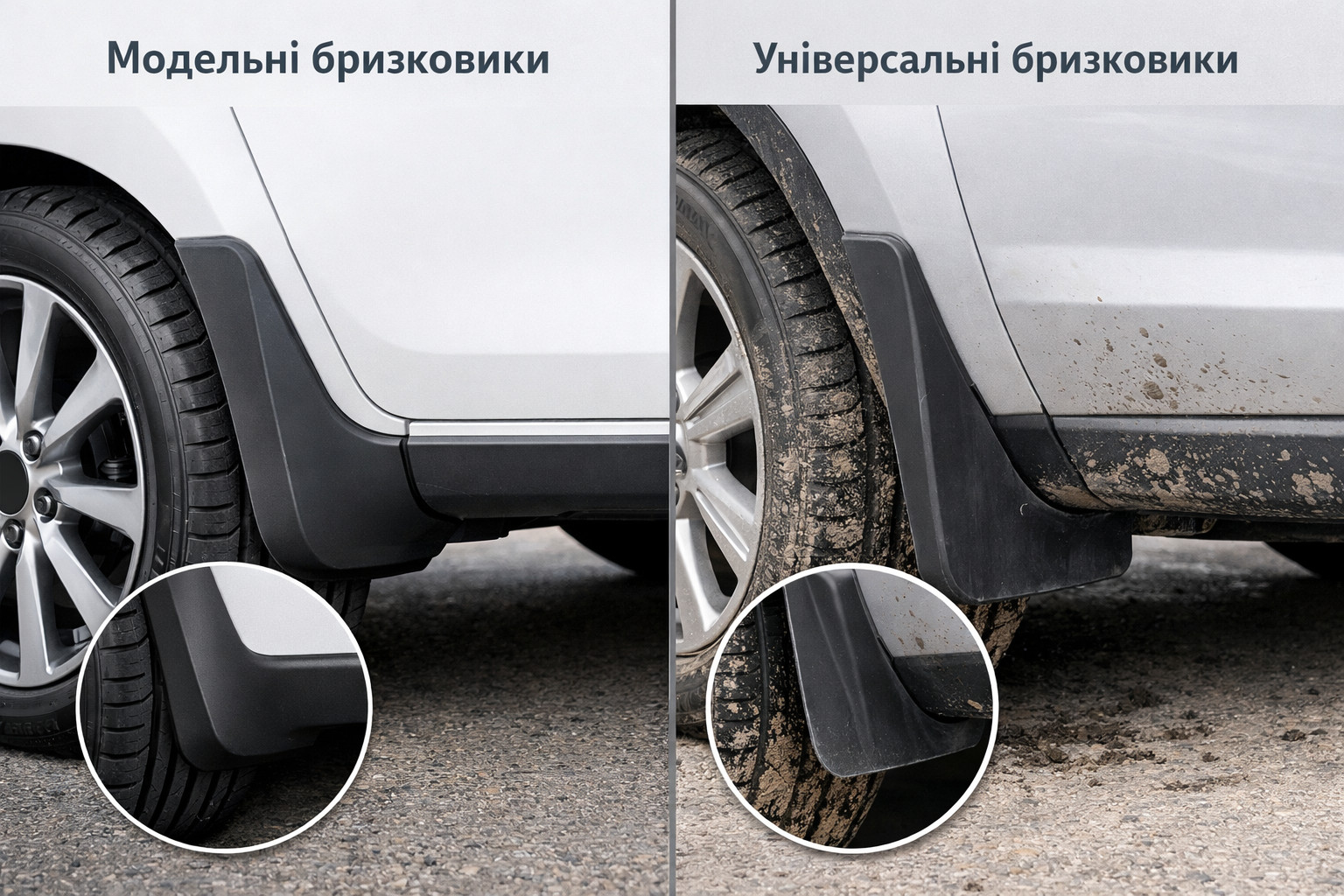
It’s also worth budgeting right away for things that affect daily comfort more than an extra few tenths to 100 km/h: mats for Audi Q6, mats for BMW iX3 and soundproofing materials. For large electric crossovers, these are practical expenses, not cosmetics: a cleaner cabin, less everyday noise, and fewer irritants in daily use.
The BMW iX3 is the stronger choice for those who focus on engineering, range, charging, and overall value. The Audi Q6 e-tron is better for a buyer who values highway calm, towing, and proven safety more. The takeaway is simple: don’t buy based on a single WLTP number or the beauty of the screens—buy for your route, your tolerance for software issues, and your real use case.
| ✔ | BMW iX3 has a longer claimed range and higher peak DC charging power, making it more practical for frequent long trips and fast charging. |
| ✔ | BMW iX3 has a lower starting price, so it offers a better balance of range, performance, and charging capability for the money. |
| ✔ | On poor roads, the iX3 feels composed: it handles bumps without excessive harshness and keeps a sense of control. |
| ✔ | Audi Q6 e-tron is quieter on the highway and more relaxed at high speeds, which is important for long motorway journeys. |
| ✔ | Audi has a higher permissible towing capacity — 2400 kg — so it is better suited for a trailer or caravan. |
| ✘ | BMW iX3 is still quite new, so there is no long-term data on battery life, minor glitches, or winter use. |
| ✘ | On larger wheels, BMW can have more noticeable road and wind noise, so comfort depends on the trim level. |
| ✘ | Audi Q6 e-tron is more expensive and has a more modest claimed range than the BMW iX3. |
| ✘ | The Q6 e-tron is often mentioned for software issues and minor electronic faults, including interface glitches and freezes. |
| ✘ | Audi feels heavier and larger in the city, and there are also concerns about winter efficiency and charging in cold weather. |
Shipping to EU
Wholesale and retail
Own warehouse
Опис продукту
Подарунки не надаються при оформленні покупки у кредит під 0,01% або при покупці частинами.