27.08.2026
63
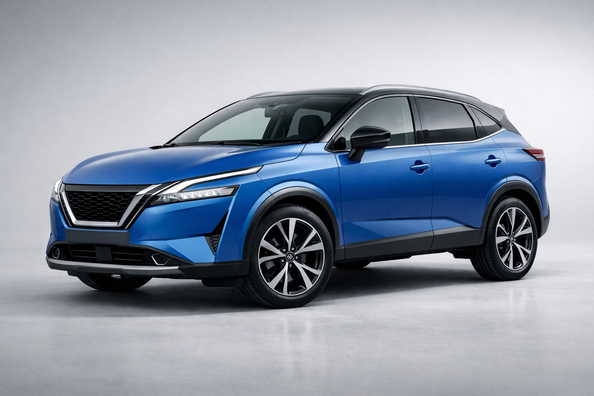
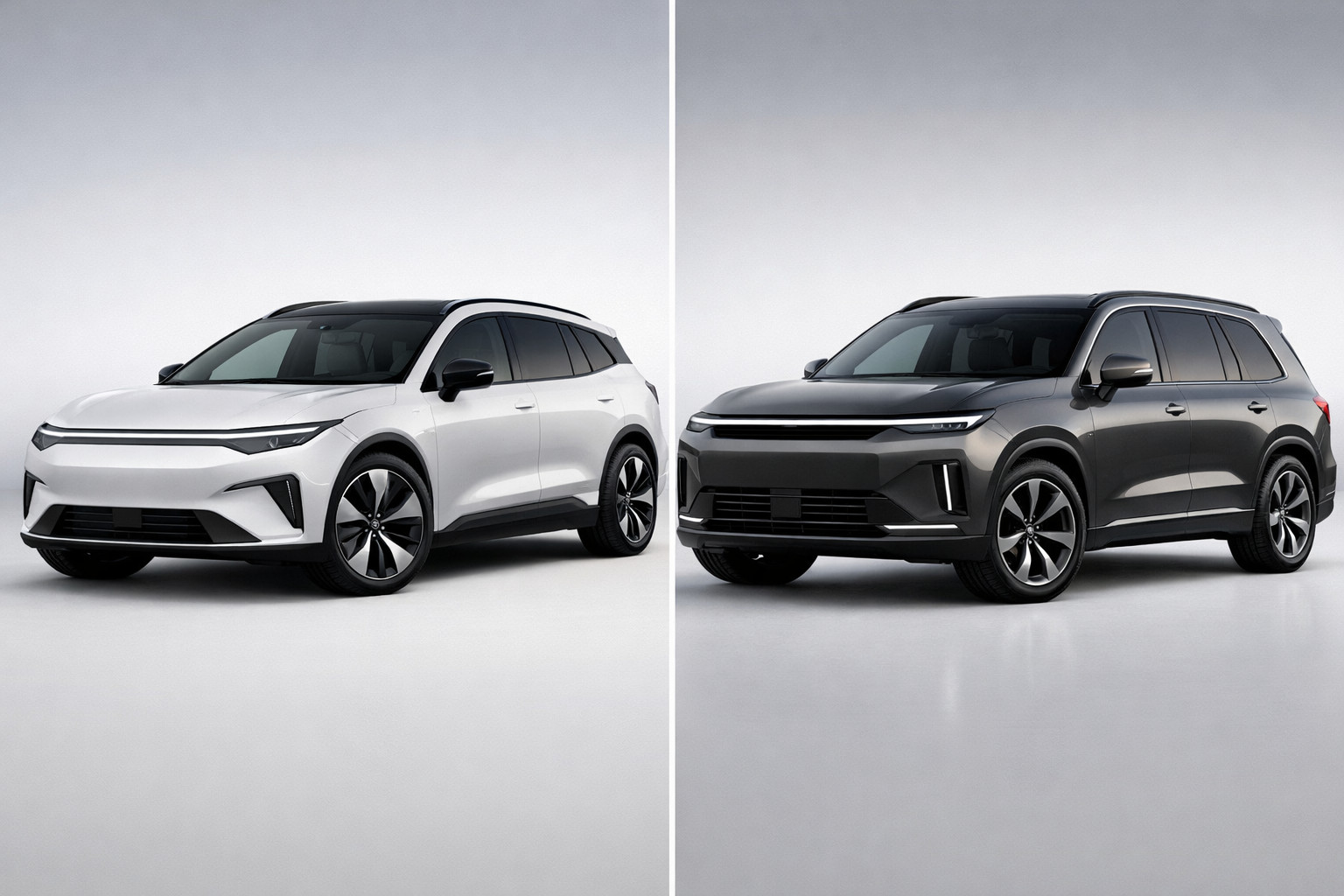
Nissan Qashqai J12 in the 2024 version is not a “brand-new car from scratch”, but a smart refresh of an already well-understood urban crossover. Its essence hasn’t changed: city-friendly dimensions, a higher seating position, a decent trunk, and a set of modern safety systems that are genuinely useful in everyday driving.
This model suits those who drive in the city, regularly head out on the highway on weekends, and don’t want a big, heavy crossover. Qashqai makes less sense for those who need a very spacious second row, frequent driving fully loaded, or true off-road capability.
Qashqai has long been at the heart of the family crossover class and effectively set the template for a “city SUV without extra bulk”. In the third-generation J12 it feels more mature: better materials, more electronics, calmer handling, but without trying to pass itself off as a sporty model.
In the market it’s typically compared with the Kia Sportage, Hyundai Tucson, Peugeot 3008, Toyota Corolla Cross, and other C-segment crossovers. Qashqai’s strong side is balance. It’s not the biggest, not the softest, and not the cheapest, but it covers typical daily use cases well: work, kids, supermarket runs, a short trip, intercity highway driving.
The first-generation Qashqai J10 launched in 2006 and lasted until 2013, with sales continuing a bit longer in some markets. The second-generation J11 was produced from 2013 to 2021. The third-generation J12 appeared in 2021, and in 2024 it received a facelift: refreshed front-end styling, changes in equipment and electronics, but without changing the core concept of the car.
So when people talk about the 2024 Qashqai, it’s important to understand: it’s the updated J12. If you’re looking at listings, accessories, or technical data, the generation should be checked separately, because J11 and J12 differ significantly in the body, interior, and parts compatibility.
For the J12 in 2024, the main options remain gasoline versions with mild hybrid tech and the e-Power system. The exact engine lineup depends on the market, so it’s worth confirming the specific trim before buying.
| Version | Engine | Power | Transmission | What matters |
|---|---|---|---|---|
| 1.3 mild hybrid | 1.3 turbo gasoline | 140 hp | 6-speed manual | The most straightforward option for those who don’t want to overpay for a more complex setup. |
| 1.3 mild hybrid | 1.3 turbo gasoline | 158 hp | manual or Xtronic CVT, depending on the market | Better for those who drive on the highway more often or prefer a calmer reserve of pull. |
| e-Power | 1.5 turbo gasoline as part of the hybrid system | 190 hp | front-wheel electric drive | The wheels are driven by an electric motor, while the gasoline engine mostly works as a generator. It does not charge from a plug. |
In everyday life, the 1.3-liter versions are more familiar in terms of design and easier to grasp from a service standpoint. e-Power is more interesting in the city: it pulls away smoothly, responds well to the throttle in stop-and-go traffic, and gives an “electric” feel without external charging. If you need all-wheel drive, it isn’t available on all versions and in all markets, so this should be checked separately.
The J12 is built on the CMF-C platform and feels tighter and more cohesive than its predecessor. At the same time, the car hasn’t become bulky: it’s still easy to park in the city, and the seating position is higher and more comfortable than in a regular hatchback.
| Parameter | Value |
|---|---|
| Length | 4425 mm |
| Width | 1835 mm |
| Height | 1625 mm |
| Wheelbase | 2665 mm |
| Ground clearance | about 180 mm, depending on version and wheels |
| Trunk volume | up to 504 L, less on some versions |
| Suspension | front MacPherson; rear torsion beam or multi-link depending on version |
It’s the rear suspension that’s one of the nuances people often miss. Some front-wheel-drive cars have a simpler setup, while more expensive or all-wheel-drive versions may get a more complex layout. For the owner, this means a difference not only in road behavior, but also in future maintenance.
The J12 cabin is noticeably neater and more modern than the J11’s. Front seating is comfortable, the controls are logical, and higher trims feel noticeably nicer thanks to digital displays, cameras, and driver-assistance electronics. After the 2024 update, the focus is precisely on visual refresh and technology.
The second row is fine for two adults or child seats, but there’s no class-leading space here. On safety, Qashqai is strong: automatic braking, lane keeping, blind-spot monitoring, adaptive driving aids—the set depends on trim, but overall the model is well equipped for daily driving.
In the city, Qashqai is convenient because it doesn’t require a learning curve. Visibility is good, the body isn’t too long, and the higher seating position reduces fatigue in traffic. For a family with one or two kids, the trunk is usually enough for a stroller, groceries, or travel bags, but if you regularly carry a lot of stuff, it’s better to check the trunk configuration in the specific version right away.
On the highway, the crossover behaves calmly, without unnecessary nervousness. But it’s not a car for spirited driving, and on large wheels the ride can become firmer. If your scenario is daily short trips, traffic jams, and frequent stops, e-Power looks more logical. If the priority is a simpler, familiar setup and a more predictable choice on the used market, the 1.3-liter versions make more sense.
From an owner’s perspective, the Qashqai J12 is strong where a car needs to be convenient every day, not just impressive on paper. But it also has limitations that are better understood honestly before buying.
| Strengths | Weaknesses |
|---|---|
| Convenient format for city and highway | The second row isn’t the roomiest in the class |
| High seating position and good visibility | Real trunk volume differs by version |
| Modern safety and driver-assistance systems | Suspension type and spec depend on trim |
| Choice between mild hybrid and e-Power | e-Power is more expensive and more complex for those who want the simplest possible tech |
| Higher-quality interior than its predecessor | On large wheels, the ride can be firmer |
In short, Qashqai suits those who need a balanced crossover without unnecessary weight and size. It doesn’t suit those who want maximum space for the same money or expect a crossover to be a universal “one car for everything”, including rough roads and heavy loads.
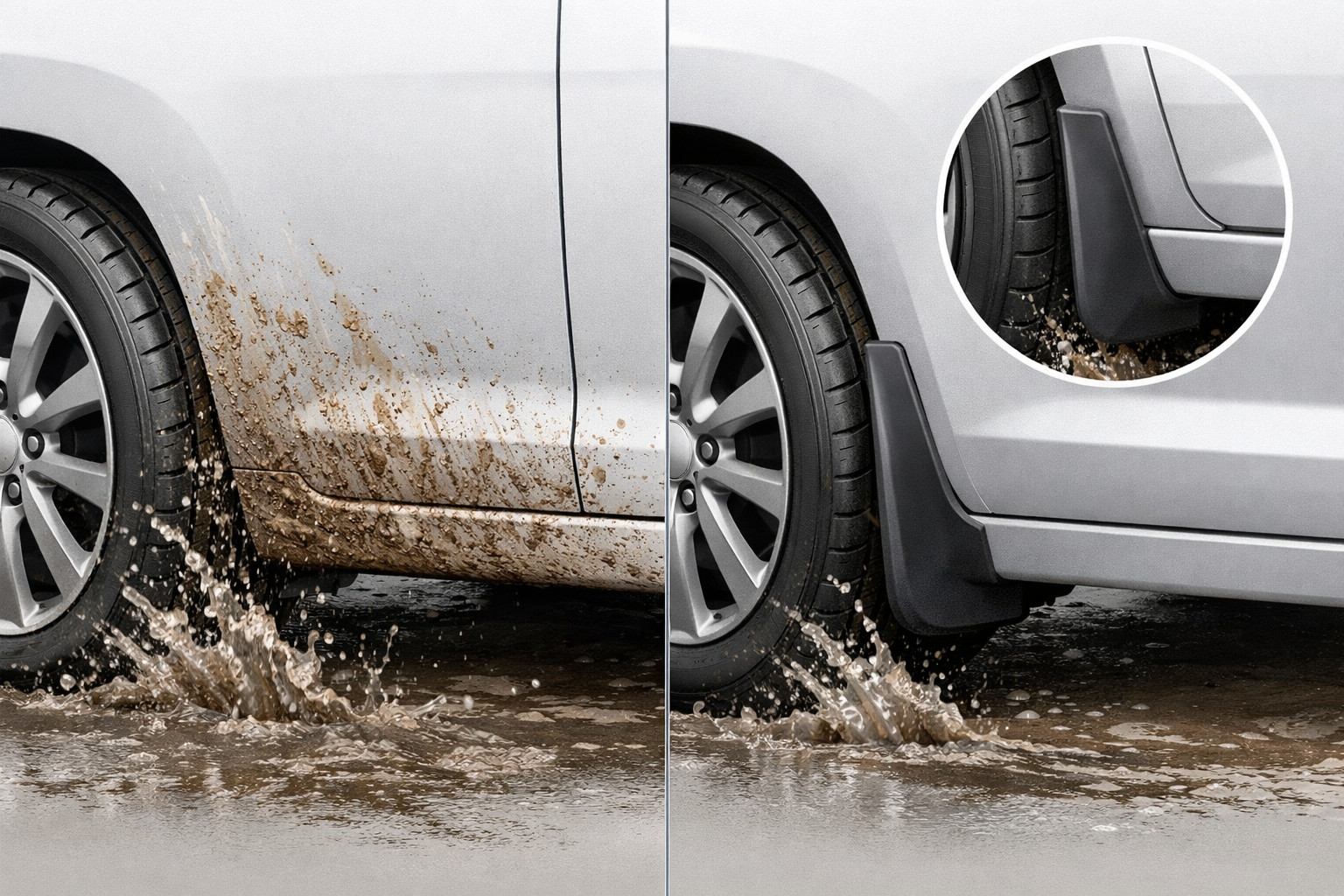
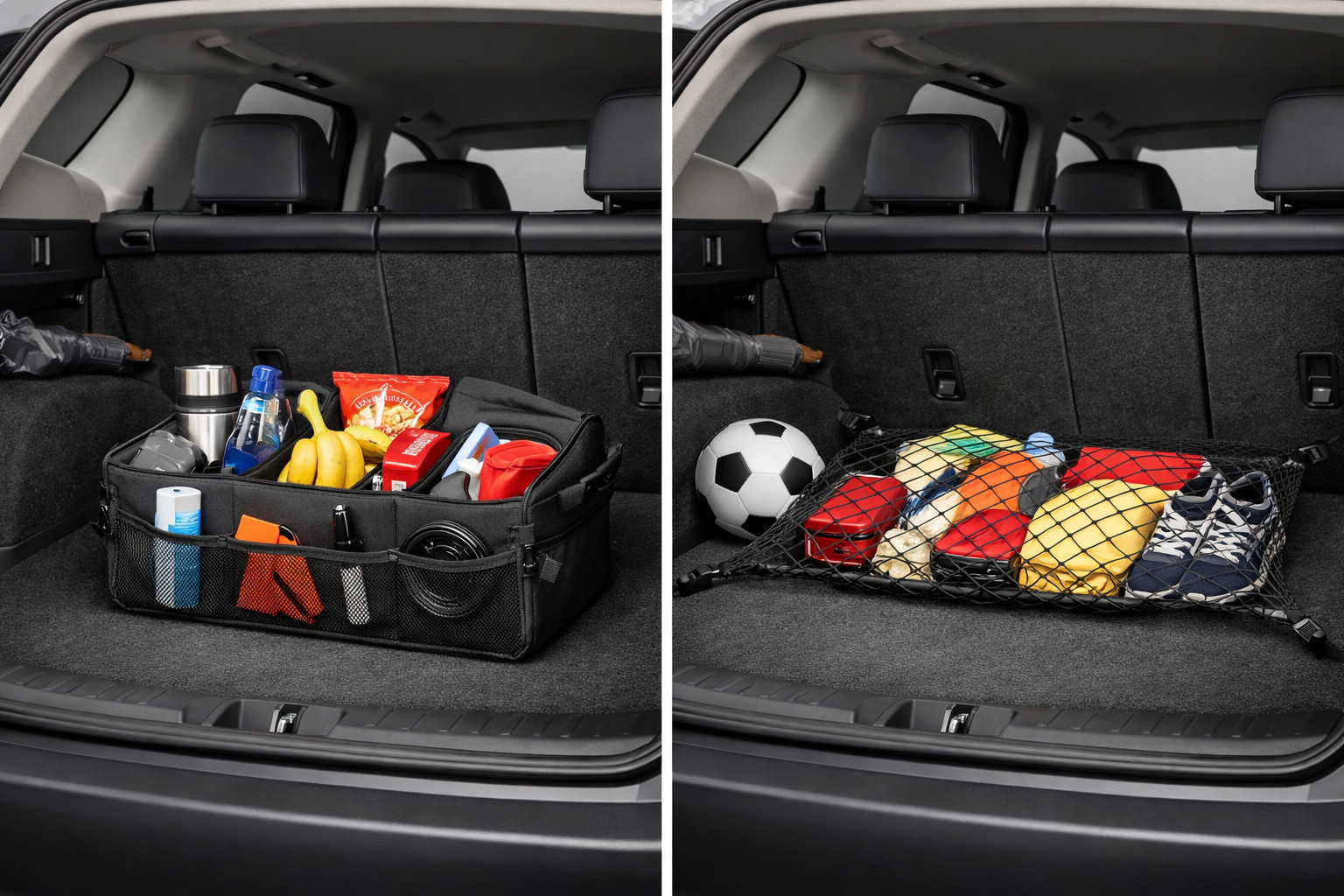
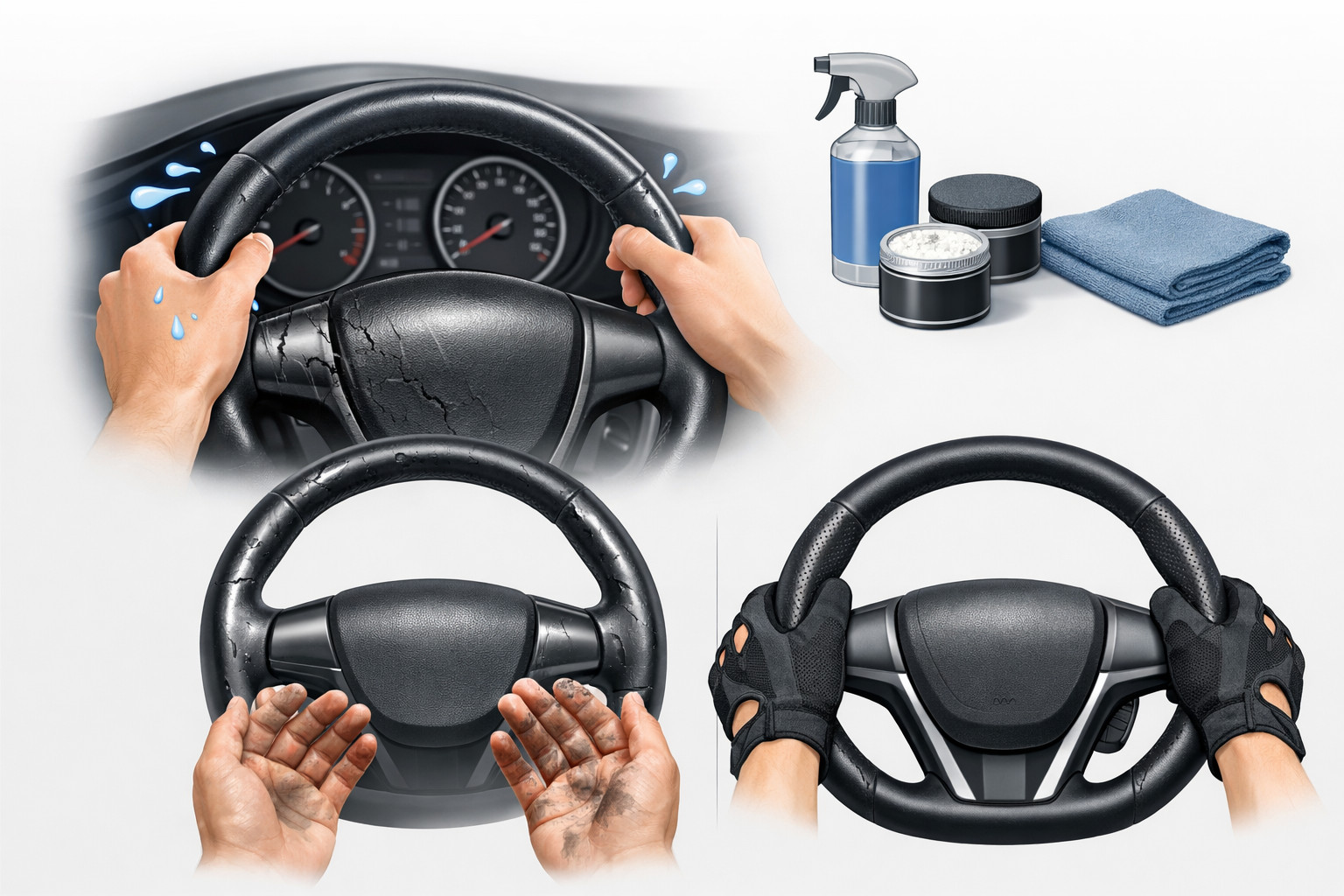
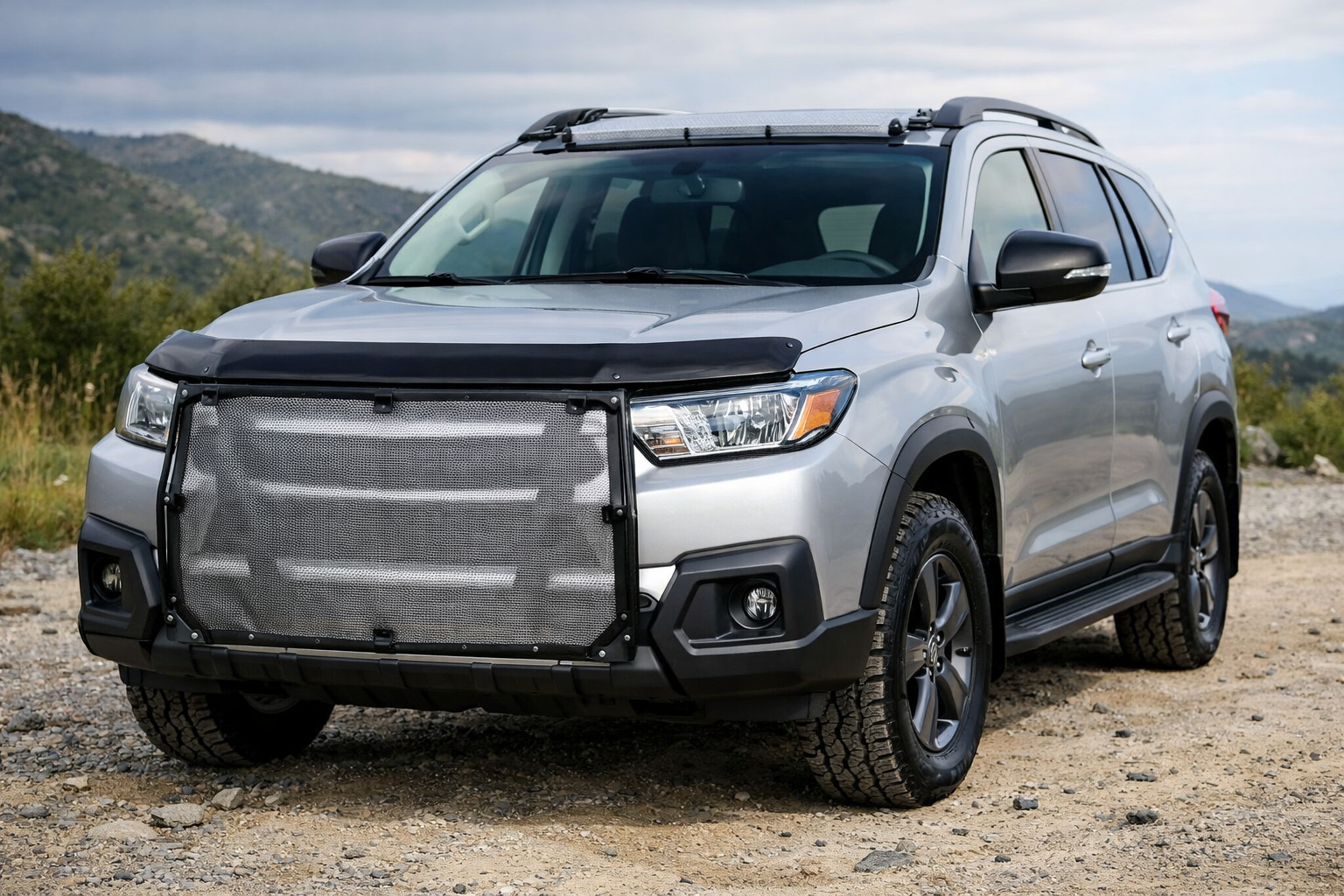
For the Qashqai J12, practical tuning makes the most sense rather than purely decorative upgrades. If you want to first double-check what exactly changed after the update, it’s useful to look at the Qashqai 2024 review. As for accessories, it’s usually best to start by covering the areas that take daily dirt, moisture, and wear.
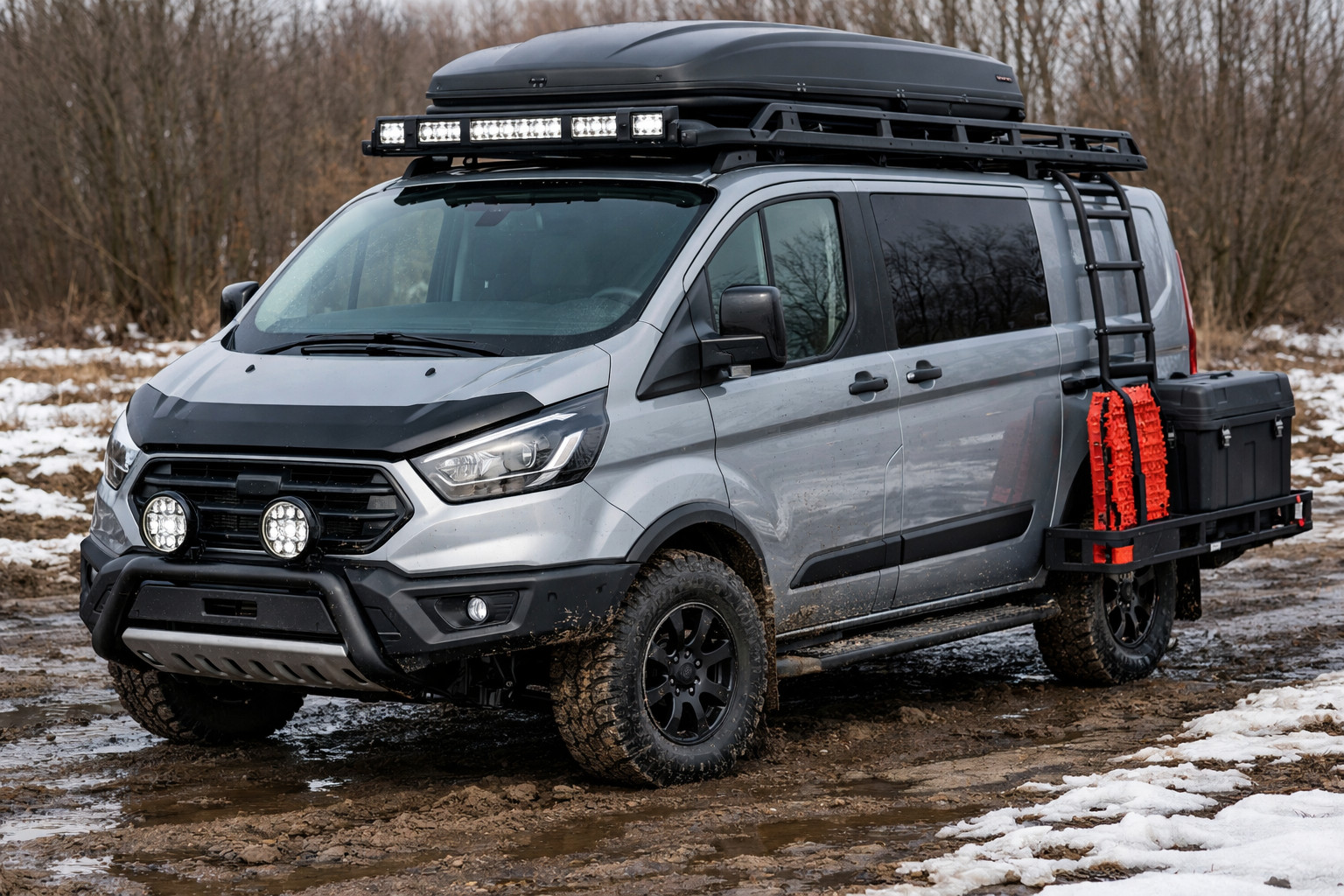
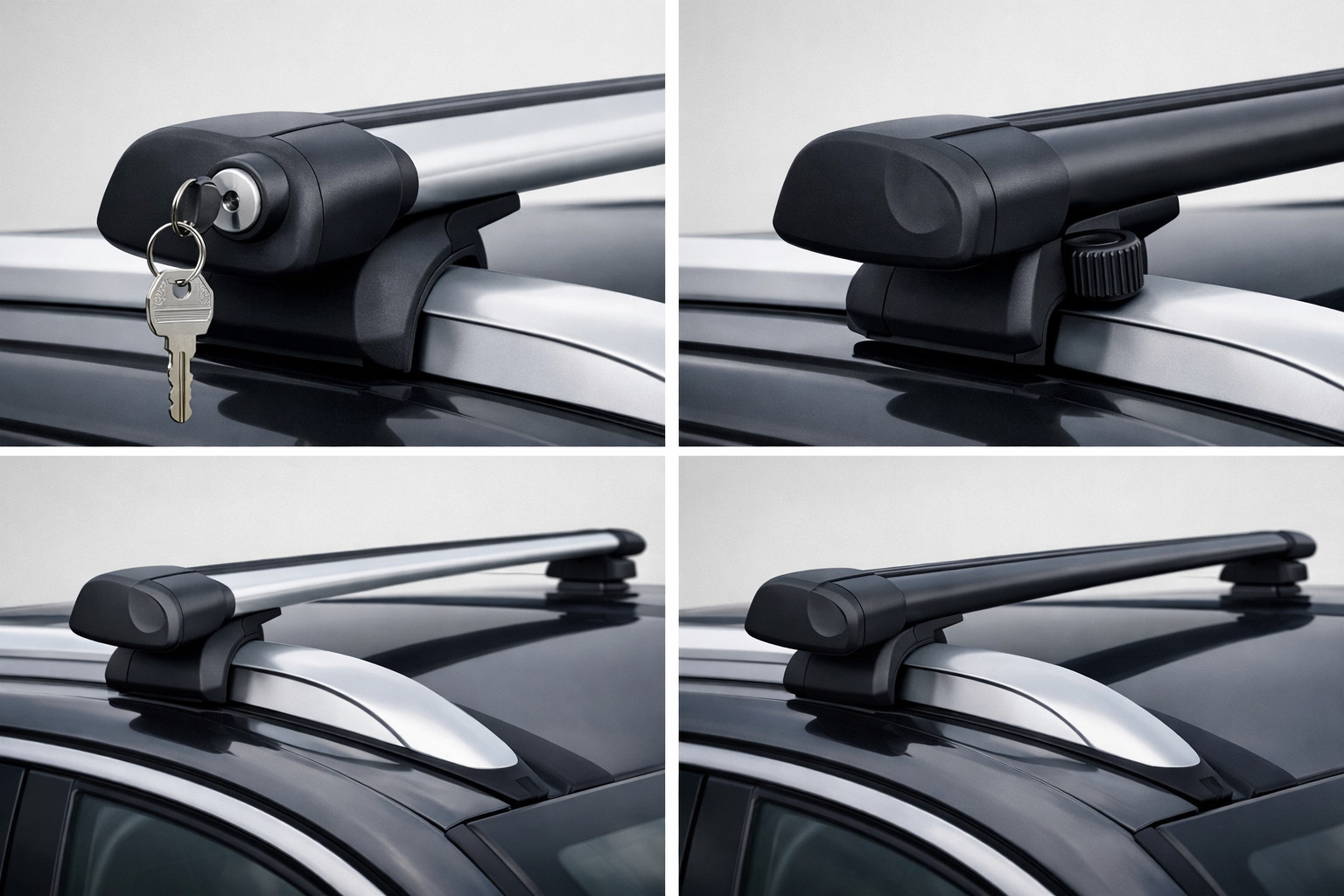
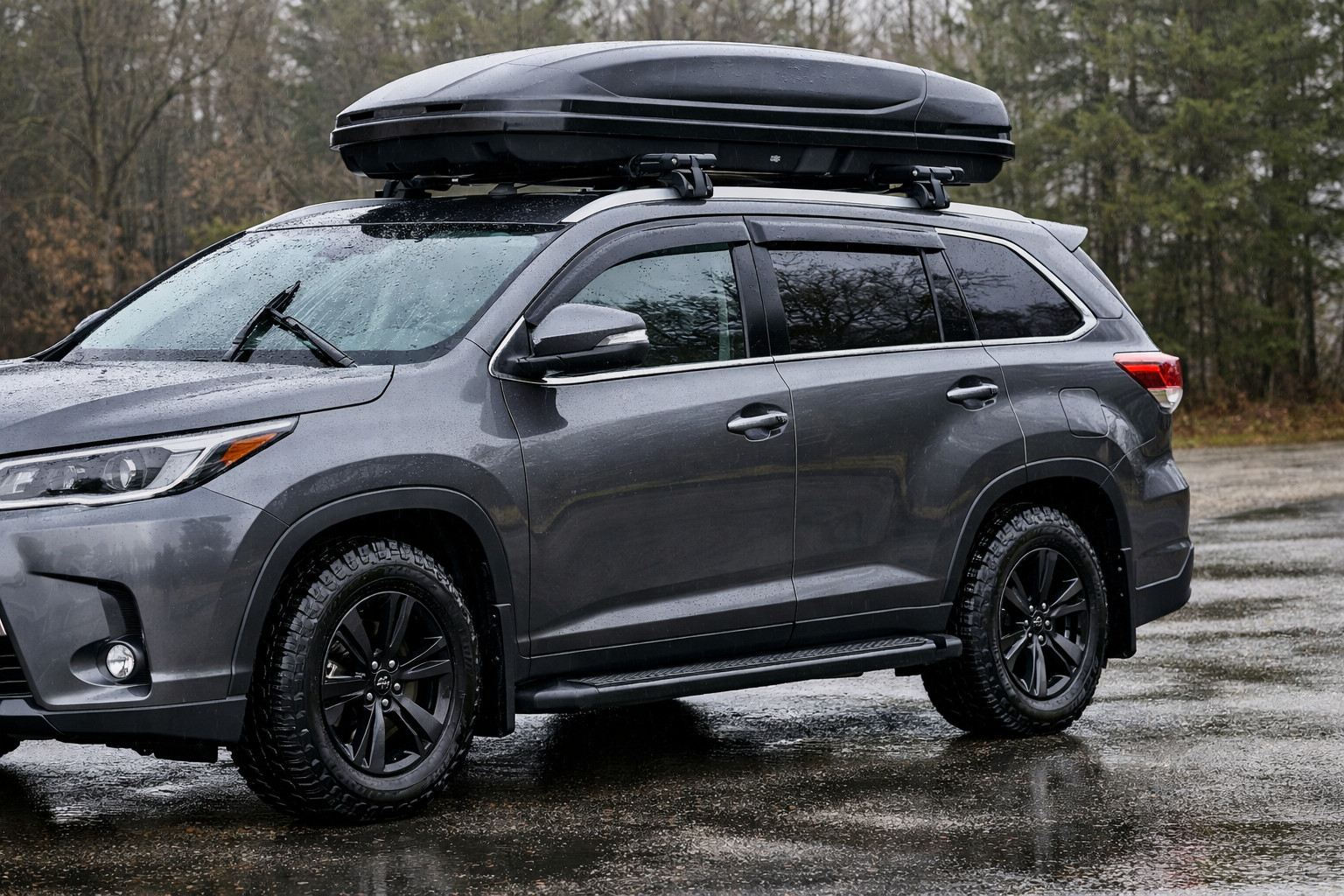
After that, you can think about roof cargo systems, wind deflectors, or other add-ons for your use case. For an urban Qashqai, the best approach is “protection and everyday convenience first, styling second”.
The Nissan Qashqai J12 2024 is a solid urban crossover for those who need a clear, everyday car without extra size. It’s strong in seating comfort, electronics, and overall balance, but you shouldn’t expect the space of larger models or an off-road character from it. If you choose the version for your driving pattern and don’t ignore the differences between trims, Qashqai remains a very practical option. This material is based on real selection experience, hands-on practice, and real-world usage scenarios.
| ✔ | Convenient for city driving: compact dimensions, good visibility, and a higher seating position make parking and everyday traffic easier. |
| ✔ | There is a choice between simpler 1.3-liter mild hybrids and e-Power, so you can choose the version that suits your driving needs. |
| ✔ | The cabin has become more modern and neater than the previous model, and higher trims offer useful equipment such as screens, cameras, and driver-assist electronics. |
| ✔ | The safety system set looks strong for everyday use: there is automatic braking, lane keeping, blind-spot monitoring, and adaptive driving assistants. |
| ✔ | The trunk and cabin are generally sufficient for everyday family tasks such as a stroller, shopping, or travel bags. |
| ✘ | The second row is not the most spacious in its class, so there may not be enough room for regular trips with three adults or a large family. |
| ✘ | Trunk capacity and even the suspension type depend on the specific version, so it is important to carefully check the equipment before buying. |
| ✘ | e-Power is more complex and more expensive than the simpler 1.3-liter versions if you need the most straightforward setup without unnecessary nuances. |
| ✘ | On large wheels, comfort can become firmer, so not all versions are equally pleasant on rough roads. |
Shipping to EU
Wholesale and retail
Own warehouse
Опис продукту
Подарунки не надаються при оформленні покупки у кредит під 0,01% або при покупці частинами.