18.07.2026
241
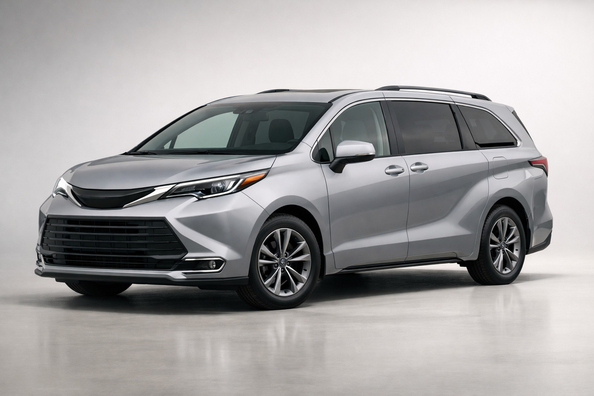
The fourth-generation Toyota Sienna is a large family minivan that, in its current generation, bets not on a choice of engines but on one well-thought-out formula: a hybrid, a spacious cabin, and calm day-to-day use. For a family with kids, long trips, and regular transport of seven to eight people, it’s a more practical format than most seven-seat crossovers.
The key thing to understand before buying: Sienna 4 isn’t about a sporty character or bad roads. It’s strong where a low floor, sliding doors, a roomy third row, and predictable fuel consumption matter, but the size and modest ground clearance impose their limits.
The fourth Sienna plays in the niche of large North American minivans. Its direct competitors are the Kia Carnival, Honda Odyssey, and Chrysler Pacifica. Unlike many three-row crossovers, the priority here isn’t a “higher driving position,” but easy entry, cabin width, and a third row that’s genuinely usable for adults.
For the Ukrainian market, this model is most often of interest as an imported vehicle from the USA. That’s why, when choosing, not only the trim and mileage matter, but also the damage history, the condition of the sliding doors, the electrics, and the safety systems.
Sienna has been produced since the late 1990s, but the fourth generation became a turning point: the model switched to a hybrid powertrain in all versions and dropped the gasoline V6 that the predecessor had.
| Generation | Years | What matters to know |
|---|---|---|
| I | 1997–2003 | The start of the model, a classic family minivan for the US market. |
| II | 2003–2010 | The vehicle became larger and closer to a full-size format. |
| III | 2010–2020 | Widely known on the used market, often with a gasoline V6. |
| IV | from 2020 | Debuted as a 2021 model; hybrid only, front-wheel drive or all-wheel drive. |
The fourth generation effectively has one power setup: a naturally aspirated 2.5 L gasoline engine paired with a hybrid system. The combined output is 245 hp. This is an important point: looking only at the gasoline engine’s power makes no sense here, because the car’s character is defined by the entire hybrid system.
The transmission is a hybrid continuously variable transmission. There is no classic automatic here. Front-wheel drive is standard, and all-wheel drive is available on some versions and works via a separate electric drive for the rear axle. It’s useful on slippery surfaces, but Sienna still remains a road-focused minivan, not a vehicle for broken backroads.
The Sienna’s body is large even by class standards, but that’s exactly what gives it a proper third row and a wide door opening. The suspension is tuned for comfort: its strong side is a smooth highway ride and stable behavior with a full cabin, not cornering азарт.
| Parameter | Value |
|---|---|
| Years of production, 4th generation | from 2020, sales as a 2021 model |
| Powertrain | hybrid, gasoline 2.5 L |
| Combined power | 245 hp |
| Transmission | hybrid CVT |
| Drive | front-wheel or all-wheel |
| Length | 5175 mm |
| Width | 1995 mm |
| Wheelbase | 3060 mm |
| Height | about 1740–1785 mm depending on version |
| Ground clearance | approximately 160–175 mm depending on drivetrain and wheels |
| Trunk | about 949 L behind the third row; over 2100 L with the third row folded |
| Number of seats | 7 or 8 depending on configuration |
In practice, it means one simple thing: on the highway the Sienna is pleasant and quiet; in a courtyard and in tight parking lots it’s big. If you need a vehicle for regular trips on gravel roads, the low front overhang and moderate ground clearance should be considered right away.
The interior is the main argument for this model. The second row in many trims is very comfortable for long trips, the third row isn’t just for show, and the sliding doors genuinely simplify getting kids in and accessing the cabin in a tight city. At the same time, the second row in this generation isn’t as easy to remove as some expect from a minivan, and that’s worth knowing before buying.
On safety, Sienna is strong: depending on trim and year, there’s a suite of electronic aids with automatic braking, adaptive cruise control, lane keeping, and blind-spot monitoring. But the equipment set depends on the version, so a specific car should be checked by its trim level, not by a general description of the model.
In the city, the Sienna wins thanks to the hybrid, smooth takeoffs, and the convenience of the doors, but loses in maneuverability to a typical crossover. On the highway, it’s a very fitting format for a family: the seating is less tiring, it’s easier to seat the kids, and there’s room for stuff without playing “Tetris.”
From an owner’s perspective, something else matters: this is a vehicle that likes proper maintenance and accurate parts selection by generation. On imported cars, it’s especially worth checking the hybrid battery condition, body geometry after repairs, the operation of the door power mechanisms, and the specification of the safety systems.
| Strengths | Weaknesses |
|---|---|
| Very spacious cabin and a full-size third row | Large dimensions in the city and when parking |
| The hybrid setup is better suited to everyday family driving than older large gasoline engines | No choice of engines for those who would prefer a familiar V6 |
| Sliding doors are more convenient than regular ones for kids and tight spaces | Ground clearance isn’t for bad roads and curb-hopping habits |
| Well suited for long trips with a full load | The second row isn’t as versatile for cargo tasks as people expect from a minivan |
| All-wheel drive is available on some versions | On the used market, you must examine the import and repair history very carefully |
In short, the Sienna suits those who regularly carry family and luggage and don’t want to sacrifice real space for the crossover trend. It’s not a great fit for those who need compact dimensions, high ground clearance, or cargo versatility without compromises.
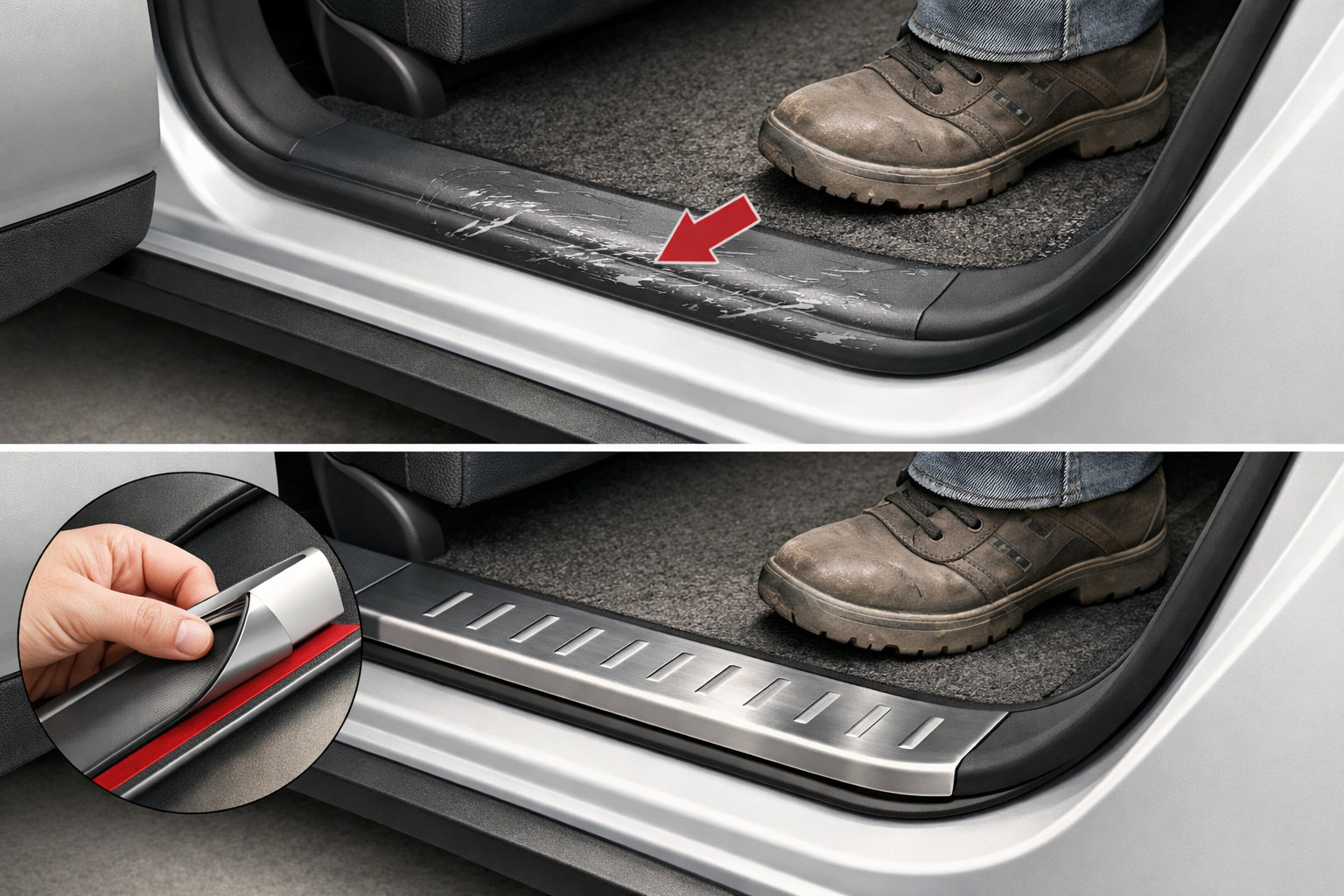
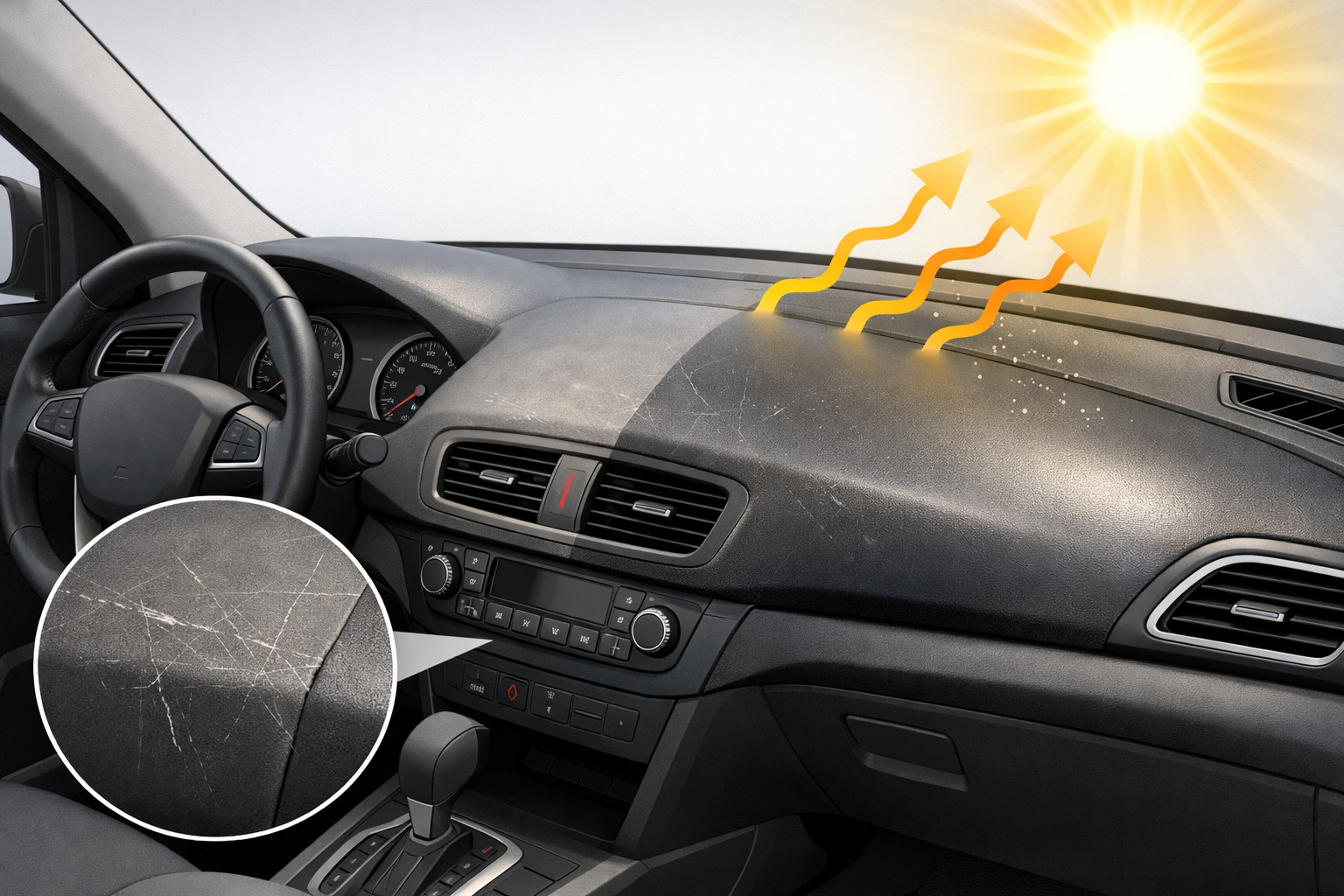
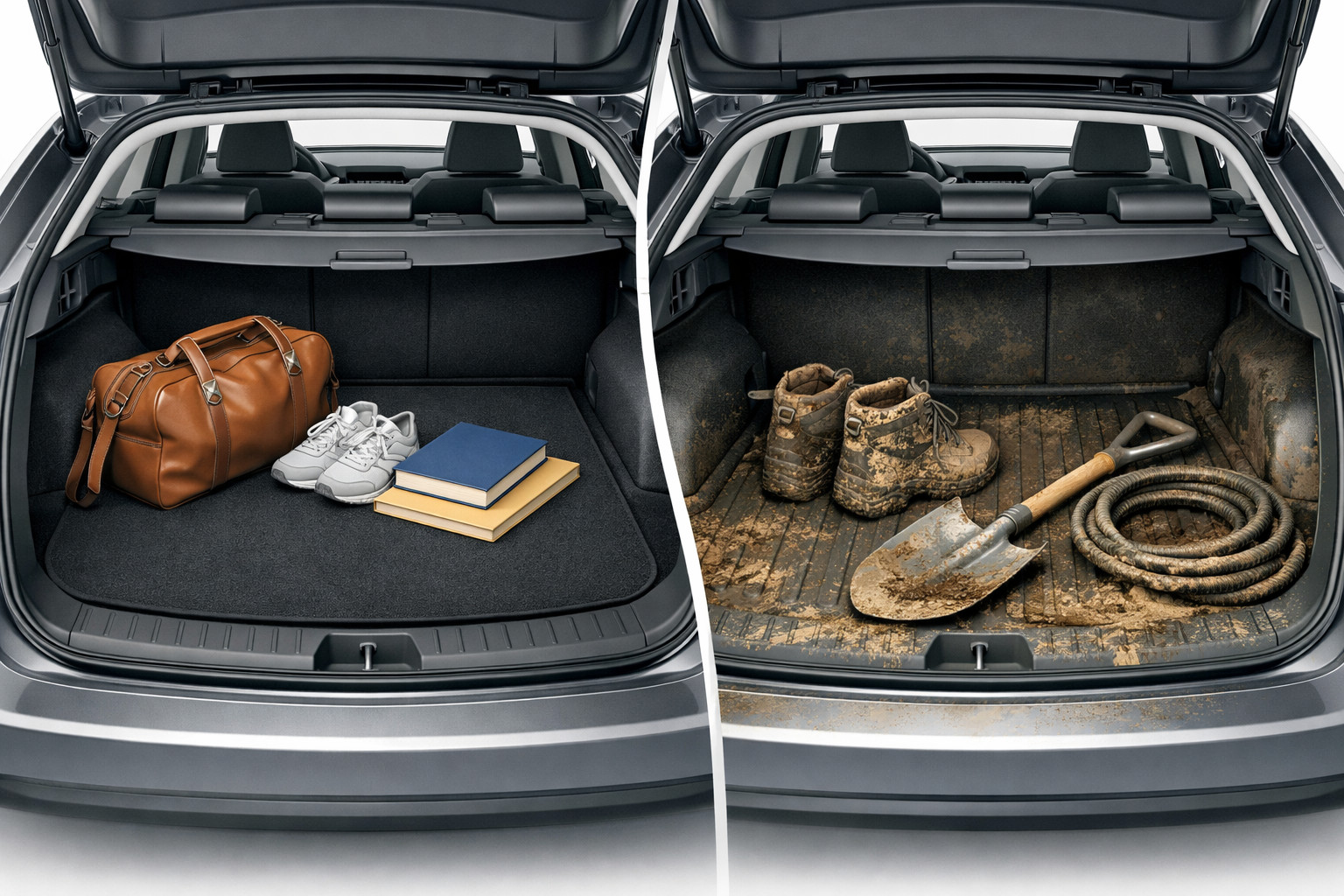
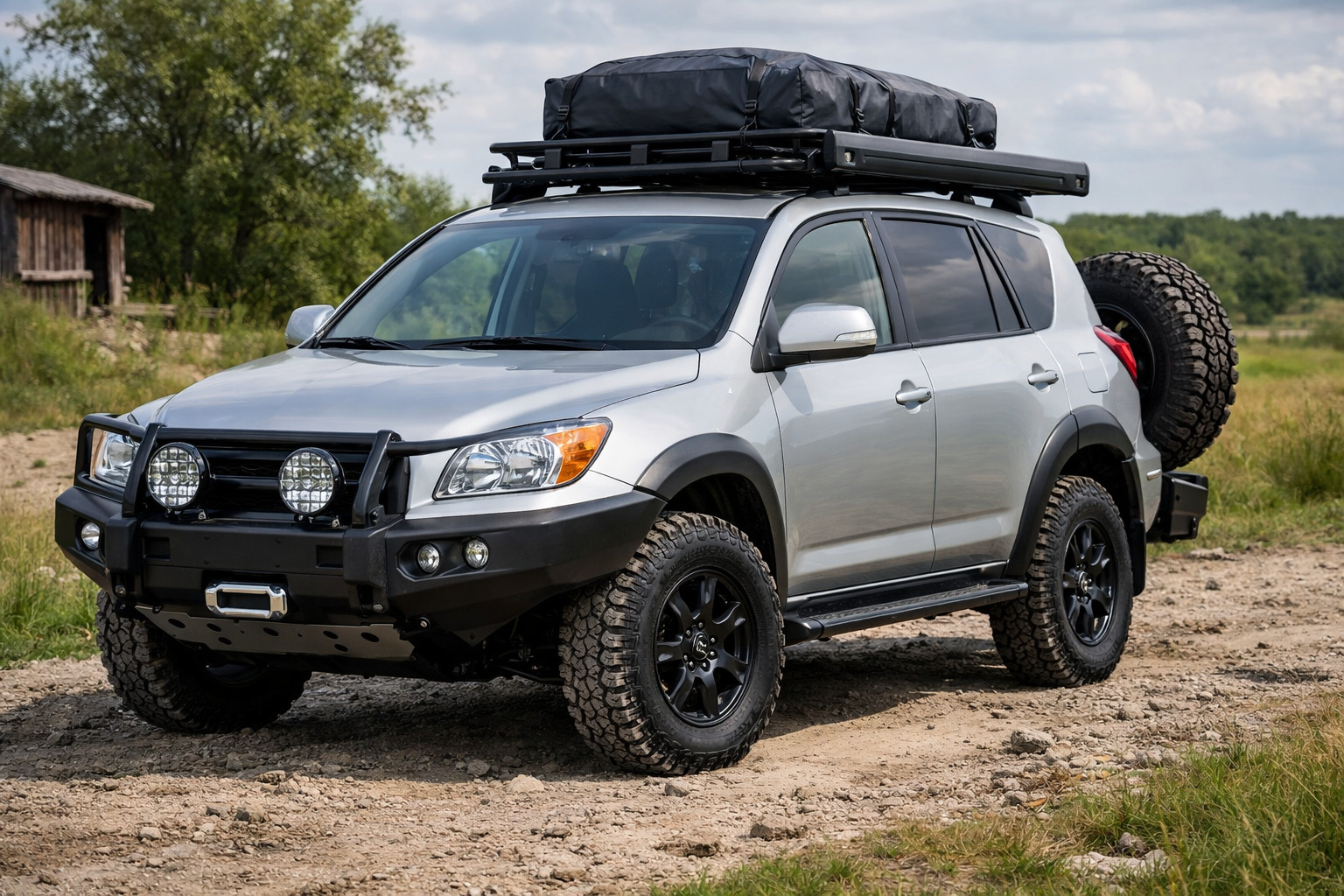
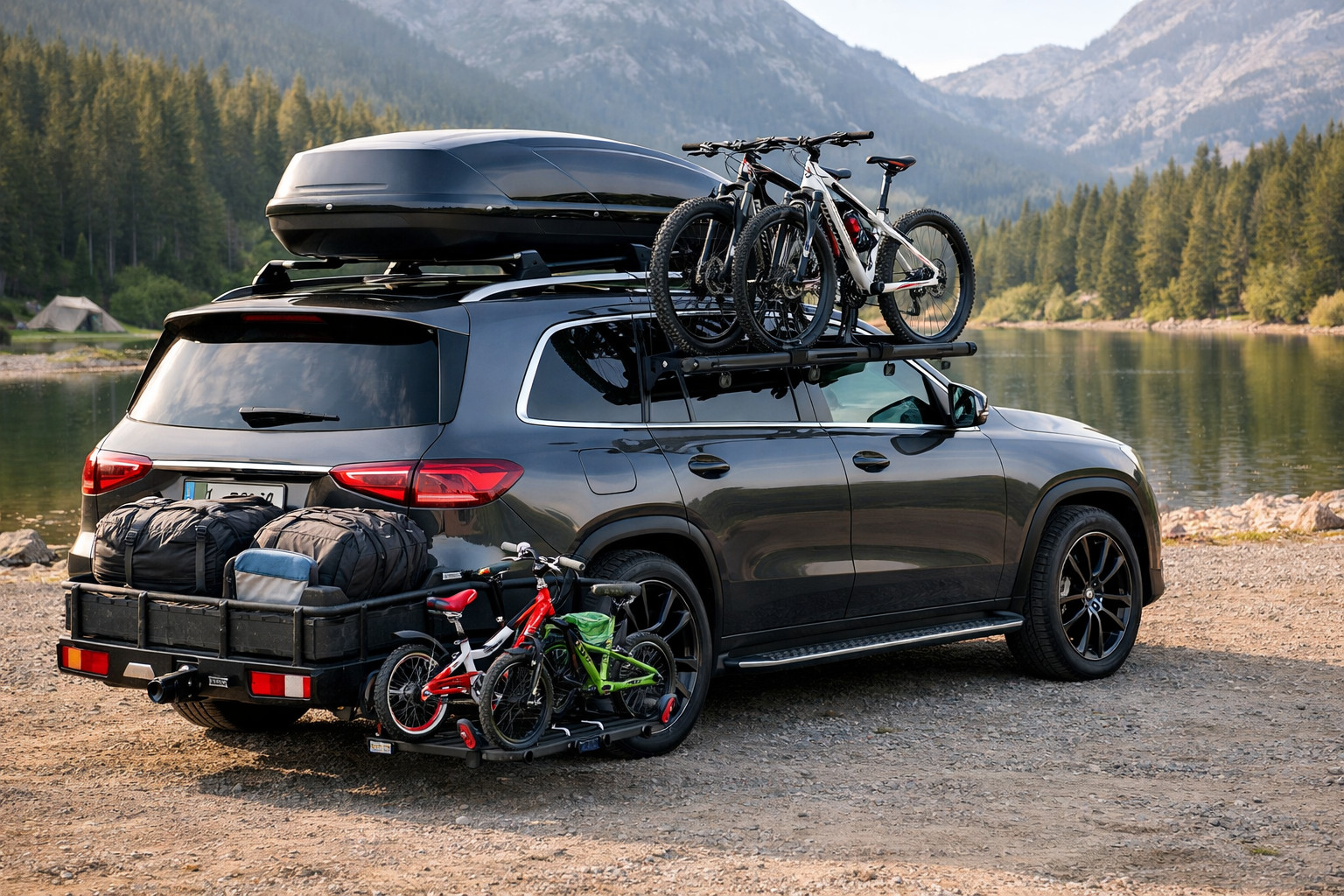
For the Sienna, the smartest route is not exterior tuning, but protection for the interior and body and travel-oriented solutions. In a family minivan, the floor, cargo area, and door sills wear out the fastest, so practical accessories matter more than decorative ones. Everything should be selected specifically for the 2020+ generation.
The 4th-generation Toyota Sienna is a strong option for a large family, frequent highway trips, and everyday use where seating, capacity, and quietness matter—not ground clearance or sporty responses. Before buying, you need to clearly accept its format: it’s a large road-going hybrid minivan, not an SUV replacement. The material is based on real selection experience, practice, and real-world use cases, so the main takeaway is simple: if you need true family transport, the Sienna is more logical than most three-row crossovers; if you need compactness or off-road capability, it’s better to look elsewhere.
| ✔ | A spacious cabin with a proper third row is well suited for family use and trips with several passengers. In this model, the third row does not feel like a token compromise. |
| ✔ | Sliding doors really make it easier to get children in and provide access in tight spaces. They are more convenient than regular doors when you have to get in by the curb or in a crowded parking lot. |
| ✔ | The hybrid powertrain delivers predictable everyday use and suits family trips better than older large gasoline engines. It is also useful in the city thanks to smooth takeoffs. |
| ✔ | On the highway, the Sienna is comfortable and quiet, especially with a full cabin and luggage. The soft suspension works better in this kind of scenario than when trying to drive aggressively. |
| ✔ | Available all-wheel drive in some trims. It adds confidence on slippery surfaces without changing the model’s core family character. |
| ✘ | The body is large, so in the city, when parking and in narrow courtyards, the Sienna is less convenient than more compact cars. Its dimensions have to be accepted as a real limitation. |
| ✘ | The ground clearance is low, and the model is not designed for bad roads or frequent trips on broken surfaces. The low front overhang makes this limitation even more obvious. |
| ✘ | The fourth generation has no engine choice, and for those used to a gasoline V6, this will not work. In practice, only a hybrid setup with a 2.5-liter engine is available. |
| ✘ | The second row is not as versatile for cargo tasks as one might expect from a minivan. If you need frequent reconfigurations for large luggage, this may be inconvenient. |
| ✘ | On the used market, you need to carefully check the import history, repair history, sliding doors, and electronics. This is especially important for cars brought in from the USA. |
Shipping to EU
Wholesale and retail
Own warehouse
Опис продукту
Подарунки не надаються при оформленні покупки у кредит під 0,01% або при покупці частинами.