21.06.2026
580
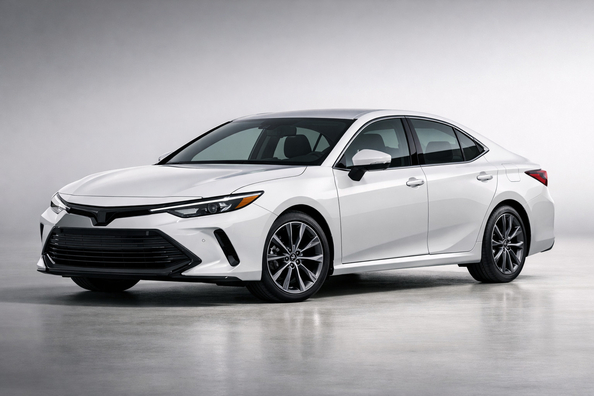
The Toyota Camry XV80 in the US-spec version has changed the model’s very logic: it’s no longer a sedan where you choose between regular gasoline and a hybrid, but a fully hybrid lineup with a 2.5-liter powertrain, a combined output of 225 or 232 hp, and very low official fuel consumption. As a result, the Camry has become even stronger as a daily car for city and highway use, yet it hasn’t stopped being a low sedan that’s sensitive to asphalt quality, ride height, and tires.
An important nuance: below we’re talking specifically about the American Camry XV80 for the 2025/2026 model year. In other markets, trims, equipment, and even the technical package may differ.
The Camry XV80 sits in the large family sedan segment, where buyers usually choose between efficiency, highway comfort, and everyday convenience. The strong point of this generation is that it doesn’t force you to sacrifice performance for economy: even the front-wheel-drive version has 225 hp, and the all-wheel-drive one has 232 hp.
In essence, it’s a car for those who drive a lot, don’t want a crossover, and value predictable ownership. It’s well suited to city commuting, intercity trips, regular highway mileage, and for a driver who needs a spacious cabin without an oversized body. Not the best option for those привык to a high seating position, lots of ground clearance, or near-total quiet on rough surfaces.
The Camry has long evolved incrementally, and the XV80 doesn’t break the formula—it refines it into a more efficient, more tech-forward state. For used-car buyers or for comparison, it’s important to understand the differences between the latest generations.
| Generation | Years | Key difference |
|---|---|---|
| XV50 | 2011–2017 | A classic old-school Camry with a simple focus on a soft ride |
| XV70 | 2017–2023 | A stiffer, more modern body, a wider choice of versions, the predecessor to the XV80 |
| XV80 | 2024–... | New generation; in the US, from the 2025 model year it’s sold only as a hybrid, and in the 2026 lineup the Nightshade Edition appeared |
The main historical shift in the XV80 is the complete move of the American Camry away from non-hybrid versions. This matters not only for fuel economy, but also for the car’s character: takeoff is smoother, responses in the city are nicer, and on the highway the engine runs more relaxed—unless you keep your foot to the floor all the time.
For the US market, the Camry XV80 has one basic setup: a 2.5-liter gasoline 4-cylinder engine works with a hybrid system and an electronically controlled continuously variable transmission. The engine itself makes 183 hp and 221 N·m, the front electric motor is 100 kW or 134 hp, and on the version with electronic all-wheel drive there’s an additional rear motor rated at 30 kW or 40 hp.
Total system power depends on drivetrain: 225 hp for the front-wheel-drive version and 232 hp for the all-wheel-drive version. It’s a convenient configuration for everyday life: you don’t have to choose between efficiency and decent pull, but it’s worth remembering that real-world consumption still depends on season, traffic, warm-ups, and driving style.
| Parameter | Value |
|---|---|
| Powertrain | 2.5-liter gasoline 4-cylinder engine + hybrid system |
| Gasoline engine power | 183 hp |
| Engine torque | 221 N·m |
| Total system power | 225 hp FWD / 232 hp AWD |
| Electric motors | Front 100 kW/134 hp; rear for AWD 30 kW/40 hp |
| Transmission | Electronically controlled continuously variable transmission |
| Official combined fuel consumption | From 4.61 l/100 km in LE FWD; higher in other versions depending on drivetrain and wheels |
The most economical official version is the LE with front-wheel drive. In real life, owners report both very strong results on the highway and in mixed driving, and noticeably higher consumption in winter or in the city—especially with all-wheel drive.
The Camry XV80 has a body measuring 4915 × 1839 × 1445 mm, a wheelbase of 2824 mm, and ground clearance of 137 mm. This means plenty of cabin space and stability at speed, but it also requires care around high curbs, steep driveways, and winter ruts.
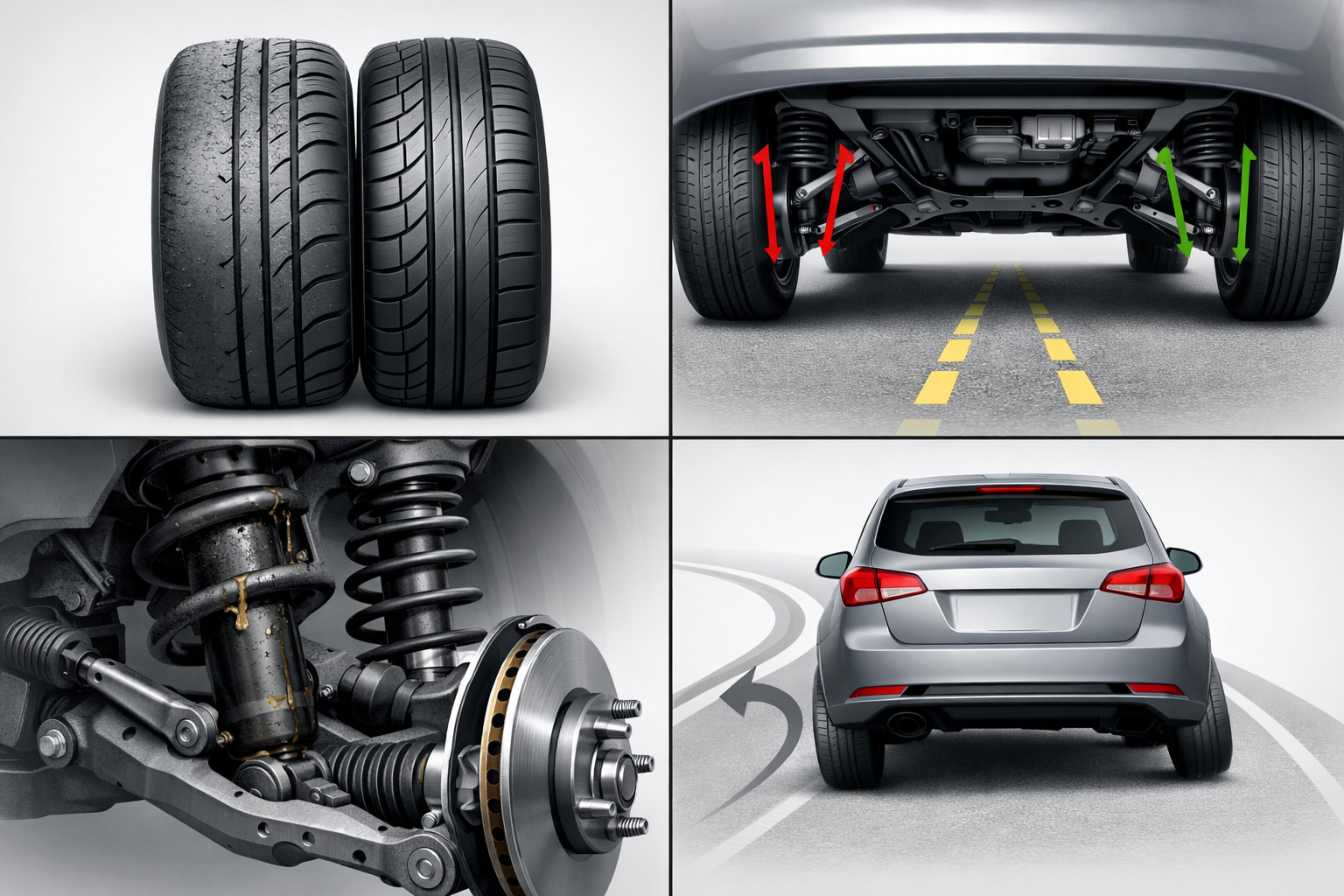
Trunk capacity is 428 L, fuel tank is 49.2 L. The chassis is as you’d expect: MacPherson struts up front, a multi-link rear, and stabilizer bars on both axles. In practice this delivers composed highway behavior, while ride character depends heavily on wheels: versions on 16-inch tires are usually perceived as softer; on 19-inch wheels they feel sharper but noisier.
The minimum turning circle of 11.4 m is fine for the city, although the car itself is no longer compact. If someone is switching from a crossover, the low body and long wheelbase will be the most noticeable in the first weeks.
The XV80 has a five-seat cabin with good legroom and shoulder room, especially up front. Seating position is typical Camry: no design gimmicks, but everyday-car logic. For long trips it’s comfortable in terms of ergonomics, but not everyone likes the firmness of the front seats—this is one of the recurring real-world downsides.
Safety is strong even in base form. Standard equipment includes Toyota Safety Sense 3.0, blind-spot monitoring, rear cross-traffic alert, and 8 airbags. Higher trims can add expanded driver assists, a 360-degree camera, a head-up display, a digital key, and a better audio system.
The weaker point isn’t the presence of technology, but how some users perceive it. There are complaints about the infotainment logic, small font size, and not-so-intuitive menus. If you need a sedan with the simplest possible digital environment, it’s best to check this before buying.
In daily driving, the XV80 wins by not requiring a special use case. In the city, the hybrid system is convenient in traffic jams and during short bursts of acceleration; on the highway, the car holds pace without feeling underpowered. Electronic all-wheel drive adds confidence in rain, snow, and on slippery starts, but it doesn’t turn the sedan into an off-roader.
A practical downside is that real-world fuel consumption can differ noticeably from the official figures. On a calm highway and in mixed driving you can see very good numbers, but in winter, in the city, with short trips, or with all-wheel drive, the savings don’t look nearly as impressive. The second nuance is road and tire noise. For some owners, acoustics become the main reason for disappointment.
Another point is service campaigns. Since the model is new, before buying a used car or a US import it’s worth separately checking completion of recall work, including items related to the hybrid system.
| Strengths | Weaknesses |
|---|---|
| Low official fuel consumption, especially in LE FWD | In the city and in winter, real numbers can be noticeably higher |
| 225–232 hp provides a decent power reserve without the feel of a “vegetable” hybrid | Under load, the engine is audible along with road noise |
| Electronic all-wheel drive available across all main trims | Low seating position and 137 mm ground clearance aren’t convenient for everyone coming from a crossover |
| Spacious interior and well-mannered highway behavior | The front seats feel too firm to some drivers |
| Strong standard safety package | Questions about infotainment logic and early service nuances of a new model |
From an owner’s perspective, the main advantage of the XV80 is versatility without a major compromise. It’s neither a slow economy sedan nor a “pseudo-sport” car, but a calm, torquey, rational machine. The main downside is also practical: if you’re very sensitive to noise, prefer soft seats, or often drive through rough neighborhoods, the drawbacks will show up quickly.
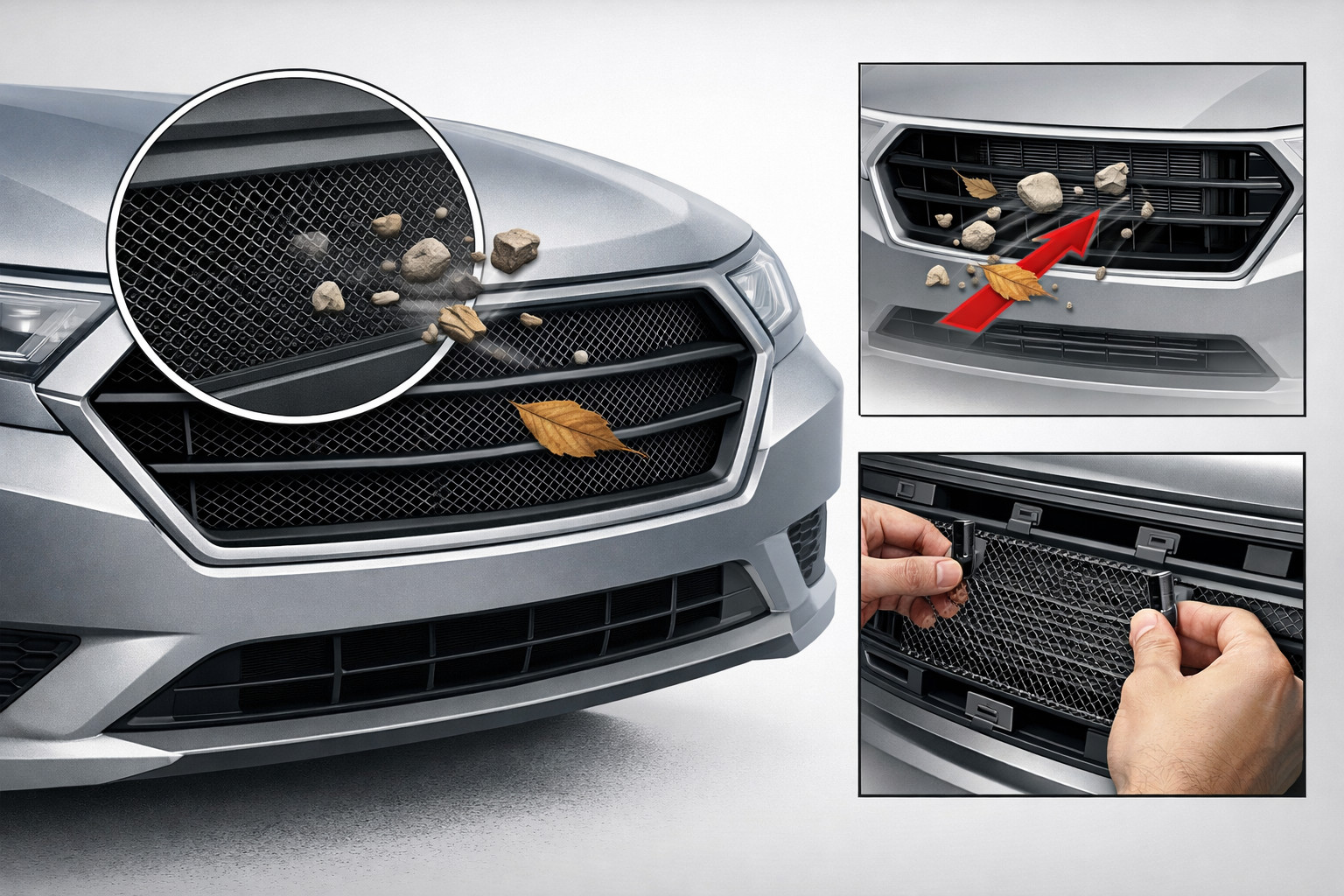
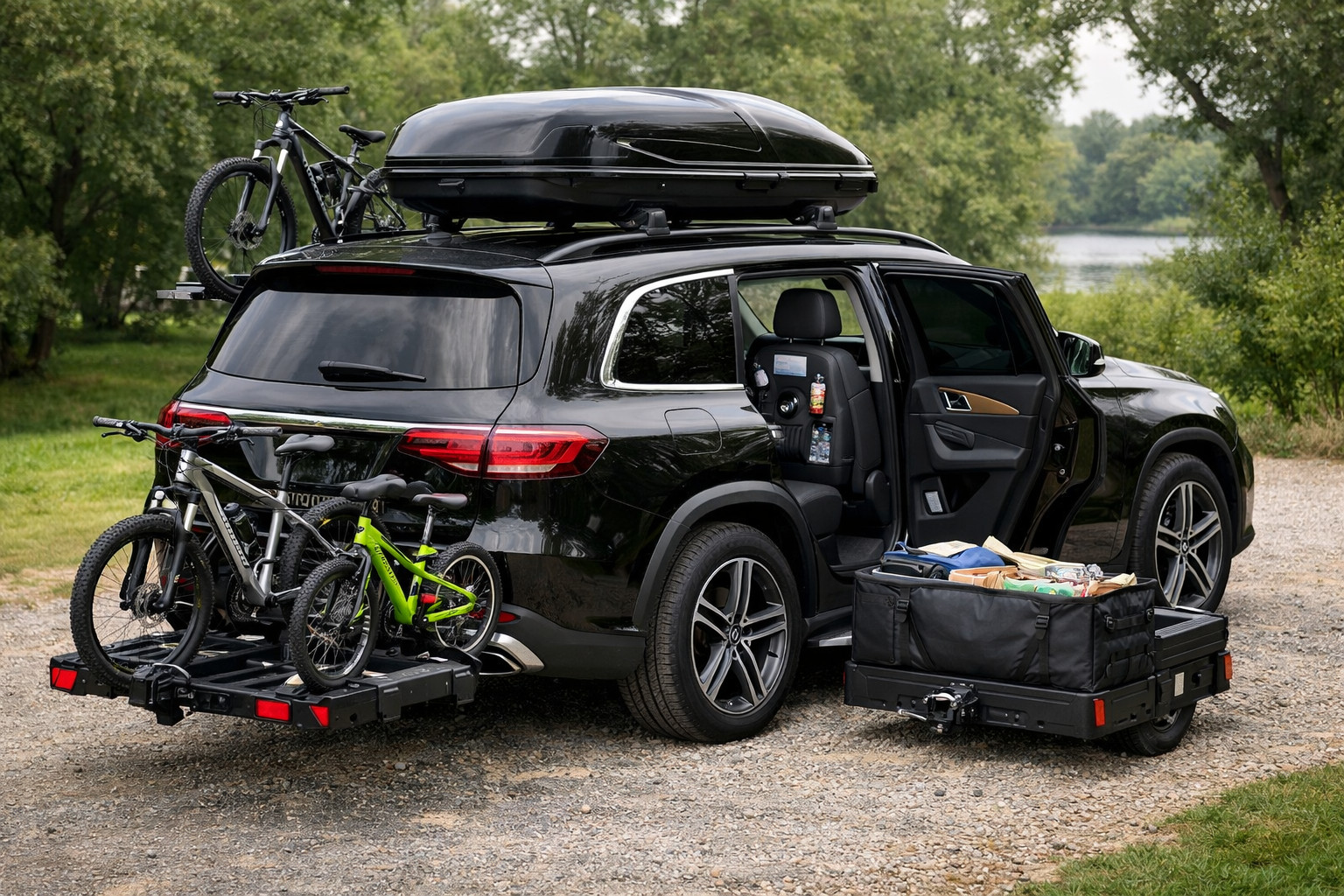
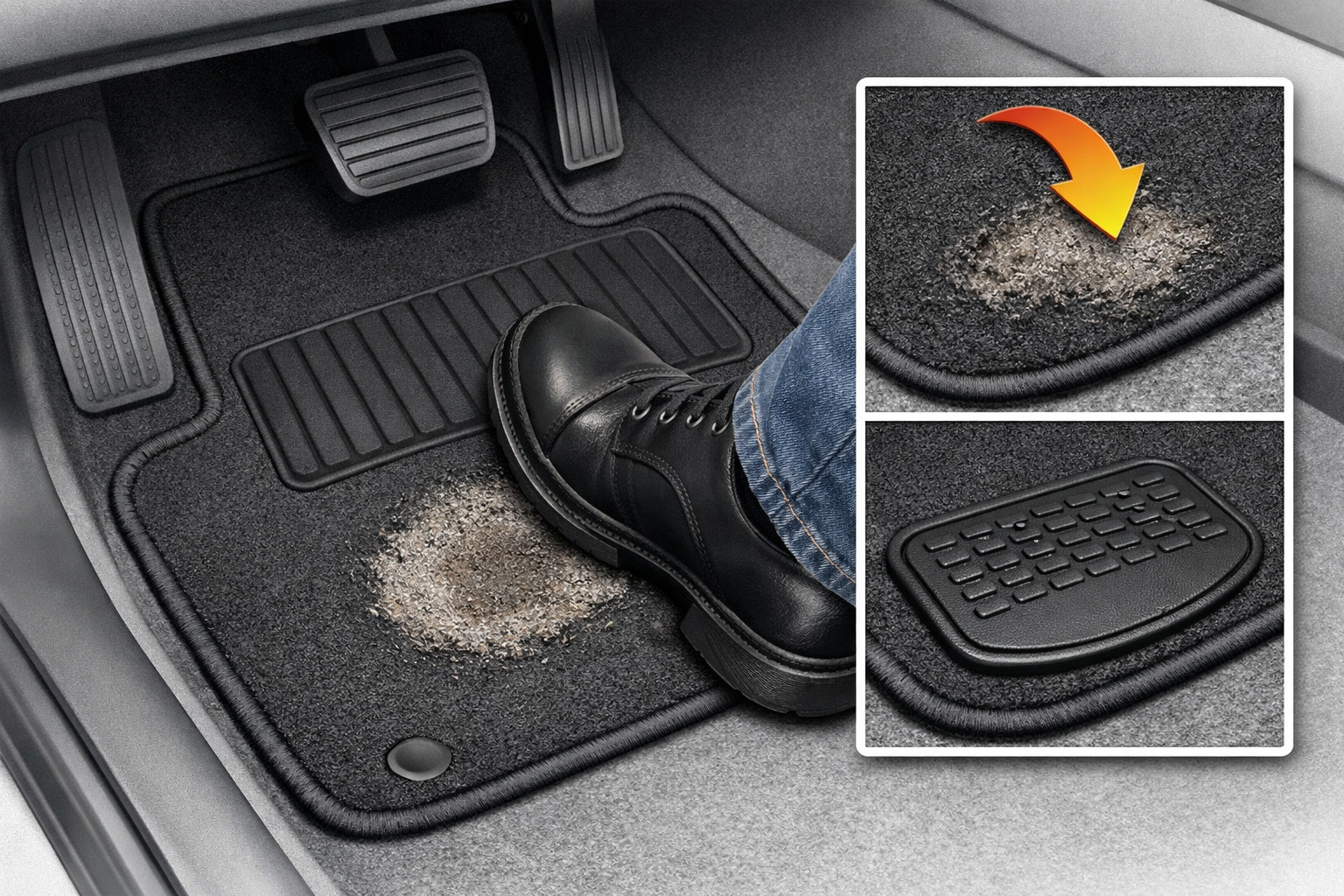
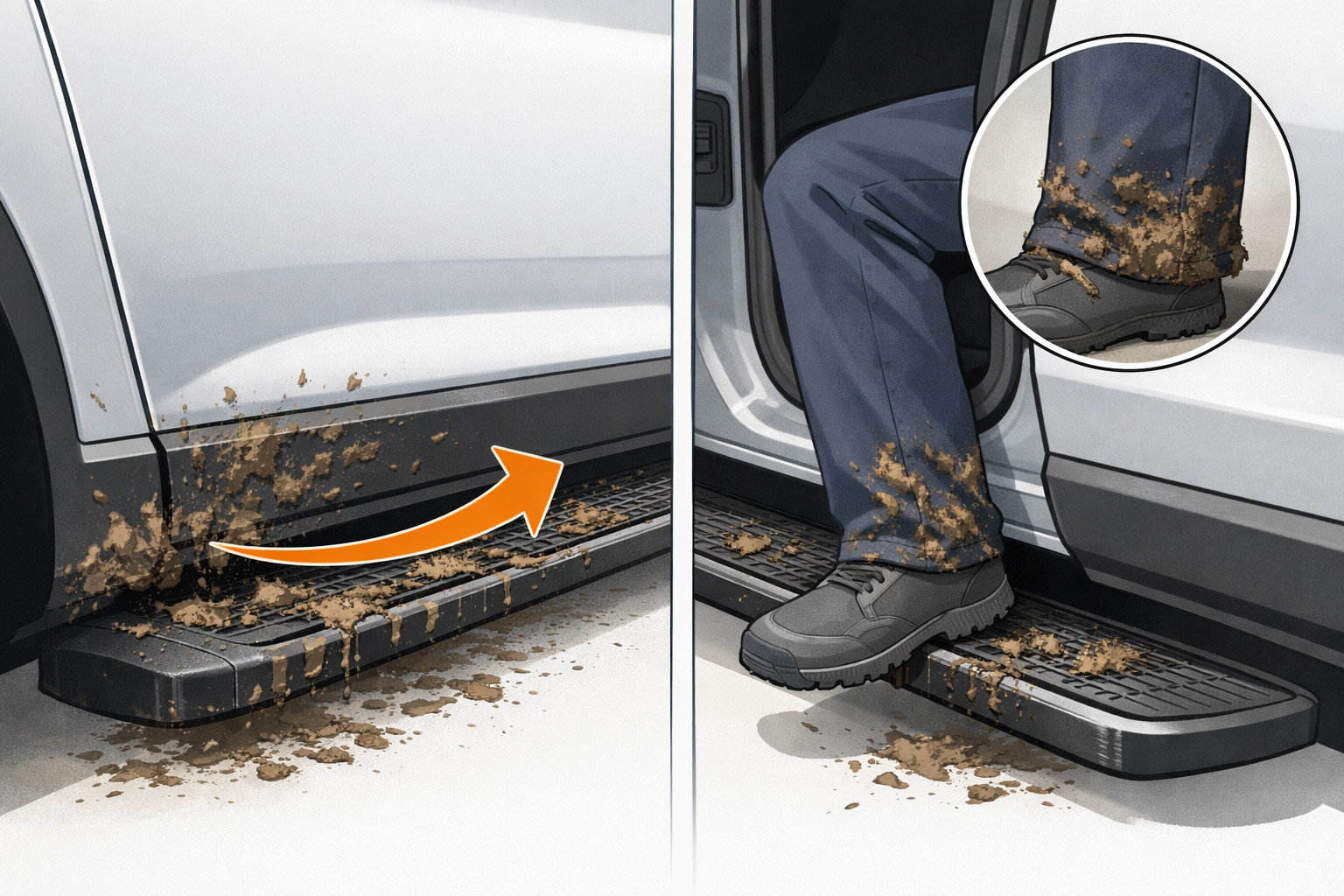
For the Camry XV80, the most sensible choices are not decorative items but protective and everyday accessories. Because of the low body and daily-use format, top priorities usually become protection from dirt, easier interior cleaning, and preserving trim. If you need a quick reference for the basic body parameters and versions, you can return to the Camry XV80 review.
If we’re talking about upgrades without unnecessary hype, it’s best to start with exactly these kinds of things for the XV80. They don’t change the car’s character, but they genuinely make ownership easier and help keep the body and interior in good condition longer.
The Toyota Camry XV80 in US-spec form turned out very cohesive: an efficient hybrid, sufficient power, available all-wheel drive, a spacious cabin, and strong standard safety. At the same time, it’s not a car without caveats: low ground clearance, road noise, less-than-ideal seats, and early service nuances are worth considering before purchase, not after.
If you need a large sedan for city and highway driving without moving into a crossover format, the XV80 looks very convincing. If your priorities are quietness, a high seating position, or you don’t care about fuel consumption, it’s worth honestly checking your expectations. This material is based on real selection experience, practice, and real usage scenarios, so the main takeaway is simple: the Camry XV80 is strong where everyday rationality is needed without the feeling of a “compromise” car.
| ✔ | Camry XV80 in the US became fully hybrid, so it offers low official fuel consumption without giving up normal pulling power. For daily driving, this is a practical balance between economy and dynamics. |
| ✔ | A combined 225–232 hp is enough for city and highway use, and the car does not feel weak or “choked” by the hybrid setup. In acceleration and on the move, it behaves more confidently than many economical sedans. |
| ✔ | There is a version with electronic all-wheel drive, which adds confidence on slippery surfaces, in rain and in winter. This is useful for those who drive year-round and do not want a crossover. |
| ✔ | The cabin is spacious, especially in terms of legroom and shoulder room, and the 2824 mm wheelbase helps a lot on long trips. For family or business use, this is a real advantage. |
| ✔ | The basic safety package looks strong: Toyota Safety Sense 3.0, blind-spot monitoring, rear cross-traffic alert, and 8 airbags. This is useful already in the standard trim, without a mandatory paid package. |
| ✘ | The low 137 mm ground clearance and sedan seating position may quickly tire those used to a crossover. Be careful with curbs, steep exits, and winter ruts. |
| ✘ | Real fuel consumption can noticeably increase in the city, in winter, or on short trips, especially in the all-wheel-drive version. In other words, the official figures are not always repeated in everyday use. |
| ✘ | There are complaints about road noise, tire noise, and the engine sound under load. For those who are sensitive to acoustic comfort, this can become a noticeable drawback. |
| ✘ | Some drivers find the front seats too firm, which may not suit everyone on long trips. The multimedia system may also be less convenient because of small font and an unintuitive menu. |
Shipping to EU
Wholesale and retail
Own warehouse
Опис продукту
Подарунки не надаються при оформленні покупки у кредит під 0,01% або при покупці частинами.