05.07.2026
328
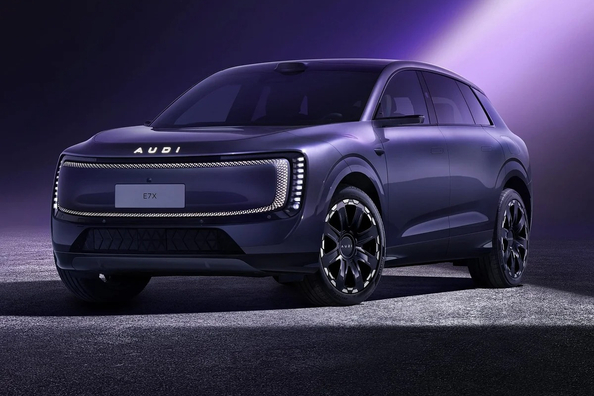
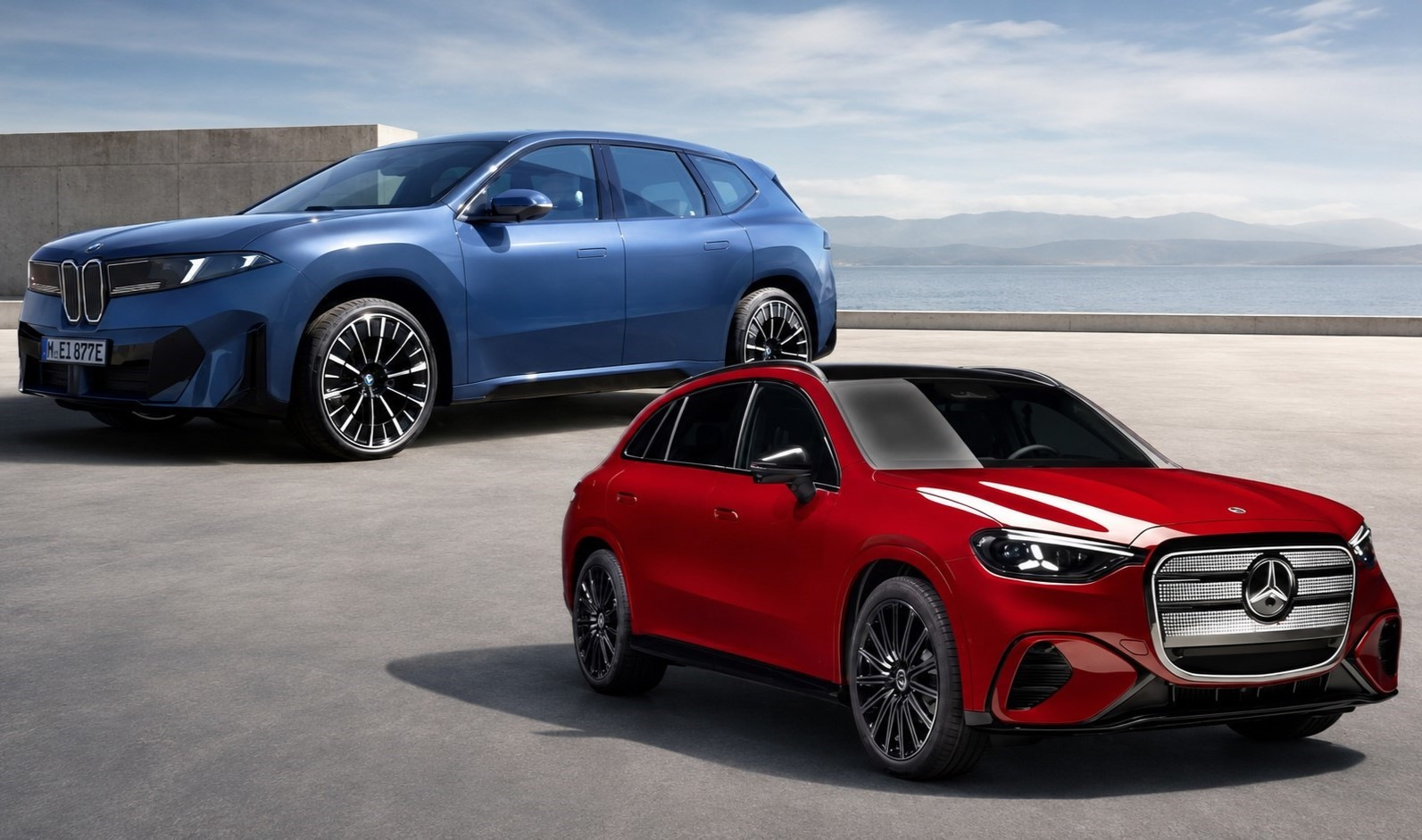
AUDI E7X entered the market in a very pragmatic way: it’s a large electric crossover over 5 meters long, with fast 900-volt charging and a starting price lower than pre-sale expectations. On paper, it offers a lot of what this class usually charges noticeably more for.
In essence, the E7X targets those who have outgrown mid-size electric crossovers and who actually use the second row, the cargo area, and the driving range on intercity trips. But it’s a brand-new model, so you should look not only at acceleration figures, but also at practicality, service support, and the maturity of the platform itself.
The E7X sits in the niche of a large family electric crossover for the Chinese market. In size and equipment, it plays above typical mass-market models, and its starting price made it more aggressive than the market expected. It’s also important that several trims are announced at launch, including versions focused on maximum range and a flagship with all-wheel drive.
Who it suits: families, drivers with frequent highway trips, and anyone who wants a spacious second row and modern EV architecture. Who it doesn’t: buyers who critically need reliability proven over years and service that’s globally straightforward outside China.
So far, the AUDI E7X has one generation — the model debuted in 2026. Production started in April 2026, pre-sales began in May, and full sales launched in late May of the same year.
Historically, this is an important vehicle for the separate Chinese AUDI brand created together with SAIC. That means the E7X is not another update of a long-familiar lineup, but one of the first mass-produced products of a new direction — which is exactly why it combines strong hardware with the inevitable lack of long-term real-world ownership experience.
There are no internal combustion engines here, so the liters-based displacement requirement doesn’t apply to the E7X. The lineup consists of electric powertrains rated at 300 kW and 500 kW, i.e., 408 and 680 hp, with 500 or 800 N·m of torque depending on the version.
The transmission is a single-speed automatic for all variants, and the drivetrain is rear-wheel drive or quattro all-wheel drive. The top all-wheel-drive version is claimed to do 0–100 km/h in 3.9 s, but in real-world choosing, what matters more than outright acceleration is the combination of battery, range, and how often you use high-power fast chargers.
In format, it’s a large five-door crossover with dimensions of 5049 × 1997 × 1710 mm and a wheelbase of 3060 mm. Early announcements had minor discrepancies in width and height, but the launch specification ties the model to these exact numbers.
The chassis is serious: double wishbone suspension up front, multi-link at the rear, with optional air suspension and active rear-wheel steering. For the city, this matters no less than for the highway: a claimed 10.3 m turning circle for a body this size looks very useful in everyday use.
| Parameter | What we know |
|---|---|
| Model years | 2026–present |
| Generation | first |
| Powertrain type | fully electric, 300 kW or 500 kW |
| ICE displacement | not applicable |
| Power | 408 or 680 hp |
| Drivetrain | rear-wheel drive or quattro all-wheel drive |
| Transmission | single-speed automatic |
| Battery | 100 or 109 kWh |
| Range | up to 751 km (CLTC) |
| Dimensions | 5049 × 1997 × 1710 mm |
| Wheelbase | 3060 mm |
| Ground clearance | the exact official figure is not stated in publicly available data |
| Trunk | 682–1940 L |
The E7X interior is clearly designed for those who often carry passengers. There’s a large array of screens, a premium audio system, a fridge, a roomy rear row, and a flat floor. A front passenger seat with a semi-reclining mode is also claimed, so the focus isn’t only on the driver.
On safety, the emphasis is on a rigid body structure and an advanced driver-assistance suite with a lidar. But early hands-on impressions already note a few minor complaints: not everyone likes the size of the head-up display projection, the logic of some menu sections, and slightly firm front seats compared with the softest competitors.
In daily life, the E7X’s strong point is fast charging. The 900-volt architecture allows very quick top-ups at high-power stations, and for a large crossover that matters more than a few tenths of a second in acceleration. Early practical reviews show about 17 kWh/100 km for single-motor versions and about 19 kWh/100 km for dual-motor versions in mixed driving, which looks reasonable for the class.
The main caveat is simple: the official range is given on the CLTC cycle, so you shouldn’t directly переносити these numbers to highway driving, cold weather, or European conditions. Outside China, the model’s practicality is still limited not so much by the car itself as by access to service, software support, and parts.
| Scenario | Pros | Cons |
|---|---|---|
| Buying at launch | price lower than expected, very generous equipment | no long-term reliability statistics yet |
| Long trips | large battery, fast charging, strong performance | rated range is provided only under CLTC |
| Daily comfort | spacious second row, large trunk, good maneuverability for the size | some complaints about the windshield projection, interface logic, and front-seat firmness |
| Long-term ownership | modern platform and strong technical potential | the brand’s service perception is still forming; the model is tied to China |
The E7X’s main advantage is the combination of space, equipment, performance, and starting price. The main drawback is that it’s at a very early stage of its life cycle: the car looks convincing, but long-term owner experience hasn’t been accumulated yet.
From an owner’s perspective, the conclusion is simple: if you need a large electric crossover right now, the E7X looks very strong. If you don’t like being an early adopter and you’re planning long ownership without surprises, it’s better to wait a bit for real-world reliability data.
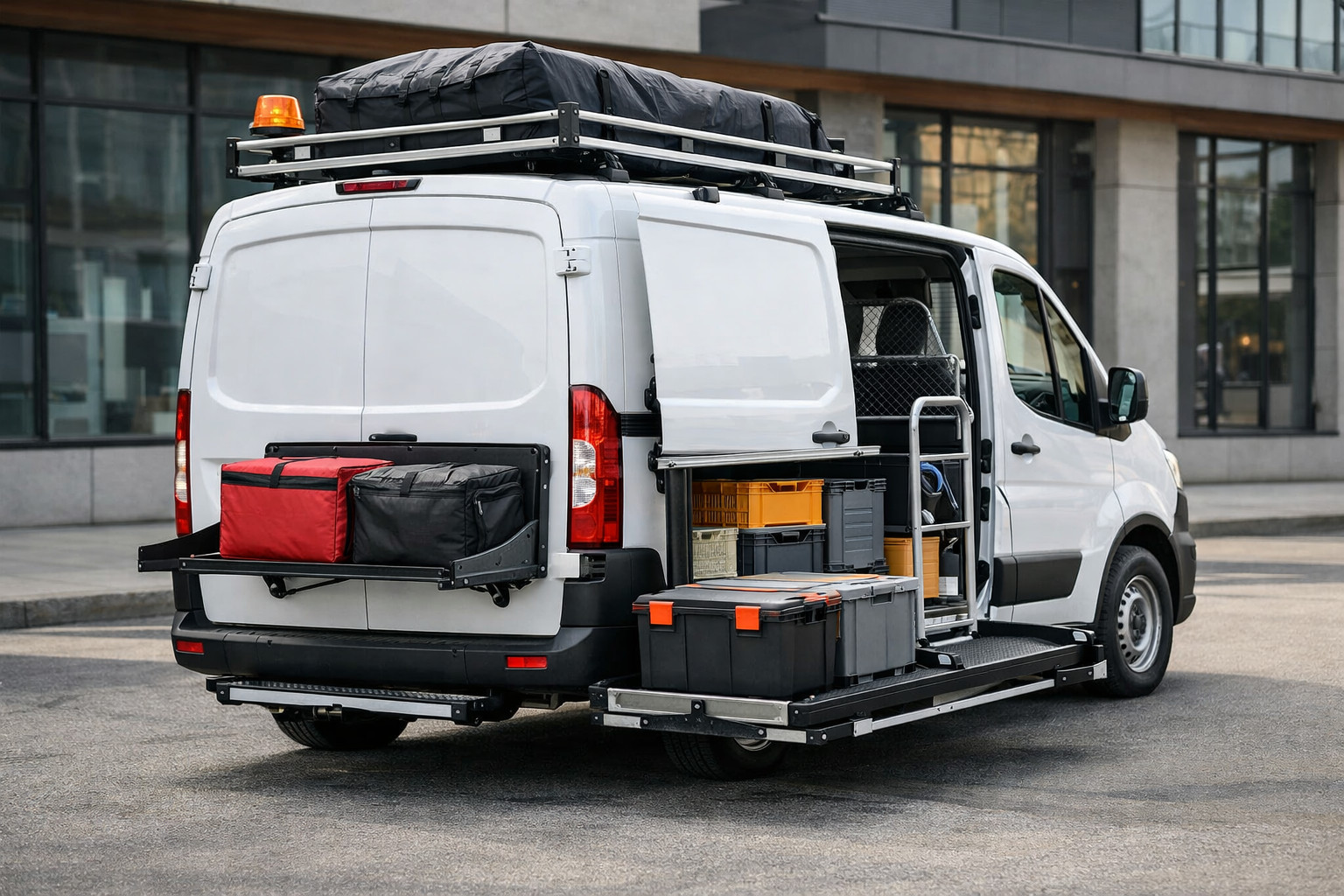
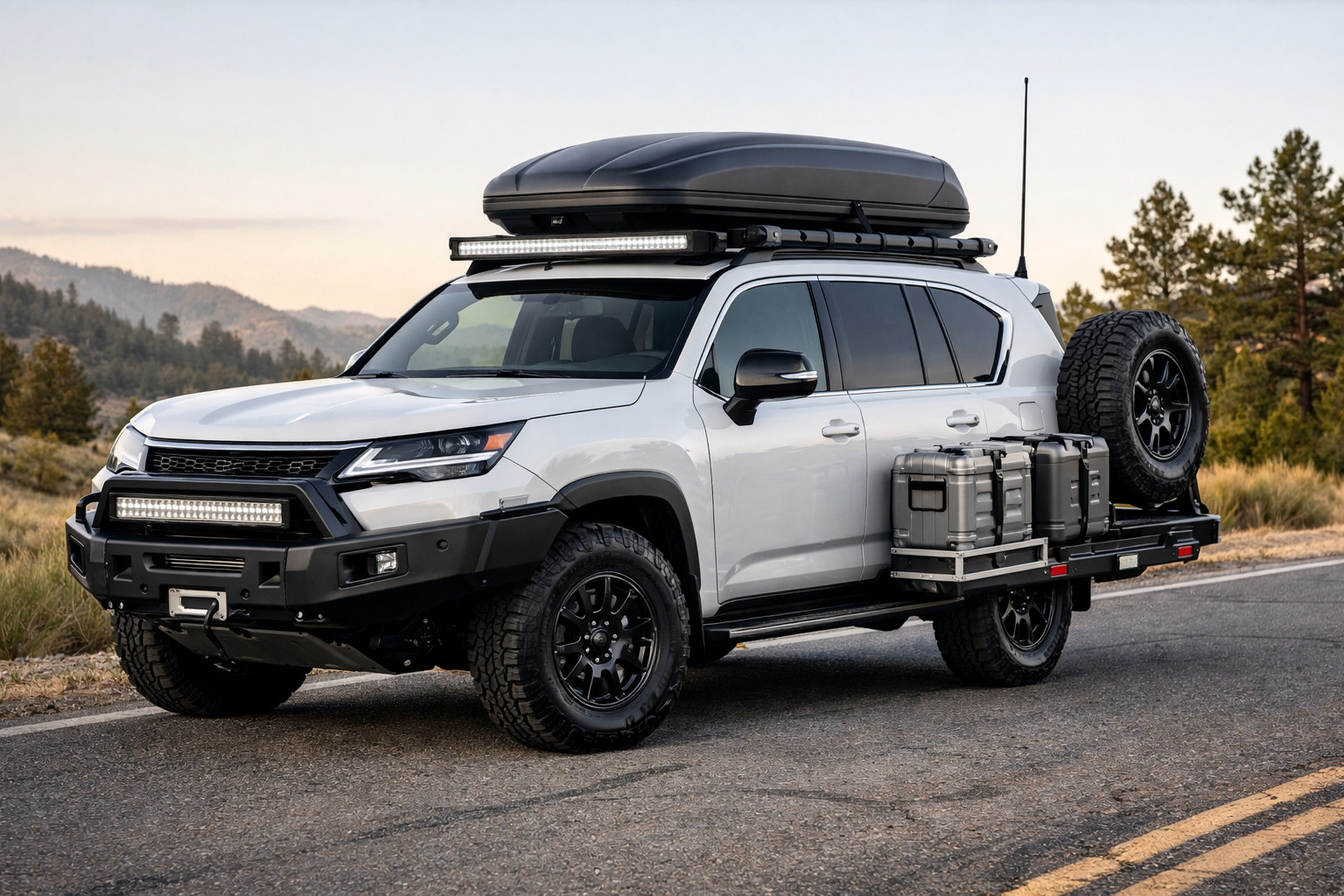
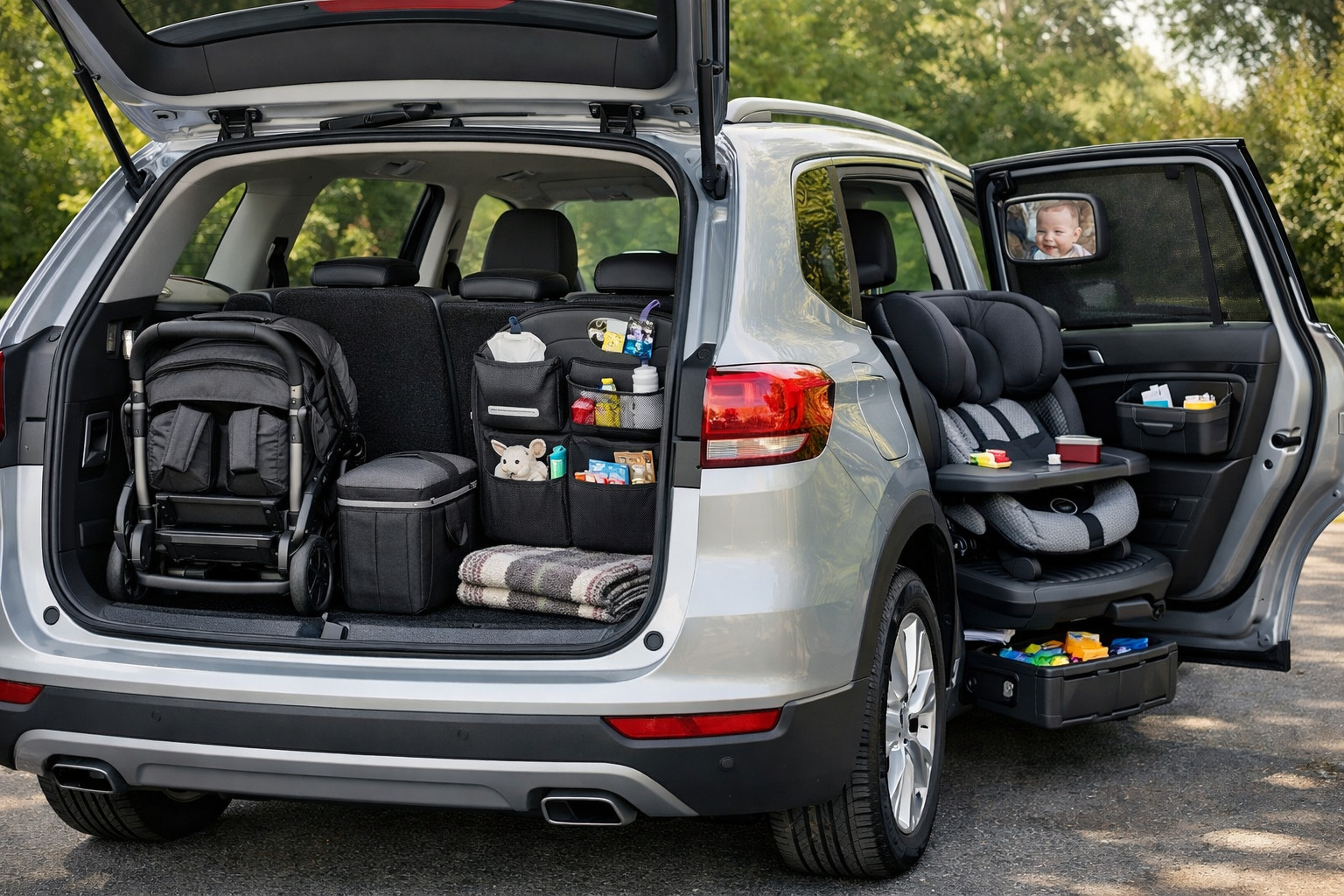
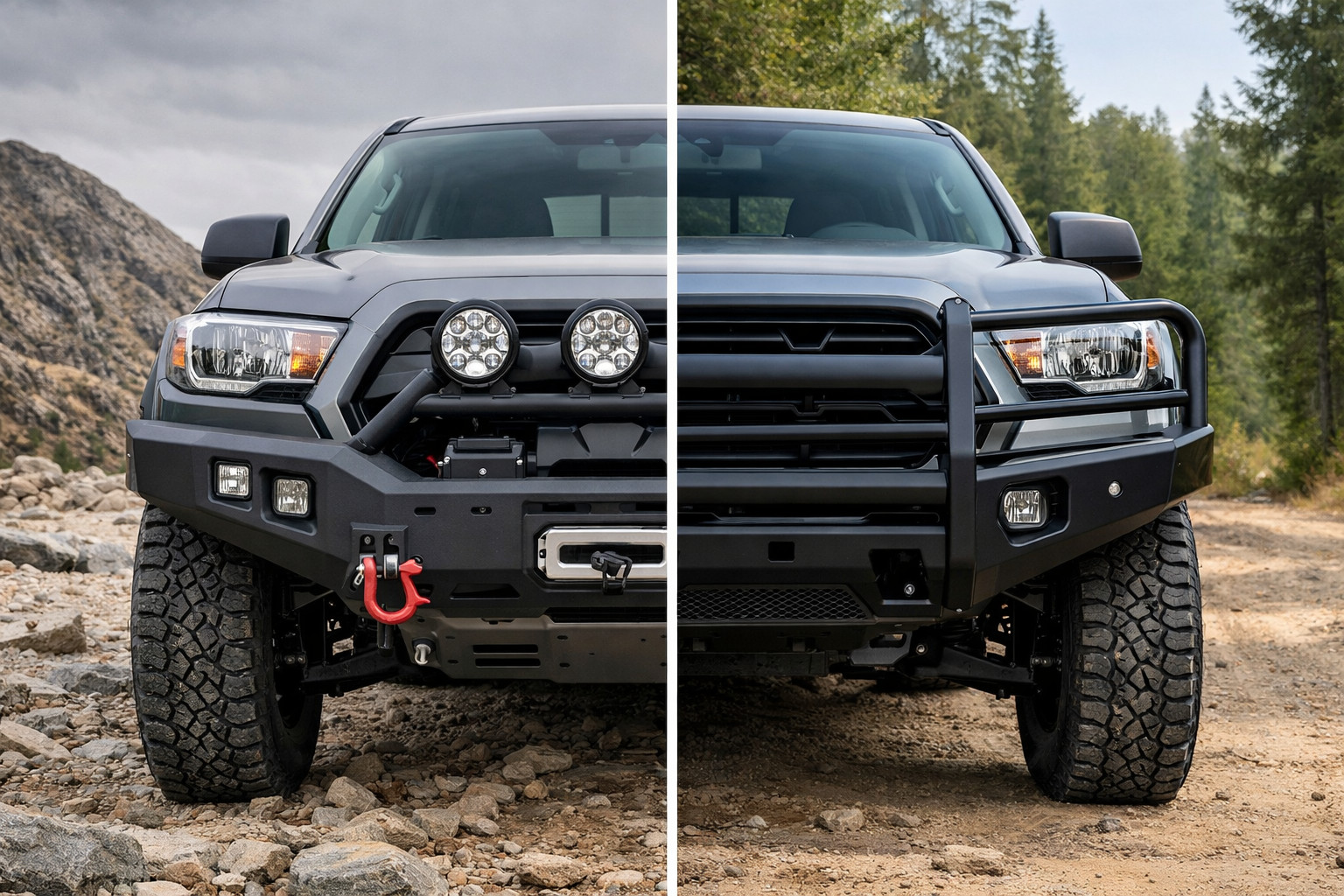
For the E7X, the tuning logic is practical rather than decorative. From the factory, the model already has a strong foundation in chassis, brakes, and electronics, so the first money is smarter to spend not on visual effect, but on protecting the interior and trunk and preparing for seasonal use.
Since the E7X catalog is still taking shape, the best approach is to track the appearance of model-specific items and, in parallel, look at related Audi solutions with a similar use case for a large electric crossover.
AUDI E7X launched strongly: the price is lower than expected, the tech is modern, the cabin is spacious, and charging speed looks genuinely competitive. If you evaluate the model soberly, its main strength isn’t one standout metric, but a very dense set of characteristics without an obvious skew toward just marketing or just performance.
But the final sense of buying depends on your scenario. This piece is based on real experience with selection, practical consultation, and real use cases of large electric crossovers, so the main advice is simple: look not only at the spec-sheet numbers, but also at service support, charging infrastructure, and the availability of the right accessories for your specific tasks.
| ✔ | The starting price is lower than expected, while the model already comes well equipped. This makes the E7X an attractive option right at the purchase stage. |
| ✔ | The large body and 3060 mm wheelbase provide a spacious second row and a large 682–1940 l trunk. For family trips and intercity travel, this matters more than small gains in performance. |
| ✔ | The 900-volt architecture enables fast charging. For a large electric crossover, this reduces time loss on long trips. |
| ✔ | The suspension with a double-wishbone setup at the front, a multi-link setup at the rear, as well as available air suspension and rear-wheel steering adds extra comfort and maneuverability to the model. |
| ✔ | The cabin is passenger-oriented: it has a flat floor, a large set of screens, a premium audio system, and a refrigerator. This makes the E7X convenient not only for the driver, but also for those who are often driven in the back. |
| ✘ | The model is new, so there is still no long-term reliability record or real-world ownership experience. This matters for those who do not want to be early adopters. |
| ✘ | The official range is stated according to the CLTC cycle, so these figures should not be directly applied to highway driving, cold weather, or European conditions. In real-world use, the range may be more modest. |
| ✘ | Outside China, practicality is limited by service, software support, and parts availability. For long-term ownership, this can be a serious limiting factor. |
| ✘ | Early reviews mention issues with the head-up display, menu logic, and rather firm front seats. In other words, not all interface and comfort elements have yet been brought to perfection. |
Shipping to EU
Wholesale and retail
Own warehouse
Опис продукту
Подарунки не надаються при оформленні покупки у кредит під 0,01% або при покупці частинами.