28.04.2026
367
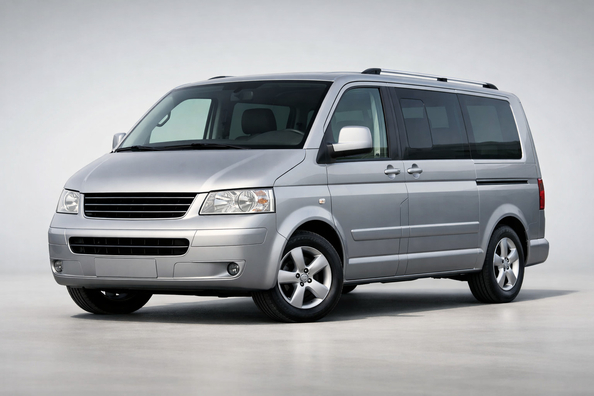
The Volkswagen T5 Multivan model years 2003–2010 still holds demand not because of nostalgia, but because of a format that’s still hard to replace: a big 7-seat van with a transformable cabin, decent highway manners, and a huge reserve of practicality. It’s a vehicle for those who genuinely need seats, volume, and versatility—not just a higher driving position.
That said, the T5 shouldn’t be romanticized. It’s noticeably larger and rougher than a regular minivan, early diesels have a mixed reliability reputation, and on older examples expensive repairs are no longer the exception. But if you need a family, travel, or work-and-passenger vehicle, the T5 Multivan still looks like a logical choice.
The T5 Multivan sits between a typical passenger minivan and a full-fledged commercial van. People buy it not for emotions, but for function: a large family, transfers, long-distance trips, work with people or gear. On the used market, the model is valued for its roomy interior, high seating position, towing capability, and a wide choice of versions.
Who it suits: those who often drive on highways, carry 5–7 people, kids’ stuff, bicycles, or camping gear. Who it doesn’t: those who spend most of their time in tight city streets, want passenger-car quiet in the cabin, and aren’t ready for the running costs of a large aging diesel van.
This review covers the T5 Multivan generation that launched in 2003. For buyers, it’s important to split it into two phases: the pre-facelift 2003–2009 and the updated cars from late 2009, which already have a different front end, a revised diesel lineup, and some updates to equipment and safety.
Formally it’s still a T5, but in practice the pre-facelift and facelift feel like cars with different character. That’s why when searching you should look not only at body and interior condition, but also at the exact year, engine, and gearbox: their sets of strengths and weak points differ.
The T5 lineup is broad, and that’s one reason demand stays strong. The simplest option is the 1.9 TDI with 105 hp and a 5-speed manual: it’s more economical, but frankly slow with a full cabin and on the highway. The most common pre-facelift versions are the 2.5 TDI with 130 or 174 hp with a 6-speed manual; these are the ones most often found among vehicles bought for family use and trips.
The 2.5 TDI with 130 hp is a compromise between pull and consumption, while the 174 hp version feels noticeably livelier, but the risk of expensive repairs on an older example is usually higher. The 3.2 V6 with 235 hp and the Tiptronic automatic is appealing for performance, but it has the highest fuel consumption, and it only makes sense for those who knowingly accept those costs.
After the facelift, the 2.0 TDI with 140 and 180 hp appeared. The 140 hp version looks more rational, while the 180 hp offers better dynamics; some cars come with DSG and 4Motion. All-wheel drive in the T5 shouldn’t be seen as heavy off-road hardware: it’s useful for winter, wet roads, gravel, and trips outdoors, but it’s not an SUV.
| Engine | Power | Gearbox | Practical meaning |
|---|---|---|---|
| 1.9 TDI | 105 hp, 250 N·m | 5-speed manual | The most economical in the range, but weak when fully loaded |
| 2.5 TDI | 130 hp, 340 N·m | 6-speed manual | One of the most straightforward options on the used market |
| 2.5 TDI 4Motion | 130 hp | 6-speed manual | Better grip in winter, but higher consumption |
| 2.5 TDI | 174 hp, 400 N·m | 6-speed manual | Noticeably more lively on the highway, but a pricier repair risk |
| 3.2 V6 | 235 hp, 315 N·m | 6-speed Tiptronic automatic | The quickest, but also the thirstiest |
| 2.0 TDI | 140 hp, 340 N·m | 6-speed manual | A rational facelift option |
| 2.0 TDI | 180 hp | manual or DSG depending on version | A faster facelift, sometimes with 4Motion |
By size, the T5 Multivan is already a full-size passenger van. The pre-facelift is 4890 mm long, 1904 mm wide, 1944 mm tall, with a 3000 mm wheelbase. After the update, length increased to 4892 mm and height to 1970 mm, while width and wheelbase remained unchanged.
Ground clearance of around 165–167 mm is enough for curbs, country roads, and winter ruts, but not for serious off-roading. A 11.9 m turning circle is normal for this class. Maximum cargo volume in catalogs reaches 4525 L, but it depends heavily on the seat configuration. The suspension is tuned for weight and load, so the T5 feels composed on the move, but in character it’s closer to a van than a passenger car.
| Parameter | Value | What it means in practice |
|---|---|---|
| Body | 5 doors, 7 seats | A full passenger format for family use or transfers |
| Length | 4890–4892 mm | Plenty of interior space, but parking takes getting used to |
| Width | 1904 mm | You’ll feel it in tight courtyards and parking garages |
| Height | 1944–1970 mm | Easy entry and lots of volume, but not every underground garage will fit |
| Wheelbase | 3000 mm | Stability on the highway and a spacious second row |
| Ground clearance | about 165–167 mm | Enough for daily use beyond perfect asphalt |
| Maximum trunk volume | up to 4525 L | A strong point, but only with cabin transformation |
| Fuel tank | 80 L | Convenient range for long trips |
| Towing with brakes | up to 2500 kg | Suitable for a trailer, boat, or camping setup |
The main reason to buy a Multivan is the interior. There’s lots of air, a high ceiling, comfortable seating for adult passengers, and real seat versatility. For long trips, that’s a major plus: people don’t sit shoulder-to-shoulder like in compact minivans, and you don’t have to cram luggage into every empty nook.
But in everyday use there are nuances. The rear row and cabin transformation aren’t always convenient, especially if you often switch between passenger and cargo layouts. Wind noise, tire noise, and the more “van-like” body character don’t disappear either, even on well-equipped versions.
In terms of safety, the facelift T5 looks better: the updated model received 4 out of 5 Euro NCAP stars. At the same time, the level of airbags, electronics, and driver-assistance systems depends on the year and trim, so each specific vehicle should be assessed individually, not by the model name alone.
In the city, the T5 isn’t as clumsy as it looks from the outside: visibility is high, and the turning circle is normal for the class. But width and height still impose limits—narrow courtyards, tight parking structures, and old garages can become a constant minor headache.
On the highway, the Multivan shows its strengths better. A large tank, calm straight-line stability, and a spacious cabin make it strong on long routes. On paper, the 1.9 TDI consumes about 7.7 L/100 km, the 2.5 TDI about 8.3–8.5 L, 4Motion versions about 9.4 L, and the 3.2 V6 around 12.9 L. In real-world use, the numbers depend on weight, speed, and technical condition, so you shouldn’t look only at catalog figures.
With age, typical small and not-so-small issues start to matter: the sliding door power drive, locks, auxiliary heater, exhaust leaks, and odors in the cabin. That’s why for the T5 it’s not only the engine and mileage that matter, but also how systematically the vehicle was maintained.
The strengths of the T5 Multivan are best seen in real life: it carries many people and a lot of stuff without feeling like a compromise, works well for travel, allows towing, and has a huge accessories market. The weaknesses are just as real: noise, a complicated cabin transformation, age-related failures, and a high cost of making a mistake when buying a bad example.
| Practical pros | Practical cons |
|---|---|
| Very spacious 7-seat cabin | Noticeable noise and a more “van-like” character |
| Comfortable for highway use, families, and transfers | The rear row and transformation aren’t always convenient |
| Good potential for travel and towing | Early diesels have a mixed reliability reputation |
| There are 4Motion versions for winter and poor roads | All-wheel drive adds cost and complexity |
| Large selection of accessories and practical upgrades | On older vehicles, expensive repairs are no longer rare |
In short, the T5 is worth buying for someone who clearly understands why they need a van of this format. If your main criteria are quietness, simplicity, and minimal maintenance risk, it’s better to look at simpler and newer passenger-car models.
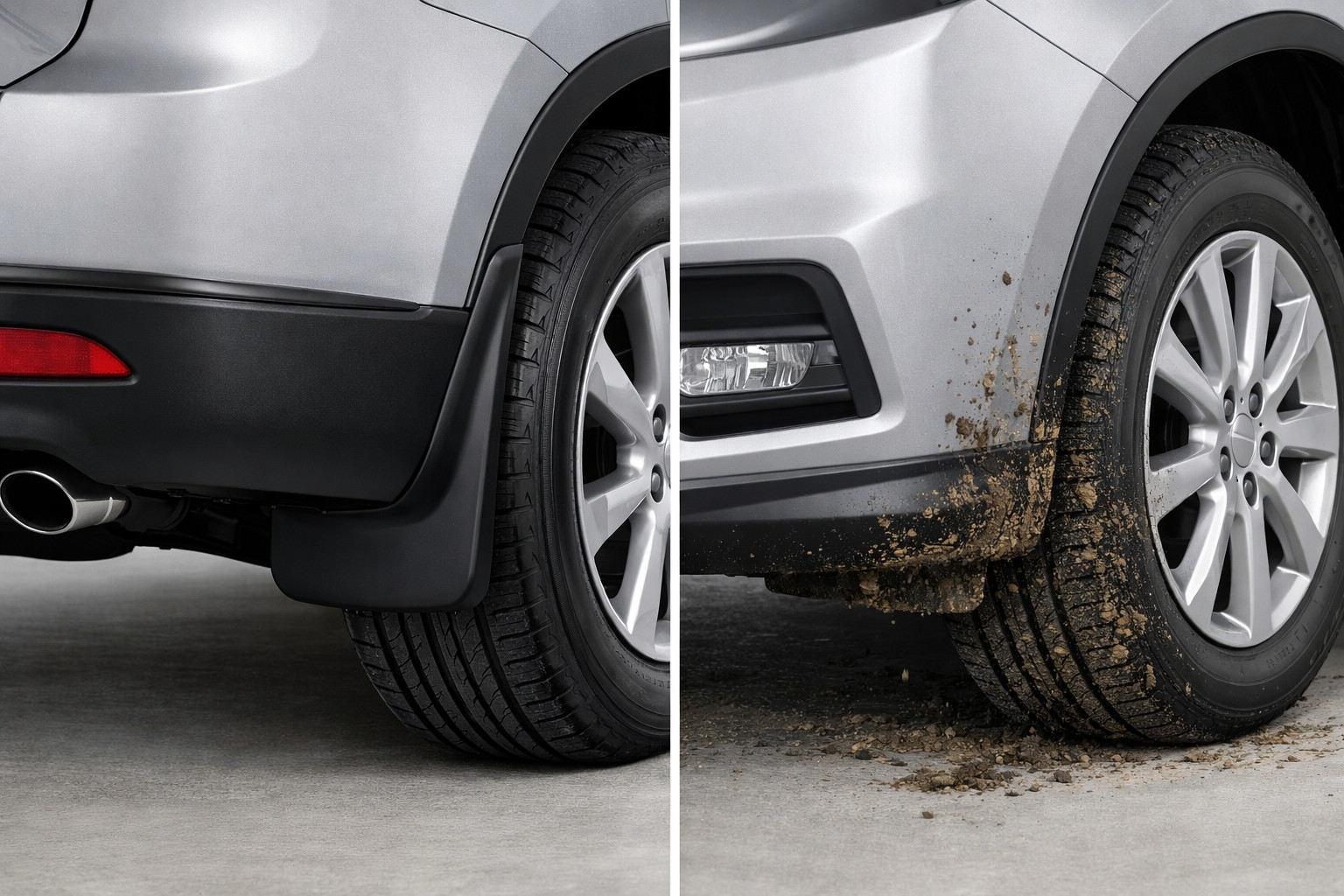
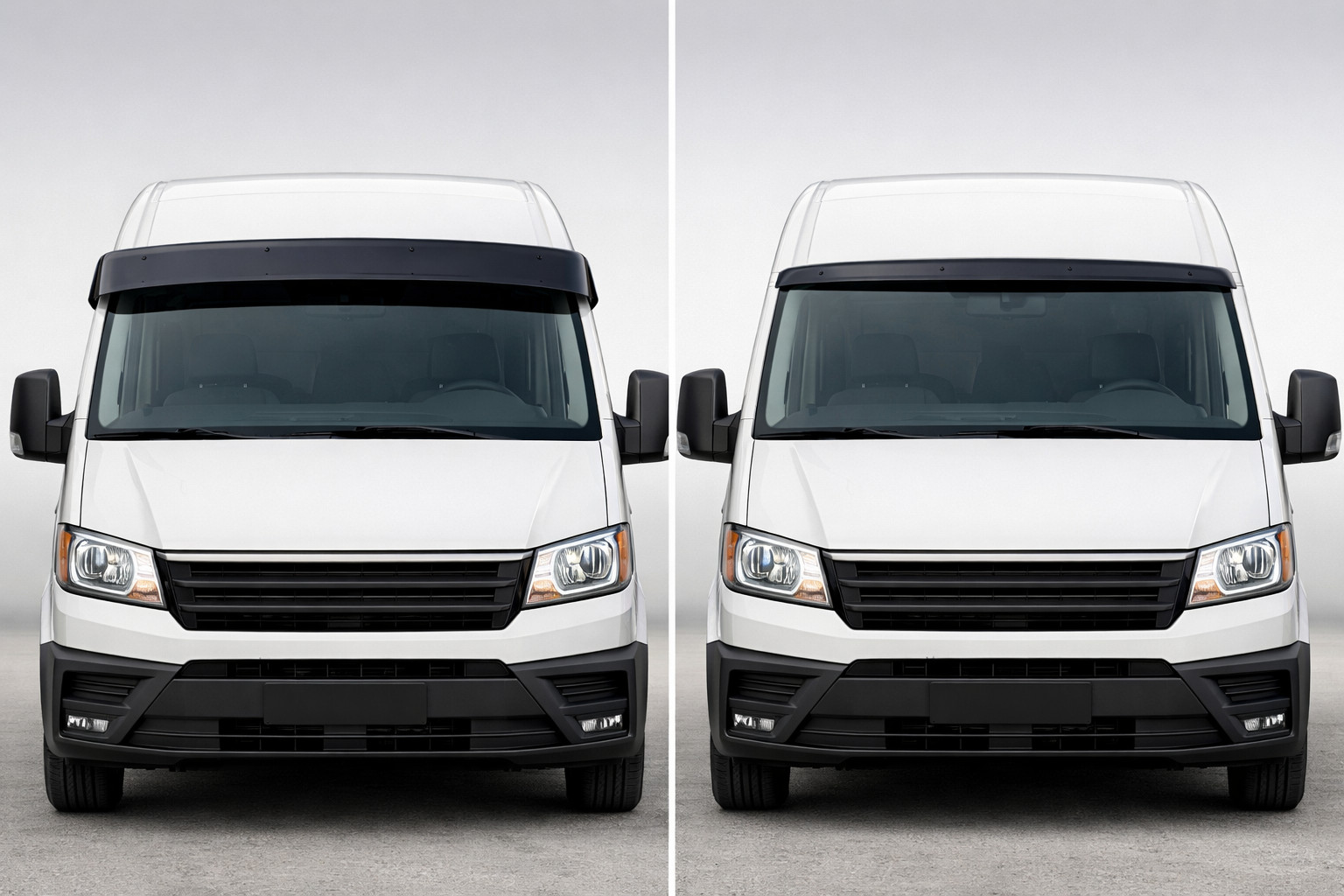
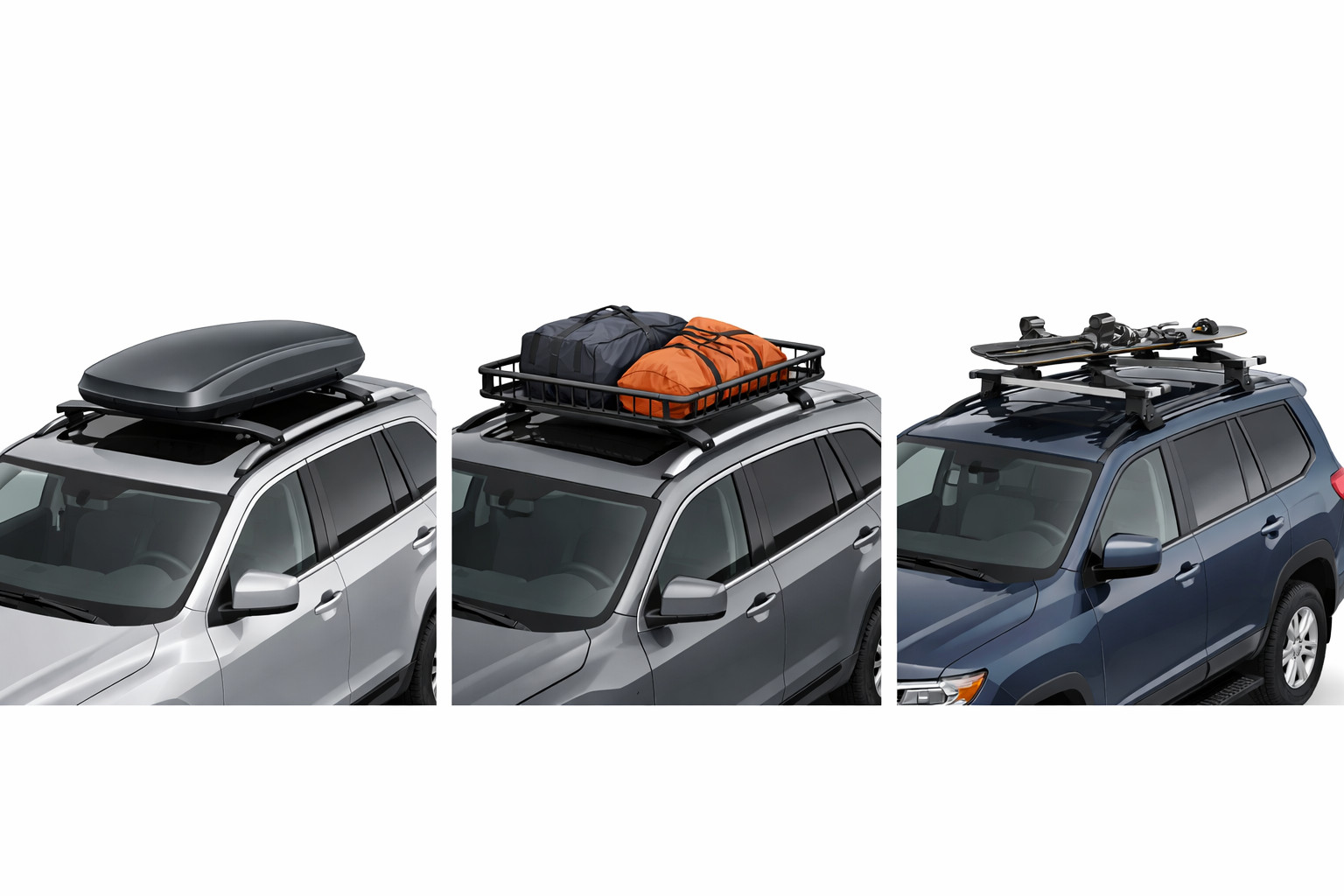
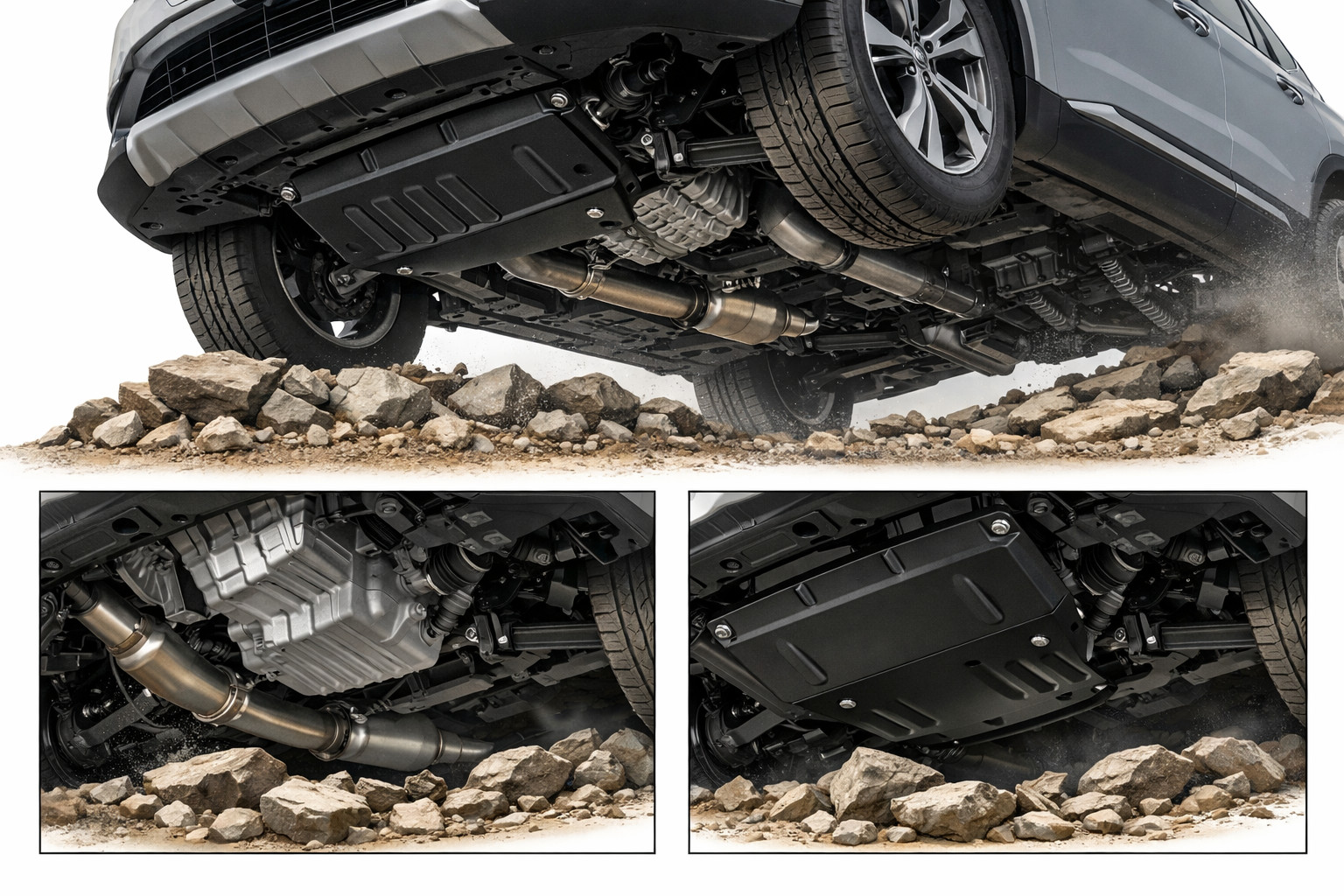
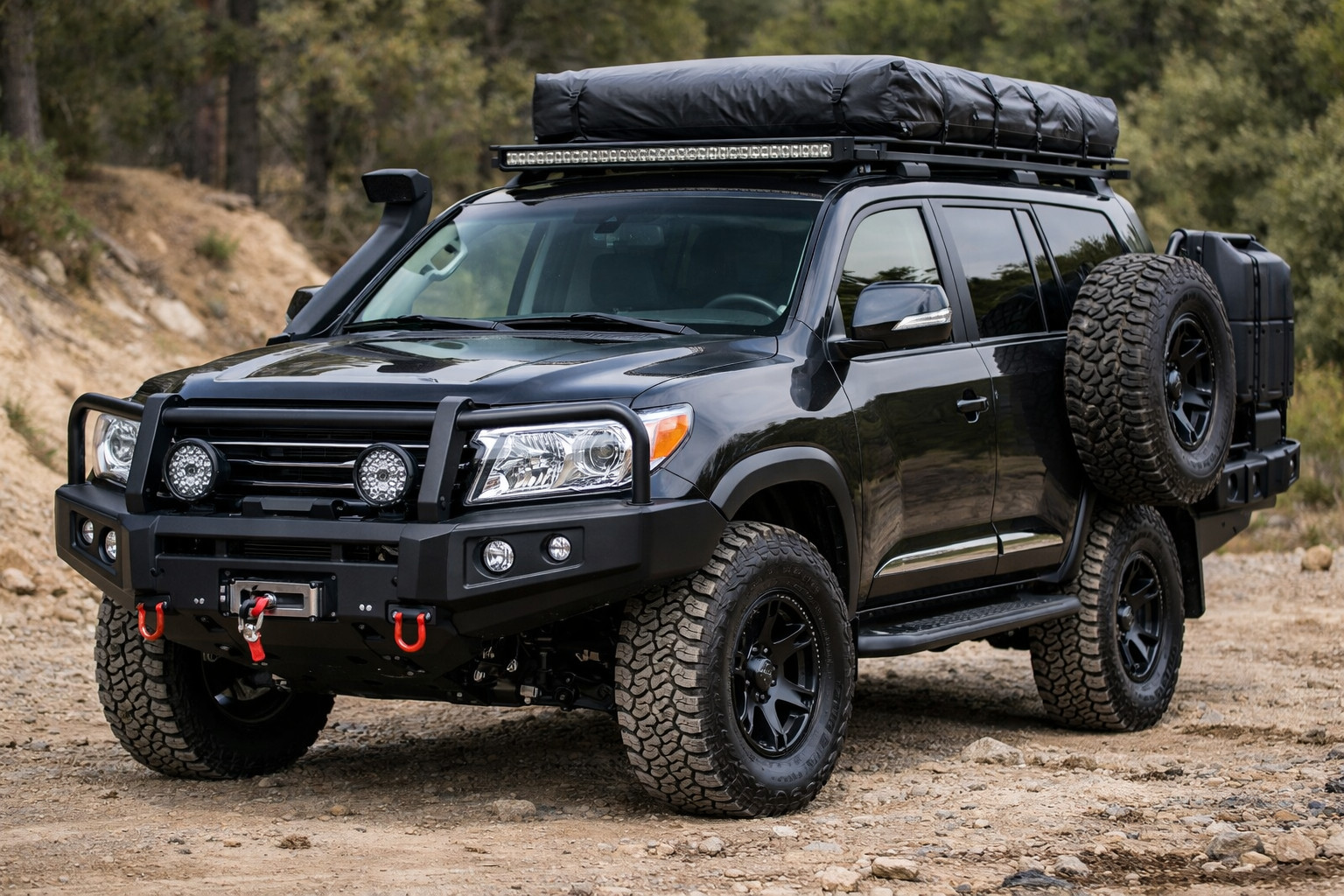
For the T5, tuning makes sense not as decoration, but as a way to make a big van more convenient in everyday use. The most useful upgrades here are usually tied to trips, family use, body protection, and extra storage. On the T5 Multivan model page it’s easier to immediately filter out decorative items and look at what actually works in real life.
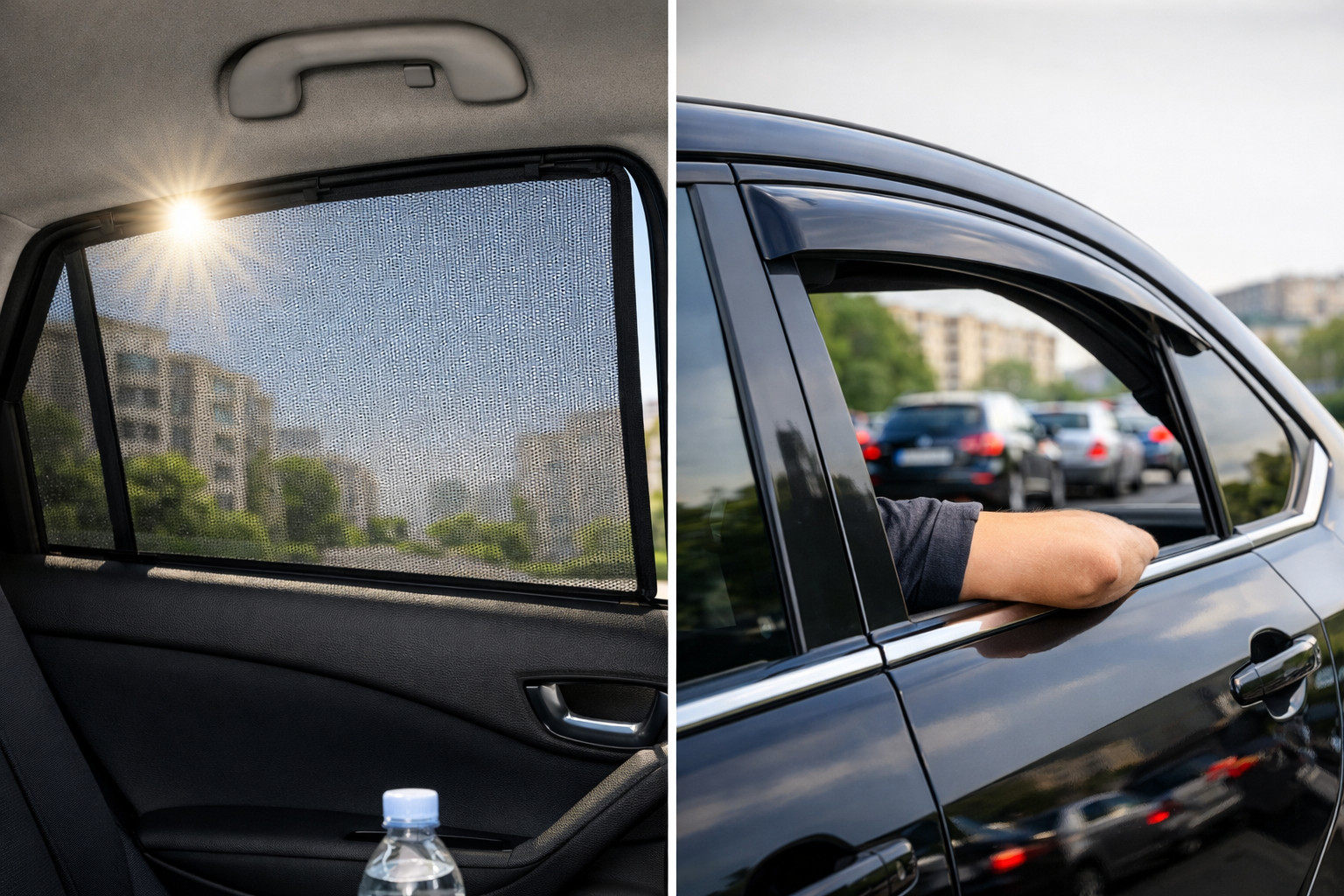
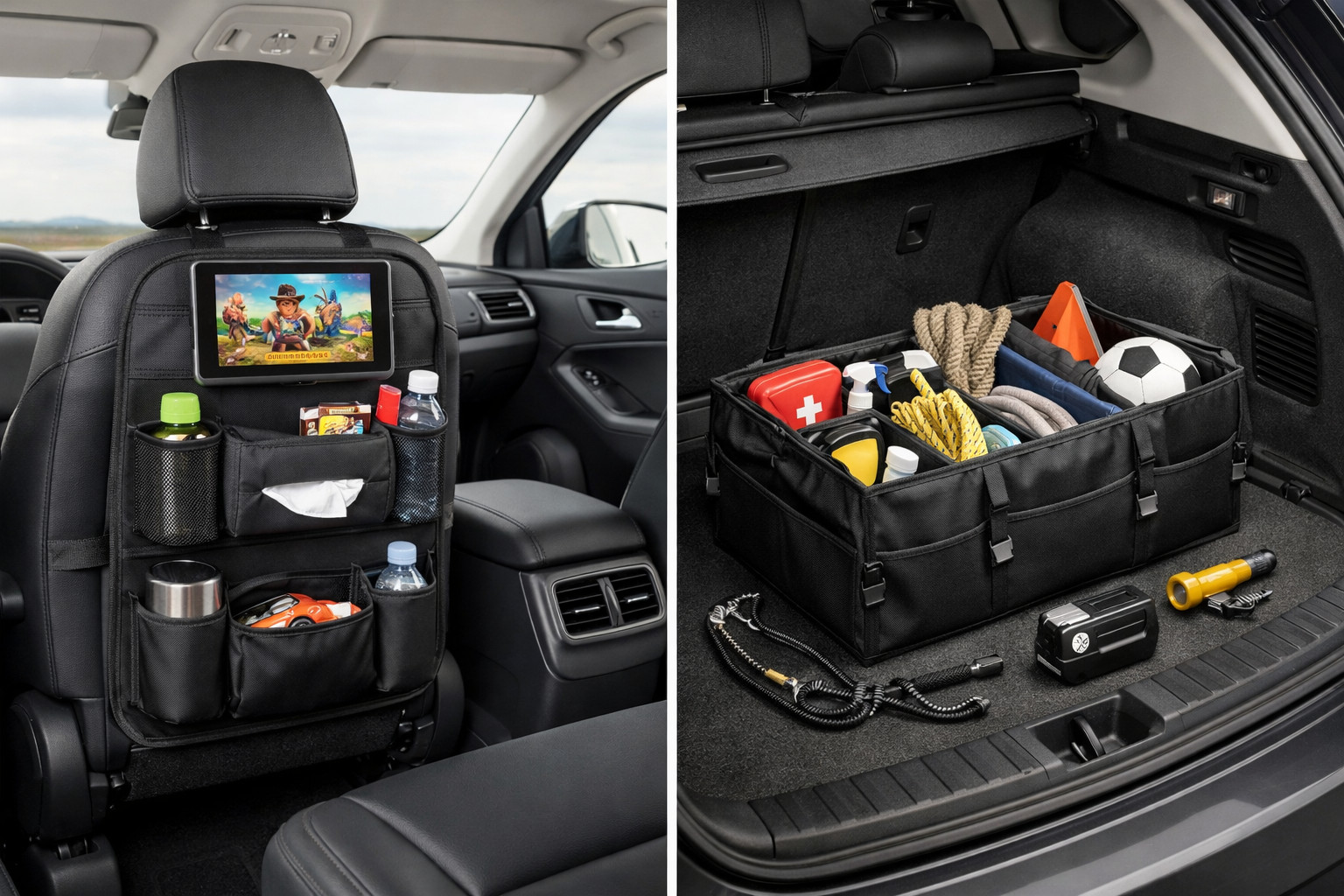
Also often worth considering for this model are window deflectors, loading-area protection, and interior solutions. For the Multivan, the best results come from practical accessories—those that reduce everyday minor inconveniences, rather than simply changing the appearance.
The Volkswagen T5 Multivan 2003–2010 is a strong choice for those who need a large, versatile, genuinely useful passenger van. It’s a great fit for family use, trips, transfers, and a mixed “people plus stuff” routine, but it requires a sober choice of engine, year, and technical condition. The most sensible versions are those that combine a straightforward engine, a healthy suspension, and an interior that hasn’t been beaten up. This material is based on real selection experience, hands-on work with accessories, and typical T5 use cases—not abstract marketing promises.
| ✔ | The large 7-seat cabin and flexible interior provide plenty of space for passengers and luggage. For family trips, transfers, and carrying gear, it is much more practical than a regular minivan. |
| ✔ | The T5 Multivan feels good on the highway: it has stable handling, a decent turning radius for its class, and a large 80 l fuel tank. This is convenient for long routes, where range and ride comfort matter. |
| ✔ | The engine range is wide, so you can choose a version for different tasks — from the economical 1.9 TDI to the more torquey 2.5 TDI and facelifted 2.0 TDI. This makes it easier to find a car for a specific budget and use case. |
| ✔ | There are 4Motion versions that are useful in winter, on wet roads, and on dirt tracks. It is not an SUV, but for everyday use in more difficult conditions, this drivetrain really adds confidence. |
| ✔ | The model has good towing potential — up to 2500 kg with brakes. For a trailer, boat, or camping use, this is a practical advantage. |
| ✘ | The body is large and tall, so in tight courtyards, narrow parking lots, and old garages the car is noticeably less convenient than a passenger car. In the city, this quickly becomes a daily compromise. |
| ✘ | The cabin is not always convenient for regular changes in configuration: the rear row and transformation can be annoying if you often switch the car from passenger mode to cargo mode. This is not the kind of vehicle where everything is done easily and quickly. |
| ✘ | Early diesels have a mixed reliability reputation, and on older examples expensive repairs are no longer unusual. This especially applies to cars that were serviced irregularly or bought without a thorough diagnosis. |
| ✘ | The T5 does not offer passenger-car quietness: wind noise, tire noise, and the overall more van-like character are noticeable in the cabin. For those used to a quiet car, this can be a significant drawback. |
| ✘ | 4Motion all-wheel drive adds cost and complexity, and fuel consumption in the more powerful versions increases noticeably. The thirstiest engine in the range is the 3.2 V6, so such versions are not for everyone. |
Shipping to EU
Wholesale and retail
Own warehouse
Опис продукту
Подарунки не надаються при оформленні покупки у кредит під 0,01% або при покупці частинами.