08.07.2026
375
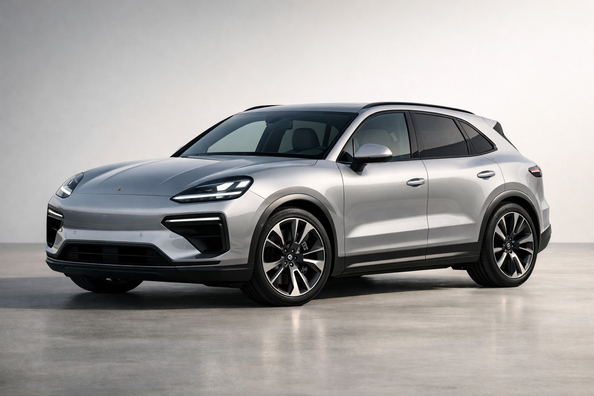
The new Porsche Cayenne Electric is entering the Ukrainian market not as an experimental version, but as a fully fledged standalone electric line within the Cayenne family. The model’s formula is simple: a large 113.0 kWh battery, 800-volt architecture, very fast charging, and three trims — from a quick everyday crossover to a truly extreme Turbo.
For now there are few long-term reviews specifically of the electric Cayenne, so it’s best judged by official specs, first tests, and real-world use cases. What’s most interesting here isn’t only acceleration, but the mix of performance, a large trunk, trailer towing, and a chassis that doesn’t fall apart under a curb weight of more than 2.5 tonnes.
Cayenne Electric enters the upper segment of large premium electric SUVs, where buyers look not only at range, but also charging speed, high-speed stability, towing, and steering feel. By indicative pricing in Ukraine, the base version starts from 5 647 640 UAH, Cayenne S Electric — from 6 898 040 UAH, Cayenne Turbo Electric — from 8 768 430 UAH.
In essence, it’s an option for those who want an electric crossover without giving up Porsche’s signature handling. It’s not the best pick for a buyer looking for a third row, a simple cabin without heavy dependence on screens, or proven multi-year reliability statistics specifically for this electric version.
The Cayenne as a model has long been split into several major phases: 2003–2010, 2010–2017, and 2018–present. The electric Cayenne officially debuted on November 19, 2025, and the S Electric version joined in 2026. So this isn’t a one-shot replacement of the old Cayenne, but a separate new branch within an already established family.
An important point for understanding the model: this isn’t simply a battery instead of a gasoline engine. Cayenne Electric has a different power architecture, the battery is integrated into the body structure, and the entire chassis and drivetrain logic is designed around an electric powertrain from the outset.
There’s no engine displacement in the usual sense: all versions get two synchronous electric motors, all-wheel drive, and single-speed transmissions on both axles. Under partial load, the front motor can be disengaged for efficiency, but when needed, torque is brought back in very quickly.
| Version | Power | Torque | 0–100 km/h | Top speed | WLTP range |
|---|---|---|---|---|---|
| Cayenne Electric | 408 hp, up to 442 hp in the intensive launch mode | 835 N·m | 4.8 s | 230 km/h | 576–643 km |
| Cayenne S Electric | 544 hp, up to 666 hp in the intensive launch mode | not specified | 3.8 s | 250 km/h | 588–653 km |
| Cayenne Turbo Electric | 857 hp, up to 1 156 hp in the intensive launch mode | 1 500 N·m | 2.5 s | 260 km/h | 564–624 km |
All versions are stated to have a 113.0 kWh battery and a very strong charging setup: up to 400 kW DC, 10–80% in 16 minutes under optimal conditions. On AC, 11 kW is standard and a full charge takes about 11 hours; with 22 kW — about 5.8 hours.
In size, it’s a large SUV with no compromises for electric specifics: long, wide, and heavy, yet still practical. The air suspension is dual-chamber, with self-leveling and height adjustment, and steering can be even more agile with rear-axle steering.
| Parameter | Value |
|---|---|
| Length | 4 985 mm |
| Width without mirrors | 1 980 mm |
| Width with mirrors | 2 199 mm |
| Height | 1 674 mm |
| Wheelbase | 3 023 mm |
| Trunk | 781–1 588 l |
| Front trunk | 90 l |
| Curb weight | 2 525–2 645 kg depending on version |
| Towing | 3 000 kg, or 3 500 kg with the off-road package |
| Ground clearance | the exact production figure has not been disclosed; body height changes via the air suspension |
| Wading depth | 483 mm |
| Turning circle | 12.7 m, or 11.6 m with rear-axle steering |
Porsche doesn’t name an exact ground-clearance figure, and that’s worth keeping in mind for those used to comparing SUVs by dry spec-sheet numbers. But the chassis picture is clear: a big brake reserve, powerful recuperation up to 600 kW, and very fast all-wheel-drive response.
Inside, Cayenne Electric leans on technology and personalization. There’s a large curved display, a digital key for multiple users, a wide choice of trims and options, and a claimed wireless inductive charger — though its arrival is expected later.
On safety, the set is strong even in the base spec: adaptive cruise control, automatic emergency braking with pedestrian detection, blind-spot monitoring, rear cross-traffic alert, lane keeping, and traffic sign recognition. But there’s also a typical new-Porsche trait: some everyday settings are heavily tied to the touch interface, and that won’t suit everyone.
In daily driving, the model’s main trump card is fast highway charging and sensible home charging via 11 kW. If the owner has access to strong infrastructure, Cayenne Electric looks more practical than many competitors with similar weight and performance. If that infrastructure isn’t available, part of the technical advantage simply won’t be realized.
From a city perspective, two things should be considered. First is mass: even with a very good chassis, it’s a big and heavy vehicle. Second, Porsche doesn’t focus on a pronounced one-pedal driving mode, so those switching from other EVs will need to get used to a different braking logic. Real-world range in winter, at high speed, or with a trailer has not yet been confirmed by long independent tests.
Net-net, Cayenne Electric looks very strong technically, but not universally right for everyone. Below are the pros and cons from a future owner’s perspective rather than a marketing brochure.
| Pros | Cons |
|---|---|
| Charging up to 400 kW genuinely reduces time lost on long trips | The starting price is high, and options make the budget climb very quickly |
| A very capable chassis for this size and weight | Mass over 2.5 tonnes is still felt in the city and affects consumption |
| Large trunk, a 90-liter front compartment, and towing up to 3.5 t | No third row, so some competitors are more practical for a large family |
| Powerful recuperation and very fast all-wheel-drive response | Not everyone will like the touch-based cabin logic and the lack of a pronounced one-pedal driving mode |
| Broad personalization possibilities | There still isn’t extensive long-term data on the electric version itself |
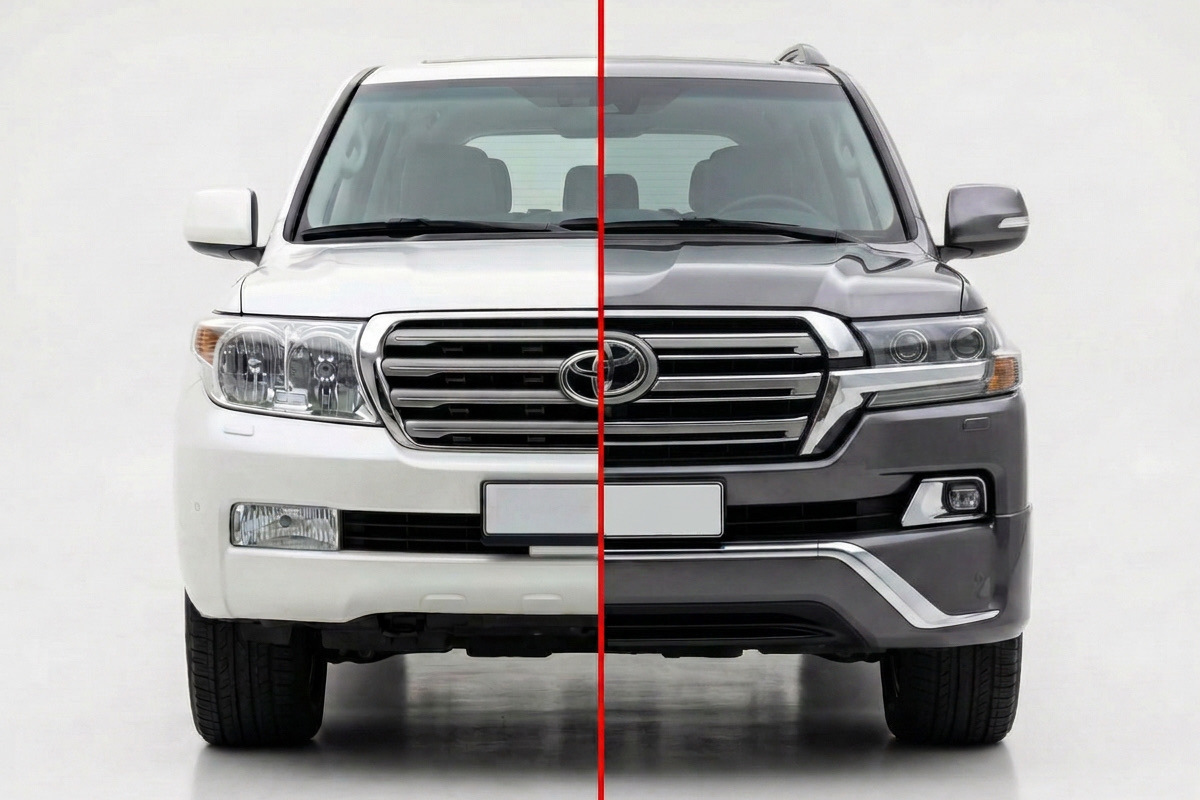
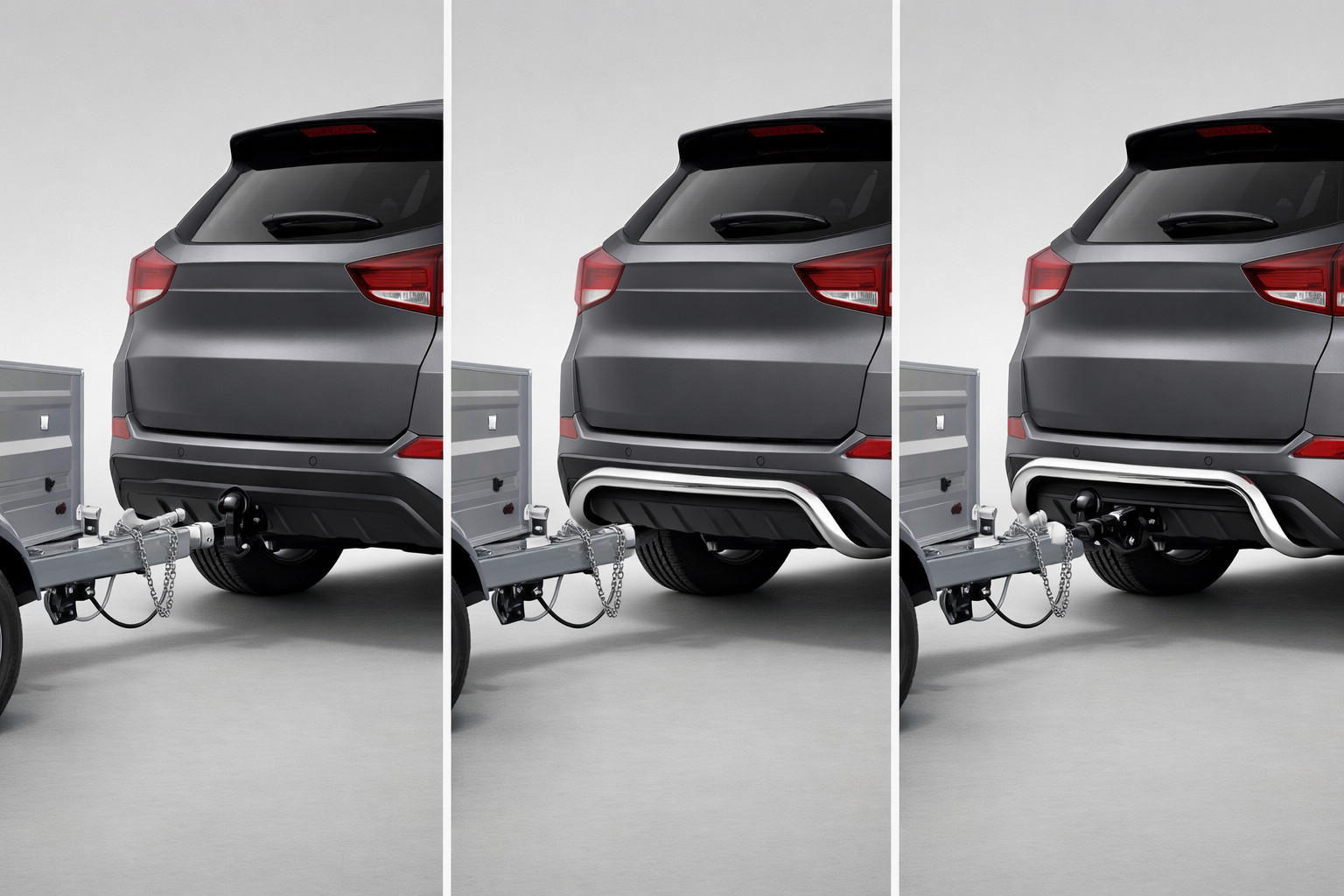
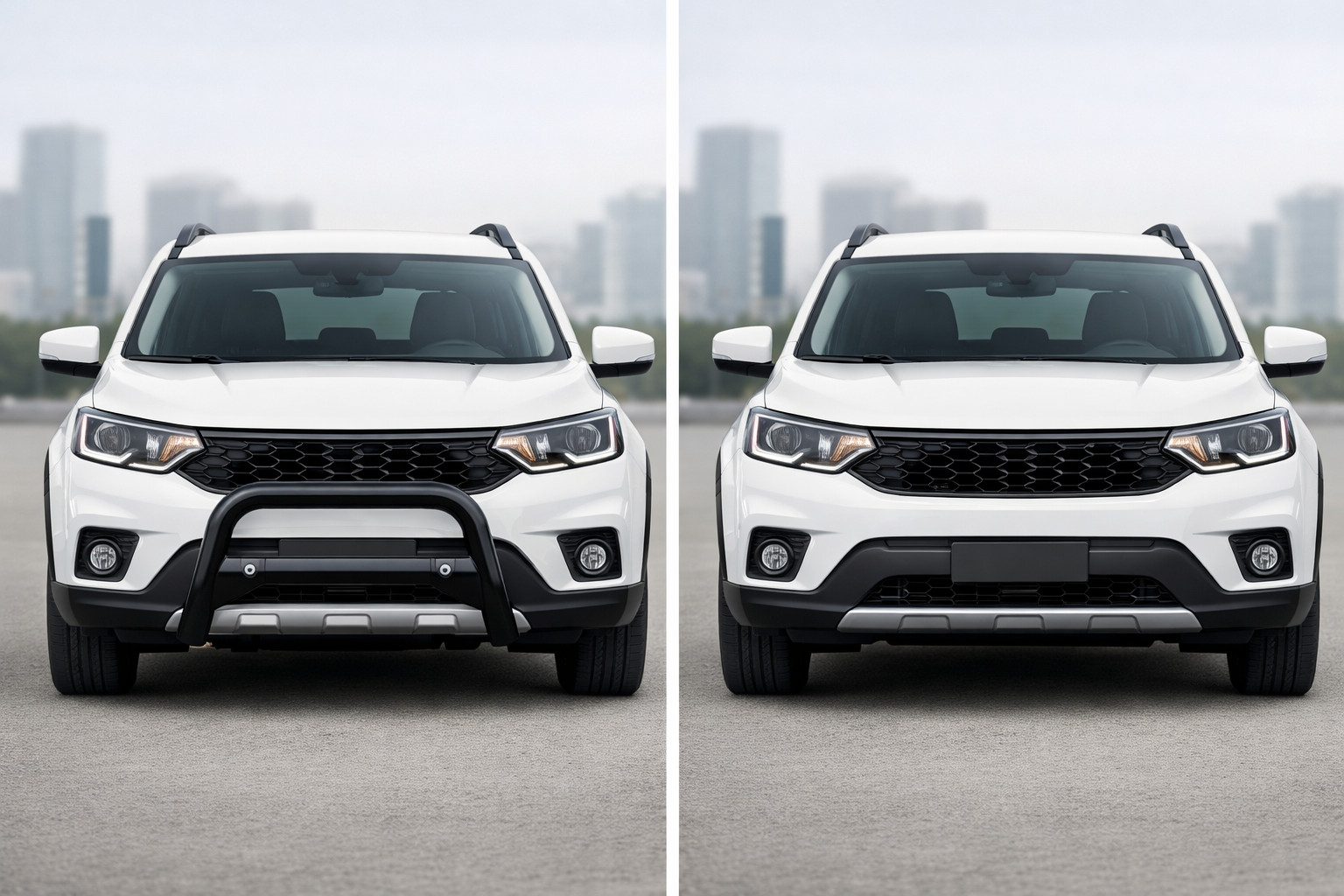
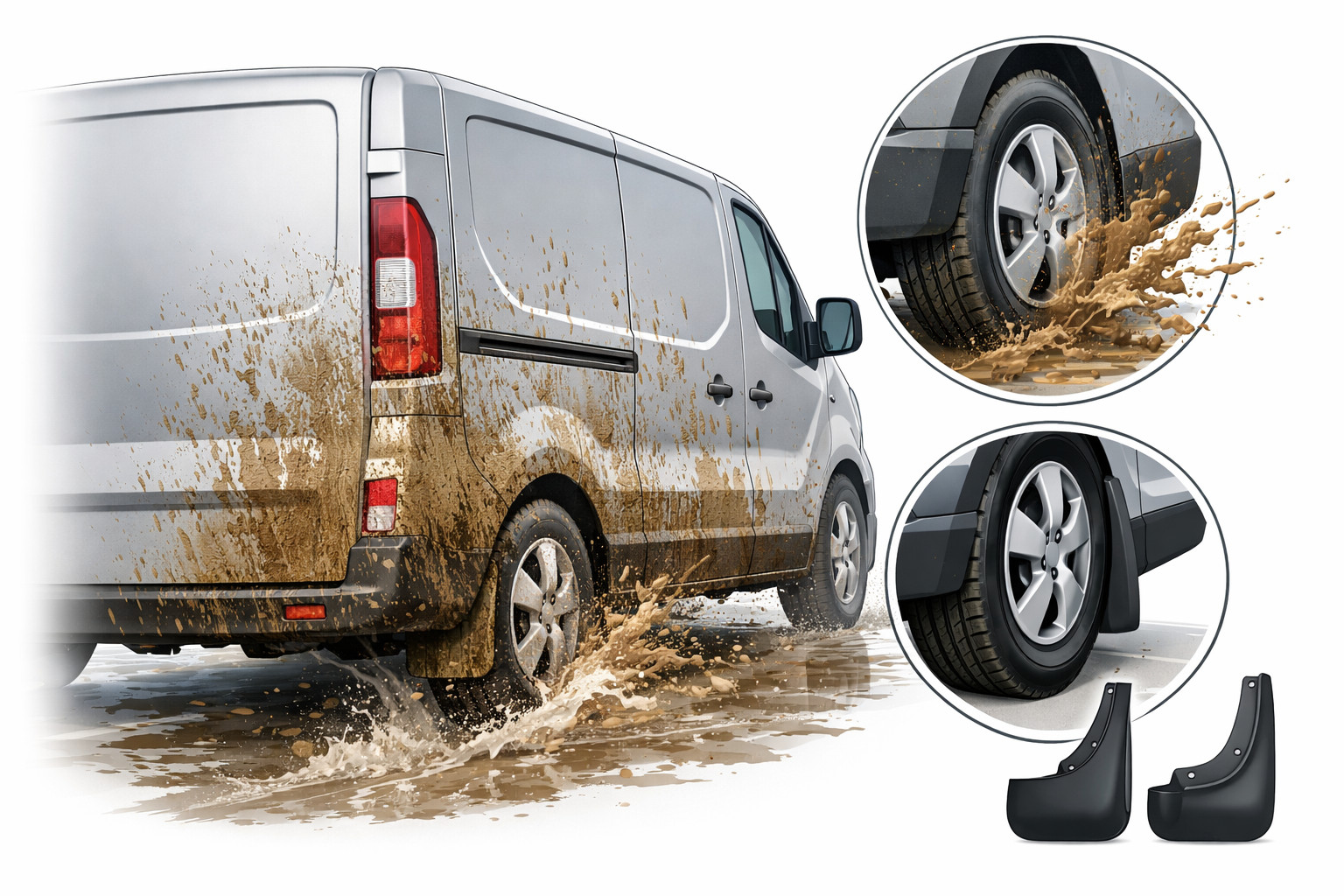
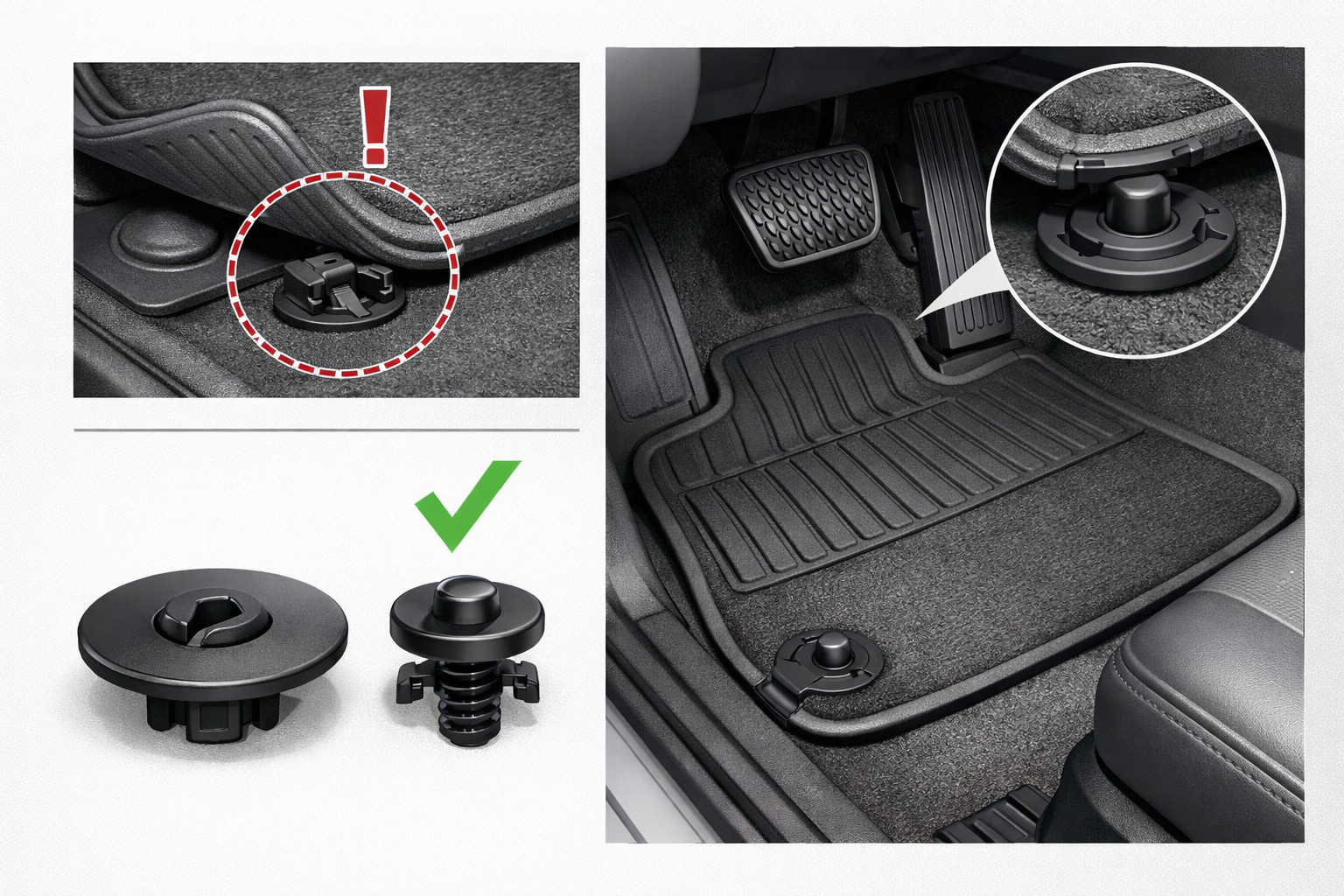
For Cayenne Electric, tuning makes sense primarily not as decoration, but as protection and everyday practicality. Because the model is new, compatibility of specific parts with the electric version should be checked separately, but for the current Cayenne there are already clear accessory categories worth starting with.
For such a heavy and expensive SUV, the smartest order is simple: first protect the interior and body, then add solutions for carrying gear, and only after that focus on exterior style. This brings real day-to-day benefits, not just a better look in photos.
Porsche Cayenne Electric looks highly convincing for anyone who wants a large electric SUV with genuinely sporty performance, fast charging, and practicality without an obvious compromise in cargo space or towing. For those who need seven seats, simple physical controls, or already established reliability statistics for this exact version, there are still more questions than answers for now.
The material is based on real experience in selection, hands-on practice, and real-world usage scenarios of large crossovers, but regarding Cayenne Electric itself it’s important to remember: the model is still very new, so only a few years of real-life operation will provide a final verdict.
| ✔ | Very fast charging: according to the manufacturer, up to 400 kW of DC power allows the battery to be charged from 10 to 80% in about 16 minutes. This really reduces time on long trips if the right infrastructure is available. |
| ✔ | Strong pulling power and performance in all versions: even the base Cayenne Electric accelerates from 0 to 100 km/h in 4.8 s, while the Turbo does it in 2.5 s. For a large SUV, that is a very high level. |
| ✔ | A practical body for everyday use: the trunk offers 781–1,588 l, and there is also a 90-liter front compartment. Towing capacity is also stated at up to 3,000 kg, and with the off-road package — up to 3,500 kg. |
| ✔ | The chassis under heavy load looks well thought out: two-chamber air suspension, self-leveling, ride-height adjustment, and rear-wheel steering. This should help both in the city and on the highway. |
| ✔ | A rich standard safety package: adaptive cruise control, automatic emergency braking, blind spot monitoring, rear cross-traffic alert, lane keeping assist, and traffic sign recognition. |
| ✘ | The starting price is very high, and it rises even faster with options. This immediately makes the model affordable only for a narrow circle of buyers. |
| ✘ | The car weighs over 2.5 tons, and that mass is inevitably felt in the city and affects running costs. Even with a good chassis, this is not a light crossover. |
| ✘ | There is no third row of seats, so for a large family or those who need seven-seat capacity, the Cayenne Electric falls behind some competitors. |
| ✘ | Some everyday settings are tied to the touchscreen interface, and there is no clearly defined one-pedal driving mode. For drivers used to simpler EV logic, this may be inconvenient. |
| ✘ | There is still not much long-term data on the electric version’s durability or its real winter/highway range. In other words, the model is technically interesting, but still unproven over time. |
Shipping to EU
Wholesale and retail
Own warehouse
Опис продукту
Подарунки не надаються при оформленні покупки у кредит під 0,01% або при покупці частинами.