29.06.2026
175
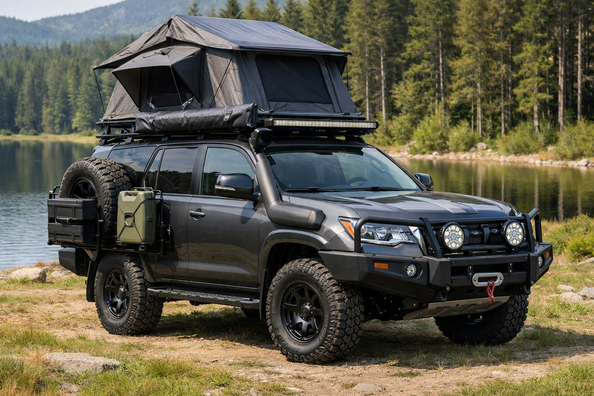
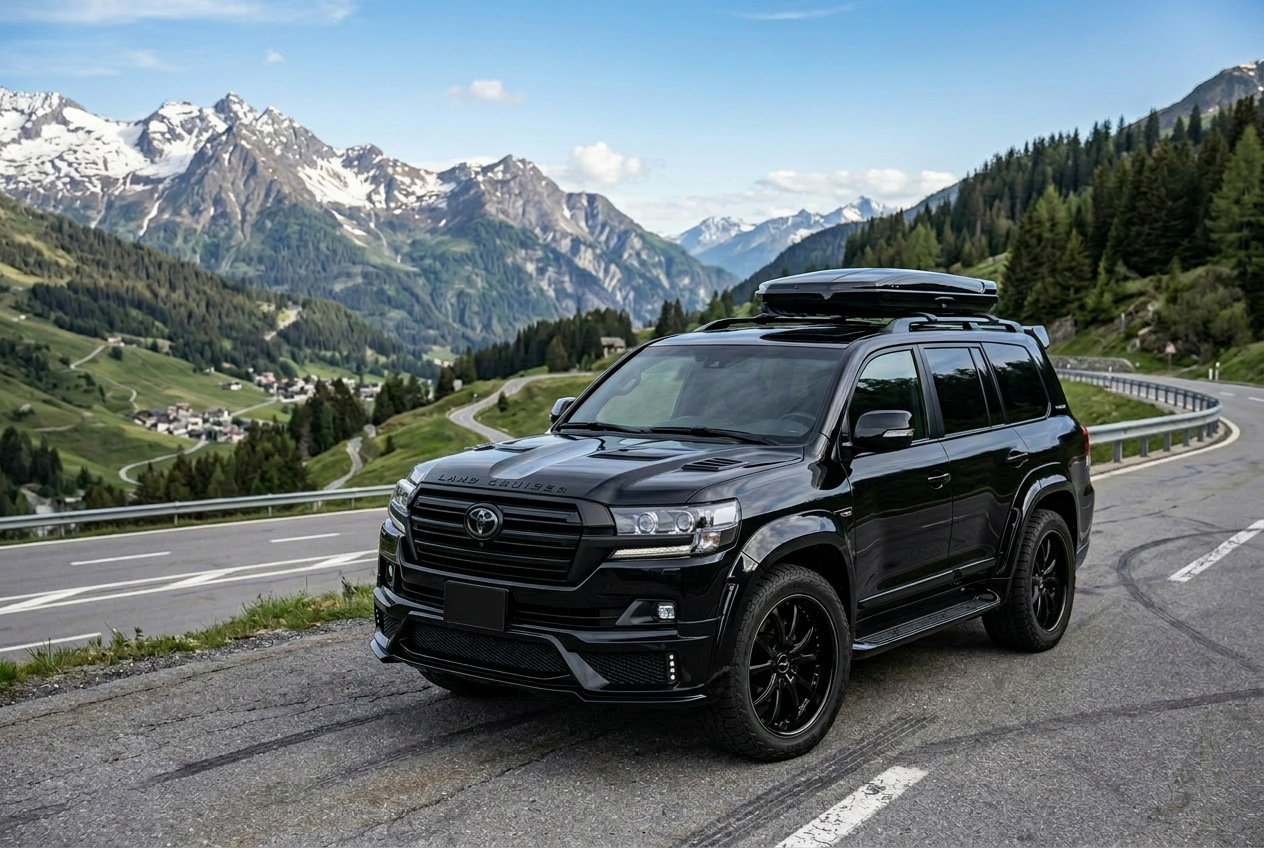
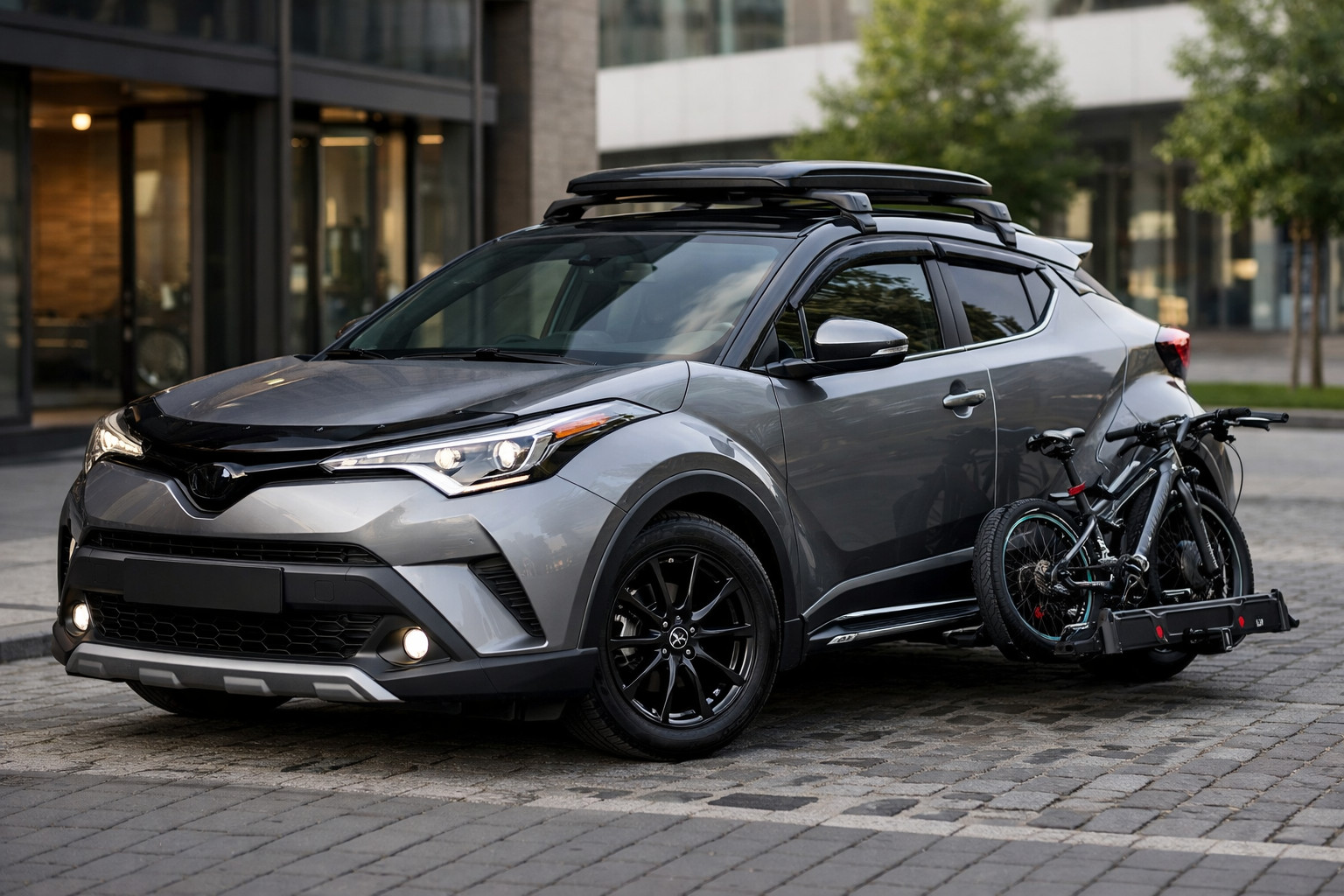
This upgrade package is for a crossover, wagon, or SUV that regularly goes fishing, camping, onto forest tracks and gravel roads, but still spends most of its time on asphalt. The goal is simple: the car should get you to the spot, not bog down on the first wet meadow, not leave you without a wheel after a puncture, and reliably haul your gear.
What works best here isn’t one big upfront budget, but a staged approach. First you cover tires, pressure, a spare, and a basic self-recovery kit; then cargo and overnight organization; underbody protection, heavy-duty parts, and suspension only make sense once your route has revealed the real weak point of your specific vehicle.
For frequent trips outdoors, the main point of upgrading isn’t to turn the vehicle into an expedition build, but to reduce the risk of common field problems. That means a punctured tire, the wrong pressure for the surface, no proper spare, unsafe towing/recovery, and chaos in the trunk when heavy items slide around the cabin.
If your route is asphalt plus dirt roads, washboard, wet grass, and an approach to camp, you need one set of solutions. If it’s deep ruts, rocks, a ford, or constant overload with gear, then clearance, approach/departure angles, and underbody protection start to matter. A low passenger car will hit its limit earlier; a crossover with decent ground clearance later—but the upgrade logic is the same.
Top priority: tires for your real use case. For mixed asphalt and dirt, road-oriented AT tires are often the best value: they’re not as loud, don’t punish daily driving as much, and still work better on loose and wet surfaces than typical highway tires. If winter often dips below 7°C, AT tires do not replace a dedicated winter set.
Second priority: everything that keeps a small issue from turning into getting stuck— a full-size spare of a similar diameter, a pressure gauge, a portable compressor, a puncture repair kit, gloves, and a proper jack base. Off-road, pressure is sometimes reduced, but there’s no universal number: it depends on vehicle weight, tire size, and the surface. Before returning to asphalt, tires must be inflated back to the factory level.
Third priority: safe vehicle recovery. If you regularly end up on wet grass, sand, or a broken field road, you need real recovery points front and rear, a looped tow strap, and for tougher conditions—traction boards. The key is not to confuse decorative pieces or transport tie-down eyes with proper recovery points.
| Upgrade | Why it’s needed | Who truly benefits |
|---|---|---|
| Road-oriented AT tires | Better traction on dirt, gravel, and wet grass without a big loss of comfort on asphalt | Drivers with mixed trips: city, highway, and regular outdoor getaways |
| Dedicated winter set | Performs better than AT in cold weather, on snow and ice | Those who often drive in winter below 7°C |
| Full-size spare | Lets you continue after a puncture without compromising capability | Those who travel far from service and asphalt |
| Compressor, gauge, repair kit | Let you manage tire pressure and quickly solve common tire issues | Basically anyone who ever leaves the pavement |
| Tow strap and recovery points | Safe recovery without the risk of ripping out a random mounting point | Those who drive in mud, sand, wet grass, or ruts |
| Cargo organization | Heavy items stay low and secured; faster access to what you need | Family crews, anglers, campers, anyone carrying lots of small gear |
| Underbody protection | Reduces the risk of damaging the underside on rocks, ridges, and in ruts | Crossover and SUV owners who actually hit the underside on their routes |
| Lift or heavy-duty suspension | Add clearance or load capacity, but require careful selection | Those who regularly drive heavily loaded or tackle tougher routes |
DD Tuning expert comment: the most common mistake is starting with aggressive tires, a lift, or a heavy roof setup—and only later remembering the compressor, spare, and recovery points. The second typical story is installing side steps for looks and then wondering why the car sits down in ruts sooner. For most light trips, it’s not the amount of metal that matters, but the right order of purchases.
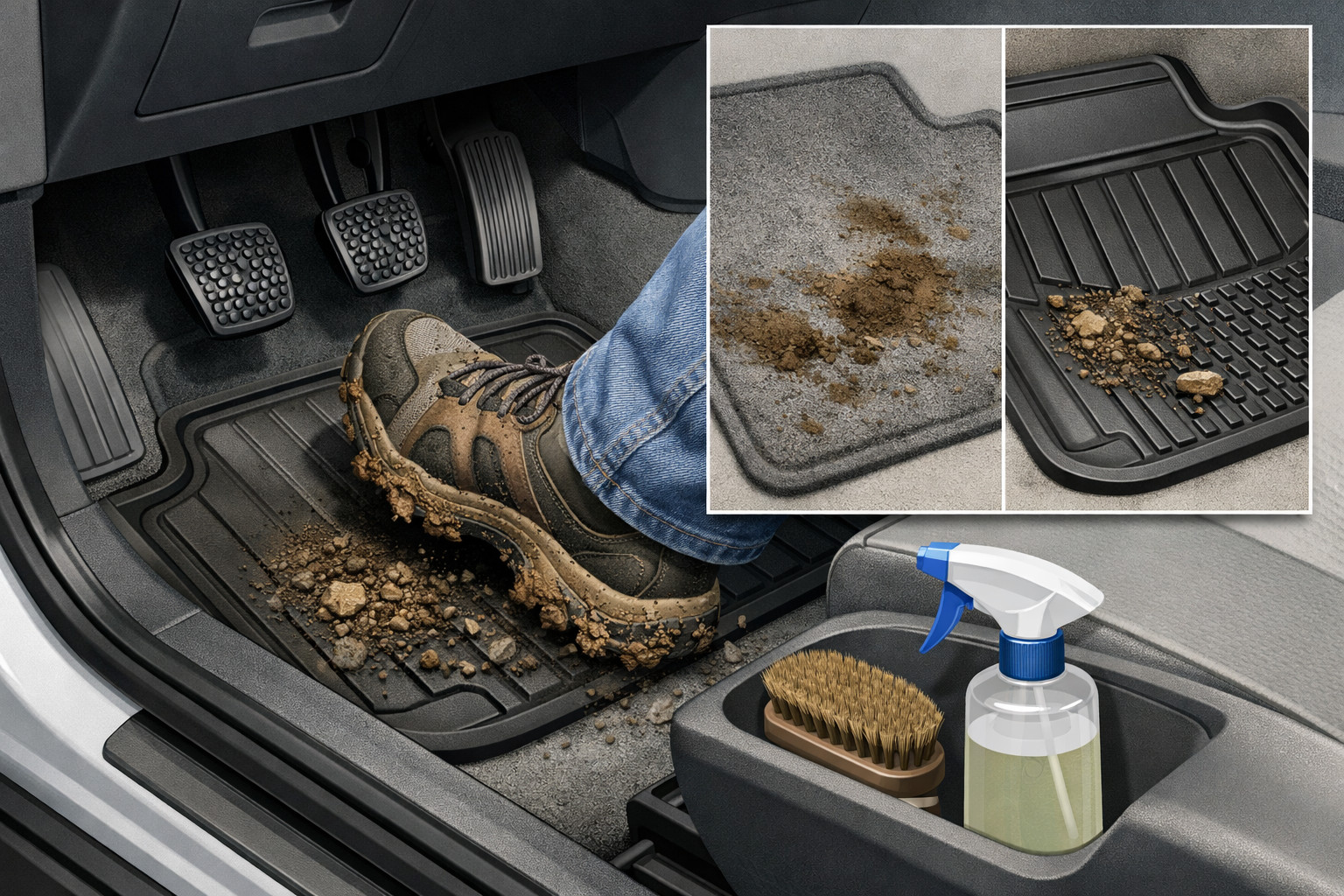
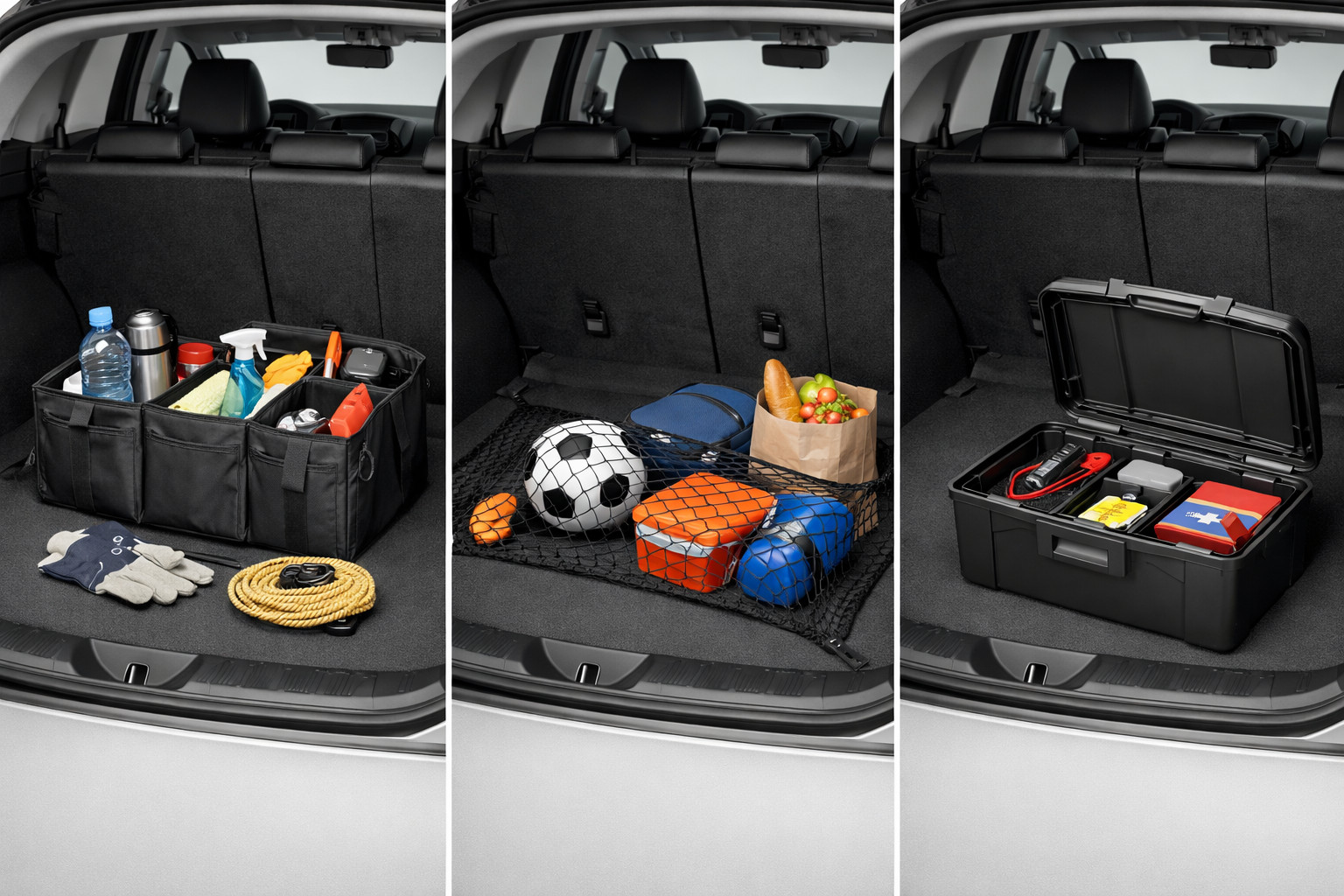
Once the basics are covered, stage two should focus on cargo and camp life. The biggest gains come from simple things: securing your gear, bags or modules in the trunk, a dedicated place for tools, water, a first-aid kit, a flashlight, and rain gear. Keep heavy items low and closer to the vehicle’s center, not on the roof.
If you do overnights, start with the camping essentials: tent, sleeping bag, pad, proper lighting, a chair, and basic kitchen organization. For the same money, this delivers more benefit than expensive roof solutions. Traction boards, auxiliary lighting, and underbody protection also often move into stage two—but only if the route truly forces you to use them.
A separate point is ground clearance. If the vehicle already has low decorative side steps that become the lowest point of the body, sometimes it’s smarter to remove them than to immediately think about a lift.
This group usually includes large roof systems, awnings, fridges, high-capacity power stations, decorative bars, non-standard lighting, and some exterior styling. They can be useful, but they don’t solve the core task: get there, get out, and get back.
Roof cargo isn’t always a bad thing, but it needs a sober evaluation. Light, bulky items up top can be fine sometimes; heavy fuel cans, boxes, and a spare on the roof for easy trips is unnecessary weight, a higher center of gravity, and worse stability. Side steps are convenient for climbing into a tall SUV, but on a lower crossover they often bring more drawbacks than benefits.
Most often, people waste money on MT tires for a vehicle that spends 80% of its time on asphalt. Yes, they look serious, but the trade-offs are noise, worse behavior on wet pavement, and questionable benefit if you’re not regularly driving real mud.
The second costly mistake is a big lift and larger tires before it’s clear what exactly limits you on your routes. Such changes can affect alignment/geometry, require different components, and noticeably change everyday handling. The third typical off-scenario purchase is a roof tent or bulky exterior gear for a few summer trips per year, when a regular camping kit solves the same task.
| Area | Install first | Can be postponed | Not mandatory |
|---|---|---|---|
| Wheels | Tires for the season and route, a verified spare | Switching to a different tread type after a few trips | Overly aggressive MT for easy routes |
| Self-recovery | Compressor, gauge, repair kit, tow strap, gloves | Traction boards if mud and sand are rare | A winch for the “picnic and dirt road” scenario |
| Cargo | Securing the load, a sensible packing layout, quick access to essentials | Extra modules or separate boxes | Heavy exterior baskets without an ongoing need |
| Protection | Monitoring the vehicle’s lowest points and real contacts with terrain | Underbody protection after the first trips if you’re hitting the underside | A suspension lift without a clear reason |
| Camping & comfort | Tent, sleeping bag, lighting, water, first-aid kit | Fridge, awning, large power station | A roof tent at the start |
More expensive purchases are justified when you’ve already hit the limits of the stock setup—not when you simply want to “look prepared.” If the cabin and trunk are consistently packed with light but bulky gear, then it makes sense to consider a roof rack for factory mounting points. It frees up interior space, but heavy items are still better kept lower rather than moved to the roof.
If trips regularly end with the underbody contacting rocks, ridges, or ruts, it’s logical to move on to underbody protection. The key is choosing a solution for your specific vehicle’s weak spots, not blindly covering everything.
For body-on-frame SUVs or vehicles that genuinely rest the rocker area on terrain, rock sliders may be needed. But for normal outdoor trips without rocker contact, this is often extra weight and one more part that can eat into ground clearance.
From a customer’s experience: an AWD crossover owner wanted an affordable setup for weekly fishing trips and warm-season overnights. Instead of a lift, he installed calm AT tires, added a compressor, a tow strap, a full-size spare, and organized the trunk; after the season it became clear that the only truly necessary expensive item was protection for the lower part of the engine bay. As a result, the car kept its daily comfort, and the budget went to things used on every trip.
For frequent outdoor trips, the smartest package doesn’t start with a lift or heavy external hardware. Start with tires for the season and route, a spare, pressure control, a compressor, basic recovery gear, and proper cargo organization. That delivers the biggest practical effect with the least harm to daily usability.
Everything else—underbody protection, an external cargo system, heavy-duty parts, suspension changes—is justified only when your route, your bodywork, and your constant load actually demand it. This material is based on real selection experience, practice, and real use cases: the best upgrade is the one that solves a specific problem, not the one that just looks expensive.
| ✔ | The package starts with the basic items that genuinely save the day in the field: route-appropriate tires, a spare wheel, tire pressure control, a compressor, and a repair kit. This reduces the risk of having the trip ruined by a puncture or poor pressure on dirt roads. |
| ✔ | There is a clear step-by-step logic: first, wheels, self-recovery, and cargo are covered, and only then do underbody protection or suspension come into play. This approach makes it possible not to spend money on upgrades that may not be needed for your route specifically. |
| ✔ | For mixed use on asphalt plus dirt roads, the author recommends road-oriented AT tires rather than aggressive MTs. This is practical because it preserves acceptable comfort in everyday driving and improves behavior on wet and loose surfaces. |
| ✔ | Safe recovery is also taken into account separately: proper tow points, a recovery strap, and, if needed, traction boards are required. This is useful for wet grass, sand, and ruts, where decorative loops are not suitable. |
| ✔ | Attention to cargo organization is also useful: heavy items are recommended to be placed low and closer to the vehicle’s center. This means less clutter in the cabin and a lower risk of hurting handling due to roof overload. |
| ✘ | The package is weakly justified if trips into nature are rare or limited to easy routes. Some of the solutions in the table are only needed when specific problems exist, not “just in case.” |
| ✘ | For the cold season, AT tires do not fully cover the need: the article explicitly says that below 7°C a separate winter set is required. That means one of the key purchases is effectively duplicated by season. |
| ✘ | Some desirable upgrades can bring extra costs and compromises: a lift, larger wheels, or силовые elements change geometry and everyday handling. The author warns to do this only after it is clear what exactly is getting in the way on the route. |
| ✘ | Even useful things have limits: roof cargo, heavy canisters, or a spare wheel on top worsen stability and raise the center of gravity. For light outings, this can bring more downsides than practical benefit. |
Shipping to EU
Wholesale and retail
Own warehouse
Опис продукту
Подарунки не надаються при оформленні покупки у кредит під 0,01% або при покупці частинами.