27.06.2026
356
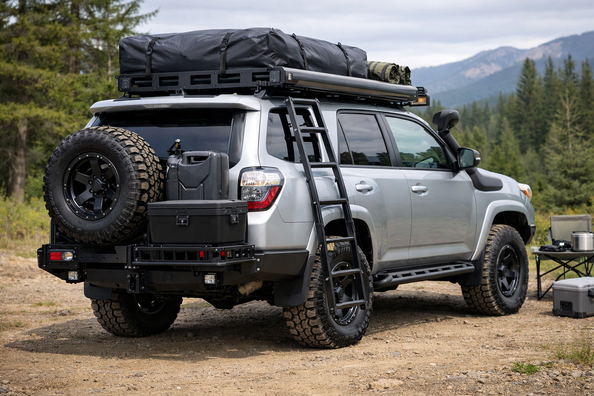
This plan is for a Toyota 4Runner owner who, after purchase, wants to prepare the vehicle for trips outdoors, transporting wet gear, bags, boxes, and small equipment. The logic here is simple: don’t do pretty but empty tuning—build the vehicle so the cargo area works every day and doesn’t immediately require expensive roof solutions.
The 4Runner already has a large interior volume, so the smartest order is: first protect the floor and cargo area, then get the small stuff organized, and only after that decide whether you really need crossbars, a basket, or a cargo box. If you have a version with a third row of seats or a sliding cargo tray, check mat fitment and space organization specifically for your configuration.
For the “outdoors + cargo” scenario, the upgrade must solve three things: dirt and moisture in the cabin, chaos in the cargo area, and a lack of convenient volume for specific trips. If you don’t address these, even a big 4Runner quickly turns into a vehicle where everything rolls around, gets wet, and scratches the plastic.
The main post-purchase mistake is looking at the roof right away. For most owners, the real problem isn’t that there’s not enough space—it’s that the interior space isn’t organized. So the core task of the upgrade is to make the interior cargo area resilient to soil, water, sand, footwear, gear, and small items.
Step one is a cargo liner or tray with a raised edge. This is what takes the water, dirt, pet hair, wet jackets, shoes, and fuel cans. For a 4Runner, it matters more than any exterior accessory because you’ll benefit after every trip—not a few times a year.
Step two is all-weather floor mats for the cabin. If you drive to the woods, fishing, camping, or you simply load items often in the rain, dirt doesn’t only get into the cargo area. An unprotected interior quickly starts to look worn out, and cleaning it takes longer and costs more than covering the floor with vehicle-specific mats right away.
Step three is basic cargo securing: a net and a simple organizer. These are inexpensive items, but they’re exactly what prevents a first-aid kit, cables, gloves, a flashlight, and small tools from sliding all over the cargo area.
| Upgrade | Why it’s needed | Who really benefits |
|---|---|---|
| Rubber cargo liner or tray | Traps water, sand, dirt and prevents cargo from sliding | Those who carry gear, footwear, tools, and items after rain or snow |
| All-weather cabin floor mats | Protect the floor from mud, wet clothing, and abrasive debris | Those who often get into the vehicle after dirt roads, woods, the beach, or fishing trips |
| Cargo net | Secures small items so they don’t roll around or get lost | Those who always keep a small set of items in the cargo area |
| Cargo organizer | Divides space into clear zones and speeds up loading | Those who carry a camp kitchen, tow straps, a compressor, gloves, and care products |
| Cargo cover | Hides items from prying eyes and slightly disciplines packing | Those who leave cargo in the city, in a parking lot, or at a campsite parking area |
| Roof crossbars | Add a second transport level when the interior is already tight | Those who regularly drive with a full cabin or carry long items |
| Cargo-area lighting | Makes evening loading and finding items easier | Those who often arrive at their destination in the dark |
| Built-in tire compressor | Lets you restore pressure after sand, dirt, or rocks | Those who actually go off-road, not just to a roadside picnic spot |
In short, the biggest return comes from protection and organization. Roof solutions are useful, but only when you’ve truly hit the limit of interior volume—not when you just want the vehicle to look “adventure-ready.”
DD Tuning expert comment: most 4Runner owners overpay in the wrong place—they buy a large roof rack before their first trip, but leave the cargo area and cabin bare. Another common mistake is buying universal mats or accessories based on photos without considering the third row and the sliding tray. For this scenario, it’s better to cover the floor first, then handle small-item organization, and only after that calculate whether you really lack volume.
After basic protection, it’s logical to add what makes trips more convenient: a net, an organizer, and a cargo cover. This is the second stage not because these items aren’t needed, but because without a liner they don’t solve the main problem—dirt and wet cargo.
If you often load up in the evening, separate cargo-area lighting will be useful. And if you actually air down your tires on sand or rocks, then a compressor is justified as a second-stage upgrade. But for asphalt trips to a forest park, it’s not a priority purchase.
In this group I’d include the cargo cover, additional loading light, a cooler box, and some roof solutions. They can be very appropriate, but they don’t make the vehicle more practical by themselves if the cargo area still lacks basic protection and order.
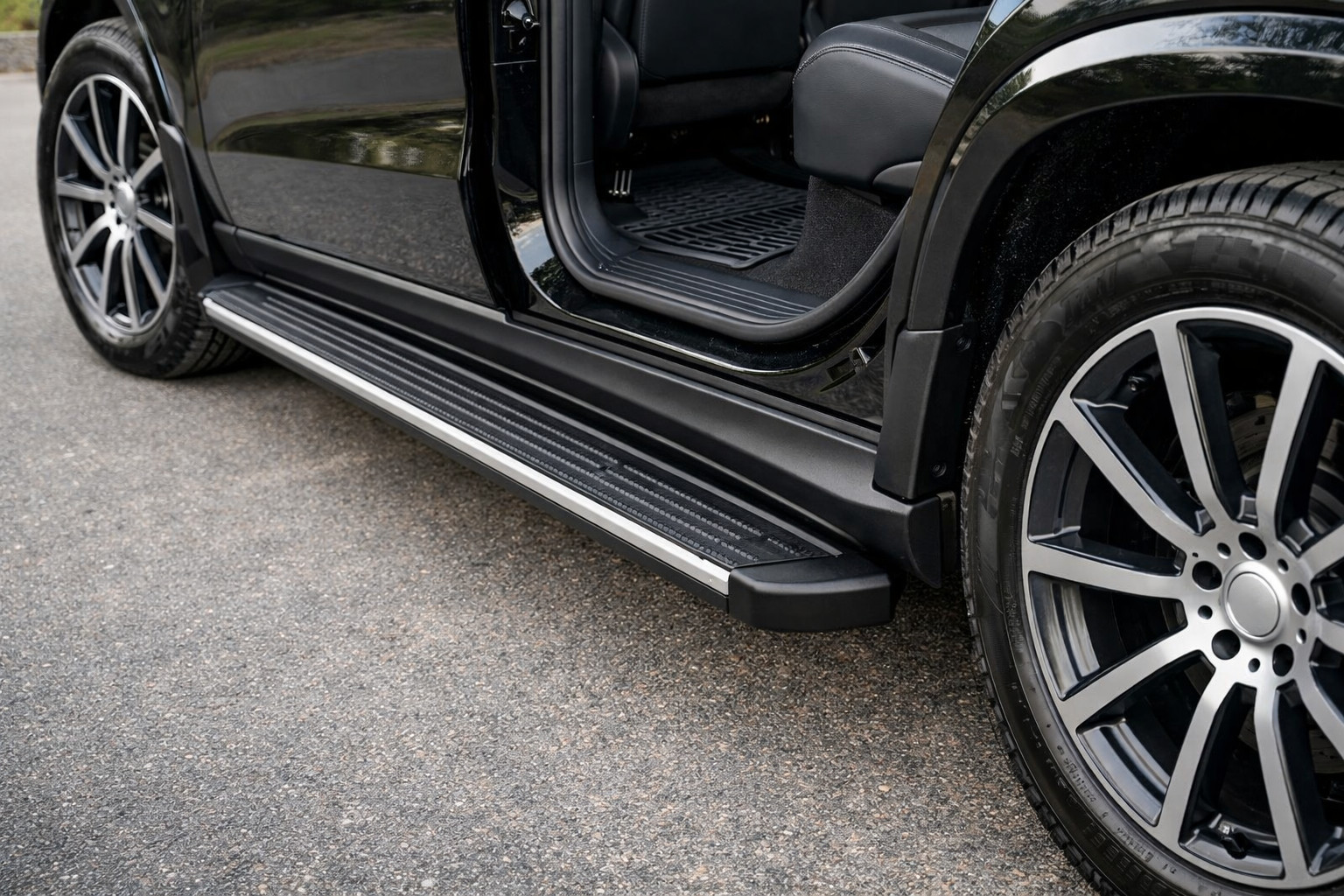
This also includes things that visually “build” the 4Runner into an expedition look: heavy roof systems, side steps, and exterior trim elements. For the cargo-and-outdoors scenario, they make sense only after you’ve covered the everyday tasks—not the other way around.
Most often, people waste money on a large roof rack or basket for a couple of weekend bags. In a 4Runner there’s usually still reserve space inside, while the roof adds cost, height, sometimes noise, and forces you to think about load limits.
The second mistake is cheap universal mats that need trimming and fitting. In the cargo area this is especially noticeable: poor fit means gaps where water and dirt get through. The third story is the sliding cargo tray “because it’s more convenient for everyone.” In reality, if you carry tall boxes, a dog, or you simply want maximum height, it can get in the way more than it helps.
Another unnecessary expense is an off-road kit without real off-roading. A compressor, deflator, and recovery gear are useful only when you actually use them—not when they just sit there for a feeling of preparedness.
| Install first | Can be postponed | Not required |
|---|---|---|
| Cargo liner or tray | Cargo cover | Full roof rack for rare trips |
| All-weather cabin mats | Cargo-area lighting | Sliding cargo tray if height matters |
| Cargo net | Larger-format organizer | Compressor if you don’t air down off-road |
| A simple packing layout inside | Roof crossbars until you truly run out of space | Decorative exterior accessories unrelated to cargo |
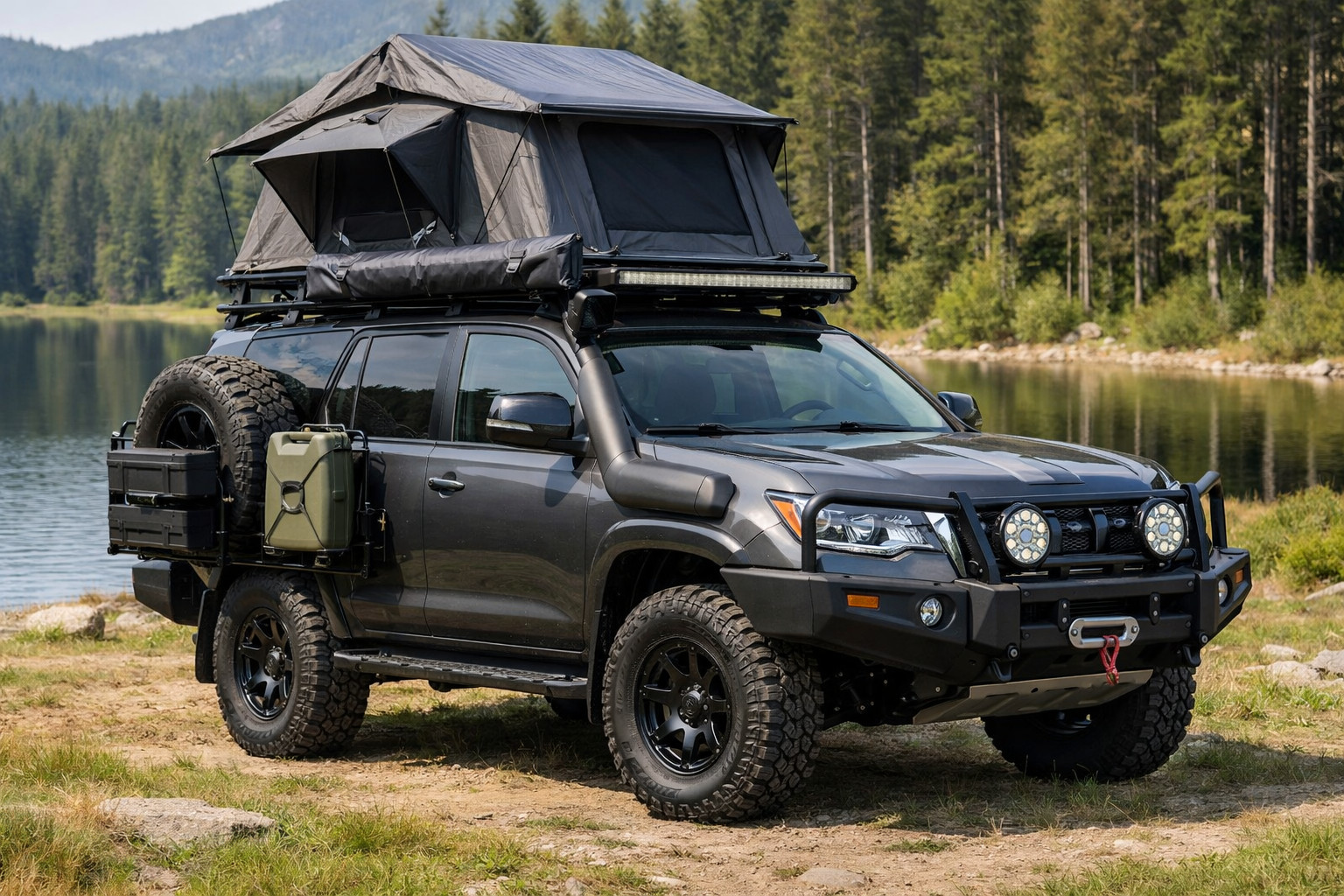
More expensive solutions are justified if you regularly drive with a full cabin, carry long or dirty items that are better moved outside, or you need a separate dry volume for longer trips. Then it’s worth looking at vehicle-specific 4Runner rail-mounted roof racks, comparing a wider selection in the Toyota rail-mounted roof rack section, and separately evaluating 4Runner roof racks and crossbars.
Crossbars are not a full expedition roof setup—they’re a middle option. They’re appropriate when you don’t need extra volume all the time. A full basket or rack makes sense for regular trips, and a cargo box is for when the load needs protection from dust, water, and prying eyes. If such tasks happen only a few times a year, it’s usually more cost-effective to refine interior organization than invest in a heavy roof system.
From a customer’s experience: a 4Runner owner initially planned to install a large roof rack because it seemed like camping trips with tents would be inconvenient without it. After selection, he started with a cargo liner, cabin mats, a net, and a cargo cover, and postponed the roof. As a result, for most trips the interior volume was enough, and he returned to the more expensive solution only when he began traveling regularly with a big group.
For a Toyota 4Runner in the “outdoors and cargo” scenario, the right order is simple: first protect the cargo area and cabin, then secure and organize items, then add privacy and small comfort upgrades, and only after that consider roof systems or additional off-road gear. That’s how you get maximum value for every dollar spent, rather than buying nice-looking but secondary items.
This material is based on real selection experience, hands-on practice, and real usage scenarios: what gets dirty first, what starts to annoy you in the cargo area, and which upgrades truly solve the problem—and which can safely be postponed.
| ✔ | First, it’s recommended to install a cargo mat or tray with raised edges in the trunk. It really stops water, sand, and dirt, so after trips outdoors you don’t have to clean the trunk floor separately. |
| ✔ | All-weather cabin mats solve not only cargo-related dirt but also the mess brought into the cabin. This is practical for trips to the woods, fishing, or after rain, when shoes and clothes are wet and dirty. |
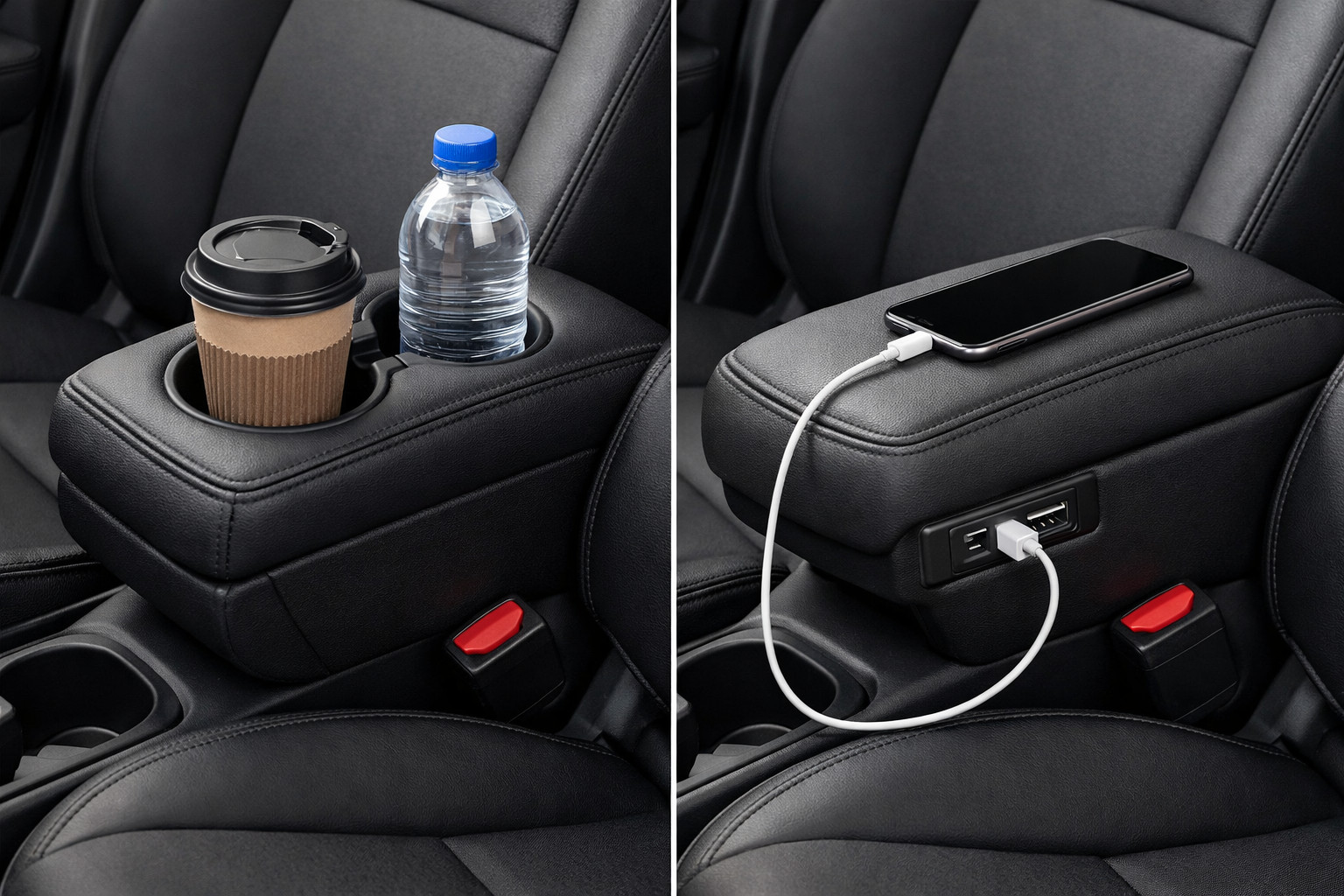
| ✔ | A cargo net and a simple organizer help secure small items so they don’t roll around the cabin. This is handy for a first-aid kit, gloves, a flashlight, cables, and small tools. |
| ✔ | A cargo cover is useful if items are often left in the car at a parking lot or by a campsite. It adds privacy and slightly encourages more orderly loading. |
| ✔ | The step-by-step upgrade approach looks logical: first protection and order inside, and roof solutions only when the interior space is truly no longer enough. This helps avoid spending money on a basket or boxes too early. |
| ✘ | The main downside of some solutions is that they don’t solve the basic problem if there’s no protection in the trunk. That is, a cargo cover, lights, or roof accessories won’t help much when the inside is already dirty and wet. |
| ✘ | Cheap universal mats may fit poorly and leave gaps where water and dirt get in. In such a scenario, saving money turns into extra cleaning. |
| ✘ | A sliding cargo tray is not always a good choice, because it can get in the way if maximum height for boxes, a dog, or tall cargo matters. In other words, it is not a universally convenient solution for all configurations. |
| ✘ | A large trunk basket or roof cargo basket for occasional trips is described as an unnecessary expense. It adds height, costs, and sometimes noise, although there is usually still plenty of space inside the 4Runner. |
Shipping to EU
Wholesale and retail
Own warehouse
Опис продукту
Подарунки не надаються при оформленні покупки у кредит під 0,01% або при покупці частинами.