23.05.2026
1150
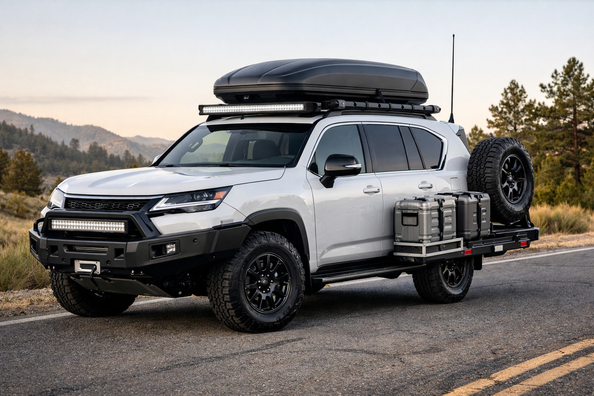
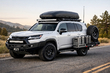
This upgrade plan is for a Lexus LX 500d/600 owner who mostly drives on the highway, often travels with family or a lot of gear, and doesn’t want to turn the car into a decorative project. For this use case, the key is not to “bolt on everything at once,” but to make the LX more convenient in everyday use: protect the interior, bring order to the cargo area, and add real-world practicality on the road.
The logic is the same for both the 500d and the 600: the vehicle already has a strong factory foundation—full-time AWD, low range, adaptive suspension, a full-size spare, and serious pulling power. That’s why the biggest gains come not from hardcore off-road mods or cosmetic body tuning, but from simple things that work on every trip. This is especially noticeable on versions where, with the third row up, the trunk becomes significantly smaller.
For highway driving and travel, an LX upgrade should cover four tasks: protect the cabin from dirt and water, keep items from flying around the trunk, make long drives easier, and avoid ruining the vehicle’s quiet ride. In short, the car should stay comfortable—but become more practical.
The biggest bottleneck in this scenario isn’t capability—it’s cargo organization. If you have a seven-seat configuration and you actually use the third row, luggage space drops sharply. In a five-seat version it’s easier, but even there, small items without restraints quickly turn the trunk into a mess.
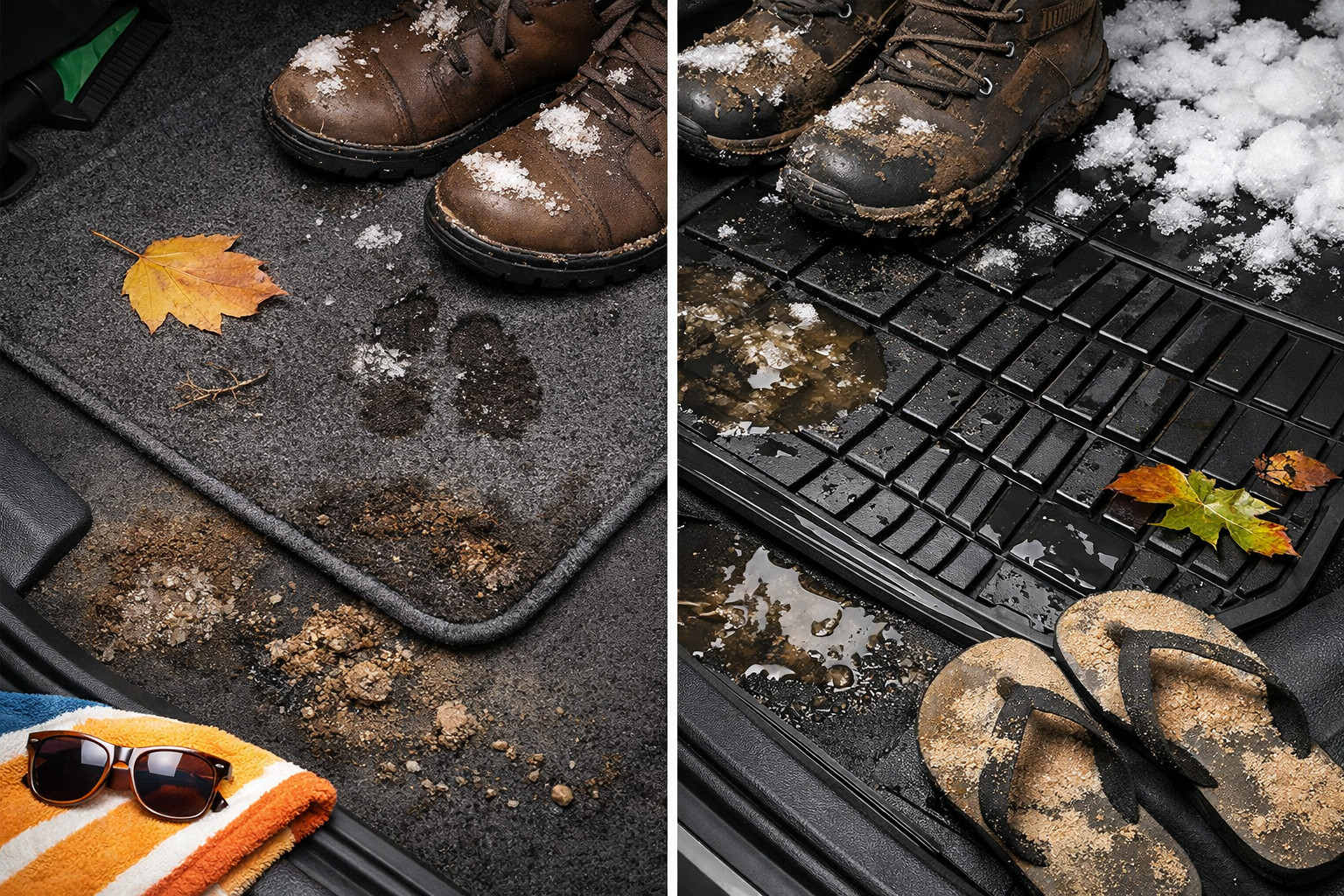
Top priority is all-weather floor mats for the cabin and a trunk mat. This isn’t a “small thing”—it’s real protection from sand, water, snow, wet bags, suitcases, and kids’ gear. In a big, heavy vehicle that often travels far, the interior wears out not from speed, but from constant everyday use.
Second step: a cargo net or a foldable organizer in the trunk. The LX has a large cargo compartment, but without securing points small items roll around, rattle, and take up space less efficiently than they could. The third must-have candidate is a dash cam: on the highway it’s more useful than most third-party electronic “helpers,” because it provides a simple, clear outcome in disputed situations.
| Upgrade | Why it’s needed | Who it truly benefits |
|---|---|---|
| Rubber floor mats | Collect water, sand, and dirt; slow down floor wear | Anyone who drives year-round and often gets into the car wearing travel shoes or wet footwear |
| Trunk mat | Protects the floor from suitcases, strollers, gear, and small spills | Families, owners of seven-seat versions, those who carry pets or sports equipment |
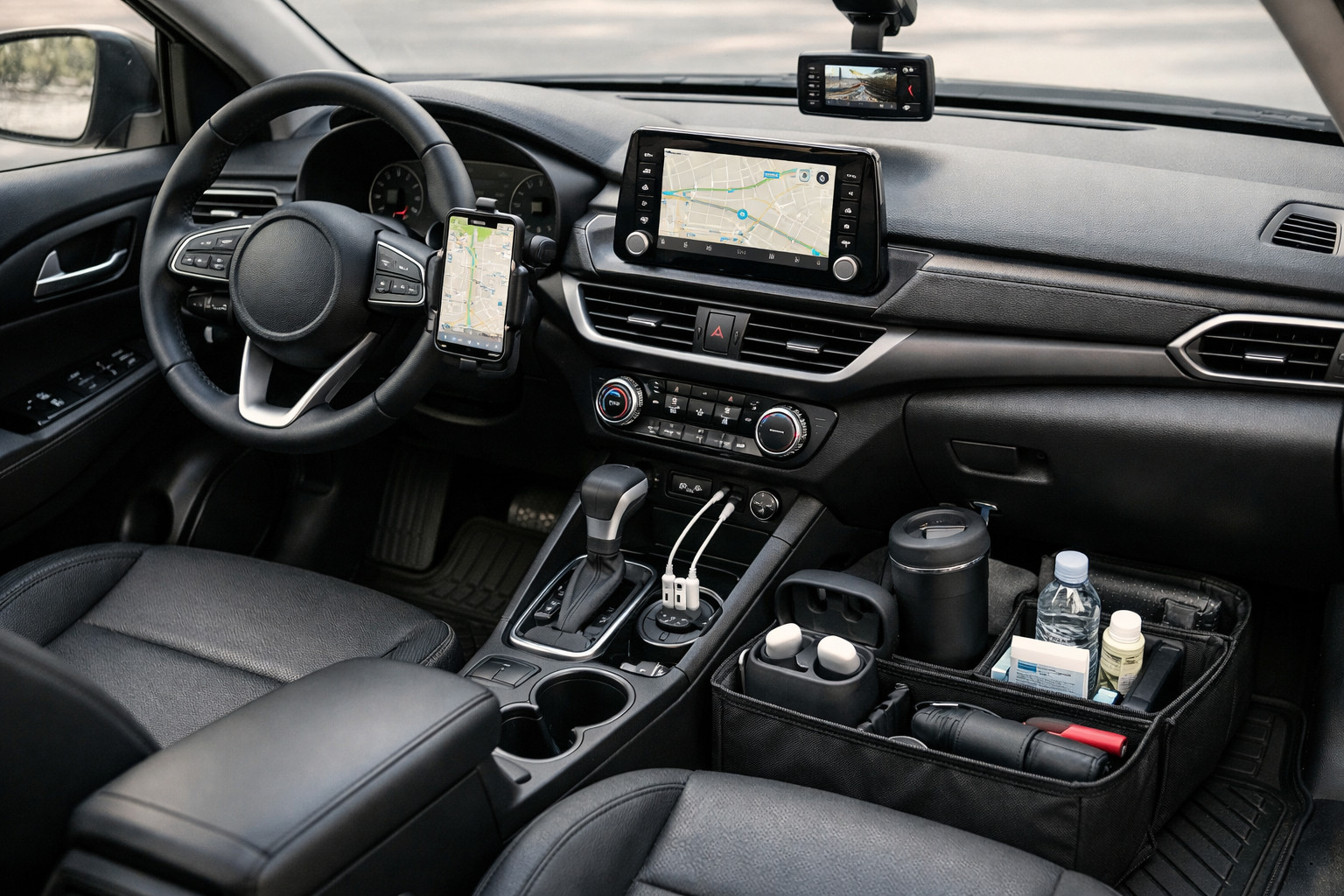
| Cargo net or trunk organizer | Secures small cargo and frees up usable volume | Those who carry a first-aid kit, compressor, chargers, tools, groceries, small bags |
| Dash cam | Records the road, parking, and incidents on the way without impacting comfort | Those who often drive between cities, park in unfamiliar places, or drive a lot at night |
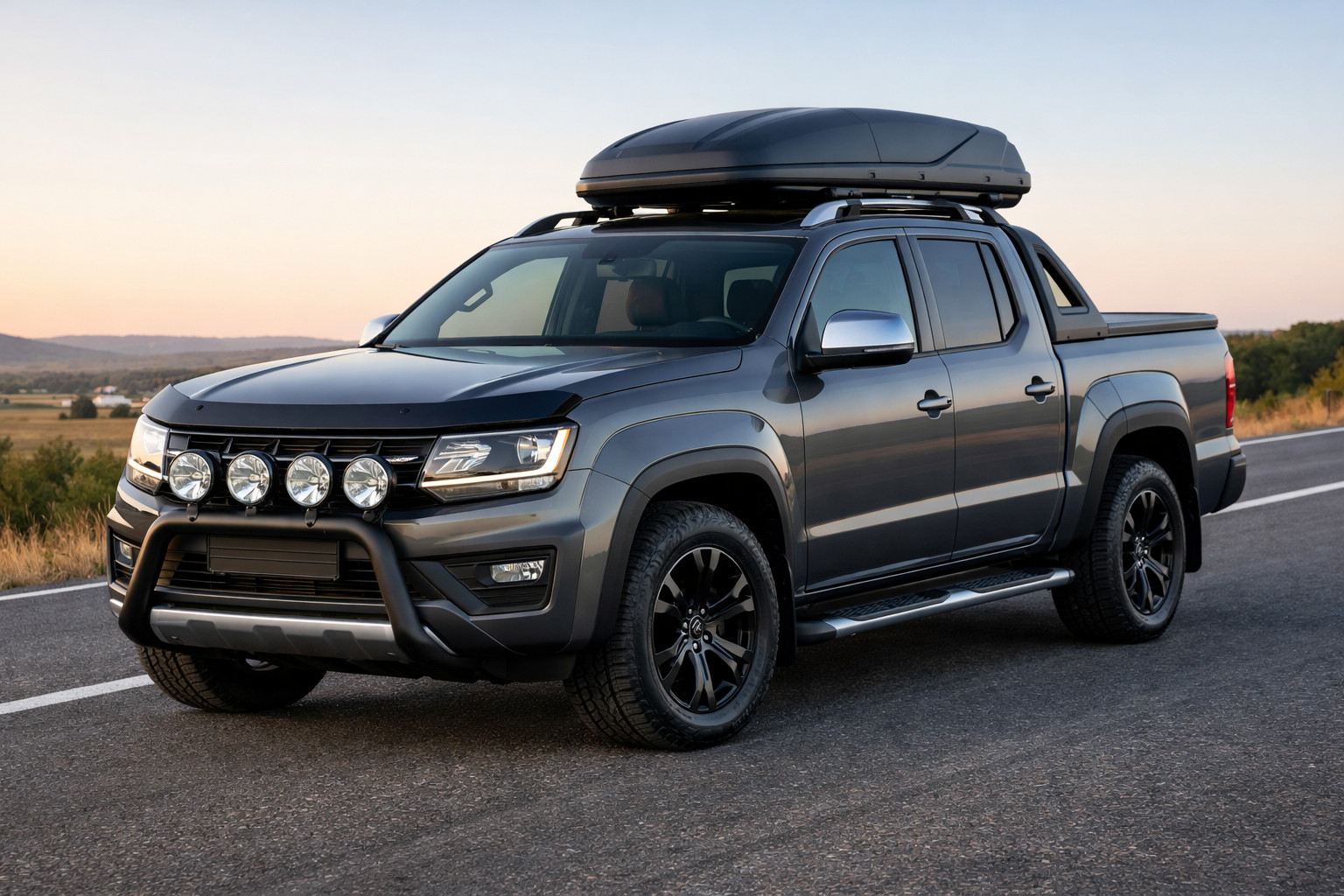
| Roof crossbars and cargo box | Add cargo capacity when the cabin is already full of people | Large families and anyone going on vacation fully loaded |
| Towing accessories | Let you properly use the factory towing capability | Only those who actually tow a trailer, boat, or platform |
The key takeaway from this table: the best-value items for the LX don’t look flashy, but they work on every trip. That’s why mats, cargo-area protection, and keeping your gear organized should come before any exterior upgrades.
DD Tuning expert comment: the most common LX mistake is buying expensive body parts before the first big trip—and only then realizing the biggest annoyance is a dirty interior and chaos in the trunk. The second typical mistake is ordering accessories without matching them to the cabin configuration and the vehicle’s market. Before buying, it’s better to answer three questions honestly: how many people are traveling, whether the third row is actually used, and what exactly you carry every week.
The second stage starts after a few real trips, not before them. If it becomes clear that with a full cabin you’re short on space, then roof crossbars and a cargo box are justified. This delivers a much bigger practical effect than any decorative tuning, but it only makes sense once the lack of volume is confirmed.
If your use case involves a trailer, towing accessories can be the second stage. If you don’t have a trailer, don’t buy it “for the future.” Likewise, don’t rush to replace stock tires with heavy off-road ones: for highway use, factory setup is usually closer to an owner’s needs than aggressive options.
In this group I’d include side steps, some body trims, body kits, and part of the auxiliary lighting. That doesn’t mean they’re useless. It’s just that their benefit is either situational or more visual. For example, side steps genuinely help kids and elderly passengers, but for a tall driver without those needs they don’t change the trip scenario.
This also includes major changes to the wheel/tire look. If you want to freshen up the appearance a bit, it’s better to do it when you’re due for a planned tire replacement, not as a separate early expense. For a highway-focused LX, quietness, stability, and predictable behavior matter more than a “tough” look.
The typical mistake is simple: people buy for the image in their head, not for their actual route. For highways and travel, overpaying for looks is almost always more painful than overpaying for practicality—because appearance doesn’t solve lack of space, a dirty interior, or day-to-day life on the road.
| Scenario | What to install first | What can be postponed | What isn’t mandatory |
|---|---|---|---|
| Basic highway driving for 1–4 people | Cabin mats, trunk mat, dash cam | Trunk organizer | Roof box, aggressive tires, body kit |
| Family trips with a full cabin | Mats, trunk mat, cargo net or organizer | Roof crossbars and cargo box | Off-road accessories, auxiliary lighting |
| Travel with a trailer | Mats, dash cam, proper towing accessories | Cargo organization, roof solutions | Decorative body parts as the first expense |
This order saves money and nerves: you solve real everyday problems first, and only then decide whether you need more expensive items.
More expensive solutions are justified when the basic steps are already done and the weak point has been proven in practice. If you regularly do long trips with a full cabin, it makes sense to look at roof crossbars: this isn’t about looks, it’s about extra volume without sacrificing cabin space.
Side steps make sense if kids or elderly passengers often get in, or if the vehicle is used daily with a high ride height. And body kits for the LX should be viewed not as a first stage, but as a later purchase: when basic practicality is already covered, or when there’s a specific goal for appearance or restoring the body look.
From customer experience: most LX owners come in thinking about exterior upgrades, but after a conversation they focus on a simpler set—mats, trunk protection, organizing items, and a dash cam. After a few trips it becomes clear whether a roof box is really needed. That scenario usually delivers more benefit than early spending on exterior parts.
For a Lexus LX 500d/600 geared toward highway driving and travel, the smartest order is: first protect the interior and trunk, then organize your gear, then add a dash cam, and only after that expand cargo capability or move to expensive exterior upgrades. If you have a seven-seat configuration and often a full cabin, roof solutions become more relevant; if you travel as a couple or four people, you can often do without them.
The main thing is not to confuse useful upgrades with marketing clutter. This material is based on real selection experience, hands-on practice, and real usage scenarios, so the logic is simple: install what works on every trip first—not what’s merely noticeable from the outside.
| ✔ | All-season floor mats for the cabin and a trunk mat really protect the floor from water, sand, snow, and dirty bags. For family and long trips, this is more useful than cosmetic upgrades, because wear in the LX often comes from everyday use. |
| ✔ | A cargo net or organizer helps secure small items and keeps clutter under control while driving. It is especially practical if you carry a first-aid kit, compressor, chargers, groceries, or small tools. |
| ✔ | A dash cam provides a clear recording of the road and parking without affecting the car’s comfort. On the highway and in unfamiliar places, it is useful precisely as a simple tool for disputed situations. |
| ✔ | Roof crossbars and a roof box add real extra space when the cabin is already occupied by people. For large families or vacation trips, this is more practical than trying to fit everything into the trunk. |
| ✔ | The upgrade plan is built step by step: first basic protection and organization, and only then more expensive solutions. This approach reduces the risk of buying unnecessary items and initially covers what works on every trip. |
| ✘ | In a seven-seat configuration with the third row raised, the trunk becomes noticeably small. Because of this, even useful items have to be chosen very carefully, and some cargo solutions are only needed after real trips. |
| ✘ | Many exterior additions — side steps, body kits, some trim pieces — provide either situational or mostly visual benefits. If installed too early, you can spend money on something that will have little effect on highway and family trips. |
| ✘ | Stiff off-road tires for a car that drives on asphalt 90% of the time are not justified in this scenario. They go against the logic of the article, because on the highway silence, stability, and predictability matter more. |
| ✘ | Some solutions depend on the specific cabin configuration and the accessories supply market. If compatibility is not checked in advance, there is a risk of buying a universal product that will not fit properly. |
Shipping to EU
Wholesale and retail
Own warehouse
Опис продукту
Подарунки не надаються при оформленні покупки у кредит під 0,01% або при покупці частинами.