10.05.2026
272
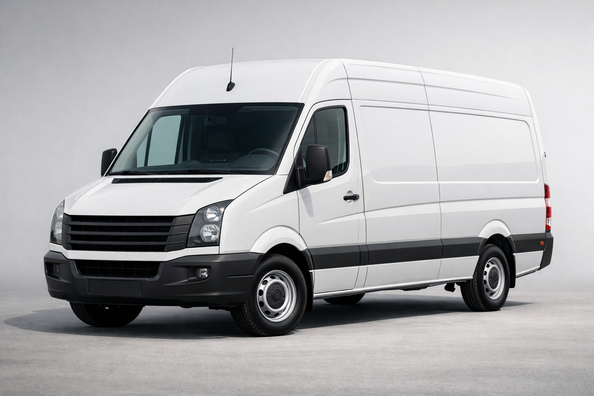

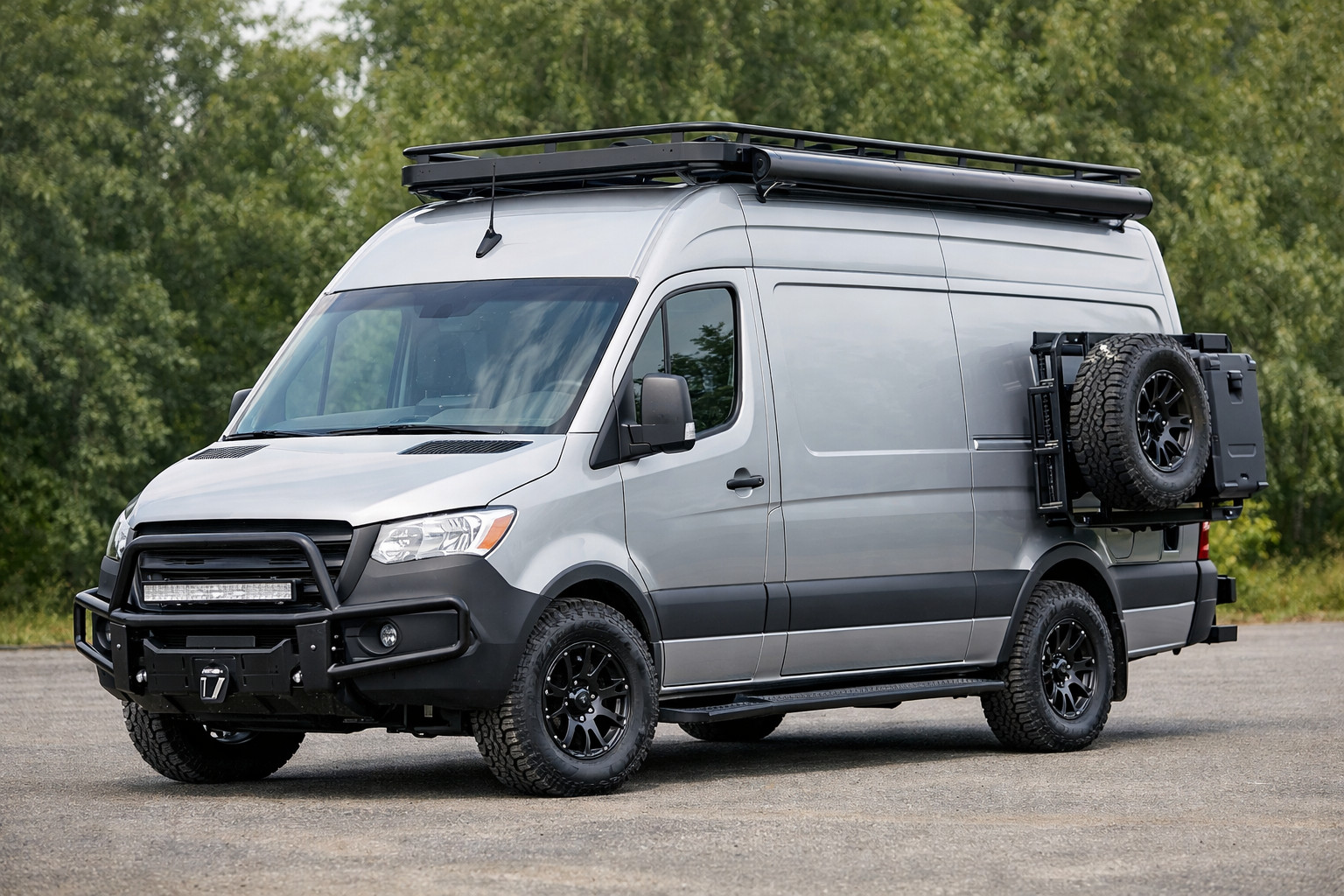
The second-generation Volkswagen Crafter is a big work van chosen for cubic capacity, body versatility, and decent ergonomics—not for image. If you need a panel van for delivery, a service crew, furniture, construction jobs, or conversion into a workshop, the Crafter 2017+ looks like a logical choice: several lengths and roof heights, different drivetrains, and one straightforward diesel offered in a few power outputs.
The topic title mentions the “2016-” range, but for the second generation it’s more accurate to ориент to the 2017 model year. This is an important nuance: starting with this generation, the Crafter became a standalone Volkswagen development rather than a continuation of the previous architecture.
The Crafter sits in the large commercial van segment alongside the Ford Transit and Mercedes-Benz Sprinter. Its strength isn’t sporty handling, but the fact that it offers lots of working space, a wide choice of configurations, and a cabin where you can realistically spend the whole day without feeling like you’re sitting in a “tin box.”
Who it suits: those who carry bulky loads, do a lot of highway driving, regularly load the van by hand, or plan a specific conversion. Who it suits less: those who spend most of their time in tight city centers, park in underground garages, and don’t use the potential of a large body.
The first-generation Crafter was produced from 2006 to 2016. The second generation launched for the 2017 model year and became a separate Volkswagen model. That’s what this review is about.
After that, the model stayed on the market, but equipment, electronics, payload, and some technical details may differ depending on the year, market, and specific body version. So you should never look at a Crafter “in general,” but in the combination of body, drivetrain, gross weight, and work type.
In the second-generation Crafter, there’s essentially one main engine: the 2.0-liter TDI diesel with 1,968 cm³ displacement. It was offered in 140, 163, and 177 hp versions. The 140 hp version has 340 N·m, the more powerful ones have 410 N·m. For an empty or moderately loaded city van, the base engine is enough, but for highway use, constant payloads, and towing, it’s more practical to look at 163 or 177 hp.
Gearboxes are a 6-speed manual or an 8-speed automatic. Drivetrain options include FWD, RWD, and 4MOTION AWD versions. Front-wheel drive is convenient thanks to a lower floor and makes sense where the van is often loaded by hand. Rear-wheel drive and all-wheel drive are more interesting for consistent work under load, towing, or slippery routes. Practical notes: not everyone likes the manual for shift precision, and under heavy load the automatic sometimes hesitates when choosing a gear.
One of the main reasons to look specifically at the Crafter is the huge choice of bodies. Length is 5,986, 6,836, or 7,391 mm; width is 2,040 mm without mirrors and 2,427 mm with mirrors; height is 2,355, 2,590, or 2,798 mm depending on the roof. Cargo volume ranges from 9.3 to 18.4 m³—this is a real tool for bulky work, not just a “big wagon.”
Cargo bay length reaches 3,201–4,855 mm; width is 1,832 mm; between the wheel arches, depending on the version, you get 1,030 or 1,380 mm. Ground clearance in the cited market spec is about 195 mm, but it can differ by market and configuration. Maneuverability is decent for the class, but not city-car level: the turning circle starts at about 13.6 m and goes up to 16.2 m on long versions.
| Parameter | Data |
|---|---|
| Generation | Second, from the 2017 model year |
| Engine | 2.0 TDI, 1,968 cm³, 4 cylinders |
| Power | 140 / 163 / 177 hp |
| Torque | 340 or 410 N·m |
| Transmission | 6-speed manual or 8-speed automatic |
| Drivetrain | Front, rear, or all-wheel drive |
| Body length | 5,986 / 6,836 / 7,391 mm |
| Width | 2,040 mm without mirrors, 2,427 mm with mirrors |
| Height | 2,355 / 2,590 / 2,798 mm |
| Ground clearance | About 195 mm depending on market and version |
| Cargo volume | 9.3–18.4 m³ |
| Cargo bay length | 3,201–4,855 mm |
| Cargo bay width | 1,832 mm |
| Luggage space volume | In practice, it’s the entire cargo bay: 9.3 to 18.4 m³ |
| Fuel tank / AdBlue | 75 L / 18 L |
| Towing | Up to 3.5 t |
By big-van standards, the Crafter feels fairly “car-like” from behind the wheel. It has a quiet-for-the-class cabin, a good driving position, smart storage for small items, and a comfortable steering wheel. If the vehicle works 8–10 hours a day, that matters no less than raw power figures.
Safety and driver-assist equipment depends on year and trim, but available systems include crosswind assist, lane keeping, automatic city braking, parking assistance, and trailer assist. At the same time, don’t overestimate the electronics: in the commercial class it helps, but it doesn’t make a big van compact. Minor owner complaints sometimes include seat wear and play in the sliding door guides.
In daily life, the Crafter is strong where there’s steady work for a clear task. Real-world fuel consumption often sits around 9–10 L/100 km, and with a full load it can creep up to 11 L. Driving range is fine, but you also have to remember the AdBlue system. If the van mostly does short city hops, diesel emissions hardware can become more annoying: the DPF, EGR, NOx sensors, heaters, and the AdBlue system itself don’t like the wrong operating pattern.
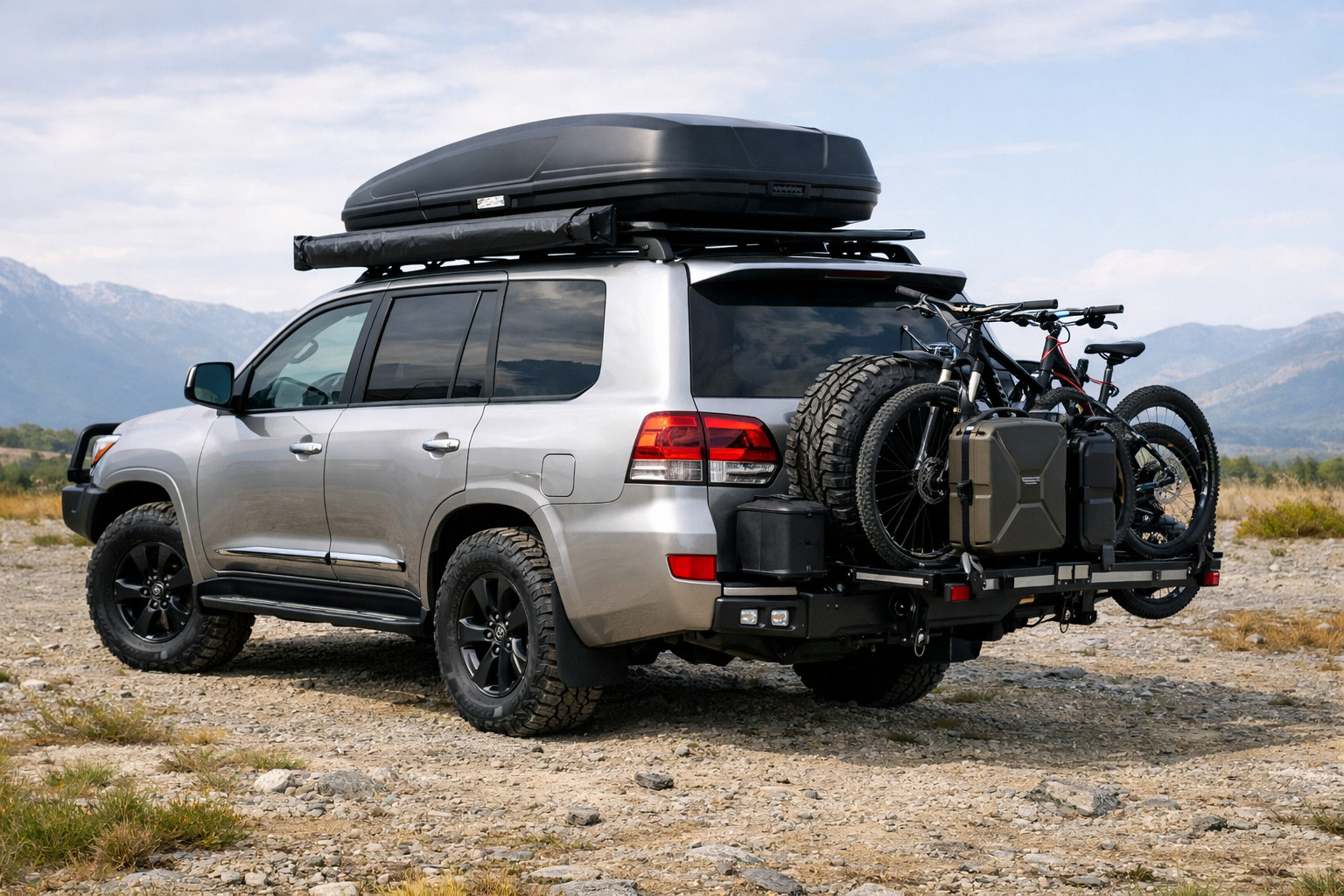
For business, something else matters: the Crafter works well as a conversion base. The large bay, mounting points, different lengths, and roof heights let you build a courier van, a mobile workshop, or a vehicle for a narrow service scenario. But before buying, you should realistically assess your routes: narrow yards, tight parking, and a daily city center are not its best environment.
The key point with the Crafter is that it’s either very appropriate—or too big and inconvenient. Below is a quick summary of what owners typically feel in real work.
| Strengths | Weaknesses |
|---|---|
| Large cargo bay up to 18.4 m³ and multiple body configurations | Its size quickly becomes tiring in the city and in tight parking |
| Torquey 2.0 TDI in 140 / 163 / 177 hp versions | Diesel emissions systems require proper mileage and quality servicing |
| Comfortable cabin and quiet ride for its class | Manual and automatic aren’t flawless in every scenario |
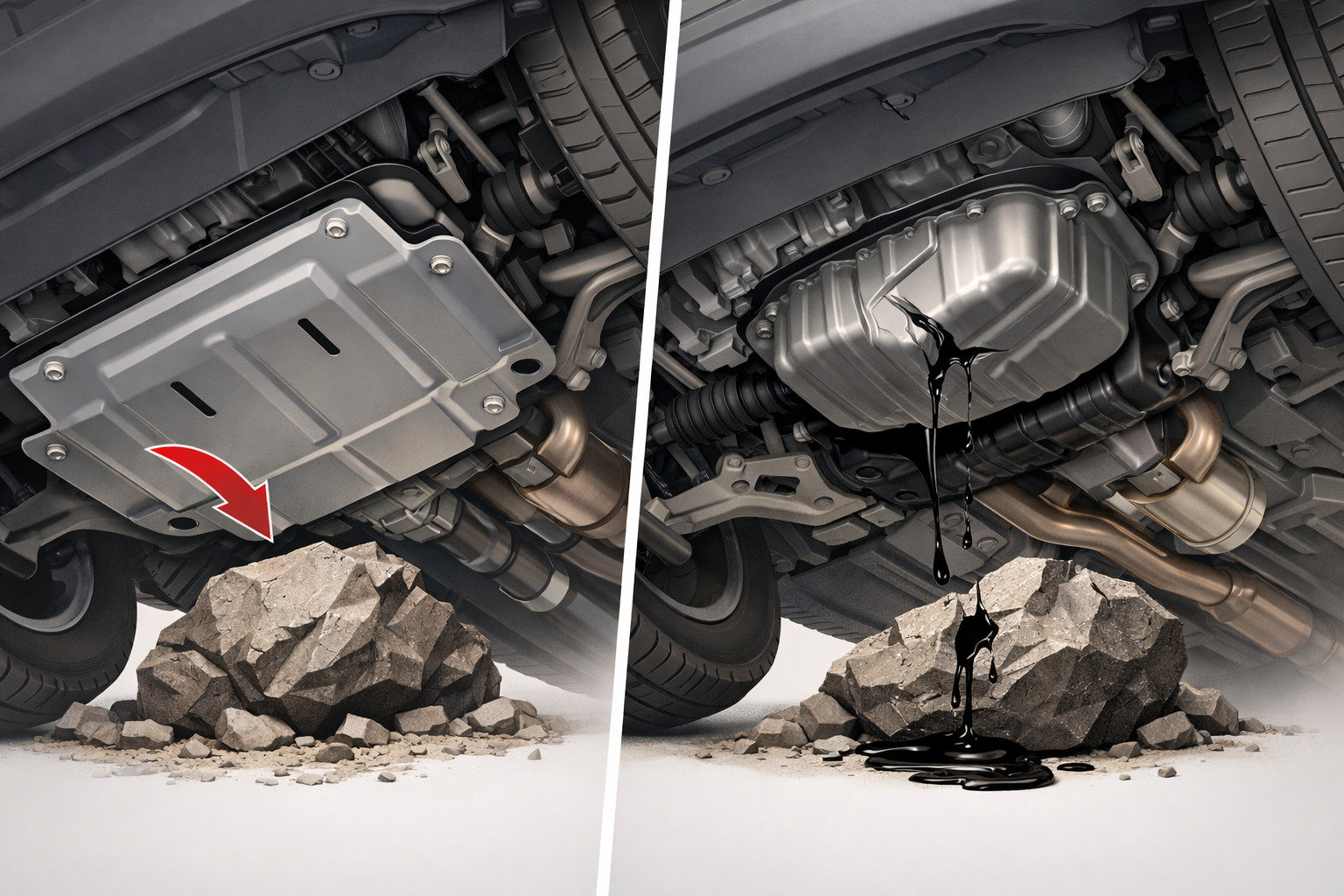
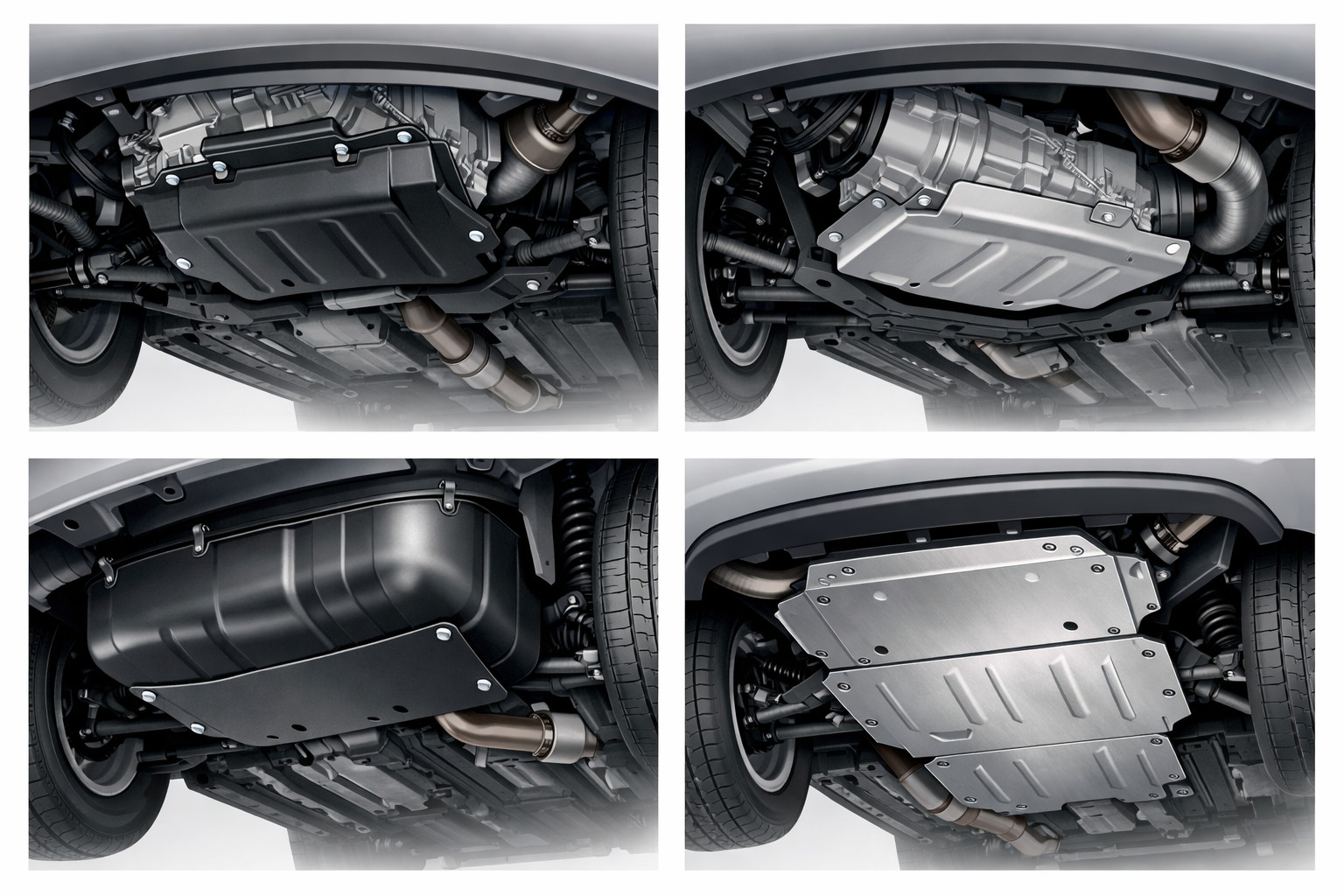
| FWD, RWD, and AWD available for different tasks | Ground clearance isn’t high everywhere; you can scrape the underside or towbar |
| A good base for conversions and towing | Some small items like the seat, brakes, or sliding door may need attention sooner than you’d like |
From an owner’s standpoint, the Crafter’s advantages come through over mileage and regular work. If you buy the van “just in case” and then haul air around the city, its drawbacks become more noticeable than its strengths.
For the Crafter, tuning makes sense when it simplifies daily work or takes the wear. A logical starting point is the accessories page for Volkswagen Crafter 2016-, to immediately filter out parts for a different generation.
So for the Crafter the right approach is simple: first protect the cabin and body from everyday wear, and only then think about decorative elements. This is one of those cases where a practical accessory is almost always more useful than visual effect.
The Volkswagen Crafter 2017+ is an honest big work van: spacious, torquey, with lots of configurations and a decent cabin for a long day behind the wheel. It’s good where there’s volume, payload, highway driving, conversions, or a trailer—and less convenient where you need to squeeze through the city and park within centimeters every day.
When choosing, it’s better to start not from the “top” version, but from your own scenario: the needed length, roof height, drivetrain type, real cargo weight, and the city share in your routes. This material is based on real selection experience, practice, and real usage scenarios, so the main advice is simple: a Crafter configured correctly for the task is genuinely convenient, but a configuration mistake here costs you every single day.
| ✔ | The large cargo compartment and many body variants make it possible to choose a Crafter for different tasks — from delivery to conversion into a workshop. A volume of 9,3 to 18,4 m³ makes it especially useful for bulky work. |
| ✔ | The 2,0 TDI in 140, 163, and 177 hp versions provides enough pull for a work van. For regular highway driving, full loads, or towing, the more powerful versions with 410 Nm are more practical. |
| ✔ | The Crafter’s cabin is quite comfortable for long shifts: a proper driving position, quietness for its class, and well-thought-out storage for small items. This is important if you have to spend 8–10 hours a day behind the wheel. |
| ✔ | There is a choice between front-wheel drive, rear-wheel drive, and all-wheel drive, so the vehicle can be adapted to specific working conditions. Front-wheel drive is more convenient for manual loading, while rear-wheel drive and 4MOTION are better for heavy loads and slippery routes. |
| ✔ | The Crafter is well suited as a base for conversion and trailer work. The large compartment, different lengths, and roof heights provide room for a courier van, service crew, or mobile workshop. |
| ✘ | In the city, the Crafter is inconvenient because of its large dimensions and significant turning radius. In tight parking lots, courtyards, and underground garages, it quickly starts to get in the way. |
| ✘ | Diesel emissions systems require proper operating conditions. On short city trips, the particulate filter, EGR, sensors, and AdBlue system may cause trouble more often. |
| ✘ | Not all complaints are limited to minor cabin issues: seat wear and play in the sliding door guides are mentioned. For a commercial vehicle, this is not critical, but such things are annoying in daily work. |
| ✘ | The manual and automatic transmissions do not always work perfectly in every load scenario. The automatic, in particular, may hesitate when selecting gears under heavy load. |
Shipping to EU
Wholesale and retail
Own warehouse
Опис продукту
Подарунки не надаються при оформленні покупки у кредит під 0,01% або при покупці частинами.