12.06.2026
212
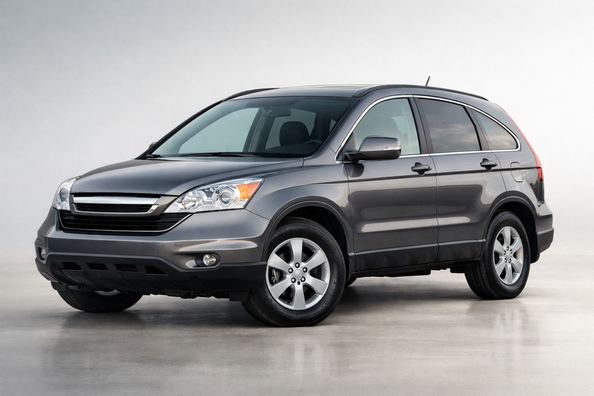

Honda CR-V 2007-2011 still makes sense today if you need an affordable family crossover without complicated tech: a spacious cabin, a large trunk, one straightforward naturally aspirated 2.4-liter engine, and predictable city manners. But it’s not for those who expect highway quietness, brisk passing power, or real off-roading.
An important note: below we’re talking mostly about the North American version of the third generation. In other markets this generation could have different engines, transmissions, and trims, so when choosing a specific car it’s worth checking the VIN, model year, and the actual equipment.
The third-generation CR-V filled the niche of a rational family crossover: not the fastest, not the softest, but very convenient for everyday driving. It’s a vehicle for the city, suburbs, trips with kids, shopping runs, the cottage, and winter roads—where visibility, a simple interior, and a proper trunk matter more than acceleration thrills.
Today, interest in this generation rests on two things: strong practicality and relatively simple hardware. If you need a first family crossover or calm daily transport without expensive complex components, the CR-V is a logical choice. But if you want quiet high-speed cruising, a big torque reserve under load, or towing a heavier trailer, it’s better to look elsewhere.
The 2007-2011 period is the third generation of the Honda CR-V. It shifted toward a more car-like character: unibody construction, compact exterior dimensions, a lower seating position compared to body-on-frame SUVs, and a focus on everyday comfort and safety.
In 2010 the model was updated: the styling changed, the body got slightly longer, and the 2.4-liter engine became more powerful. In 2011 there wasn’t a major technical revolution, but the SE version appeared. From a practical standpoint, the most interesting cars today are the 2010-2011 model years—but only after checking oil consumption, A/C operation, recall history, and body condition.
For the North American CR-V of this period, it’s quite simple: essentially one naturally aspirated 2.4 L gasoline engine in two output versions and one 5-speed automatic transmission. That simplicity is more of a plus today, because there’s less chance of running into an exotic or expensive-to-repair configuration.
| Years | Engine | Power | Torque | Transmission | Drivetrain |
|---|---|---|---|---|---|
| 2007-2009 | 2.4 L, naturally aspirated gasoline, 4 cylinders | 166 hp | 218 N·m | 5-speed automatic | front-wheel drive or automatically engaging all-wheel drive |
| 2010-2011 | 2.4 L, naturally aspirated gasoline, 4 cylinders | 180 hp | 218 N·m | 5-speed automatic | front-wheel drive or automatically engaging all-wheel drive |
On the move, this combo doesn’t encourage fast driving: the automatic is tuned for smoothness, and the AWD system works reactively, engaging the rear axle when traction is lost. It’s enough for snow, wet roads, and dirt tracks, but the CR-V isn’t built for mud, deep ruts, or rocky off-road terrain.
When buying, it’s worth separately listening to the cold start, checking A/C operation, and finding out whether there’s increased oil consumption—especially on 2010-2011 cars. Service history for the automatic transmission and completion of all recalls also matter.
As a format, it’s a very successful urban crossover: the body isn’t bulky, but there’s plenty of space inside. The suspension is classic for the segment—MacPherson struts up front, multi-link in the rear—so the car handles predictably without unpleasant surprises.
| Parameter | Value |
|---|---|
| Wheelbase | 2619 mm |
| Length | 4519 mm in 2007-2009, 4554 mm in 2010-2011 |
| Width | 1819 mm |
| Height | 1679 mm |
| Ground clearance | 185 mm in 2007-2009, 170 mm in 2010-2011 |
| Trunk | 1011 L with the seatbacks up, 2064 L with the second row folded |
| Number of seats | 5 |
| Fuel tank | 57.9 L |
| Towing | up to 680 kg |
| Turning radius | 11.5 m |
| Brakes | front ventilated discs 297 mm, rear discs 305 mm |
| Tires | 225/65 R17 |
A key practical point: the facelifted 2010-2011 cars have less ground clearance than the earlier ones. In the city this isn’t an issue, but on rough dirt roads or in winter the difference is noticeable. So early cars can be more interesting where roads are worse, while later ones suit places where a slightly fresher look and a more powerful engine matter more.
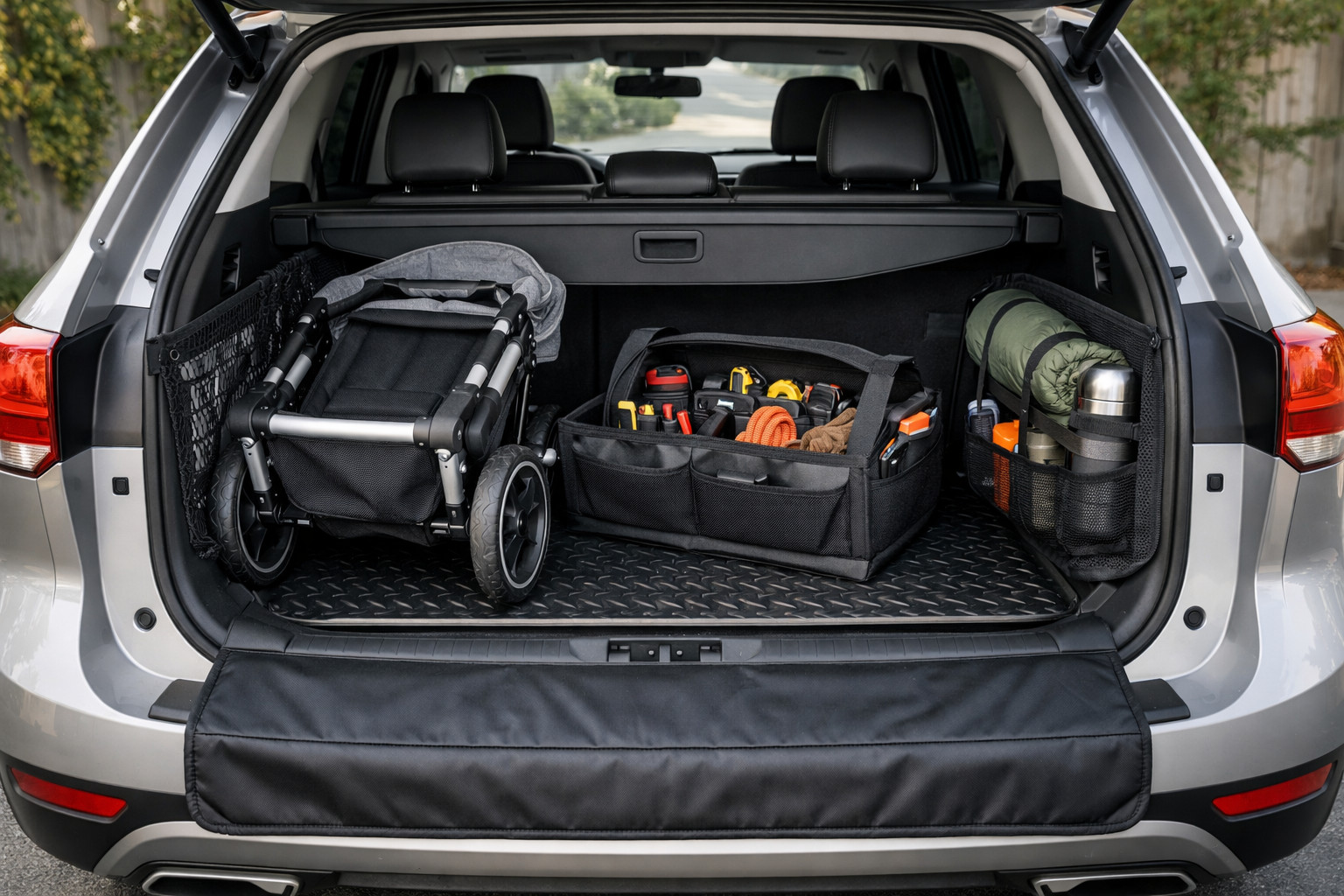
The CR-V’s interior isn’t about flashy luxury, but it’s built with solid everyday logic. It’s easy to get kids in and out, the second row folds simply, and the trunk genuinely works for family tasks: suitcases, a stroller, bags, small gear for trips out of town. That’s what this generation is valued for more than design or dynamics.
By the standards of its time, safety was a strong point: stability control, ABS, tire-pressure monitoring, and front, side, and curtain airbags. In independent crash tests the model showed a good level of protection, although by modern standards it’s no longer a new car, and it’s worth keeping expectations realistic.
The main compromise is sound insulation and overall highway comfort. At speed, road and wind noise are noticeable, and the suspension feels more tight and functional than soft. If your main use is city driving at a calm pace, it’s not critical; if you do long highway runs every week, fatigue will be more noticeable.
In daily life, the CR-V doesn’t feel like a complicated car. Average real-world fuel consumption across different years sits at roughly 10.5-10.8 L per 100 km, which is fair for a naturally aspirated crossover of that era. The 57.9 L tank provides decent range, and the turning radius makes the car convenient in parking lots and courtyards.
| What to check before buying | Why it matters |
|---|---|
| Cold start and any unusual noises from the VTC actuator area | Helps catch the typical cold-start rattling early |
| A/C operation | On older cars, A/C clutch issues do occur |
| Oil level and oil consumption | Especially relevant for some 2010-2011 cars |
| Condition of the rear body section and corrosion-prone areas | In regions with road salt, this can matter more than cosmetics |
| Recall history | Important to make sure all campaigns were completed |
| How the automatic behaves while driving | Jerks, delays, or odd shifts mean additional costs |
As a daily driver, the CR-V is strong in the small things: a higher seating position, intuitive ergonomics, good visibility, and simple cabin versatility. Its weak spot is also everyday-related: if you’re sensitive to noise or often drive on the highway with a full cabin, this generation may feel tiring.
This generation doesn’t have one standout trump card, but it offers a set of strong practical traits. And from an owner’s perspective, that matters more than pretty catalog numbers.
| Pros | Cons |
|---|---|
| Spacious and genuinely useful cabin for family tasks | Noticeable road and wind noise on the highway |
| Large trunk and convenient second-row folding | Unexciting performance, especially when fully loaded |
| Simple hardware: one naturally aspirated engine and a classic automatic | There are typical age-related issues that need to be caught before purchase |
| Good maneuverability and predictable city behavior | AWD isn’t intended for serious off-roading |
| Decent safety level for its time | Seat comfort and overall cabin quietness aren’t class-leading |
| Truly usable for winter, cottage trips, and daily routes | Modest towing capability |
In short, the CR-V 2007-2011 is for those who value usefulness over character. It works well where you simply need to drive, carry people and things, and avoid unnecessary complexity.
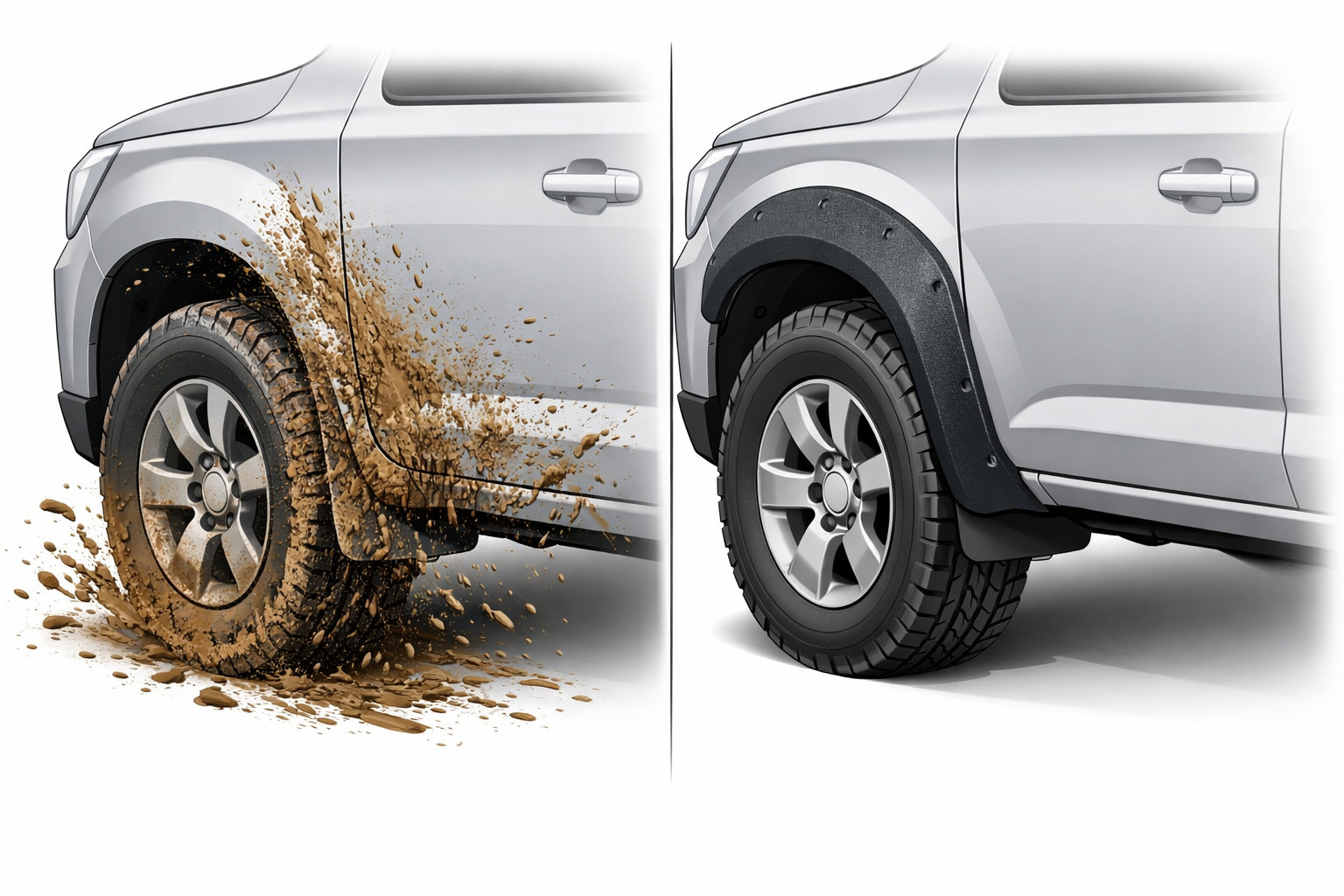
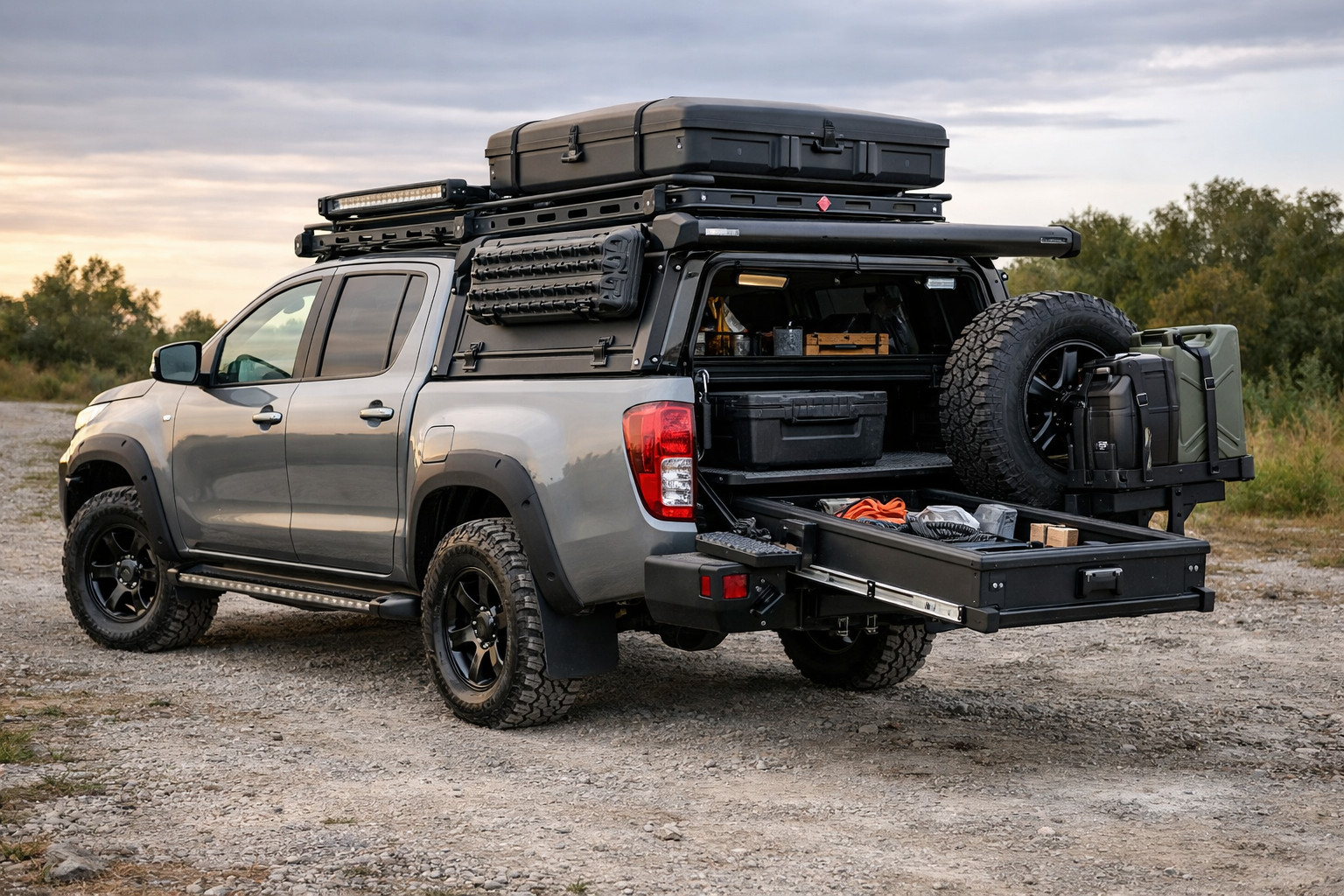
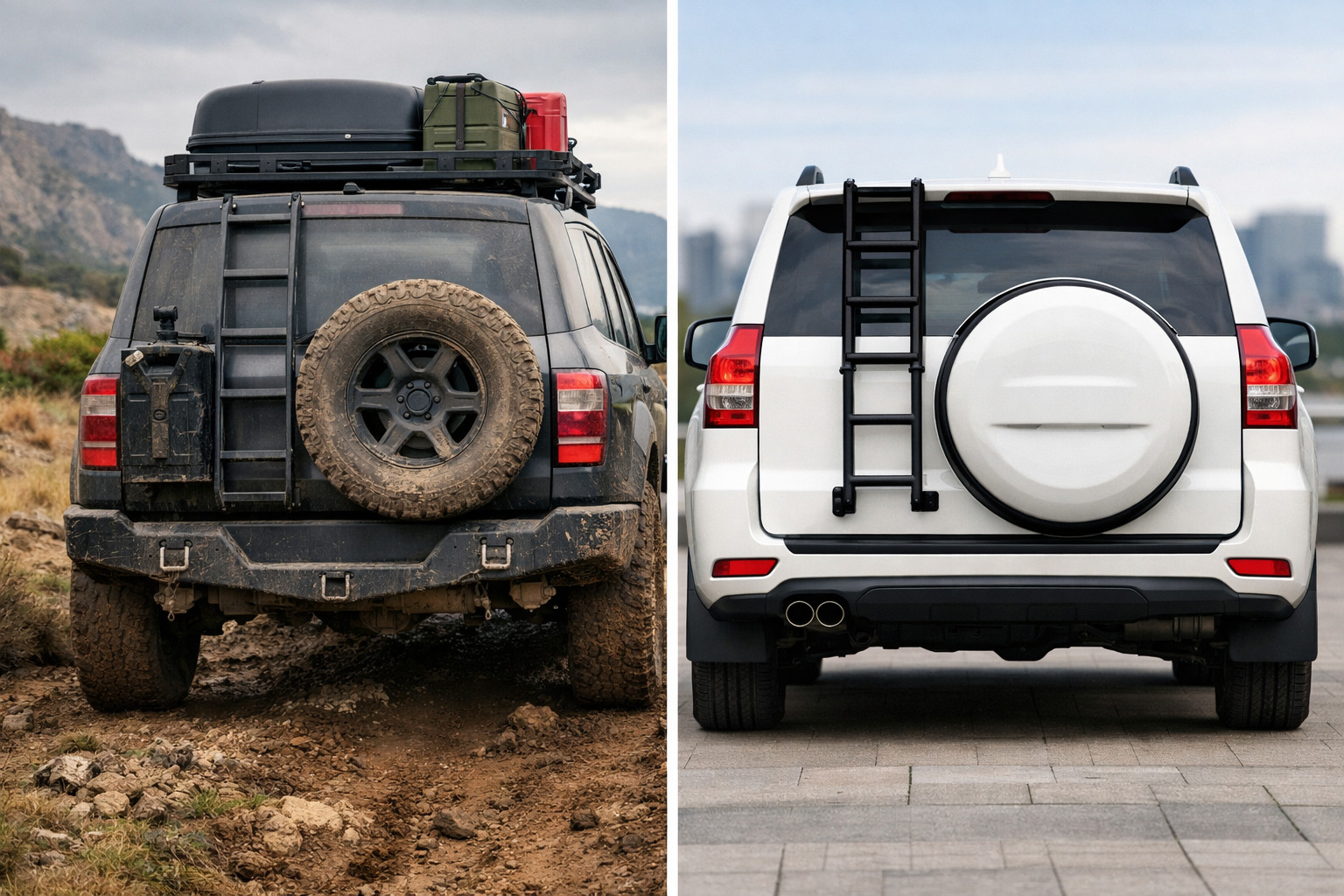
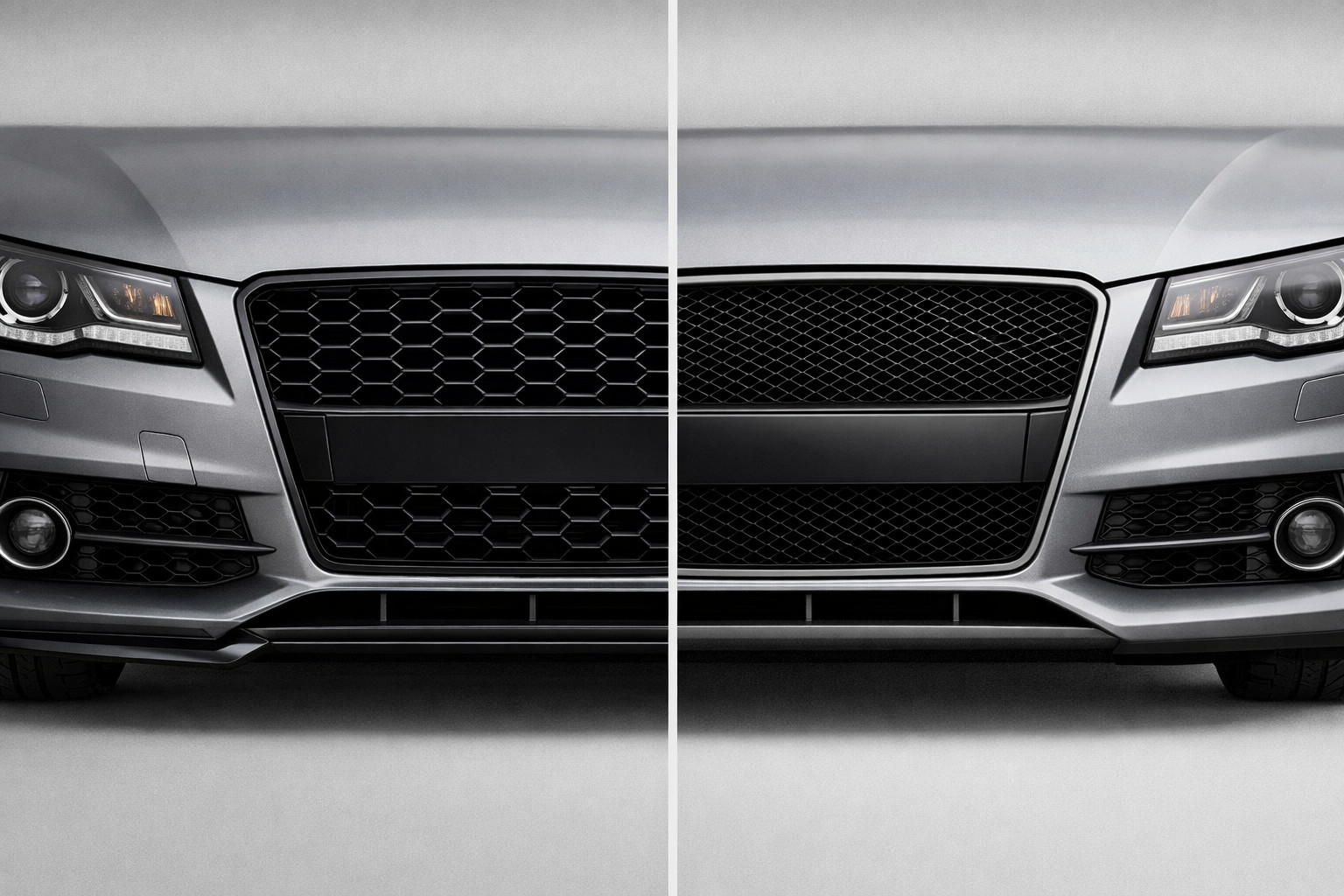
For this generation, practical upgrades work best rather than decorative tuning. The car is family-oriented and utilitarian by nature, so the accessories that make sense are the ones that genuinely simplify everyday use—not just change the look.
It’s worth starting your search with the Honda catalog. For a comparison with the next body style, it’s useful to check out CR-V 2012-2016, and if you need a quick return to the key specs of this generation, it’s handy to keep the 2007-2011 overview within reach.
The Honda CR-V 2007-2011 still makes sense today if you need an honest family crossover for sensible money—not a car for fast highway runs or off-roading. The most balanced choice looks like 2010-2011, but only after a careful check of oil consumption, A/C, corrosion, and recall history; 2007-2009 can also be a strong pick if slightly higher ground clearance matters more and you don’t need the more powerful engine.
The key is not to romanticize the car’s age: a good example will be useful and inexpensive in daily life, while a tired one will quickly eat the budget with small but constant expenses. This material is based on real selection experience and day-to-day use of these crossovers, so the conclusion is simple: it can be a good buy, but only after a sober technical inspection and with the right expectations.
| ✔ | The spacious cabin and large trunk make the CR-V convenient for family trips, kids' gear, and everyday shopping. The second row folds easily, so the car can be adapted to everyday tasks. |
| ✔ | The hardware here is fairly simple: a naturally aspirated 2.4-liter gasoline engine and a 5-speed automatic without complicated solutions. This reduces the risk of expensive surprises and makes it easier to find a good example. |
| ✔ | In the city, the CR-V behaves predictably and is easy to maneuver, thanks in part to its normal turning radius and high seating position. In parking lots and courtyards, this geometry really helps. |
| ✔ | For its time, the model had a decent level of safety: stability control, ABS, tire pressure monitoring, and a set of airbags. This is important for those looking for a practical family crossover. |
| ✔ | The car is well suited for winter, the countryside, and calm everyday use. The all-wheel drive and ground clearance are enough for snow, wet roads, and light dirt roads. |
| ✘ | Road and wind noise are noticeable on the highway, so for those who often drive long distances, comfort will be average. This is especially noticeable with a full cabin. |
| ✘ | This generation has no reserve in terms of dynamics, and under load the car does not seem lively. For overtaking and fast highway driving, this is not the best choice. |
| ✘ | There are typical age-related issues that should be carefully checked before purchase: cold starts, air conditioning, oil consumption, the condition of the automatic transmission, and corrosion. A tired example may require significant investment. |
| ✘ | The all-wheel drive here helps in everyday winter conditions, but it is not designed for serious off-road use. CR-V is better not to be driven into mud, deep ruts, or rocky sections. |
| ✘ | Modest towing capacity and seats that are not the softest make the car less versatile for heavy-duty tasks. If you need quietness, softness, and a reserve of traction, you'll have to look at other models. |
Shipping to EU
Wholesale and retail
Own warehouse
Опис продукту
Подарунки не надаються при оформленні покупки у кредит під 0,01% або при покупці частинами.