02.09.2026
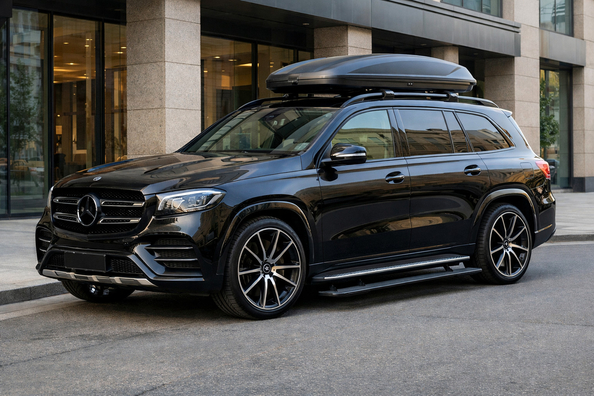

This upgrade plan for the Mercedes GLS X167 is for those who use a big family crossover every day in the city and want not “tuning for the picture,” but to get in more easily, stain clothes less, and wear the interior more slowly. Most often, this is the scenario of a family with kids, trips with elderly parents, and frequent loading of bags, strollers, and belongings into the trunk.
The GLS already has a strong factory base: air suspension, cameras, parking assistants, a spacious cabin. So it makes sense to build the starting upgrade here not around exterior effects, but around real everyday usefulness: first protection and cleanliness, then easier entry, and only after that more expensive or decorative items.
The main task for a city-driven GLS X167 is to make daily use less dirty and less stressful. This body has a high sill, large door openings, and a sizable trunk, so shoe dirt, scuffs on the trunk edge, and constant small inconveniences show up quickly.
When it comes specifically to getting in and out, it’s important not to confuse the need. For some owners, the stock body lowering during entry/exit is enough. Side steps make sense only when people actually use them: kids, shorter passengers, elderly people, or anyone who finds it hard to lift a leg high.
So the right upgrade should solve three things: protect the interior, make entry easier for specific passengers, and not ruin everyday convenience in the city.
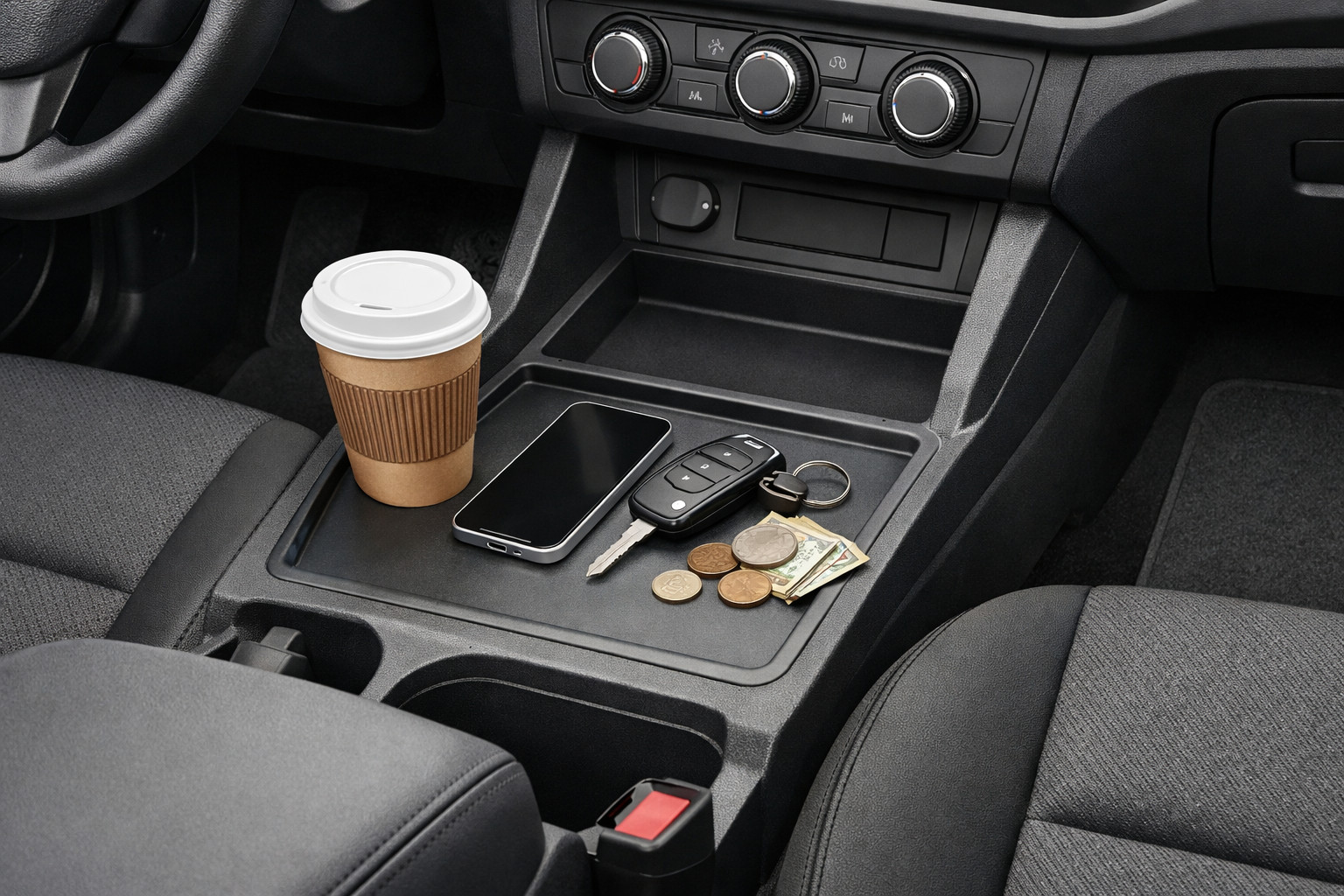
Stage one is to cover everything that takes daily dirt and impacts. That’s a set of dense floor mats for the cabin, a cargo mat or tray for the trunk, and trunk sill/edge protection if you often place heavy items inside. The effect of these items is visible immediately, and they don’t depend on taste or fashion.
Second priority is mud flaps. For city use, they’re “a small thing” only in photos. In real life, they reduce how much wet sand ends up on the sides, doors, and sills—meaning the car stays tidy longer, and less dirt gets carried into the cabin on shoes.
The third thing to do, even before buying side steps, is to check how the entry/exit lowering works on your X167. Behavior can differ by model year and trim, so there’s no need to buy steps just because the car looks big.
| Upgrade | Why it’s needed | Who truly benefits |
|---|---|---|
| Rubber floor mats (cabin) | Trap water, sand, and dirt; make cleaning easier | Anyone who drives daily, especially in fall and winter |
| Cargo mat or tray | Protects the lining from strollers, bags, dirty gear | Families; those who often carry groceries, sports gear, or pets |
| Mud flaps | Reduce dirt buildup on doors, sills, and wheel arches | Those who drive a lot in wet city conditions, yards, and shoulder seasons |
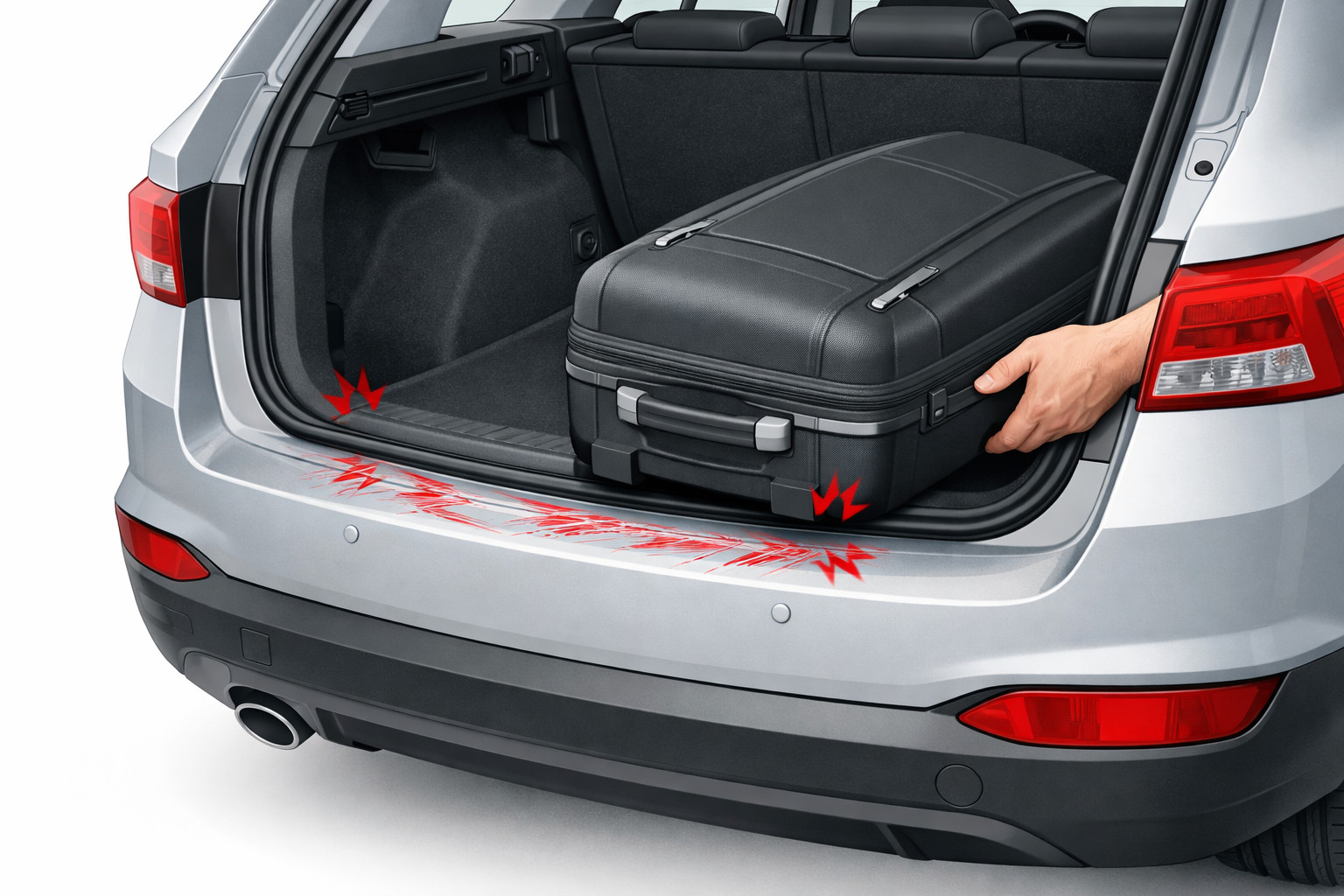
| Trunk edge/sill protection | Takes the scratches during loading | Those who often load suitcases, a stroller, heavy boxes |
| Side steps | Provide an intermediate step for entry and exit | Families with kids, elderly passengers, shorter people |
| Large wheels or decorative trim | Mostly change the look | Only for those who consciously put exterior effect above everyday usefulness |
DD Tuning expert comment: the most common mistake on the GLS X167 is buying side steps before the owner spends at least a few days driving with the entry/exit lowering properly set up. The second typical mistake is choosing an overly protruding step “to look more substantial,” and then ending up with dirty pant legs and extra hassle at curbs. Steps should be selected not by photos, but by passenger height and the real entry scenario.
In the second stage, you can think about items that not everyone needs daily, but that work well in a specific scenario. Side steps are first here. If kids or elderly relatives often get in, the difference is noticeable. If the car is mostly used by adults without mobility issues, steps may turn out to be neutral—or even unnecessary.
Trunk sill protection also fits here. It’s not the flashiest purchase, but in a vehicle with a big trunk it pays off visually fast: scratches on the upper edge appear very easily.
The second stage is fine-tuning for everyday life. Not for a catalog, not for someone else’s car, but for your family and your route.
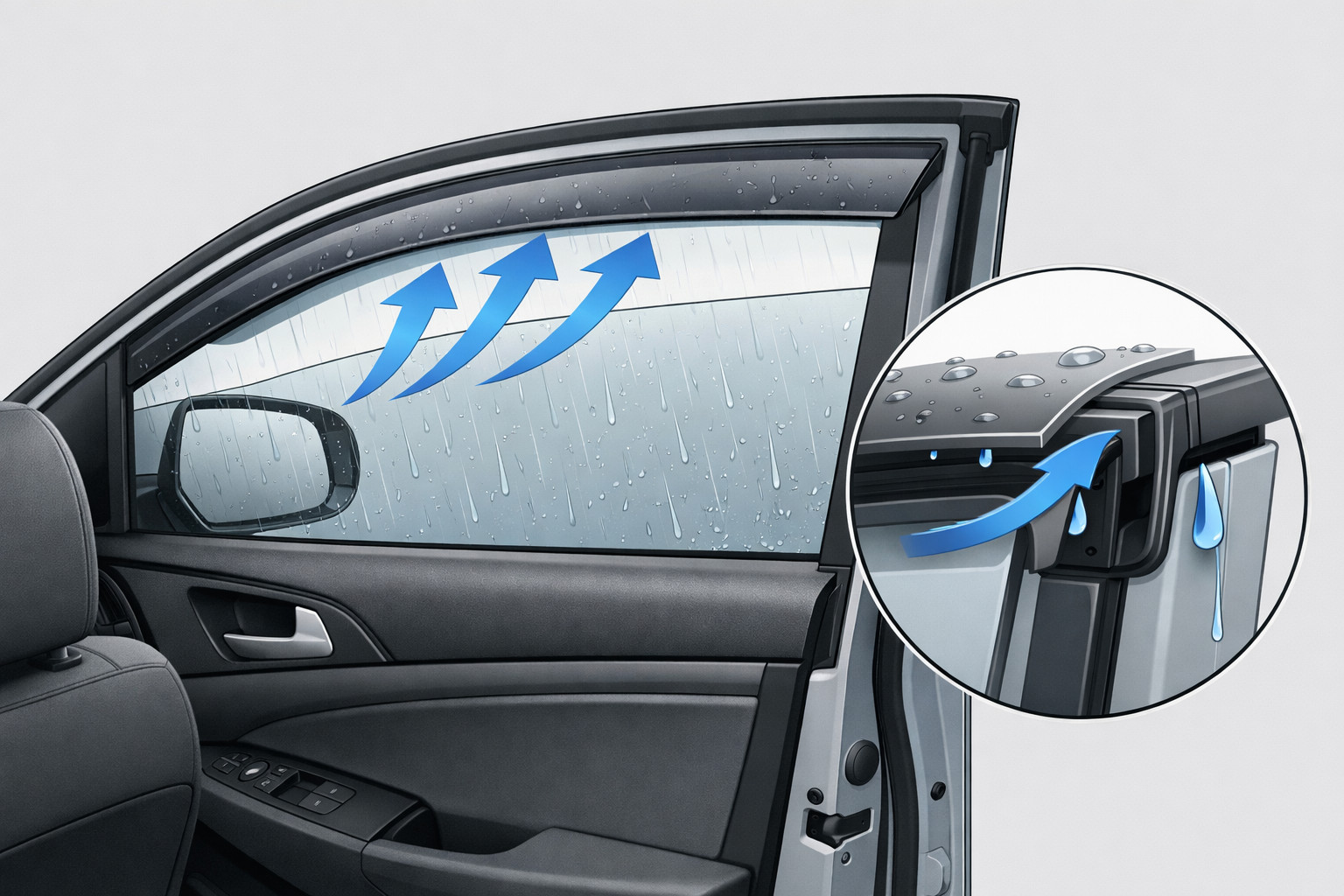
This group includes wind deflectors, decorative trims, badges, grilles, carbon elements, and large wheel packages. You may like them, but they have an indirect—or zero—relation to easier entry.
Large rims are a separate topic. For a city GLS, they more often add harshness and costs than daily benefit. If the vehicle drives through yards, joints, potholes, and winter slush, a smaller factory-allowed size is usually more practical.
Among comfort purchases that are sometimes justified, only name what truly makes life easier: trunk protection, precise-fit mats, well-designed steps. The rest is a matter of taste.
Most often, people waste money on steps “because a big SUV should have steps.” For some X167 owners they are truly useful, but for others they just reduce ground clearance, collect dirt, and aren’t used as intended.
The second typical overpay is big wheels for looks when the car’s main scenario is city driving, parking, and everyday family trips. In practice, this upgrade helps neither entry, nor the interior, nor convenience.
The third mistake is minor cosmetic interior/exterior add-ons when the basics still aren’t covered: floor mats, trunk liner, mud flaps, edge protection. That’s exactly the marketing clutter in a “city + easy entry” scenario.
| Scenario | What to install first | What can be postponed | What’s optional |
|---|---|---|---|
| Daily city use | Cabin mats, cargo mat, mud flaps | Trunk edge/sill protection | Decorative trims, grilles, large wheels |
| Family with kids or elderly passengers | Mats, mud flaps, check the body-lowering mode | Side steps after testing real need | Wide decorative steps purely for looks |
| Frequent trunk loading | Cargo tray and trunk edge protection | Steps, if needed only for entry | Cosmetic accessories without a protective function |
| Mostly 1–2 adults in the car | Mats and mud flaps | Everything related to an additional step | Steps as a “must-have” attribute |
More expensive solutions are justified when your GLS X167 is not just a big family car, but a vehicle with a constant passenger in/out cycle where the step is used every day. In that case, it makes sense to look specifically at original side steps: they’re more logical when a clean look, predictable geometry, and an OEM-like feel matter.
If you want to compare formats, widths, and construction, it’s easier to start with the side steps for GLS X167 section. But don’t look only at design: what’s critical is the protrusion, step comfort, and whether the step will become a constant source of dirt on clothes.
If your budget isn’t unlimited but you want maximum usefulness, it’s smarter to cover rubber floor mats first, and only then move on to expensive steps. On a city GLS, they pay back every day—even when the entry question is already partly solved by the air suspension itself.
From a customer’s experience: in a family GLS X167 they initially wanted wide steps and large wheels because the car felt too tall for everyday entry. After proper mats, mud flaps, and checking the body-lowering mode, it turned out that adults barely needed steps, and the real need was only for an older passenger. In the end they chose a restrained set of steps without excessive protrusion, and that sequence proved to be the right one.
For a Mercedes GLS X167 for city use and easier entry, the right start looks like this: first protect the interior and trunk, then add mud flaps, then check whether the stock body lowering is enough, and only after that—steps, if your passengers truly need them. Everything more about decoration is best moved to the last stage.
This approach helps you avoid overpaying for looks and buying things that don’t work in your scenario. The material is based on real selection experience, hands-on practice, and real use cases—so the main advice is simple: buy not “for GLS status,” but for your specific entry needs, route, and passenger mix.
| ✔ | Rubber floor mats, a trunk mat, and trunk lip protection immediately reduce interior wear and make cleaning easier. For everyday city use, this is the most practical starting point. |
| ✔ | Mud flaps really do reduce the amount of dirt on the doors, side sills, and wheel arches. This is especially noticeable in wet weather, in courtyards, and during the transitional seasons. |
| ✔ | Before buying side steps, you can check whether the factory ride height is low enough for getting in and out. In many cases, that is already enough, and extra running boards are not needed. |
| ✔ | Side steps make sense for families with children, older passengers, or shorter people. They do make entry easier if there is such a need on a regular basis. |
| ✔ | An approach where protection and cleanliness are addressed first, and only then convenience of entry is considered, helps avoid spending money on decorative items with no real benefit. It makes the upgrade more precise for the actual use case. |
| ✘ | Side sills are not always necessary: for adult passengers without mobility issues, they may not provide any noticeable benefit. In that case, they are just an unnecessary purchase. |
| ✘ | Overly protruding running boards can collect dirt and make trouser legs dirtier. They can also be awkward when used near curbs in the city. |
| ✘ | Large wheels in an urban setup more often add stiffness and expense than practical benefit. They help neither with getting in and out nor with interior protection. |
| ✘ | Decorative trims, emblems, grilles, and other cosmetic items have almost no effect on comfortable entry. If the basic needs are not covered yet, such purchases seem premature. |
Shipping to EU
Wholesale and retail
Own warehouse
Опис продукту
Подарунки не надаються при оформленні покупки у кредит під 0,01% або при покупці частинами.