14.04.2026
201
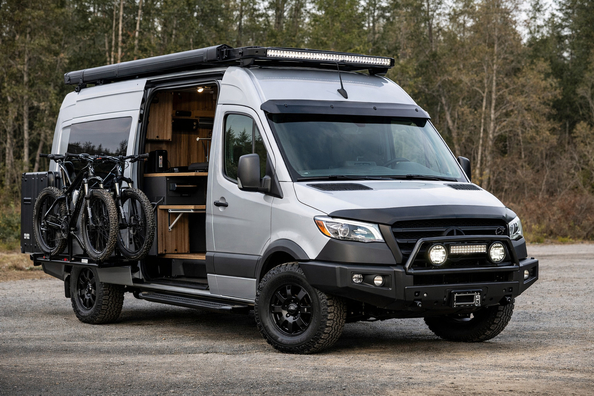
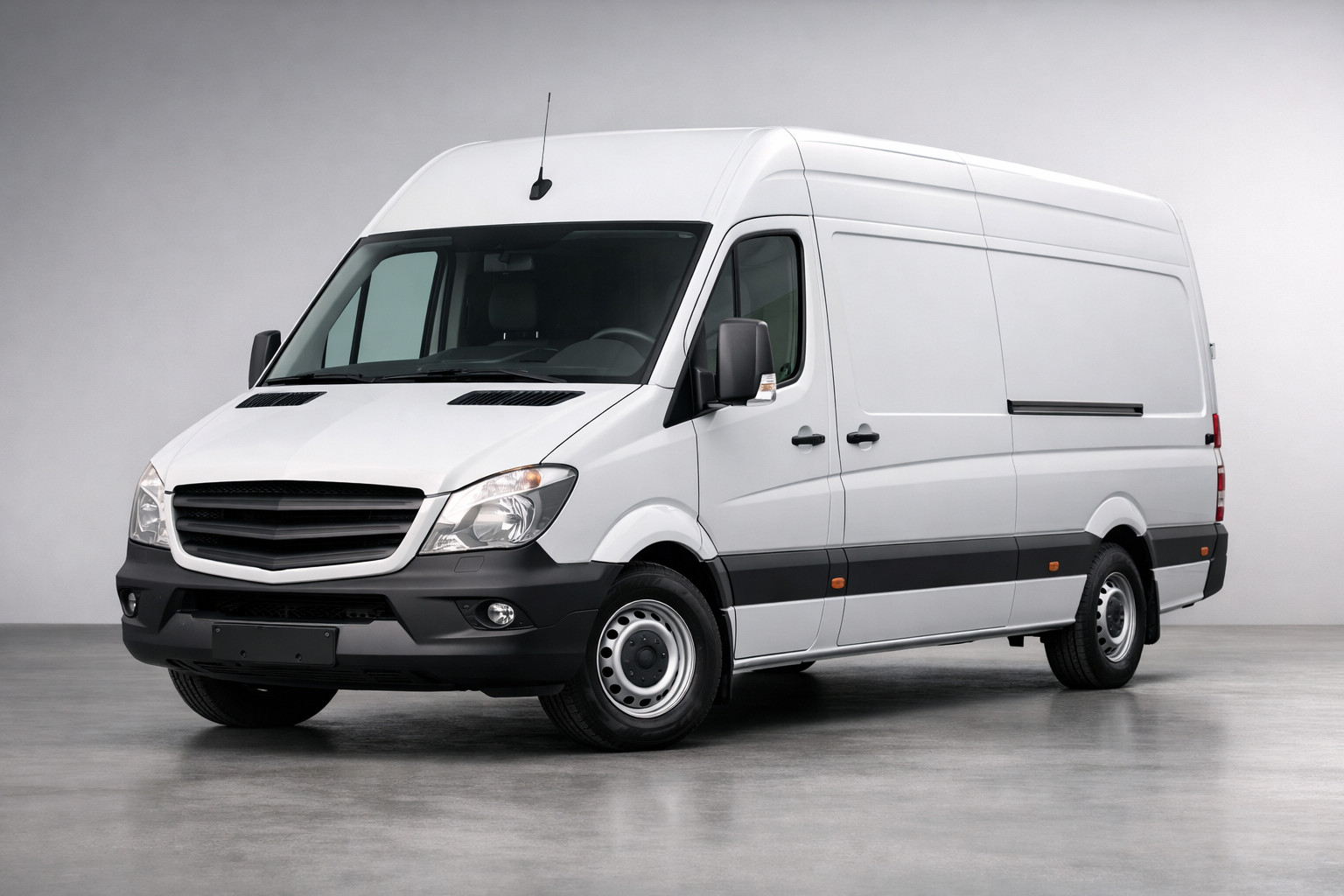
This upgrade plan is for those who have just bought a Mercedes Sprinter W907/W910 and want to quickly bring the vehicle to proper working condition: for deliveries, a service crew, passenger trips, or as a camper base. If you don’t need a set of pretty accessories but a clear sequence of actions, it’s worth starting not with décor, but with what affects load, stability, visibility, and safety.
On a Sprinter, priorities depend heavily on wheelbase, roof height, body type, and the actual operating weight. A long and high panel van is more sensitive to roof load and poor tire choice, and some vehicles already have useful factory options, so before buying parts it’s worth checking the spec and not duplicating what’s already installed.
After buying a Sprinter, the main goal is not to “dress up” the body, but to make a big vehicle predictable in daily work. For a cargo van that means stability under load, proper braking, safe cargo restraint, and easy maneuvering. For a passenger or camper base, add lower noise, ventilation, auxiliary power, and less fatigue on long trips.
That’s why a good upgrade for W907/W910 always solves one of three tasks: handles the weight, organizes the space, or reduces day-to-day discomfort. Everything else is second tier.
Top priority is tires with the correct load index and suspension matched to the real operating weight, not an empty catalog curb weight. This is where the Sprinter shows the biggest difference: the van feels calmer on the highway, floats less over undulations, and is less nervous in crosswinds. For a cargo vehicle, right after that come the bulkhead and proper cargo securing.
If this is a camper base or combi van, auxiliary electrics and ventilation quickly move to the top of the list as well. If the vehicle works in the city, a rear-view camera and additional lighting often bring more daily value than any exterior tuning.
| Upgrade | Why it’s needed | Who really benefits |
|---|---|---|
| Tires matched to actual load | Support the weight, improve braking, and don’t overload the steering with unnecessary noise | Everyone, especially long-wheelbase and constantly loaded vans |
| Suspension and shocks matched to real weight | Add stability, less sway and less pitching | Cargo, camper, and passenger Sprinter vehicles with a heavy-duty duty cycle |
| Bulkhead and cargo restraint | Increase safety under braking and make the compartment fit for work | First and foremost cargo vans |
| Auxiliary electrics via PSM or a separate power circuit | Allows powering consumers while parked without chaos in the vehicle electrical system | Campers, service vehicles, vehicles with a fridge, inverter, chargers |
| Roof solutions | Create space for long items, ladders, or equipment | Only for those who actually carry something on the roof |
| Sound and thermal insulation, roof fan | Reduce fatigue, condensation, and cabin overheating | Campers, combi vans, passenger versions |
| Rear-view camera and work lights | Make parking, yards, loading, and reversing easier | Anyone who maneuvers a large body every day |
The logic is simple: the greater the weight and the more often the vehicle works, the more important basic functional upgrades are over exterior effects.
DD Tuning expert comment: the most common Sprinter mistake is buying big wheels or a roof kit before the owner understands their real operating weight and daily duty cycle. The second typical problem is wiring extra lights, a fridge, or an inverter directly, without a proper power architecture. In the end, you don’t get an upgrade—you get noise, extra consumption, and unnecessary electrical headaches.
Once tires, suspension, and cargo safety are covered, the second stage should be what genuinely makes the day easier: a camera, work lights, an auxiliary battery, sound insulation, ventilation. It’s not as critical a foundation as tires or suspension, but these are the things you feel quickly in real use.
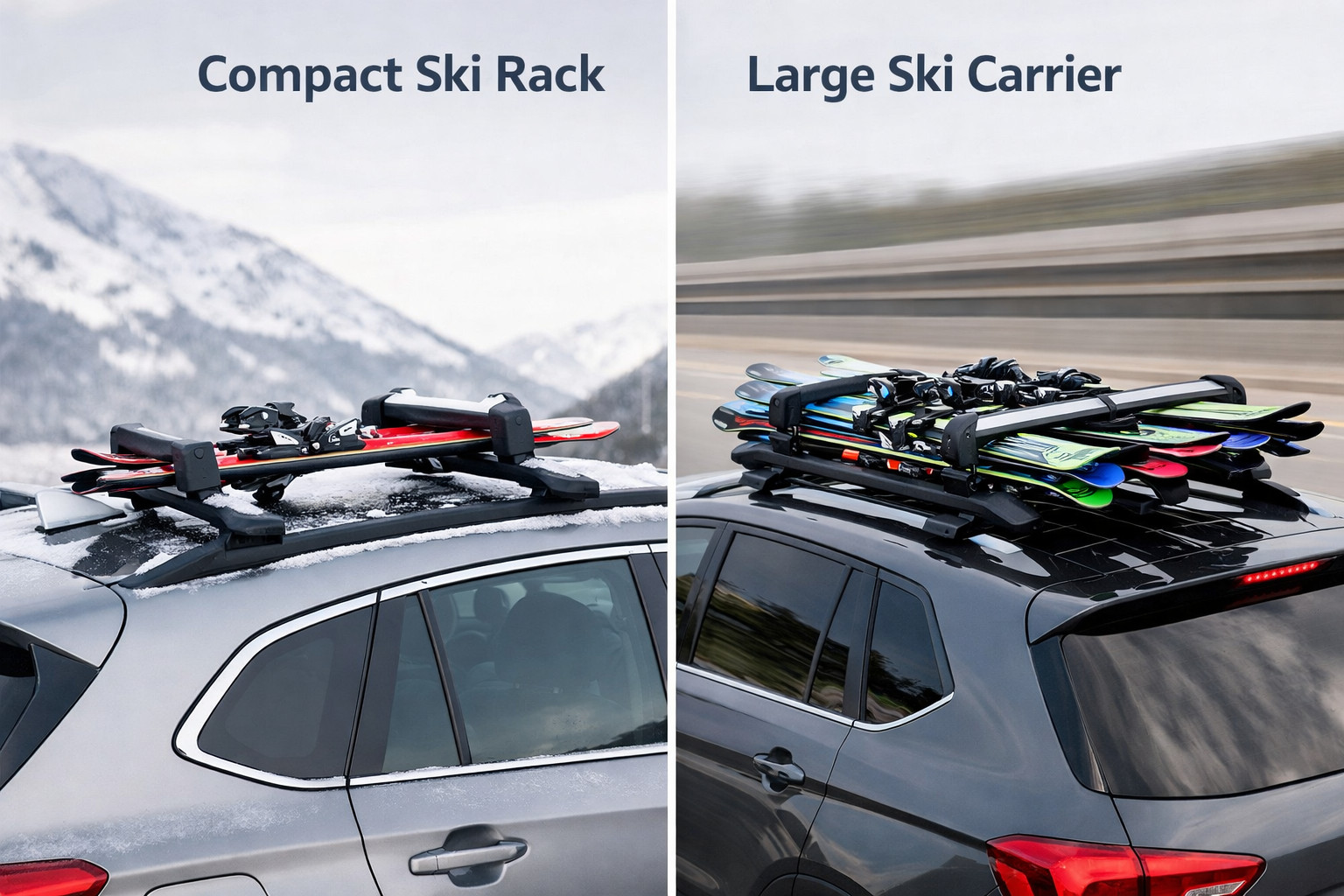
A roof rack or roof rails also belongs here, not in the first stage. If roof cargo shows up once a season, there’s little point: a high roof doesn’t like extra noise, and excess weight up top hurts handling. On a high roof, the allowable roof load is noticeably more modest than many people expect, so don’t turn the roof into a storage shelf.
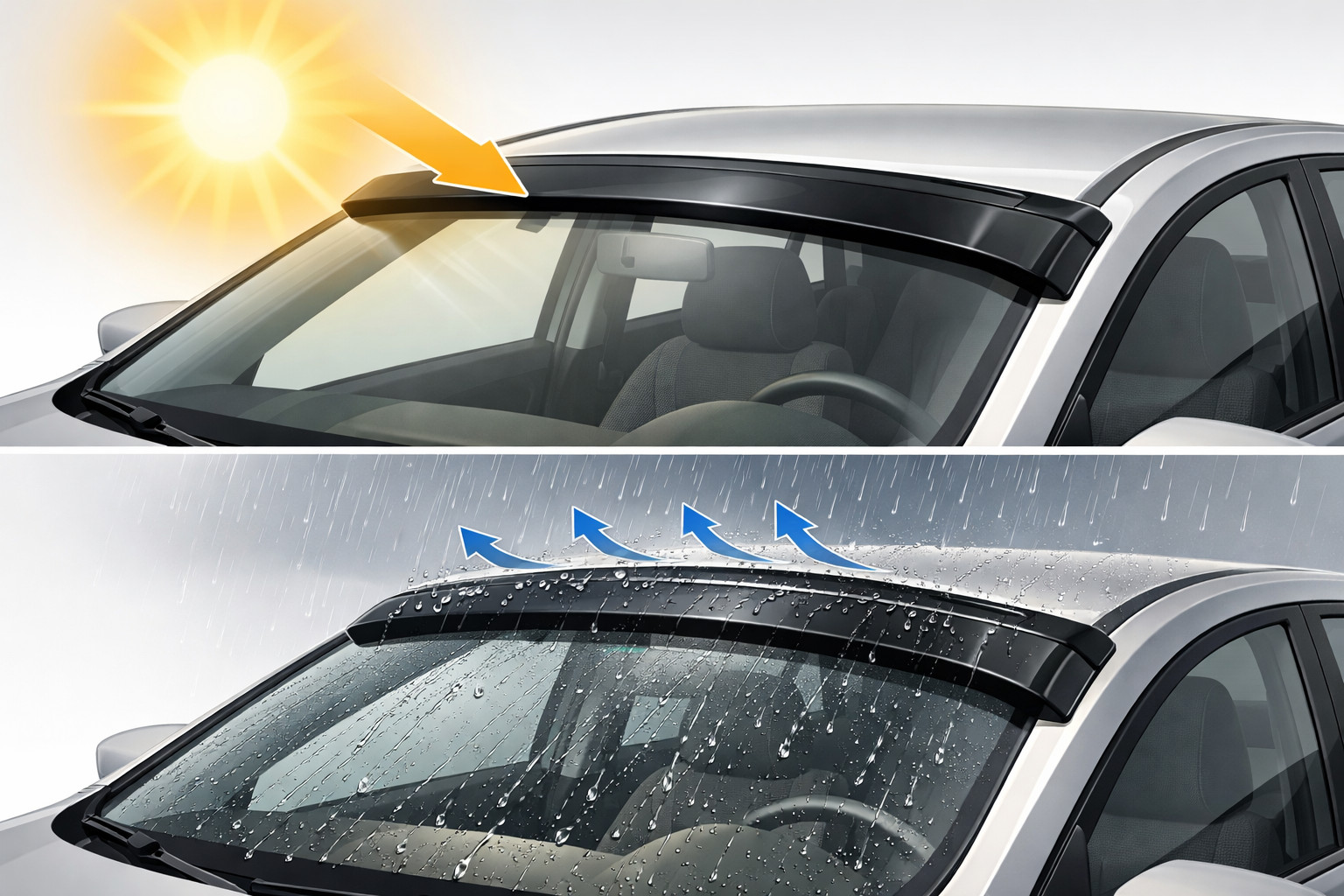
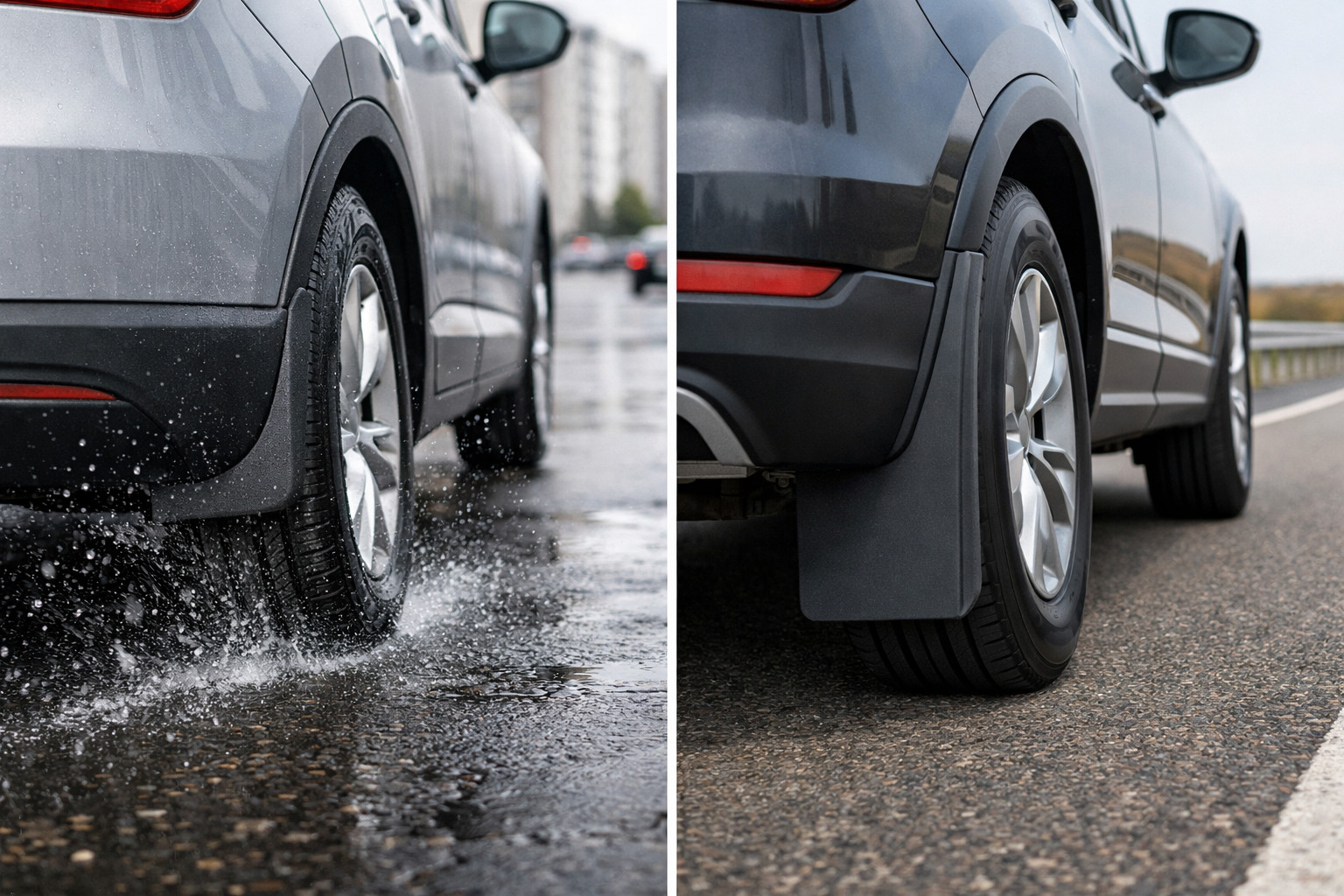
Side steps, floor mats, window deflectors, seat covers are all fine if the vehicle carries people every day or the driver is constantly getting in and out of a high cab. They really make daily life easier, but they don’t solve the core issues of stability, weight, and safety.
Chrome trims, decorative body kits, bumper covers, and similar items on a working Sprinter often deliver less value than they cost. If the budget is limited, it’s better to install them last—or not at all.
| Scenario | What to install first | What you can postpone | What isn’t mandatory |
|---|---|---|---|
| Cargo van | Tires, suspension, bulkhead, cargo tie-downs | Camera, work lights, auxiliary electrics | Rails without a purpose, décor, big wheels |
| Passenger or combi van | Tires, suspension, rear-view camera | Sound insulation, floor mats, side steps | Heavy exterior décor, a roof kit “just in case” |
| Camper base | Tires, suspension for full weight, auxiliary electrics, ventilation | Sound and thermal insulation, lighting, roof solutions | Any heavy roof upgrade without calculating weight and center of gravity |
A more expensive upgrade is justified when the vehicle earns money every day, or when doing it once should solve the task for a long time. If you want to build a system without chaos and see what’s available for Sprinter W907/W910, it’s logical to start from the model page rather than buying random parts.
An expensive roof rack makes sense only when it actually carries ladders, long items, or equipment. It’s important to remember weight: a high roof has a smaller load allowance, the cab has its own separate limit, and extra weight up top raises the center of mass and makes a big Sprinter less calm in corners and in wind.
Side steps are justified not for beauty, but when the vehicle is tall, the driver or passengers get in often, and boarding happens dozens of times a day. In that scenario, an expensive, rigid, properly installed kit brings more benefit than a cheap decorative option.
From a customer’s experience: after buying a long-wheelbase Sprinter for deliveries, the owner first wanted rails and big wheels so the van would look more “put together.” After breaking down the task, he started with load-rated tires, rear shocks, a bulkhead, and a camera. As a result the vehicle became calmer on the highway, maneuvering in yards stopped being annoying, and he never got around to the roof because in real work that upgrade turned out to be unnecessary.
For a Mercedes Sprinter W907/W910 after purchase, the best approach is a simple order: tires, suspension, cargo safety, then electrics, visibility, ventilation—and only after that roof or decorative items. That’s how you cut out marketing clutter and keep what truly changes the vehicle in real work.
This material is based on real selection experience, hands-on practice, and real use cases: first we cover weight, stability, and safety, then daily convenience, and leave looks for last.
| ✔ | Tires with the correct load index and suspension matched to the actual weight immediately make the Sprinter more stable on the highway, less sensitive to crosswinds and swaying. This is practical for any loaded van. |
| ✔ | The partition and proper load securing improve safety under braking and make the cargo area suitable for daily work. This is one of the most useful upgrades for a work van specifically. |
| ✔ | Auxiliary electrics through the proper power setup make it possible to run a fridge, inverter, or chargers without chaos in the vehicle's onboard system. For a camper or service vehicle, this reduces the risk of electrical issues. |
| ✔ | The rear-view camera and work light really make maneuvering in yards, parking, and loading much easier. For a large Sprinter, this is daily usefulness, not a decorative add-on. |
| ✔ | Sound and thermal insulation together with a roof fan reduce fatigue, condensation, and cabin overheating. This is especially noticeable in camper and passenger versions. |
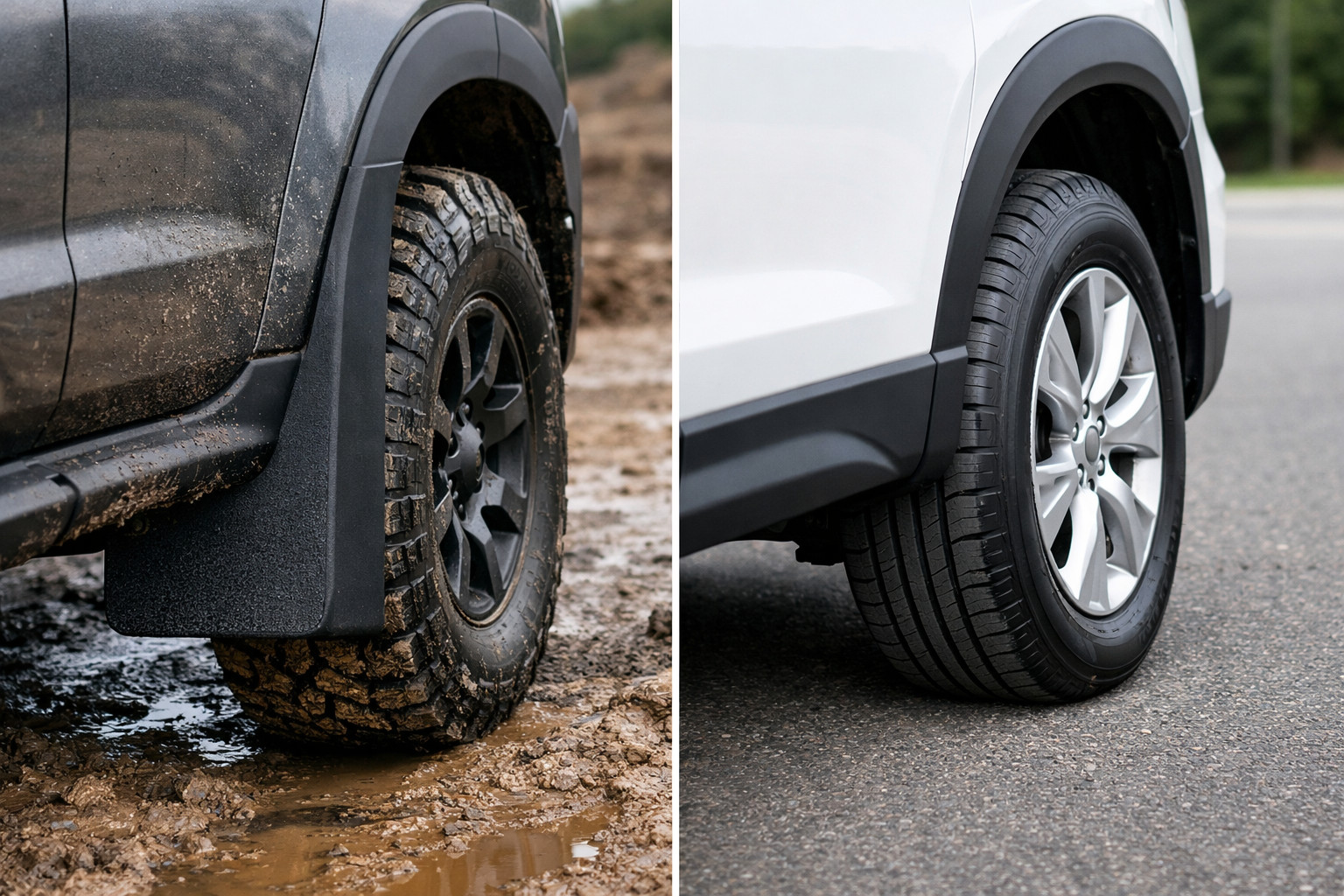
| ✘ | Oversized tires “for looks” can add noise, worsen acceleration and braking, but provide no benefit under load. For a work Sprinter, this is a poor priority. |
| ✘ | A roof rack without regular use only creates extra drag and noise. On a tall van, it is also undesirable from the standpoint of handling and weight up top. |
| ✘ | Expensive electrics without a proper architecture — PSM, fuses, and separate power supply — can create problems instead of convenience. The author directly warns about the risk of overspending and issues with the onboard electrical system. |
| ✘ | Solid sound insulation without ventilation gives incomplete results in a camper or mixed-use setup. Without airing out, problems with condensation and comfort remain. |
Shipping to EU
Wholesale and retail
Own warehouse
Опис продукту
Подарунки не надаються при оформленні покупки у кредит під 0,01% або при покупці частинами.