23.07.2026
82
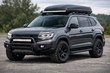
This upgrade plan is for an owner who has just bought a car and wants to quickly understand where to spend the first money without chaos: what to install right away, what makes sense after a few weeks of driving, and what you can calmly skip altogether. The logic is simple: first safety and basic readiness of the car, then protection of the interior and body, and only after that small things for comfort or appearance.
If the car is used, there’s an important correction: before accessories come diagnostics, fluids, brakes, tires, and everything that affects the technical condition. For a new or technically sound vehicle, the order below works best.
After purchase, upgrades should solve not an abstract “make the car better,” but three specific tasks: reduce risks on the road, protect the interior and body from rapid wear, and remove everyday minor inconveniences. If a purchase doesn’t cover at least one of these points, it’s no longer a priority—it’s an option.
The order depends on your scenario. If the car sits outside in the sun, sun protection and tinting move up the list. If it’s a wagon, crossover, or family car, mats and a trunk liner pay off quickly. If you deal with daily city traffic and yard parking, a dash cam is more useful than any decorative add-on.
This is where a sober approach most often wins: don’t start with tinting, trims, or interior cosmetics until visibility, tires, and basic readiness for emergencies are covered.
| Upgrade | Why it’s needed | Who it really benefits |
|---|---|---|
| Checking tires, pressure, and tread | Safer braking, better stability, less wear | Everyone without exception, especially those who drive on highways or cover lots of kilometers daily |
| New wipers | Clear visibility in rain, dirt, and snow | Everyone, and especially after buying a used car |
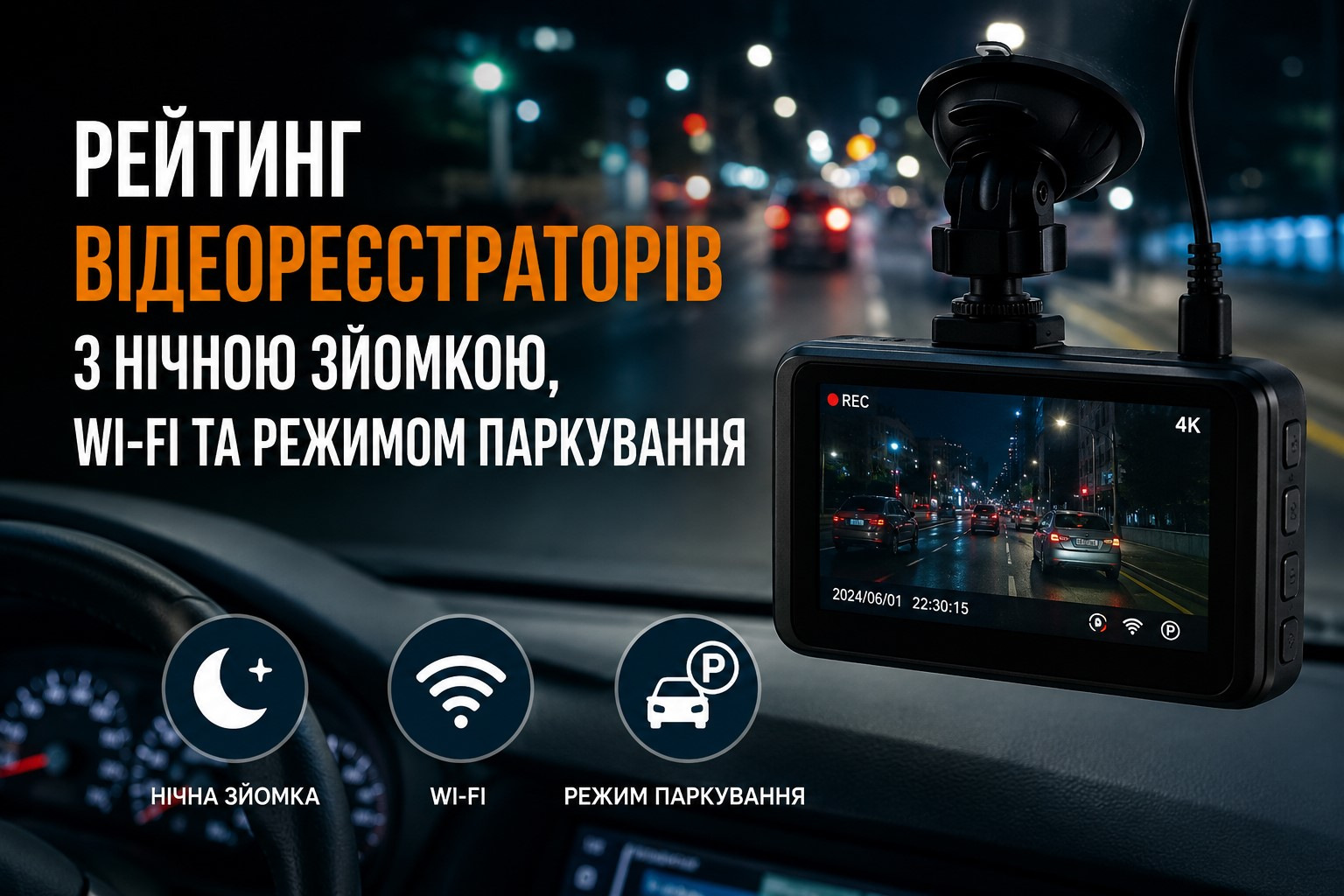
| Dash cam | Recording accidents, disputed situations, and events while parked | City traffic, yard parking, frequent trips |
| All-weather floor mats | Protecting the factory flooring from water, salt, and dirt | Rainy and snowy regions, family cars, daily use |
| Trunk liner | Protects trim from spills, sand, tools, strollers | Wagons, crossovers, families, anyone who often carries things |
| Sunshade or legal tinting | Less cabin heat, better protection for plastics and upholstery | Cars that sit in the sun and regions with hot summers |
| Phone mount and charger | Less fuss with navigation and cables | Those who actually use a phone as a navigator every day |
| Emergency kit | Preparedness for minor breakdowns and delays on the road | Everyone, especially for intercity trips |
DD Tuning expert comment: the most common mistake after purchase is buying universal items without checking fit and mounting. This especially applies to mats: they must not be placed on top of the factory ones, and they have to sit on the factory anchors. Another typical story is buying the cheapest mount or dash cam that shakes the image, holds poorly, and becomes annoying within a week. The third is paying for a dealer add-on package before it’s even clear how the car will actually be used.
The second stage is about protecting what’s expensive to restore or unpleasant to clean. Most often this includes all-weather mats, a trunk liner, basic paint/body care, and sun protection. It won’t save you in a crash, but it keeps the car in decent condition in six months, a year, and beyond.
For a new car, there’s no point postponing simple paint protection for months: you can start caring for the body right away. If the climate is harsh, protective treatments will need to be repeated more often. For those who carry kids’ items, tools, sports gear, or a dog, a trunk liner is often more useful than any “nice-looking” interior add-on.
In a hot climate, a sunshade and tinting can move even higher in priority than some comfort purchases. But it’s important to follow local rules and not darken the glass just “because it looks more expensive.”
After the basics and protection comes time for things that save small daily efforts: a solid phone mount, a charger, a simple organizer in the trunk or cabin. These are small purchases, but they make sense only once you understand what exactly annoys you in real use. If your car already has convenient navigation, wireless charging, or thoughtful small-item storage, there’s no need to duplicate it.
Exterior trims, decorative inserts, ambient lighting, painted badges, and similar things change the look but barely change the actual usage scenario. They’re best pushed to the end of the list. There’s one exception: when a certain part provides protection too, not just aesthetics.
After purchase, it’s easiest to spend money not on what truly works, but on what was nicely packaged in the showroom or in ads. Here’s where the biggest unnecessary spending usually happens:
A short rule: if a purchase doesn’t protect the car, doesn’t improve safety, and doesn’t remove a daily inconvenience, it’s easy to postpone.
| Category | What to install first | What can be postponed | What isn’t mandatory |
|---|---|---|---|
| Safety and visibility | Tire pressure and condition, wipers, emergency kit | Dash cam with parking mode | Expensive “premium” versions of the same things if the basic ones already do the job |
| Interior protection | All-weather mats with proper fixation | Trunk liner if you rarely carry anything | Decorative interior trims |
| Body protection | Regular washing and basic paint protection | Additional protection for harsh operating conditions | Expensive “just in case” packages if the car is rarely driven and kept in a garage |
| Heat and sun | Sunshade | Tinting, if rules allow it and there’s a real need | An expensive darkening package purely for looks |
| Everyday convenience | A phone mount if navigation is inconvenient without it | Charger, small organizer | Gadgets that duplicate the car’s factory functions |
A more expensive accessory is justified not because it’s “more premium,” but when it works for your scenario every day. A higher-class dash cam makes sense for a car that’s parked in the yard or drives a lot in dense traffic. Accurate vehicle-specific mats and a quality trunk liner are justified where water, sand, tools, or kids’ items regularly get into the cabin and trunk.
Ceramic tinting or other expensive heat solutions make sense if the car truly overheats, spends a lot of time outdoors, and you plan to keep using it for a long time. If you want to dive into the nuances separately, check our materials on car tinting, on body and interior protection, and the selection of useful accessories. But the rule is the same: an expensive item should either protect the car for years, or save your nerves every day.
From a customer’s experience: after buying a city crossover, the owner initially looked at tinting, trims, and interior small stuff. In the end, they started with a dash cam, mats, a trunk liner, and a decent phone mount, and moved tinting to summer after a month of driving. That way the budget didn’t balloon, and all the first purchases turned out to be daily-use items rather than emotional spending.
After purchase, the most cost-effective order is almost always the same: first safety and visibility, then protection of the interior and body, and only then comfort small items and exterior add-ons. This makes it easier to cut impulsive purchases, avoid paying extra for looks, and not postpone things that truly protect the car—and your nerves.
This material is based on real selection experience, practice, and real usage scenarios: what people actually install after purchase, what brings value right away, and what often turns out to be unnecessary. If you stick to this logic, even a small budget gives a noticeably better result than a random set of “extras.”
| ✔ | The first items are the ones that really affect safety: tires, pressure, tread, wipers, and an emergency kit. This gives a clear order of action without unnecessary spending on secondary things. |
| ✔ | The dash cam is presented in the article as a practical purchase for city traffic and parking in a yard. It can come in handy in an accident or a disputed situation, so it covers a specific risk. |
| ✔ | All-weather floor mats and a cargo liner protect the factory covering from water, salt, dirt, sand, and spills. For family cars, crossovers, and those who often carry things, this is a truly useful second step. |
| ✔ | A sunshade and, if needed, tinting make sense for cars that sit in the sun or operate in a hot climate. This helps reduce cabin heat and protect the plastic and upholstery. |
| ✔ | The plan is built around a real usage scenario, not a nice-looking list of accessories. Thanks to this, it is easier to filter out impulse buys and avoid duplicating the car’s factory functions. |
| ✘ | For a used car, the article effectively moves accessories to the background after diagnostics, fluids, brakes, and tires. In other words, the list of upgrades does not start with purchases if the car has not been technically checked. |
| ✘ | Many things are advised not to be bought right away, but only after a month of real use. This means some conveniences will have to be postponed and you will first have to drive without them. |
| ✘ | Tinting and other heat-related solutions depend on local rules, so they cannot be installed everywhere without restrictions. Because of this, the desired upgrade may run into legality, not budget. |
| ✘ | The article explicitly warns that cheap universal accessories often have play, slip, or do not hold well. In other words, saving money at the start can turn into a quick replacement and extra expenses. |
Shipping to EU
Wholesale and retail
Own warehouse
Опис продукту
Подарунки не надаються при оформленні покупки у кредит під 0,01% або при покупці частинами.