15.06.2026
308
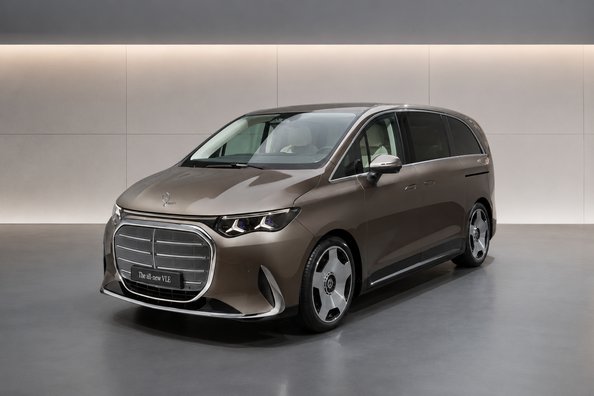

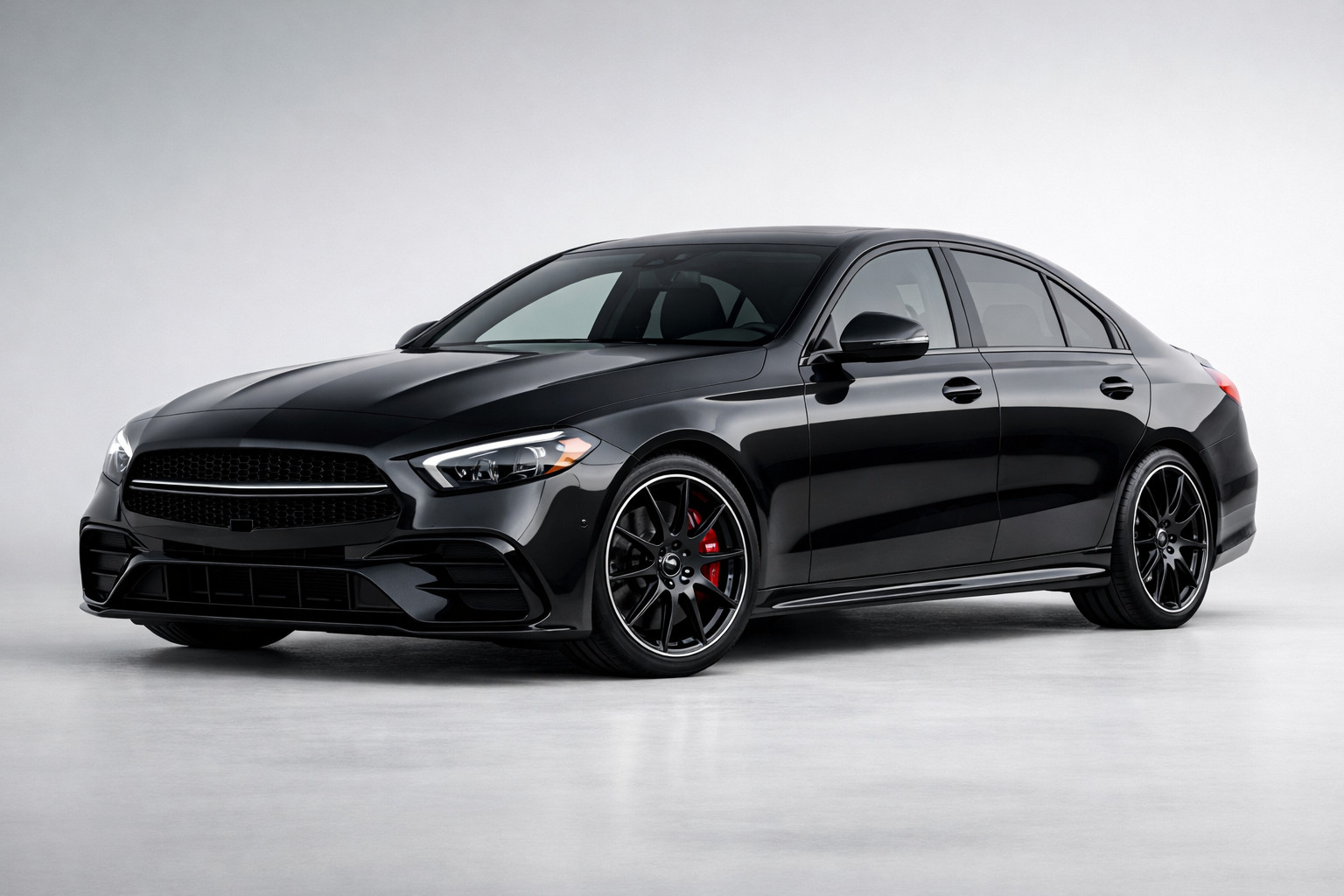
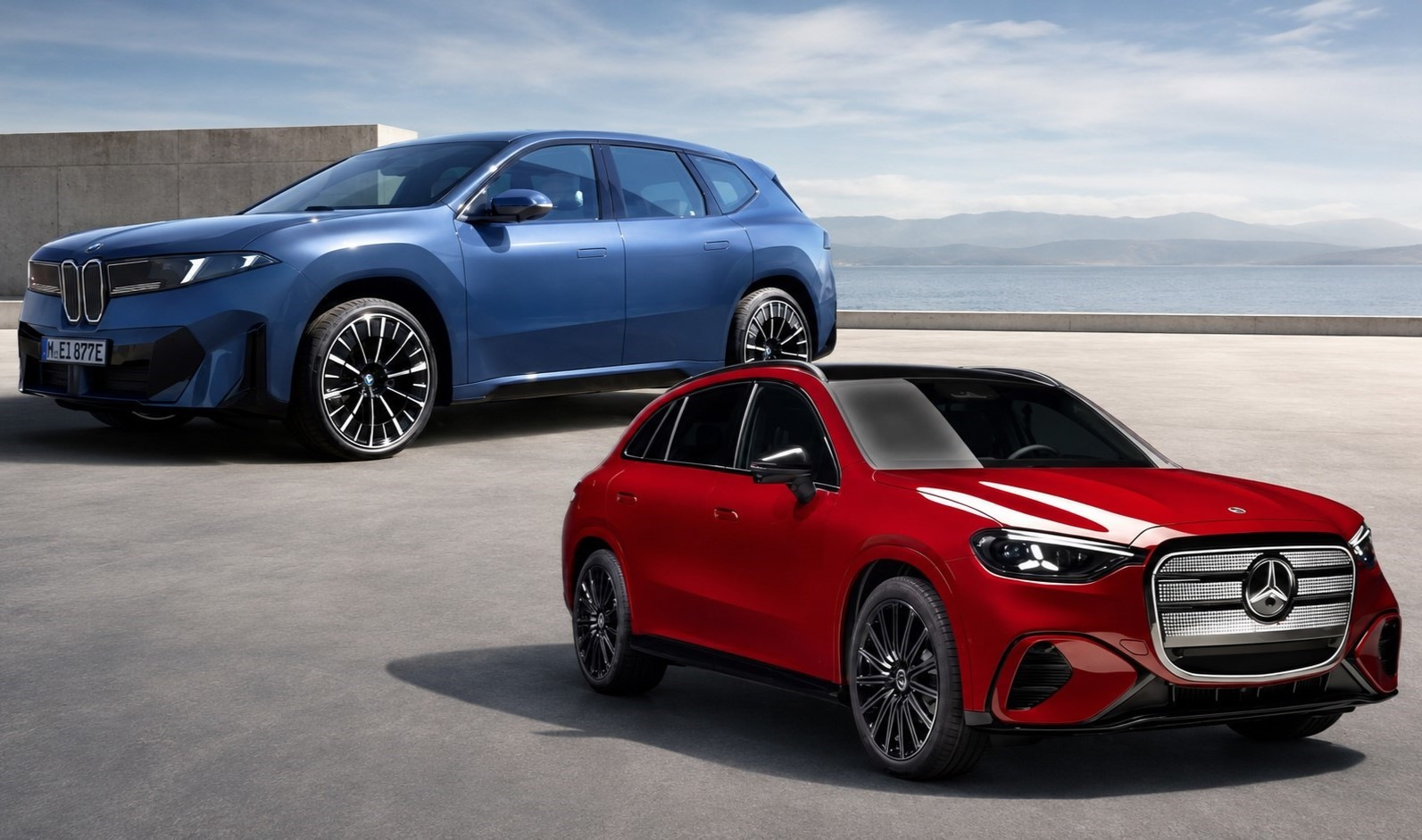
The new generation Mercedes VLE, VLS and Mercedes-Maybach VLS is not just another V-Class update, but a separate electric lineup of large MPVs and grand limousines on the VAN.EA platform. So far, the VLE is the most thoroughly revealed: it has already reached the pre-production stage, received an 800-volt architecture, a 115 kWh battery, and a claimed range of over 700 km WLTP in some versions. If you want to follow the model’s development, it’s worth checking both the Mercedes VLE review and the piece on Mercedes VLS and Mercedes-Maybach VLS.
The key nuance is simple: VLS and Mercedes-Maybach VLS are already confirmed as future top models, but their final technical specifications have not yet been published. So you can mostly talk in numbers about the VLE, while the VLS should for now be viewed as the direction of the lineup rather than a fully described production car.
The Mercedes VLE targets several use cases at once: a large family, corporate shuttle, hotel transfers, VIP transport, and long-distance intercity driving without frequent charging. In format, it sits somewhere between a premium minivan and an executive EV, where the second row matters just as much as the driver’s seat.
VLS and Mercedes-Maybach VLS sit higher in ideology. If the VLE looks like a practical flagship for daily work, the VLS is meant to cover the niche of even more expensive, cabin-focused transport. In other words, it’s not a vehicle for those who simply want a roomy van, and not for those who need an affordable family EV. The core audience here is people who need space, silence, fast charging, and a premium second row.
Formally, this is not about a classic model with several generation changes, but the launch of a new family. The starting point was the Vision V concept direction, after which Mercedes moved to the new VLE and VLS nomenclature for large electric passenger models.
By years, the picture looks like this: in 2025, VLE pre-production started; the global premiere of the production version is announced for the first half of 2026; and the rollout to individual markets will stretch further. For the USA, 2027 is explicitly named. VLS and Mercedes-Maybach VLS are already placed in the future upper part of the model range, but without a full spec sheet, so it’s too early to talk about separate VLS generations.
| Question | VLE | VLS / Mercedes-Maybach VLS |
|---|---|---|
| Status | Pre-production stage, start of series production planned for 2026 | Confirmed future top variants |
| Launch timeline | 2025 pre-production, 2026 world premiere, 2027 USA | Exact timing of series launch has not yet been announced |
| Platform | VAN.EA | VAN.EA |
| Level of information | Official technical data available | Final spec sheet has not yet been published |
This lineup has no familiar gasoline or diesel engines, so engine displacement is not applicable here. For now, only the VLE’s electric powertrains have been officially revealed: a base front-wheel-drive and a more powerful all-wheel-drive version.
| Parameter | VLE 300 electric | VLE 300 electric long | VLE 400 4MATIC electric |
|---|---|---|---|
| Powertrain type | Electric motor | Electric motor | Two electric motors |
| Engine displacement | Not applicable | Not applicable | Not applicable |
| Power | 203 kW, 276 hp | 203 kW, 276 hp | 305 kW |
| Drive | Front | Front | All-wheel |
| Battery | 115 kWh, NMC | 115 kWh, NMC | 115 kWh, NMC |
| Architecture and charging | 800 V, AC 22 kW, DC up to 300 kW | 800 V, AC 22 kW, DC up to 300 kW | 800 V, AC 22 kW, DC up to 300 kW |
| 10–80% | About 25 min | About 25 min | About 25 min |
| 0–100 km/h | 9.5 s | 9.5 s | 6.5 s |
| Top speed | 180 km/h | 180 km/h | 180 km/h |
| WLTP range | Over 700 km, or 706–707 km depending on how the data is presented | Over 660 km | Over 630 km |
| Claimed consumption | From 18.4 to 18.6 kWh/100 km, or a wider range depending on the market | 19.9 kWh/100 km | 21.1 kWh/100 km |
For VLS and Mercedes-Maybach VLS, there are no official powertrain figures yet. The only known fact is that these will be top derivatives of the same new architecture, and later versions with an 80 kWh LFP battery should also appear.
The VLE is a large vehicle even by class standards. A length of 5309 mm and width of 1999 mm immediately suggest that in tight courtyards, older parking garages, and narrow underground ramps it will take some getting used to. On the plus side, the 3342 mm wheelbase promises plenty of space between the rows.
| Parameter | VLE 300 | VLE 300 long 6-seat | VLE 400 4MATIC |
|---|---|---|---|
| Length | 5309 mm | 5309 mm | 5309 mm |
| Width | 1999 mm | 1999 mm | 1999 mm |
| Height | 1916 mm | 1925 mm | 1925 mm |
| Wheelbase | 3342 mm | 3342 mm | 3342 mm |
| Number of seats | 7 | 6 | 6 |
| Turning circle | Not specified for this configuration | 10.9–11.6 m depending on the method | 10.9–11.6 m depending on the method |
| Trunk | Depends on configuration; no single figure for all versions | 2221 l | 4078 l |
| Towing | Not stated separately | Up to 1750 kg | Up to 2500 kg |
| Gross vehicle weight | Not stated separately | 3500 kg | 3700 kg |
| Ground clearance | The exact base value is not published; AIRMATIC changes height by 40 mm | The exact base value is not published; AIRMATIC changes height by 40 mm | The exact base value is not published; AIRMATIC changes height by 40 mm |
The chassis spec is interesting: AIRMATIC air suspension, rear-axle steering, and a small turning circle for a body this size. In practice, that means the vehicle should be noticeably calmer on the highway and less clumsy in the city than you’d expect from the dimensions alone.
The interior is one of the main reasons to look at the VLE at all. Up to 8 seats are claimed, with several seating layouts, electric sliding doors, a big focus on the second row, and multimedia. Up front, three separate displays are предусмотрено, and for the rear in top scenarios they promise a large retractable screen and multi-channel audio.
On the electronics side, everything is moving toward maximum digital control: MB.OS, a new generation of MBUX, enhanced navigation, the MB.DRIVE suite of assistants, and remote functions. But there’s a downside as well: an excess of screens and menus can annoy those who prefer simple physical controls without extra learning.
On paper, the VLE looks very strong for long routes. DC fast charging up to 300 kW, a 10 to 80% top-up in about 25 minutes, and a large battery make it a logical option for intercity transfers, long family trips, and daily commercial work without constant range anxiety.
In real life, it’s worth staying realistic: in winter and on fast highways, consumption will be higher than the marketing figures, and a benchmark of around 520 km in mixed driving looks closer to reality. Another everyday factor is size. With a length of over 5.3 m and a width of almost 2 m, not every courtyard, parking garage, or school drop-off will be convenient. So for the city, this is not a small family EV, but a large tool for specific tasks.
| Strengths | Weaknesses |
|---|---|
| Large claimed range and very fast DC charging | Large body that isn’t always convenient in the city and in parking garages |
| Flexible cabin with an emphasis on the second and third rows | High expected price tag even in base versions |
| Strong chassis package: AIRMATIC, rear-axle steering, good maneuverability for the class | No full spec sheet yet for VLS and Mercedes-Maybach VLS |
| Suitable both for private long-distance use and for a professional shuttle scenario | No large base of real owner reviews and reliability statistics yet |
From an owner’s perspective, the VLE’s main advantage is the combination of space and electric long-range capability, and the main drawback is the format. If you need an all-round vehicle for every situation, including a tight city center, it may be too large and too expensive a tool. If passenger comfort and long routes are the priority, the model makes sense.
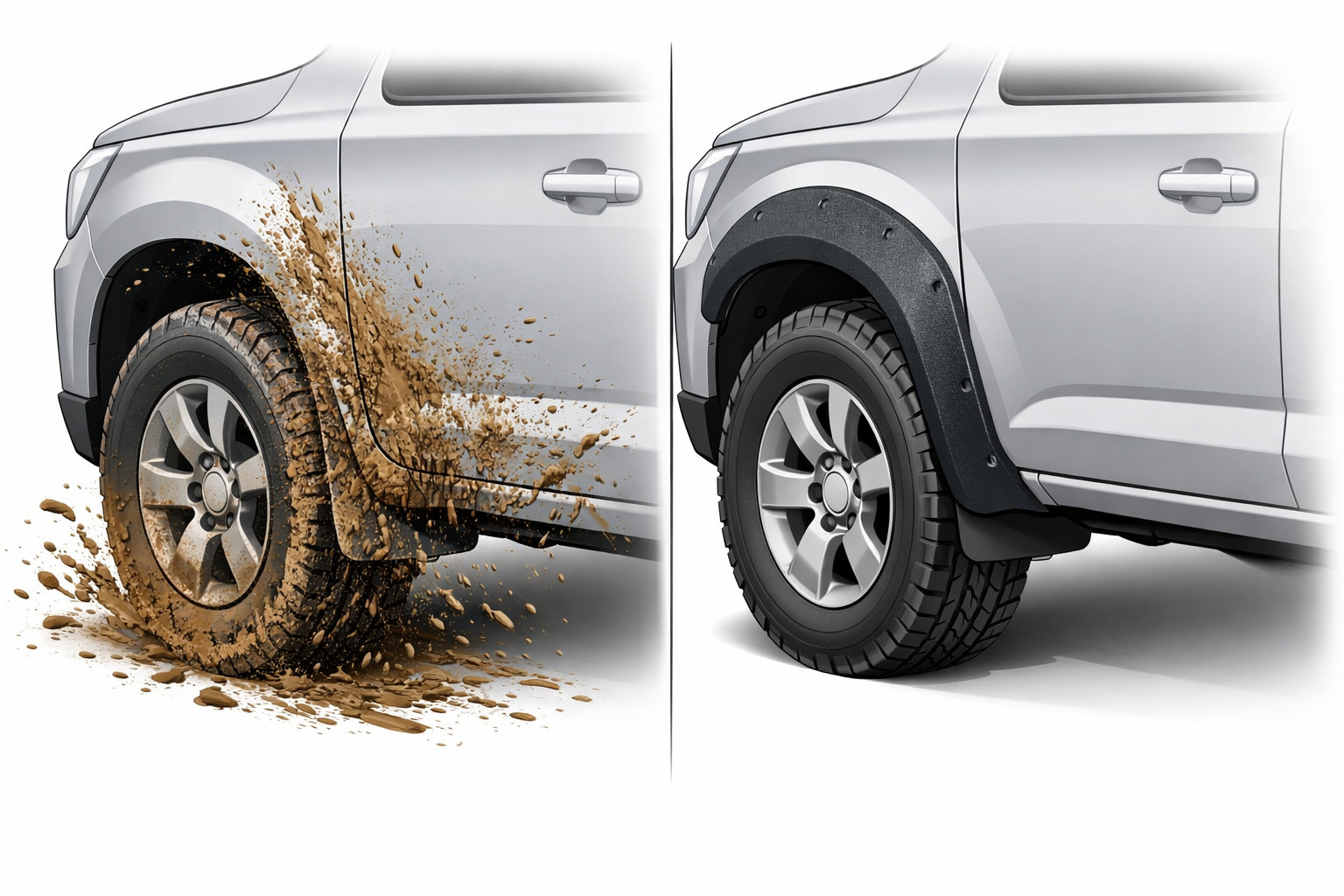
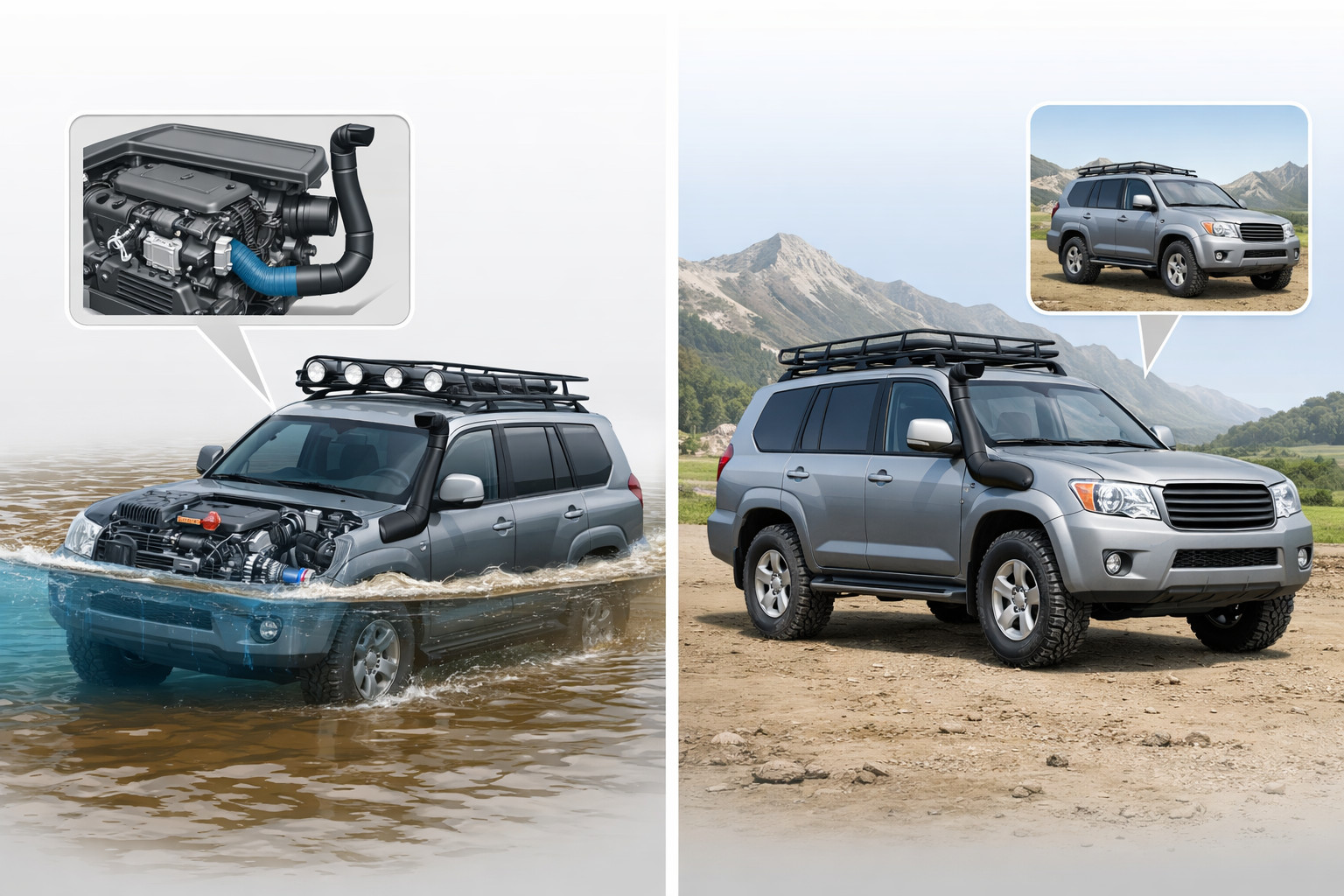
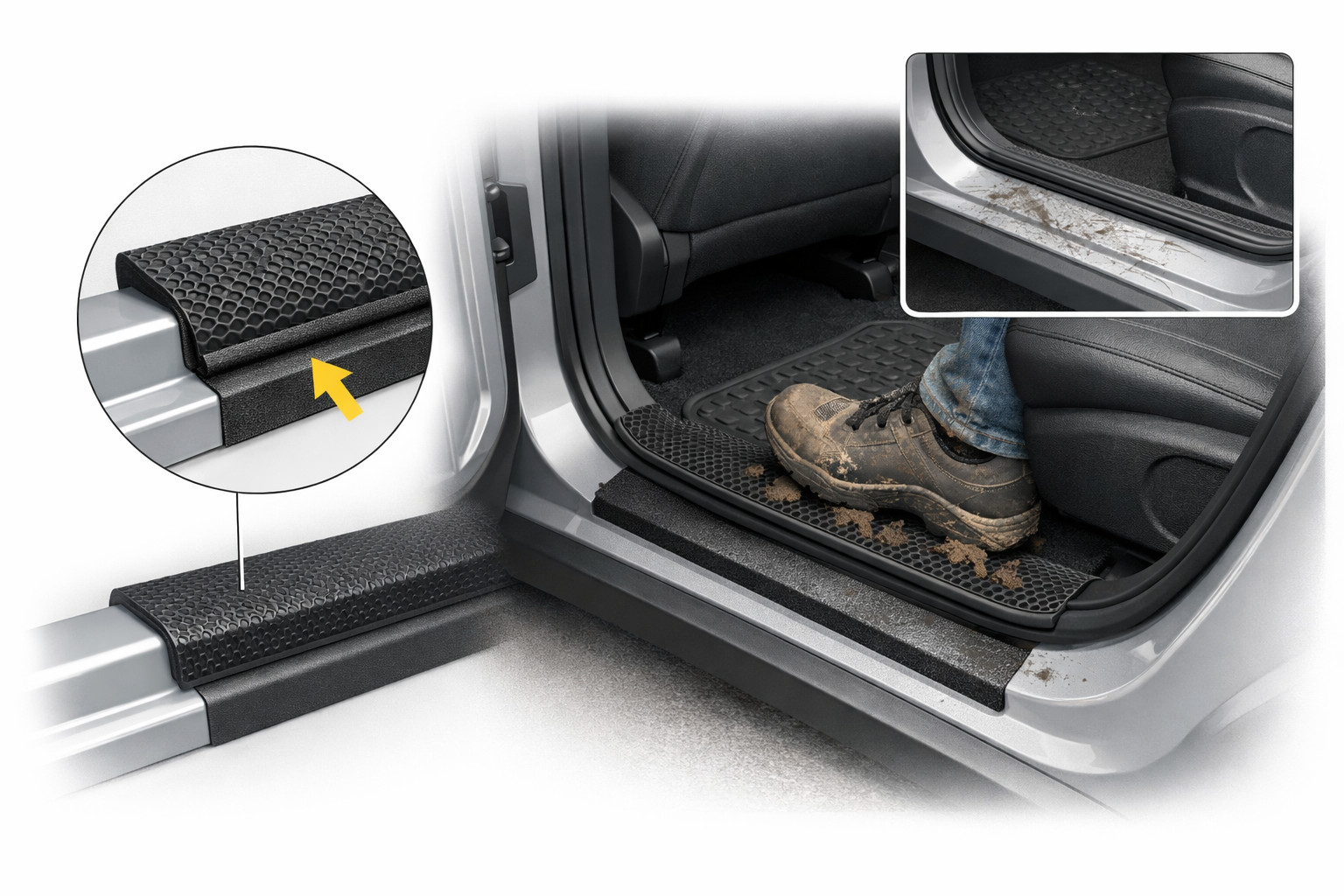
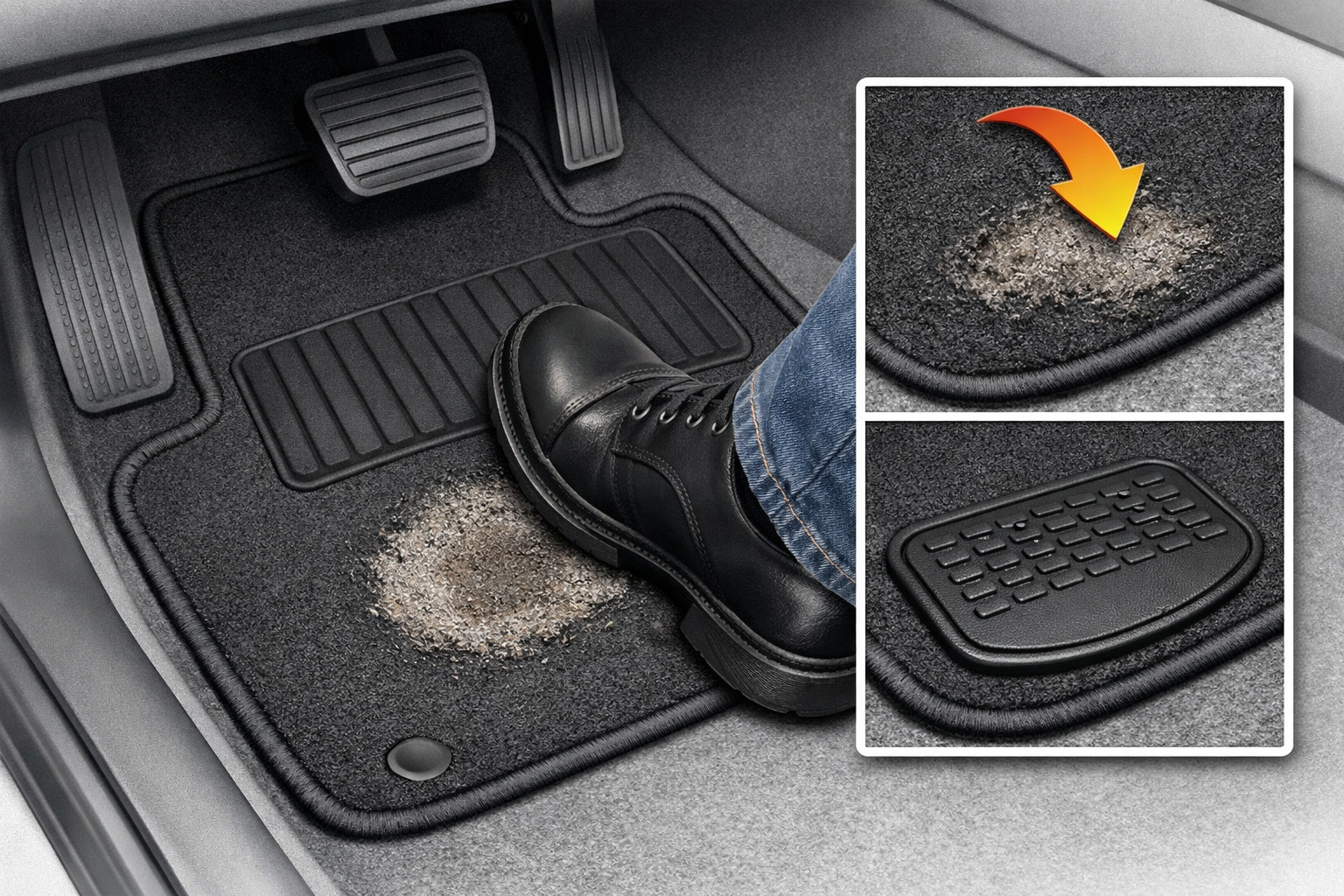
For the VLE and especially for the VLS, it’s still too early to talk about a large market of model-specific tuning: the model is only coming out, and mounting points, exact interior contours, and practical differences between versions still need to be закрепиться on production vehicles. At the start, the most sensible items won’t be decorative, but floor protection, cargo-area protection, cabin organization, and solutions for family trips.
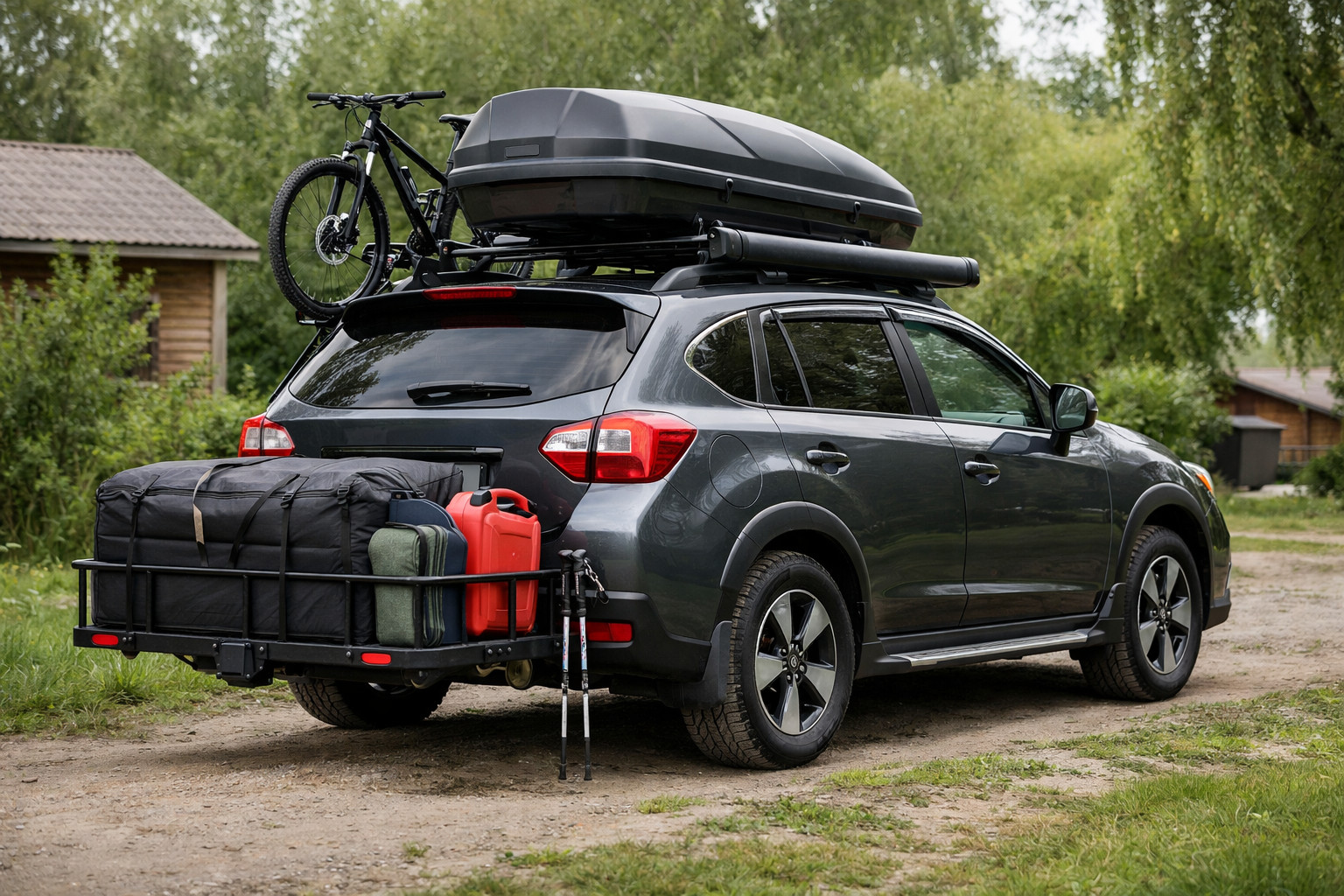
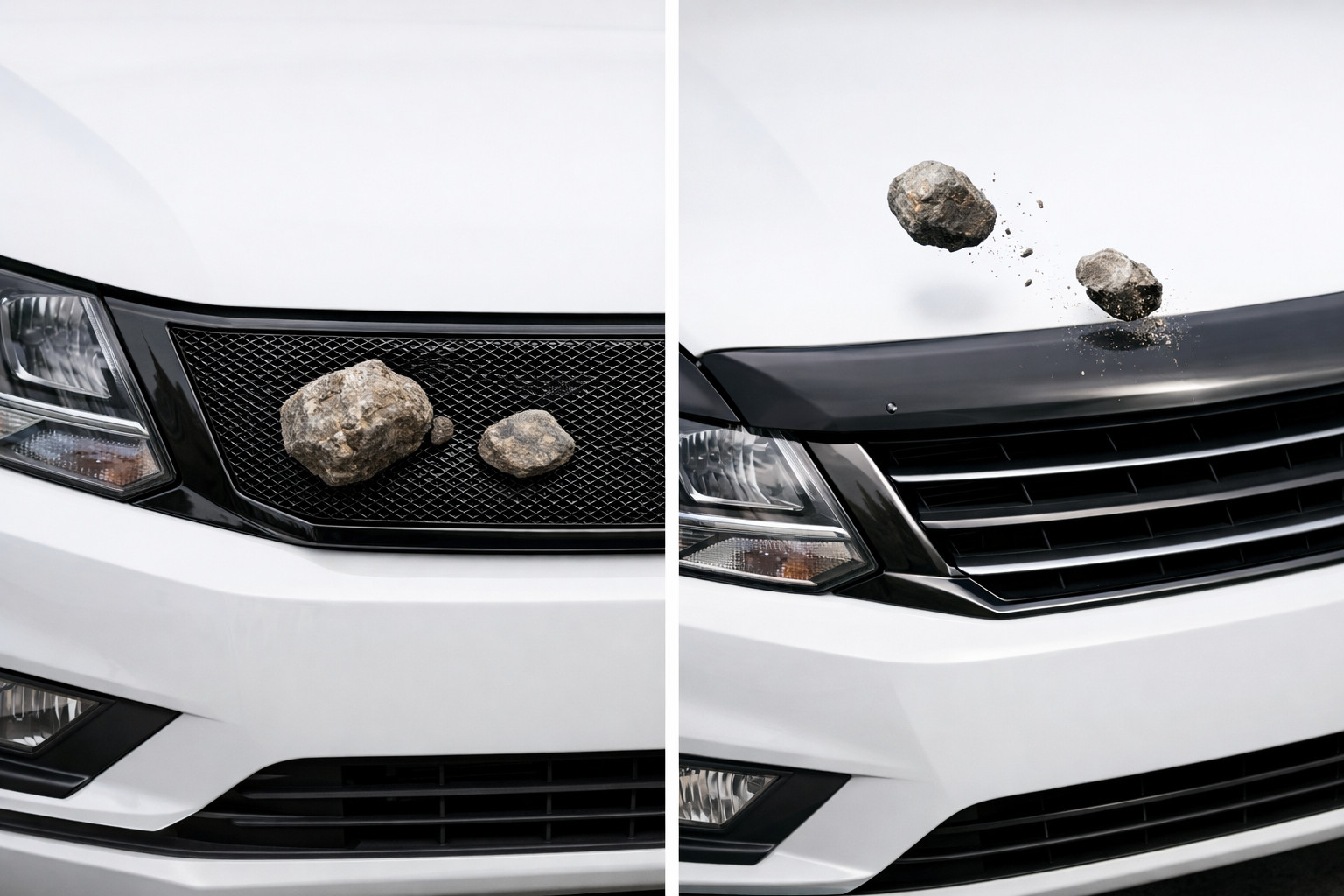
As a reference for accessory directions, you can look at today’s large Mercedes Vito/V-Class models, which are the closest in format in the catalog. Practically, it’s worth paying attention to these categories:
The Mercedes VLE already looks like one of the strongest contenders in the large premium electric minivan segment: lots of space, fast charging, long range, and a modern chassis. For a family that drives big miles, corporate transfers, or a VIP shuttle, it makes sense. For dense city use, a tight budget, and for those who want a complete picture of reliability right now, the vehicle is still too new and too large.
VLS and Mercedes-Maybach VLS are best kept on your radar for now, but not judged by unconfirmed figures. This material is based on real selection experience, practice, and real-world usage scenarios of large Mercedes vehicles, so the main takeaway is simple: VLE can already be evaluated concretely, while VLS only makes sense to wait for if you need maximum space and status specifically in the rear of the cabin.
| ✔ | VLE has a long range: some versions are claimed to exceed 700 km WLTP, which is suitable for long trips and transfers without frequent stops. |
| ✔ | Fast charging looks practical: 800-volt architecture and charging the battery from 10 to 80% in about 25 minutes. |
| ✔ | The cabin is designed to be flexible for different scenarios — up to 8 seats, several seating configurations, a focus on the second row, and options for rear passengers. |
| ✔ | The suspension adapts the large body to real-world use: AIRMATIC, rear axle steering, and a turning radius that is small for the class should help both on the highway and in the city. |
| ✔ | The model is suitable not only for family use, but also for corporate shuttle service, hotel transfers, and VIP transportation. |
| ✘ | The body is very large: over 5.3 m long and almost 2 m wide, so it will be inconvenient in tight courtyards, old parking lots, and narrow passages. |
| ✘ | VLS and Mercedes-Maybach VLS do not yet have a full technical specification, so there are no specifics on power, range, and other key parameters. |
| ✘ | The cabin is heavily tied to screens and digital controls, which may not appeal to those who prefer simple physical controls. |
| ✘ | In real life, the range figures will be more modest than in the specs: in winter and on the highway, consumption will increase. |
| ✘ | At launch, the model looks expensive and new, so there is still no large base of real reviews and reliability statistics. |
Shipping to EU
Wholesale and retail
Own warehouse
Опис продукту
Подарунки не надаються при оформленні покупки у кредит під 0,01% або при покупці частинами.