14.07.2026
431
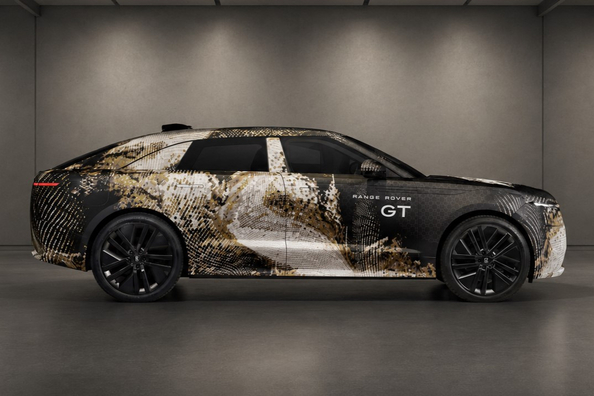

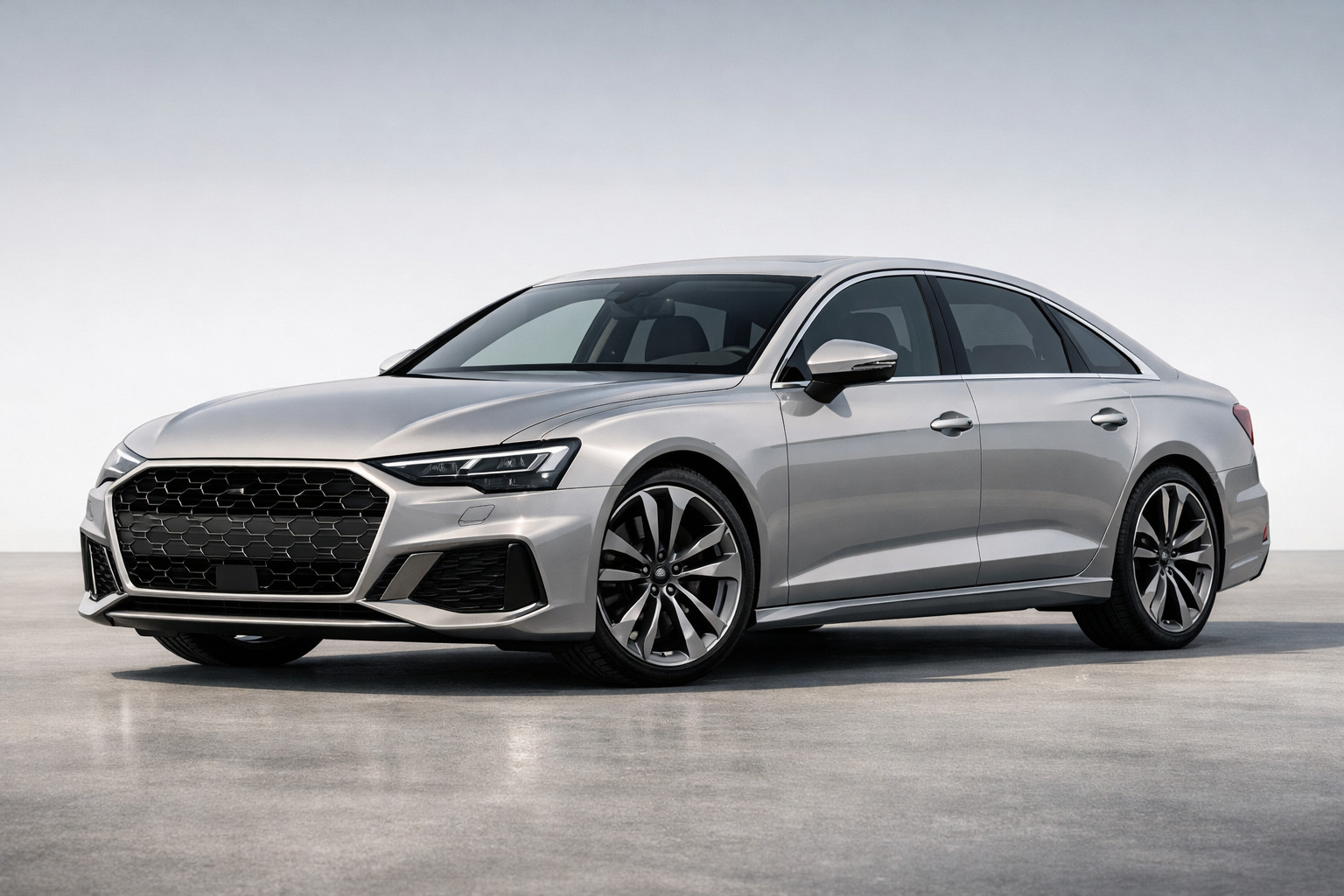
Range Rover GT — a new four-door crossover grand tourer, officially unveiled on July 22, 2026 as the fifth vehicle in the Range Rover family. At launch it’s an EV version on the EMA platform, and the model does not replace the Velar but opens up a separate niche: a lower, more road-focused, more passenger-car-like format in feel.
The most important thing right now is this: the design and concept are already clear, but the key numbers are not. The manufacturer has not yet disclosed power, battery capacity, official range, ground clearance, weight, or trunk volume. So the GT should be seen as a very promising new arrival, but not as a model you can already describe down to the last millimeter.
Range Rover GT sits between a classic large crossover and a long-distance asphalt tourer. In positioning it’s larger than the Velar and closer in proportions to the Range Rover Sport, but with a lower silhouette and a stronger emphasis on quietness, the second row, and long trips.
It’s for buyers who want a higher seating position than a sedan, but don’t want the bulk of a traditional full-size SUV. It’s not the best scenario for someone who needs exact figures for range, trunk space, or off-road geometry right now: they simply aren’t available yet.
The story of Range Rover GT begins in 2026: that’s when the model was officially revealed. This is the first appearance of the vehicle, so it’s too early to talk about a generational change. For now, it’s more accurate to treat the GT as a new model within the lineup, not a continuation of an already familiar family.
By model years, the picture is still incomplete. The premiere happened in 2026, but the exact sales start and full production timeline have not been publicly fixed by the manufacturer yet. Some sources mention a later launch, but the only official confirmation is that details will be announced later.
At launch, only a fully electric version is officially confirmed. That means the concept of engine displacement doesn’t apply to the base powertrain, and the real figures for power and torque have not been published yet. That’s exactly what’s missing for a level-headed comparison with competitors.
Later in the life cycle, a full hybrid is promised, but without data on the gasoline engine, its displacement, total output, and drivetrain type. The transmission layout, charging speed, and final official range figure are also undisclosed. On a prototype display, roughly 463.5 km at 80% charge was seen, but that cannot be considered a final factory number.
In format it’s a coupe-like four-door body with frameless doors. The model looks lower and more dynamic than a typical Range Rover, but the manufacturer promises to retain the brand’s signature level of versatility beyond perfect asphalt. How well this works in practice will largely depend on the suspension and chassis tuning, and those details have not been released yet.
| Parameter | What is already known | What is still undisclosed |
|---|---|---|
| Model status | Officially presented on 22.07.2026 | Full set of production specifications |
| Platform | EMA | Battery and charging details |
| Body | 4-door crossover grand tourer | Exact aerodynamic figures |
| Launch powertrain | Fully electric | Power, torque, drivetrain layout |
| Future version | Full hybrid later | ICE displacement and total output |
| Height | About 1560 mm | Exact length, width, wheelbase |
| Ground clearance | Not disclosed | Final value for the production car |
| Trunk | Not disclosed | Volume and floor shape |
| Interior | 4- or 5-seat configurations | Which trims get each option |
| Range | On the prototype, about 463.5 km at 80% charge was seen | Official certified figure |
Practically speaking, it means one simple thing: you can buy into the idea already, but you can’t buy full technical clarity yet. This especially concerns ground clearance, wading depth, approach and departure angles, and the trunk if you’re looking at the GT not only as a beautiful new model, but as the only car in the family.
The cabin is done in a very calm style: hidden air vents, minimal visual noise, a separate compact driver display, and a head-up display. The central screen is described in different sources as roughly 13–15 inches, so even here the final spec is still in flux. There’s a large panoramic roof with adjustable transparency, four ventilated wireless charging pads, and four USB-C ports.
A strong emphasis is placed on the second row: very generous legroom is claimed, and the configuration can be either four-seat or five-seat. This makes the GT not just a designer coupe-crossover, but a genuinely family-friendly long-distance car. At the same time, the low roofline could potentially reduce headroom for taller passengers.
As for safety, less is known so far than one would like. There is no full list of driver-assistance systems or test results yet, so assessing safety has to rely more on the cabin architecture and the brand’s general level than on a finalized specification.
In daily life the GT could prove to be a great fit for city driving and highway travel: good forward visibility, a quiet atmosphere, a spacious second row, and convenient in-cabin gadget charging. If the car truly retains the Range Rover character while feeling closer to a passenger car in seating position and handling, that will be a strong combination for long trips.
But there are also limiting factors. The real range, fast-charging speed, weight, and trunk volume are still unknown. Add to that the near-total reliance on the touchscreen and the risk of early software teething issues at launch — and it becomes clear why a cautious buyer may want to wait for full specs and the first real-world reviews.
At this stage, the GT looks like a very strong production-car concept, but its weak points are tied not so much to the idea itself as to the lack of final data.
| Strengths | Weaknesses |
|---|---|
| Very quiet, calm interior with no unnecessary visual noise | Almost everything is tied to the central touchscreen |
| Strong focus on second-row comfort and long trips | No exact figures yet for power, battery, ground clearance, and trunk space |
| Flexible 4- or 5-seat cabin layout | Low roof may be a compromise for taller passengers |
| An electric launch suits the quiet grand-tourer format well | No meaningful owner feedback yet |
| Promises to combine road-focused character with Range Rover’s signature versatility | Questions remain about software maturity at the start of sales |
From an owner’s perspective, it looks like this: if you need a car for quiet intercity driving and you’re ready to be an early buyer, the GT is very interesting. If hard math on costs, cargo capability, and charging infrastructure matters more, it’s more logical to wait for the full technical release.
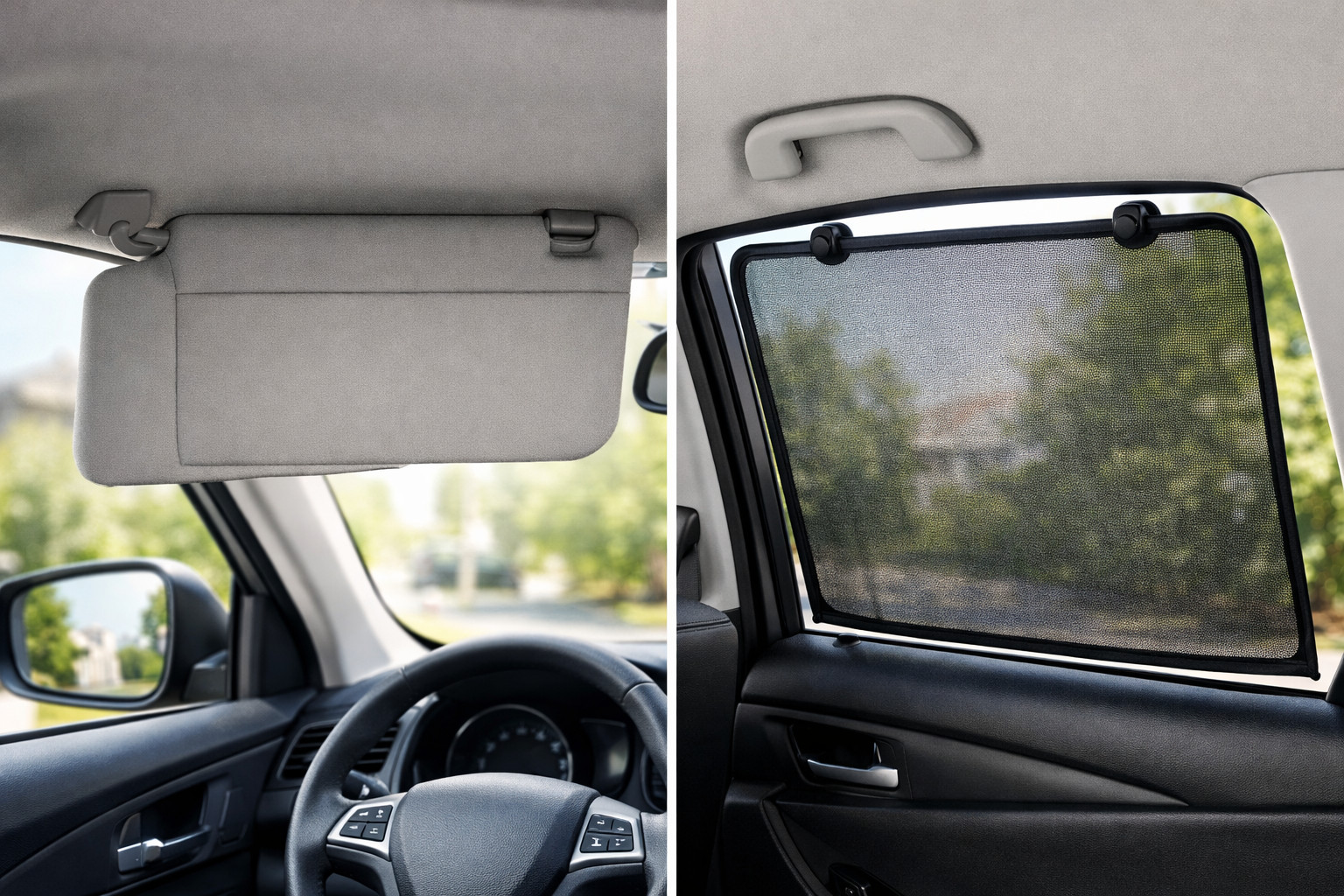
For a model like this, it’s not worth starting with decorative solutions. The first steps should usually be accessories that protect the cabin and trunk and adapt the car to real-world travel routines. For an electric grand tourer this is especially important: a light interior picks up dirt quickly, and wheels have a major impact on comfort and efficiency.
A dedicated catalog specifically for Range Rover GT has not been formed yet, so for now the practical reference point is solutions for the current Range Rover Sport as the closest model by class. The selection logic is simple: protection and daily convenience first, then exterior tuning.
Range Rover GT looks like one of the most interesting new Range Rovers in recent years: lower, quieter, more road-focused, and clearly tuned for long trips. But right now it’s a model with a strong image and an incomplete technical picture, so it suits those who are ready to wait for details and approach the first wave of sales without illusions.
In short, the GT is worth keeping on your radar, but the final verdict should come after the full specifications are published. The practicality assessment and accessory recommendations in this piece are based on real-world experience selecting products for current Range Rovers, usage practice, and real everyday scenarios.
Shipping to EU
Wholesale and retail
Own warehouse
Опис продукту
Подарунки не надаються при оформленні покупки у кредит під 0,01% або при покупці частинами.