07.09.2026
50
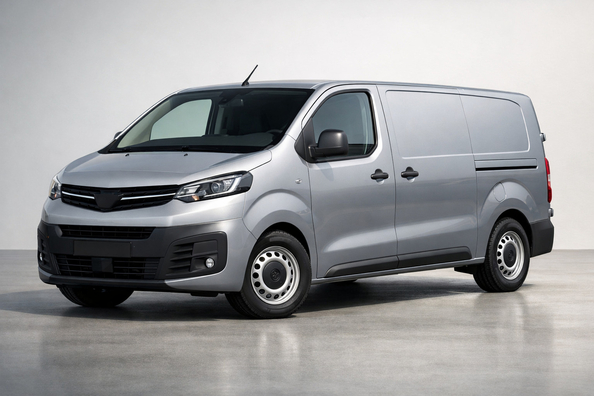
The updated Opel Vivaro isn’t about flashy visuals—it’s about getting the job done without unnecessary surprises. In its class, it stands out by combining a car-like driving position, proper diesel pull, several body lengths, and a cargo bay that’s easy to adapt for deliveries, service work, or intercity runs.
The key thing to understand before buying: Vivaro depends heavily on the generation, body length, payload weight, and the exact diesel engine. So below is a short, to-the-point guide on who this model suits, which engines to look for, and where its day-to-day convenience ends.
Opel Vivaro plays in the mid-size van segment between compact city “car-derived” vans and large cargo minibuses. Its core purpose is businesses that have outgrown a light commercial vehicle but don’t yet need a bigger, more expensive-to-run-in-the-city van. From behind the wheel, Vivaro feels closer to a passenger car than classic tall vans, and that matters for daily urban work.
Who it suits: couriers, installation crews, service companies, transporting tools and goods on intercity routes. Who it doesn’t suit as much: those who constantly drive on broken dirt roads, often get wheelspin on slippery surfaces, or haul borderline loads every day—front-wheel drive and modest ground clearance matter here.
Vivaro has gone through three main stages. The first two generations leaned toward a practical work-van format based on shared solutions with Renault, while the third, launched from 2019, is built on the PSA Group platform and became lower, more “asphalt-oriented,” and more city-friendly.
| Generation | Years | What to know |
|---|---|---|
| Vivaro A | 2001–2014 | A classic work van related to Renault Trafic; simpler in terms of electronics, but already aging. |
| Vivaro B | 2014–2019 | An evolution of the previous concept—more comfort, more modern diesels, but still with a utilitarian focus. |
| Vivaro C | from 2019 | A completely different base, lower body, better city maneuverability, a wide choice of lengths, and up-to-date driver-assistance systems. |
If the topic is specifically the updated diesel Vivaro, it makes sense to look first at the third generation. It’s the best fit for those who want a modern work van without the bulk of a large minibus.
For the current generation, diesel versions are most commonly found with 1.5 and 2.0-liter engines. In most markets these include 1.5-liter variants with 102 or 120 hp, and 2.0-liter units with 122, 145–150, and 177–180 hp. The exact lineup depends on the year and sales market, so the engine should be verified by VIN, not by the listing.
Gearboxes are mainly a 6-speed manual, and on some of the more powerful 2.0-liter versions an 8-speed automatic is available. If the vehicle works under load and on the highway, the 2.0-liter diesel makes more sense: in real life it’s less strained than the 1.5.
The strong point of the third Vivaro is body versatility. There are short and long versions, two wheelbases, sliding side doors, and a low roof height on some trims. That’s exactly why the model is convenient where you regularly need to maneuver in courtyards, at loading bays, or in underground parking.
| Parameter | Opel Vivaro C diesel |
|---|---|
| Years | from 2019 |
| Drive | front-wheel drive |
| Body length | 4606 / 4956 / 5306 mm depending on version |
| Wheelbase | 2925 / 3275 mm |
| Body width | around 1920 mm excluding mirrors |
| Height | approximately 1890–1940 mm depending on trim |
| Ground clearance | around 150 mm, depends on tires, load, and version |
| Cargo bay volume | 4.6–6.1 m³, up to 6.6 m³ with the passenger seat folded on certain versions |
| Payload | up to around 1400 kg depending on modification |
| Engines | 1.5 diesel 102/120 hp; 2.0 diesel 122/145–150/177–180 hp |
| Transmissions | 6-speed manual or 8-speed automatic on some 2.0 versions |
The suspension is tuned for everyday commercial work: an empty van may feel a bit stiff, but under load the vehicle becomes calmer. That’s exactly why many choose Vivaro over taller, more “bus-like” competitors.
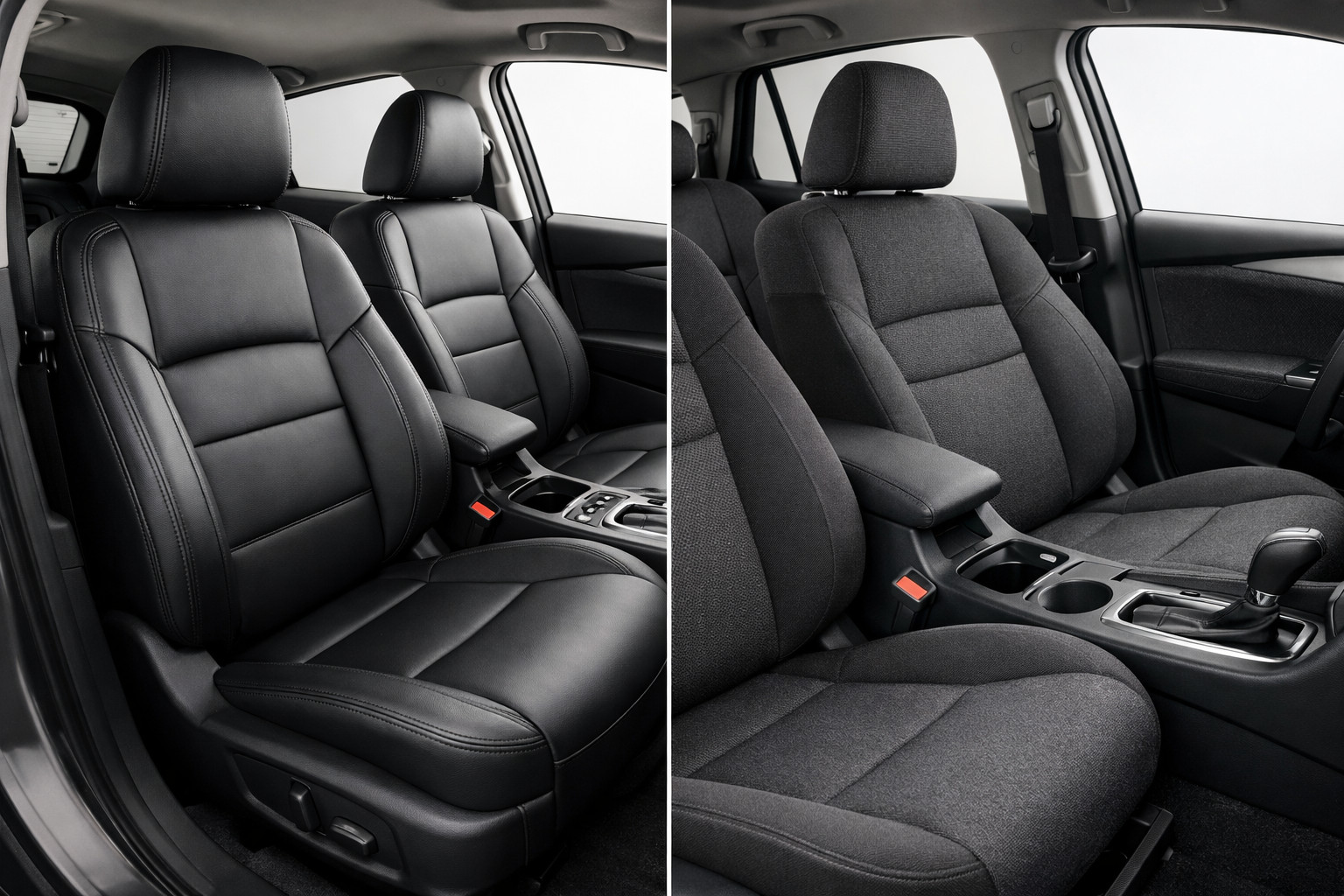
Inside the Vivaro there’s no unnecessary gloss, but everything is designed around a workday: a high seating position, large storage bins, decent visibility, and seat geometry that’s comfortable for frequent in-and-out. The plastics are commercial-grade, but that’s more of a plus—less worry about scratches and dirt.
Comfort depends a lot on the trim. In basic versions everything is fairly utilitarian; in pricier ones you get better infotainment, more electronic assistants, a camera, emergency braking systems, lane keeping, and traffic sign recognition. It’s important not to extrapolate impressions from one version to all: the difference between a “base” and a well-equipped Vivaro is noticeable.
In the city, Vivaro is convenient because it doesn’t feel like an overly large van. Short versions are agile, and the low roof on some trims lets you enter places where a tall van won’t fit anymore. For daily deliveries, this is a real advantage—not just a catalog number.
In operation, another thing matters: a modern diesel likes being used in a proper working режим, not endless cold short trips of 3–5 kilometers. If the vehicle constantly drives only in the city without warming up and without highway runs, exhaust aftertreatment systems age faster. For mixed use, the 2.0 usually looks more practical, while the 1.5 wins on economy only where there truly isn’t heavy cargo.
| Pros | Cons |
|---|---|
| A convenient format for city and intercity work without the feel of a “big bus” | Front-wheel drive doesn’t like slippery ramps, mud, and serious off-road use |
| Several body lengths and usable volume from 4.6 to 6.1 m³ | 1.5-liter versions under load quickly show the limits of their capability |
| Good driving-position ergonomics, easy entry/exit, good visibility | An empty body can feel stiff and noisy on poor roads |
| Modern diesels and an automatic on some stronger versions | Trims vary greatly, so it’s easy to misjudge equipment and configuration from photos |
From an owner’s perspective, the conclusion is simple: if you need a tough working tool for asphalt routes, Vivaro looks very rational. But if the job constantly involves overloading, broken access roads, and towing a trailer, it’s better to assess the conditions very soberly before buying.
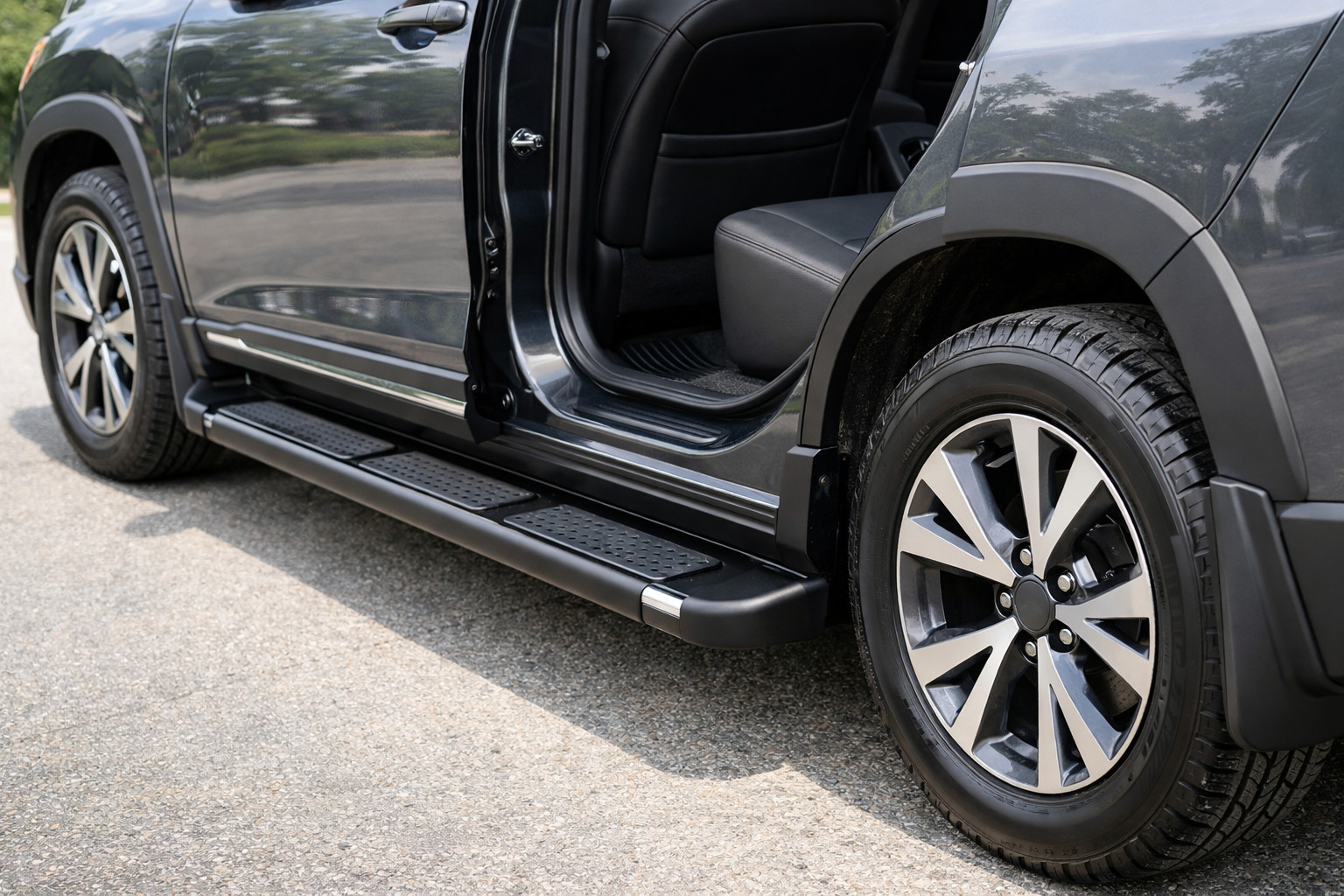
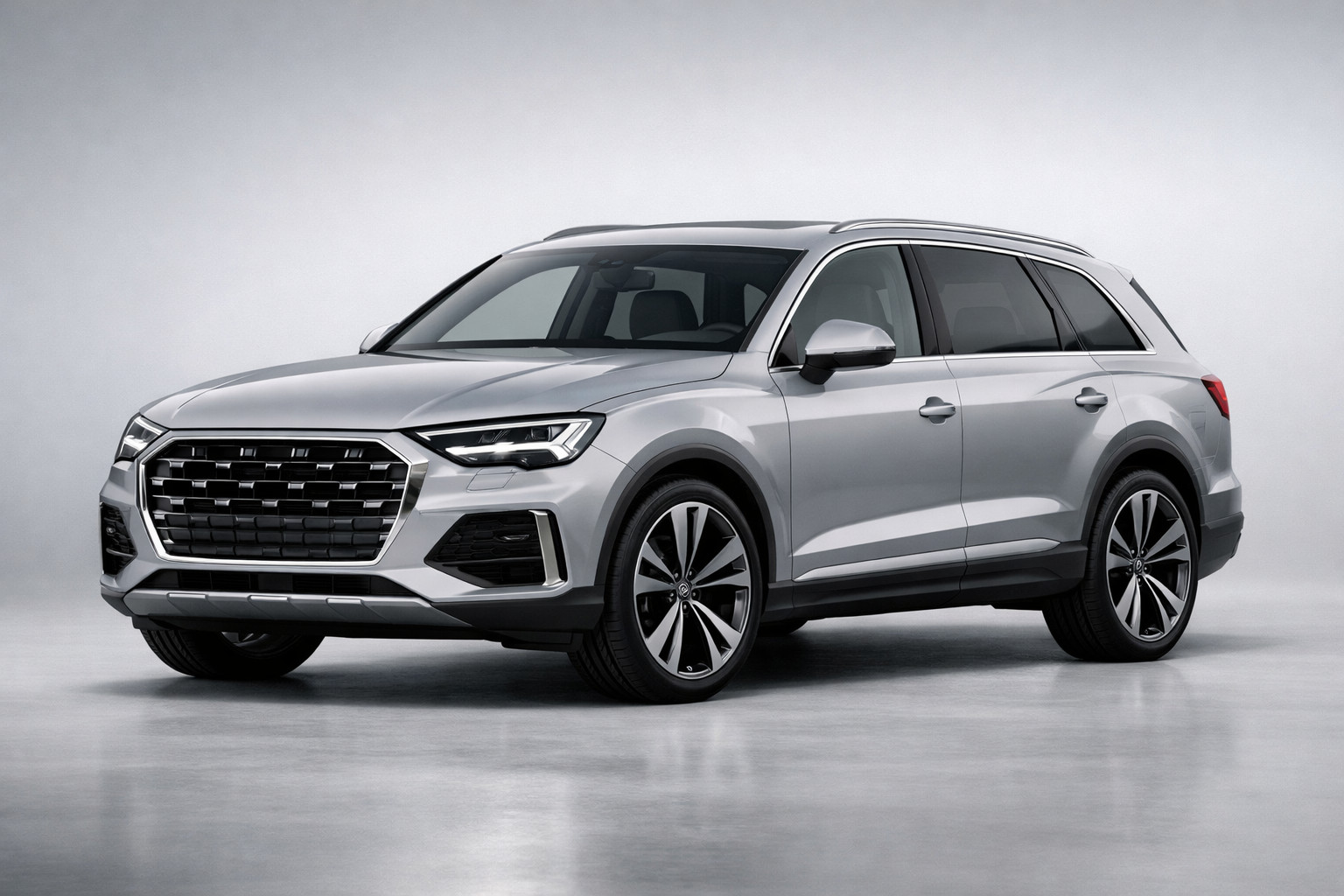
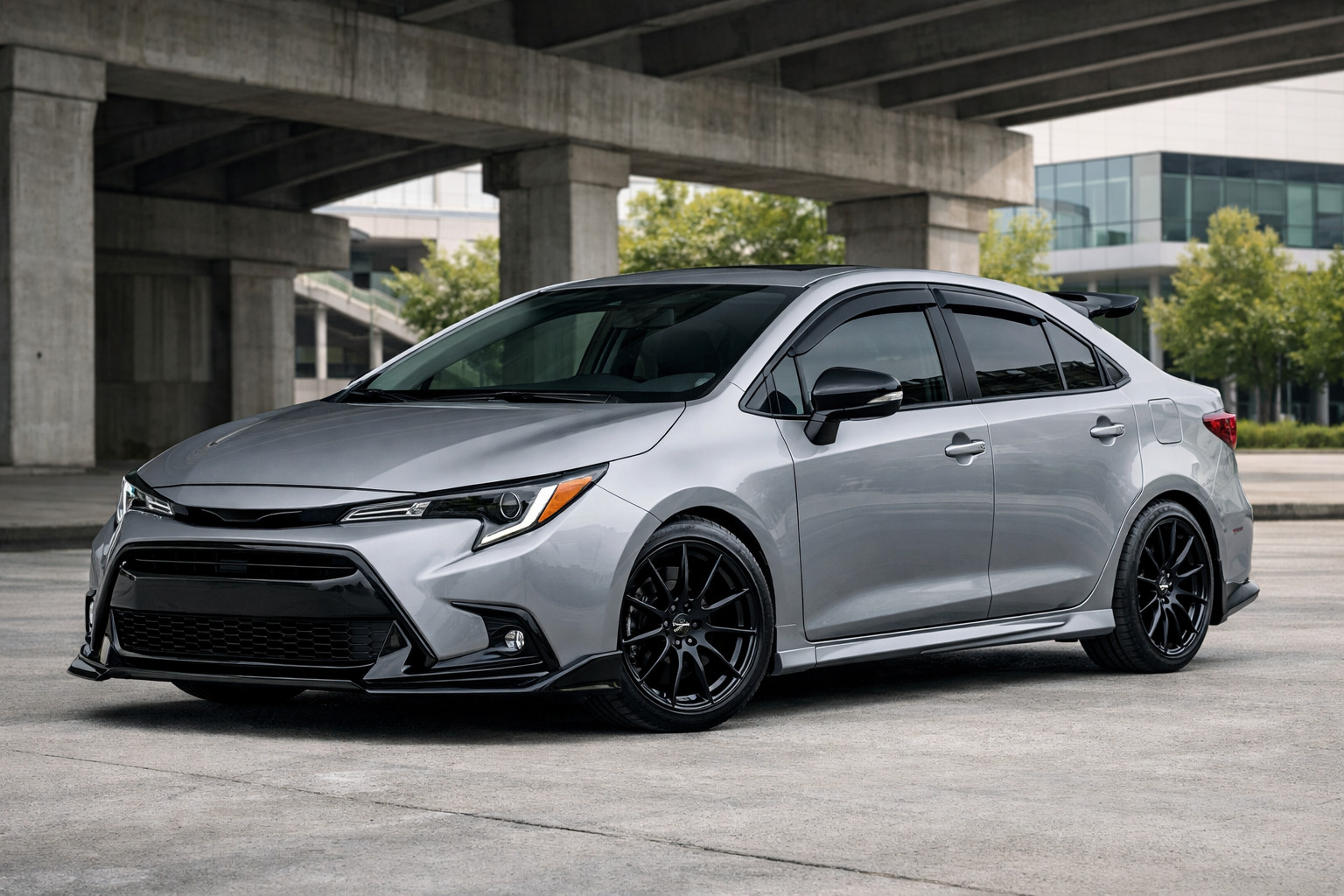
For Vivaro, tuning makes sense not as decoration, but as upgrading for daily operation. First and foremost, it’s protection for areas that wear quickly and accessories that save time at work. If you’re selecting equipment for a specific body length, it’s handy to keep this Opel Vivaro review at hand so you don’t mix up the generation and configuration.
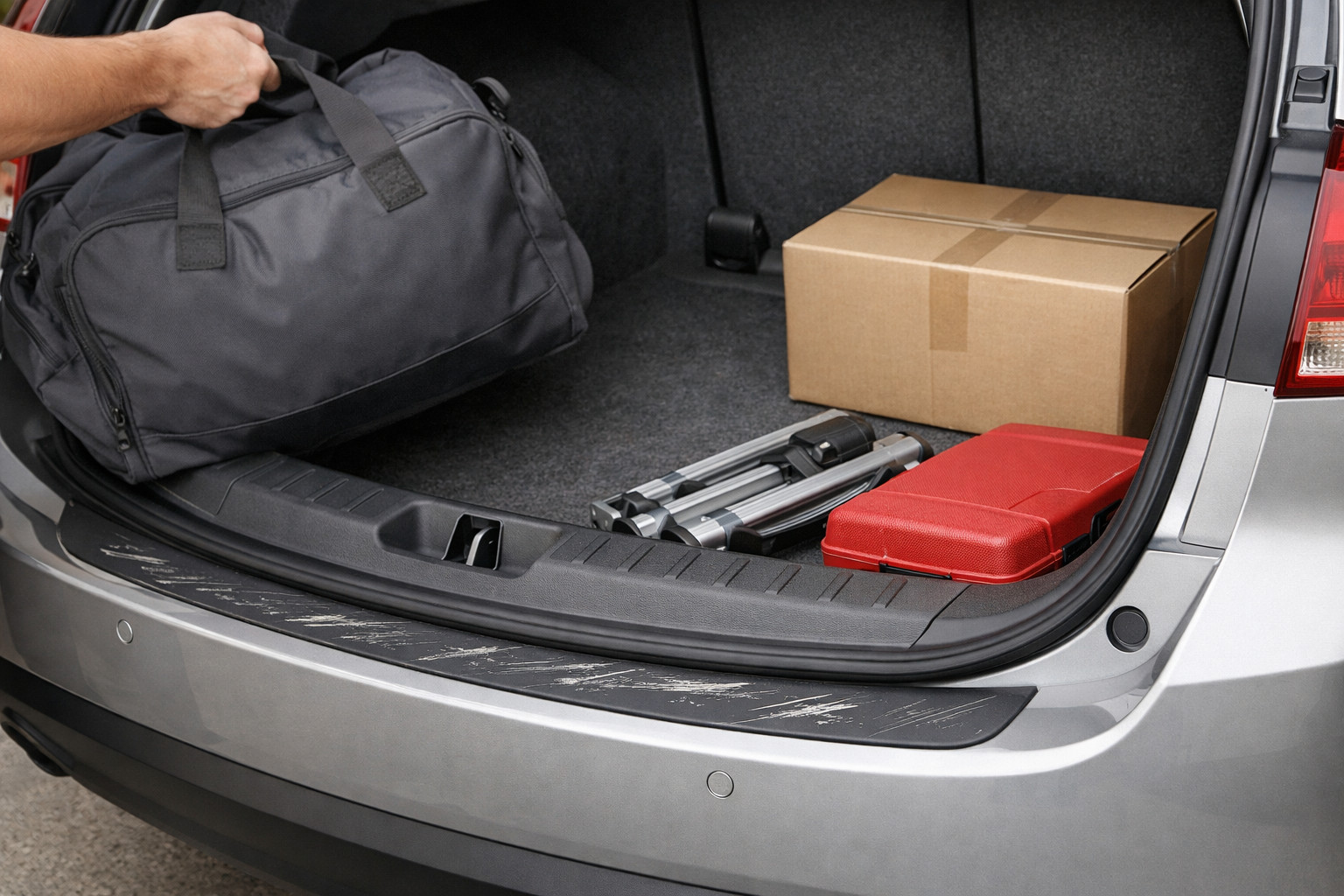
Separately, for a commercial vehicle, rear bumper protectors often make sense, because this area quickly collects scratches during daily loading. In other words, the right accessories here don’t “decorate” the vehicle—they genuinely reduce wear and time losses.
Opel Vivaro in its current diesel form is a successful compromise between city convenience and working capacity. The most versatile options appear to be third-generation versions with the 2.0-liter diesel if the vehicle often runs on highways or works under load; the 1.5 is worth choosing when the priority is lighter city work. This material is based on real selection experience, practical know-how, and real-world use cases, so the main advice is simple: first define the route, cargo weight, and required body length, and only then look at trim level and accessories.
| ✔ | A handy format for both city and intercity use: the Vivaro doesn’t feel like a large bus, so it’s easier to maneuver in a yard, on a ramp, or in an underground parking garage. |
| ✔ | There are several body lengths, two wheelbases, and a useful volume from 4.6 to 6.1 m³, so the vehicle can be matched to different work tasks. |
| ✔ | The driving position is set up practically: the high seating position, good visibility, and easy entry and exit matter for daily getting in and out. |
| ✔ | The current generation offers modern diesel engines, and some of the more powerful versions have an available 8-speed automatic, which is convenient for highway driving and loads. |
| ✔ | Under load, the suspension becomes calmer, and the van itself is better suited to asphalt routes than tall commercial buses. |
| ✘ | Front-wheel drive and modest ground clearance make the Vivaro weaker on slippery ramps, muddy driveways, and broken dirt roads. |
| ✘ | The 1.5-liter diesels are enough for light deliveries, but under load they quickly show their limits. |
| ✘ | Empty, the van can feel stiff and noisy, especially on rough roads. |
| ✘ | A modern diesel doesn’t like constant short trips without warm-up: in this mode, exhaust aftertreatment systems wear out faster. |
Shipping to EU
Wholesale and retail
Own warehouse
Опис продукту
Подарунки не надаються при оформленні покупки у кредит під 0,01% або при покупці частинами.