12.08.2026
118
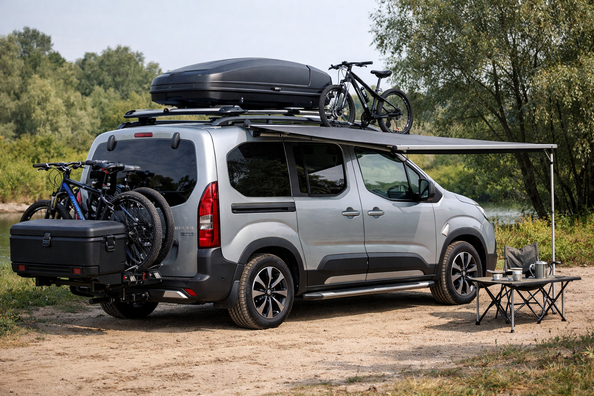
This upgrade plan is for a Citroen Berlingo owner who drives around the city every day, hauls tools, bags, seedlings, or dirty items to the cottage on weekends, and wants the interior to stay out of “warehouse mode.” The logic is simple: first protect the cabin and cargo area, then bring order to the load, and only after that expand the car’s capabilities for a trailer or the roof.
Berlingo already has a large usable volume, but needs vary a lot depending on the generation, body style, M or XL version, number of seats, and roof type. That’s why the right set of upgrades for this scenario doesn’t start with decoration: first you need to solve dirt, load securing, and compatibility for your exact version.
For the “cottage + cargo + daily driving” scenario, the upgrade should do three things: keep dirt and water from ruining the interior, stop cargo from sliding around the trunk, and, when needed, add a way to carry what doesn’t fit in the main volume. In passenger M and XL versions, space is already generous, so the first issue is usually not a lack of liters, but mess and fast soiling.
The second task is not to buy unnecessary things. If you have a 7-seat version, there’s less free space, and roof limits are often lower. If the car is used as both a family and work vehicle, mats, a trunk liner, and cargo securing are far more valuable than decorative trim pieces or a permanently installed roof rack.
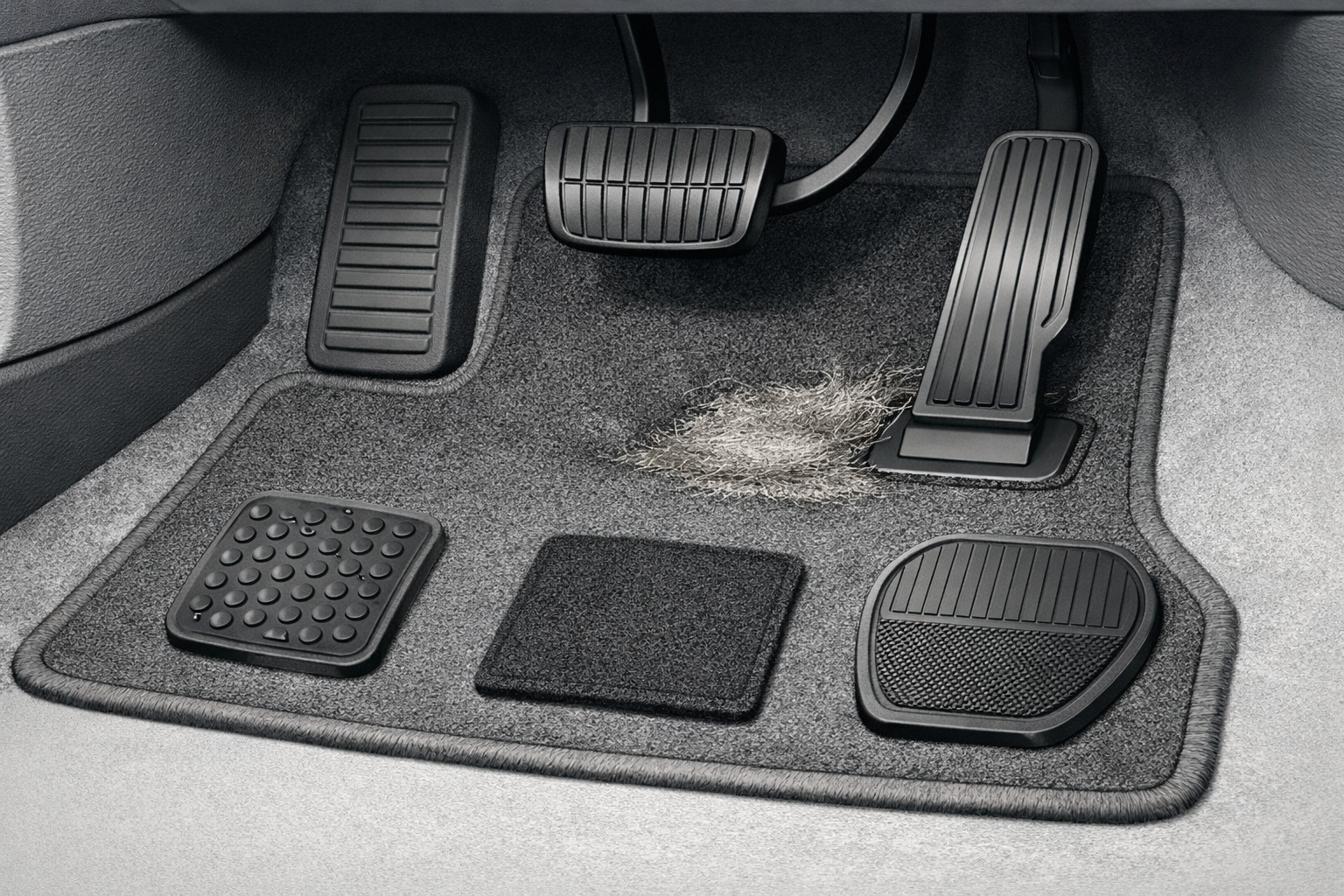
Start with rubber floor mats for the cabin, a molded or flexible trunk mat, and a trunk net. This is the basic set that handles dirt from shoes, wet gloves, fuel cans, tools, shopping bags, and small items that usually roll across the floor at every turn.
If you often have sacks, shoes after gardening, garden tools, or wet containers in the trunk, it’s more logical to choose a molded liner. If your main mode is daily shopping, boxes, and kids’ items, a flexible mat also makes sense. In parallel, add a basic emergency kit so the car already has a first-aid kit, warning triangle, fire extinguisher, tow rope, safety vest, and gloves.
This first stage delivers the most value for the money. It works every day, washes easily, and doesn’t require a separate use case like a tow bar or a roof setup.
| Upgrade | Why it’s needed | Who really benefits |
|---|---|---|
| Rubber cabin floor mats | Hold sand, water, dirt, and debris; the interior is easier to clean after the cottage, rain, and winter | Almost everyone, especially those who often drive in work shoes or carry kids and pets |
| Molded or flexible trunk mat | Protects the trunk floor from moisture, dirt, and abrasion from boxes and tools | Those who carry garden tools, household items, groceries, small batches of building materials |
| Trunk net or other cargo restraint | Keeps small items from flying around the trunk, reduces noise and the risk of damage | Those who always have bags, car chemicals, tools, a pump, cables in the trunk |
| Basic emergency kit | Covers the everyday safety minimum and doesn’t take much space | Everyone without exception, because it’s a constant need, not seasonal |
| Tow bar | Makes it possible to tow a trailer or mount a rear bike carrier | Those who actually use a trailer, transport equipment, or don’t want to lift cargo high onto the roof |
| Crossbars and a roof box | Add space for light but bulky cargo | Those who regularly carry long or bulky items and are ready to watch load limits and noise |
DD Tuning expert comment: The most common Berlingo mistake is ordering roof rails, trim pieces, or other visible tuning first, and only then remembering about wet tools and a slippery trunk. In practice, the most complaints come from universal mats and cheap crossbars: the former fit poorly and shift around; the latter are noisy and don’t always mount correctly to the factory points. Before choosing, always verify the generation, roof type, and number of seats.
The second stage starts where there’s a specific recurring task. If you have a trailer, a walk-behind tractor, garden equipment, a bike carrier, or periodic trips with heavier loads, a tow bar often brings more benefit than any roof solution. For different Berlingo versions, allowable towing mass and nose weight differ, so it’s important to choose everything for your specific vehicle—not just the model name.
If the main problem isn’t weight but small clutter, a better second step is improving trunk organization: anti-slip mats in compartments, a permanent place for the tow rope, gloves, bulbs, first-aid kit, and other small items. It’s not the flashiest upgrade, but it noticeably simplifies everyday use.
For those who carry animals or mixed cargo, the second stage can also include solutions for safely separating the cargo area. Not everyone needs them, but in the right scenario they deliver more benefit than another decorative interior detail.
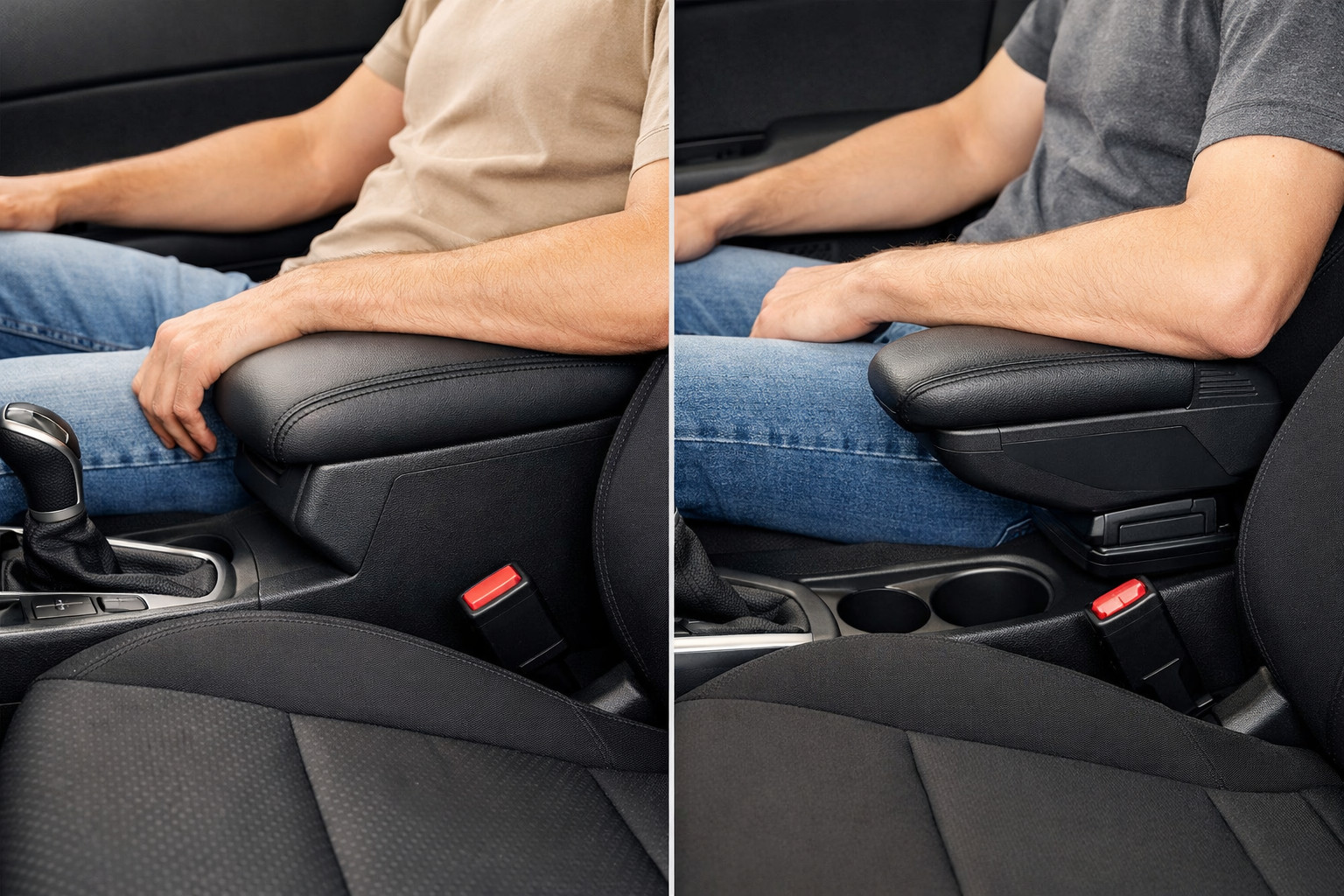
In this group I’d put an armrest, wind deflectors, seat covers, door-sill protectors, chrome elements, some decorative trim pieces, and even roof rails if they’re installed only for the silhouette. These aren’t pointless things in themselves, but they don’t solve the main pain points of the “cottage and daily life” scenario.
These upgrades make sense only after the cabin floor is protected, the trunk is something you don’t mind loading, and small items aren’t rolling around the whole compartment. Otherwise you get an imbalance: the car looks more cared for, but using it in a dirty, everyday work mode hasn’t become easier.
| Scenario | What to install first | What you can postpone | What isn’t required |
|---|---|---|---|
| Dirt, water, work shoes | Rubber cabin mats and a trunk mat | Seat covers or deflectors | Chrome and decorative trim |
| Bags, tools, car chemicals, small cargo | Trunk net, anti-slip solutions, organizing compartments | Separate organizers for narrow tasks | A permanently installed roof rack |
| Trailer or bike carrier | Choose a tow bar for your car version and check the electrical prep | Roof rails and roof accessories | A roof box if rear carrying is what matters |
| Light but bulky cargo a few times a year | First assess the real frequency of such trips | Crossbars and a roof box until the need becomes regular | Permanently installed bars if they don’t work most of the time |
| A tidier cabin and a bit more convenience | Armrest or seat covers only after basic floor protection | Deflectors and small decor | Roof rails only for looks |
More expensive solutions are justified when they’re used regularly, not for one trip per season. If the roof is used monthly and you need a solid base for further equipment, it makes sense to look at black roof rails and separately check roof racks and crossbars for your generation, mounting type, and load limits.
If your scenario revolves around a trailer, bikes, or garden machinery, a more expensive tow bar for Berlingo is usually smarter than a roof box. It doesn’t add vehicle height, doesn’t force you to lift heavy things above your head every time, and in real everyday use is often more versatile.
The math matters here: crossbars already cost noticeable money, a tow bar costs even more, and a separate roof rack or roof box can easily push the budget further. So paying extra makes sense only for a precise fit, less noise, clear mounting, and truly frequent use.
From a customer’s experience: for a Berlingo that carries groceries and compact tools daily and goes to the cottage once a week, the best result wasn’t roof tuning but a simple set of rubber mats, a molded trunk liner, and a net. After that, the owner added a tow bar for a small trailer for seasonal trips, and skipped the roof box because it’s really needed only a few times a year. In the end, the interior is easier to wash, small items don’t fly around the trunk, and expensive upgrades appeared only where they truly work.
For the “cottage, cargo, and daily use” scenario, Citroen Berlingo doesn’t need complex tuning. The right order is simple: first protect the cabin and trunk, then secure the load and cover the emergency minimum, then add a tow bar or roof solutions only for a real, regular task.
This approach saves money and nerves, because it filters out clutter bought without a scenario in mind and leaves only practical upgrades. The material is based on real selection experience, practice, and real usage scenarios, so the main advice is one: don’t start with looks until you’ve covered dirt, cargo organization, and compatibility for your exact Berlingo.
| ✔ | Starting with rubber floor mats for the cabin and a trunk mat is practical: they immediately protect against dirt, water, and abrasion from tools or boxes. For trips to the country, this noticeably makes cleanup easier after rain, winter, or work shoes. |
| ✔ | A cargo net or other load restraint really solves the problem of small items rolling around in the cargo area. It reduces noise and the risk of bags, car chemicals, or cables getting damaged on the road. |
| ✔ | A molded trunk mat is a good fit for those who carry wet or dirty items, garden tools, and containers. It protects the floor from moisture and dirt better than plain plastic or fabric. |
| ✔ | A basic emergency kit has practical value in everyday trips and does not take up much space. The author directly includes it among the things that should be in the car regardless of the season. |
| ✔ | A tow hitch makes sense if you have a trailer, a bike carrier, or regularly carry heavy loads. In such a scenario, it is often more useful than a roof box because it does not add height and does not require lifting items overhead. |
| ✘ | Universal mats often fail to match the floor shape well, leave unprotected areas, and can shift around. For Berlingo, this is especially unfortunate if the car really carries dirt and water. |
| ✘ | Roof crossbars and a roof box may turn out to be unnecessary if you only need to carry a large load a few times a year. In that case, most of the time you are hauling only noise and extra aerodynamic drag. |
| ✘ | Cheap no-name roof mounts are a risky way to save money, because they more often have issues with fit and whistling at speed. The article directly advises carefully checking compatibility by generation, roof type, and mounting points. |
| ✘ | A tow hitch is an expensive upgrade that does not pay off without a clear task. If there is no trailer, bike carrier, or regular towing, it will be an unnecessary expense without practical benefit. |
Shipping to EU
Wholesale and retail
Own warehouse
Опис продукту
Подарунки не надаються при оформленні покупки у кредит під 0,01% або при покупці частинами.