01.09.2026
38
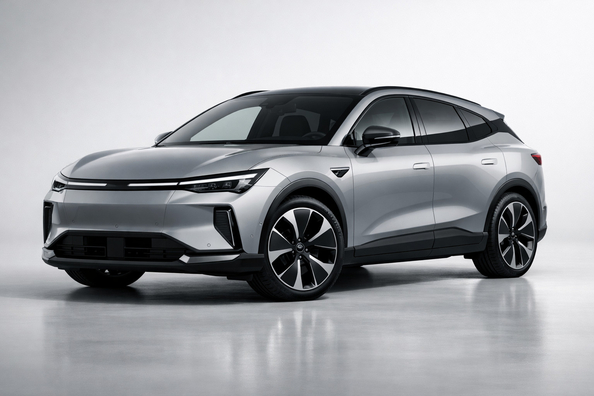
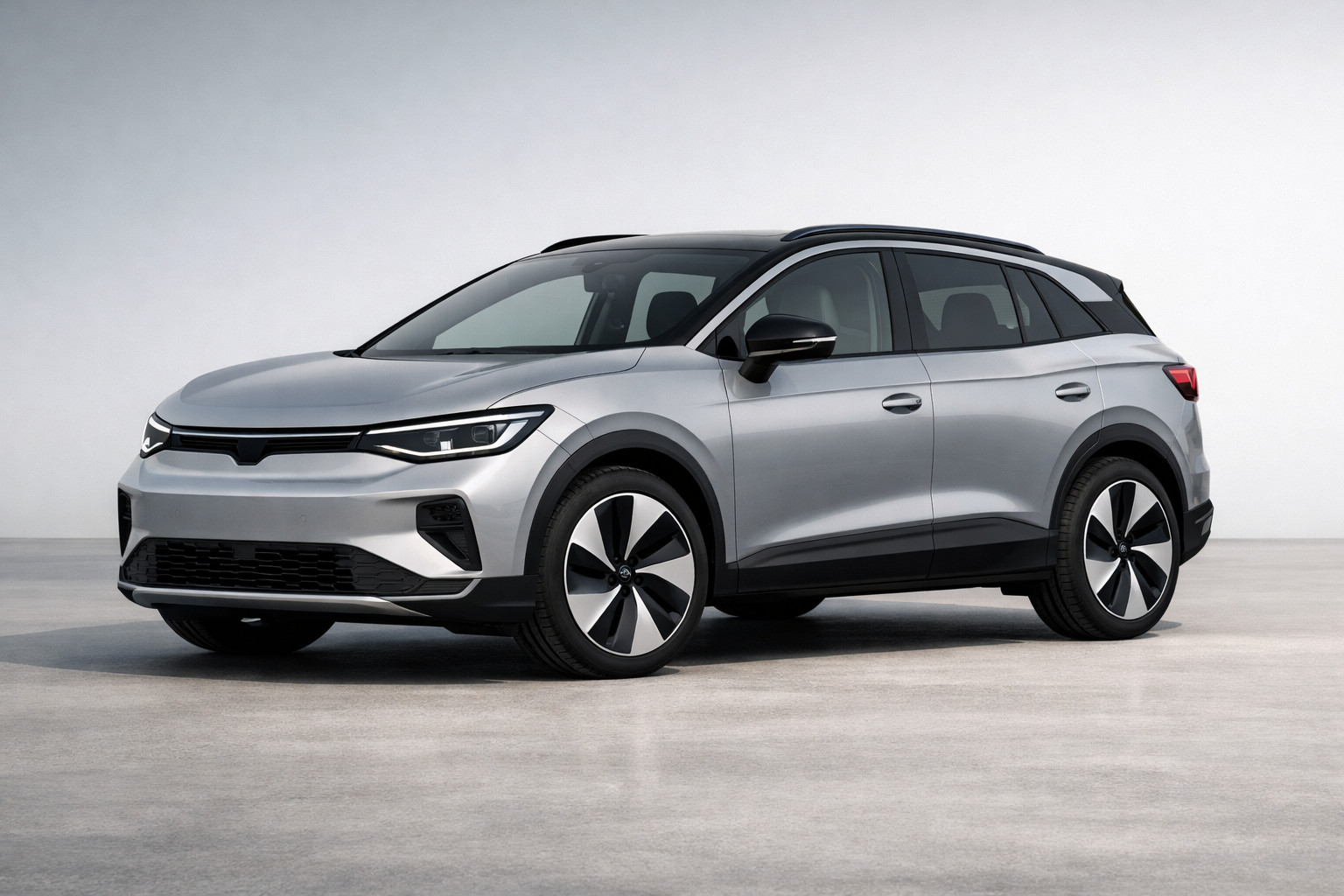
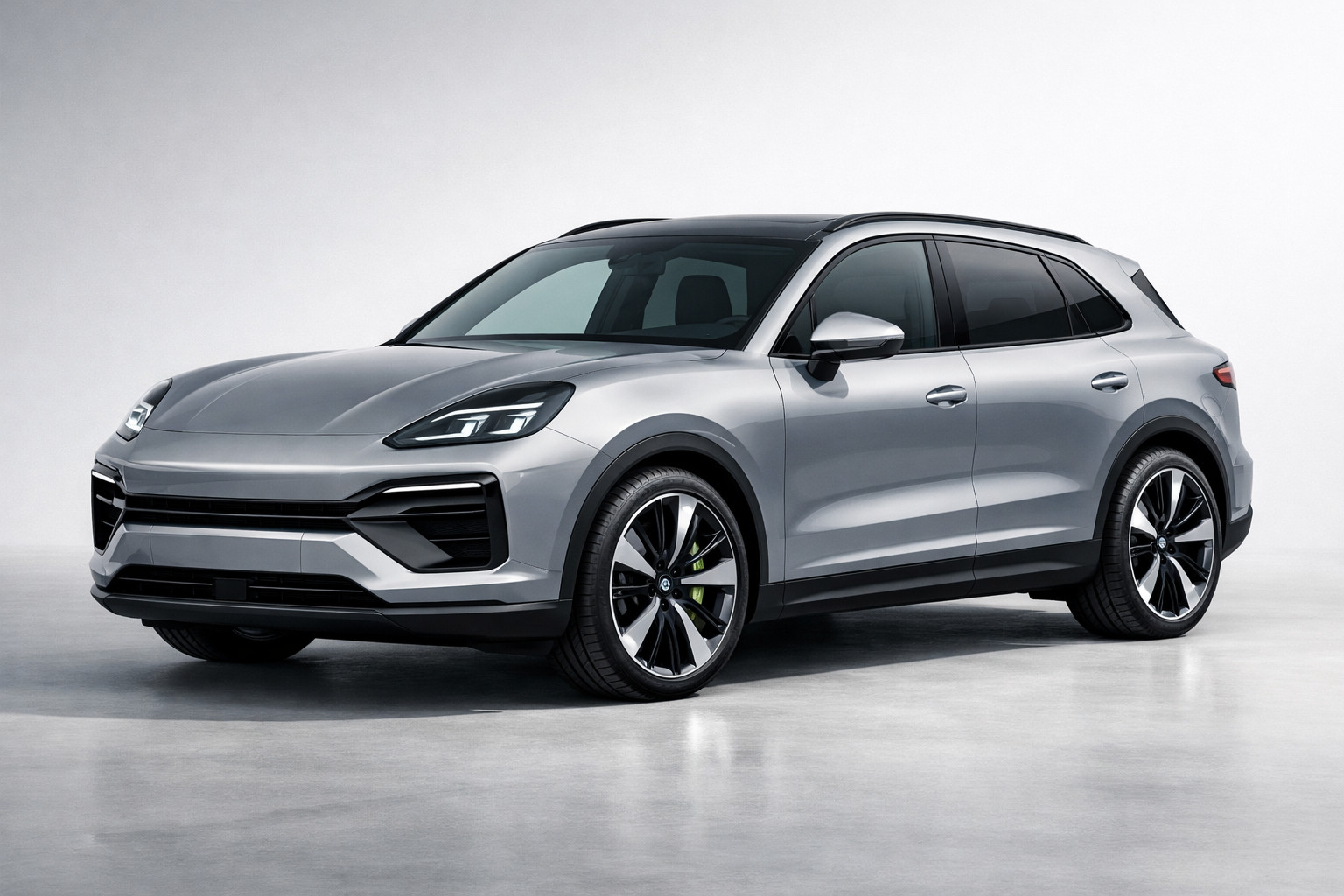
Zeekr 7X is a premium five-seat electric crossover that sits between mainstream long-range models and more expensive upper-class SUVs. Its main arguments aren’t the badge but the hardware: an 800-volt architecture for the European version, very fast charging, a roomy second row, and rich equipment already in the base trims.
At the same time, it’s not a universal answer for everyone. If physical buttons, predictable service in any market, and real-world consumption without big corrections for temperature and speed matter to you, the 7X should be judged soberly: specs depend on the country of sale, and part of the ownership experience depends not only on the car itself but also on local brand support.
In the market, the Zeekr 7X sits alongside the Tesla Model Y, Hyundai Ioniq 5, Kia EV6, BYD Sealion 7, XPeng G6 and other midsize electric crossovers. The focus is on charging speed, a more upscale cabin feel, lots of family space, and strong towing capability.
This model suits those who often drive on highways, carry kids, luggage and charging cables, and want not only range but also fast battery top-ups on the road. If your priority is sharp handling and the simplest possible control of functions without diving into the screen, there are alternatives with fewer compromises.
The Zeekr 7X debuted in 2024, and for now we’re talking about the first generation. For the 2026 model year, it’s important not to confuse updated market specs with a generation change: the model and its architecture remain the same, but batteries, some figures, and equipment may differ.
European materials mention an 800-volt system with 75 and 100 kWh batteries, while some Chinese and localized materials already cite 900 volts and 103 kWh. The takeaway for the buyer is simple: look not at a general 7X overview, but at the specific market, trim, and the car’s build date.
The Zeekr 7X has no gasoline or diesel engines, so engine displacement doesn’t apply here. There are two powertrains: a rear-wheel-drive setup with a single electric motor rated at 310 kW and 440 N·m, and an all-wheel-drive setup with two electric motors totaling 470 kW and 710 N·m. All versions use a single-speed reduction gear, so acceleration is smooth and without shifts.
| Version | Drive | Battery | Power and torque | 0–100 km/h | Range | Charging |
|---|---|---|---|---|---|---|
| Base | Rear | 75 kWh | 310 kW, 440 N·m | 6.0 s | 480 km | up to 22 kW AC, up to 480 kW DC; 10–80% in 13 min |
| Long-range | Rear | 100 kWh | 310 kW, 440 N·m | 6.0 s | 615 km | up to 22 kW AC, up to 480 kW DC; 10–80% in 16 min |
| Top | All | 100 kWh | 470 kW, 710 N·m | 3.8–3.9 s | 543 km | up to 22 kW AC, up to 480 kW DC; 10–80% in 16 min |
The most logical choice for long trips is the rear-wheel-drive version with the 100 kWh battery: it combines the best stated range and doesn’t make you pay for excess performance. All-wheel drive delivers a very quick launch, but in real life it more often translates into higher consumption and a firmer feel on large wheels.
Under the European specification, the 7X measures 4787 mm in length, 1930 mm in width, 1650 mm in height, with a 2900 mm wheelbase. Early Chinese materials list 4825 mm in length, 1656 mm in height and a 2925 mm wheelbase, so comparing cars from different markets without clarifying the version can be misleading.
Standard ground clearance is stated at 172 mm, and the air suspension can change ride height from -25 to +45 mm. That’s enough for city use, curbside parking and winter courtyards, but the large wheel diameter and vehicle mass suggest it’s primarily an asphalt crossover rather than a machine for serious off-road work.
| Parameter | European specification | Other markets |
|---|---|---|
| Dimensions | 4787×1930×1650 mm | up to 4825×1930×1656 mm |
| Wheelbase | 2900 mm | up to 2925 mm |
| Ground clearance | 172 mm standard, height adjustment | some materials mention up to 230 mm |
| Trunk | 539 l by VDA standard | 616 l appears in early materials |
| Front compartment | 66 l in rear-wheel-drive versions | 42 l in the all-wheel-drive version |
| Towing | 2000 kg | depends on the market, but the benchmark is the same |
In practical terms, the 7X works best as a family electric crossover: the trunk is sufficient for daily use and trips, the rear doors open almost 90 degrees, and the 11.6 m turning circle helps in the city. A width with mirrors of about 2100 mm is a reminder that there won’t be much margin in tight parking garages.
The cabin is built around a large 16-inch central screen, a 13-inch instrument display, and fast electronics based on the Snapdragon 8295. There are over-the-air updates, a digital key, 5G connectivity, and on higher trims a powerful audio system, seat ventilation and massage. In terms of perceived equipment, this is genuinely one of the model’s strongest arguments.
On safety, the 7X looks convincing: five stars in Euro NCAP and high scores for adult and child protection and the performance of electronic assistants. The weak point is typical for new EVs: many daily functions are tied to the central screen, and that’s not convenient in every scenario, especially when you need quick action without extra taps.
In daily driving, the 7X appeals not only with range but also with its charging pace. Three-phase 22 kW AC is useful where appropriate home or workplace infrastructure exists, while fast DC charging up to 480 kW is especially valuable on long trips, when it’s not just the number on the display that matters, but the stop time.
At the same time, real-world consumption will almost certainly be higher than the stated 17.7–19.9 kWh per 100 km, especially in winter, on highways, and on 21-inch wheels. Add the typical new-brand nuances: the quality of the app, digital key, surround-view cameras, and overall aftersales maturity can differ noticeably from market to market.
| What the owner gets | Strength | Weakness |
|---|---|---|
| Long trips | Fast charging and strong range in the long-range version | The advantage shows only on high-power charging stations |
| Family use | Roomy second row, wide access, large trunk, towing up to 2000 kg | The wide body makes life harder in tight yards and parking garages |
| Comfort | Rich equipment, quiet powertrain, a strong sense of an upscale interior | On 21-inch wheels the suspension can feel a bit sharp, and road noise can be noticeable |
| Performance | The all-wheel-drive version is very quick even by premium EV standards | The steering is tuned more for lightness than for expressive feedback |
| Interface | Modern electronics, fast infotainment, remote functions | Too many daily actions go through the screen rather than separate buttons |
From an owner’s perspective, the 7X’s main strength is the combination of space, charging tech, and equipment. The main risk is buying the car on general promises without verifying the exact market specification and the local level of service support.
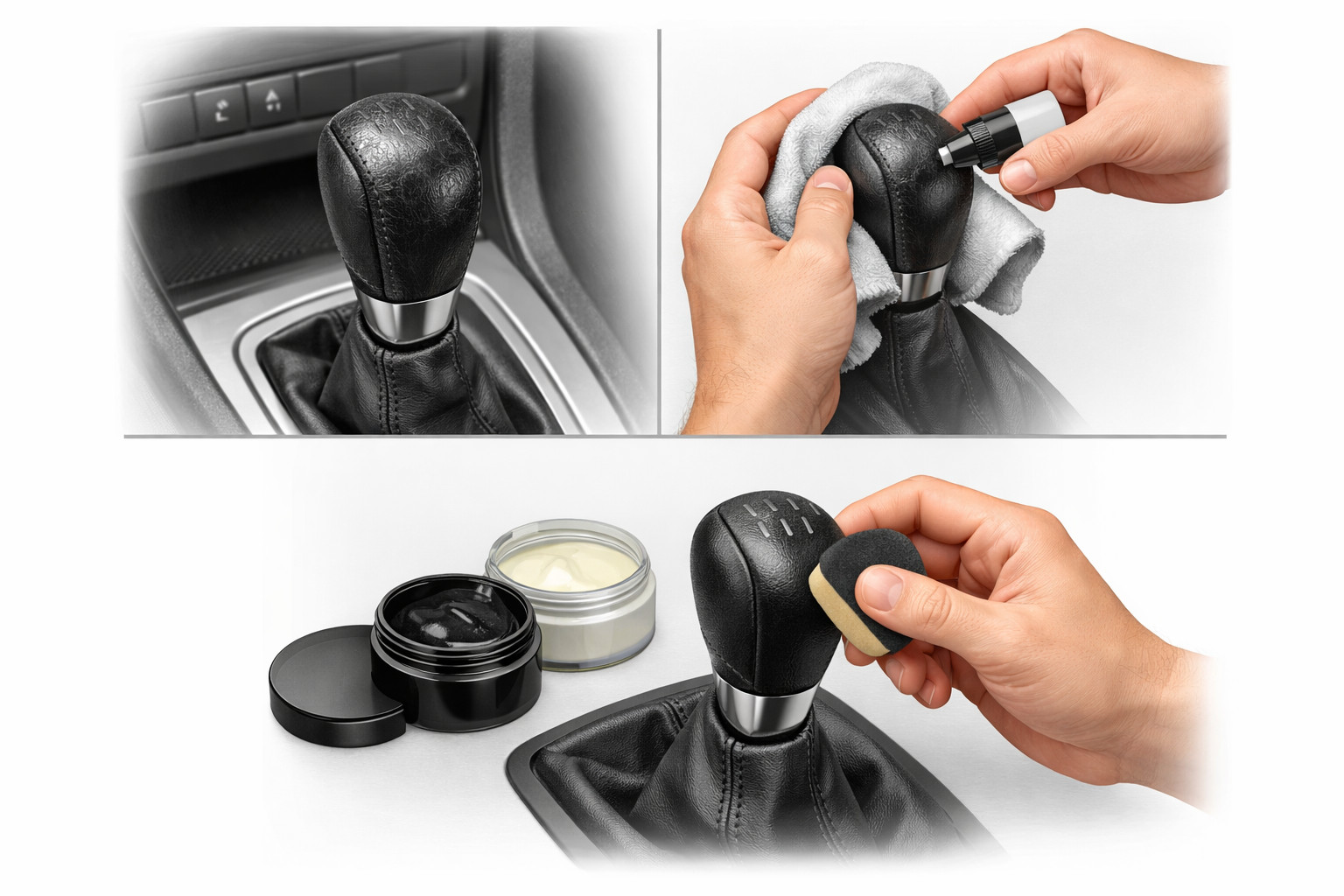
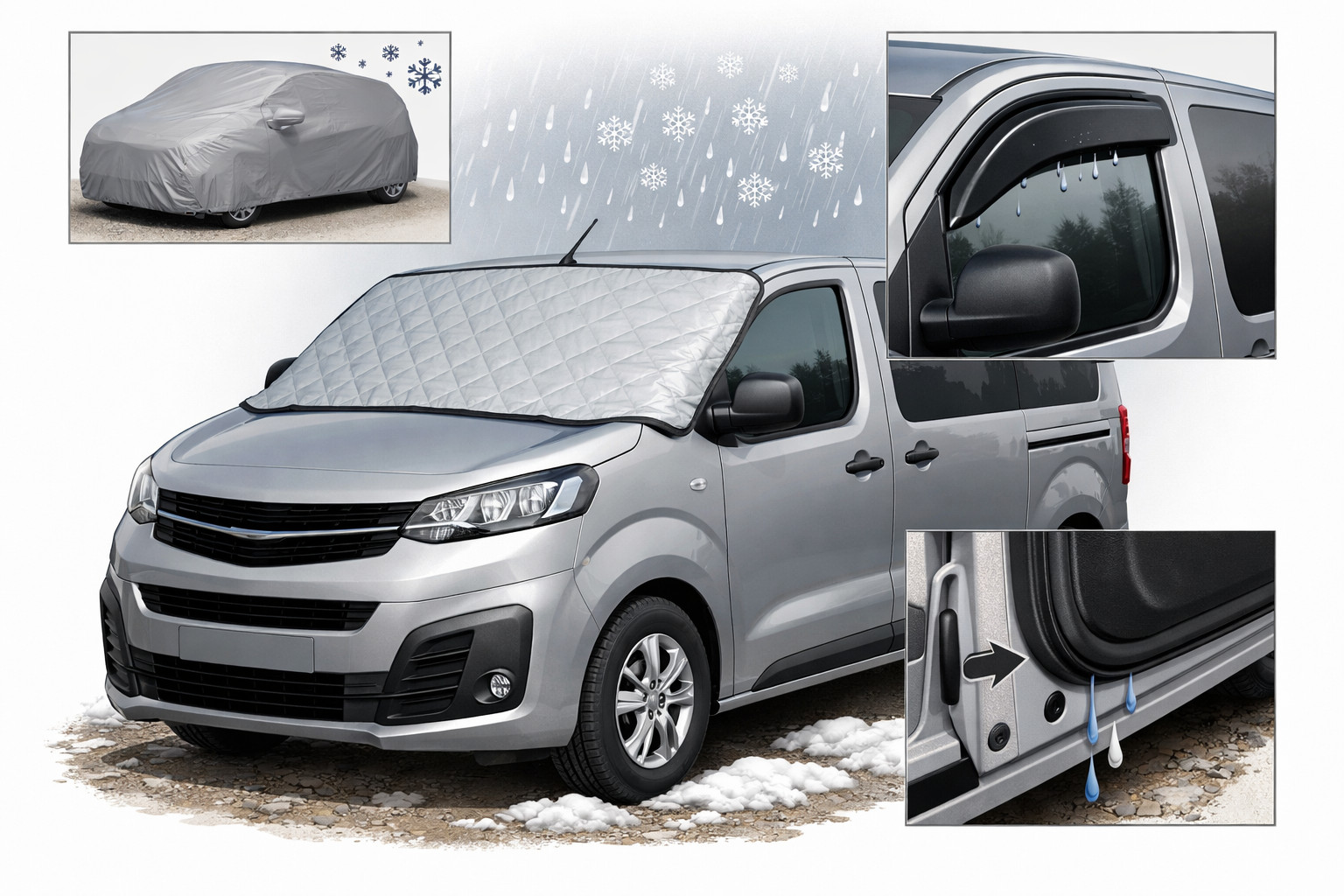
For the Zeekr 7X, the smartest starter set of accessories isn’t decorative parts but protection for the cabin and trunk. It’s a family car, heavy, with large door openings, and the trunk often carries charging cables, a stroller, sports bags, or dirty shoes after trips.
Another useful direction for owners is selecting accessories for Zeekr 7X with an emphasis on protection rather than visual tuning. For everyday use, that’s what delivers the biggest effect.
| Parameter | Data |
|---|---|
| Body type | Five-seat electric crossover |
| Generation | First |
| Production years | since 2024; in this article — 2026 model year specification |
| Platform | SEA |
| Architecture | 800V in the European specification; some 2026 materials cite 900V |
| Battery | 75 or 100 kWh; 103 kWh is mentioned in some markets |
| Power | 310 kW or 470 kW |
| Torque | 440 or 710 N·m |
| Top speed | 210 km/h |
| AC charging | up to 22 kW |
| DC charging | up to 480 kW |
| Trunk | 539 l VDA |
| Frunk | 66 l or 42 l depending on version |
| Ground clearance | 172 mm, height adjustment |
| Towing | 2000 kg |
| Turning circle | 11.6 m |
| Pros | Cons |
|---|---|
| Very fast charging and strong long-distance ability in the right version | Real-world consumption depends on conditions more than you’d like |
| Spacious cabin and a comfortable second row | The wide body is inconvenient in tight parking garages |
| Rich equipment and a premium interior feel | Many functions are buried in the screen menus |
| High level of safety | Ride over small bumps can feel a bit harsh on large wheels |
| Strong pull and a very quick top version | Steering is tuned without strong sporty feedback |
For the owner, the practical advantages are clear: family-friendly format, ample space, fast charging, easy entry, and a large trunk. The practical drawbacks are real too: body width, dependence on charging infrastructure, sensitivity to road surface on large wheels, and the risk of running into market differences in equipment or service.
The Zeekr 7X 2026 is worth considering as a technologically strong electric crossover for families and long trips: it wins with space, charging pace, equipment, and safety. But it’s worth buying only after checking the exact market version, battery size, wheels, and service availability in your country. If you need a family electric crossover that charges quickly, not just a loud new arrival from China, the 7X has quite convincing arguments.
| ✔ | Very fast DC charging and a strong range in the 100 kWh version. This is especially useful on long trips, where not only range matters, but also short stops. |
| ✔ | A spacious cabin and a comfortable second row. The car is well suited for family trips, as it offers wide access to the cabin and a large trunk. |
| ✔ | Rich equipment already from the base versions. The article mentions a large screen, a digital key, 5G, OTA updates, and in higher trims — seat ventilation and massage. |
| ✔ | A high level of safety. The model received five stars from Euro NCAP and good scores for adult occupant protection, child protection, and electronic assistants. |
| ✔ | Strong pull and a very quick top version. The all-wheel-drive variant accelerates to 100 km/h in 3.8–3.9 seconds. |
| ✘ | Real fuel consumption can increase noticeably compared with the official figures. The author separately warns about the impact of winter, highways, and 21-inch wheels. |
| ✘ | The wide body makes it harder to use in tight courtyards and parking lots. This is directly noted as a practical drawback for the city. |
| ✘ | Many daily functions are tied to the central screen. Because of this, basic controls are not as convenient when quick actions are needed without menus. |
| ✘ | On large wheels, the suspension can feel a bit stiff, and road noise can be noticeable. So comfort depends on the specific trim. |
Shipping to EU
Wholesale and retail
Own warehouse
Опис продукту
Подарунки не надаються при оформленні покупки у кредит під 0,01% або при покупці частинами.