30.06.2026
250
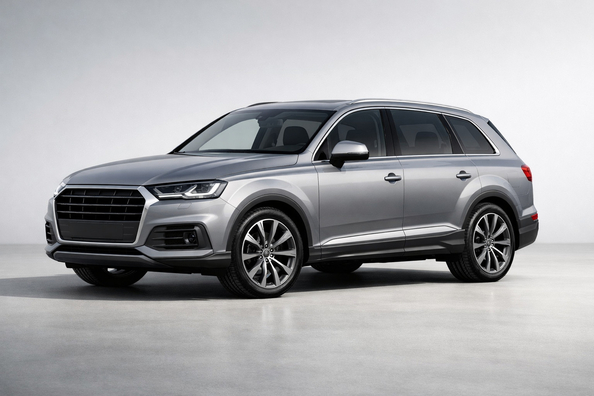
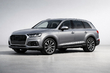
Audi Q7 is a large premium crossover for those who want quiet cruising on the highway, a solid reserve of pulling power, all-wheel drive, and family practicality without moving into minivan territory. Its strength isn’t showy sportiness, but how effortlessly it holds a long-distance pace: permanent quattro all-wheel drive, an 8-speed Tiptronic, and a comfort-tuned suspension work best именно on trips.
At the same time, the Q7 shouldn’t be seen as a universal answer to everything. It’s a big vehicle and not cheap to maintain, with the most common complaints related to electronics and multimedia, and the third row is more of a backup than a truly adult-friendly space. So the key question here isn’t “is the Q7 good in general,” but “does its character match your use case.”
In the class of large premium crossovers, the Audi Q7 sits between more driver-focused and more utilitarian rivals. It isn’t as overtly stiff as some sporty alternatives, and it isn’t as boxy in philosophy as models with a pronounced off-road bias. Its power zone is family travel, highways, fast intercity runs, trailer towing, and everyday use when you want to drive calmly, quietly, and without fatigue.
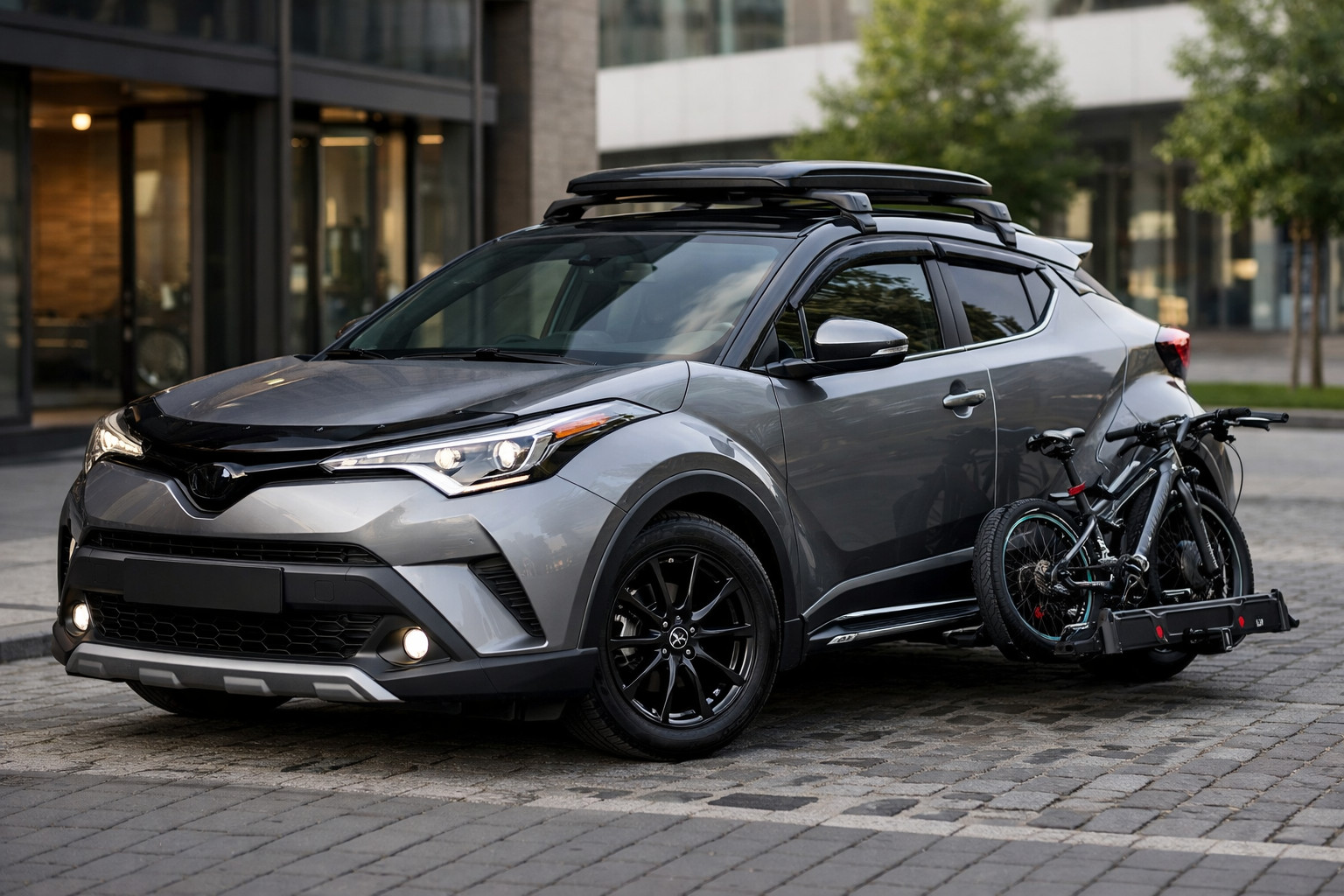
The Q7 suits those who regularly drive long distances, carry kids and luggage, occasionally take bikes or extra cargo on the roof, and value strong pulling power and high-speed stability. It will appeal less to buyers who often need the third row for adults, want the simplest possible interface without touch layers, or are looking for cheaper post-warranty servicing.
The first generation Audi Q7 was produced from 2005 to 2015. It established the model as the brand’s large family crossover: a spacious body, high status in the lineup, and an emphasis on long-distance driving. The second generation arrived in 2015 and became lighter, more technological, and more composed in handling.
The current Q7 is an evolution of the second generation with updates to styling, electronics, and equipment. When choosing a specific car, it’s important not to confuse generations, facelifts, and sales markets: the engine lineup, multimedia, lighting, and even some practical details differ depending on year and country.
For the current Q7 in international specifications, 3.0-liter V6 engines appear in diesel and gasoline versions. In some markets, the current model is sold under different trim names, so before buying it’s important to look not only at the badge but also at the car’s exact specification.
| Version | Engine | Power and torque | Practical point |
|---|---|---|---|
| 45 TDI | 3.0 L V6 diesel | 231 hp, 500 N·m | A calm, torque-focused option for high mileage and highway driving |
| 50 TDI | 3.0 L V6 diesel | 286 hp, 600 N·m | The optimal balance of torque, overtaking, and towing |
| 55 TFSI | 3.0 L V6 gasoline | 340 hp, 500 N·m | A quieter, livelier gasoline version, but with higher consumption |
All of these versions are paired with permanent quattro all-wheel drive and an 8-speed Tiptronic automatic. Some versions use a 48-volt mild hybrid system. The quickest of the options listed, the 55 TFSI, accelerates to 100 km/h in 5.6 s, but consumption here is no longer small: the official benchmark is around 10–11 L per 100 km in the combined cycle.
The Q7 is a truly large vehicle. The long wheelbase brings calm highway manners and plenty of space for the second row, but in the city it’s felt in parking and narrow courtyards. The suspension is tuned so the car doesn’t fall apart over asphalt waves and doesn’t tire you out over long distances, while the available air suspension adds versatility on rough roads.
| Parameter | Value | What matters |
|---|---|---|
| Seats | 7 | The third row is mainly for kids or short trips |
| Length | 5 063 mm | You genuinely need extra room when parking |
| Width | 1 970 mm | A wide body adds comfort but makes tight maneuvers harder |
| Height | 1 741 mm | Easy access without an unnecessary “ladder” |
| Wheelbase | 2 995 mm | Delivers stability and a spacious second row |
| Turning circle | 12.5 m | Normal for this size, but not city-small |
| Ground clearance | 185 mm, up to 245 mm with air suspension | Depends on suspension and mode |
| Trunk | 865–2 050 L in the 5-seat configuration | In the 7-seat version, figures vary depending on which rows are folded |
| Towing | Up to 3 500 kg | One of the model’s strongest points |
The quattro system’s base torque split is rear-biased, but it can actively send drive forward or rearward depending on grip. For the owner, this means less “off-road excitement” and more confident traction on wet asphalt, winter roads, and during overtakes with a full cabin.
Inside, the Q7 is strong where it matters for a family: a comfortable high seating position, good second-row space, quiet cruising at speed, a soft take on bumps, and the feeling of a big reserve of capability under the driver. That’s why the model is often valued not for a “wow effect” in the showroom, but for how it behaves after three to four hours of continuous driving.
The weaker point is touch-control ergonomics and electronics stability. Owners report multimedia freezes, dark screens, and small electronic glitches. This doesn’t ruin the car, but it explains why the Q7 is best bought after carefully checking all electrical functions, not just the engine and body condition.
From a safety standpoint, the model has a strong reputation, including for protecting second-row passengers. For a family car, this matters more than decorative options: if the vehicle regularly carries children or adult passengers in the rear, the Q7 looks convincing here.
In the city, the Audi Q7 requires getting used to its size. A wide body and length of over five meters mean you won’t park “in one move” everywhere. But on the highway, the long wheelbase, mass, and sound insulation work for you: the Q7 holds a straight line calmly, doesn’t nag the driver with unnecessary reactions, and is well suited for long family routes.
For day-to-day life, the practical side matters too. If most trips are city driving and short distances, a large premium crossover can feel excessive. But if your scenario is different—kids, suitcases, highway miles, skis, bikes, a trailer, vacations—the Q7 starts to justify its dimensions. Another plus is towing capability up to 3.5 t, which is not a small detail for many competitors.
You also need to budget for running costs. Gasoline versions aren’t economical, large wheels and complex electronics don’t make ownership cheaper, and on cars with air suspension it’s especially important to inspect the suspension and compressor properly. If you want premium without the risk of expensive surprises, skipping a pre-purchase diagnostic here is definitely not a good idea.
Below is a short summary from an owner’s perspective rather than a marketing brochure.
| Strengths | Weaknesses | What it means in real life |
|---|---|---|
| Quiet and comfortable on the highway | Big body in the city | On long trips the Q7 is very strong, but it doesn’t like tight parking |
| Permanent all-wheel drive and strong torque | Gasoline versions aren’t economical | Drives well with a full cabin and a trailer, but fuel costs matter |
| Large cabin and flexible cargo area | The third row is tight for adults | Great for a family with kids; for seven adults all the time—it’s a compromise |
| Air suspension adds versatility | More complex to maintain | Comfort and adjustable clearance are useful, but suspension condition must be monitored |
| Strong level of passive safety | Complaints about multimedia and electronics | Mechanically you may like the car, but small electronic issues can be annoying |
In short, the Q7 is worth buying if you need a large, quiet crossover for family and road trips. If your priorities are the simplest possible operation, lower cost of ownership, and a truly adult third row, it’s better to look at alternatives without such an emphasis on complex electronics.
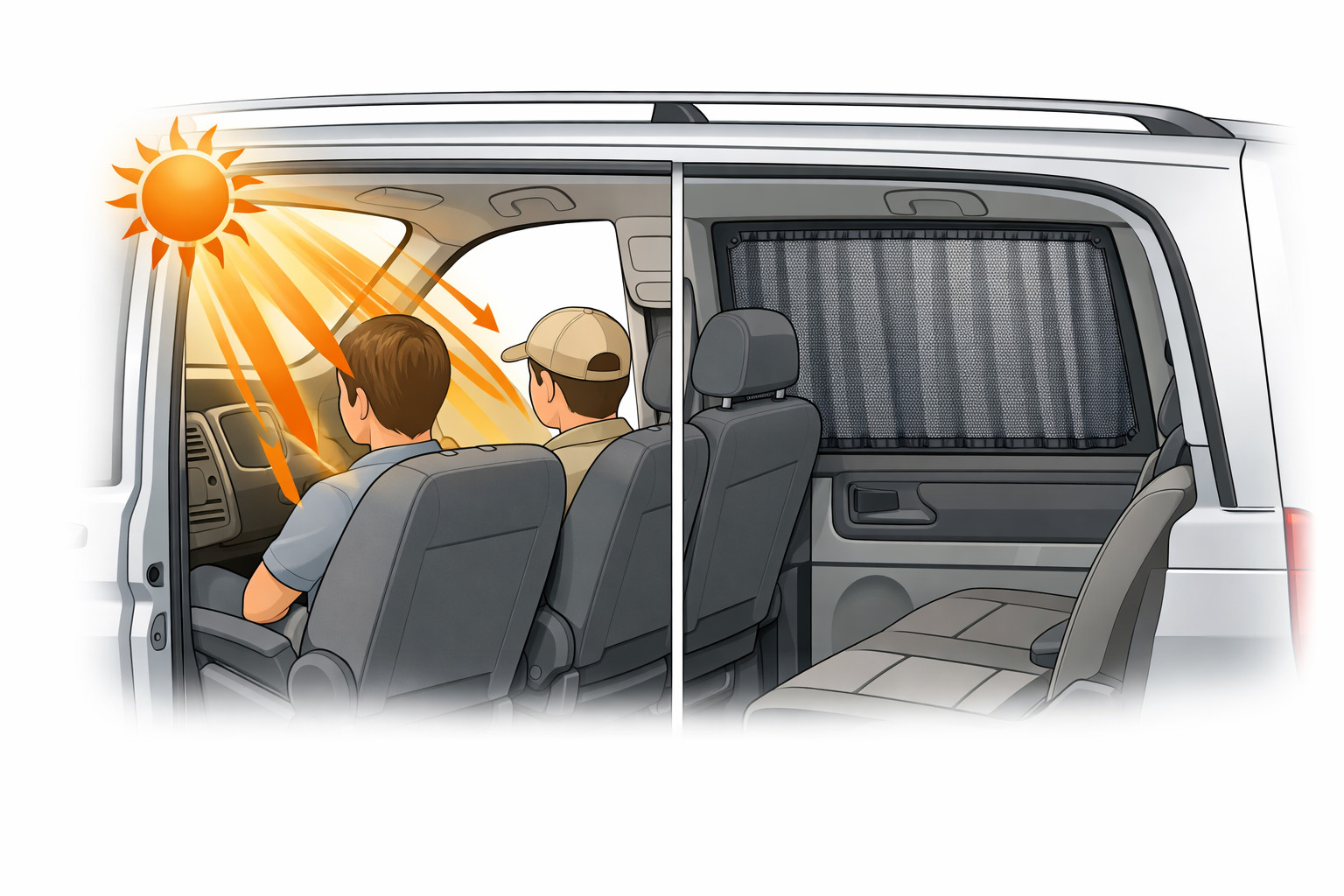
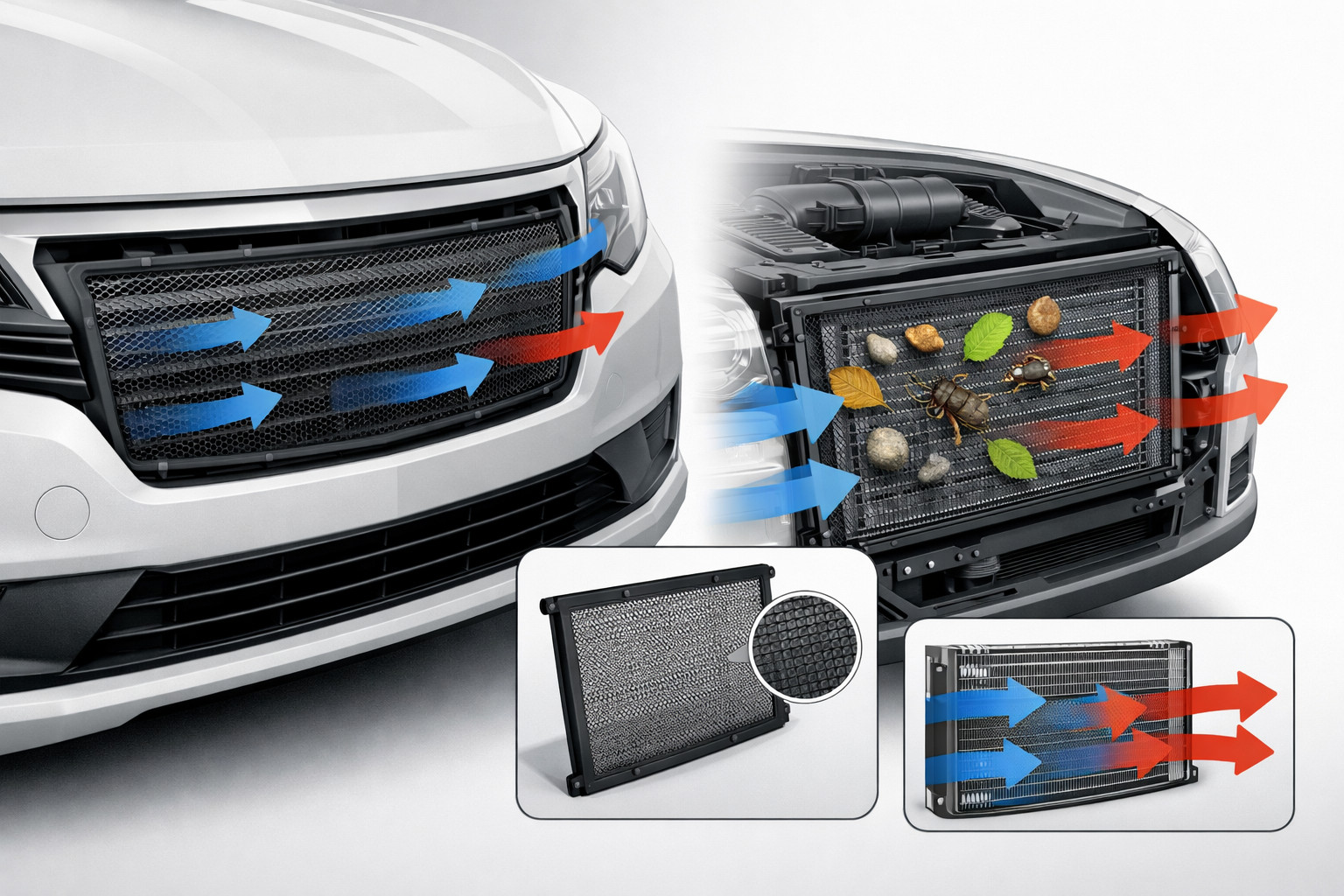
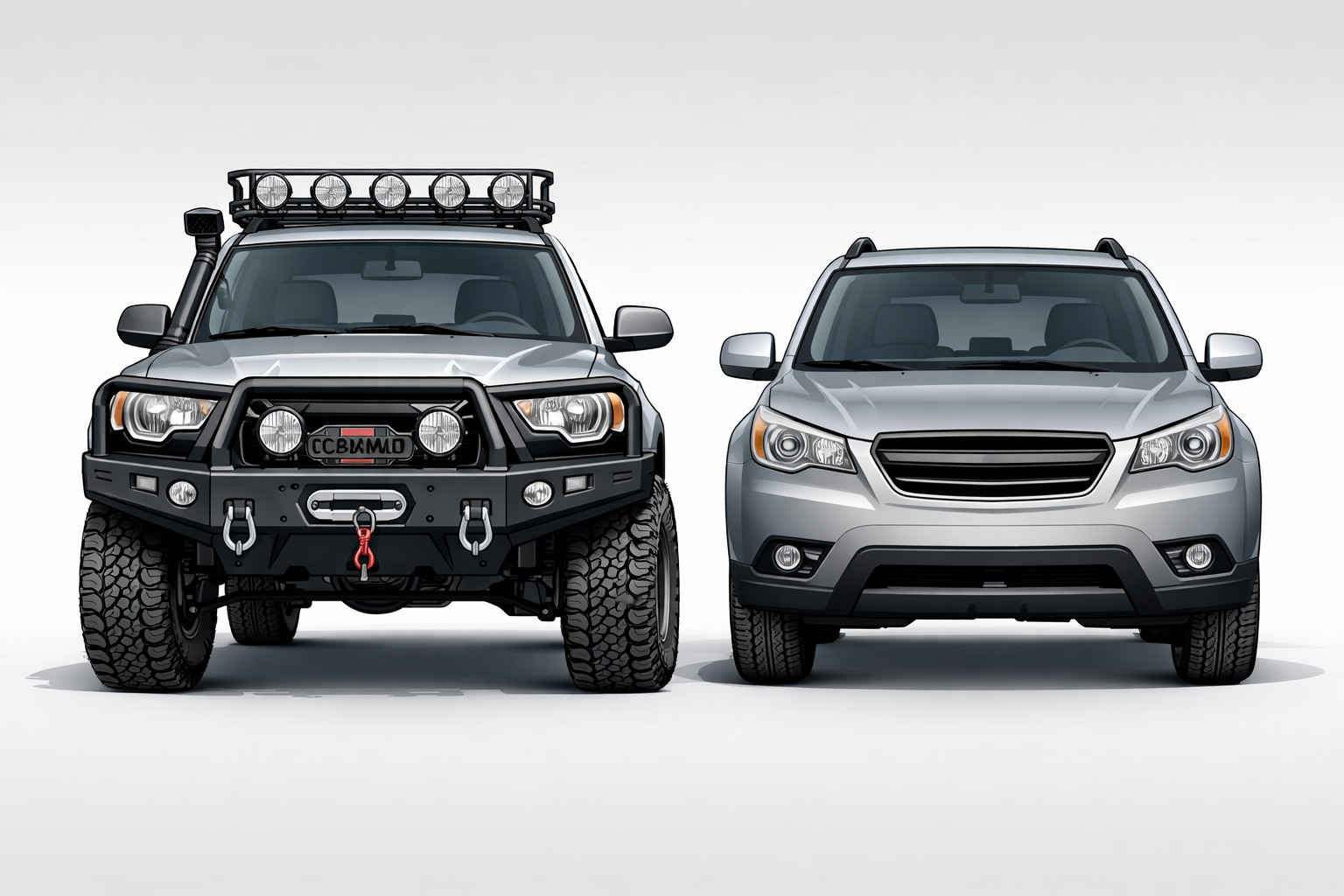
For the Audi Q7, the smartest tuning direction is functional rather than decorative. This model suits items that make everyday life easier: cargo-area protection, solutions for carrying gear on the roof, covers for areas that scratch quickly, and proper mats for a family-use scenario.
There’s a nuance: in the accessories catalog, it’s important to match the exact generation and body. If you’re looking at the current car, first compare the differences in the review of the updated Q7, and only then choose specific items for your model year.
For the Q7, accessories like these often deliver more value than exterior décor. The car is already large and expressive, so it’s better to invest in protection and practicality than in things that add only looks.
The Audi Q7 is one of the most successful large premium crossovers for highway driving, family trips, and the “people plus luggage plus range” scenario. Its strengths are obvious: comfort, quietness, torque, all-wheel drive, good cargo flexibility, and the ability to tow a trailer. The weaknesses are also well known in advance: more complex electronics, a not-ideal third row, and expensive upkeep.
So the Q7 makes sense when you’ll truly use its scale and road-going character. If you need a large family vehicle for long trips, it’s worth considering; if you need a simpler, cheaper-to-live-with car, it may be overkill. This material is based on real selection experience, real-world practice, and real usage scenarios—not a dry list of options.
| ✔ | Q7 is very good for highways and long trips: it is quiet, stable at high speeds, and not tiring on the road. This is especially noticeable in family travel scenarios, rather than short city routes. |
| ✔ | The permanent quattro all-wheel drive and powerful V6 engines provide a strong reserve of torque. The car drives confidently with a full cabin, during overtaking, and even when towing a trailer up to 3.5 t. |
| ✔ | The cabin and second row are spacious, and the trunk in the 5-seat configuration is very large. For a family with children, luggage, and gear, this is a more practical format than in many rivals. |
| ✔ | The air suspension adds versatility: on poor roads it helps with comfort, and variable ground clearance is useful in everyday use. This makes Q7 less dependent on road surface quality. |
| ✔ | The model has a strong level of passive safety, especially for second-row passengers. For a family car, this is an important plus that is noticeable not in catalogs, but in real use. |
| ✘ | Q7 is large and inconvenient in the city: the long and wide body makes parking and maneuvering in tight courtyards difficult. You have to get used to its dimensions. |
| ✘ | The third row is not fully suitable for adults. It is more suitable for children or short trips, so as a permanent seven-seater Q7 involves a compromise. |
| ✘ | Ownership is not cheap: gasoline versions are not economical, and complex technology and large wheels do not reduce expenses. After the warranty, this can noticeably hit the budget. |
| ✘ | There are complaints about the electronics and multimedia: owners report freezes, black screens, and minor glitches. Before buying, this should be checked especially carefully. |
Shipping to EU
Wholesale and retail
Own warehouse
Опис продукту
Подарунки не надаються при оформленні покупки у кредит під 0,01% або при покупці частинами.