16.07.2026
226
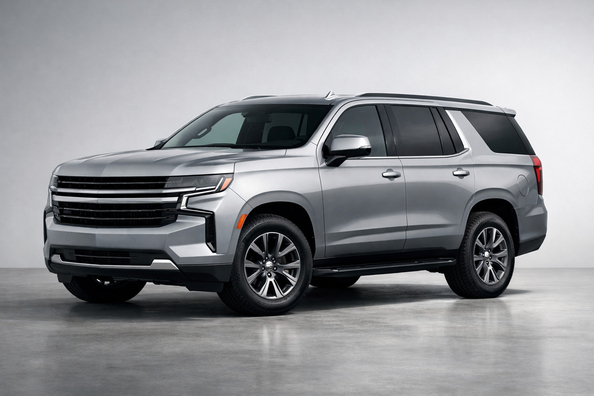
Chevrolet Tahoe V generation is a large body-on-frame SUV for those who truly need three rows, a big trunk, and a relaxed ride over long distances. It suits families, frequent trips, towing a trailer, and bad roads well, but it’s overkill if your main use case is a tight city, underground parking garages, and a desire to save on fuel and consumables.
The fifth generation became more practical than its predecessor: the independent rear suspension added more space in the third row and in the trunk, and the engine range covers gasoline V8 versions and the 3.0 diesel. The differences between trims are noticeable here, so it’s best to judge the Tahoe not by the model name, but by the specific year, engine, drivetrain, and options package.
The Tahoe sits above typical family crossovers and plays in the class of full-size American SUVs. Its strengths aren’t in agility, but in space, pulling power, highway stamina, and convenience for a large family with luggage. If you need an “all-purpose” city car, it may feel too big; if you need a vehicle for long trips, vacations, a trailer, or a boat, the Tahoe looks like a logical choice.
If you look by model years, the Tahoe’s generation logic is as follows:
It’s the fifth generation that became the most noticeable step forward in practicality. The key technical change is moving away from the old layout with a solid rear axle in favor of independent rear suspension. Thanks to this, the third row became more suitable for adult passengers, and the trunk behind it became noticeably more useful in real life.
For the Chevrolet Tahoe V generation, these engines are the realistic options, but their availability depends on the production year and market:
All these engines are paired with a 10-speed automatic. Drivetrain can be rear-wheel drive or four-wheel drive. For calm family use and highway driving, the 5.3 is often considered the most универсальний by character; the 6.2 is better for those who want maximum pulling power and aren’t afraid of higher costs; the 3.0 diesel is interesting for high mileage, but service history matters especially here.
The Tahoe V remained a big body-on-frame vehicle, but became smarter in how it uses space. On the road, it feels like a calm, heavy, stable machine rather than something sporty. On expensive versions you may find adaptive dampers and air suspension, so the driving feel can differ noticeably between trims.
| Parameter | Value | Practical note |
|---|---|---|
| Generation | V | in production since 2020 |
| Length | about 5351 mm | this is already a size where you need to plan parking |
| Wheelbase | 3071 mm | provides a good amount of cabin space |
| Width without mirrors | 2058 mm | in narrow yards and parking garages, you feel this every day |
| Height | about 1927 mm | can be critical for low parking garages |
| Ground clearance | about 203 mm | depends on the version; with air suspension it can change |
| Trunk | 722 / 2058 / 3479 L | behind the third row / behind the second row / maximum, per the American measurement method |
| Chassis | body-on-frame construction, independent rear suspension | better for comfort and cabin space than the predecessor |
The fifth-generation Tahoe’s main win is that the interior became not just large, but genuinely convenient in everyday use. The third row no longer feels like a formality, and the trunk behind it lets a family travel without constantly playing “what do we leave at home.” Seating is high, visibility is good, but the body’s physical dimensions don’t go away.
Finish quality depends heavily on the version: from restrained and practical to nearly luxurious. For comfort, it’s not only the seats and infotainment that matter, but also the specific wheels and suspension. Safety equipment also varies: different vehicles may have automatic braking, lane keeping, adaptive cruise, 360-degree cameras, and other assists, so you need to verify the exact spec separately.
In real life, the Tahoe shines best on the highway, on trips, and in scenarios where you need a lot of space. A long journey, a big family, child seats, suitcases, gear, a trailer—this is its natural environment. There it convinces with its space reserve, smooth ride, and the fact that it doesn’t force passengers to accept compromises in the second or third row.
In the city, the typical big-vehicle nuances appear: turning radius, finding a spot, garage height limits, large tires, not-cheap brakes, and high fuel consumption for gasoline versions. If the vehicle has air suspension or a complex set of electronics, the importance of a quality pre-purchase diagnostic only increases. For the owner, the main question is simple: do you really need this size every day, or only a few times a year.
There’s no point looking for mid-size crossover-style versatility in the Tahoe. Its pros and cons are very straightforward:
| Strengths | Weaknesses | What it means for the owner |
|---|---|---|
| Spacious third row and large trunk | Very large exterior dimensions | Great for family and travel, a constant compromise in dense city use |
| Powerful engines and a 10-speed automatic | High costs for fuel and consumables | Before buying, calculate not only the vehicle price but also ownership costs |
| Calm, stable highway ride | Doesn’t like tight yards and short urban routes | Works best where there’s space and mileage |
| Independent rear suspension improved cabin space and comfort | The design is more complex than older generations | On the used market, a chassis inspection is mandatory |
| Well suited for travel and towing | Not every version is equally well equipped for safety | Focus on the exact trim, not just the name |
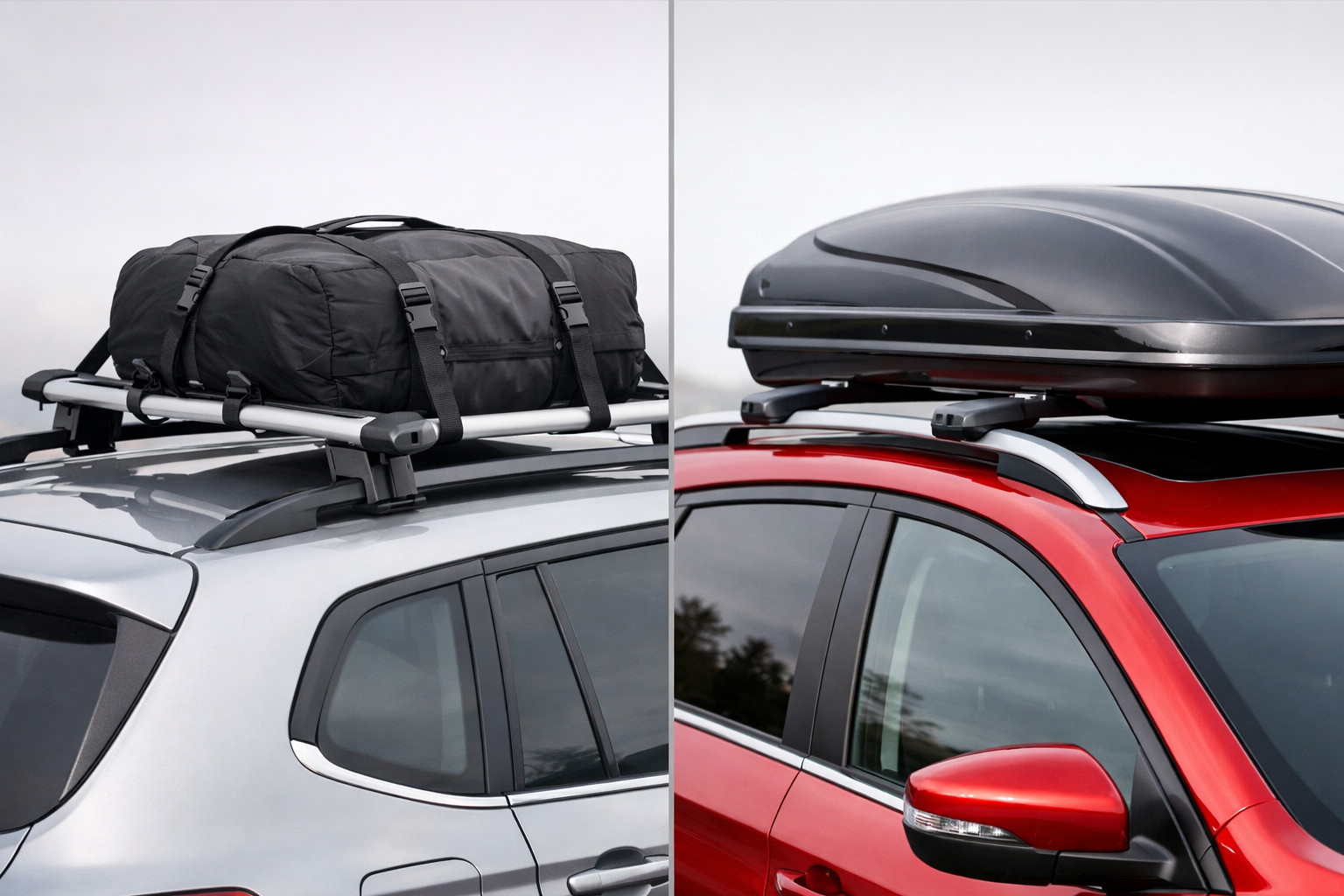
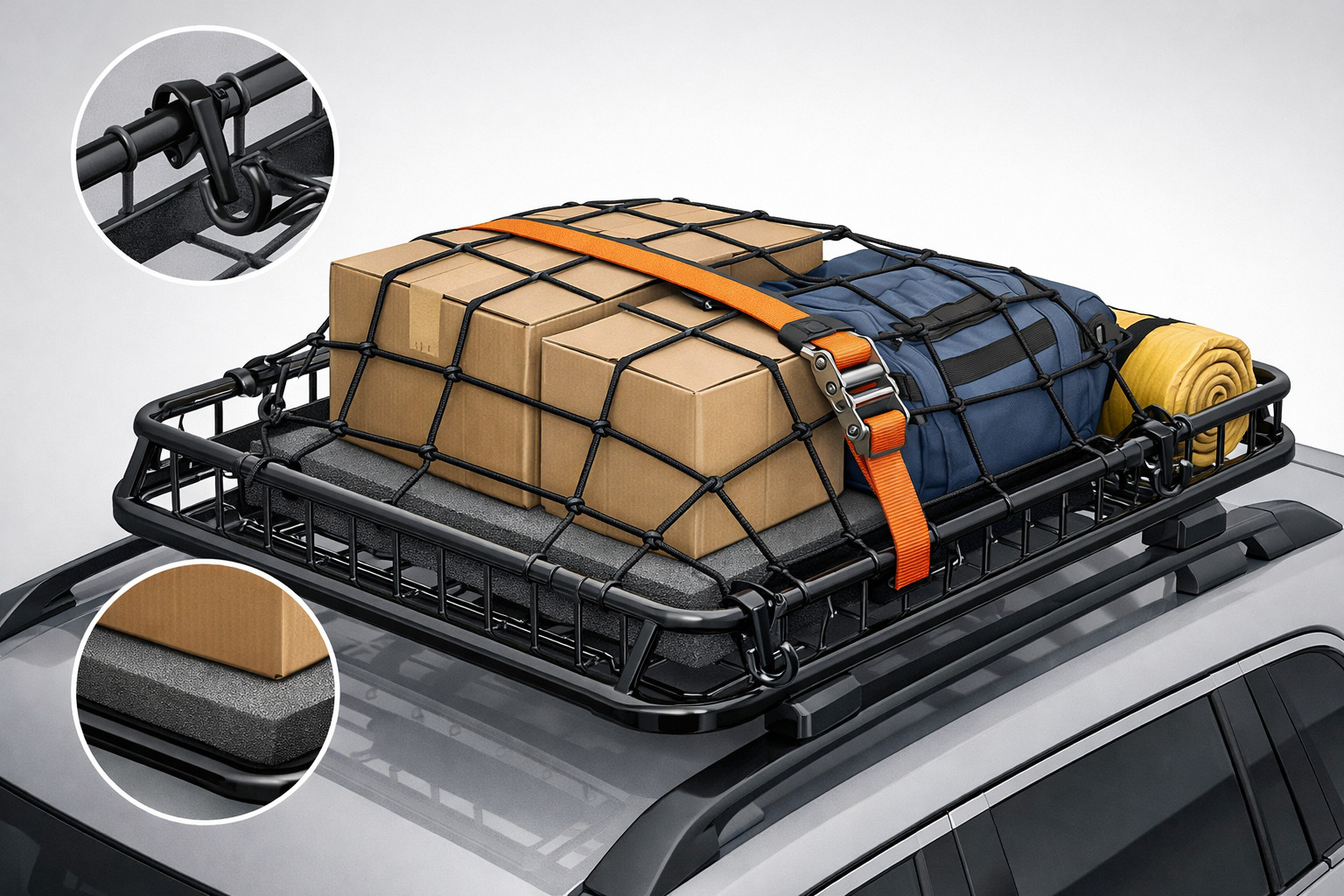
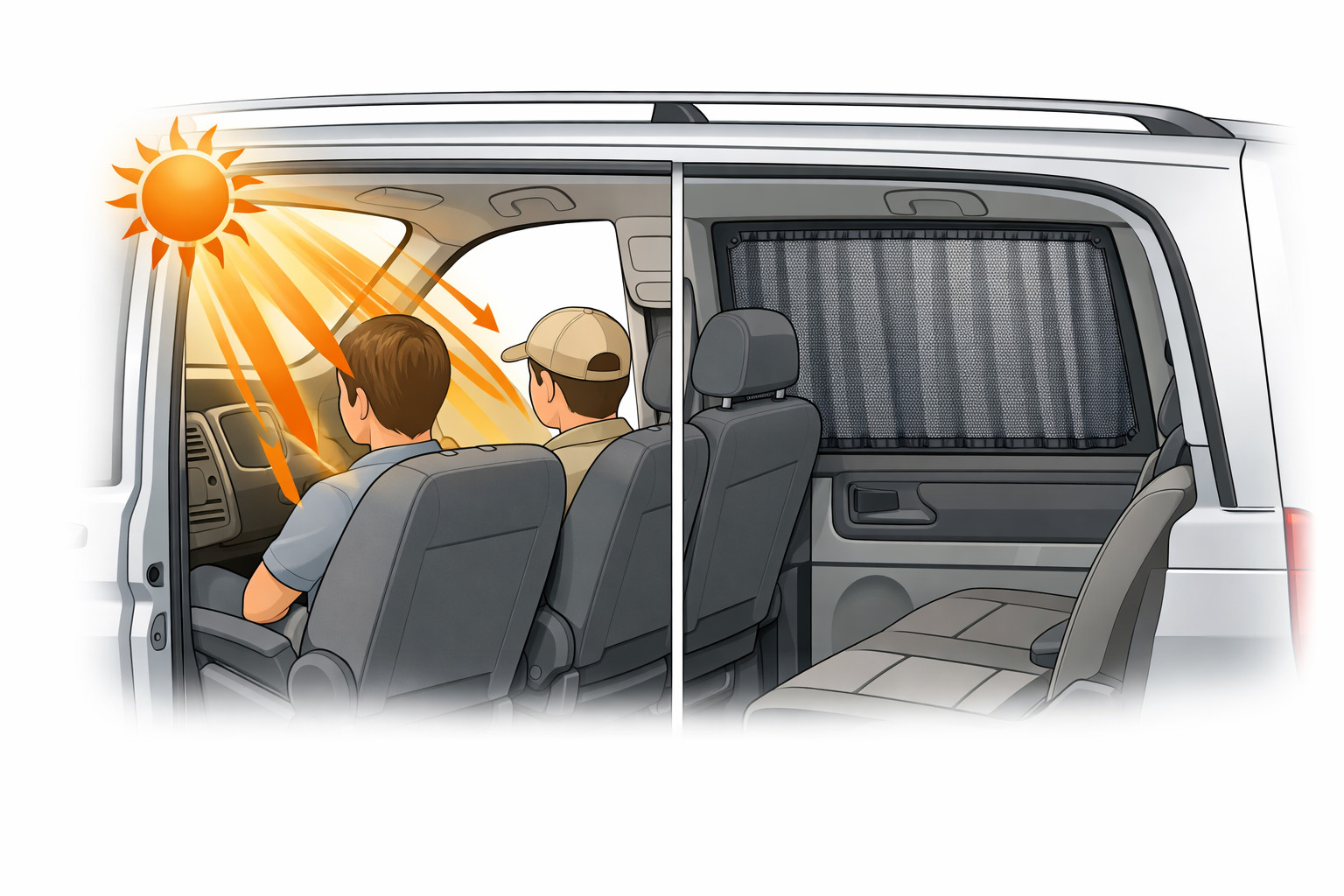
For the Tahoe, useful upgrades start not with decorative parts, but with items that truly work every day. Given the cabin size, frequent family trips, and large trunk, the first things that usually make sense are floor mats, cargo-area protection, roof rack systems, and window deflectors. This is a case where a practical accessory delivers more value than any exterior styling.
Before choosing accessories, it’s worth double-checking your vehicle version against the Chevrolet Tahoe V review, because on imported vehicles, nuances around roof rails, interior, and equipment can affect compatibility.
Chevrolet Tahoe V generation is for those who consciously choose a large body-on-frame vehicle for family needs, travel, a trailer, or active recreation. Its strengths become obvious over long distances, while its weaknesses show up in the city and in the ownership budget. If size and costs don’t scare you, the Tahoe delivers a level of space and peace of mind that’s hard to get from smaller vehicles.
This material is based on real selection experience, hands-on practice, and real-world use cases: family trips, daily use of a large vehicle, travel with luggage, and choosing accessories for specific tasks. In this context, the Tahoe makes the most sense—not as a universal answer to everything, but as a tool for clearly defined needs.
| ✔ | The spacious third row and large trunk make the Tahoe convenient for a large family and trips with luggage. In the fifth generation, the cabin became more practical thanks to the independent rear suspension. |
| ✔ | The vehicle feels good on the highway: the article describes it as calm, stable, and comfortable over long distances. This is useful for regular trips, as well as for towing a trailer or a boat. |
| ✔ | There is a choice between gasoline V8s and a 3.0 diesel, so you can pick a version for different use cases. The author separately highlights the 5.3 l as a more versatile option, and the 6.2 l as the more torque-rich one. |
| ✔ | The high seating position and good visibility make this large SUV easier to drive. For safety, useful systems are available in different trims, such as automatic braking, lane control, adaptive cruise control, and surround-view cameras. |
| ✔ | The Tahoe has a body-on-frame construction and about 203 mm of ground clearance, so it is suitable not only for asphalt, but also for bad roads and trips out of town. This enhances its practicality in real-world use. |
| ✘ | In the city, the Tahoe is inconvenient because of its very large dimensions: it is harder to park, maneuver in yards, and enter low parking garages. The width and height of the body are felt every day. |
| ✘ | The gasoline versions have high fuel consumption, and overall the model is not cheap to maintain, also because of consumables. Before buying, you need to count not only the car price, but also daily expenses. |
| ✘ | In versions with air suspension and more complex electronics, pre-purchase diagnostics become especially important. On the used market, this increases the risk of expensive surprises. |
| ✘ | Not all trims are equally well equipped in terms of safety, so relying on the model name alone is not enough. You need to check the year, engine, drivetrain, and option set separately. |
Shipping to EU
Wholesale and retail
Own warehouse
Опис продукту
Подарунки не надаються при оформленні покупки у кредит під 0,01% або при покупці частинами.