04.08.2026
598
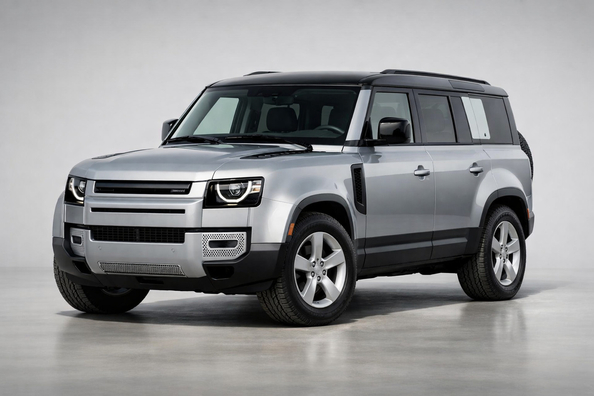
The new-generation Land Rover Defender 110 is a large five-door SUV for those who need more than just a tall body—something that feels equally at home on the highway, on a family trip, with a trailer, and on rough dirt roads. Its strength isn’t in a flashy image, but in the combination of a modern platform, a solid level of comfort, and genuine off-road geometry.
At the same time, it’s not a universal answer to every task. The Defender 110 is big, heavy, not cheap to run, and sensitive to the right specification: the difference between diesel, petrol, hybrid, and between five- and seven-seat versions is felt every day, not just in a brochure.
The Defender 110 sits at the intersection of two classes: on one side, it’s a premium family SUV; on the other, it’s one of the few modern large vehicles truly designed for off-road driving, towing, and work beyond asphalt. That’s why it’s often compared not only with big crossovers, but also with body-on-frame off-roaders.
The 110 format is the most practical in the Defender lineup. The short 90 looks more dramatic, but the 110 is better suited to daily tasks, long trips, a no-compromise second row, and a proper trunk. For the city it’s already too big, but as a single vehicle for all occasions it looks more logical than many competitors.
The story of the 110 goes back to the Land Rover One Ten of 1983. The Defender name came later, and the classic utilitarian generation was produced until 2016. It was an extremely simple, rigid, very mechanical off-roader.
The new-generation Defender with the L663 index was introduced in 2019, with main sales starting in 2020. This is the vehicle people mean when they talk about the new-generation Defender 110: an aluminum unibody structure, independent suspension, modern electronics, a rich set of safety systems, and a much higher level of on-road comfort.
On the Defender 110, the powertrain lineup depends on year and market. At different times, diesel, petrol, plug-in hybrid, and V8 versions were offered. So before buying, it’s important to look not only at the variant name, but also at the specific model year.
| Engine | Power | What matters |
|---|---|---|
| 2.0 diesel | 200-240 hp | Early and certain market versions; a basic choice for those who don’t need maximum performance |
| 3.0 diesel | 200, 249 or 300 hp | The most practical options for highways, trailers, and long trips; often with mild-hybrid tech |
| 2.0 petrol | 300 hp | Smooth running and decent pull, but fuel consumption is higher than diesel |
| 3.0 petrol | 400 hp | Mild hybrid, an excellent balance of pull and refinement, but without savings at the pump |
| 2.0 plug-in hybrid | 404 hp | Makes sense with regular charging; configuration and practicality depend on the version |
| 5.0 V8 | 525 hp | For those deliberately choosing the most powerful Defender; more expensive in every way |
The transmission on the modern Defender 110 is an 8-speed automatic, with permanent all-wheel drive. Low range, lockers, and some off-road options depend on trim, but overall the drivetrain is one of the model’s strongest points: the vehicle works well on slippery asphalt, broken climbs, and under load.
The key difference between the new Defender and the old one is not styling, but engineering. Here you get a unibody structure, independent suspension, and much better high-speed stability. On asphalt, the 110 feels more composed than most classic body-on-frame rivals, but you can’t hide its weight and width.
| Parameter | Land Rover Defender 110 |
|---|---|
| New-generation production years | since 2019, main sales since 2020 |
| Body type | 5-door large SUV |
| Length | about 5018 mm |
| Wheelbase | 3022 mm |
| Width without mirrors | 2008 mm |
| Height | about 1967 mm |
| Ground clearance | around 218 mm with standard suspension, up to 291 mm with air suspension |
| Wading depth | up to 900 mm |
| Trunk volume | from 786 L in 5-seat configuration; with the second row folded up to 1875 L, less in 7-seat versions |
| Towing | up to 3500 kg depending on version |
For an owner, this means one simple thing: the Defender 110 is more comfortable day to day than it looks, but it still requires parking space, wide tires, and readiness for a not-cheap suspension. Air suspension adds versatility, but also raises service requirements.
Inside, the Defender 110 has nothing in common with the austere old Defender. The seating position is high, the second row is spacious, visibility is good, and the cabin architecture is built for active use: lots of shelves, handy storage, durable materials. Some versions have a third row, but for regular long trips with adults it’s less comfortable than in larger seven-seat SUVs.
Comfort comes from sound insulation, modern multimedia, cameras, driving assistants, and off-road modes. In safety terms, the Defender 110 is also firmly in the modern class: automatic emergency braking, lane keeping, surround view, hill descent control, and off-road electronics matter here no less than airbags. There’s only one weak point: the more complex the spec, the more small nuances in everyday use.
In daily life, the Defender 110 shines best in a mixed scenario: city, highway, trips outdoors, gear, kids, a dog, a trailer. If the vehicle is used like that, its size and capability are justified. If 90% of the time is short city runs and tight parking garages, the sense of excess will be constant.
Diesel versions are more practical for high mileage and towing-type tasks. Petrol versions are quieter and nicer in character, but more expensive on fuel. A plug-in hybrid only makes sense when it’s actually charged. In any case, consumables, tires, brakes, and large wheels here don’t cost like a mass-market SUV—and that needs to be built into the budget from the start.
| Pros | Cons |
|---|---|
| Real off-road capability without sacrificing on-road comfort | Large dimensions and weight are felt every day, especially in the city |
| Wide range of powertrains for different scenarios | Not all engines are equally good in fuel and maintenance costs |
| Spacious second row and a practical trunk in the 5-seat version | In the 7-seat configuration, trunk space and third-row room are smaller |
| High towing capacity and good highway stability | Expensive tires, brakes, suspension, and body parts |
| Modern safety and driver-assistance systems | Complex electronics require careful selection and proper service |
From an owner’s perspective, the Defender 110 is strong where you need one big vehicle for all tasks. It’s weak where people expect simplicity, low running costs, and compactness. In other words, it’s a great tool for an active lifestyle, but not the most rational choice for purely city driving.
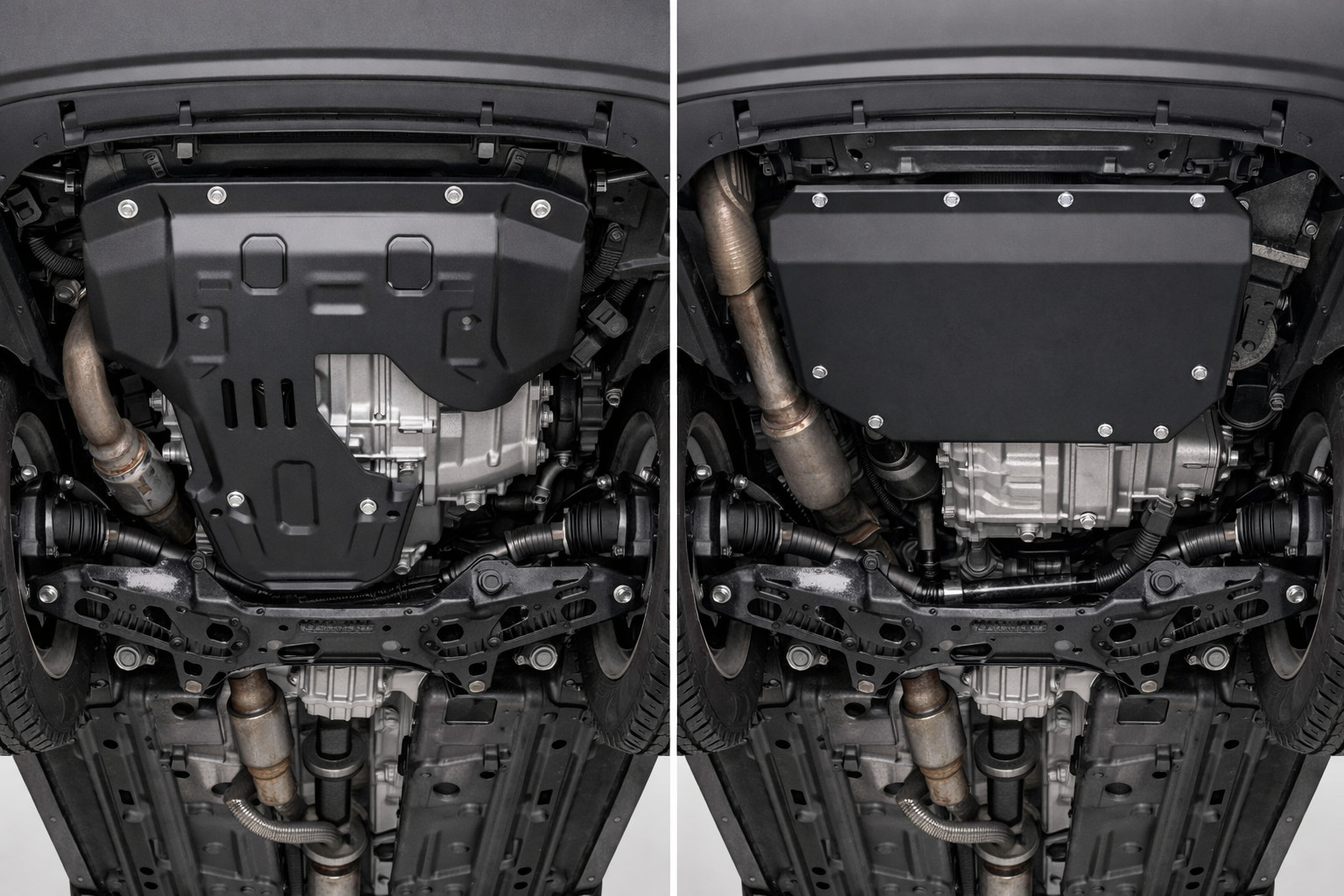
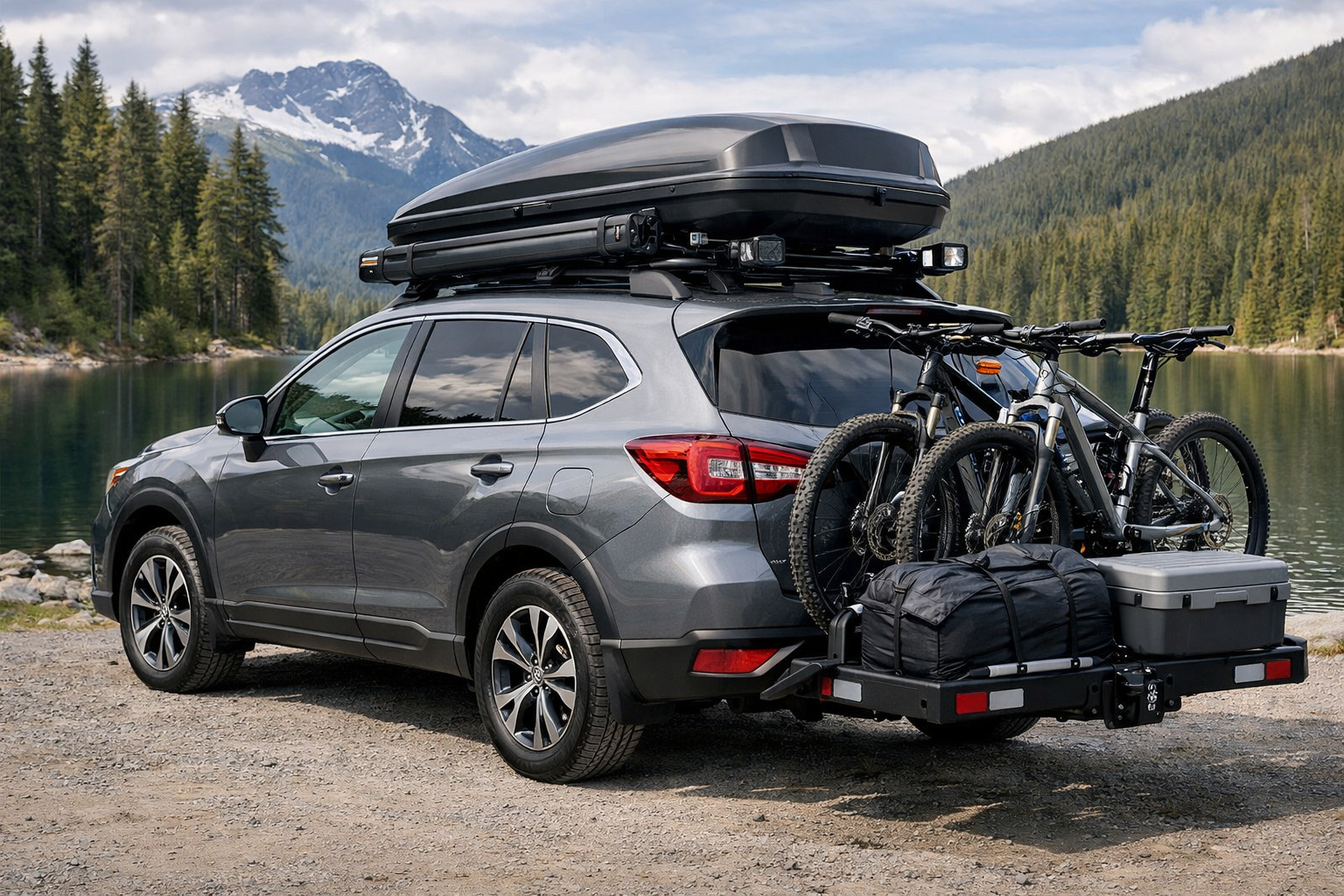
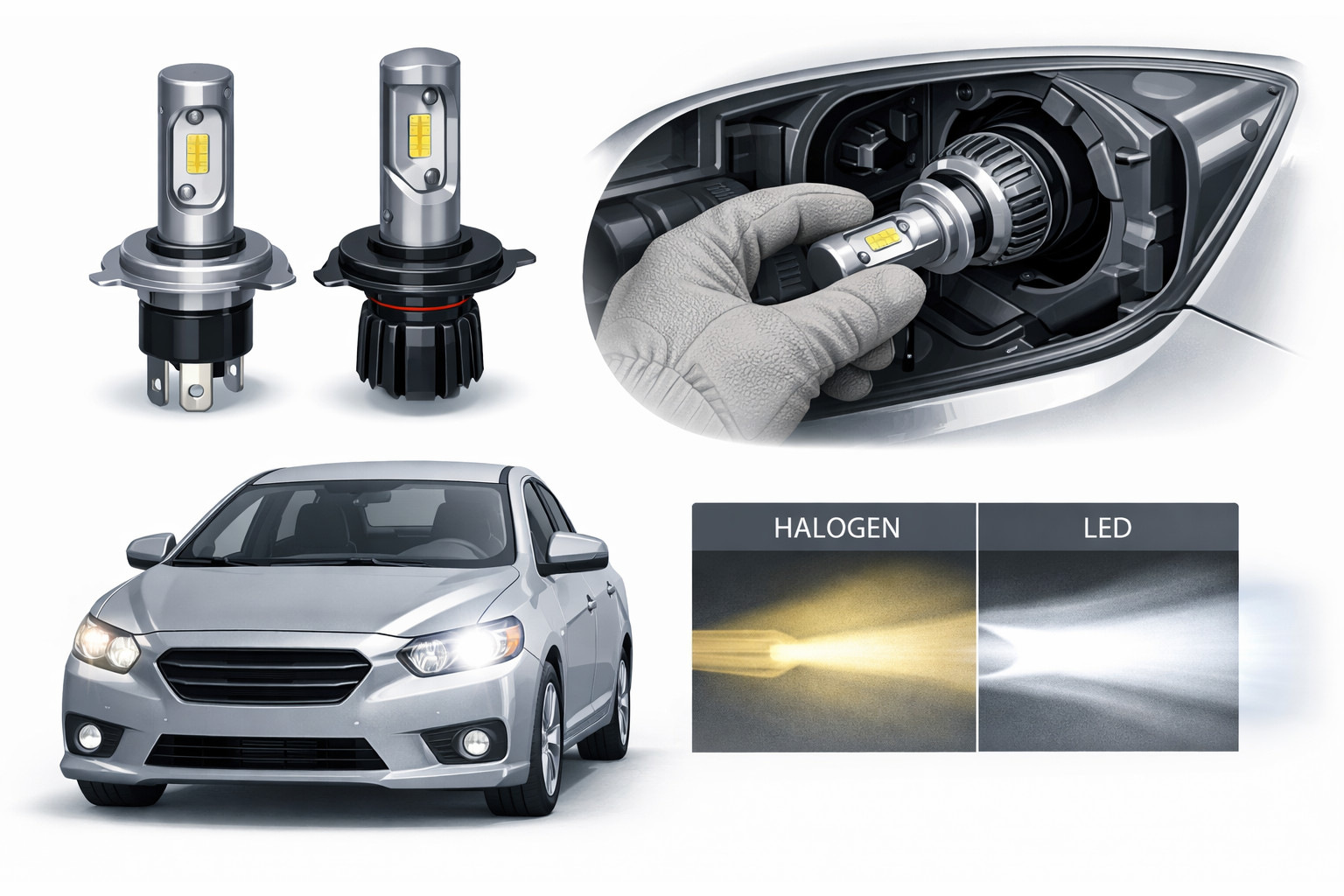
For the Defender 110, tuning makes sense primarily as protection and practical upgrades, not as a decorative kit. Before ordering accessories, it’s worth matching your configuration with the Defender 110 review, because the difference between the five- and seven-seat interior, the trunk shape, and the usage scenario matters here.
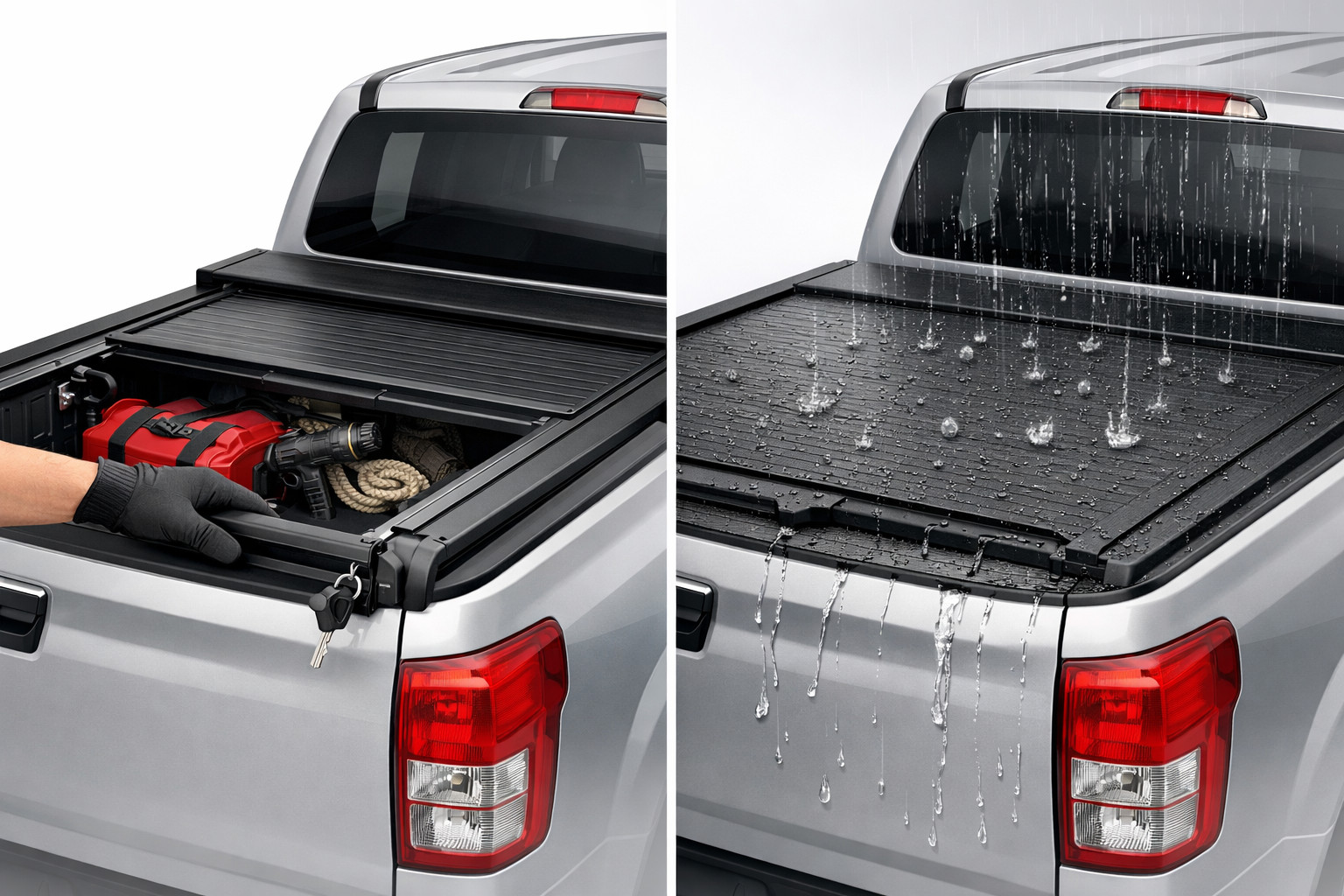
In terms of practicality, protecting the cabin and cargo area gives the most benefit from day one. For a vehicle like this, it’s more important than cosmetic elements, because the real Defender 110 usage scenario is almost always tied to active use.
The new-generation Land Rover Defender 110 suits those who need a large, versatile SUV with real off-road ability, high towing capacity, and a proper level of everyday comfort. It doesn’t suit those looking for a more compact, simpler, cheaper-to-run vehicle without complex tech.
The best versions are usually the ones where body configuration, engine, and usage scenario match: diesel for high mileage and pulling, petrol for quieter running, hybrid only if charging is part of the owner’s routine. This material is based on real-world selection experience, practice, and real usage scenarios—not abstract brochure numbers.
| ✔ | Genuine off-road capability with high ground clearance, deep wading depth, and a low-range transfer case. Off-road and on broken climbs, the Defender 110 feels right not just on paper. |
| ✔ | Well balanced for everyday use: on asphalt it feels more composed than most classic body-on-frame SUVs, and the cabin offers a proper driving position, a spacious second row, and plenty of practical storage spaces. |
| ✔ | There is a choice of powertrains for different needs: diesel for torque and long trips, petrol for quieter operation, plug-in hybrid if regularly charged, V8 for those who need maximum power. |
| ✔ | A high towing capacity of up to 3500 kg makes the model convenient for trailers, gear, and active trips out of town. |
| ✔ | Modern safety systems and driving assists are already on the level of a modern premium SUV: there is automatic braking, lane keep assist, surround view, and off-road electronics. |
| ✘ | The dimensions and weight are felt every day, especially in the city. For tight parking spaces and short urban routes, the Defender 110 may be too large. |
| ✘ | Running costs are not cheap: large wheels, tires, brakes, suspension, and body elements cost more than those of mass-market SUVs. |
| ✘ | Not all engines are equally practical in real life: petrol versions use more fuel, and the hybrid only makes sense when it is actually charged. |
| ✘ | In the 7-seat configuration, the third row and cargo space are noticeably less convenient than in the 5-seat version. |
| ✘ | Complex electronics and air suspension add versatility, but require more careful trim selection and servicing. |
Shipping to EU
Wholesale and retail
Own warehouse
Опис продукту
Подарунки не надаються при оформленні покупки у кредит під 0,01% або при покупці частинами.