20.04.2026
433
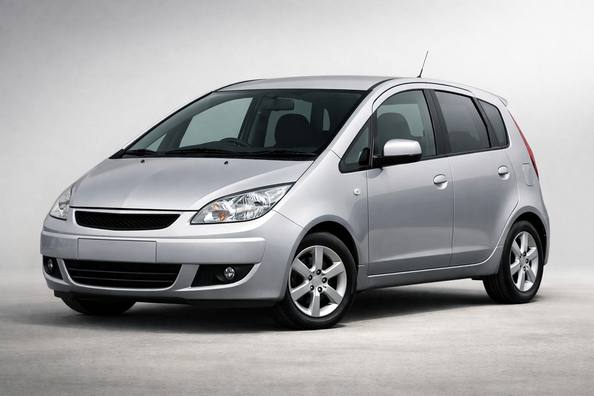
The Mitsubishi Colt Z30 generation is a compact city car that wins you over not with design, but with practicality. For 2004–2012 it offered a class-spacious cabin, a high seating position, simple 1.1, 1.3 and 1.5 petrol engines, an economical 1.5 DI-D diesel, and separately a fast Ralliart 1.5 Turbo version.
The core logic of this model is simple: the Colt suits anyone who needs a short, light, and relatively inexpensive daily car to run. But if you want highway quietness, very good visibility, or smooth behavior from the automated manual gearbox, you need to look closely at the specific car.
In its class, the Colt sat somewhere between a regular hatchback and a compact MPV. It’s not long, but the seating is higher, the cabin feels roomier than you’d expect from a city car, and the second row on early versions was especially good in terms of flexibility.
In practice it’s an alternative to cars like the Honda Jazz, Toyota Yaris, or Mazda2, but with a slightly simpler character. The Colt works well for those who drive a lot in the city, park in tight courtyards, and don’t want a large body. It’s not the best option for frequent trips on rough roads or long highway runs.
The Colt in question is the Z30 generation, sold in Europe from 2004 to 2012. Some catalogs show a period up to 2014, but that’s usually due to late stock, adjacent markets, or database specifics.
The lineup included the 3-door CZ3, the 5-door hatchback CZ2, and the CZC convertible. Early cars were remembered for a very versatile rear row: the seats could slide, fold, and on some versions even be removed. After the 2008 update the model looked fresher, but some of that flexibility was simplified. There were also economical ClearTec and sporty CZT or Ralliart versions.
The Colt’s strongest point is a clear engine range without unnecessary complexity. Speaking about the used market, the easiest versions to live with are naturally aspirated petrol models with a manual gearbox. The Allshift automated manual is not very common, but it’s the one that more often raises day-to-day questions; different sources describe it as 5- or 6-speed depending on market and version.
| Engine | Power and torque | Gearboxes | Who it suits |
|---|---|---|---|
| 1.1 petrol | 75 hp, 100 N·m | 5-speed manual | City driving, relaxed pace, minimal costs |
| 1.3 petrol | 95 hp or 94 hp in ClearTec, 125 N·m | 5-speed manual, Allshift in some markets | The most versatile option |
| 1.5 petrol | 109 hp, 145 N·m | 5-speed manual | A slightly livelier daily Colt |
| 1.5 DI-D | 95 hp, 210 N·m | 5-speed manual | For high mileages and low-end pull |
| 1.5 Turbo Ralliart | 147 hp, 210 N·m | 5-speed manual | For those who want a very quick compact |
On paper the most economical were the 1.1, 1.3, and the 1.5 DI-D diesel, while the Ralliart lives by a different logic—it’s not about saving fuel, it’s about pace. If you want the calmest and most predictable Colt, the 1.1 or 1.3 petrol with a manual gearbox looks like the most rational choice.
When it comes to the body, the Colt isn’t as straightforward as it seems: the dimensions vary by year, market, and body type. That’s why when choosing one it’s not worth arguing over a few centimeters in a catalog—it’s more important to look at the exact version.
| Parameter | Data |
|---|---|
| Generation | Z30, 2004–2012 |
| Layout | Front-wheel drive, transverse front engine |
| Wheelbase | 2500 mm |
| Hatchback dimensions | Approx. 3810–3940 × 1695–1700 × 1520–1550 mm depending on version |
| Ground clearance | 150–154 mm |
| Boot | 220/645 L for the hatchback, 190/460 L for the CZC |
| Fuel tank | 47 L |
| Curb weight | 940–1175 kg depending on engine and body |
| Suspension | MacPherson struts front, torsion beam rear |
On the move it’s a typical city setup: the car is light, the front end changes direction eagerly, and parking is easy. But the modest ground clearance and rear torsion beam quickly put the Colt in its place—this isn’t a car for dirt roads, deep ruts, and constant suspension hits.
The Colt’s interior is simple but intelligently packaged. The high seating position makes getting in and out easier, there’s enough space up front, and early versions especially pleased with the second-row options. The weaker point is materials: they’re not disastrous, but they don’t feel like a more expensive car.
On the highway the model’s typical drawbacks show up: cabin noise, especially with the 1.3 and 1.5 petrol engines, and thick A-pillars that can block part of the view. Safety is decent for its time: 4 stars Euro NCAP, ABS with electronic brake-force distribution, emergency braking assist, ISOFIX, and on some versions and on the Ralliart—side and curtain airbags plus stability control.
In the city the Colt is strong: light steering, short length, good maneuverability, and moderate fuel consumption. For daily routine it’s a very convenient format, especially if the car is used as the main transport for work, shopping, and errands. The 1.5 DI-D diesel is interesting for those who drive a lot, and early hatchbacks also cope well with family tasks thanks to the flexible interior.
In terms of maintenance the model generally doesn’t look difficult, but owner feedback regularly mentions the suspension, electrics, the gearbox-clutch unit, and some wheel hub bearings after high mileages. Another nuance: the official fuel consumption figures are from the old test cycle, so in real life you should focus not on the catalog, but on the condition of the specific car, the route, and driving style.
| Pros | Cons | What it means in practice |
|---|---|---|
| Spacious cabin for the class | The boot in normal form isn’t class-leading | Comfortable for people, but bulky items are best planned in advance |
| Low fuel consumption | Noisy cabin at speed | Great for the city; for the highway it’s a compromise |
| Easy maneuverability and high seating position | Thick A-pillars | Parking is easy, but at intersections it takes getting used to |
| Simple naturally aspirated engines | The automated manual can be jerky | The calmest choice is the manual gearbox |
| Interesting versions from the economical diesel to the Ralliart | Ground clearance is modest | You can pick a character that suits you, but it’s not for bad roads |
From an owner’s perspective, the Colt is valued most for not being tiring in the city and for offering more interior space than you’d expect from this body size. Most criticism targets not the concept itself, but specific compromises: noise, visibility, and a less-than-great automated manual.
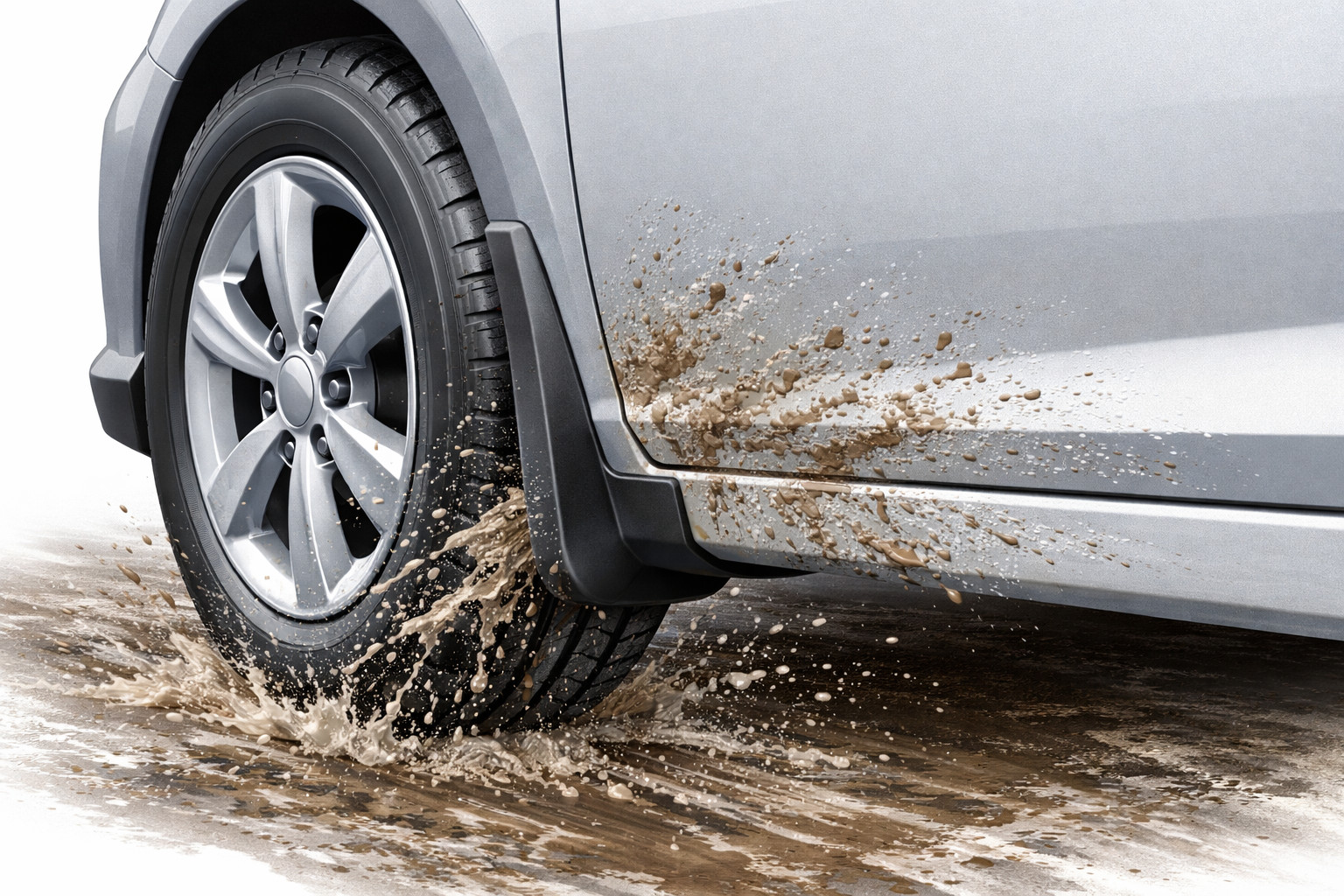
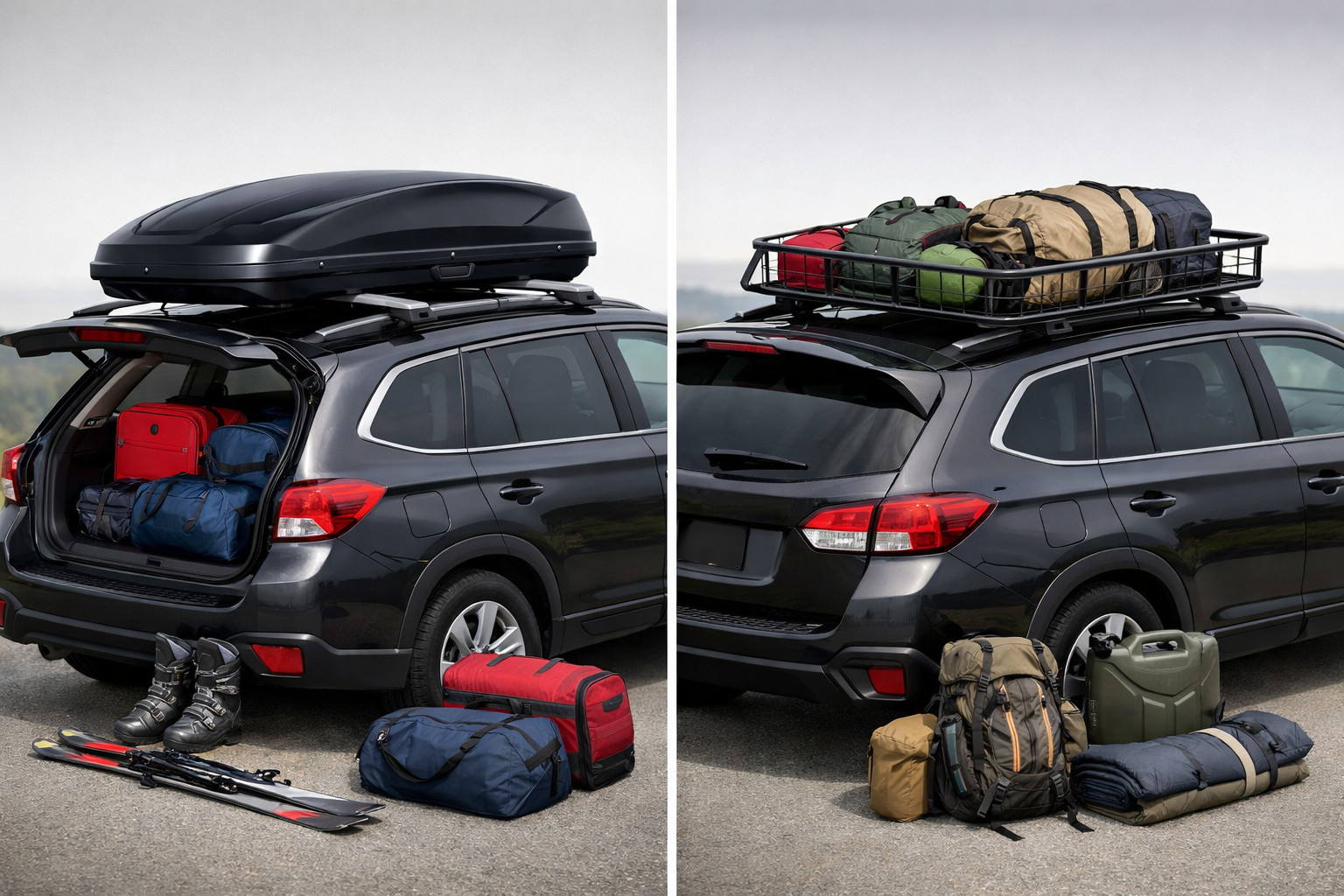
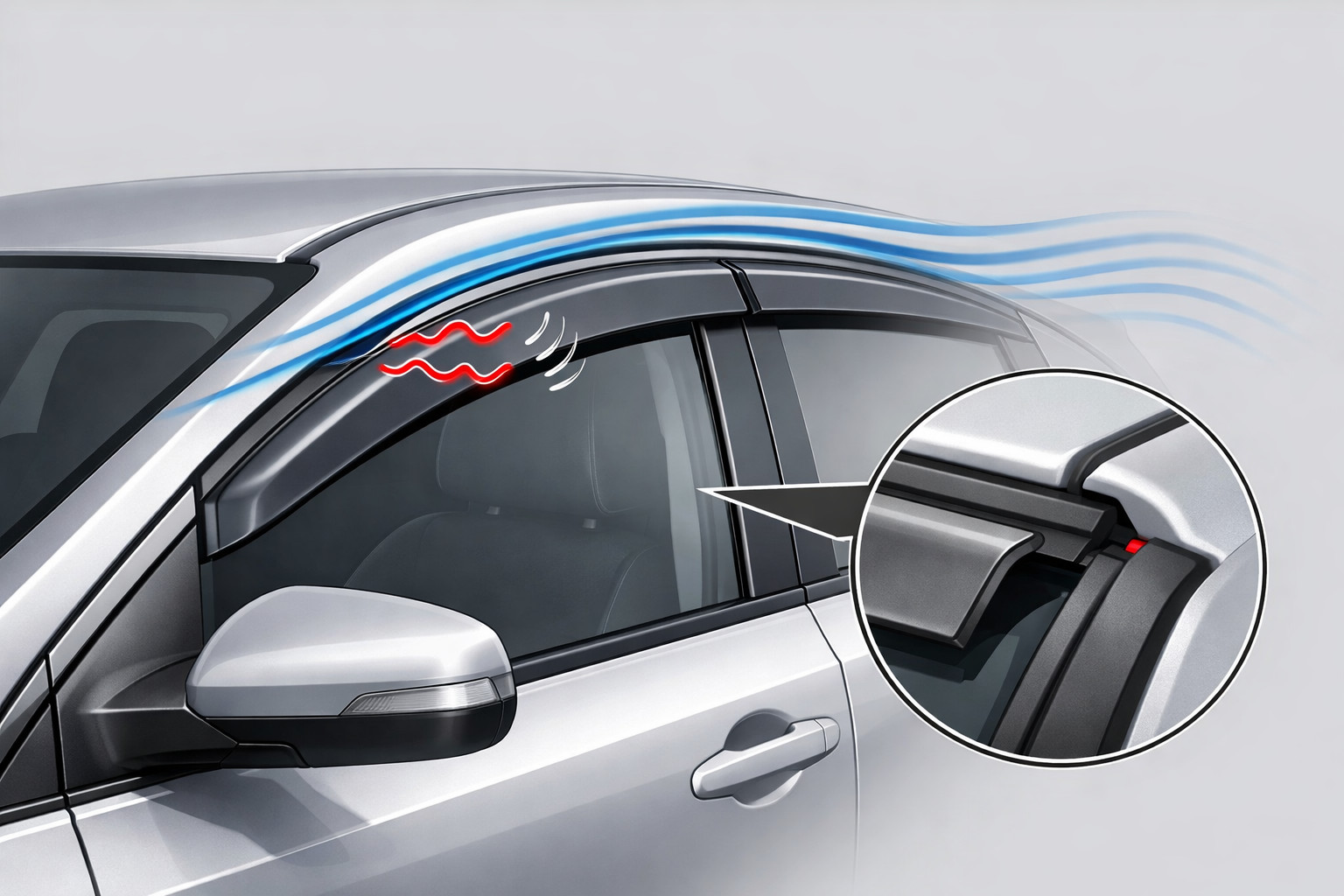
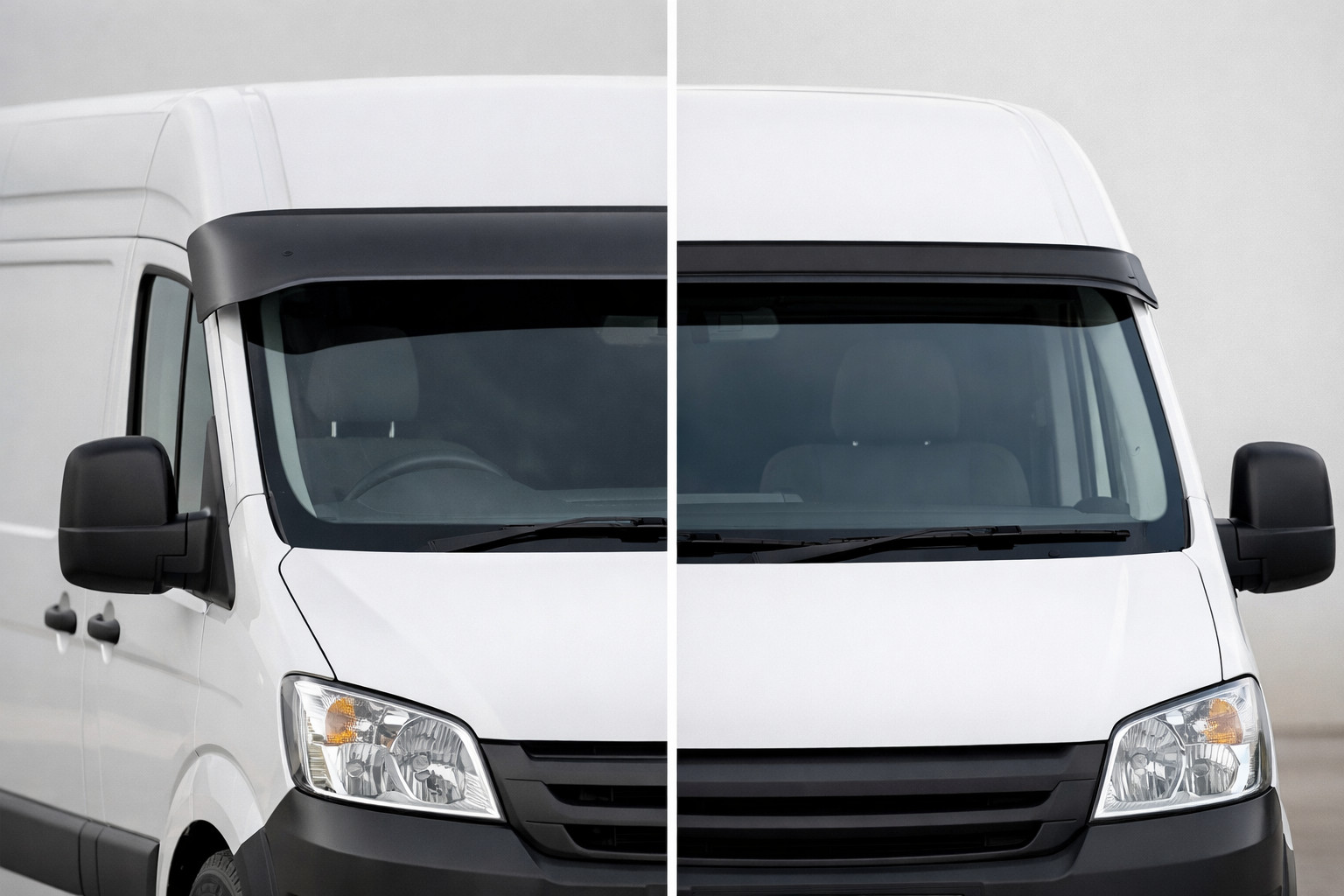
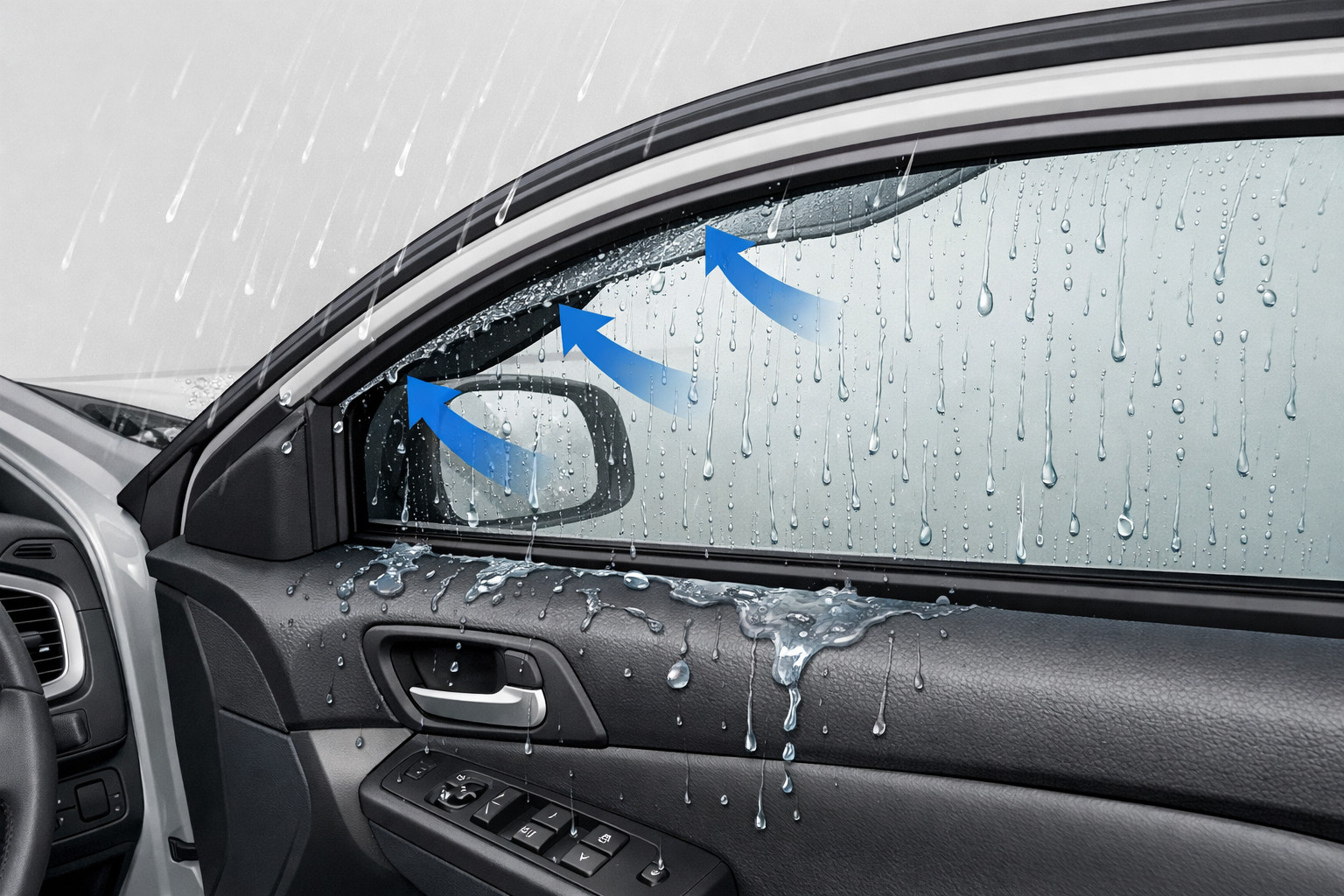
For the Colt, sensible tuning isn’t about trying to turn it into a different car, but about small upgrades for everyday use. The most logical directions here are protecting body edges, a neat refresh of the exterior, and choosing practical accessories for the specific body style.
Accessories make sense for this model when they reinforce its strengths: urban practicality, a tidy body, and everyday convenience. Excessive decorative tuning is usually unnecessary for the Colt.
The Mitsubishi Colt 2004–2012 is a solid city compact if you want simplicity, decent interior space, and modest running costs. The healthiest choice for most people is a naturally aspirated petrol Colt with a manual gearbox; the diesel is worth it for high mileages, and the Ralliart only if you truly want a fast small hatchback with its own character. This material is based on real selection experience, practice, and real-world usage scenarios, so the main conclusion is simple: the Colt is good where you don’t demand more from it than it can honestly deliver.
| ✔ | The Colt’s cabin is spacious for its class, and the high seating position makes it comfortable for everyday use. There’s enough room up front, and the early versions also had a well-thought-out rear-seat transformation. |
| ✔ | The model is well suited for city driving: the short body, light steering and good maneuverability make parking and driving in tight courtyards easier. For daily commuting or errands, it’s a practical format. |
| ✔ | The engine lineup is simple and easy to understand, without unnecessary complexity. The calmest ownership comes with the naturally aspirated 1.1 or 1.3 petrol versions with a manual gearbox. |
| ✔ | Fuel consumption in the petrol 1.1, 1.3 and the 1.5 DI-D diesel is described as low. This makes the Colt a good choice for those who want to keep running costs under control. |
| ✔ | There are different options for different needs: from an economical diesel to the sporty Ralliart version. This makes it possible to choose a car for your driving style, not just your budget. |
| ✘ | On the highway, the Colt is noisy, especially with the 1.3 and 1.5 petrol engines. Because of that, long trips at speed are less comfortable than in the city. |
| ✘ | Thick front pillars reduce visibility. At intersections and in dense traffic, you have to get used to this. |
| ✘ | The Allshift robotic gearbox can work jerkily in everyday use and raises more questions than the manual transmission. For calm operation, the author recommends the manual gearbox. |
| ✘ | The small ground clearance and rear torsion beam limit its capabilities on bad roads. The Colt does not feel at its best on dirt roads, deep ruts, or broken pavement. |
| ✘ | After high mileage, reviews mention the suspension, electrics, the gearbox-clutch unit and wheel hub bearings. In other words, when buying a used car, the condition of a specific example is critically important. |
Shipping to EU
Wholesale and retail
Own warehouse
Опис продукту
Подарунки не надаються при оформленні покупки у кредит під 0,01% або при покупці частинами.