14.08.2026
103
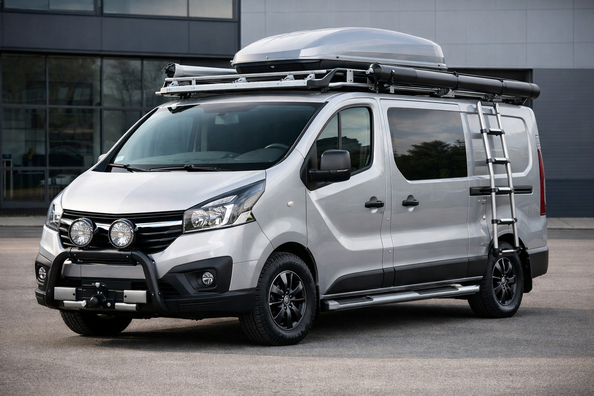
This upgrade package for Opel Vivaro 2001-2015 is for those who drive between cities, deliver goods to multiple stops, and want to feel less tired behind the wheel, load up faster, and avoid picking up small damage to the body and interior every day. There’s no point starting with décor here: in this use case, the upgrades that really save time, nerves, and small ongoing costs are the ones that win.
For Vivaro of this period, it’s important to look right away at the exact body: L1 or L2, H1 or H2, panel van or combi, and also what’s already fitted from the factory. Some 2014-2015 vehicles may already have useful options, while early versions need simple, but well-thought-out retrofits.
In the “intercity + delivery” scenario, the upgrade should cover three tasks: reduce driver fatigue on the highway, make manoeuvres in courtyards and at loading docks calmer, and make the cargo area more predictable. In Vivaro, usable cargo volume depends heavily on the body version, but overall it’s a working van with a low floor that’s easy to load—if you don’t turn the cabin into chaos.
For long rails, pipes, boxes, or profiles, a pass-through bulkhead is especially important: it provides not a “nice option,” but additional usable load length. For a short wheelbase it’s one logic, for a long wheelbase it’s another, so the solution should be tied to what you carry every week, not once a season.
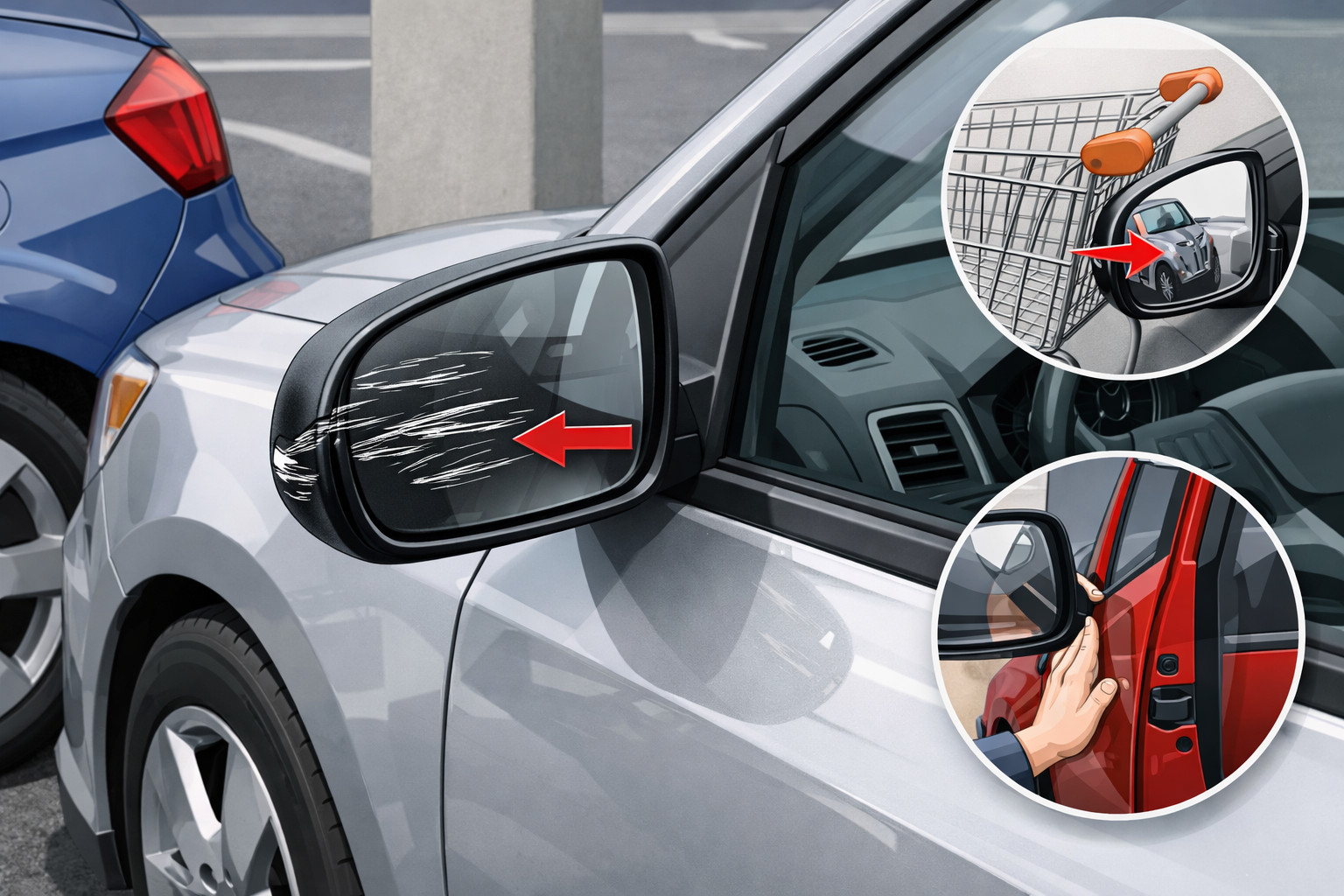
Another task is controlling the vehicle’s dimensions. On Vivaro, the width with mirrors exceeds 2.2 m, and the rear end of the body is constantly at risk in daily work. That’s why rear distance control is more practical for this van than almost any decorative exterior element.
The first budget is best invested in what the driver feels every day on every run. If the vehicle doesn’t have air conditioning, cruise control, hands-free, or rear parking sensors, those should come before chrome, side steps, and spoilers. For intercity work, this directly affects fatigue, work pace, and the number of minor bumper contacts.
If you have the 90 hp version and the van regularly runs loaded, don’t expect accessories to solve the lack of pull on the highway. Likewise, don’t start with ECU flashes and questionable вмешательство in the electronics: on a working Vivaro, you first cover daily function, not chase a number on paper.
| Upgrade | Why it’s needed | Who really benefits |
|---|---|---|
| Cruise control | Reduces fatigue on long, steady stretches, helps maintain an even pace | Those who regularly drive between cities and spend many hours behind the wheel |
| Air conditioning | Maintains a normal cabin microclimate, reduces fatigue, helps with windows in damp weather | Everyone who works daily, especially in summer or with frequent stops |
| Rear parking sensors | Reduces the risk of minor bumps when reversing | Those who often back into courtyards, up to ramps, to stores and warehouses |
| Pass-through bulkhead | Allows carrying longer cargo without moving up to a larger vehicle | Those who carry profiles, pipes, rails, long boxes |
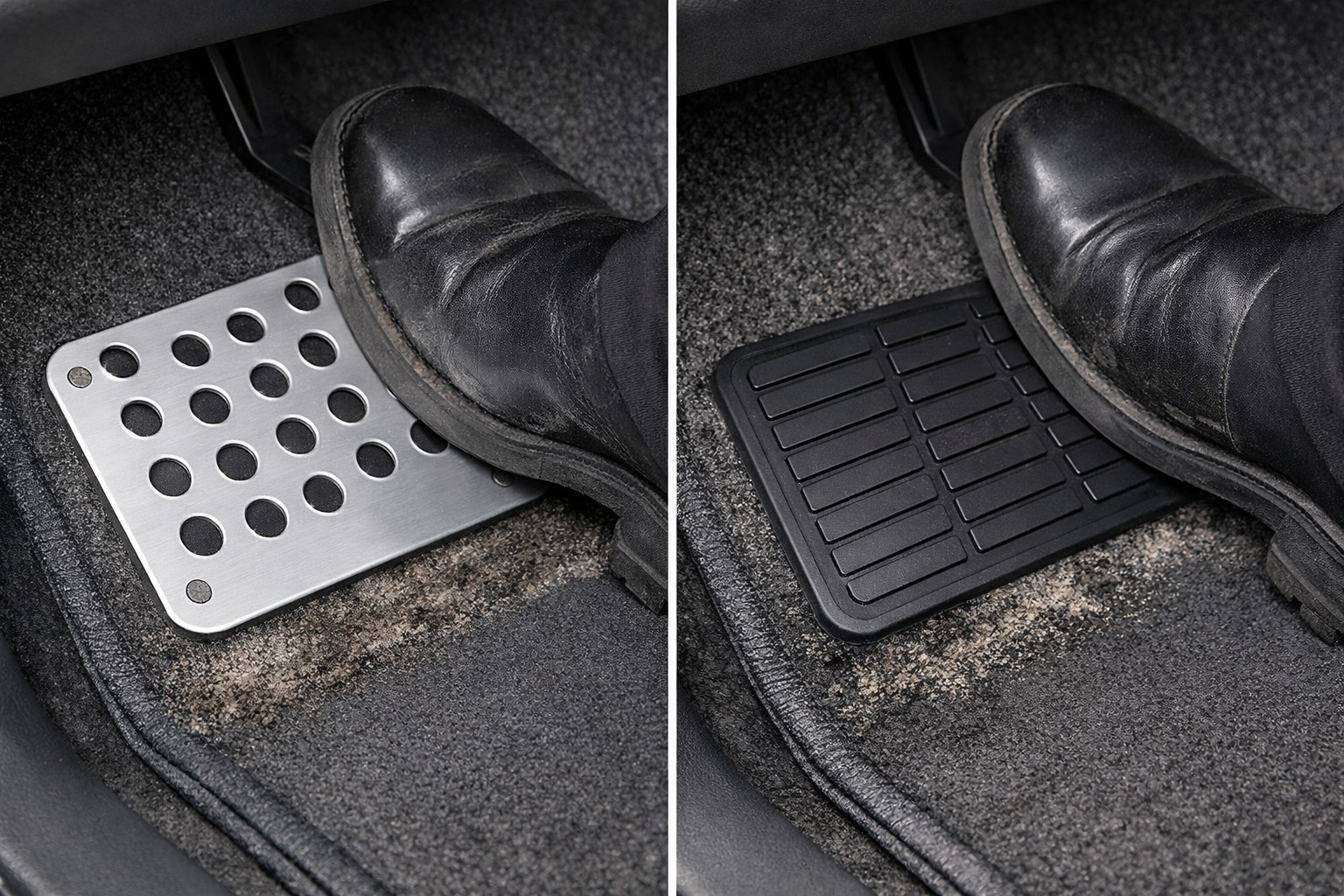
| Rubber floor mats | Make cleaning easier, protect the floor from water and dirt | Couriers, service crews, anyone who often gets in wearing shoes after being outside |
| Hands-free | Allows proper communication on the road without fussing with the phone | Those who take calls from customers and dispatch throughout the shift |
| Roof rack system | Solves the transport of awkward or extra-long cargo | Only for those who truly carry such items regularly, not “just in case” |
| Seat covers | Protect the factory upholstery from rapid wear | Those whose driver’s seat works daily and whose interior gets dirty quickly |
DD Tuning expert comment: With Vivaro, people very often buy side steps, trim pieces, or chrome first, and only then remember that the driver gets tired, the cargo rolls around in the body, and reversing is a lottery every time. For intercity work, the correct order is different: first control, microclimate, and a well-organised cabin, then solutions for the specific type of cargo. If the vehicle is L2 or often carries long items, the bulkhead or roof question should be solved immediately, not after decorative purchases.
The second stage starts after two to three weeks of real use of the updated vehicle. By then, you can clearly see what annoys you every day: cabin noise, seats getting dirty quickly, lack of space for small items, mess in the cargo area, or the risk of leaving tools overnight.
On older Vivaro, cabin sound insulation often brings more benefit than any exterior add-on. If the vehicle spends a lot of time on the highway, it’s precisely the noise and small fatigue that build up unnoticed. In parallel, it makes sense to think through seat protection and cabin organisation so that documents, straps, gloves, and chargers don’t live a separate life.
If you carry tools, boxes, or jerry cans, don’t just pile everything on the floor. The width between the wheel arches provides a solid base for cargo, but small items will still move around the body if they aren’t secured. And an important point: the factory tie-down points don’t like overloading, so heavy loads should be distributed, not all pulled to a single point.
This category includes covers, wind deflectors, door-sill protectors, rear bumper edge protection, dashboard shelves, and other small items that don’t change the van’s working logic, but make everyday use more pleasant. They’re perfectly fine once the first stage is already covered.
For a working Vivaro, the most useful items in this group aren’t the ones that “shine,” but the ones that protect constant contact areas: the rear bumper edge, door sills, seats, the lower part of the interior. Mirror covers, spoilers, and most decorative parts are purely about taste, not real returns in daily work.
The first common mistake is buying for the picture, not for the scenario. Side bars, heavy bull bars, decorative body kits, or pseudo-protection rarely add real value in delivery work, but they can add weight, noise, or inconvenience around the body.
The second mistake is fitting roof systems “just in case.” If long or awkward cargo appears once every few months, the roof rack spends most of its time simply carrying itself. For a daily vehicle, it’s not the smartest permanent add-on without regular need.
The third mistake is getting into ECU flashes, questionable electronics, or expensive lighting before the basic tasks are covered. On older Vivaro, a proper parking sensor system, communication, air conditioning, and order in the cargo area bring far more benefit than loud, but secondary “improvements.”
| What to install first | What can be postponed | What is not mandatory |
|---|---|---|
| Cruise control for highway driving | Cabin sound insulation | Chrome trim |
| Air conditioning or getting it back into proper condition | Seat covers | Decorative spoilers |
| Rear parking sensors | Rear bumper edge protection | Side bars and heavy bull bars without a working purpose |
| Pass-through bulkhead if you have long items | Roof system if long cargo isn’t weekly | Roof rails just for looks |
| Rubber floor mats and hands-free | Dashboard shelf and small cabin accessories | ECU remap as a first step |
More expensive upgrades make sense when they work every week, not just look good in the description. If you constantly carry pipes, profiles, rails, or long boxes, it’s logical to look at roof rack systems. But for one-off tasks, it’s extra weight, noise, and aerodynamic drag without consistent payback.
If the driver calls a lot, reverses frequently, and works on a tight schedule, it’s better not to save on neat communication and parking solutions and to check the electronics section. And when you need to calmly assemble the full list of compatible items for the model, it’s convenient to start from the Opel Vivaro 2001-2015 page and then filter out what’s unnecessary for your scenario.
Separately, more expensive seat covers or more precise protective elements are justified when the vehicle works dirty every day and the interior wears quickly. If you plan to keep the van for a long time, this expense can sometimes be smarter than cheap items you end up replacing twice.
From a customer’s experience: for a Vivaro used for regional deliveries, they initially wanted to install exterior bars and trim so the van would look more “put together.” After proper selection, they started with rear parking sensors, rubber floor mats, hands-free, and cargo organisation—and that’s what delivered noticeable results in daily work. The roof system was added later, when regular long shipments appeared, and that’s when it truly started paying for itself.
For Opel Vivaro 2001-2015 in the “intercity + delivery” scenario, the right order is simple: first reduce driver fatigue and the risk of minor damage, then bring order to the cabin and cargo area, and only after that move on to comfort and appearance. Most often, the winning package includes air conditioning, cruise control, rear parking sensors, rubber floor mats, hands-free, and a solution for long items—if you truly have them.
The key is not to buy for photos and not to overpay for décor where the vehicle is asking for basic function. This material is based on real selection experience, practice, and real usage scenarios, so the logic here is one: useful first, desirable second, and secondary—only if it doesn’t take budget away from upgrades you genuinely need.
| ✔ | Cruise control and air conditioning really reduce fatigue on long trips, which matters for intercity travel and daily deliveries. These are not cosmetic upgrades, but things the driver feels every day. |
| ✔ | The rear parking sensors help you maneuver more calmly in yards, by ramps, and in tight areas. For a Vivaro that is constantly working in reverse, this is a more practical upgrade than exterior trim. |
| ✔ | The pass-through bulkhead makes it possible to carry long loads without moving up to a larger vehicle. This is especially useful if you regularly transport pipes, profiles, or long boxes. |
| ✔ | Rubber floor mats and seat covers make daily cleaning easier and protect the cabin from quick wear. For a work van, this reduces small expenses and keeps the cab in proper condition. |
| ✔ | Cabin sound insulation on older Vivaro models can noticeably reduce accumulated fatigue during highway trips. It is especially appropriate if the vehicle travels between cities a lot. |
| ✘ | Accessories will not solve the lack of traction in the 90 hp version if the van is often driven fully loaded. In that case, it is important not to expect from upgrades what they cannot deliver. |
| ✘ | A roof cargo system without a regular need only adds weight, noise, and aerodynamic drag. If long loads are rare, it will spend most of its time carrying itself. |
| ✘ | Side tubes, bulky bars, spoilers, and other decorative body kits hardly help with deliveries. Instead, they can add inconvenience, noise, or extra weight. |
| ✘ | Remapping and questionable electronics should not be the first step in upgrading. On an older working Vivaro, basics like parking sensors, communications, air conditioning, and order in the cargo area are more important. |
Shipping to EU
Wholesale and retail
Own warehouse
Опис продукту
Подарунки не надаються при оформленні покупки у кредит під 0,01% або при покупці частинами.