05.07.2026
199
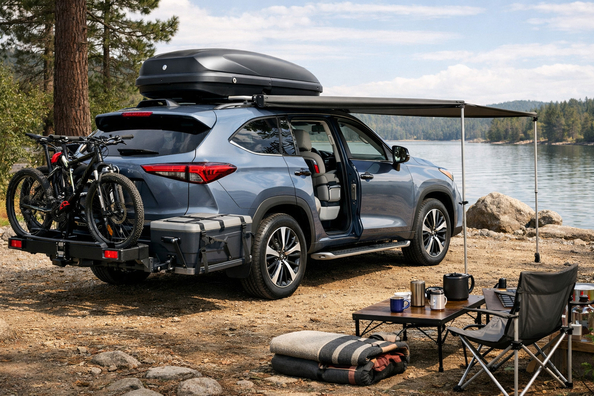
This upgrade package for the Toyota Highlander 2014 is for a family that regularly travels far: vacations, intercity routes, trips with kids, suitcases, a stroller, or sports gear. The main goal here isn’t to make the car look “more striking,” but to reduce dirt in the cabin, bring order to the trunk, and add useful capacity where the factory volume is no longer enough.
In this generation of Highlander, the stock setup is already strong for this scenario: a spacious cabin, decent climate control for multiple rows, a quiet suspension on the highway, plenty of storage cubbies, and a practical trunk. So the logic is simple: first protect the cabin and trunk, then add organization for your gear, and only after that think about the roof, tow hitch, or electronics.
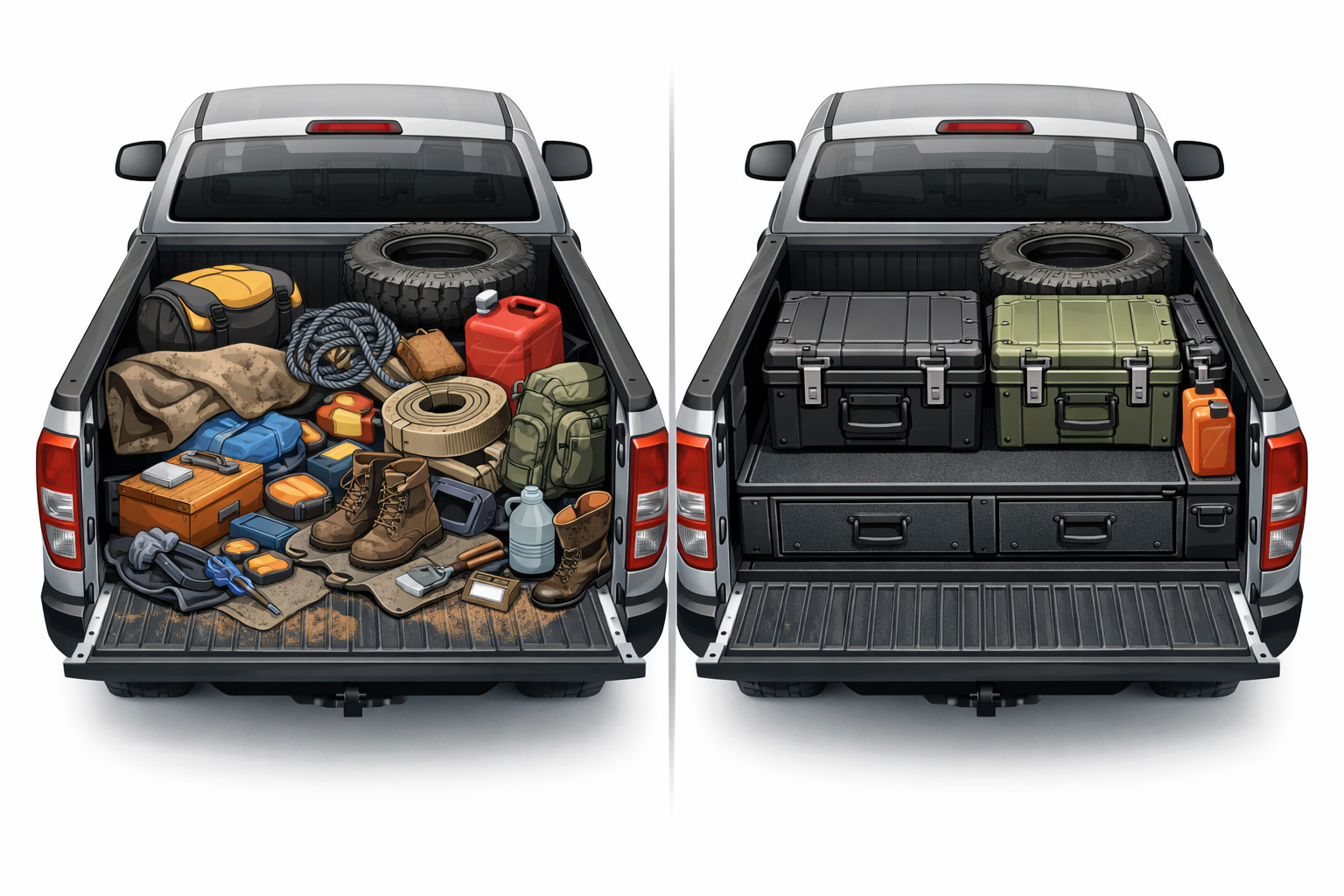
For a family Highlander, the main issue isn’t that the car lacks something critical from the factory—it’s that family use quickly destroys cleanliness and order. Three rows of seats mean more shoes, more crumbs, wet clothing, kids’ items, shopping bags, bottles, small totes. If the third row is often up, usable cargo volume drops sharply, and then every little thing starts sliding around on the floor.
The second factor is your travel pattern. If you have two adults and kids, the third row usually functions as a kids’ zone rather than a full adult seat for long highway drives. If the vehicle is the 7-seat version with captain’s chairs in the second row, seating flexibility is also lower than in the 8-seat configuration. That’s why for long trips, cabin protection, trunk order, and extra capacity matter more here than decorative accessories.
The first step for a Highlander 2014 is all-weather floor mats for all three rows and separate trunk protection. This is the kind of expense you feel every day: the cabin is easier to clean after rain, snow, sand, kids’ snacks, and outdoor trips. For a large family crossover, this matters more than any exterior tuning.
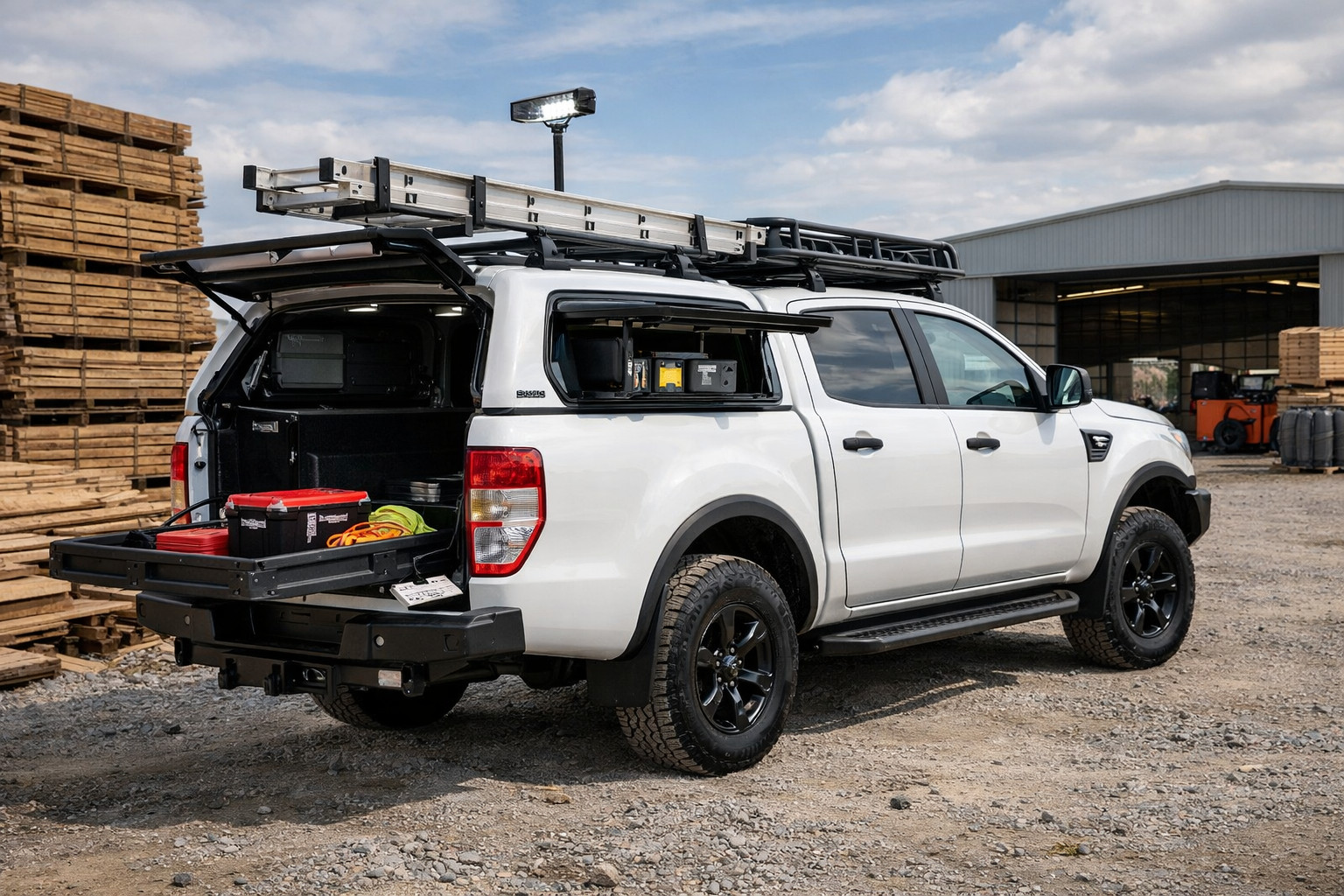
The second must-have in the same wave is a model-specific cargo mat, not a universal one. For the Highlander this is especially relevant because the third row folds in sections, and proper trunk protection shouldn’t interfere with that transformation. If the car often travels with a stroller, scooters, bags, or dirty shoes, the cargo area takes the biggest beating.
| Upgrade | Why it’s needed | Who really benefits |
|---|---|---|
| All-weather cabin floor mats | Catch water, dirt, and small debris, making cleanup easier after daily family use | Almost all owners, especially with kids, frequent trips outside the city, or winter driving |
| Trunk protection | Takes the impact of strollers, suitcases, shopping, dirty gear, and reduces wear of the factory lining | Those who use the trunk often and don’t want to damage the floor and third-row seatbacks |
| Cargo cover and net | The cover hides items from view; the net holds small objects so they don’t roll around the trunk | Families who travel on vacation, go shopping, or often carry small luggage |
| Crossbars for roof rails | Provide a base for a cargo box or mounts when you have more stuff than fits with the third row up | Those who actually carry skis, bikes, seasonal luggage, or often travel with a full crew |
| Tow hitch | Needed for a trailer or bike platforms; when done right, it doesn’t reduce ground clearance as much | Only for those who truly tow or plan an external platform; for the V6 it’s especially relevant |
| Remote start | Lets you pre-warm or pre-cool the cabin before you leave | Those who park outside in extreme heat or frost and have a compatible trim level |
DD Tuning expert comment: a typical Highlander owner’s mistake is to look at side steps, chrome, or big wheels right away, while the car isn’t yet covered in basic practicality. The second mistake is buying a roof setup or tow hitch “just in case,” and then using it once a year. The best approach is choosing based on a real scenario: how many people ride, how often the third row is up, and whether the car sleeps outside.
After protecting the cabin and trunk, it’s logical to move on to organization. A cargo cover is useful for city driving and travel when there are bags, electronics, or kids’ items in the trunk that you don’t want left in plain sight. A net is simpler, but it saves you from chaos every day: a first-aid kit, inflator, chargers, groceries, and small tools stop sliding all over the floor.
Next—only if needed. If the third row is often occupied and there’s little space left in the trunk, then crossbars and a roof box make sense. If your family has bicycles or a small trailer, then you look toward a tow hitch. But it’s important not to generalize: crossbars can differ by trim, and a tow hitch only makes sense for a real task, not as decoration. Remote start also isn’t a second step for everyone—it’s a separate decision based on climate and the vehicle’s compatibility with keyless access.
For a family long-distance scenario, I’d put side steps, chrome trim, some decorative body kits, and oversized wheels for looks into this group. They can change how the car is perceived, but they don’t solve daily tasks: the cabin won’t get cleaner, the trunk won’t get bigger, and packing suitcases won’t get easier.
With comfort items, it’s worth being cautious because the Highlander often already covers a lot from the factory. If the car already has good climate control, second-row sunshades, plenty of power outlets, and a convenient trunk, then expensive entertainment or decorative add-ons bring less benefit than a solid set of mats and a well-thought-out cargo solution. For long trips, comfort here comes not from shine, but from order.
Most often, people waste money on things that look great on the product page but don’t work in their real usage. Classic examples are side steps with no real need, big wheels for looks, a tow hitch without a trailer or bike platform, or remote start for a car that’s parked in a warm garage. In a family Highlander, that’s usually money taken away from a more useful budget.
Another common mistake is choosing universal solutions instead of model-specific ones. A universal cargo mat often fits worse, doesn’t play well with seat folding, and starts to annoy rather than help. The same applies to roof gear: if you don’t understand how often you actually carry an overloaded cabin, crossbars or a box can spend most of the year just creating extra hassle.
| Install first | Can be postponed | Not required |
|---|---|---|
| All-weather mats for 3 rows | Cargo cover | Chrome trim pieces |
| Model-specific trunk mat | Net for small items | Side steps without a real need |
| Basic check whether the factory cargo volume is enough for your scenario | Roof crossbars if the third row is often occupied and cargo doesn’t fit | Oversized wheels for looks if highway comfort matters |
| Assess whether you actually need a trailer or bike platform | Tow hitch for a specific task | Tow hitch “for the future” |
| Assess winter and hot-weather parking conditions | Remote start if the car is parked outside and the trim is compatible | Remote start for mild climates or a garage-kept car |
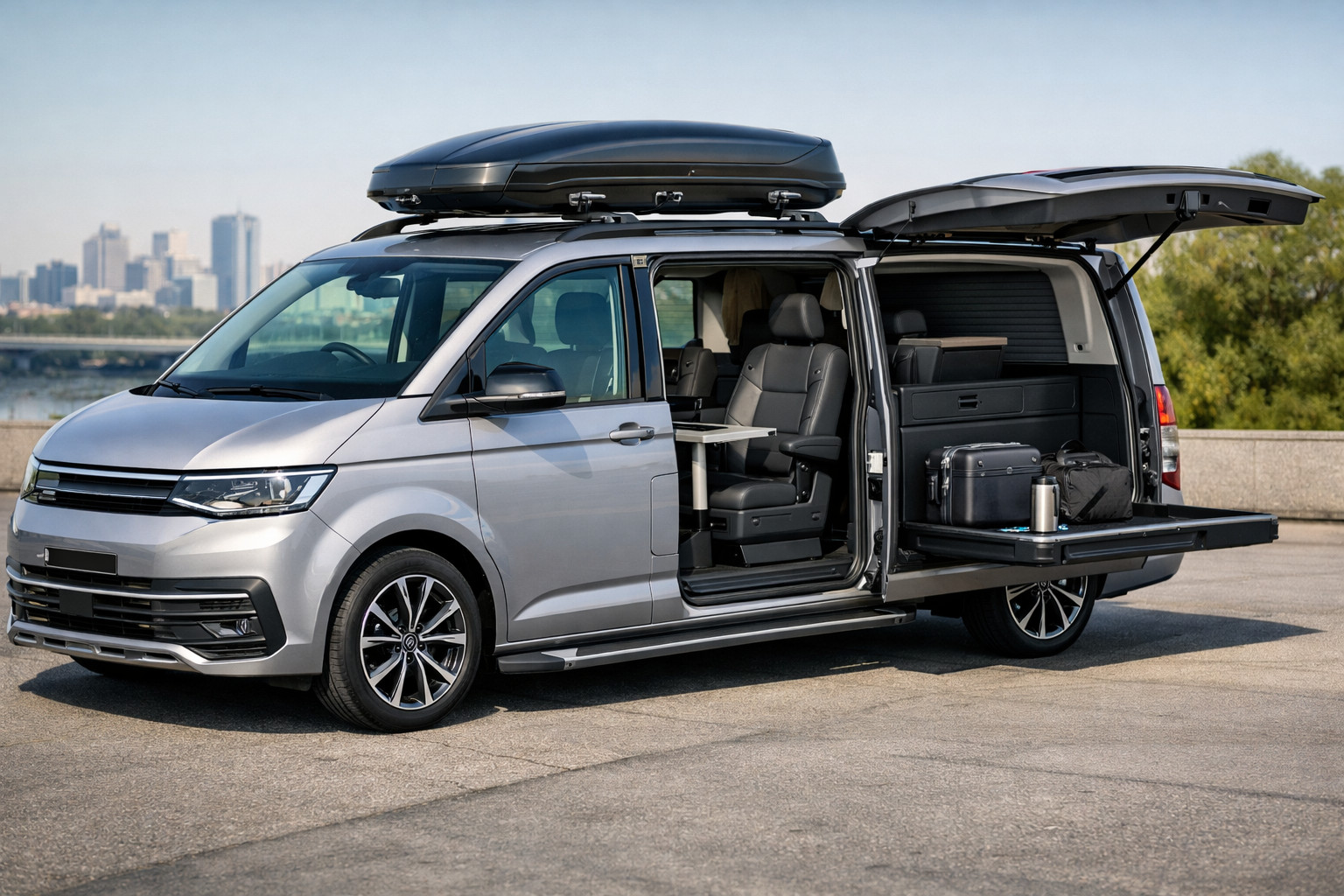
More expensive solutions are justified when they remove a constant pain point, not just add another item to the equipment list. If you want to see all compatible options in one place, start with the page all upgrades for Highlander. If the family often travels fully loaded and the trunk behind the third row is constantly small, then it makes sense to look at a roof rack and build a solution around a roof box or other load.
Electronics can also be justified, but not everything at once. If the car spends nights outside and in summer or winter you need to prep the cabin every morning before departure, then it’s worth reviewing the electronics section. With expensive purchases for the Highlander, one thing matters most: check compatibility by generation, trim level, and VIN, because even crossbars and electronic options aren’t always the same across all versions.
From a customer’s experience: a Highlander owner was looking for family-vacation side steps and decorative trim because it seemed the car “wanted” an exterior add-on. After a conversation, he settled on cabin mats, trunk protection, and a cargo cover, and installed crossbars only before the season of long trips, when the third row actually started being used all the time. In the end, satisfaction came not from looks, but from less dirt in the cabin and packing that stopped being chaos.
For a Toyota Highlander 2014 in a family long-distance scenario, the smartest upgrade package looks like this: first protect the cabin and trunk, then organize your gear, then add the roof, tow hitch, or remote start only for a specific task. This keeps the budget from ballooning and prevents mixing useful items with accessories that simply look convincing.
In short, the Highlander doesn’t need heavy tuning to carry a family well. It needs a few правильні upgrades in the right order. This material is based on real selection experience, practical know-how, and real usage scenarios—not on the logic of “install everything at once.”
| ✔ | All-weather mats for all rows and cargo-area protection really make daily cleanup easier after kids, dirt, snow, and trips outdoors. For family use, this solves the most common problem — the cabin getting dirty fast. |
| ✔ | A model-specific cargo liner is better than a universal one because it accounts for third-row folding and does not interfere with cabin transformation. This is especially useful when a stroller, suitcases, or dirty items are often carried in the trunk. |
| ✔ | The cargo cover and net help keep the trunk organized: the cover hides items from prying eyes, while the net secures small items. In everyday family trips, this reduces clutter and keeps things from sliding around on the floor. |
| ✔ | Crossbars on the roof rails provide extra space when the third row is occupied and the factory trunk is no longer enough. This is practical for seasonal luggage, skis, bicycles, or traveling with a full load. |
| ✔ | Remote start can be genuinely useful if the car spends the night outside in heat or frost. It lets you prepare the cabin for the trip in advance, which is convenient for family outings. |
| ✘ | Side steps, chrome, and large wheels do not solve the Highlander family model’s main tasks: they will not make the cabin cleaner or the trunk more spacious. In the article, this is directly described as spending the budget on things without practical effect. |
| ✘ | A tow hitch without a real trailer or bike rack is often unnecessary. The author advises installing it only for a specific task, not “just in case.” |
| ✘ | Crossbars and a roof box make sense only when the third row is often occupied and the luggage really does not fit. If this scenario does not happen, they may just create extra hassle for most of the year. |
| ✘ | Universal solutions, especially cargo mats, may fit worse and interfere with folding the seats. Because of this, they can end up not helping but, on the contrary, annoying in everyday use. |
Shipping to EU
Wholesale and retail
Own warehouse
Опис продукту
Подарунки не надаються при оформленні покупки у кредит під 0,01% або при покупці частинами.