30.07.2026
255
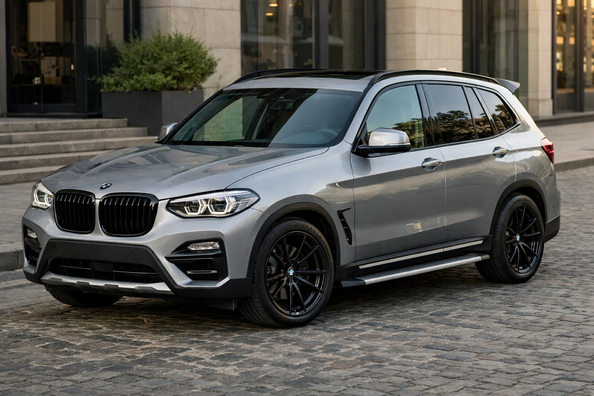

This upgrade plan is for a BMW X3 G01 owner who drives mostly in the city and wants to make the car more convenient for everyday use, not just “meaner” in photos. The scenario is simple: courtyards, parking lots, curbs, rain, snow, shopping, kids’ stuff, suitcases, and constant contact between the interior/trunk and dirt.
The X3 G01 is already well-balanced, but for the city it isn’t small: almost 4.72 m long with a turning circle of about 12 m quickly reminds you that visibility and control matter more than decorative tuning. That’s why the baseline upgrade here isn’t built around pseudo M styling, but around practicality: a cleaner interior, easier parking, comfort on rough asphalt—and only then looks.
For a city-driven X3 G01, the main goal isn’t to “turn the car into an M,” but to remove everyday irritations. In real use that means dirt in the cabin, items sliding around in the trunk, inconvenience in tight spaces, harshness on big wheels, and unnecessary spending on cosmetics that add no real value.
If you already own the car, the first upgrades should make it calmer to live with: easier to park, simpler to wash, less worry about potholes and curbs. If you’re only choosing an X3 G01, it’s better to look for some things right in the factory spec: adaptive suspension, heated steering wheel, surround view, acoustic glass. That’s cheaper and more logical than complex retrofits after purchase.
Step one is protecting the interior and trunk. All-weather floor mats and a trunk liner deliver value every day: less moisture, sand, road salt, and easier cleanup after a stroller, packages, or gym bags. On the X3 this is especially relevant because the trunk is large, and without a mat things quickly start sliding across the floor.
Step two is sorting out parking and visibility. On a vehicle of these dimensions, surround view and sensors matter more than the auto-parking function itself. If you’re still shopping, it’s better to find a car with a camera and the parking assistance package than to spend on small exterior add-ons.
Step three is wheels and tires for city use. For the G01 in daily driving, a 19-inch setup like 245/50 R19 is almost always smarter than a 20-inch staggered option: better comfort, lower risk of damaging a wheel, more confidence over potholes and in winter. If your scenario includes a lot of snow, the right tires matter more than a bigger diameter.
| Upgrade | Why it’s needed | Who it truly benefits |
|---|---|---|
| Rubber floor mats for the cabin | Protect the carpeting from water, dirt, road salt and reduce cleaning time | Anyone who drives in the city daily, carries kids or pets, or often gets in with wet shoes |
| Trunk liner | Prevents items from sliding, absorbs moisture and dirt from bags, strollers, tools | Those who actually use the trunk rather than keeping it empty |
| Switching to 19-inch wheels with the right tires | Improves comfort, reduces stress over potholes, and lowers the chance of rim damage | Those who drive on rough roads, park by curbs, or want a calm daily driver |
| Cameras, sensors, surround view | Makes parking in tight spaces easier and helps control the area around the body | Those who often use underground garages, narrow courtyards, and dense urban areas |
| Adaptive suspension | Noticeably improves daily comfort without turning the car “floaty” | Those who drive a lot in the city and want less fatigue from rough surfaces |
| Dedicated dash cam | Provides recording while driving and a useful parking mode | Those who park on the street, in courtyards, or leave the car unattended |
DD Tuning expert comment: The most common mistake with the X3 G01 is buying big wheels or decorative trim first, and only then being surprised by a harsher ride and constant anxiety about the rims. Another typical story is overpaying for visual effect instead of cameras, tires, or proper interior protection. If you’re still choosing the car, it’s better to find the right factory configuration than to plan a complicated retrofit with coding and module replacement.
Stage two starts after the basics are covered. If the car sleeps outside or in a crowded courtyard, a dedicated dash cam becomes a logical next step. It’s more useful than many decorative add-ons because it works both on the move and while parked.
Next come comfort options, with one clarification: some of them aren’t so much “added” as they should be a smart checkbox when selecting a specific car. Heated steering wheel, a better seat configuration, lumbar support, acoustic glass—these are things you feel every day in the city even if you can’t see them from the outside.
If your G01 already has 20-inch wheels and the car feels unnecessarily harsh, the second stage may be rolling back to a more sensible wheel setup rather than installing yet another piece of décor. It’s not a flashy photo upgrade, but it’s one of the few you feel on every trip.
In the comfort category I’d put adaptive suspension, a heated steering wheel, better seats, acoustic glass, and a sensible tire set. This isn’t “tuning for the picture,” but things that genuinely reduce fatigue and make the X3 more appropriate for an urban pace.
In the appearance category: body kits, glossy black bits, trims, spoilers, decorative M-style elements. Here the key rule is: either do it as a cohesive whole, or don’t do it at all. On the G01, a cheap set of scattered parts quickly starts to look like an attempt to imitate a more expensive trim.
A separate risk zone is big wheels as the main visual accent. For the city it’s almost always a compromise not in your favor: it looks good, but you pay for it with comfort, tire life, and nerves near curbs.
On the X3 G01, people often buy things with no real purpose—items that are immediately noticeable but barely help in daily use:
The core mistake is the same: buying not for your scenario. If your car sees curbs, puddles, and tight parking more often than highways and photo shoots, practical upgrades always beat decorative ones.
| What to install first | What can be postponed | What isn’t necessary |
|---|---|---|
| Rubber floor mats for the cabin | Dash cam, if the car is kept in a safe closed parking garage | Auto-parking as a separate goal |
| Trunk liner | Heated steering wheel, if the car is already purchased and a retrofit isn’t cost-effective | 20-inch wheels for a purely urban scenario |
| A proper city wheel and tire set | Exterior styling package, if comfort and visibility issues aren’t solved yet | Retrofit of comfort access after purchase |
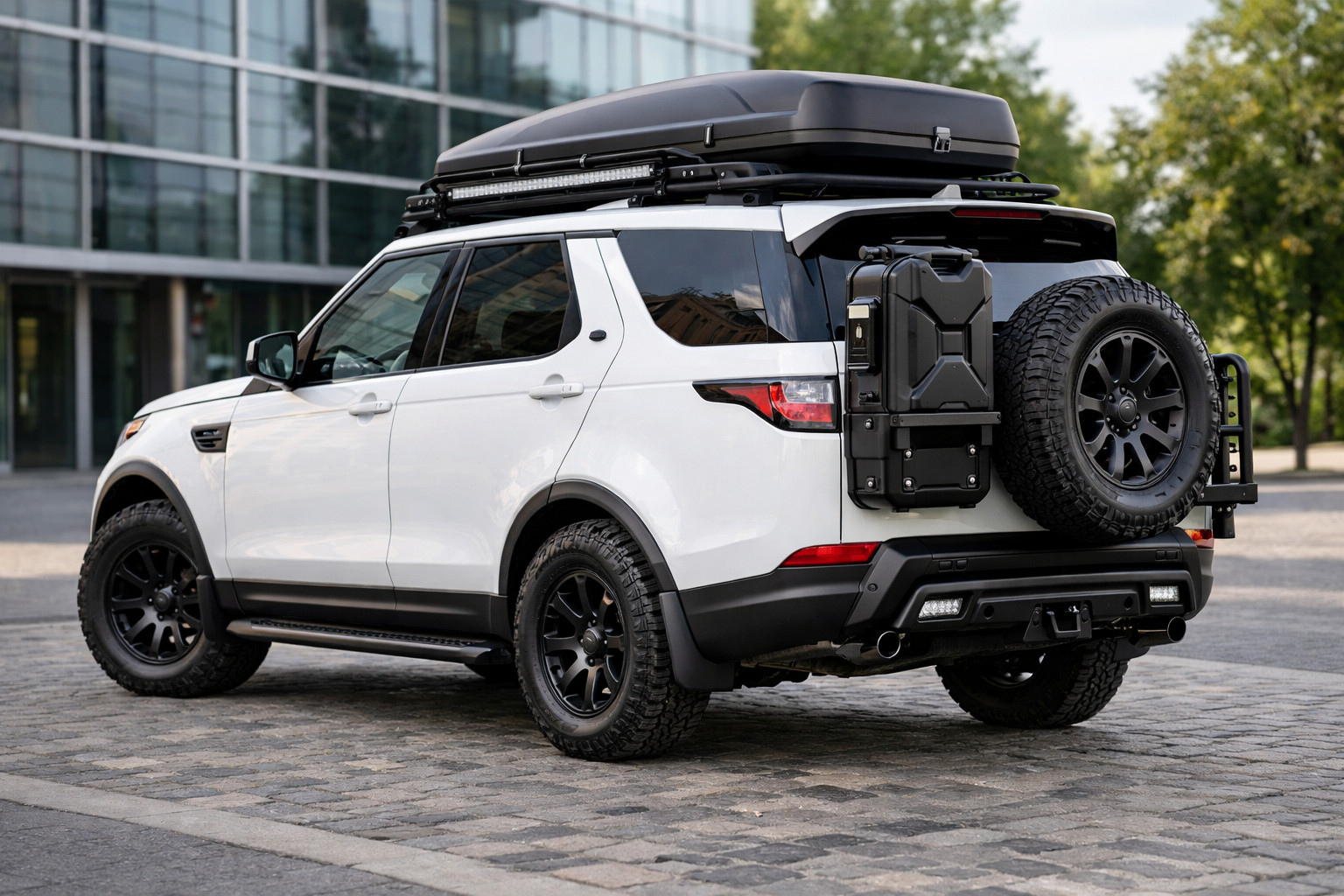
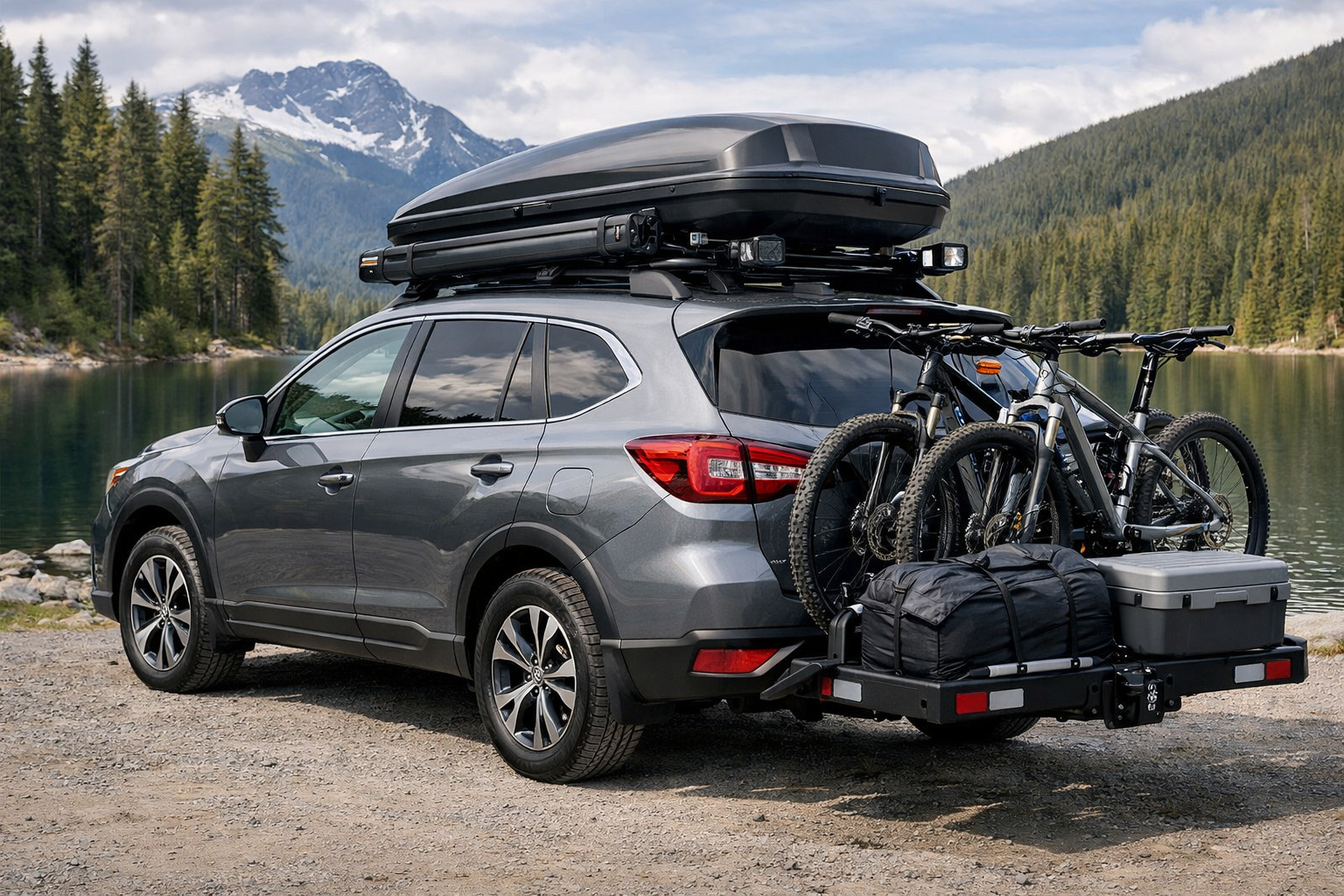
| Cameras and sensors, or choosing a car that already has them | Roof rack and box, if there are no regular long trips | Decorative badges, trims, pseudo-sporty bits |
| Choosing a car with adaptive suspension, if you’re still shopping | Acoustic glass as a wish for the next car | Any décor that imitates a more expensive version instead of solving practical tasks |
This sequence isn’t the most impressive for photos, but it saves budget and makes the X3 G01 better exactly where it’s used every day.
More expensive solutions make sense when basic practicality is already covered. For everyday city driving, it’s logical to start with things that work daily: rubber floor mats for the cabin and a trunk liner. It’s not the most expensive direction, but it immediately removes part of the day-to-day mess.
If you want to invest specifically in looks, it only makes sense as a cohesive solution—not as a cheap imitation of the M version. Then it’s worth looking at a full body kit set, understanding the costs of painting and installation, and the fact that this step shouldn’t replace proper tires, visibility, or a comfortable suspension.
From a customer’s experience: For a city X3 G01, the owner initially planned “something more aggressive for the exterior,” but after the first month realized the biggest annoyances were dirt in the cabin, a slippery trunk, and harshness on big wheels. In the end they started with floor mats, a trunk mat, and a switch to a calmer wheel setup, and postponed the decorative trims. The owner was satisfied because the car became more convenient every day, not just brighter in appearance.
For a BMW X3 G01 in an urban scenario, the right starting upgrade looks like this: first protect the interior and trunk, then visibility and parking, then wheels and tires for real roads, after that comfort options—and only at the end, appearance. Pseudo M styling, big rims, and scattered décor are better left for later, or not done at all.
The best result here comes not from a maximum budget, but from the right order of decisions. This material is based on real selection experience, practice, and real usage scenarios—not on the desire to sell as many decorative parts as possible.
| ✔ | Rubber floor mats and a trunk liner really reduce the amount of dirt, moisture, and road salt in the cabin. In the city, they also save time on cleaning after kids, shopping, or wet shoes. |
| ✔ | Cameras, sensors, and a 360-degree view make parking much easier in tight courtyards and underground parking garages. For the X3 G01, which is not small in size, this is a more practical investment than decorative upgrades. |
| ✔ | Switching to 19-inch wheels with proper tires gives better comfort in the city. It also lowers the risk of damaging a rim near curbs and provides more composed behavior over potholes and in winter. |
| ✔ | Adaptive suspension and other comfort options are truly noticeable in daily driving. They reduce fatigue on rough pavement without making the ride overly soft. |
| ✔ | A separate dash cam is useful for those who park in courtyards or leave the car on the street. It works not only while driving, but also when parked, which adds practical control. |
| ✘ | Cheap pseudo-M style quickly looks like an attempt to imitate a more expensive version rather than a well-thought-out solution. Such overlays and decorative elements do not solve comfort or convenience issues. |
| ✘ | 20-inch or larger wheels for a purely urban use case make the ride harsher. They also increase the risk of damaging a rim near curbs and in potholes. |
| ✘ | Retrofits like Comfort Access after purchase can turn out complicated and expensive because of wiring, coding, and other nuances. The article directly advises looking for the right trim level from the start rather than adding it later. |
| ✘ | More expensive exterior upgrades make sense only after the basics are covered, yet they are often bought first. As a result, the budget goes to appearance rather than cabin protection, visibility, or convenient parking. |
Shipping to EU
Wholesale and retail
Own warehouse
Опис продукту
Подарунки не надаються при оформленні покупки у кредит під 0,01% або при покупці частинами.